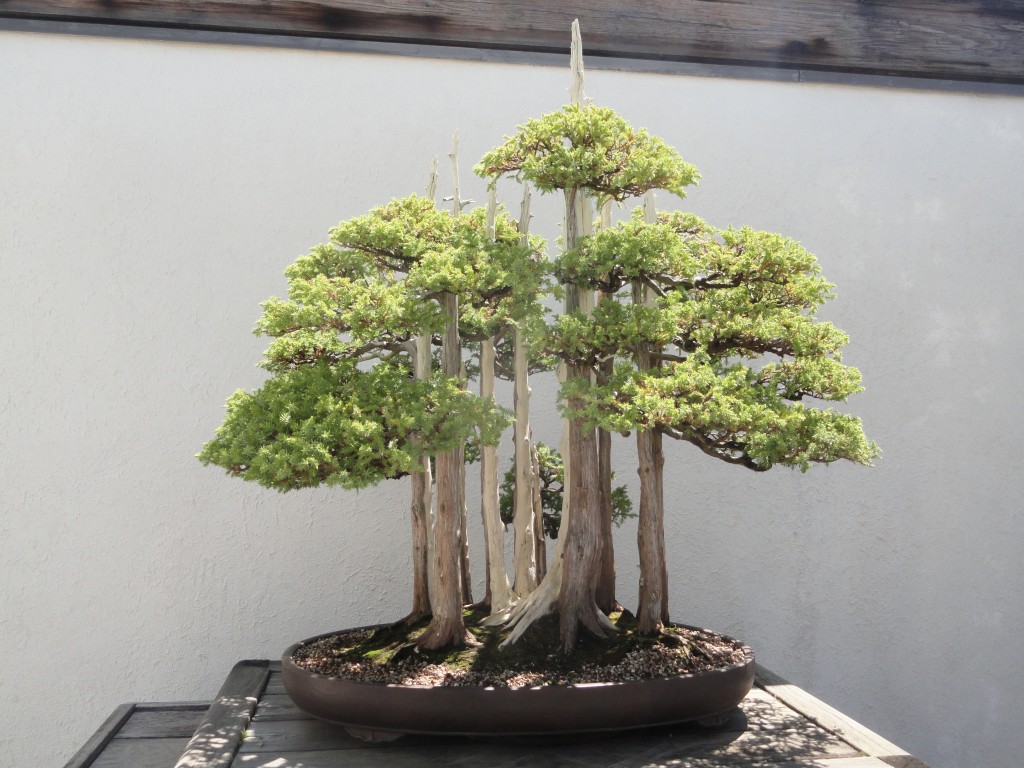
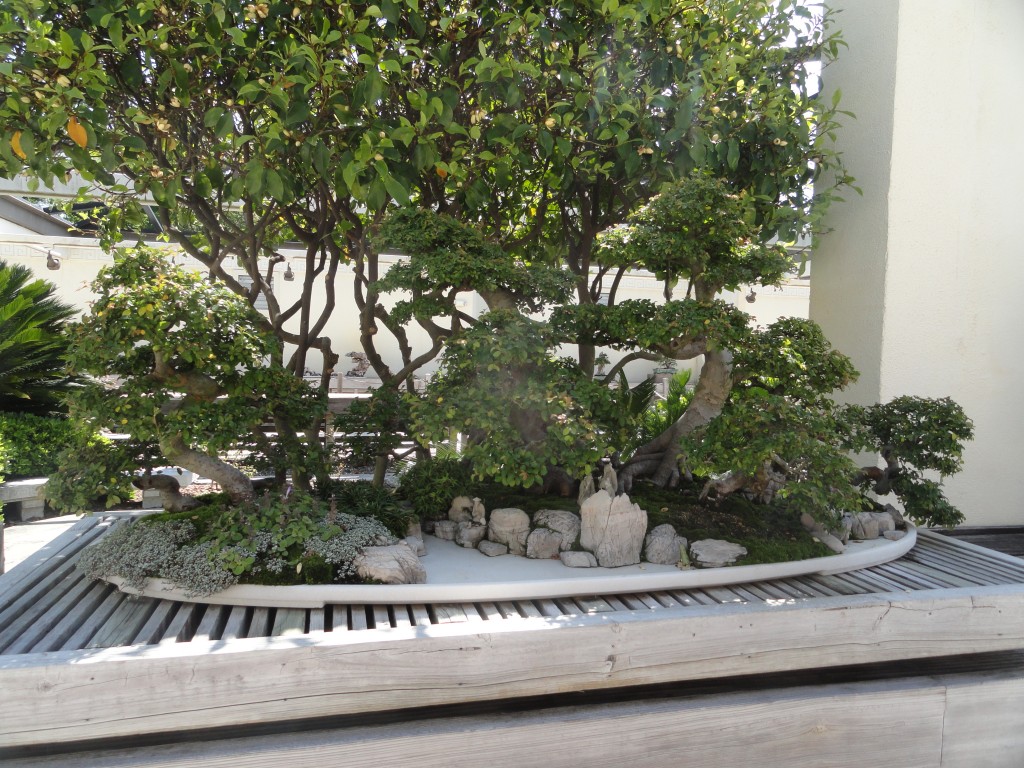
Bonsai, the Japanese art of growing miniature trees in small containers, is also a science. The term bonsai aptly describes what it is – “bon” means tray or low-sided pot and “sai” means plantings. I gave some examples of bonsai (and a related Chinese form called penjing) in a previous post. Ironically, while bonsai is emblematically Japanese, the art was originally developed in China and only adopted later by the land of the rising sun. Here’s a quick reminder of one kind of bonsai tree:
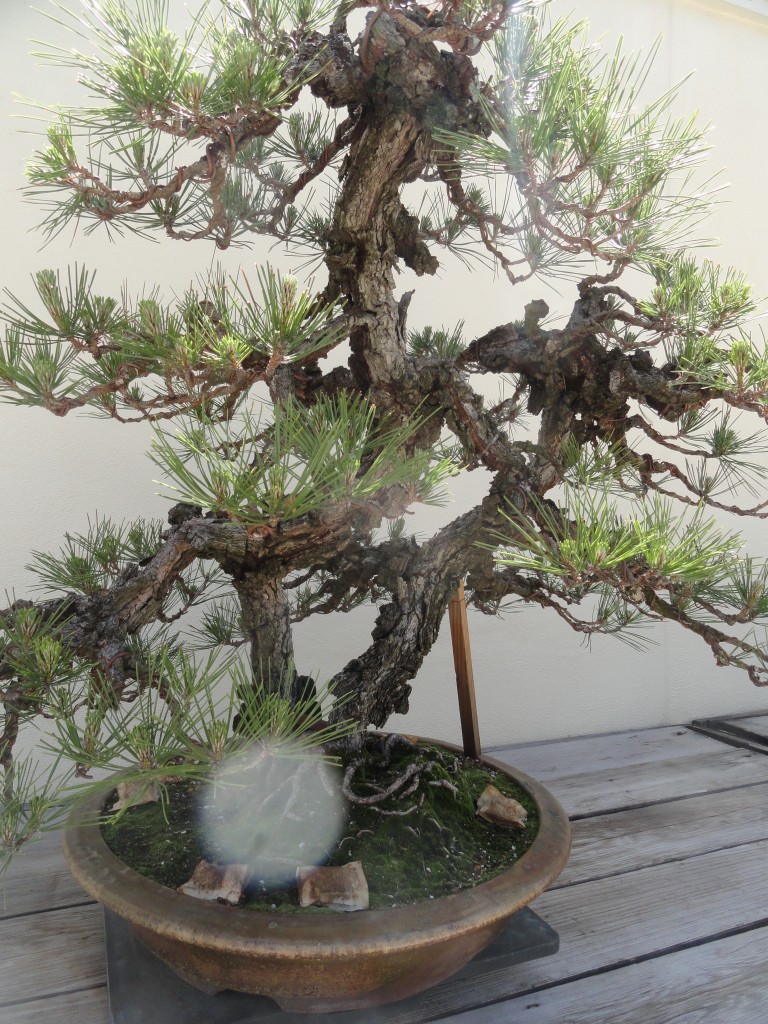
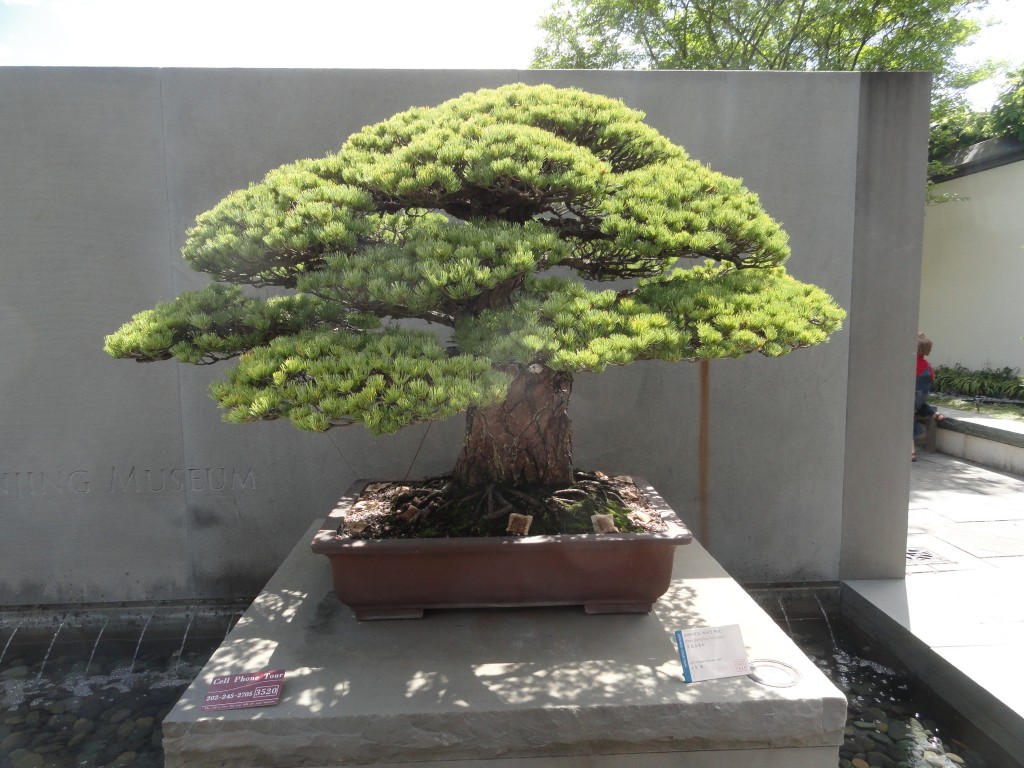
The art of bonsai cultivation is passed down from generation to generation. And since managing a single tree may take many decades or even hundreds of years, the tree itself passes through many generations. The oldest one in the US National Arboretum remains vibrant today at 389 years old. So how does one cultivate a bonsai tree? That is where the science comes in.
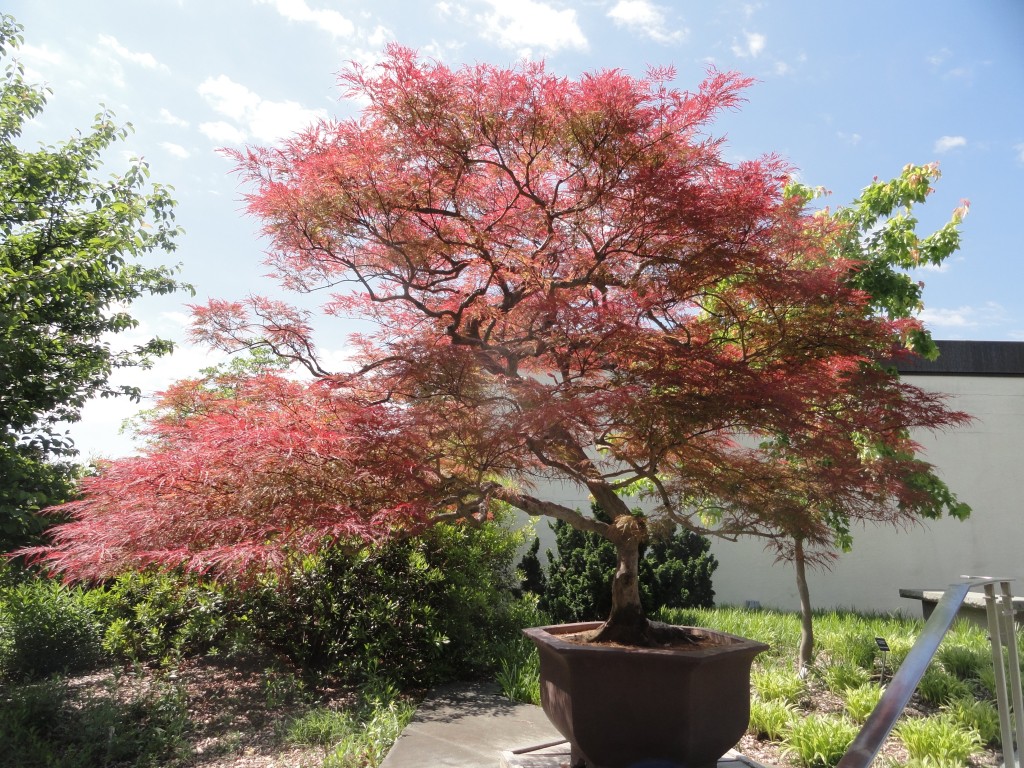
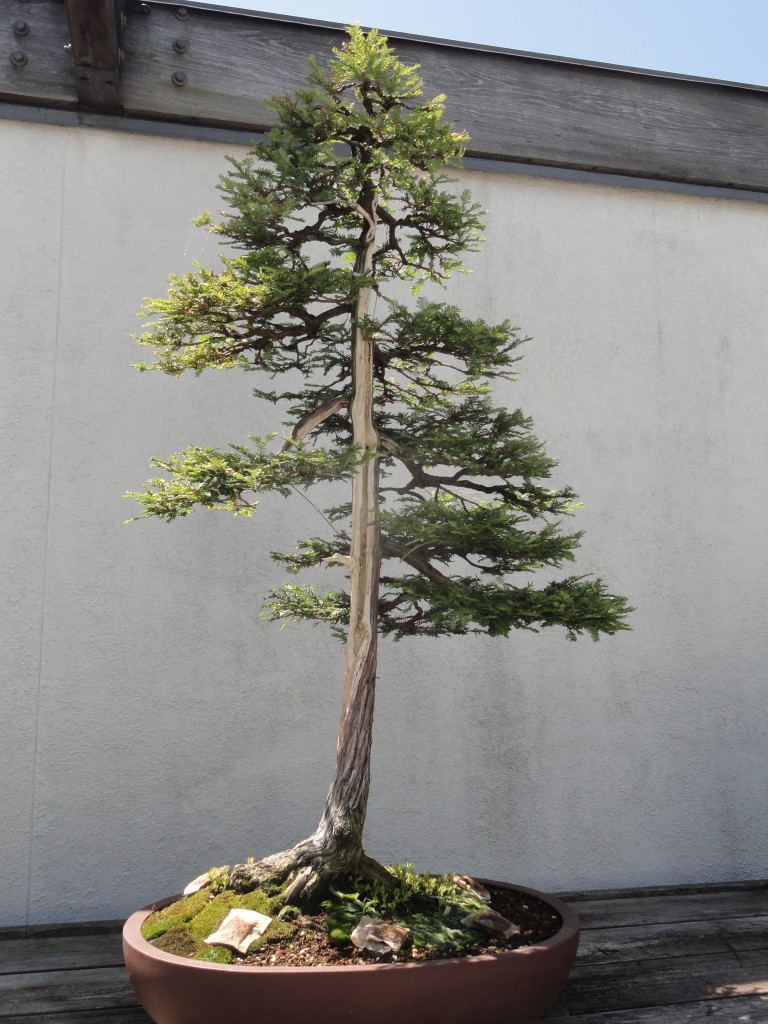
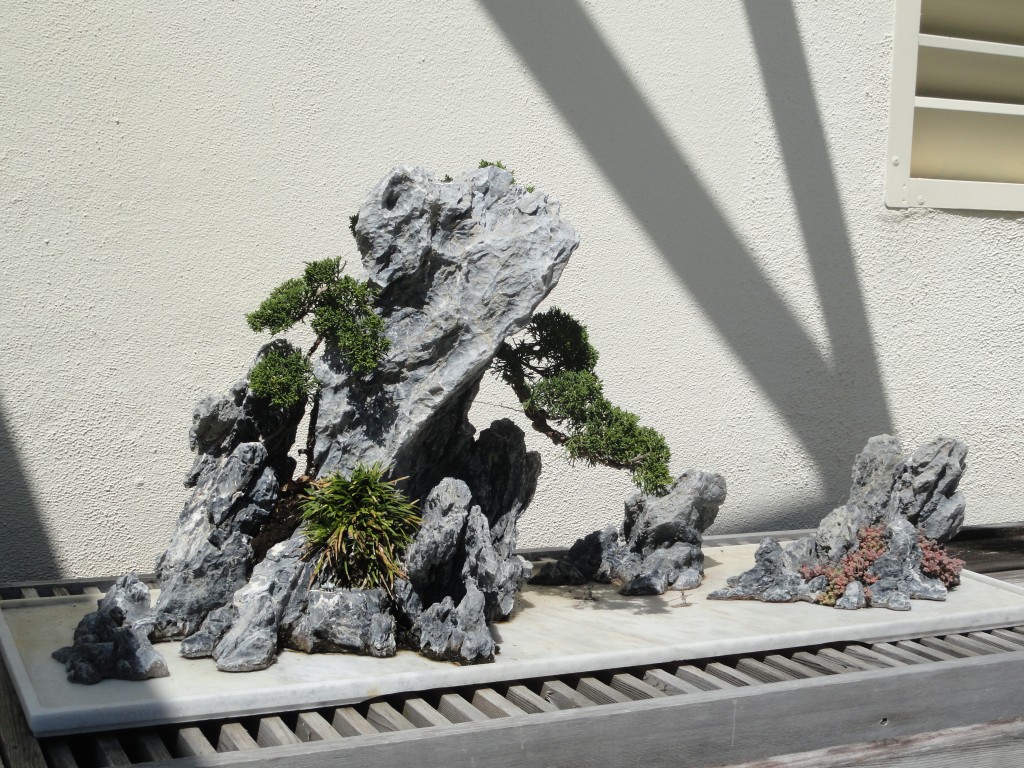
Since these plantings come from regular trees, they must begin as cuttings or seedlings. Regular trimming, pruning, and manipulation is necessary to keep the trees small and create the desired shape. While the type of tree chosen influences the potential shape, there are different styles ranging from formal or informal upright, slant, or cascade, as well as more advanced styles such as root over rock, forest, raft, and windswept. Examples are shown in my previous post. To get these shapes there is quite a bit of physical manipulation.
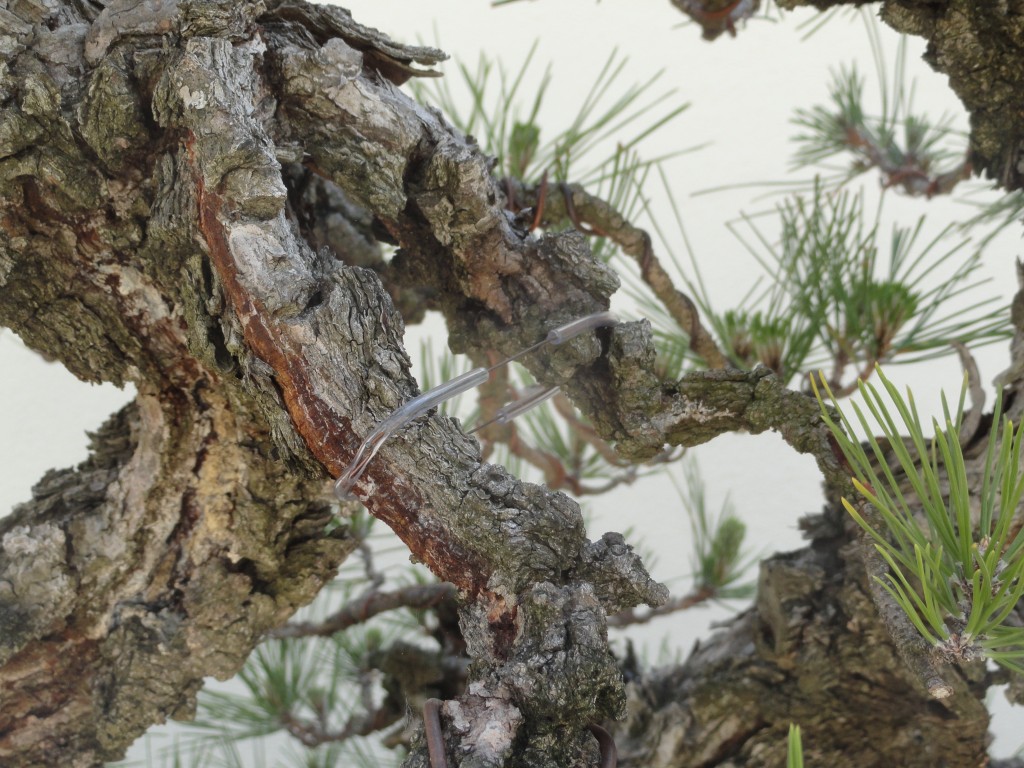
Bands like the one above help pull together larger boughs, while heavy copper wire is used to direct future growth into twists and turns.
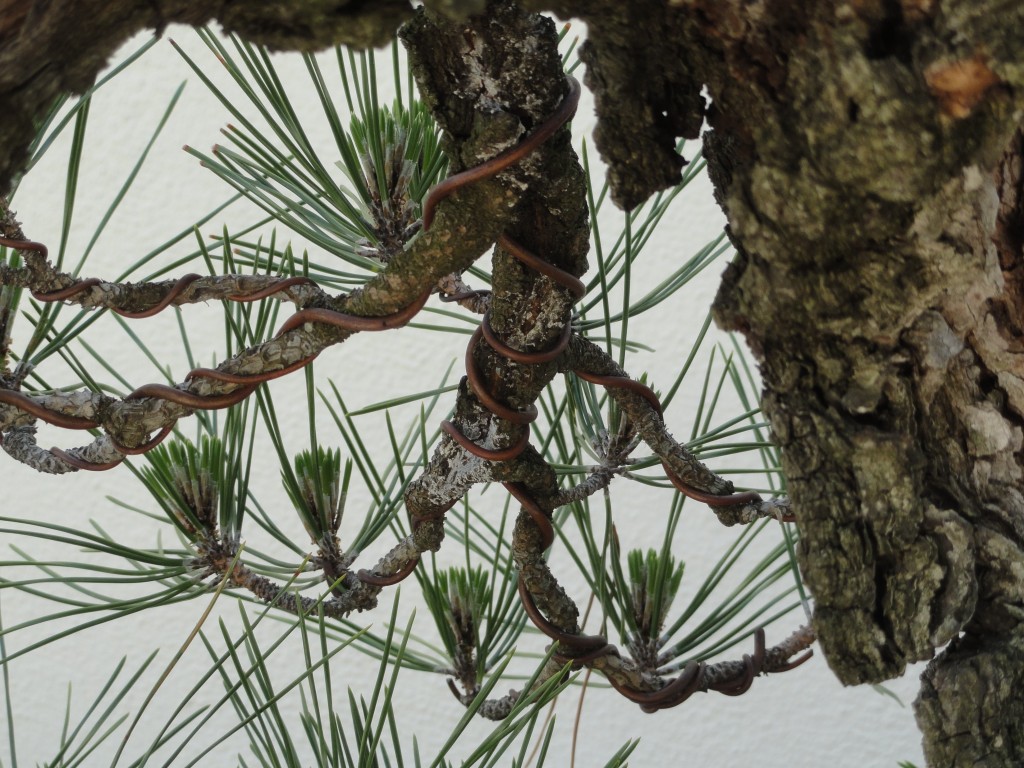
More wires and struts help in the shaping.
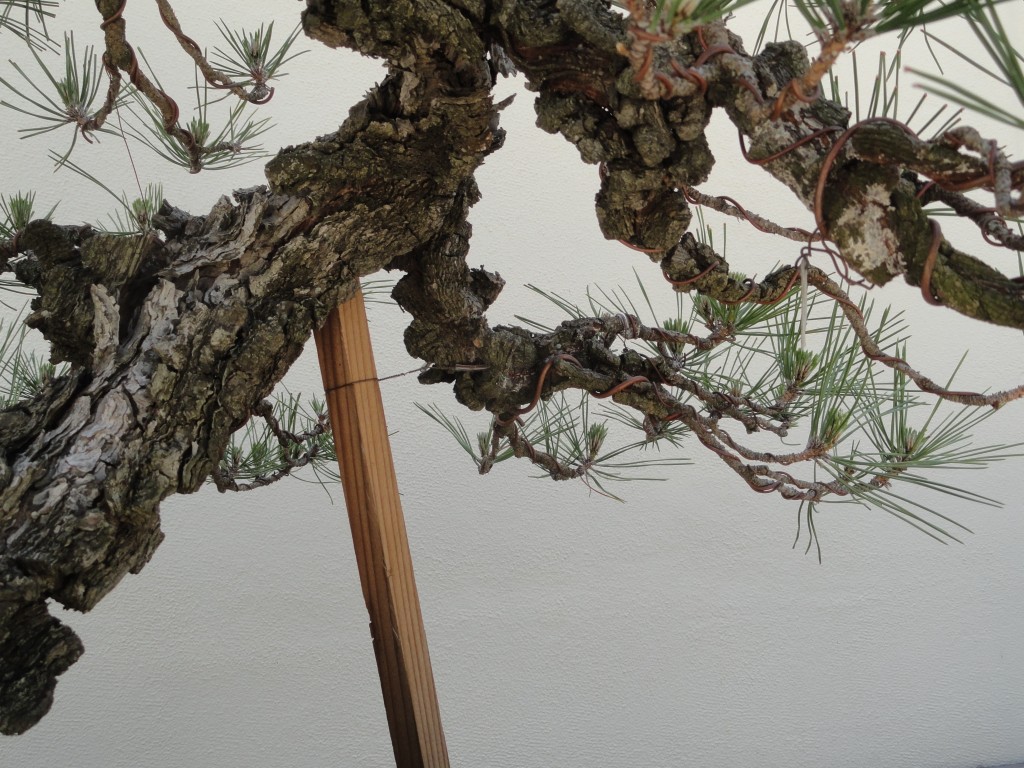
More advanced techniques include grafting of new plant material into existing trunks (to create side growth), defoliation, trimming, and the brutish-sounding trunk chopping. Considering the amount of manipulation needed to create these masterpieces, one has to reassure themselves that plants, unlike animals, don’t experience pain.
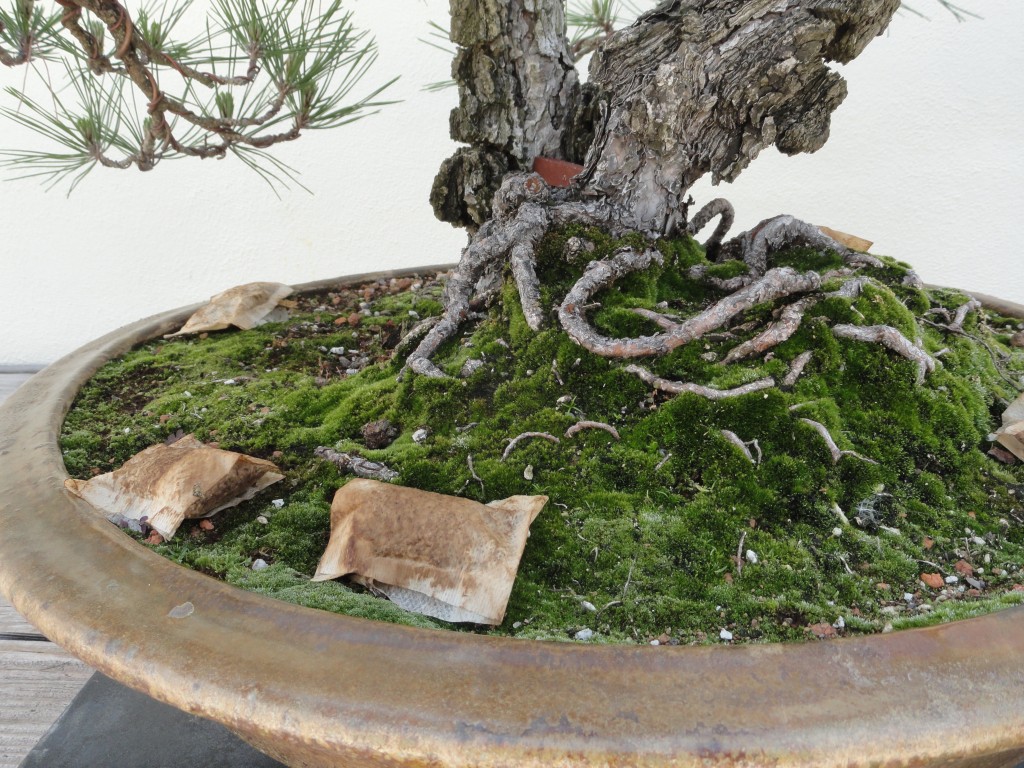
Ah, the tea bags. Many of the bonsai and penjing displays contain several tea bags. They are filled with natural fertilizer. Each time the tree is hand-watered the bags become soaked and leach out nutrients. Still, because the trays are so shallow and the trees are living organisms, regular repotting of the minimal soil must occur.
The incredible amount of attention needed to train and maintain bonsai trees requires patience, effort, and ingenuity from the grower. But to those of us who see and appreciate the art, these works deliver a sense of serenity that pervades the very essence of our souls.
Check out my Goodreads author page. While you’re at it, “Like” my Facebook author page for more updates!
David J. Kent is the author of Lincoln: The Man Who Saved America, available now. His previous books include Tesla: The Wizard of Electricity and Edison: The Inventor of the Modern World (both Fall River Press). He has also written two e-books: Nikola Tesla: Renewable Energy Ahead of Its Time and Abraham Lincoln and Nikola Tesla: Connected by Fate.
Follow me by subscribing by email on the home page. Share with your friends using the buttons below.
 Last year at this time I had the privilege of

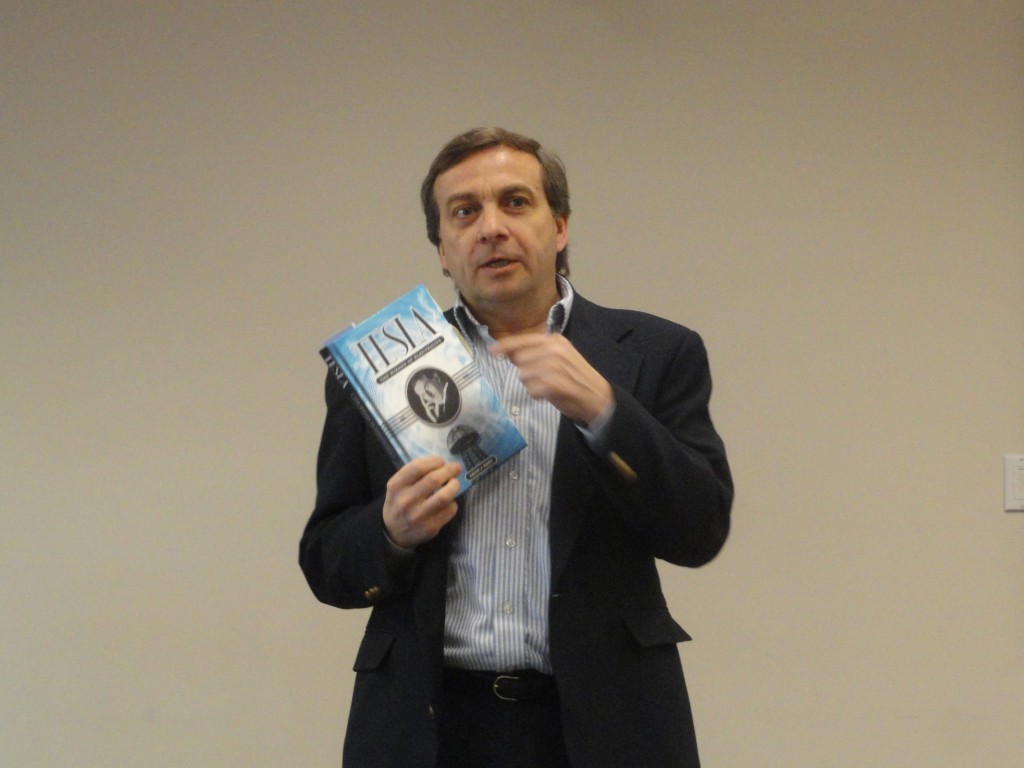
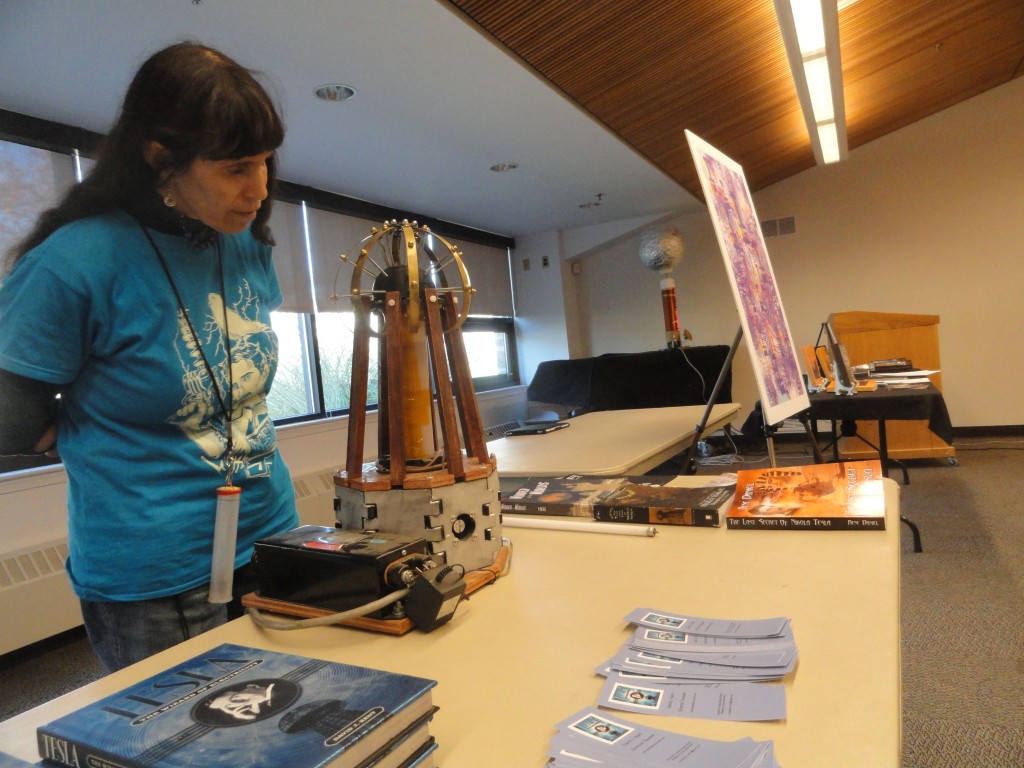
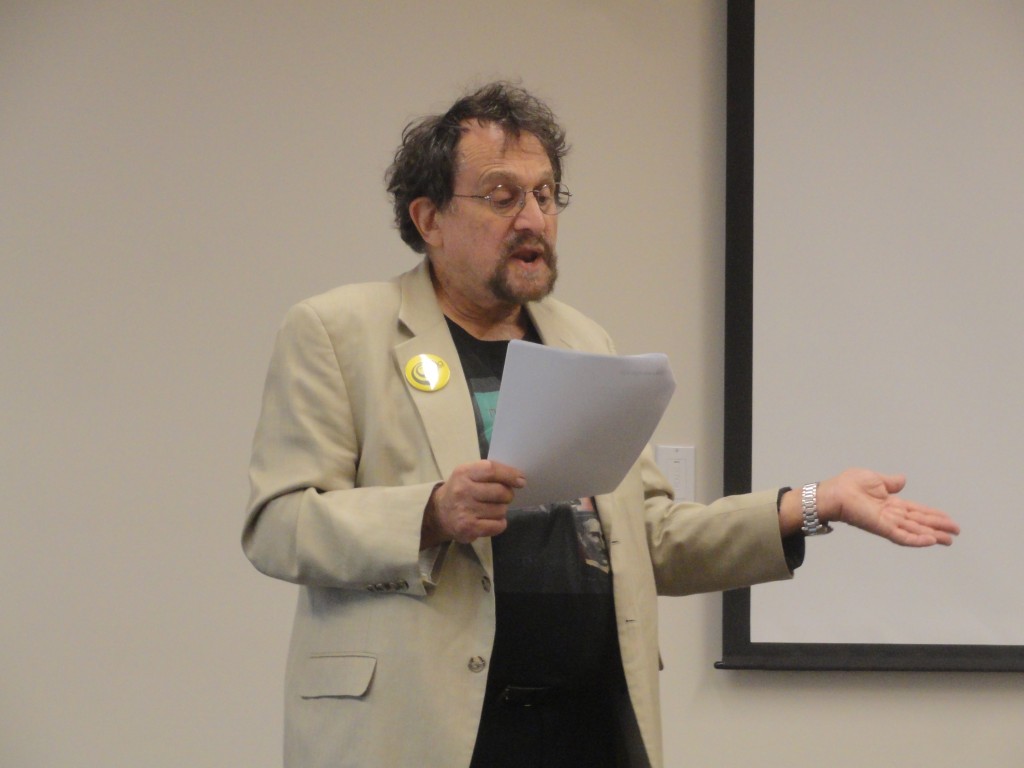
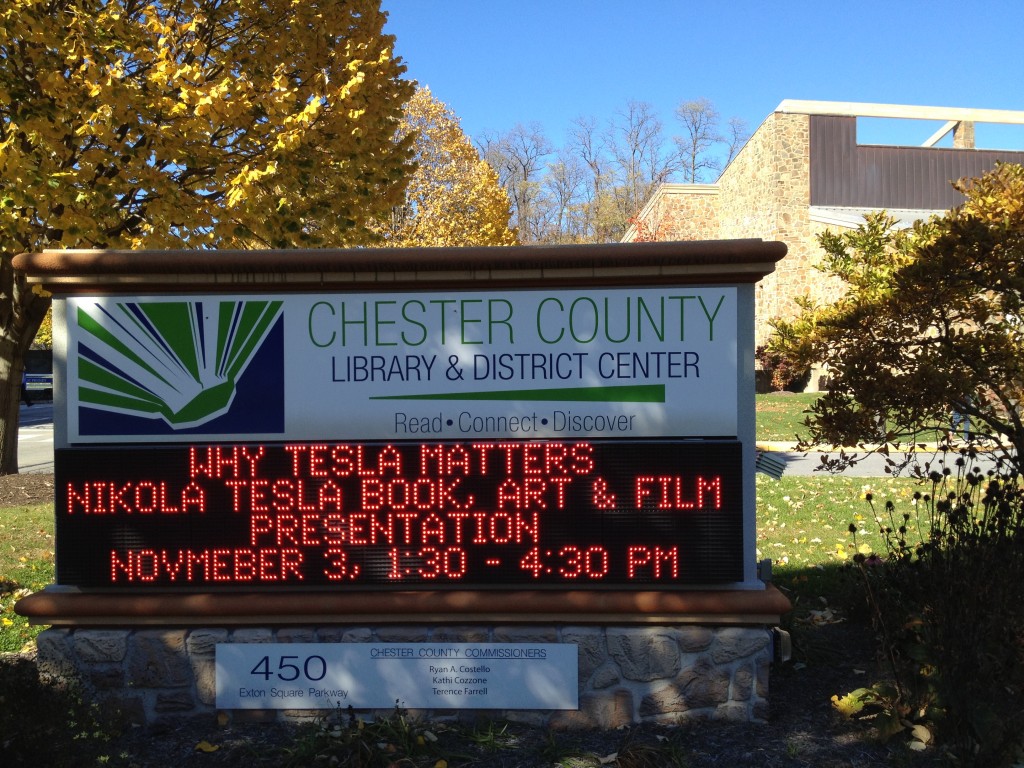
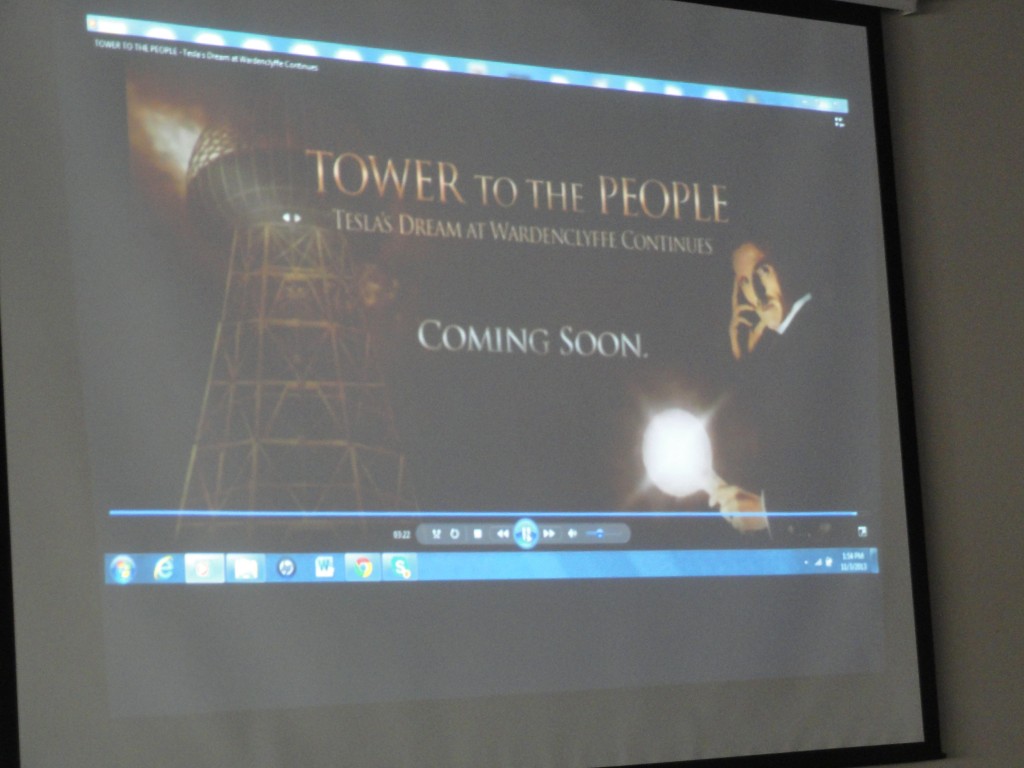
 On November 3rd, join me and a cast of artists, writers, and filmmakers at the Chester County Library, Exton, PA for an extraordinary multimedia Tesla event. Sponsored by the Tesla Science Foundation, there will be presentations on “Why Nikola Tesla Matters” and how Tesla has been an influence in Books, Film and Art.

 The
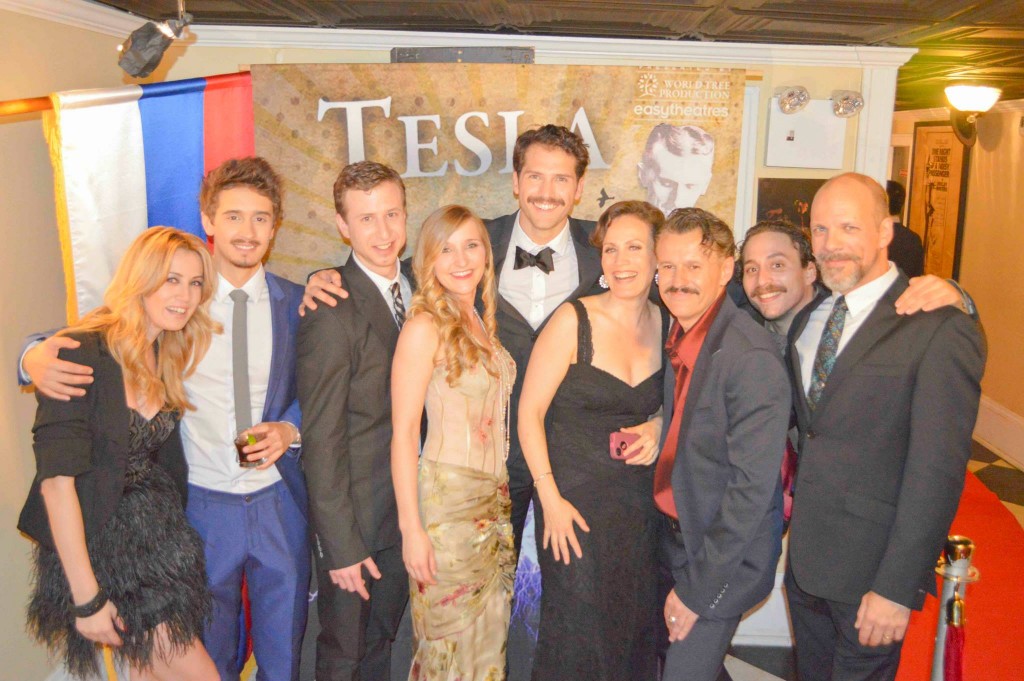
The  A rainy evening in the East Village welcomed the opening night of the new off-Broadway play, TESLA. All that was missing were bolts of lightning, which would have been appropriate given that Nikola Tesla was born at midnight during a thunder storm. Inside the theater the electricity was as vibrant as the topic of the show. Not a seat was to be found in the packed theater – not even standing room was left available. They were not to be disappointed.