Nikola Tesla was for renewable energy before it was cool to be for renewable energy.
“It seems that I have always been ahead of my time.”
From a young age he sought to harness the power of nature. He used the natural energy of June bugs to power his stick windmill. As a child he designed his first water wheel, then as an adult he fulfilled his dream by harnessing the hydroelectric power of Niagara Falls with his alternating current motors and transformers. Today he stands overlooking one of his greatest achievements.
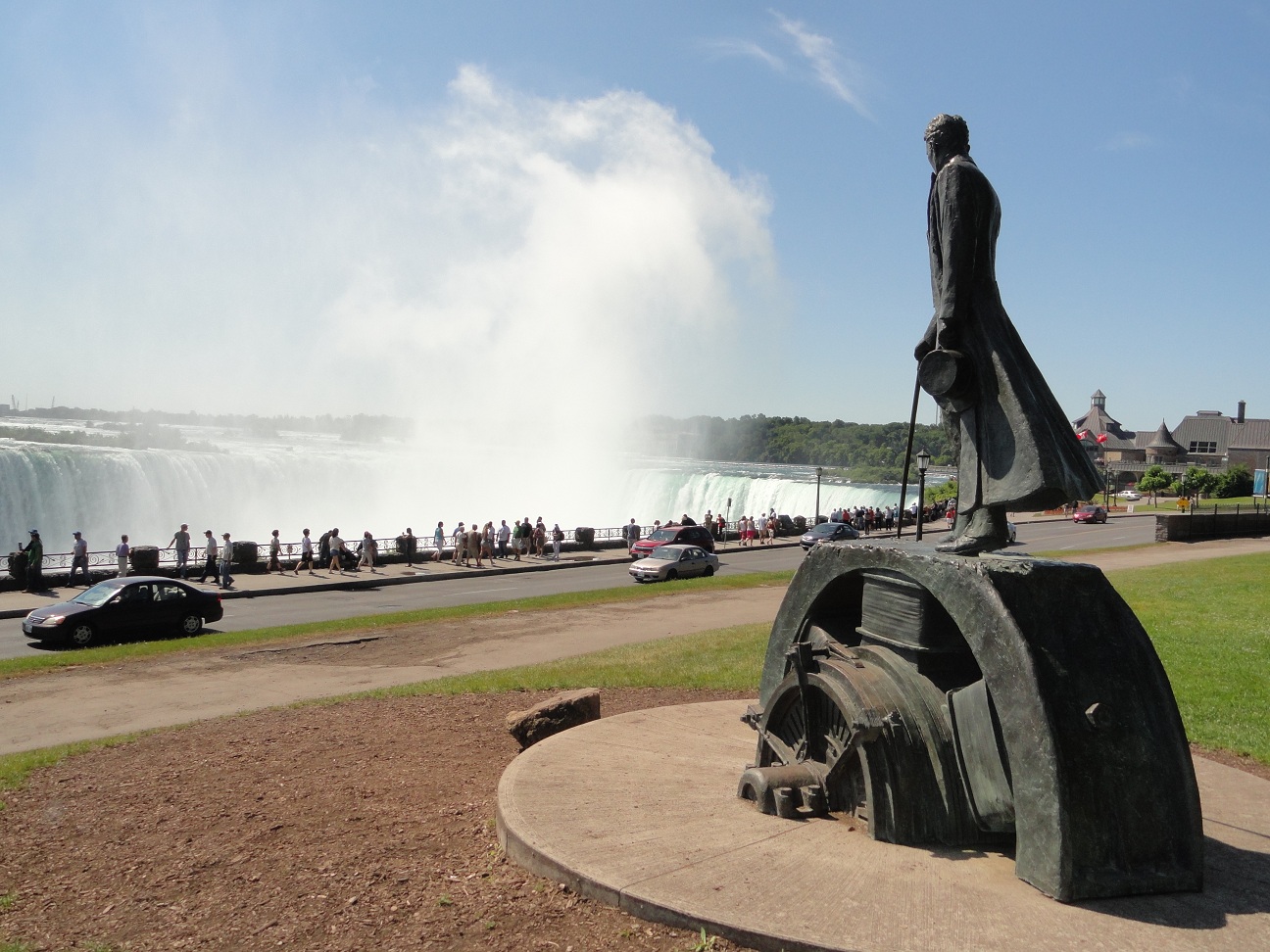
Nikola Tesla overlooking Horseshoe Falls, on the Canadian side. Photo by David J. Kent
Tesla often spoke of harnessing the energy of the sun, stating that fossil fuels were wasteful. As far back as 1891 he argued that “nature has stored up in the universe infinite energy.” To Tesla, “the eternal recipient and transmitter of this infinite energy is the ether.” That particular idea did not hold up to scrutiny, but he continued to look to nature.
One of the most thought-provoking documents of Tesla’s numerous writings was an article he wrote for The Century Illustrated Magazine, June 1900, which was edited by Robert Underwood Johnson. In a long and sometimes mystical treatise called “The Problem of Increasing Human Energy (with special references to the harnessing of the sun’s energy),” Tesla leaped ahead a hundred years by anticipating the need for renewable sources of energy to power our planet. He noted that “besides fuel, there is abundant material from which we might eventually derive power” and suggested that “an immense amount of energy is locked up in limestone, for instance, and machines can be driven by liberating the carbonic acid through sulfuric acid or otherwise.” He even claimed to have constructed such an engine and that “it operated satisfactorily.”
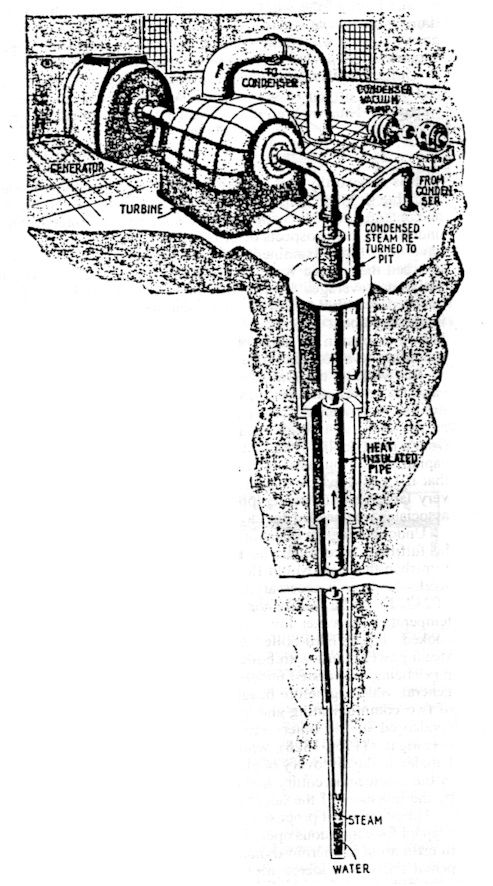
Tesla was so far ahead of his time that, while others at the turn of the twentieth century were busy exploiting coal, iron, aluminum, and drilling for oil, he was already recognizing the limits of those endeavors. He was into conservation. “Whatever our resources of primary energy may be in the future,” Tesla wrote, “we must, to be rational, obtain it without consumption of any material.” He believed that natural sources of energy could “eliminate the need of coal, oil, gas or any other of the common fuels.” One way was to harness the power of the wind.
“It is difficult to believe, but it is, nevertheless, a fact, that since time immemorial man has had at his disposal a fairly good machine which has enabled him to utilize the energy of the ambient medium. This machine is the windmill.“
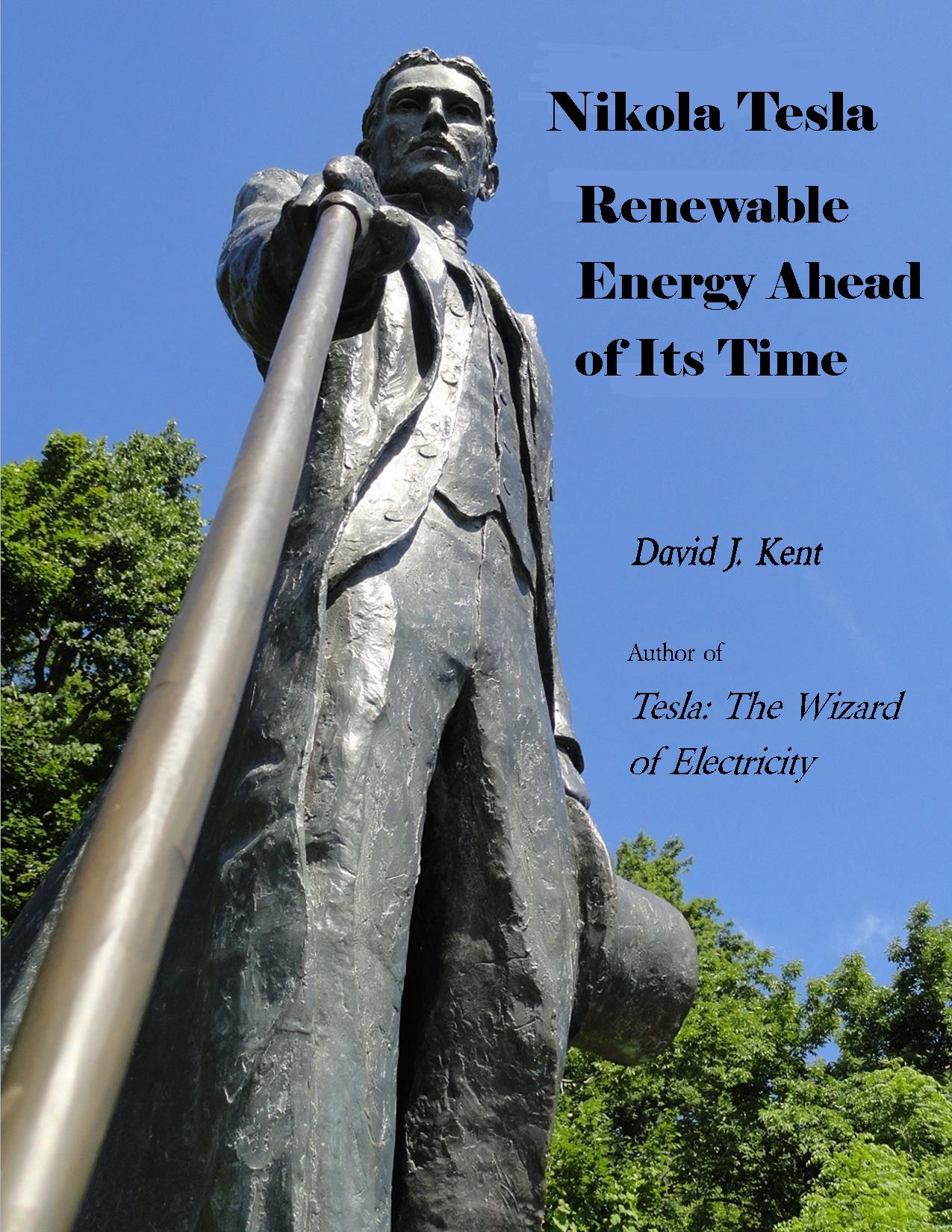
[The above is adapted from Tesla: The Wizard of Electricity. I explored more of Tesla’s adventures in renewable energy in my 2014 e-book noted below.]
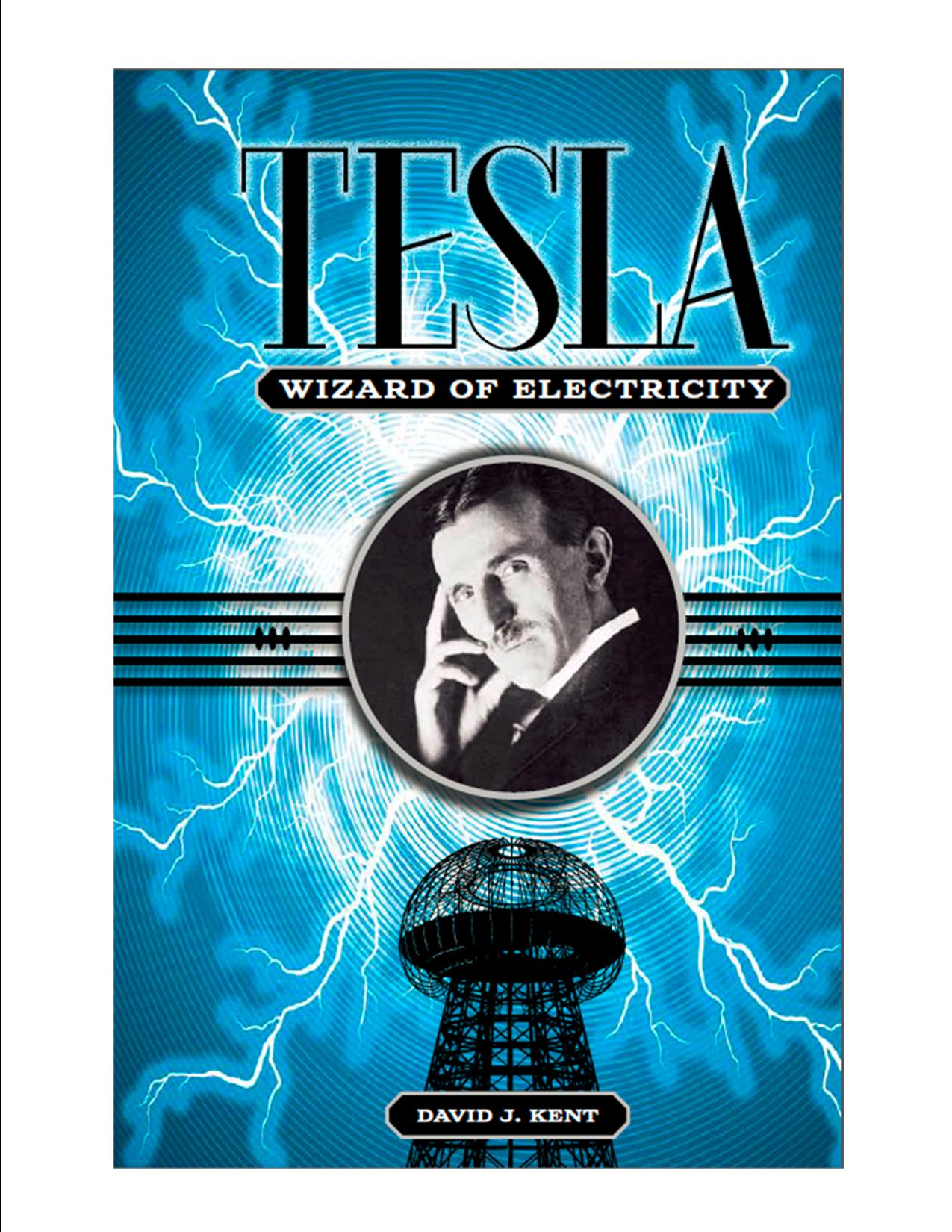
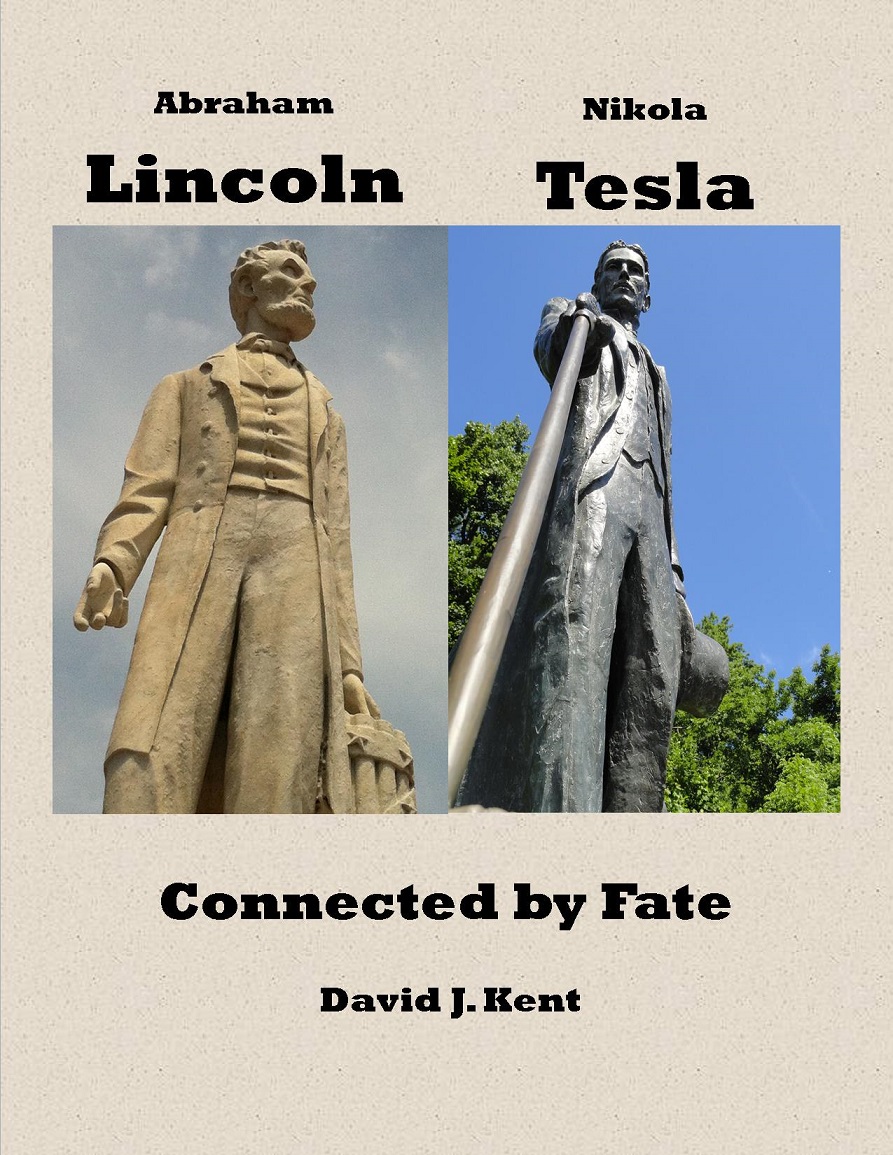
David J. Kent is the author of Tesla: The Wizard of Electricity (2013) and Edison: The Inventor of the Modern World (2016) (both Fall River Press). He has also written two e-books: Nikola Tesla: Renewable Energy Ahead of Its Time and Abraham Lincoln and Nikola Tesla: Connected by Fate. His next book is on Abraham Lincoln, due out in 2017.
Follow me by subscribing by email on the home page. And feel free to “Like” my Facebook author’s page and connect on LinkedIn. Share with your friends using the buttons below.
 When most people think of Abraham Lincoln, they think of him toiling away in the White House, occasionally making his way to the adjoining War Department to check telegraph news from the front. Few know that Lincoln and his family actually spent much of the summers of 1862, 1863 and 1964 living at the “Soldier’s Home” and commuting daily to the White House.
 When Lincoln Died is a wonderful old book published in 1965 by Ralph Borreson, who had a lifelong fascination with Abraham Lincoln. Borreson has successfully pulled together old photographs and drawings from every facet of the time from Lincoln’s death until his burial. The subtitle of the book says it all “the assassination, the final funeral journey, the pursuit and trial of the conspirators, the complete story in pictures and in the words of his day.”
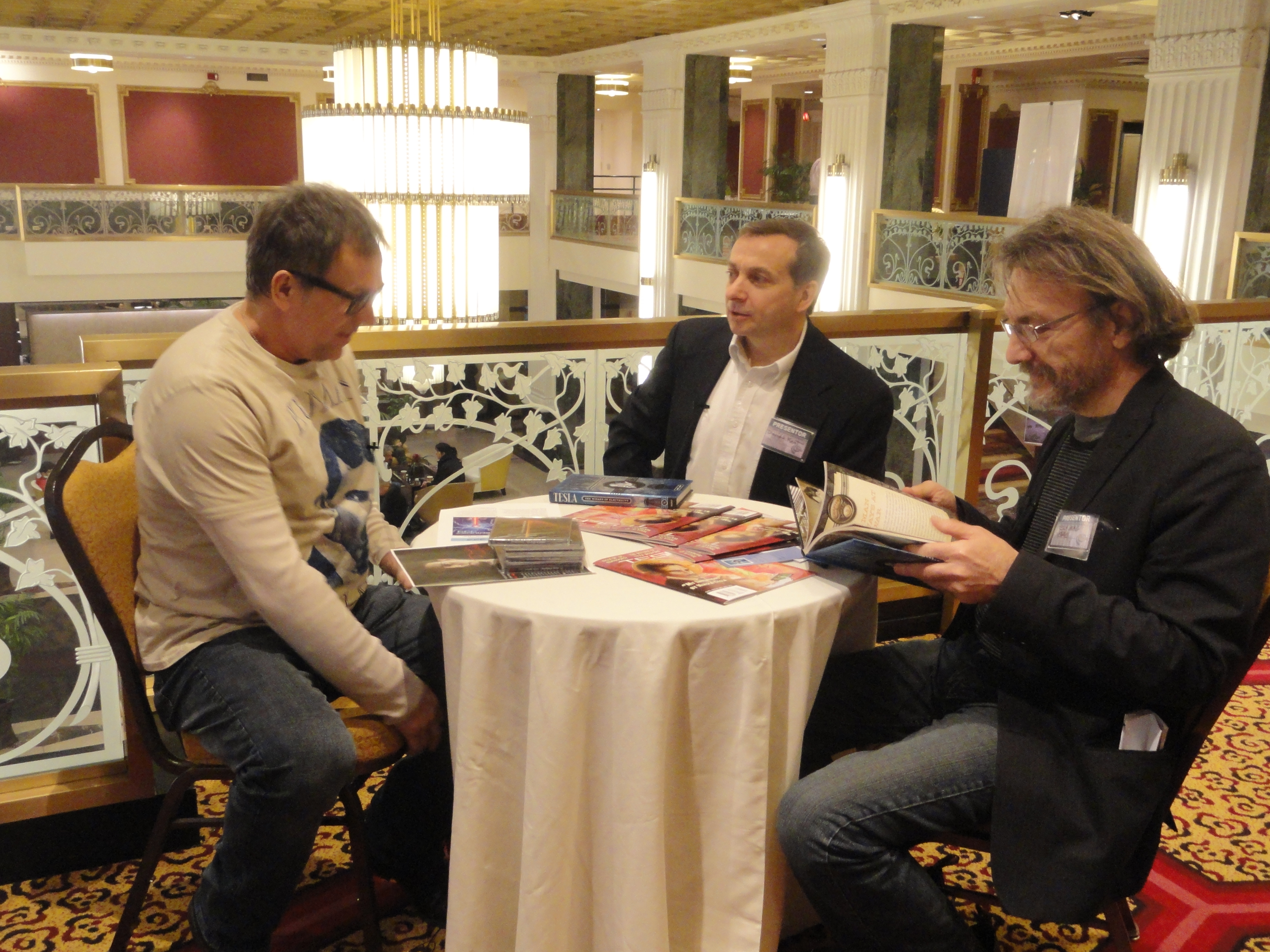
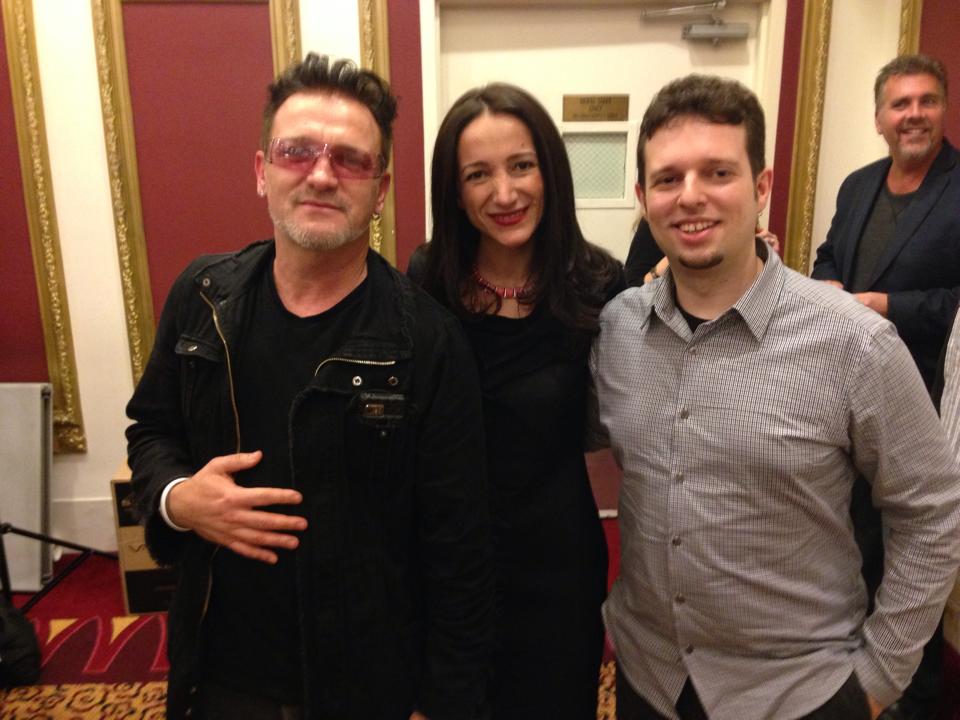
 Bono* was there. I was there. Were you there? “There” is the New Yorker Hotel on January 11, 2014. And the occasion was the 2nd Annual Nikola Tesla Memorial Conference, sponsored by the
 One of the most amazing things about Nikola Tesla was that he was a man far ahead of his time. He pushed for renewable energy as early as 1895 at Niagara Falls. In 1898 he was demonstrating a remote controlled boat in Madison Square Garden. He patented a vertical-takeoff-and-landing aircraft in 1928. He even predicted that in the future there would be “an inexpensive receiver, not bigger than a watch, [that] will enable [any telephone subscriber] to listen anywhere, on land or sea, to a speech delivered or music played in some other place, however distant.”
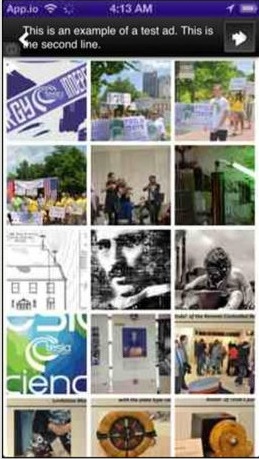
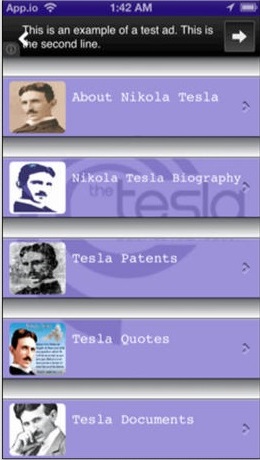 The main screen shows a rotation of the logo, the meetup group, event photos, and more. At the bottom of the screen there are a series of buttons (four are shown at a time, but swipe sideways to see the others appear). You can quickly tap into upcoming events, photos, background information, social media, and even submit your own photos and write on a fan wall.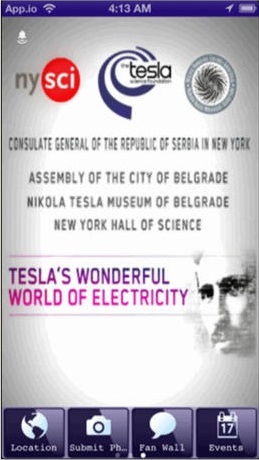
 Nikola Tesla lived in the New Yorker Hotel for the last ten years of his life, passing away in Room 3327 on January 7, 1943. Last year I joined the Tesla Science Foundation for their Tesla Memorial Conference. And this year, you can too. The conference celebrates the life of the great Serbian-American inventor. Last year the conference focused on “Why Tesla Matters.” And this year the goal is even more ambitious.