 I often check The Lincoln Log to catch up on what was happening this day in Abraham Lincoln’s life. And today I can also update where things stand on my new Lincoln book.
Among other events listed for June 30, 1864 is that Lincoln abandons the idea of colonizing freed black men to Chiriqui, a coal region in what is now southwestern Panama. I discuss both colonization and the role of coal in the Civil War in my forthcoming book. I doubt whether it is truly accurate to say that Lincoln abandoned colonization on any given day, or that he even was as big a proponent of it that history has made him. I discuss that in the book too.
So what is the status of this book?
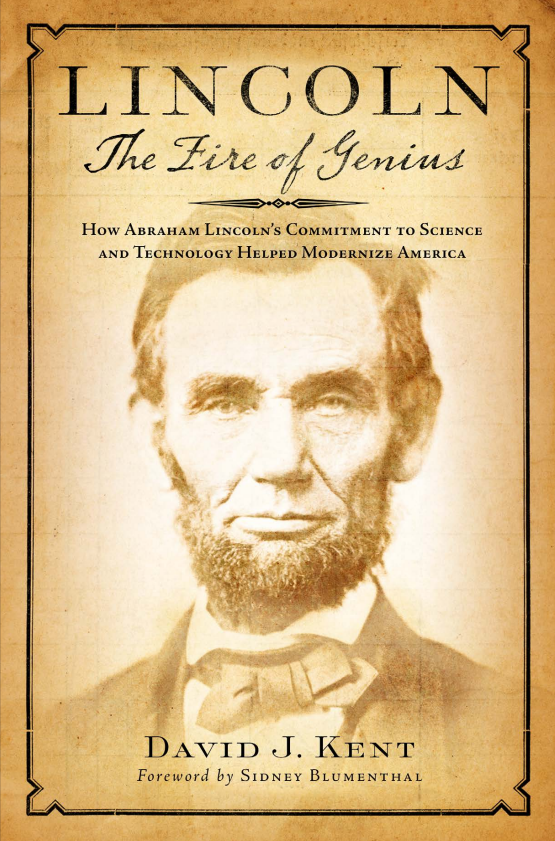
I submitted the full manuscript to the editor at Rowman & Littlefield last week. I’m currently in my “take a breather” phase, which means I’m desperately working to catch up on all the other obligations I backlogged while busy writing. With the July 4th holiday starting this weekend, the editor has told me that I won’t hear anything for a while. My guess is that by late July I’ll have the editor and copy editor’s edits (e.g., to edit sentences like this one). Barring any major disagreements, the book will be into cover design and layout by August. Our tentative plan is to release the book around February 2022. I’ll provide updates when the publisher settles on a date, and especially when the pre-ordering can begin. Some background on the book is in this earlier post. I’m hesitant to jinx myself by revealing more until the manuscript has been accepted, but expect more this summer. Stay tuned.
The aforementioned backlog included the first Lincoln Group of DC Board meeting I’ve chaired as President. While I’ve been president of scientific organizations four times in my career, this is the first Abraham Lincoln organization for which I’ve carried that responsibility. Luckily, the Lincoln Group Board is exceptionally capable of making the process as efficient as it is active. We have some big issues on the table. First, there is the return to in-person dinner/lunch lectures, which we tentatively are working on to accomplish in October with none other than renowned Lincoln expert Ron White. Second, we are beginning to plan our own Lincoln Memorial Centennial for next May. And we won’t forget all those who have been able to join us on our monthly virtual events – expect to see a continuing schedule of virtual lectures, discussions, and possibly even some hybrid events. You can keep up on Lincoln Group events and Lincoln news on our website at Lincolnian.org.
This summer should also bring more books to review for the Abraham Lincoln Institute book award. I serve on that committee and act as Treasurer for ALI. Unless there is a major COVID setback, we plan to go back to our normal in-person full-day symposium at Ford’s Theatre in March 2022. Videos of previous symposia speakers can be found on the ALI website.
I’m also looking forward to getting in some travel again after more than a year’s hiatus. More on that as it happens.
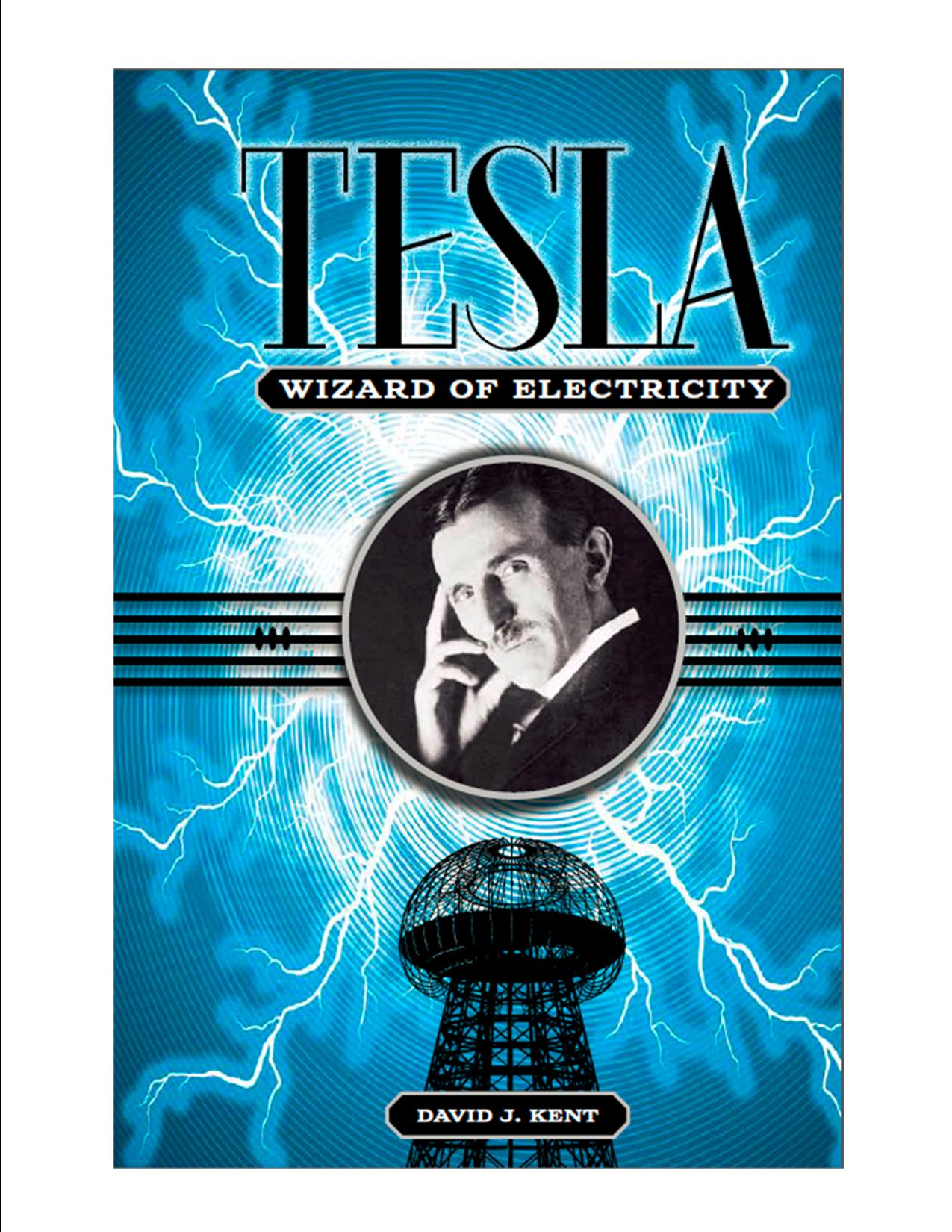
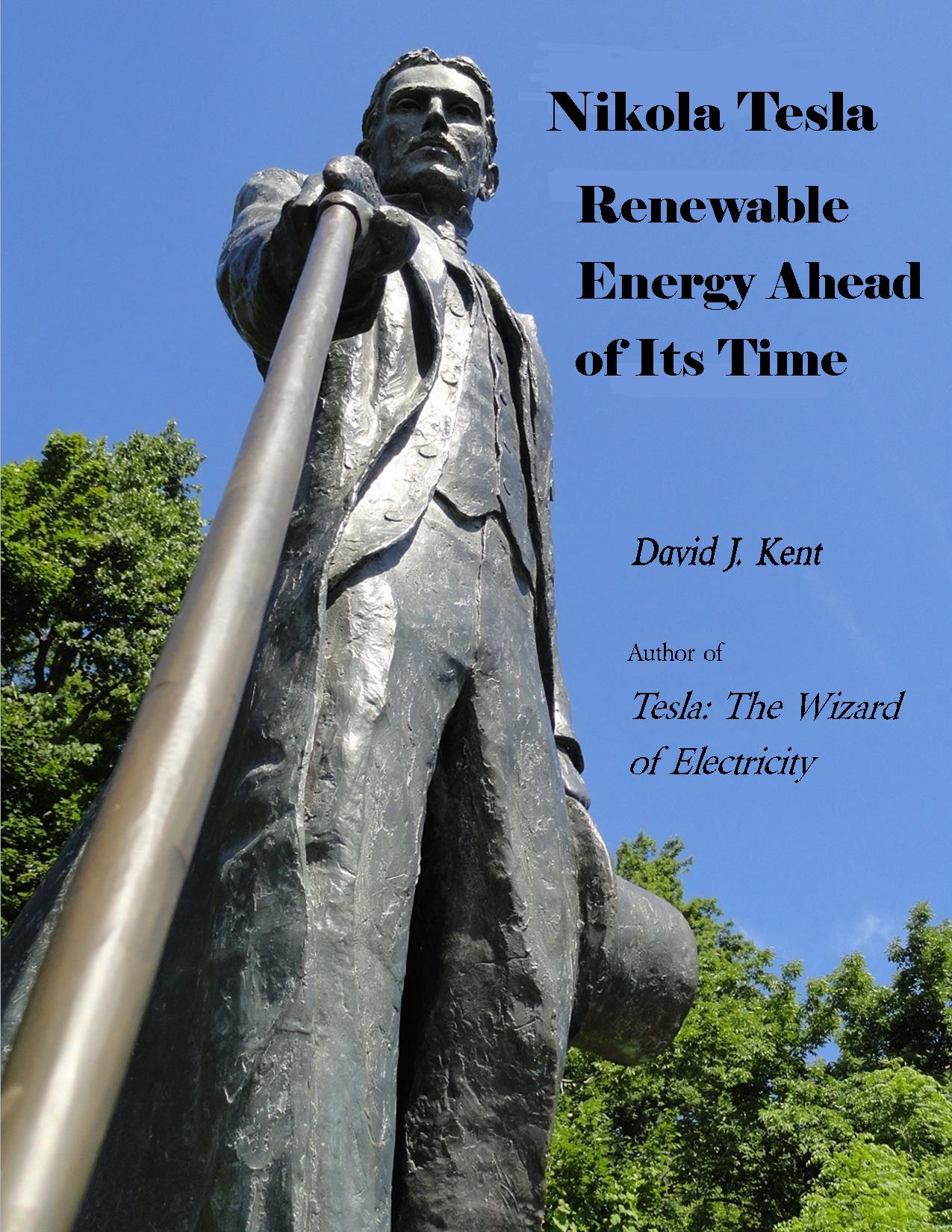
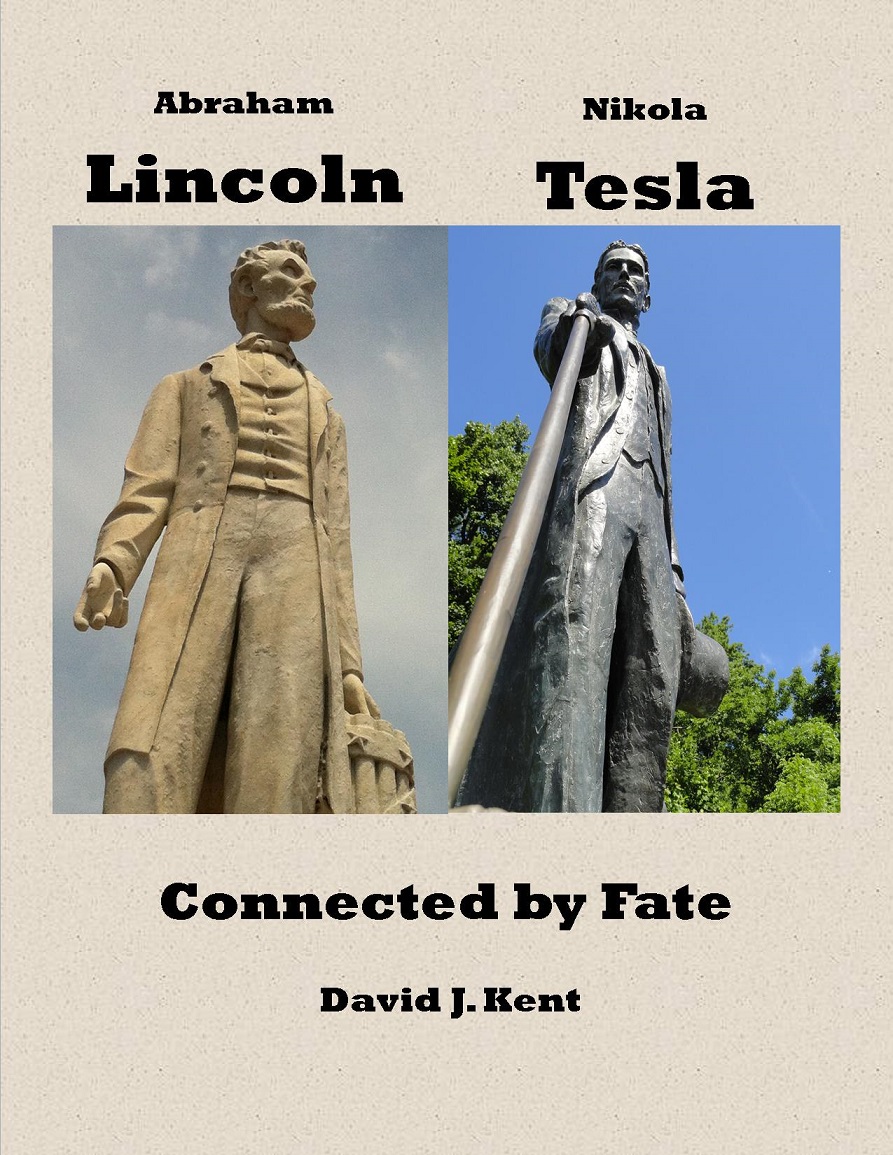
David J. Kent is the author of Lincoln: The Man Who Saved America. His newest Lincoln book is scheduled for release in February 2022. His previous books include Tesla: The Wizard of Electricity and Edison: The Inventor of the Modern World and two specialty e-books: Nikola Tesla: Renewable Energy Ahead of Its Time and Abraham Lincoln and Nikola Tesla: Connected by Fate.
Follow me for updates on my Facebook author page and Goodreads.
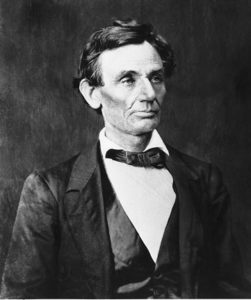 On June 23, 1857, Abraham Lincoln sued the Illinois Central Railroad. The Railroad had hired him on many occasions to defend their interests, but on this occasion they balked at the unusually high fee Lincoln charged – $5000. Lincoln had served the railroad well over many years, often taking limited fees, for example he had drawn only $150 for a year’s worth of work encompassing “at least fifteen cases (I believe one or two more) and I have concluded to lump them off at ten dollars a case.” This time, the McLean County Tax Case, he wanted to get paid the value of the work.
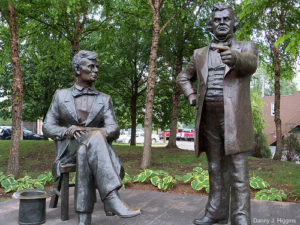 Abraham Lincoln lost his 1856 Senate campaign, but in 1858 he had another opportunity to run for Senate, this time against his old rival Stephen A. Douglas. In June Lincoln gave what is perhaps one of his most cited oratories, the “House Divided” speech. Once again he warned that the Kansas-Nebraska Act had opened the country to expansion of slavery—not just in the territories, but throughout the nation. Beginning with a paraphrased line from the Bible (Mark 3:25), Lincoln notes:
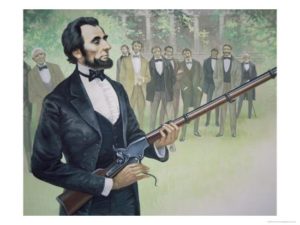 Abraham Lincoln had an interest in technology, and on June 10, 1861 he sees a new weapon he likes. I write about this and other incidents in
 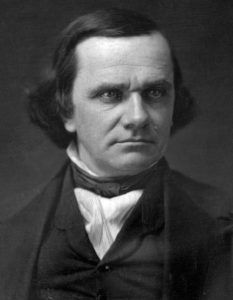 At 9:10 am on Monday, June 3, 1861, Stephen A. Douglas died in Chicago at the age of forty-eight. Thus ended a remarkable life, both as a leader in the antebellum Democratic party and as a foil to Abraham Lincoln’s rise. Douglas had fallen ill weeks before while headed back to Illinois to lobby for Democratic support of the newly elected President Lincoln once the Civil War started. Lincoln immediately directs that government offices be close on the day of the funeral and that the Executive Mansion (aka, the White House) and departments be draped on mourning for thirty days. On June 4th, Secretary of War Simon Cameron issues a circular to Union armies, announcing “the death of a great statesman…a man who nobly discarded party for this country.”