It is with great pleasure that I announce Science Traveler (i.e., this website) has signed up to be an Associate Sponsor of the Chesapeake Potomac Regional Chapter of the Society of Environmental Toxicology and Chemistry. Okay, that was a mouthful. How about we just say CPRC and SETAC. You can find their websites by clicking on the links above, or even better, clicking on the really cool logo below.

The role of CPRC is to, well, I’ll let them tell you:
Our chapter provides a professional forum for individuals from private industry, academia, and government agencies who are engaged in the study and analysis and solutions for environmental problems, management and regulation of natural resources, and/or research and development. We facilitate networking and educational opportunities for scientific professionals, mentoring and career guidance for students, and environmental education and outreach fo the public.
CPRC will have its annual spring meeting on April 22nd, Earth Day, this year. If you’re in the Washington DC/Maryland/Virginia/West Virginia (or Delaware) area, feel free to check out the meeting details here.
As a new Associate Sponsor, Science Traveler plays a key role in helping CPRC foster interaction among its members, sponsor scientific meetings and social events, produce a biannual newsletter, maintain a website, and, perhaps most importantly, sponsor student awards “that encourage and promote the research and professional development of our student members.” 
I’m proud that Science Traveler is sponsoring CPRC. And to roughly paraphrase that old Hair Club for Men TV commercial, “I’m not only a sponsor, I’m the current President of CPRC.”
Follow me by subscribing by email on the home page. And feel free to “Like” my Facebook author’s page and connect on LinkedIn. Share with your friends using the buttons below.
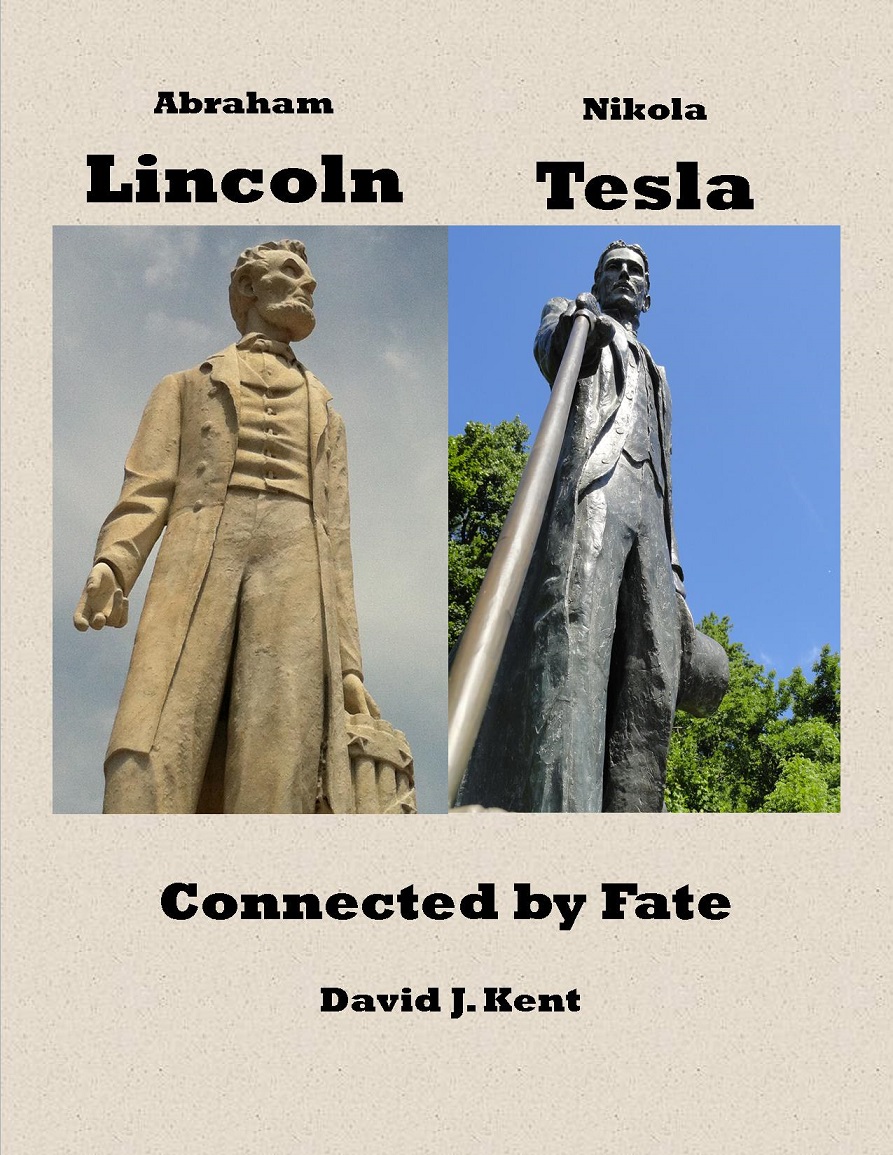
 Exciting news today.
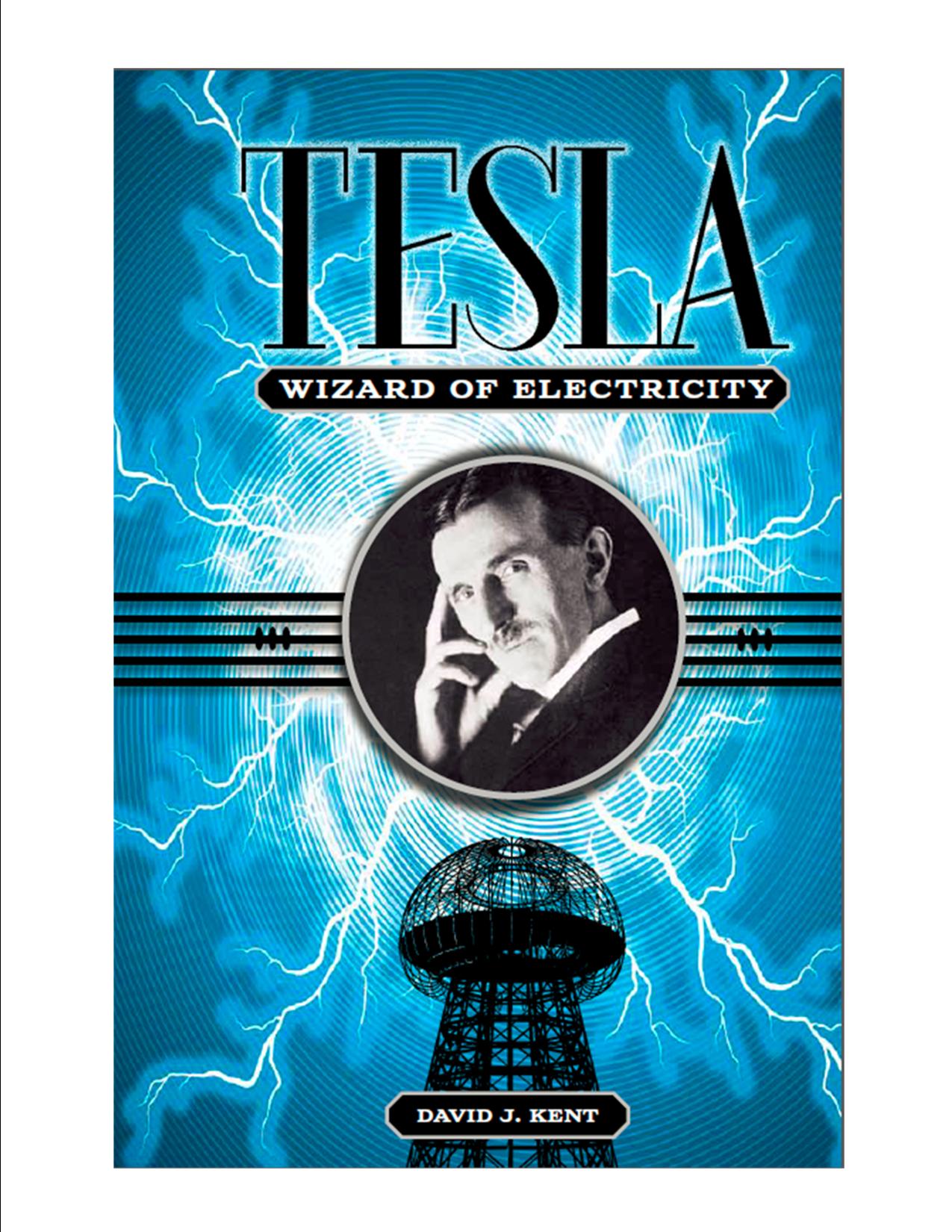
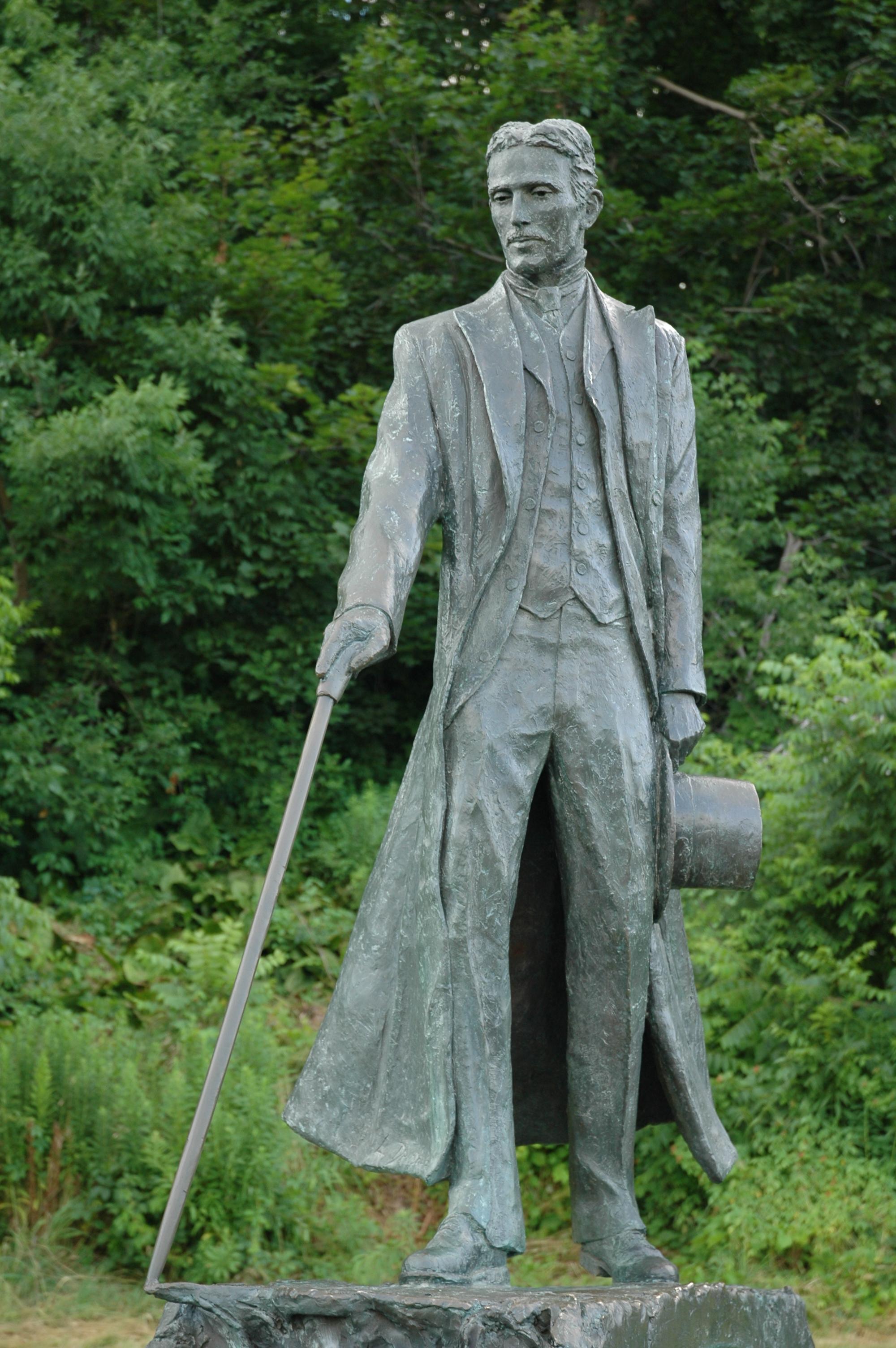
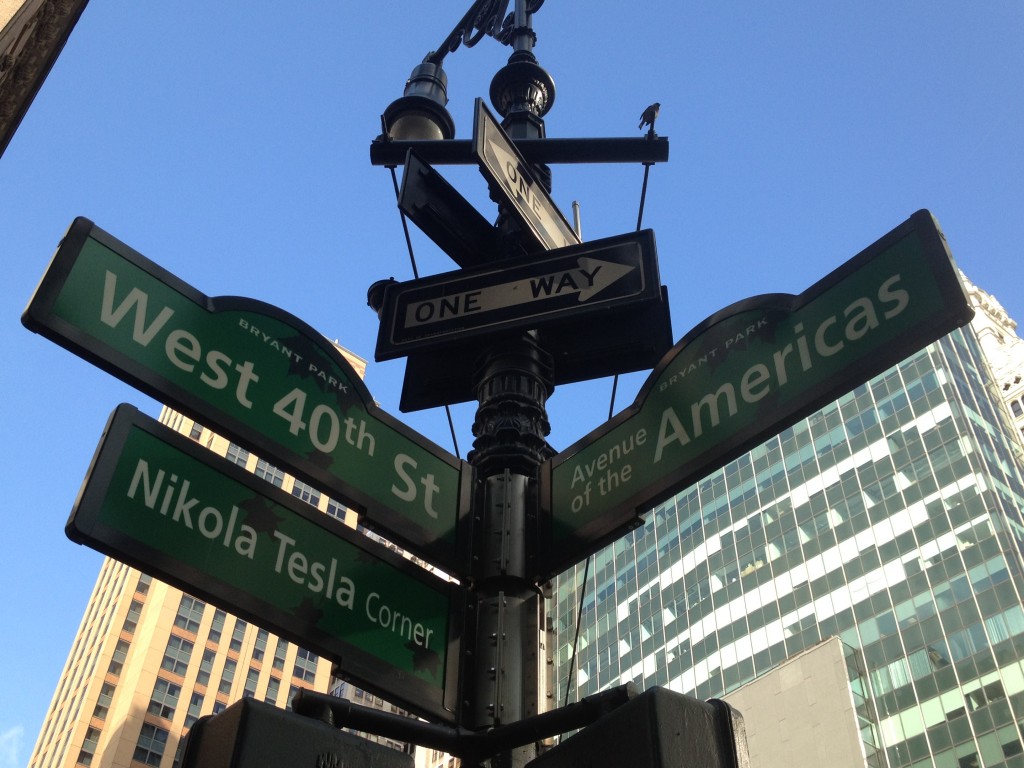
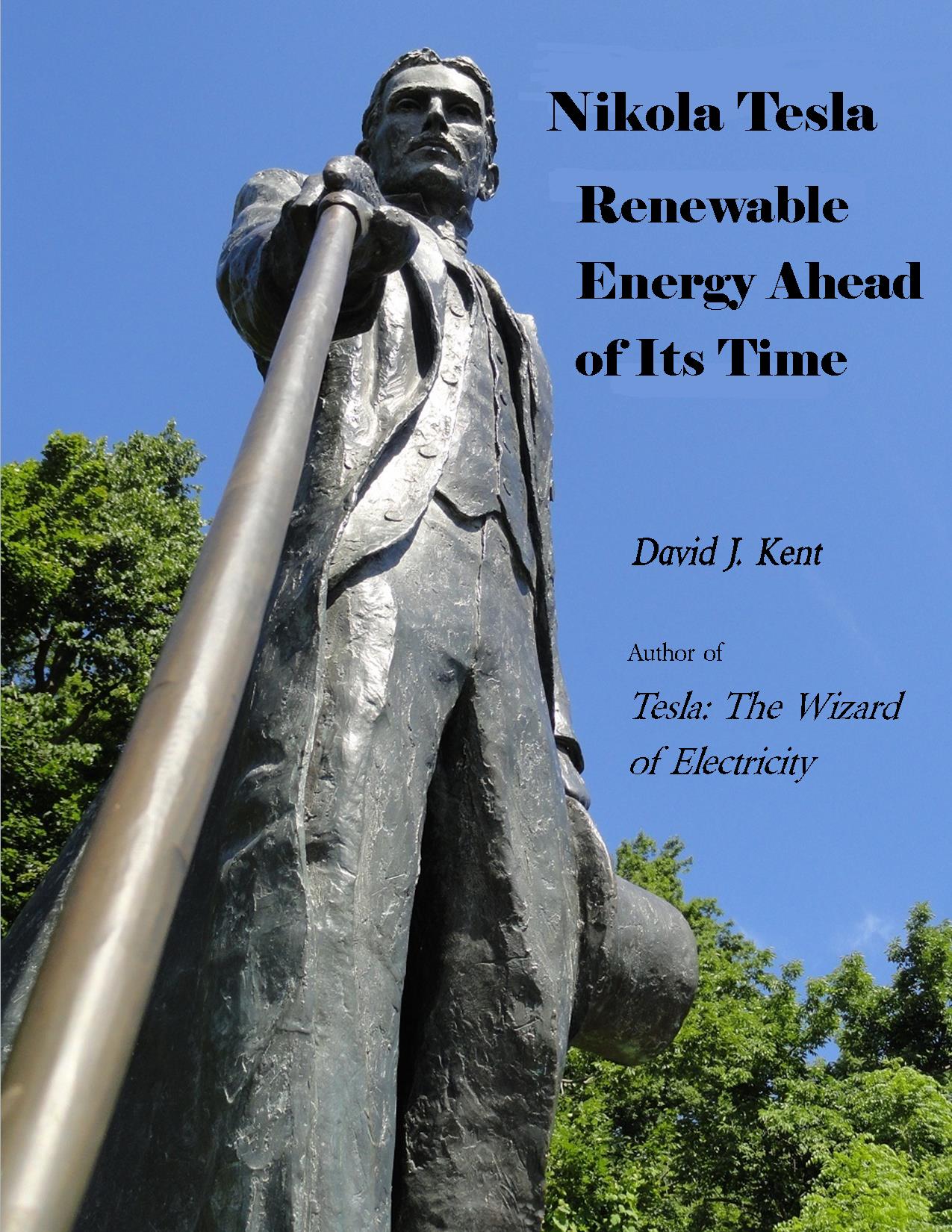
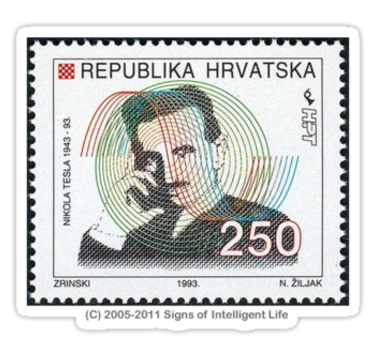
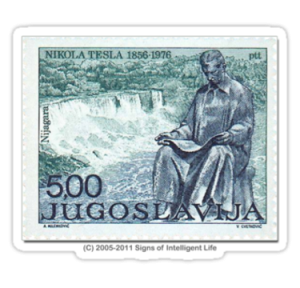
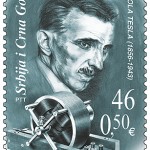
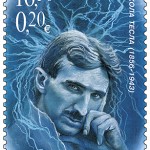
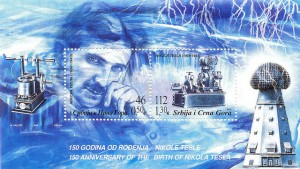
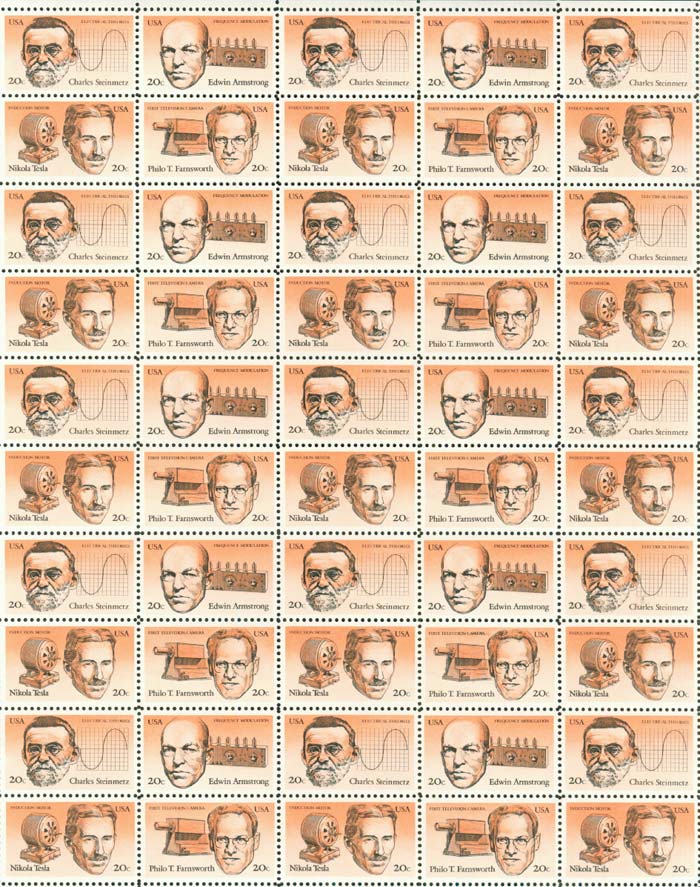
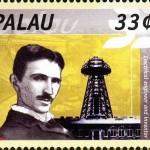
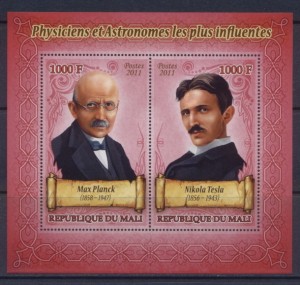
 Who says Nikola Tesla isn’t cool. (Actually, no one says that)




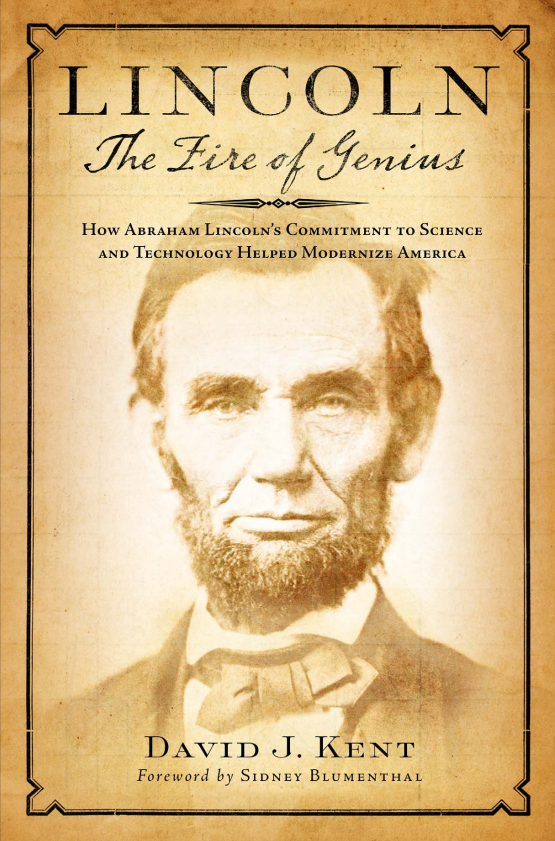
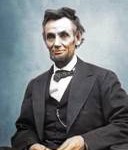 Each born on February 12, 1809 in very different parts of the world, Abraham Lincoln and Charles Darwin never met. Darwin spent five years traveling the world on The Beagle and eventually defined how we think about life. Lincoln spent four years staying pretty much in Washington DC and eventually came to define how we think of leadership.
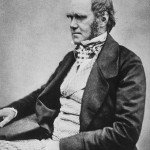 Still, the book toggles between Lincoln’s life and Darwin’s life, comparing the two at key junctures in their maturation as thinkers, family men, and leaders. Because they were the same age many of these life choices occurred at roughly the same period of time. Contosta notes that both put off making decisions as to their life’s work since neither really wanted to follow too closely in the footsteps of their fathers. Lincoln traveled down the Mississippi on a flat boat before settling for some years in New Salem, Illinois. Darwin traveled around the world by ship for five years doing the research that would eventually lead to his most famous works. Once this phase was completed they each “found their calling,” Lincoln in politics and the law, Darwin in development and experimentation on what would eventually be called evolution.
 The book spends some time after the early death of Lincoln and the much later death of Darwin to assess their impact on the world. Clearly the emancipation of the slaves and the subsequent problems with reconstruction led to issues experienced for another century (and continuing). And clearly Darwin’s theory of natural selection challenged the conventional thinking of the day. History has shown that many would “adapt” the work of these two influential men to serve their own purposes (e.g., “social Darwinism,” which Darwin would have been aghast to see).