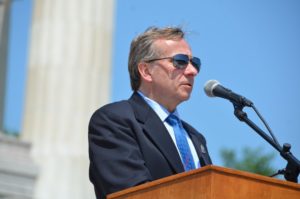
 Today marks the fourth anniversary of resigning my consulting job to pursue a career science traveling. Recently I caught up with a former colleague who still works at the old firm. We hadn’t spoken in a long time so she asked me whether I had any regrets about my decision. Without a moment’s hesitation, I replied: “No regrets whatsoever.” I left with my eyes facing forward and have never once looked back on that former life.
My new life has given me plenty to behold, including more time to travel and write.
I generally add a few new countries to my list each year. This year had fewer trips but farther destinations. I was in Seoul, South Korea during the election of a new president (to replace the one impeached and indicted), all while North Korea was haphazardly tossing around missiles. Then on to Beijing, China, which was hosting over 30 world leaders (including Vladimir Putin) for the One Belt One Road Summit. Soon I’ll be in roaming around Australia and New Zealand. The 12-hour drive to and from New England squeezed in between these two exotic locations seems tame in comparison. Another New England trip and Gettysburg are likely in the fall.
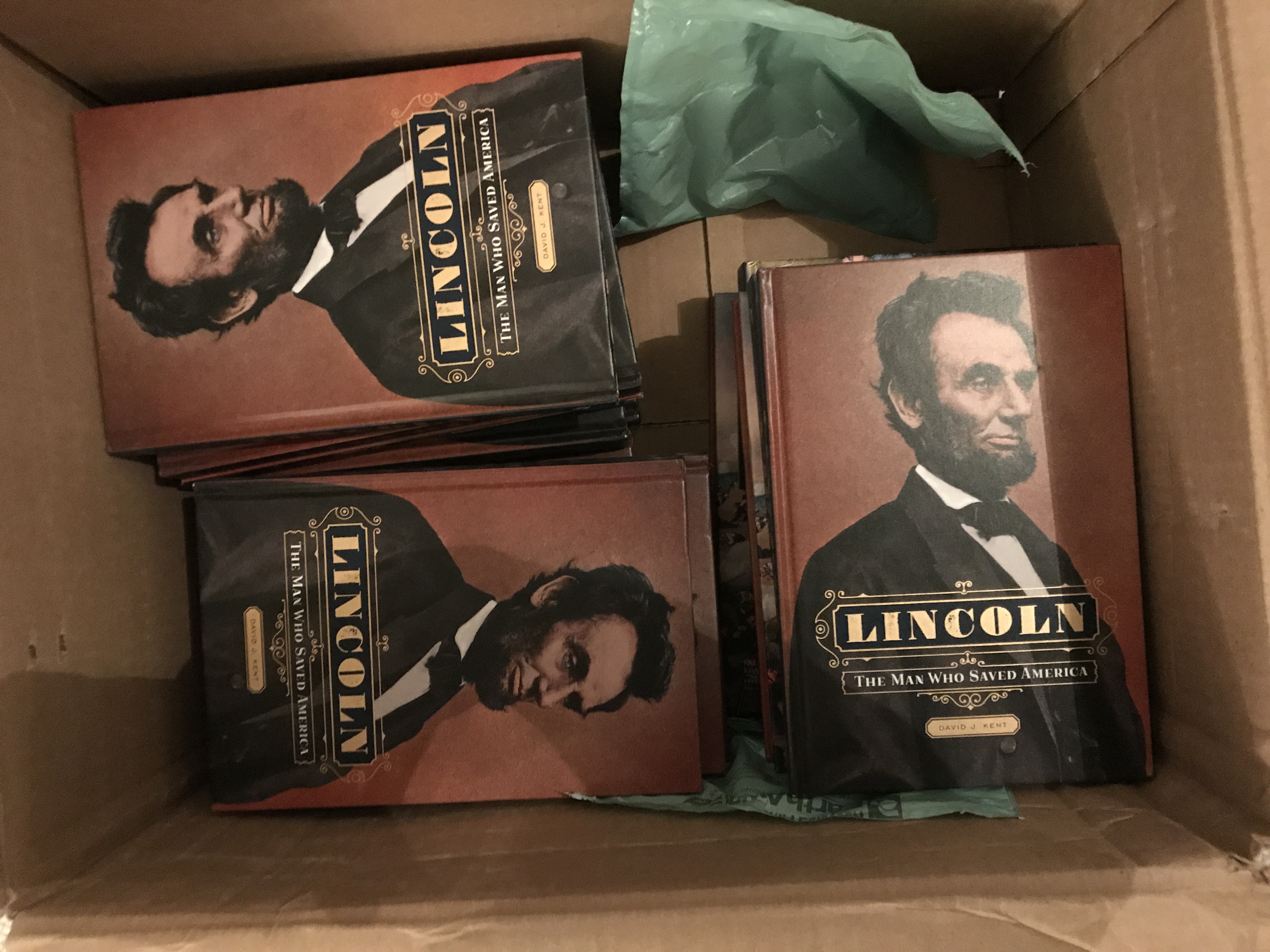
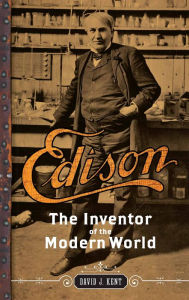
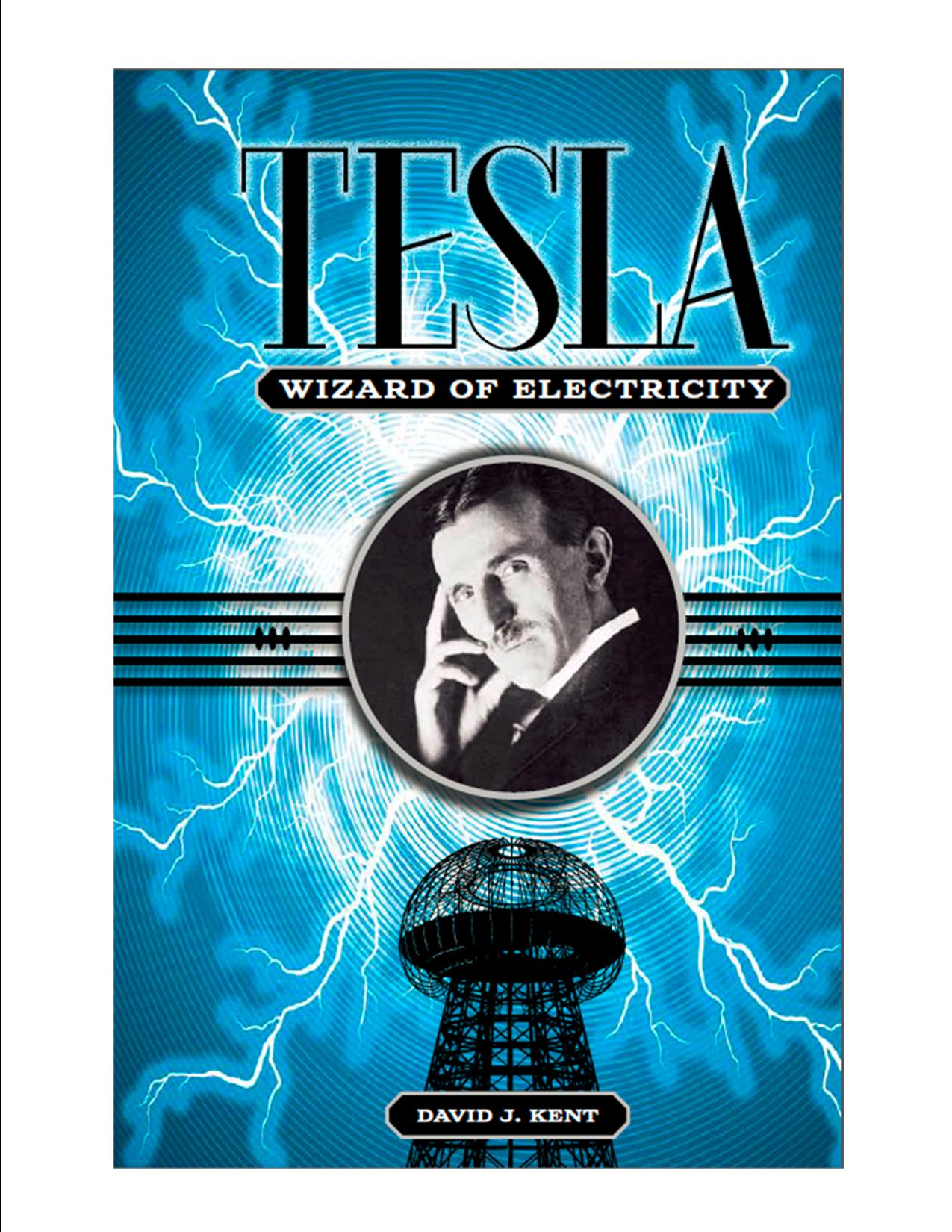
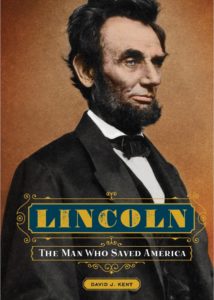
Writing has included the release of my newest book, Lincoln: The Man Who Saved America. This is my third book with Fall River Press, all now in Barnes and Noble stores. I also have two e-books available on Amazon.com (see links at end). My first book, Tesla: The Wizard of Electricity, is going into its 8th printing this fall and has been translated into several foreign languages. Edison: The Inventor of the Modern World is still in stores and may also get a new printing soon.
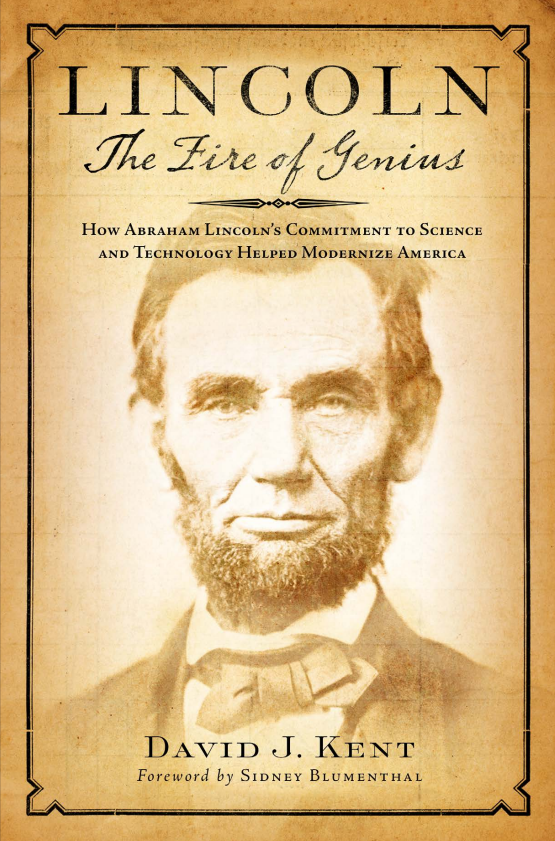
Meanwhile, I’m working on two new books – one on a specific area of Abraham Lincoln’s interests, and the other a travel memoir (like Paul Theroux or Bill Bryson). By January I might have a third book in progress.
My former colleague also asked a second question: do I get to read a lot? In fact, that has been one of the unanticipated benefits. I’ve increased the number of books read from maybe 50 to over 100 books per year, and broadened my reading interests considerably. Traveling helps. While I don’t read much while I’m on the ground (where my time is spent exploring), the long flights and airport time are ideal for finishing off the latest novel or taking notes on various science, Lincoln, or biography books.
I also have time to do research. I spend some time at the Library of Congress and National Archives, plus make ample use of their online collections and other electronic resources. With nearly 1200 Lincoln books in my own home library, there is no shortage of background material. The travel itself is also research. I regularly incorporate in my books the knowledge gained while traveling, and future books will involve more travel-related topics.
This past several years I’ve been actively involved with the Lincoln Group of DC. As the Vice President of Programs I schedule speakers for our monthly dinner meetings and join the Board in planning – and participating in – a wide variety of other events. Next year I’ll, well, it’s still to be determined what I’ll be doing next year, but likely I’ll still be deeply involved in Abraham Lincoln.
So what will happen in 2018? My tentative plans include considerably more travel to places I’ve never been, including (I hope) to my 6th continent and beyond my 50th country. My writing goal is to finish the Lincoln science book so that it will be in stores no later than early 2019. I’m also piecing together a travel memoir tentatively titled Patagonia Summer that will combine travel, history, and science. The third possible book will likely be a compendium with my Lincoln colleagues. There is still some uncertainty in these plans as experience has taught me that “the best laid plans” often change dramatically.
One thing is for sure. No regrets whatsoever.
See my previous “Reflections” for 2014, 2015, 2016. I’ll likely do a final “reflections” next year on my fifth anniversary, after which I’ll skip to five or ten year reports. Who knows? Maybe I’ll be too famous to write by then. 🙂
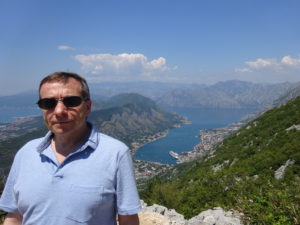
[Photo is at Kotor, Montenegro]
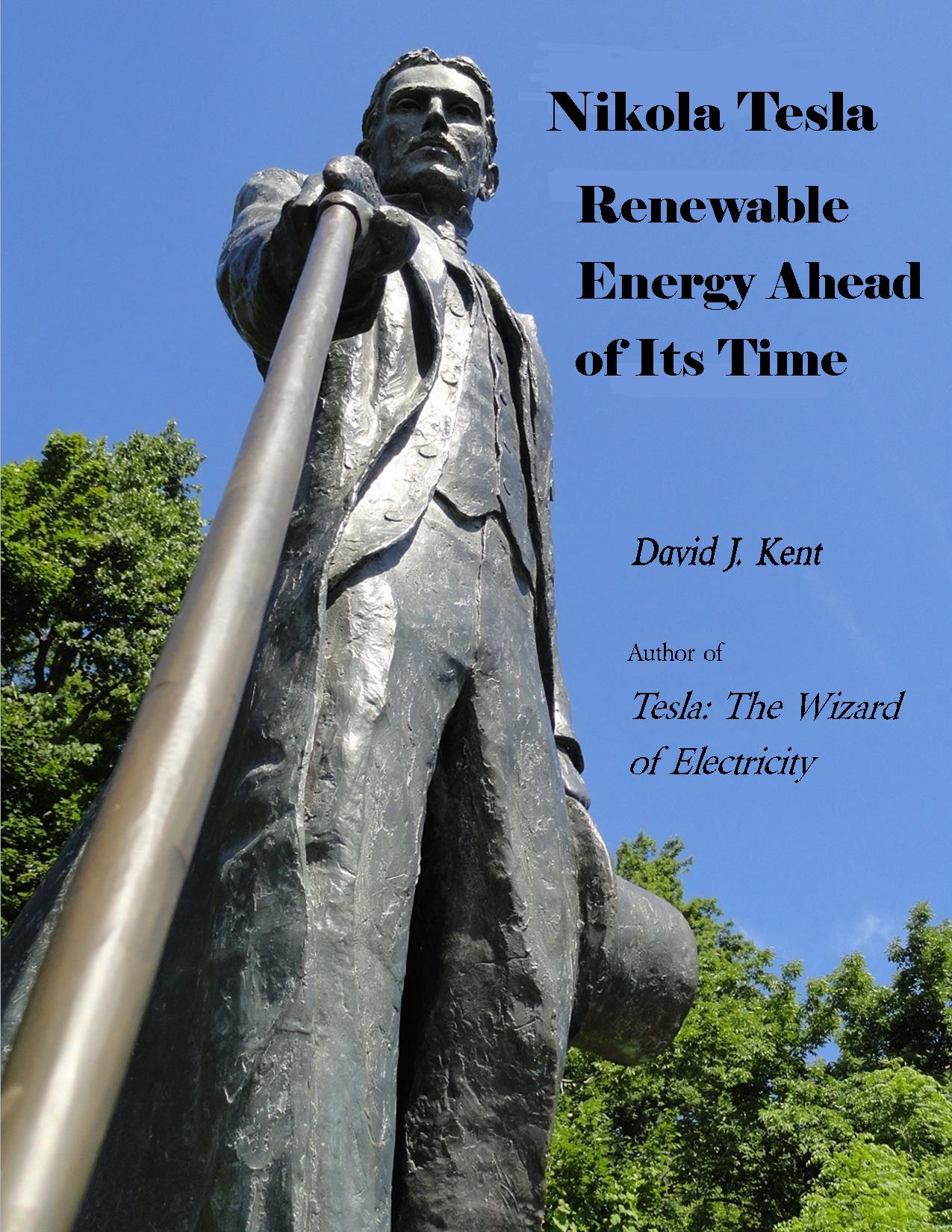
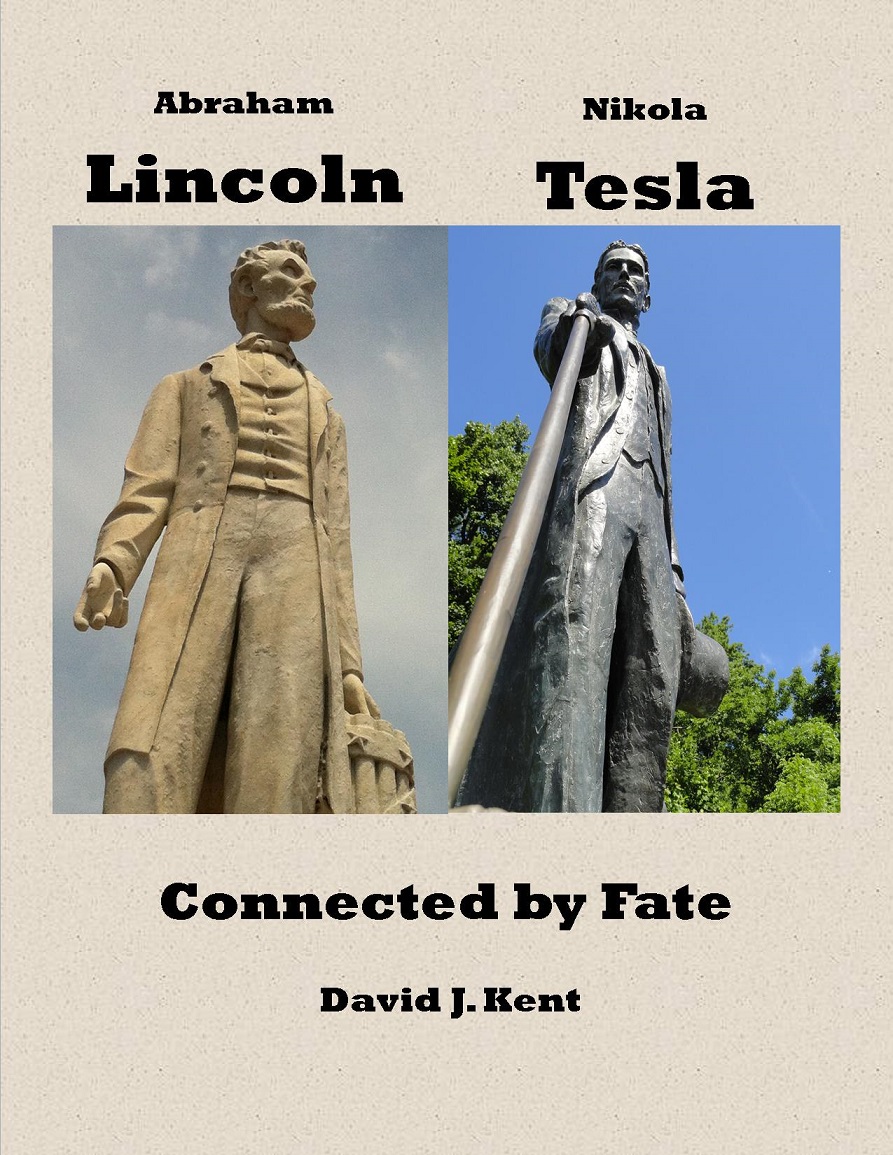
David J. Kent is an avid science traveler and the author of Lincoln: The Man Who Saved America, now available. His previous books include Tesla: The Wizard of Electricity and Edison: The Inventor of the Modern World (both Fall River Press). He has also written two e-books: Nikola Tesla: Renewable Energy Ahead of Its Time and Abraham Lincoln and Nikola Tesla: Connected by Fate.
Check out my Goodreads author page. While you’re at it, “Like” my Facebook author page for more updates!
Follow me by subscribing by email on the home page. Share with your friends using the buttons below.
 You now have a second chance to win a copy of
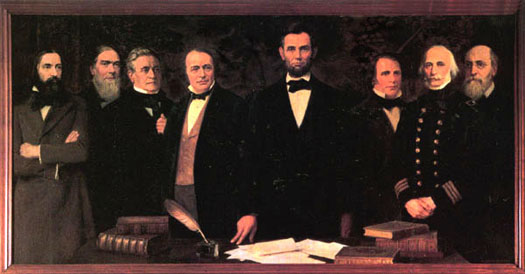
 In December 1862 President Abraham Lincoln was in the midst of a Civil War, his Emancipation Proclamation was due to take effect in a few weeks, and he was struggling to maintain some sense of our national meaning. What he wrote in his message to Congress (equivalent to today’s State of the Union address) gives us lessons on how we should handle our current crisis.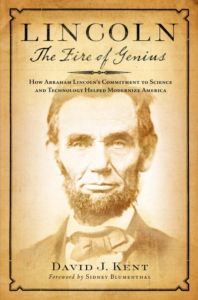
 A shocking