 On February 2, 1865, Abraham Lincoln headed to Hampton Roads in Virginia for a peace conference. It almost killed the 13th Amendment.
The House of Representatives was deep into debate about the 13th Amendment to end slavery in the United States. Extraordinary efforts were made on behalf of the administration to get the two-thirds majority needed for passage. It seemed like they had enough. And then someone heard that there were “peace commissioners” in Washington. Looking for a way to end the war without having to pass a constitutional amendment, many Representatives wavered. They sent a message to the President asking if any such commissioners were in town. Lincoln employed a bit of deception, replying that there were no commissioners in the city of Washington and he did not expect any. The vote squeaked through.
Of course, there were peace commissioners, but Lincoln had arranged for them to wait in Hampton Roads, Virginia, for a conference on board the steamboat River Queen. Lincoln had given a factually accurate, if incomplete, response to Congress.
Early on the morning of the 2nd, Lincoln telegraphed General Ulysses S. Grant: “Say to the gentlemen I will meet them personally at Fortress-Monroe, as soon a I can get there. Those gentlemen were Alexander Stephens, former U.S. Congressman from Georgia and current Vice President of the Confederacy, Assistant Secretary of War Joseph Campbell (who had been a Supreme Court Justice prior to resigning), and Robert Hunter (former U.S. Speaker of the House and Senator, then Confederate Secretary of State and Senator). The three men had come on a mission to end the war under terms that were friendly to the South.
Lincoln left Washington around 11:00 AM by special train to Annapolis, where he boarded the steamer Thomas Collyer. He arrived at Fortress Monroe in Hampton Roads late in the evening and immediately meets with Secretary of State William Seward on board the steamship River Queen.
When the five men met the next day, Lincoln was adamant that any peace agreement include reunification of all the states and the permanent end to slavery. Not surprisingly, the Confederate peace commissioners refused those conditions and returned to Richmond. Jefferson Davis, who was not present at the conference, later claimed that Lincoln had demanded “unconditional surrender.” This was false, and was Davis’s attempt to rally the Southern people to continue to fight what was already recognized as a losing battle. Lincoln, while unwavering that slavery must end, was open to compensation to the South. After returning to Washington, Lincoln did press Congress for amnesty and up to $400,000,000 in compensation. Given that the war was clearly nearing its end with a Union victory, neither Lincoln’s cabinet nor Congress was much interested in such an arrangement. No compensation or amnesty act was passed.
By late March, Lincoln would be “relaxing” at City Point near Petersburg, Virginia, where Grant had his camp. Not far down the James River from Richmond, Lincoln would stroll through the former capital of the Confederacy, abandoned the day before by Confederate leadership as the war came to a close. Lincoln would return to Washington on April 8th; Robert E. Lee would surrender Grant the next day. The war was effectively over.
Lincoln would be assassinated a week later.
[Adapted from my book Lincoln: The Man Who Saved America]
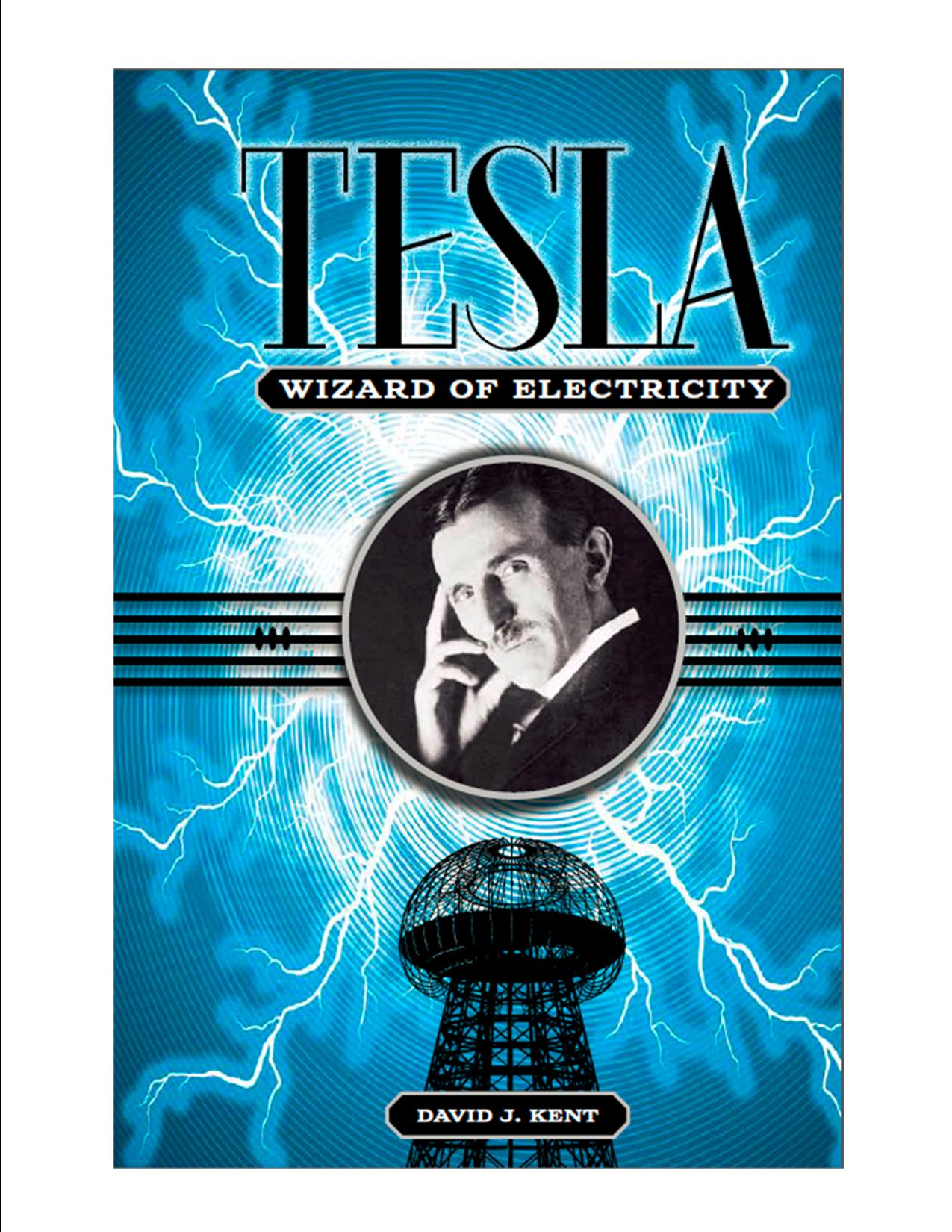
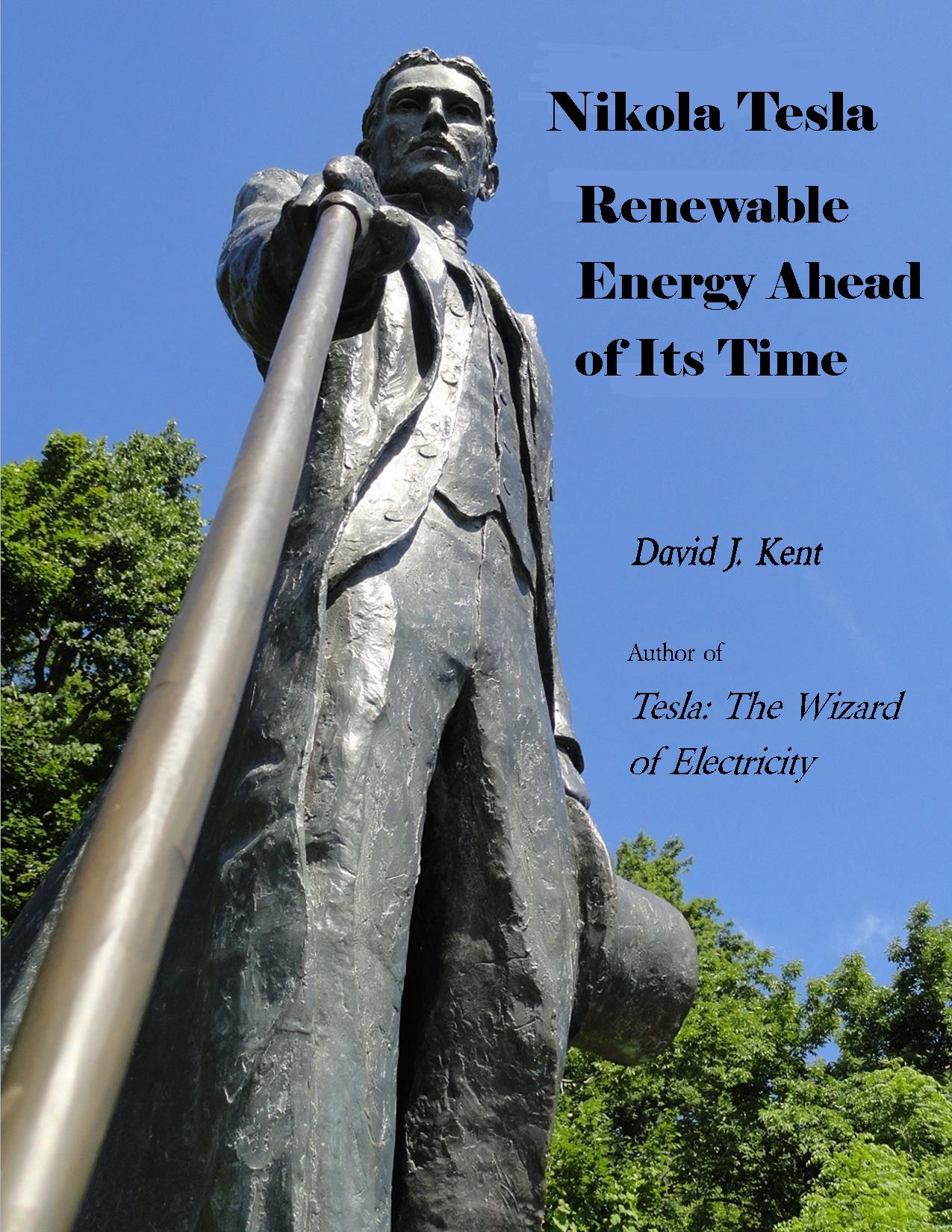
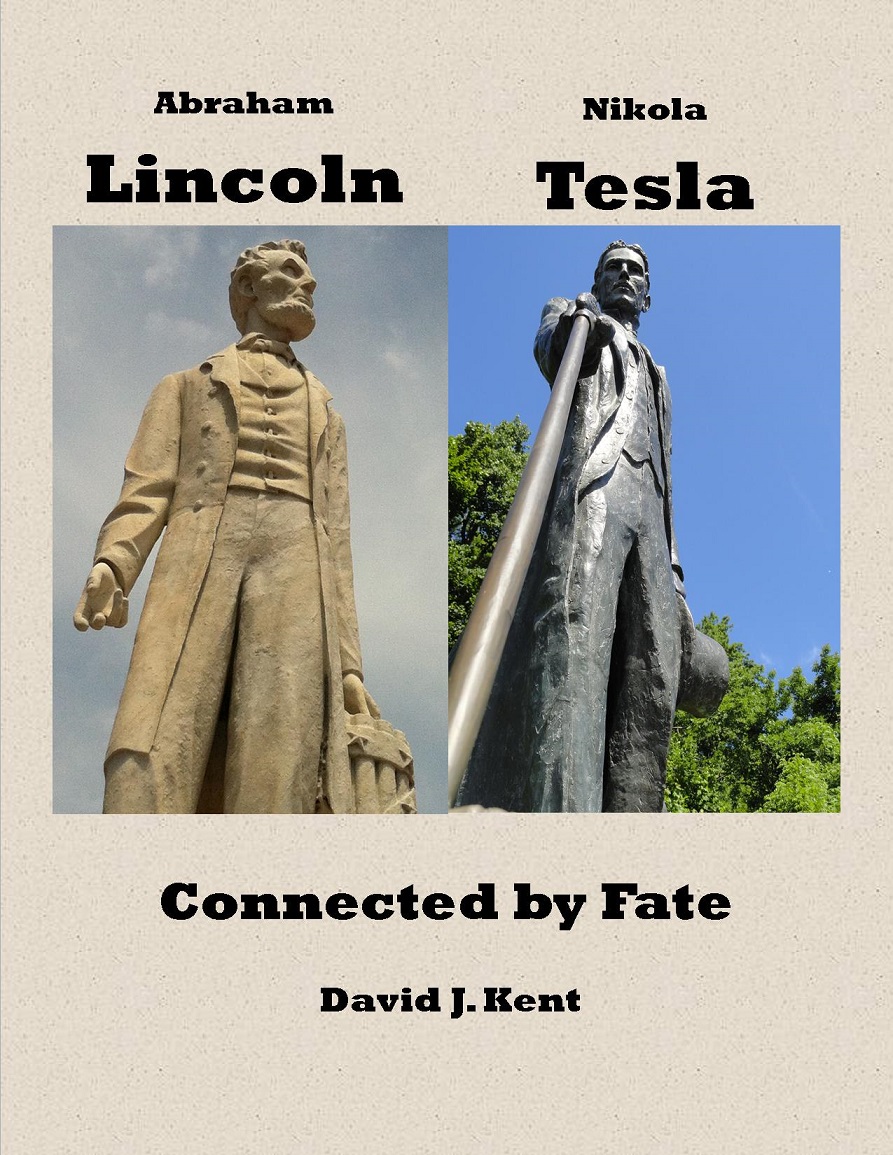
David J. Kent is an avid science traveler and the author of Lincoln: The Man Who Saved America. His previous books include Tesla: The Wizard of Electricity and Edison: The Inventor of the Modern World and two specialty e-books: Nikola Tesla: Renewable Energy Ahead of Its Time and Abraham Lincoln and Nikola Tesla: Connected by Fate.
Follow me for updates on my Facebook author page and Goodreads.
 If you follow my Facebook page (
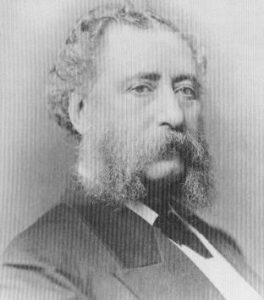 On January 25, 1865, Abraham Lincoln
  Abraham Lincoln is responsible for the creation of Historically Black Colleges and Universities (HBCUs). At least indirectly.
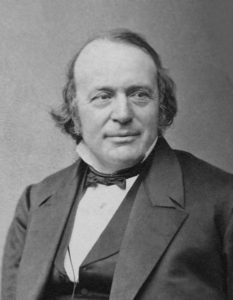 Louis Agassiz arrived at the White House on January 15, 1865 with Massachusetts Congressman Samuel Hooper. The famous scientist would have his one and only meeting with Abraham Lincoln. While the two influential men had never met before, Hooper was well-known to Lincoln. It was Hooper’s home in Washington DC that George McClellan had used as headquarters when he commanded the Union army. Hooper was also briefly the father-in-law of Charles Sumner, who had married Hooper’s daughter but divorced after only a short marriage. Today, however, the focus was on Agassiz.
 The election results were decisive. The new president-elect had won the popular vote by a substantial margin and had won more electoral votes than his competitors combined. The election had been secure, and the results were unequivocal.
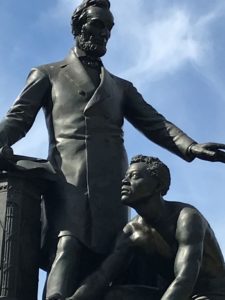 As part of my series on Confederate monuments I recently examined
  Heck of a year, wasn’t it? I’m sure I’m not alone in admitting that the year in a writer’s life didn’t go exactly as planned. And yet, looking back on
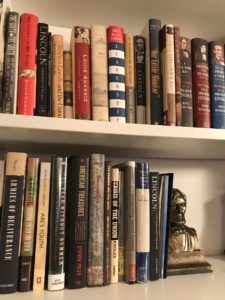 Given COVID, the election, the post-election, and everything else that happened this year, it should come as no surprise that my Abraham Lincoln book acquisition pattern was different that in previous years. While last year I had a big jump in the number of new Lincoln books I acquired (