 Abraham Lincoln was the Whig candidate in 1846 and, as per a gentlemen’s agreement with other Whigs, served one term as a U.S. Congressman from December 1847 to March 1849.
This was Lincoln’s first time in Washington, D.C., or in any large city other than his brief flatboat visits to New Orleans. At the time, Washington was a mix of formal government buildings and run-down boarding houses, and was a constant quagmire of mud and filth. The roughly 40,000 inhabitants were squeezed into a District area newly shrunken by the return of the Alexandria portion south of the Potomac River to the Commonwealth of Virginia. Slavery pens sat within eyesight of the Capitol building, which was still capped by a rotting wood and copper dome. Lincoln and his family lived at Mrs. Sprigg’s boarding house on 1st Street SE in a spot now covered by the Jefferson Building of the Library of Congress. Joining him were eight other members of Congress, all with abolitionist tendencies, so Lincoln likely had many interesting debates about slavery over the common dinner table.
Most of his congressional duties were mundane, such as answering letters from constituents and voting on appropriations, but Lincoln’s good humor and adeptness with a funny story ingratiated him with his fellow representatives. Not long after his arrival he wrote back to his law partner, William Herndon, that he was “anxious” to “distinguish” himself in this august body. Not content with merely making speeches on immaterial subjects, he chose to take on the President of the United States.
President James K. Polk had initiated a war with Mexico that would eventually result in the United States gaining territory encompassing present-day Texas, New Mexico, Arizona, Colorado, Utah, Nevada, and California. George Ashmun, a Whig member of the U.S. House of Representatives, offered an amendment to what had been expected as a perfunctory commendation to those who served in the war. The amendment proposed to add a coda to the resolution: “In a war unnecessarily and unconstitutionally begun by the President of the United States.” Lincoln voted in favor of the amendment, which passed 82 to 81.
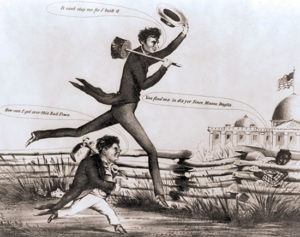
Lincoln went a step further. Polk insisted Mexico had been the aggressor, but Whigs believed that was an invention to hide Polk’s desire to expand the United States (and, by extension, the area to which slavery could be instituted). Three days before Christmas, Lincoln introduced a series of eight interrogatories demanding President Polk identify the exact spot where Mexico had supposedly initiated the first bloodshed. Because Lincoln repeatedly asked the spot be identified, they became derisively known as the “spot resolutions.”
Not surprisingly, Polk completely ignored the impertinent demands of an unknown freshman representative from the western prairies. Lincoln pressed the point, and Polk continued to ignore him, as did virtually everyone in Congress. The spot resolutions faded away without any debate or action, but Lincoln had asserted himself as unafraid to challenge even the highest authorities. He showed the integrity and determination to change the status quo and make things right. Later the spot resolutions would come back to haunt him when Democrats ridiculed him as “spotty Lincoln,” which may have hurt his chances to get a land office patronage job.
Lincoln immersed himself in other issues during his one term in Congress, including his proposal for emancipation of the slaves in the District of Columbia (although it was never formally introduced or passed). After his first session he toured New England campaigning for Zachary Taylor as the Whig nominee for president, even though Taylor had been a hero of the Mexican War. He then took a roundabout route past Niagara Falls through the Great Lakes by steamship, and along the newly opened Illinois and Michigan Canal on his way back to Springfield. He was essentially removed from politics for several years while he focused on his family and his law practice.
[Adapted from my book, Lincoln: The Man Who Saved America]
David J. Kent is an avid science traveler and the author of Lincoln: The Man Who Saved America, in Barnes and Noble stores now. His previous books include Tesla: The Wizard of Electricity and Edison: The Inventor of the Modern World and two e-books: Nikola Tesla: Renewable Energy Ahead of Its Time and Abraham Lincoln and Nikola Tesla: Connected by Fate.
Check out my Goodreads author page. While you’re at it, “Like” my Facebook author page for more updates!








 “Will it play in Peoria?” It did. They did. And I did. How a


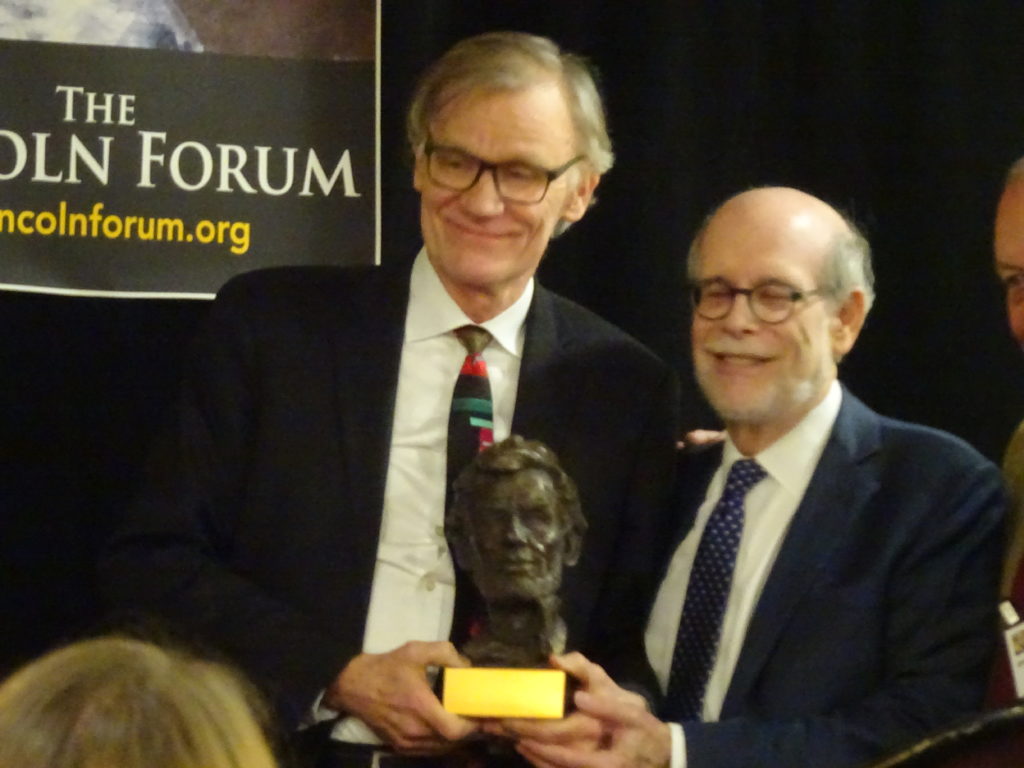
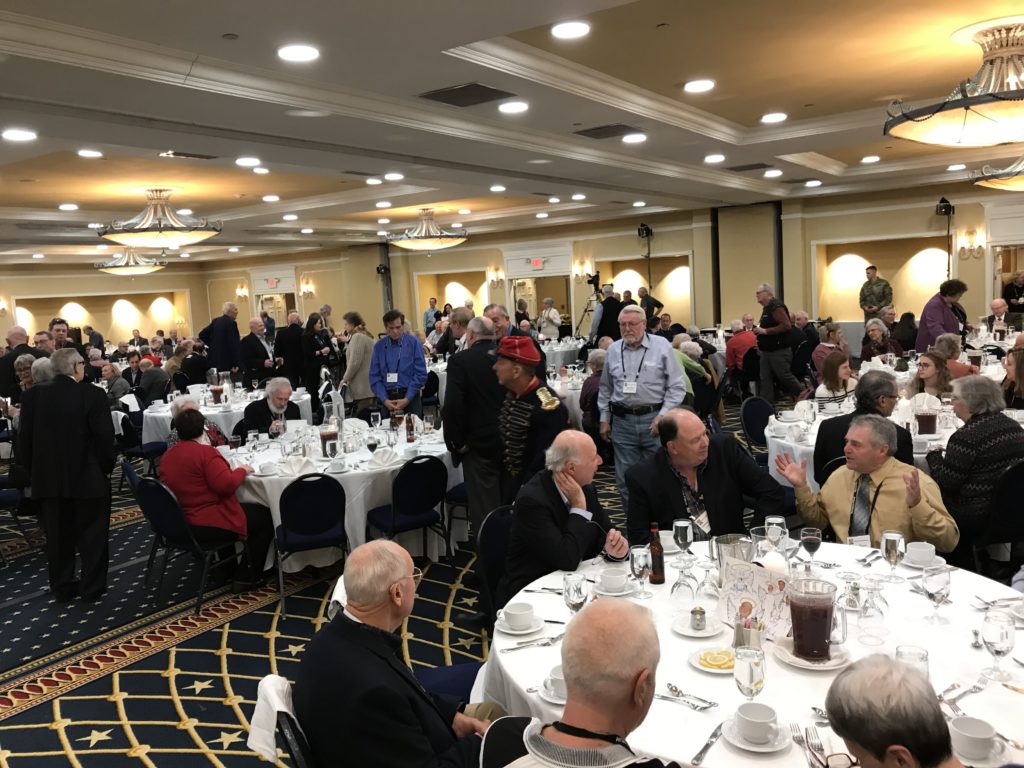
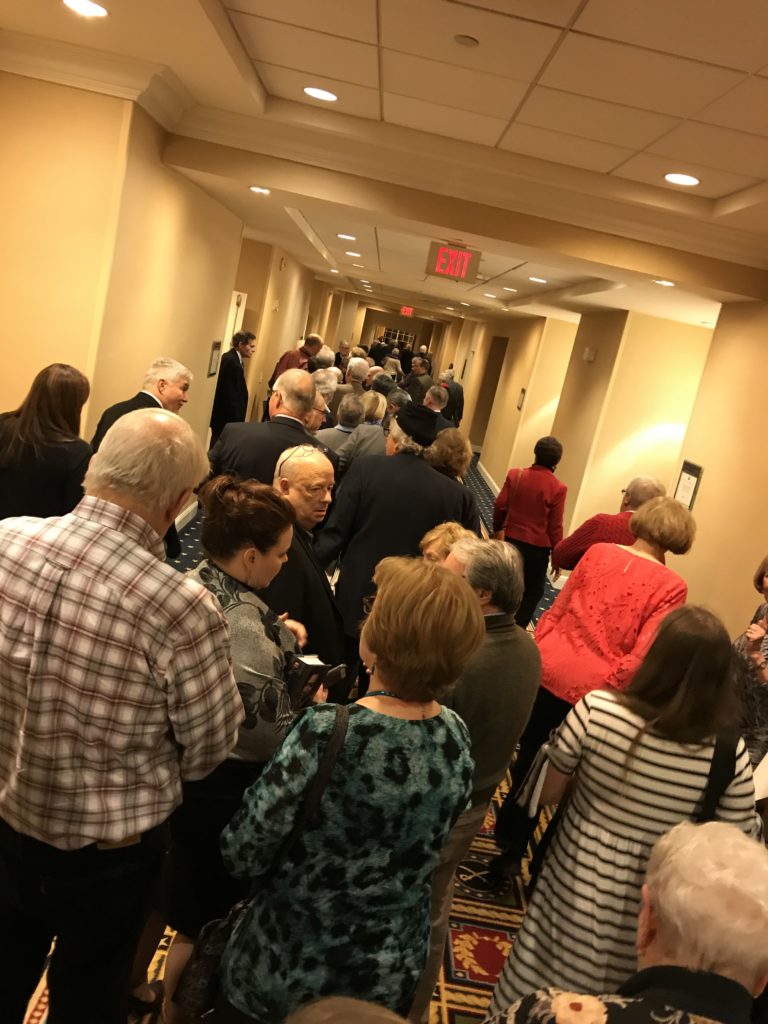
 The annual Lincoln Forum in Gettysburg is in the books and we have a new General, get to keep the Chief, and took a few steps into the future. Oh, and we had some great speakers, a ton of Lincoln humor, and even a few spirits (the dead kind).
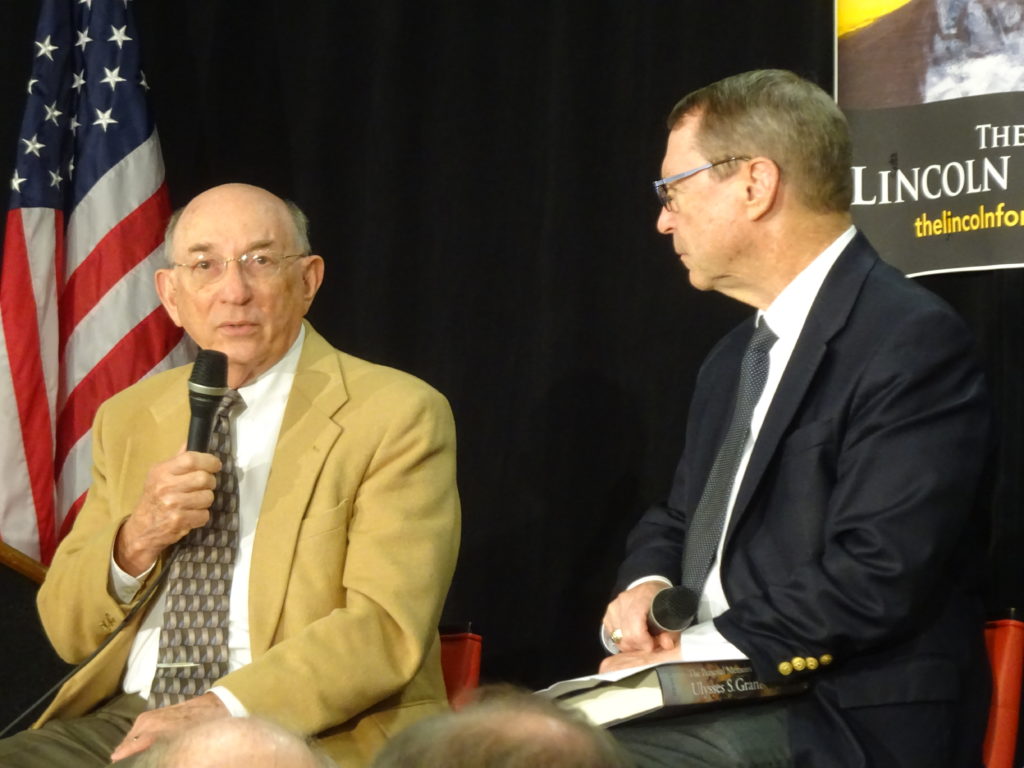
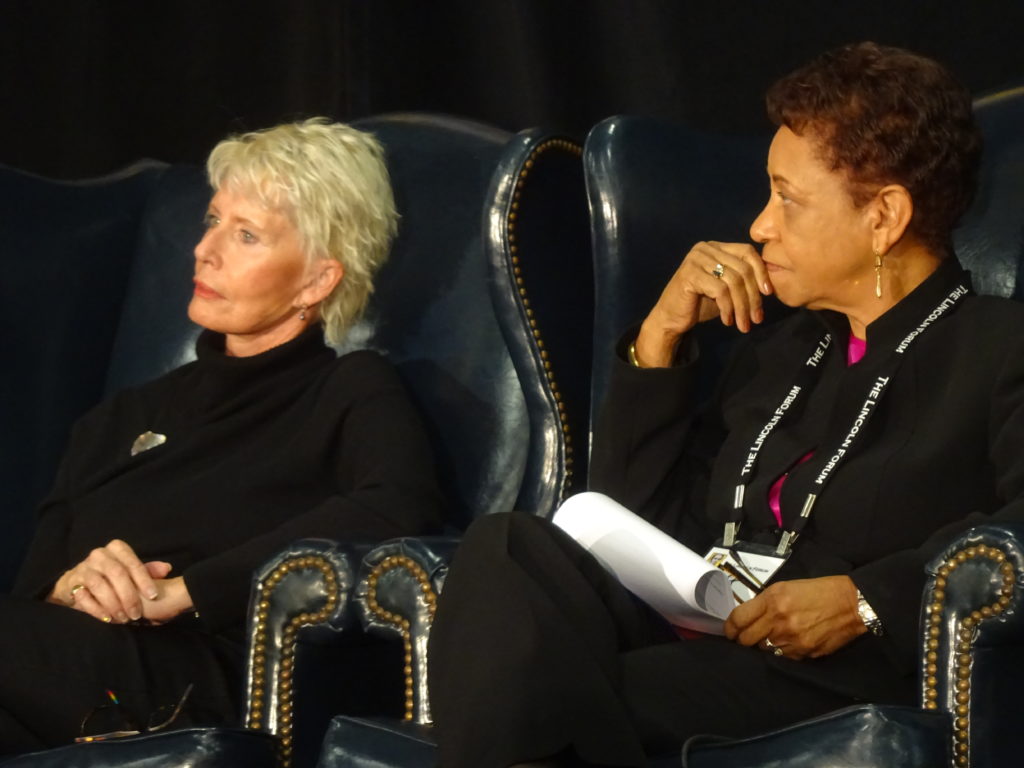
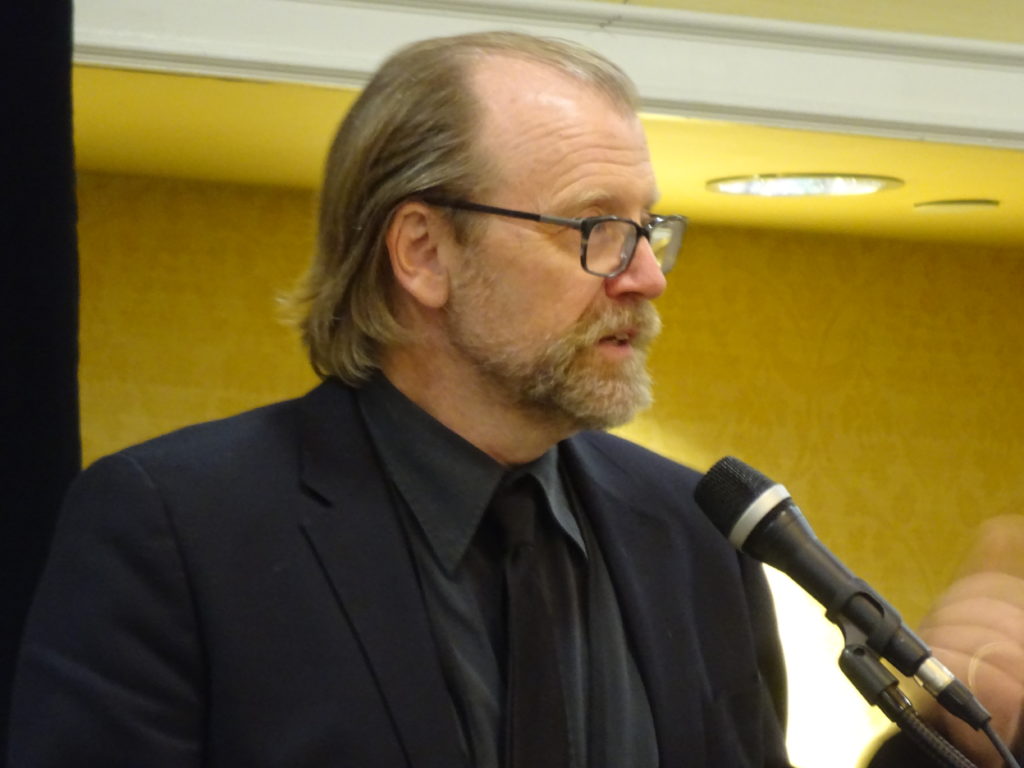
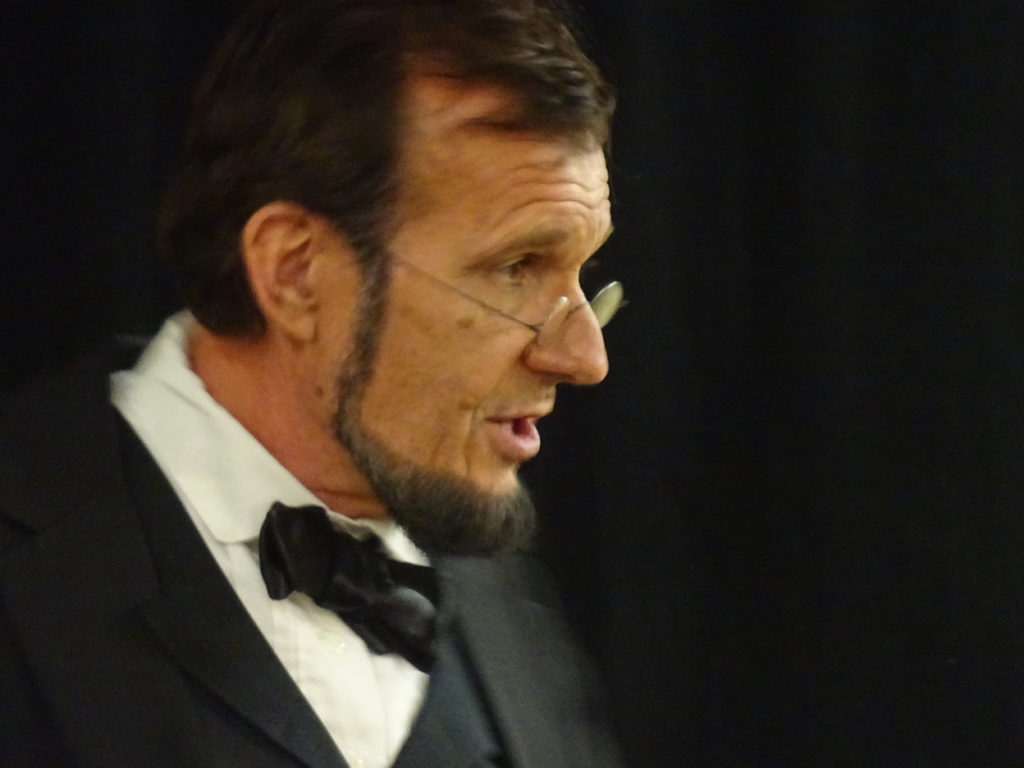
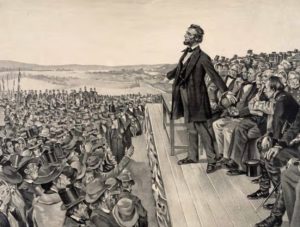 Union victories were coming more frequently in the late summer and fall of 1863, although not universally, as a loss at Chickamauga and the New York draft riots would attest. But now it was time for a more somber occasion.
 But wait, there’s more. This past year I made several “Chasing Abraham Lincoln” trips, including long road trips to Kentucky/Indiana and Illinois. Check out my
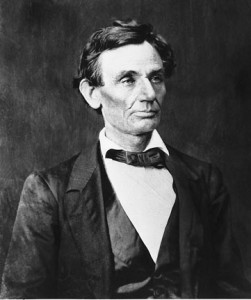
 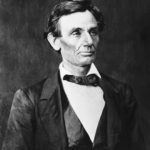 Abraham Lincoln was the first “selfie” nut. His first photograph was in 1846, taken only about seven years after the daguerreotype process was introduced worldwide. Talk about your early adopters. That first photograph was basically a class picture as the newly elected young
 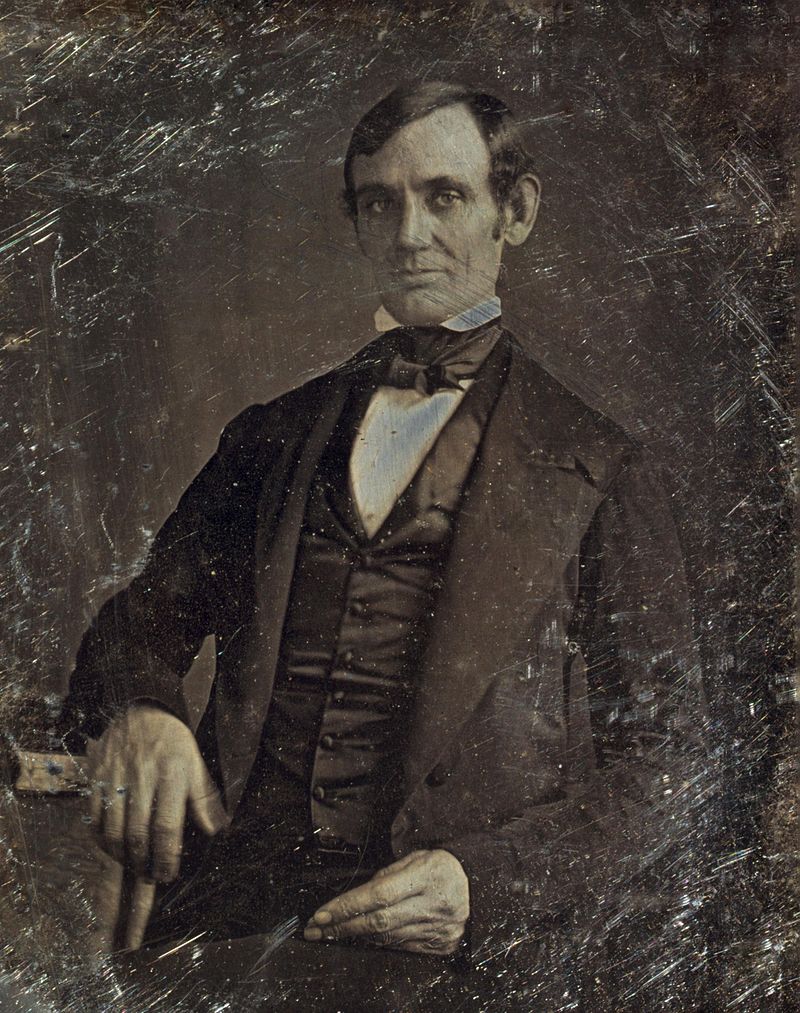 Lincoln went on to have at least 130 photographs taken during the remainder of his life, with the final solo photograph taken in early February of 1865. Two photographs were taken after this. One was a erratically focused crowd shot of him standing on the Capitol steps giving his second inaugural address on March 4, 1964. The other was an unauthorized photo of Lincoln laying in an open casket in New York City following his assassination.
 In most of the photos Lincoln sits or stands alone. One has him sitting with his youngest son Tad standing beside him gazing down at the book open in Lincoln’s lap. Perhaps the most intriguing photos are the series taken by Alexander Gardner at Antietam during Lincoln’s post-battle visit to meet with General McClellan. In one, the lanky Lincoln and the diminutive McClellan stare down each other in a group photo with other generals.
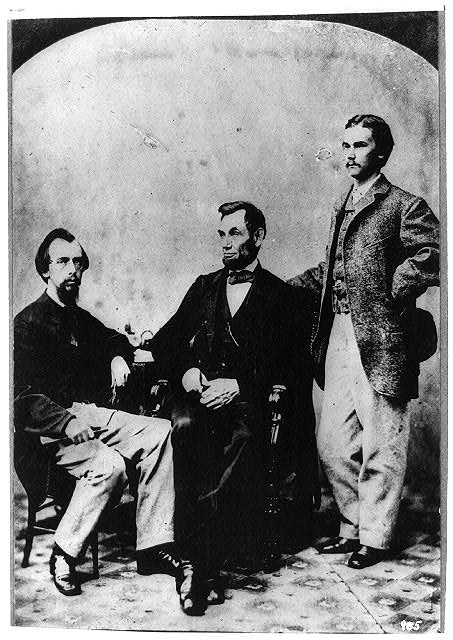
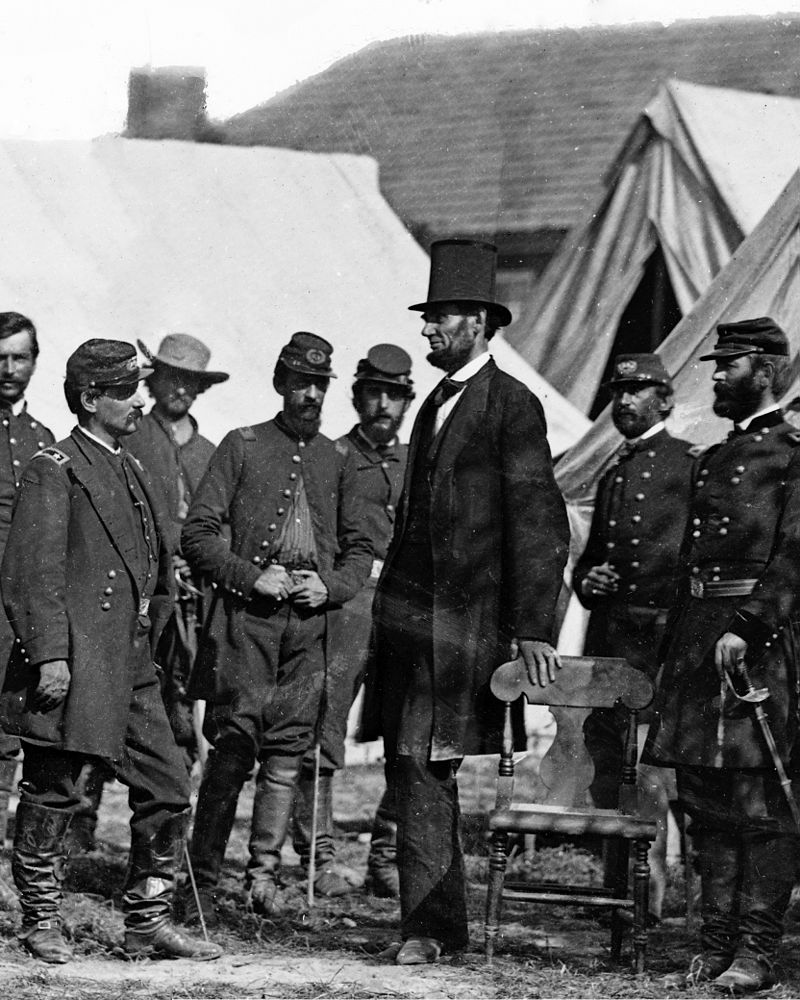 I write about Lincoln and his photographs for a few reasons. It was November 8, 1863 that Lincoln sat for a photo with his two secretaries, John Nicolay and John Hay, standing to either side. I have also recently read two books that look at the photographers most often associated with Lincoln and the Civil War: Matthew Brady and Alexander Gardner. The other of one of the books, Nicholas J.C. Pistor, will be a speaker at the upcoming Lincoln Forum in Gettysburg. The author of the second book, Richard S. Lowry, was a Forum speaker a few years ago. Both books are wonderful reads. I’m also including a section on Lincoln and photography in my “work-in-progress,” so I have a particular interest in this area.
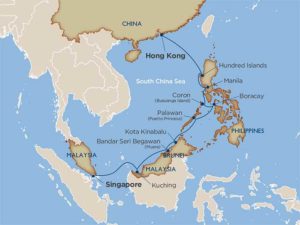 Traveling can take you back in time (as in, history)…or it can take you away in space (as in, geography; so far no actual space travel for me). I’m about to do both.
 Change is hard, but there are times when change is necessary. This is one of those times. Following words from Abraham Lincoln, that is how I began