Abraham Lincoln’s Connections to Edinburgh, Scotland

Abraham Lincoln never traveled outside the United States other than a few hours on the Canadian side of Niagara Falls. While he had planned to after his presidency, he never traveled overseas. He definitely never went to Edinburgh or anywhere else in Scotland. And yet, Edinburgh has not only a statue of Lincoln but also other connections to our sixteenth president. I became aware of these connections during my recent Lincoln-themed road trip around the United Kingdom.
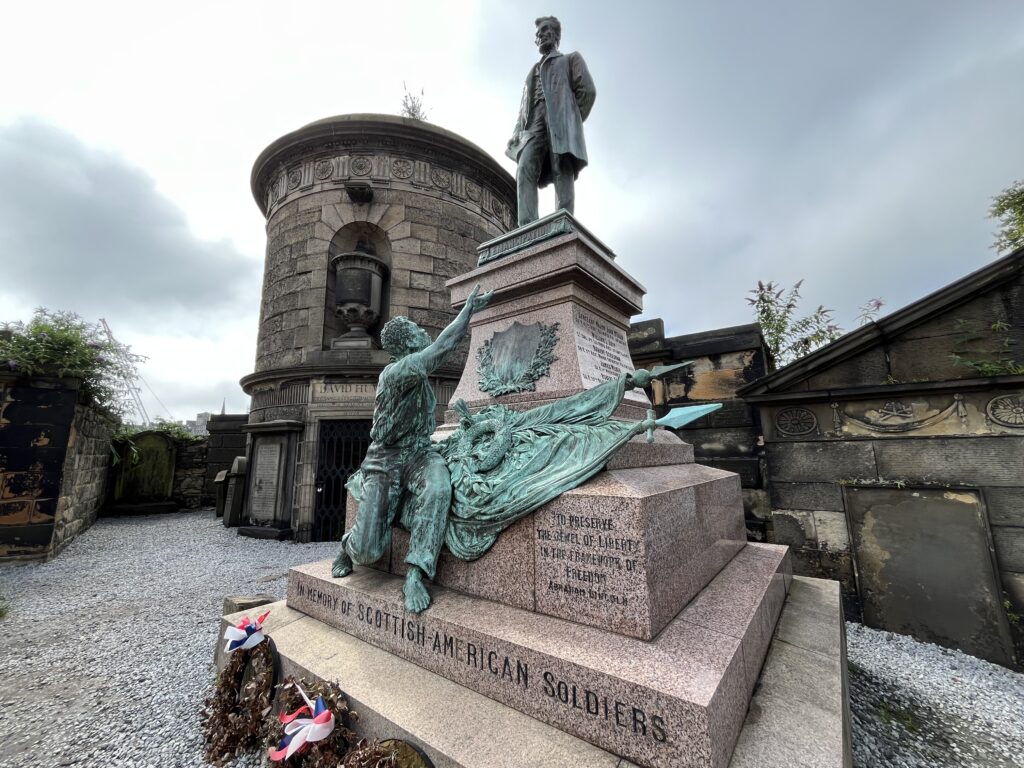
Lincoln statue, Edinburgh, Scotland

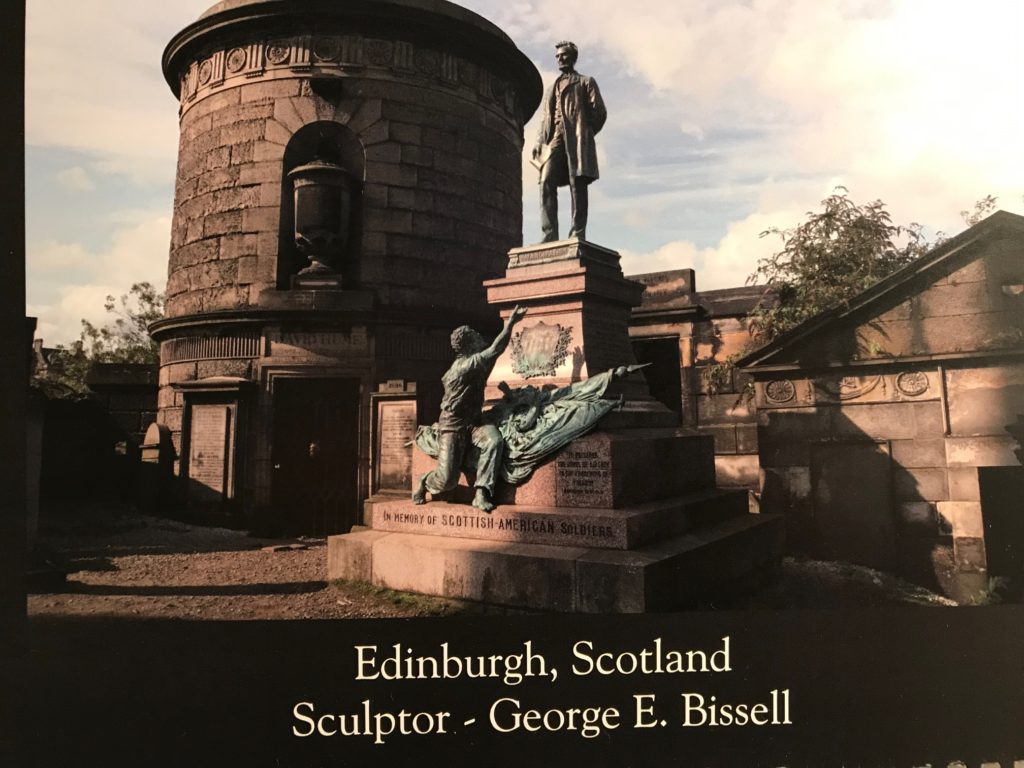
The most obvious is a grand full-length statue of Lincoln that tops the Emancipation Monument in Edinburgh’s Old Calton Burial Ground. Created by the well-known American sculptor George E. Bissell (whose bust of Lincoln sits two feet from me as I type these words), the monument also includes a second figure, a crouching, freed formerly enslaved man extending his arms in gratitude to the imposing Lincoln above him. In a sense, the juxtaposition is reminiscent of the more controversial Thomas Ball Emancipation (Freedman’s) Memorial in Washington, DC. Unlike the Ball statue, however, this figure is fully clothed and resting on furled flags, symbols of victory. This remains the only American Civil War Memorial outside the United States and is a tribute not just to Lincoln but to the memory of Scottish American soldiers who fought in the war. Unveiled in 1893, the Lincoln statue was the first life-sized statue of an American President unveiled in Europe. Philosopher David Hume’s stone tower serves as an impressive backdrop to the Lincoln monument.
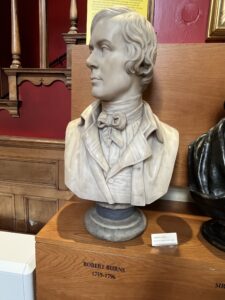
Robert Burns, Writers' Museum, Edinburgh, ScotlandAnother connection is to Robert Burns, the Scottish poet whom Lincoln had a particular fascination. Lincoln had supposedly discovered Burns from Jack Kelso, an enigmatic friend from Lincoln’s New Salem days. Kelso had emigrated to the United States from Scotland, where he had previously been a Glasgow schoolteacher. He apparently owned many volumes of Burns that Lincoln read over and over (ditto for Shakespeare). Lincoln was hooked and recited Burns from memory on many occasions through his life. Robert Burns is eminently present in Edinburgh, including a large monument at the foot of Calton Hill (not far from the aforementioned Lincoln statue). Burns is also one of the three Scottish writers featured in the Writers’ Museum tucked into Lady Stair’s Close a few steps off the Royal Mile that leads to the Edinburgh Castle. He is joined there by Robert Louis Stevenson and Sir Walter Scott.

Sir Walter Scott provides yet another, albeit somewhat indirect, connection to Lincoln. The Scott Monument is a Victorian Gothic multi-towered structure that is the second-largest monument in the world to a writer. It dominates the skyline from most of Edinburgh along Princes Street near the Waverly Railway Station (named after Scott’s Waverly novels). Here’s where the Lincoln connection comes in. Way back in 1838 a man named Frederick Bailey escaped from slavery, moved briefly to New York and married Anna Murray, changing their last name to Johnson. They quickly moved on to New Bedford, Massachusetts, where they stayed with Nathan and Mary Johnson. It turns out Johnson was a common name and seeking something more distinctive, Frederick asked Nathan to help pick a new last name. Nathan was a fan of, you guessed it, Sir Walter Scott, and suggested Frederick take on the name Douglas, the name of two principal characters in Scott’s poem “The Lady of the Lake.” Frederick decided to give it a little flair and added the extra “s,” giving us the man we all know today as Frederick Douglass.
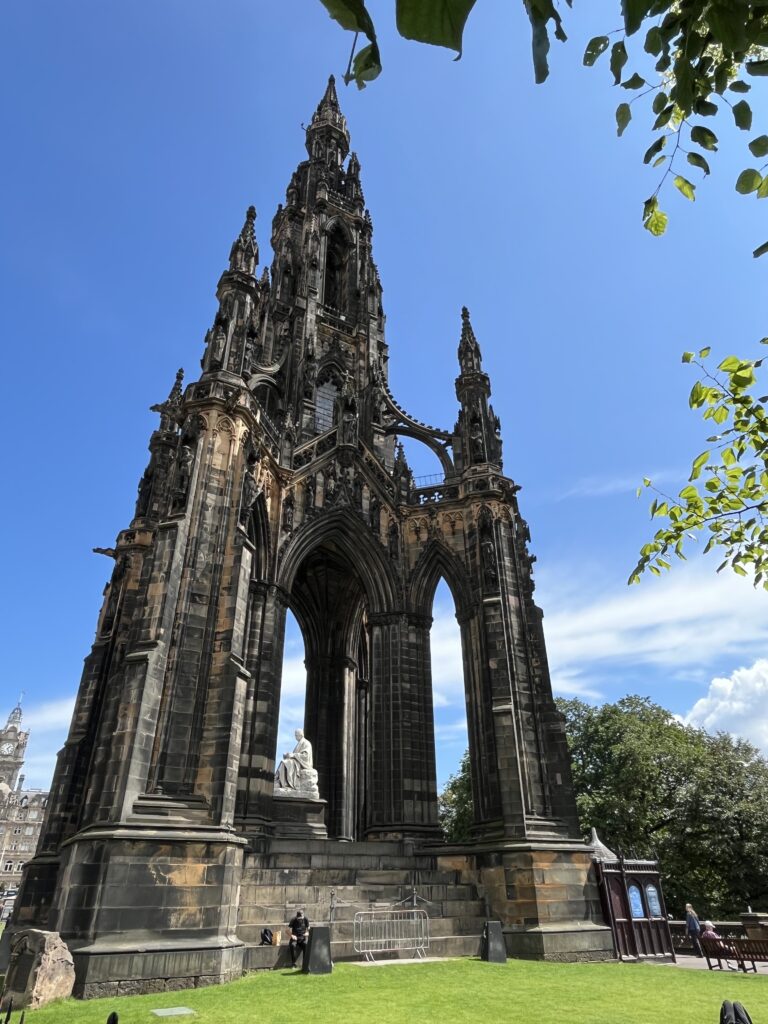
Sir Walter Scott Monument, Edinburgh, Scotland

There is another, more obscure, connection to Lincoln in Scotland. During my travels I also stayed one night in an old mansion overlooking the cliffs in Dunbar on the far eastern Scottish coast. Dunbar is the birthplace of John Muir, who as I discussed in a previous post, was instrumental in making Yosemite a National Park. Lincoln, of course, had designated Yosemite as the first federal land to be set aside for protection.

I’ll have more on my Lincoln road trip through the UK in future posts, so stay tuned.

[Photos by David J. Kent, 2025]
Fire of Genius

Coming in March 2026: Lincoln in New England: In Search of His Forgotten Tours

Also see – Lincoln: The Fire of Genius: How Abraham Lincoln’s Commitment to Science and Technology Helped Modernize America.

Join me on Goodreads, the database where I keep track of my reading. Please leave a review on Goodreads and Amazon if you like the book.

You also follow my author page on Facebook. Also follow me on Instagram.

David J. Kent is Immediate Past President of the Lincoln Group of DC and the author of Lincoln: The Fire of Genius: How Abraham Lincoln’s Commitment to Science and Technology Helped Modernize America and Lincoln: The Man Who Saved America.

His previous books include Tesla: The Wizard of Electricity and Edison: The Inventor of the Modern World and two specialty e-books: Nikola Tesla: Renewable Energy Ahead of Its Time and Abraham Lincoln and Nikola Tesla: Connected by Fate.

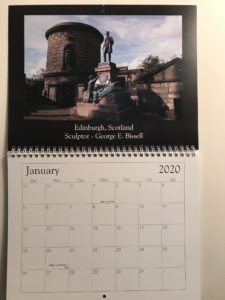
Lincoln in Scotland – Wiegers Calendar January

Wiegers calendar JanuaryDavid Wiegers is a photographer. He is also an Abraham Lincoln fan. He has combined those two interests into a calendar featuring photos of Lincoln statues from around the world. January is the statue in Edinburgh, Scotland.

This particular statue represents one of those “argh” moments for me. I was in Edinburgh and yet didn’t see the statue. And when I say I was “in” Edinburgh, I don’t just mean for a few days on vacation – I actually lived there for three months in the summer of 2005. The company I worked for at the time had an office in Edinburgh. As manager of the Washington DC office I had the opportunity to work out of the Edinburgh office for that summer (which I’m told was the sunniest summer they had had in a decade, and that’s all I’m going to say about that). I lived in an apartment about a mile or two away from the center of town, so although the actual work facility was a drive in the opposite direction, I did hike downtown fairly often.

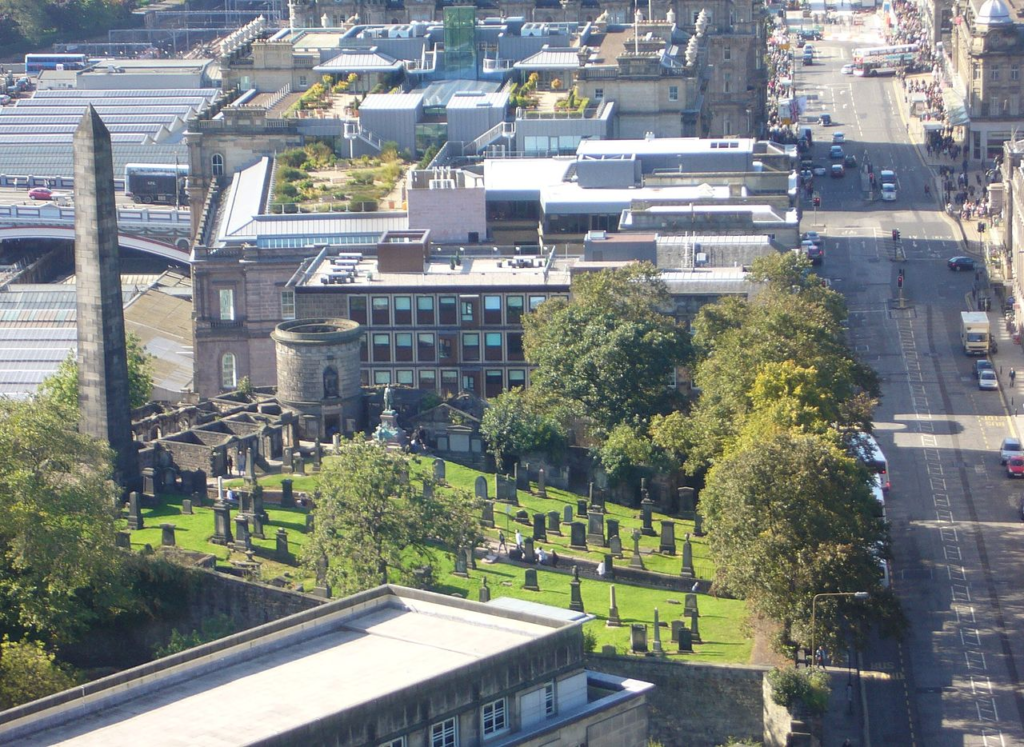
On one such foray I walked up to the top of Calton Hill, one of seven in the city. What I didn’t know at the time was that right across the street was Old Calton Burial Ground. And that is where the Lincoln statue stands.

Old Calton Burial Ground


When I found out years later I had missed the statue I was, let’s say, more than a little disappointed. I had literally been steps from it without noticing. Worse, that was the first summer I had finally ditched my old 35-mm film SLR and purchased a digital SLR, only to have most of my photos lost in a once-in-a-lifetime comedy-of-errors involving my computer and all of my layered backup options. [A story for another time]

Which means I need to get back to Edinburgh.

Luckily, David Wiegers has been there and has photographed the statue. Seeing it in the very first photo of his calendar brings back both good and bad memories of my brief life in Edinburgh.

Wiegers Calendar January

So why is there a Lincoln statue in Scotland? Because of the six Scottish men who fought on behalf of the Union during the American Civil War. The names of those men are etched into the large dual-figure monument erected in 1893. The lower figure represents an enslaved man being released from shackles at the feet of Lincoln. A bronze shield bears the flag of the time, with thistles to the left and cotton to the right. Two regimental flags complete the grouping.

As I flip through the calendar I see many places that I’ve visited and realize that I missed Lincoln in a few of them. Each month I’ll write one of these posts featuring David’s calendar photo and my own story associated with the statue and/or location. One thing is sure – I’m getting many more ideas for future Chasing Abraham Lincoln tours.

David J. Kent is an avid science traveler and the author of Lincoln: The Man Who Saved America, in Barnes and Noble stores now. His previous books include Tesla: The Wizard of Electricity and Edison: The Inventor of the Modern World and two specialty e-books: Nikola Tesla: Renewable Energy Ahead of Its Time and Abraham Lincoln and Nikola Tesla: Connected by Fate.
Check out my Goodreads author page. While you’re at it, “Like” my Facebook author page for more updates!

Photo credits: Two calendar photos are my photos of David Wiegers calendar photo; Old Calton Burial Ground photo by Kim Traynor – Own work, CC BY-SA 3.0, https://commons.wikimedia.org/w/index.php?curid=17821287.

A Little Bit of Science Traveling in Scotland

Several years ago I had the privilege of living and working in Scotland for three months. I was based in Edinburgh but made several trips out into the Scottish countryside. Here are some of the highlights.

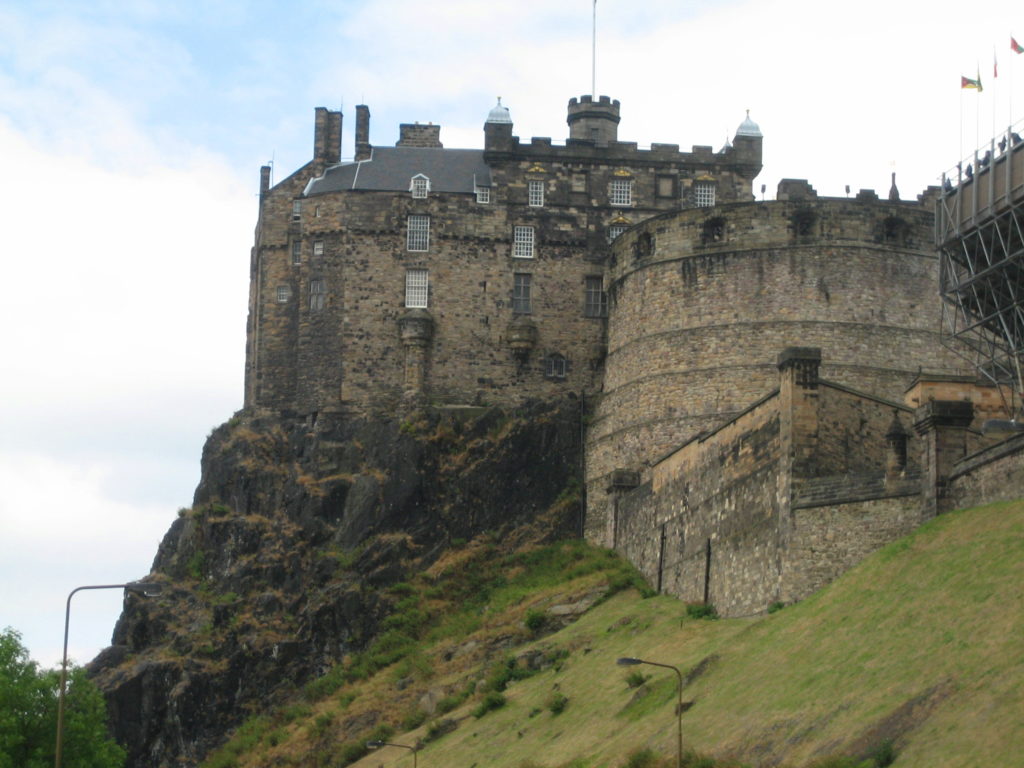
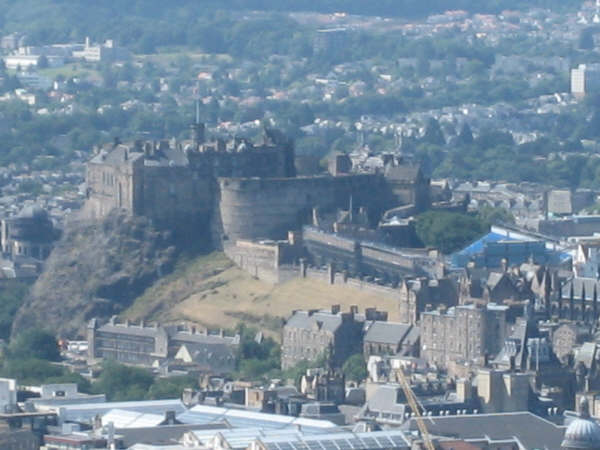
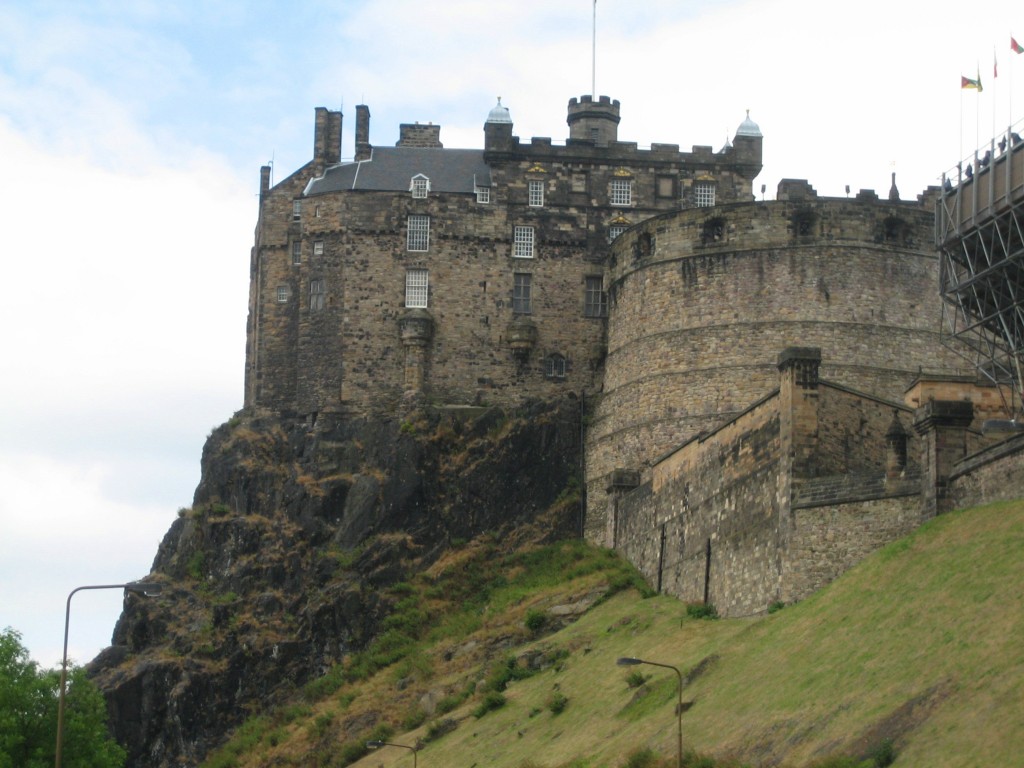
Edinburgh Castle, Scotland

Edinburgh is best known for its castle, and for good reason. The wonderful old fortress overlooks the city from its perch on a high volcanic rock precipice. Dating back to the 12th century (ironically, from the reign of David I), the castle is the home of the annual military tattoo each August, in which parades of Scottish regiments, replete with pipes and drums, wow the crowds. When I was there a certain Edinburgh resident, J.K. Rowling, used the castle as a place to sign her newest Harry Potter book (written in many of Edinburgh’s cafes). The line stretched out the castle entrance and down the entire Royal Mile.

August is also the year of Edinburgh’s annual Fringe festival, which fills the city with over 50,000 performances of over 3,300 shows in over 300 venues. I was there in summer and got to experience the wackiness of the Fringe first hand. It is not to be missed.

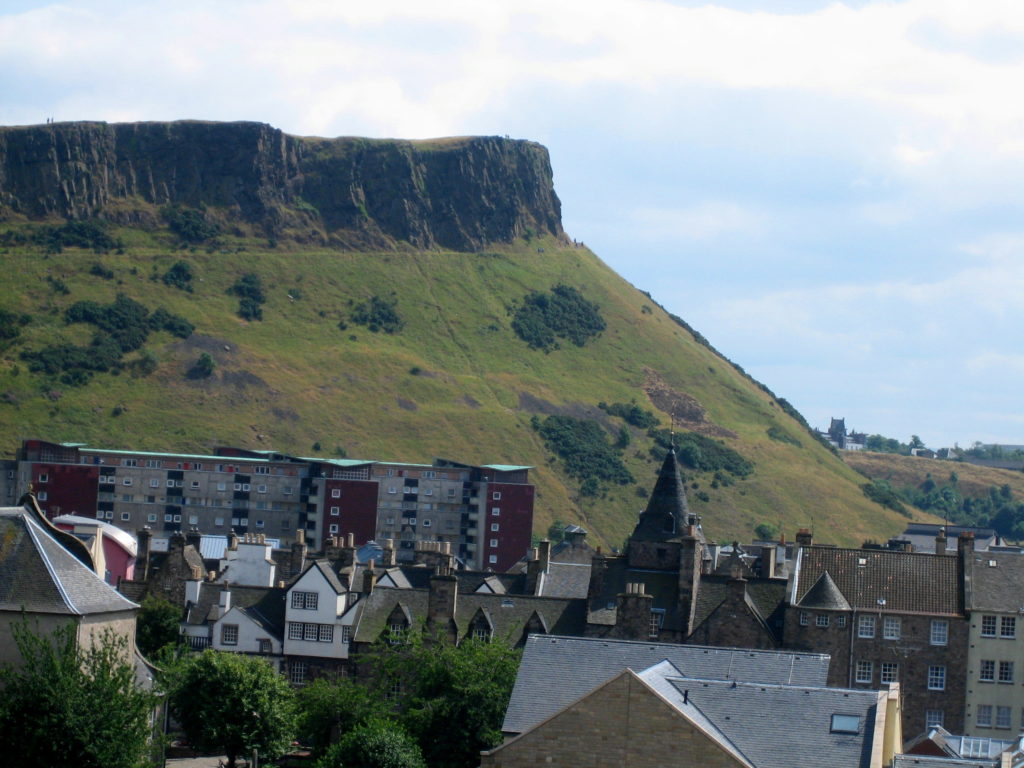
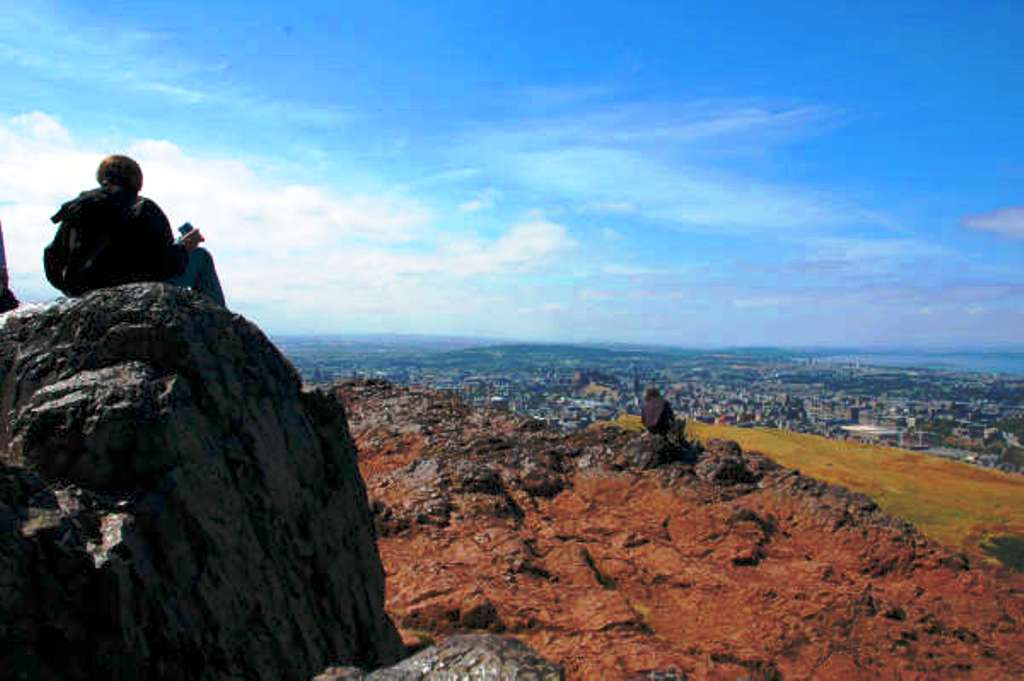
Arthur's Seat, Edinburgh, Scotland

The city sits among seven hills, including Castle Rock (where the castle stands), Calton Hill, and Arthur’s Seat, the name of the latter of which may (or may not) have been derived from the legends of King Arthur.

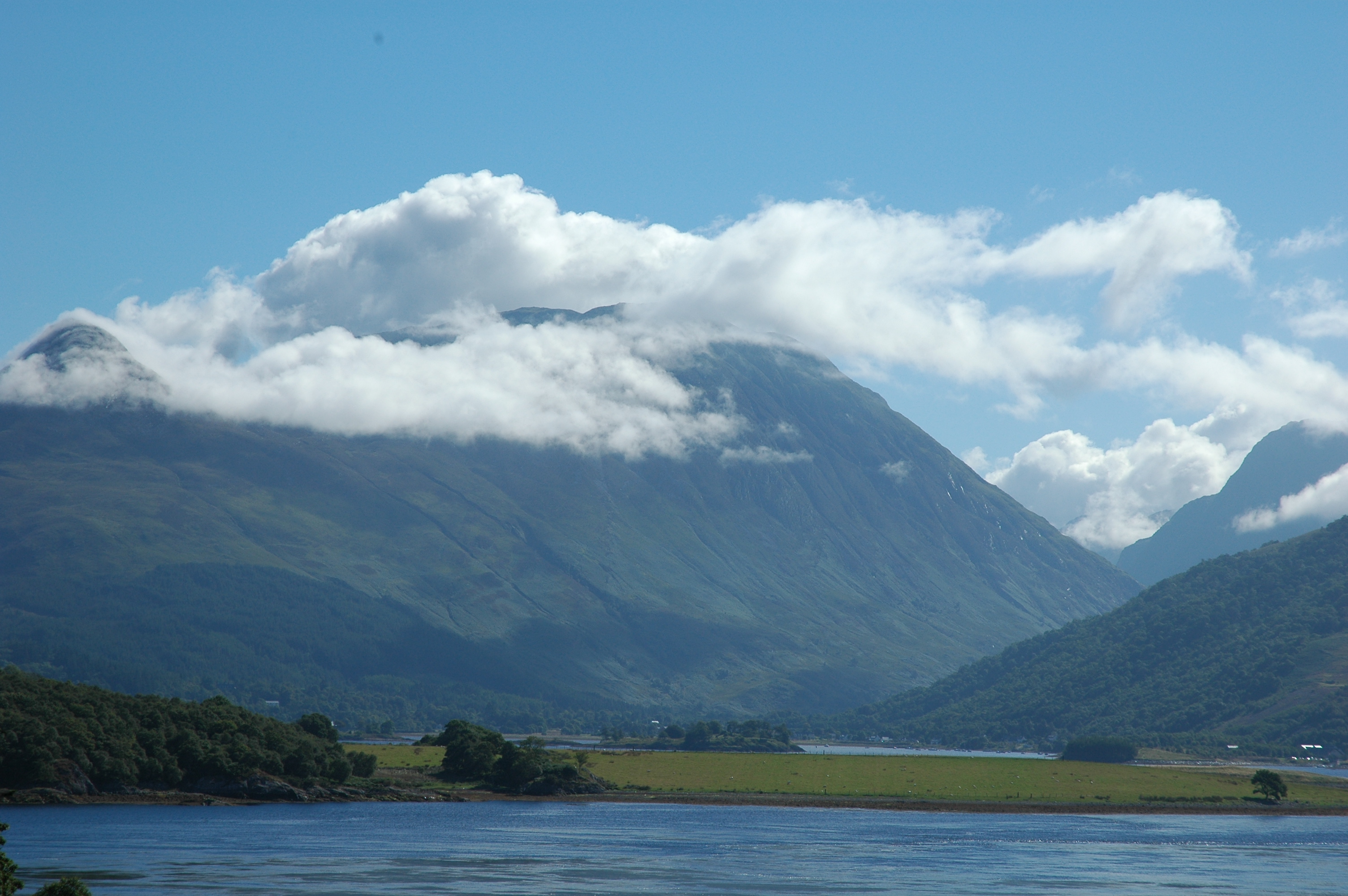
But there is more to Scotland than Edinburgh. Hopping into my summer rental car, and making sure to drive clockwise around roundabouts (since they drive on the left side of the road in all the UK), I headed north towards the Isle of Skye. Along the way I passed the amazing Pap of Glencoe:

Pap of Glencoe, Loch Leven, Scotland

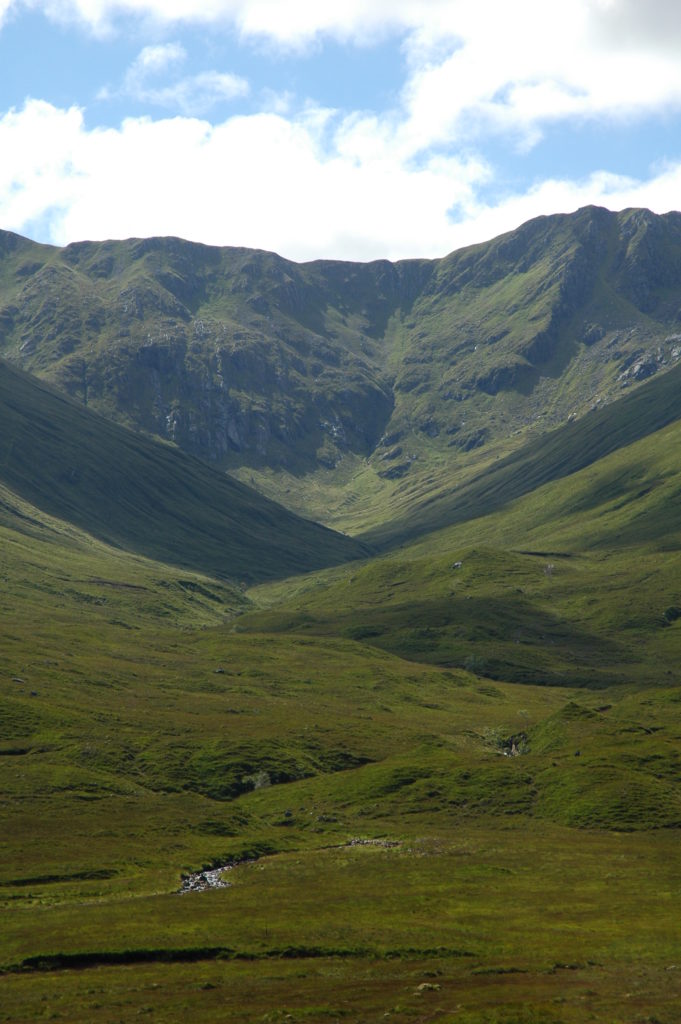
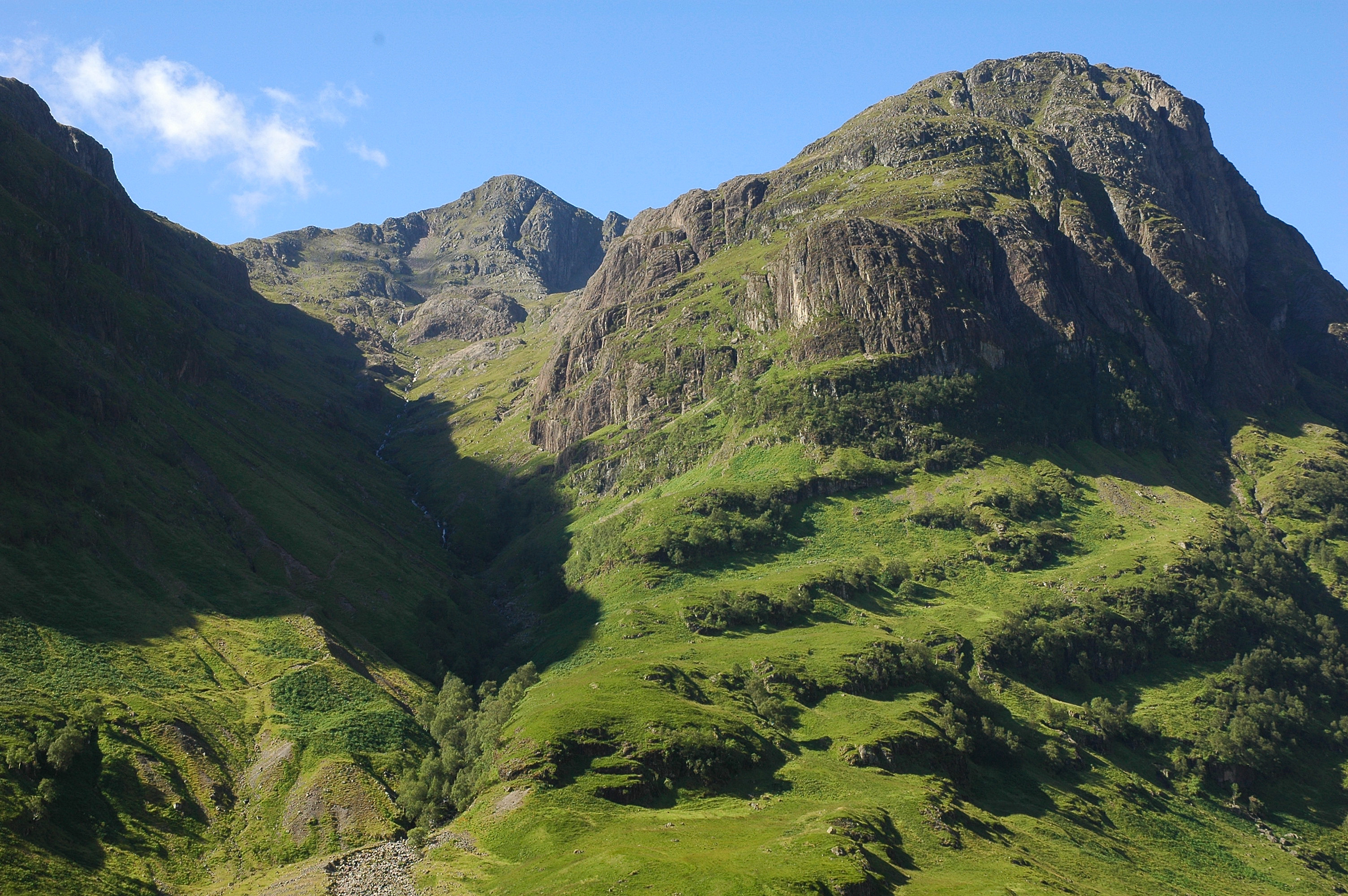
The five sisters…

Five Sisters, Scotland

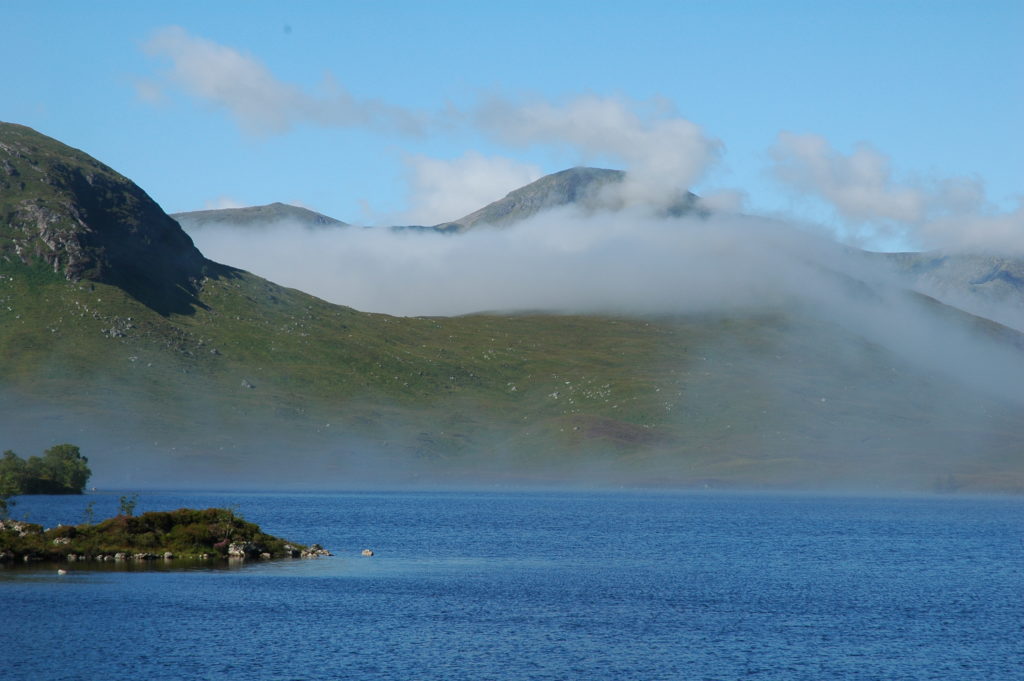
Black Mount at Loch Tulla

Black Mount, Loch Tulla, Scotland

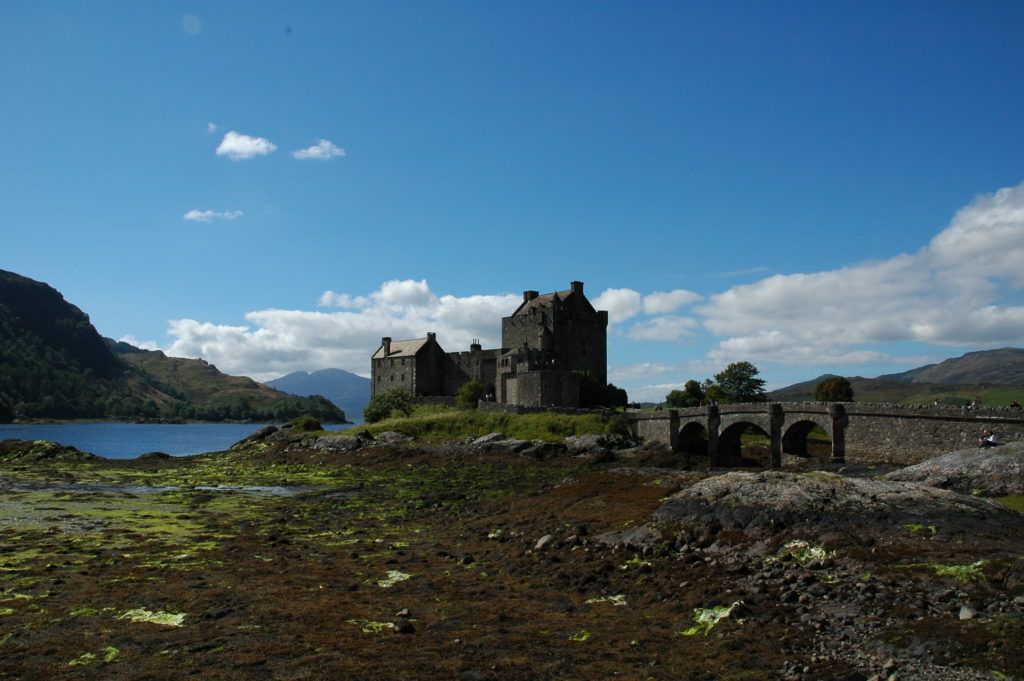
And the Eilean Donan Castle

Eilean Donan Castle

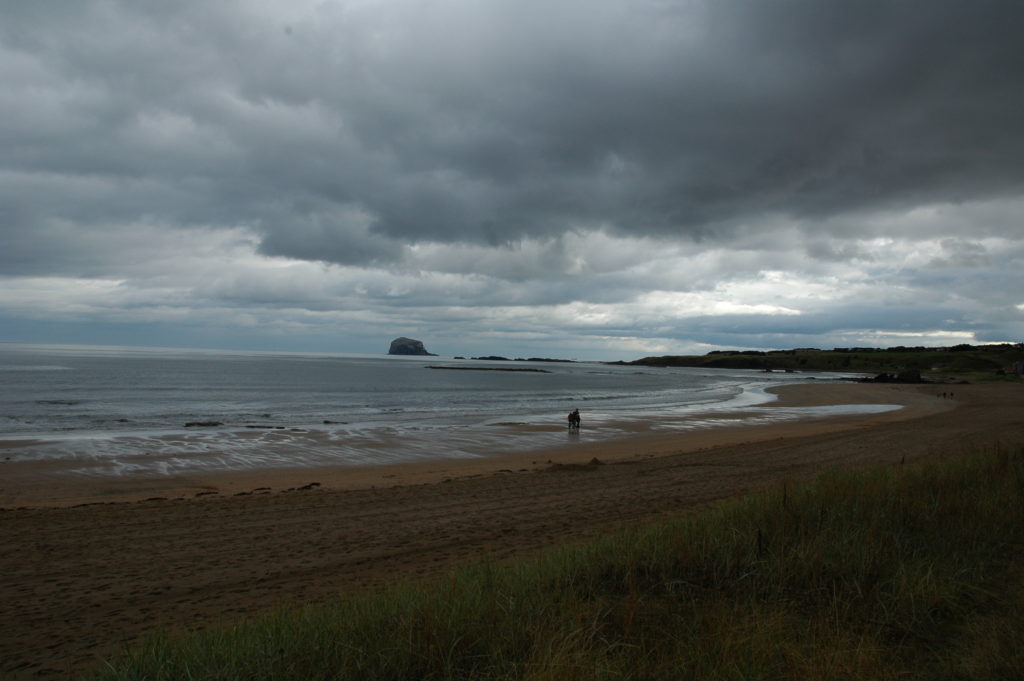
Of course, you can also drive east from Edinburgh along the coast, where you’ll see Bass Rock, home to thousands of gannets.

Bass Rock, Scotland

Back in Edinburgh the weather is turning raw, a common occurrence in the Scottish fall. So joining up with my colleagues, we relax in the exclusive private rooms of the Scotch Malt Whisky Society to try out some single malts, from the light delicacy of Glen Spey to the full-bodied smokiness of Laphroaig. Aaaah.

David J. Kent is the author of Tesla: The Wizard of Electricity (2013) and Edison: The Inventor of the Modern World (2016) (both Fall River Press). He has also written two e-books: Nikola Tesla: Renewable Energy Ahead of Its Time and Abraham Lincoln and Nikola Tesla: Connected by Fate. His next book is on Abraham Lincoln, due out in 2017.

Follow me by subscribing by email on the home page.  And feel free to “Like” my Facebook author’s page and connect on LinkedIn.  Share with your friends using the buttons below.

Edinburgh Scotland – Have Fun Storming the Castle

Ah, Edinburgh. I have fond memories of this wee city, the capital of Scotland. I had the good fortune of living there for all too short a time – only three months – but during the brightest summer in recent history I’m told. I was there to work, but spent most weekends exploring the surroundings.

One of the centerpieces, both figuratively and literally, is the Edinburgh Castle. The summer I was there saw the release of J.K. Rowling’s last (or perhaps second to last) Harry Potter book. Though born in England Rowling called Edinburgh her home and so there was a grand book launch at the castle the likes of I’ve never seen before. The castle (needless to say) sits on a hill in the center of town and the line of children and their parents stretched all the way out of the castle and down the narrow streets:

Edinburgh Castle

The above photo was taken from the top of Arthur’s Seat, the rocky outcrop looming over the city.  Here’s a view to give you an idea. It was a beautiful place to hike up to and contemplate life.

Edinburgh Scotland

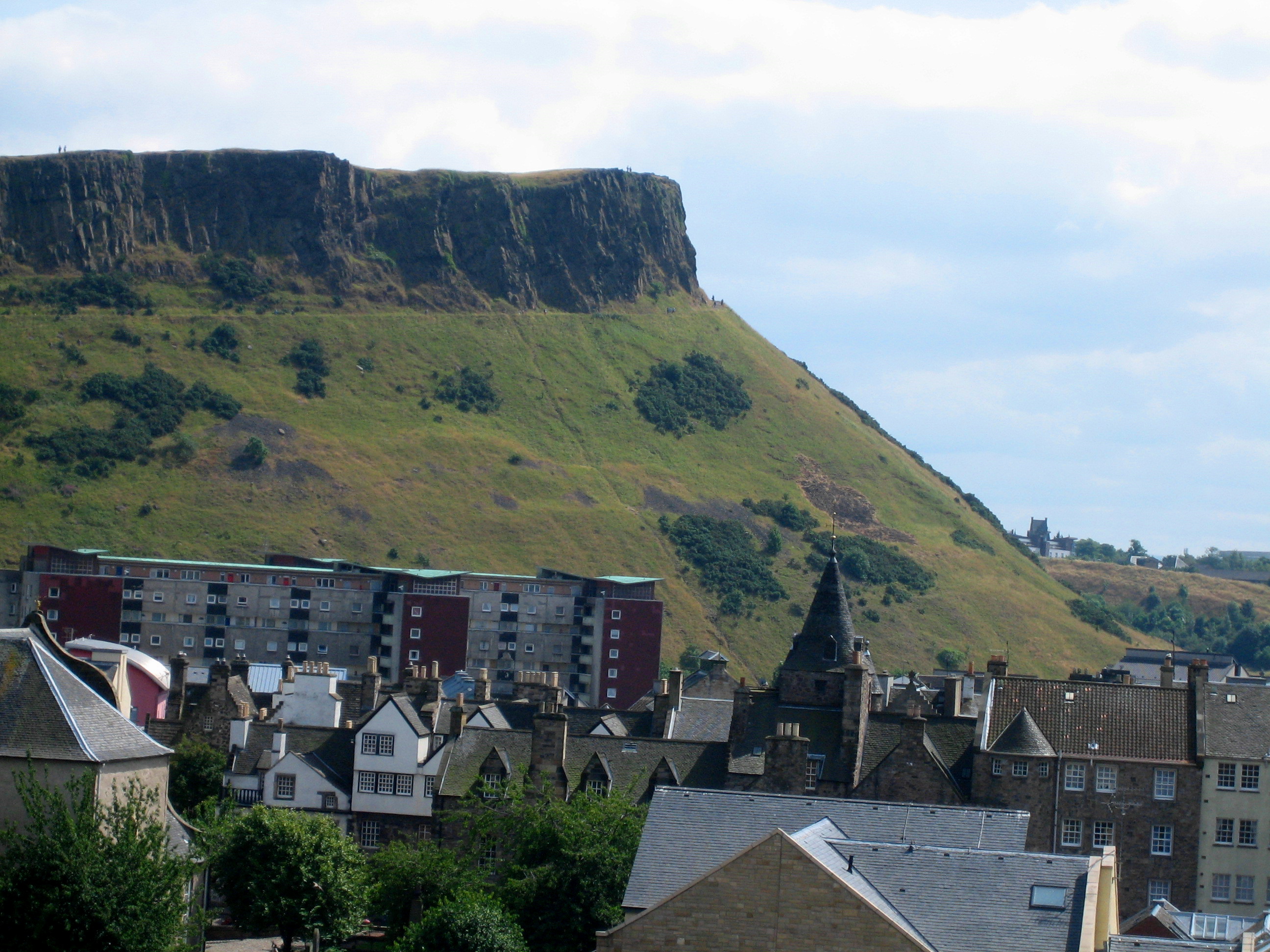
The Seat hovers above the Salisbury Crags, here seen from below to give you an idea of how high up I was:

Salisbury Crags, Edinburgh, Scotland

And the castle a bit closer:

Edinburgh Castle

Ah, this inspires a bit of poetry, like the opening lines of Jason Fenton’s appropriately named “Edinburgh Castle:”

Roots of stone
rise unfettered out of the earth;
crenellations of cobble
burnish with pride that cascades
into the Firth of Forth.

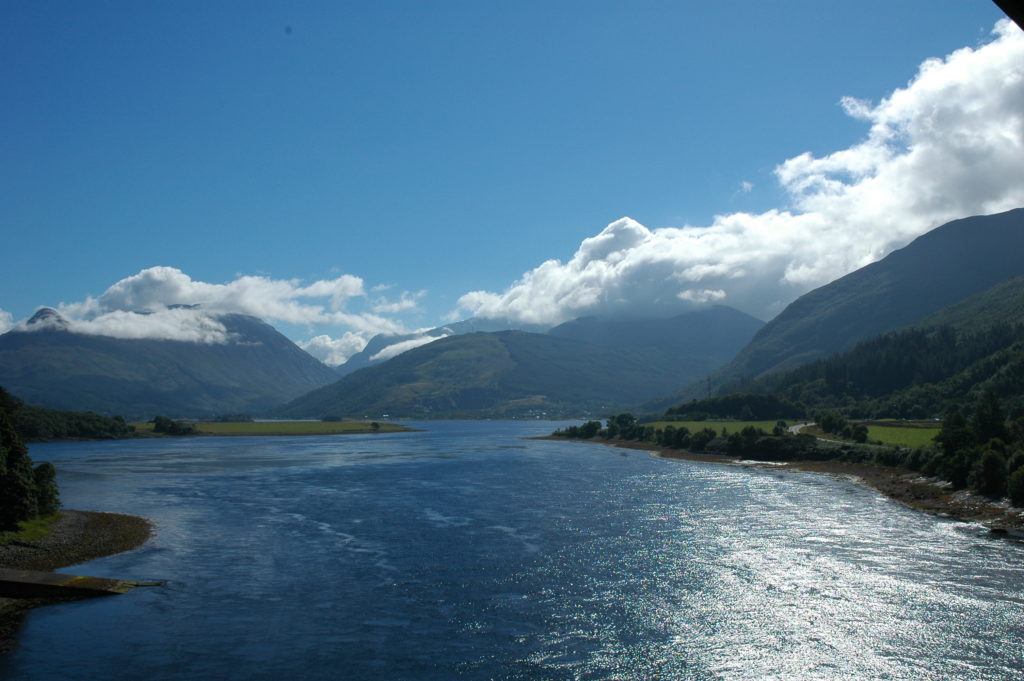
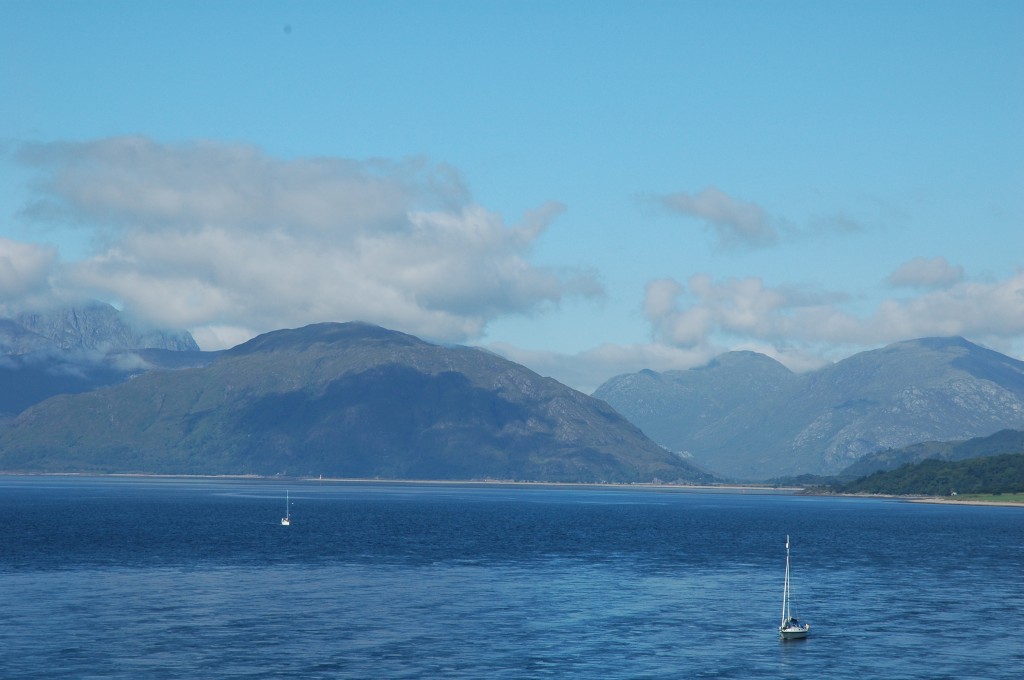
Okay, let’s leave town so I can show you a gorgeous photo of the Ballachulish Mountains at Loch Linnhe, a half day drive north of Edinburgh towards the Isle of Skye:

Ballachulish Mountains at Loch Linnhe

More about Edinburgh Castle can be read here. If you go try to do it in August when they have the “Fringe,” a festival of art and music performances that fill the halls and the streets for a full month.

That’s it for now. This is just a teaser as I’ll be out visiting a bunch of old rocks standing in the (likely) rain. I promise more stories and photos when I return.

David J. Kent is the author of Lincoln: The Man Who Saved America, in Barnes and Noble stores now. His previous books include Tesla: The Wizard of Electricity (2013) and Edison: The Inventor of the Modern World (2016) and two e-books: Nikola Tesla: Renewable Energy Ahead of Its Time and Abraham Lincoln and Nikola Tesla: Connected by Fate.

Check out my Goodreads author page. While you’re at it, “Like” my Facebook author page for more updates!

[Fragile]

Pap of Glen Coe – the Bonny of Loch Leven

Aye, the highlands of Scotland.  You read about them, fancy yourself galloping across them with William Wallace, and perhaps spoil a good walk near them (i.e., play a round of golf in the Mark Twain sense).  For me, I admired them up close.

To be honest, I can’t imagine a good walk spoiled in the highlands. On a summer day in 2005 I hopped into my Vauxhall Corsa, remembered to drive on the left, and headed north from where I was living in Edinburgh, Scotland. The drive itself was amazing, in part because the day started off a wee bit foggy – actually almost completely immersed in clouds – but blossomed at the most opportune moment.

And that moment was the Pap.

The Pap of Glen Coe is the mountain you see above to the left.  It gets its name from the conical shape resembling a female breast (apparently the Scottish winters were quite dreary and imaginations were active). The Pap sits in the valley created by Glen Coe above the point where River Coe enters Loch Leven.  Nearby is the intriguing Bidean nam Bian mountain ridges, including the famous Three Sisters of Glen Coe.

To say that these views were awe-inspiring is to engage in severe understatement. The glen has a distinctive U-shape, the result of glacial action during a past ice age.  The area is what is left of an ancient supervolcano, long since gone extinct but imposing nonetheless.

I lingered in the Glen, admired the Pap, marveled at the mossy grass that seemed greener than naturally possible.  My mind hiked high into the mountains, though my feet stayed closer to the narrow road.  I took hundreds of photos that day, most of which are unfortunately lost due to the vagaries of my computer hard drive.  But the memories remain with me as if it was yesterday.

Until next time, my bonny lass. Until next time.

Check out my Goodreads author page. While you’re at it, “Like” my Facebook author page for more updates!

David J. Kent is the author of Lincoln: The Man Who Saved America, now available. His previous books include Tesla: The Wizard of Electricity and Edison: The Inventor of the Modern World (both Fall River Press). He has also written two e-books: Nikola Tesla: Renewable Energy Ahead of Its Time and Abraham Lincoln and Nikola Tesla: Connected by Fate.

Follow me by subscribing by email on the home page. Share with your friends using the buttons below.


[Daily Post]