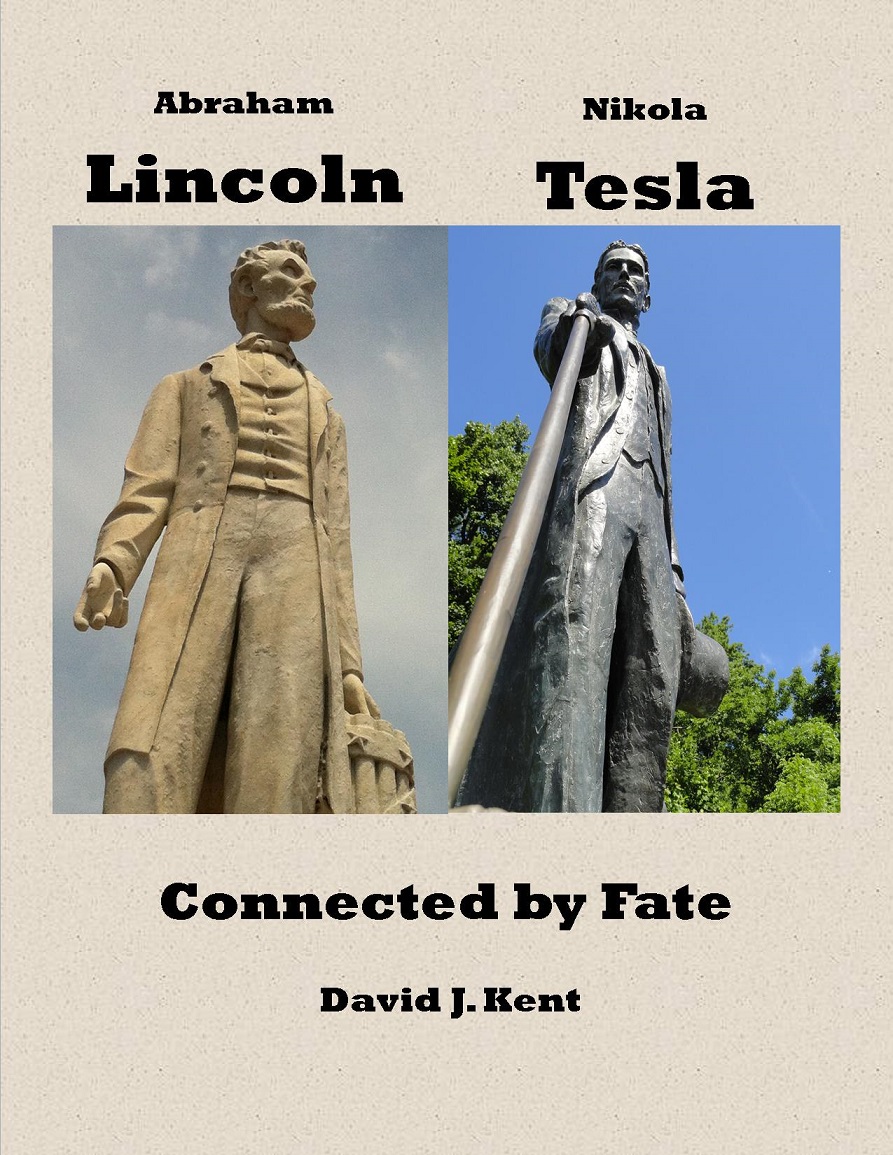
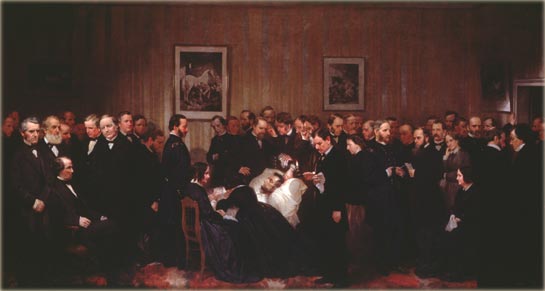
It’s been a busy few weeks as the 150th anniversary (sesquicentennial for those who like big words) of the Civil War continues. We’ve seen the surrender of Robert E. Lee to Ulysses S. Grant, the capture of Richmond, and the assassination of Abraham Lincoln. Many events have commemorated these anniversaries, including an all night vigil in the streets between Ford’s Theatre and the Petersen House.
Last week my article “And the War Ends” was published in the Smithsonian Civil War Studies newsletter. Below is a snippet; follow the link to the full article:
On April 9, 1865, just four weeks after President Abraham Lincoln had taken his second oath of office, Confederate General Robert E. Lee officially surrendered his army to Union General Ulysses S. Grant. So began the end of the Civil War. They met at the house of Wilmer McLean in a village called Appomattox Court House. The trials of four years of war etched the faces of both Generals as their weary troops struggled between thankfulness that the war was ending and patriotism for the causes they felt were still attainable.
In the days before the surrender, Grant and Lee had exchanged a series of messages through the front lines. Both men were cautious, avoiding commitments that they could not keep. Not surprisingly, Lee was hesitant to surrender the Army of Northern Virginia to the Union forces. But he was a realist. After the defeat at Petersburg, Lee had on April 2nd warned Confederate President Jefferson Davis that Richmond could no longer be protected. As Davis and the Confederate government fled southward, Lee knew that his armies could no longer hold off the inevitable. The South would fall in defeat.
The terms of the surrender were simple. All Confederate forces were to be disbanded and allowed to return to their homes, “not to be disturbed by the United States authorities so long as they observe their paroles.” While “arms, artillery, and public property” were to be confiscated, officers were allowed to keep their side-arms (swords and pistols), private horses and baggage.
As General Lee mounted his horse to ride away from the McLean house, “General Grant now stepped down from the porch, and, moving toward him, saluted him by raising his hat. He was followed in this act of courtesy by all our officers present; Lee raised his hat respectfully, and rode off to break the sad news to the brave fellows whom he had so long commanded.”
The war would rapidly come to an end. But just as rapidly, President Lincoln would be assassinated…. (continued)
Much more has been going on – including some incredible once-in-a-lifetime opportunities to see treasured artifacts on display – so check back for more details.
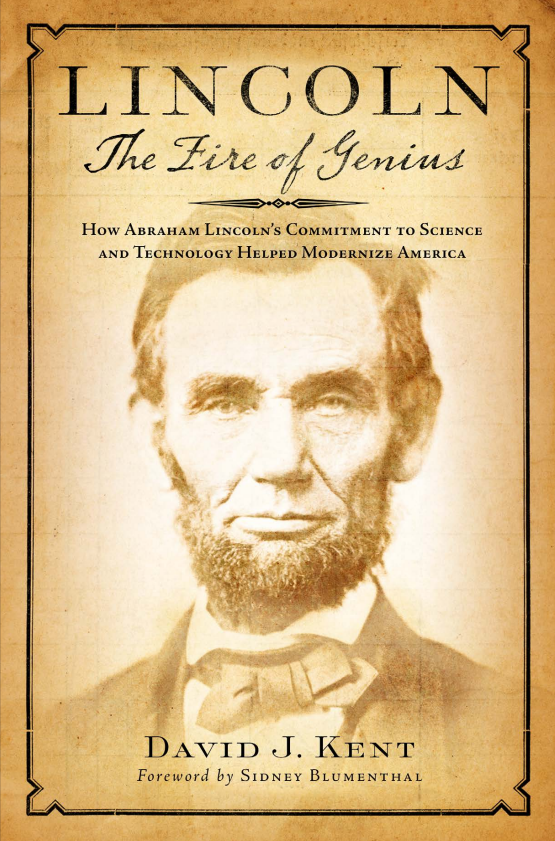
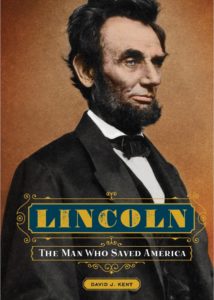
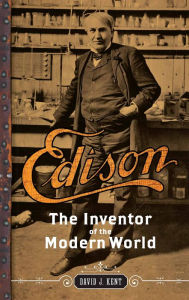
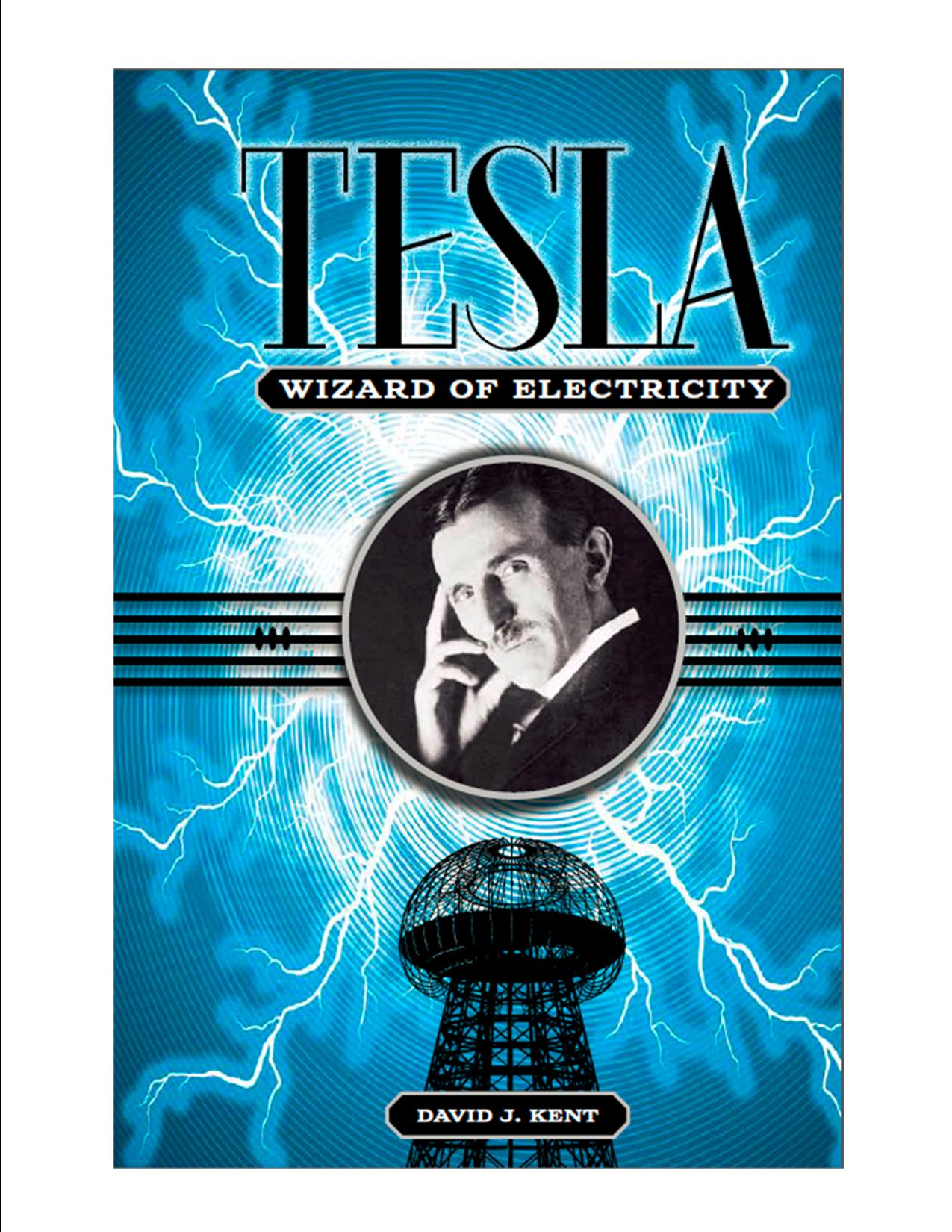
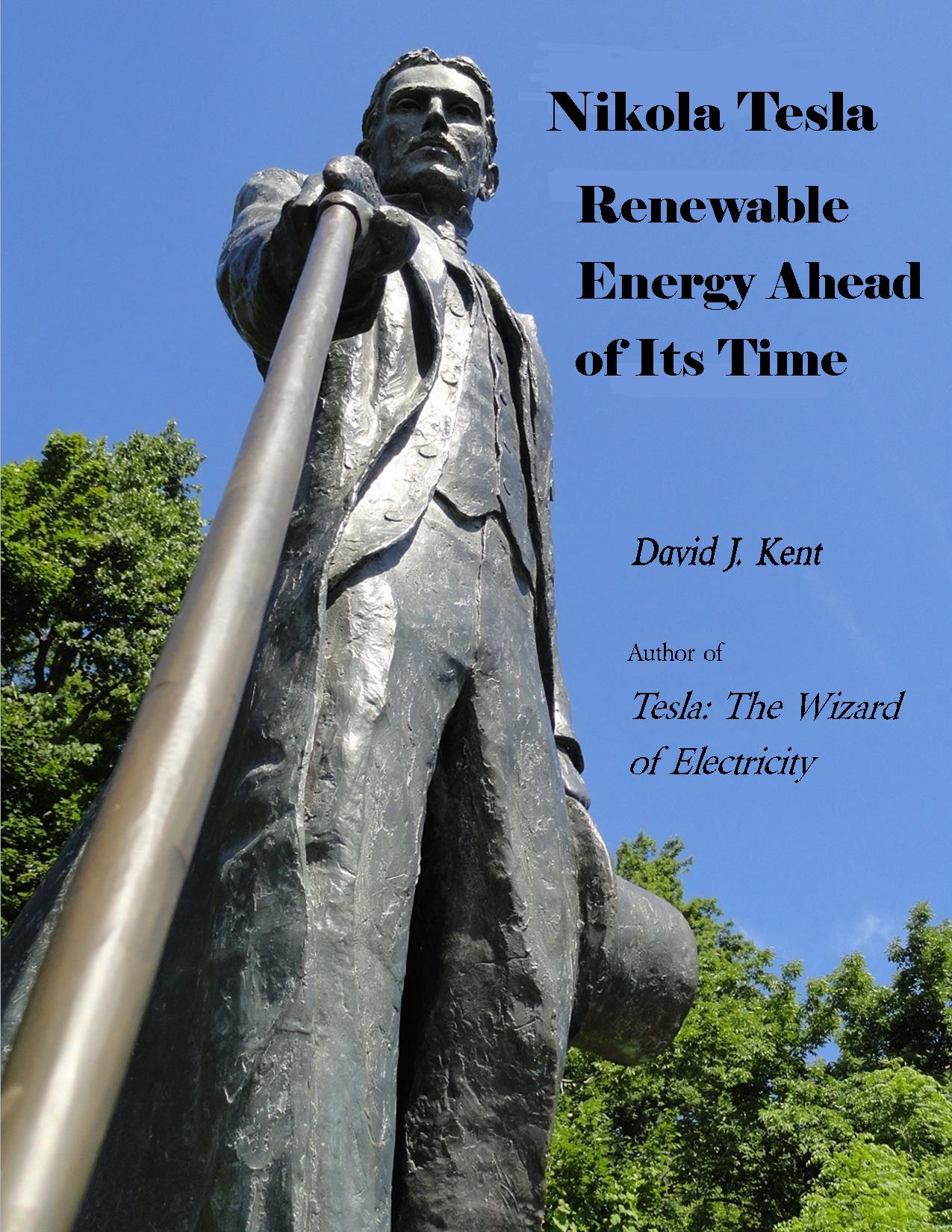
David J. Kent has been a scientist for over thirty years, is an avid science traveler, and an independent Abraham Lincoln historian. He is the author of Tesla: The Wizard of Electricity and the e-book Nikola Tesla: Renewable Energy Ahead of Its Time. He is currently writing a book on Thomas Edison.
Follow me by subscribing by email on the home page. And feel free to “Like” my Facebook author’s page and connect on LinkedIn. Share with your friends using the buttons below.
 While Thomas Edison slowly comes to life on the pages of my book in progress for Sterling Publishing, we’ve seen a “whole lotta writin’ goin on” (with apologies to
  We’ve seen skeletons here on Science Traveler since the last update.
  Over on Hot White Snow were two creative writing pieces.
  On the serious side, The Dake Page offered a review of the Pulitzer Prize-winning book
 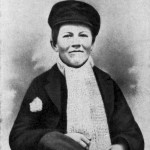 Now back to Thomas Edison. Did you know that as a child he was actually called “Little Al?” Or that he was a teenage “news butch” on a train (not quite a teenage werewolf in Paris)? Or that his deafness started at an early age? Stay tuned as Little Al grows up into “The Wizard of Menlo Park” (even though he wasn’t in Menlo Park very long).
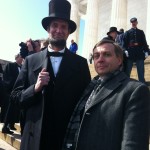 Here on Science Traveler the focus was on Abraham Lincoln, with several events commemorating his 2nd Inauguration and one of the finest speeches ever delivered.
  That wasn’t all Science Traveler was about. I also posted a photo retrospective of the
  On Hot White Snow I took a look at how we’ve moved
  The Dake Page posted a series of climate change-related pieces since the last update.
  Also seen lately here on Science Traveler was
  On Hot White Snow I relived
 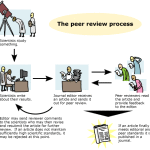 The Dake Page continued its series on how peer-review of scientific papers works…and sometimes doesn’t work.
  So what has life been up to lately? Here on Science Traveler I did some science traveling into the lands of sea grass, alligators and iconic writers. I found out that
  Science Traveler also delved into the science of Lincoln’s interest in, well, science. In particular his use of
  Hot White Snow reminisced about
 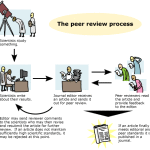 The Dake Page took on two serious topics to help communicate science to the public.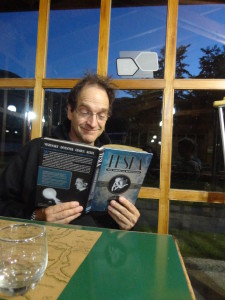
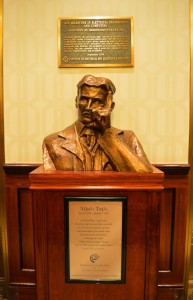
 Hot White Snow featured two articles.
 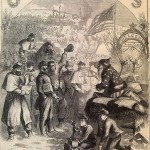 Lincoln’s Christmas gif
 Which gets us to
  Climate Change got its own
 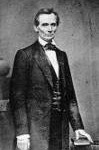 Meanwhile, the writing biz continues to be busy. Two posts here on Science Traveler looked at
  A daily writing prompt inspired a slightly off-the-path look a twinkling light. Can you follow the transition (and wordplay) in
 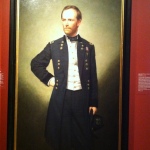 I also had an article published on the Smithsonian Civil War Studies page.
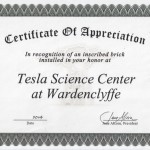
 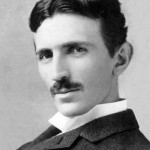 Nikola Tesla has been busy too. In just a few weeks is the
 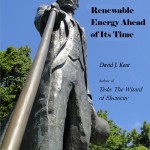 Nikola Tesla had a busy week as Amazon put my e-book
 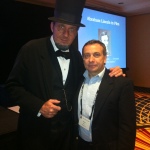 Not to be outdone, Abraham Lincoln was busy as well. First he was in Washington DC for the
  Thanksgiving also featured prominently in
  Finally, as the weather turned colder and the doorstep of winter approaches, The Dake Page took on two topics related to climate denial. The first offered some advice for
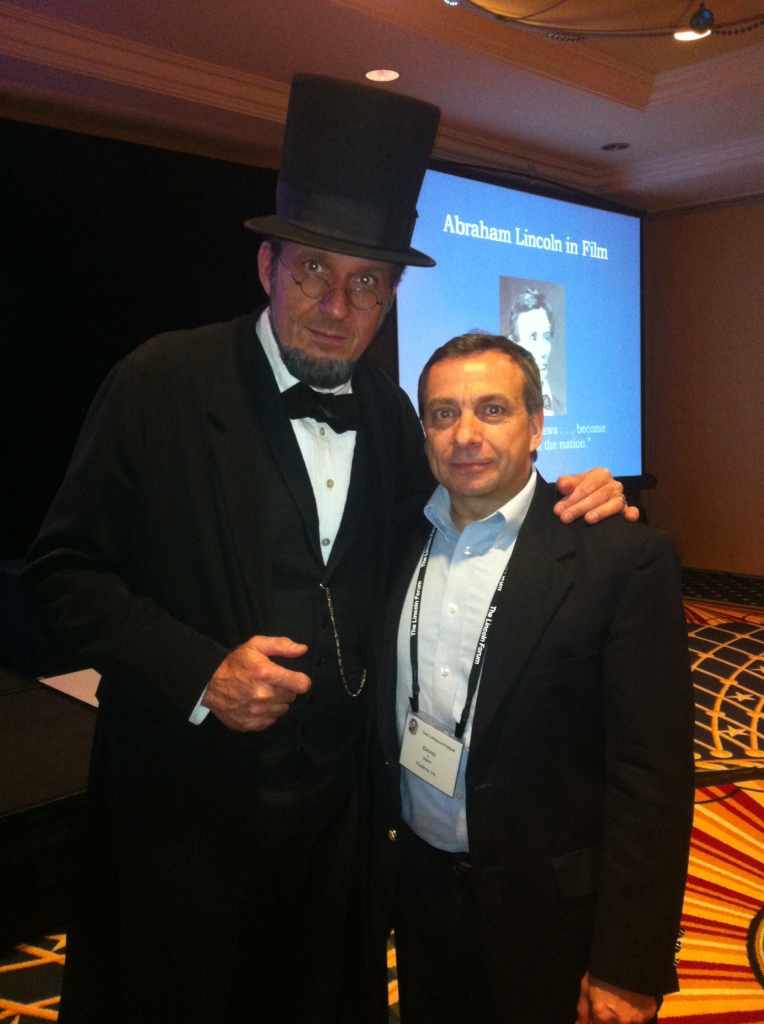
  That’s how I start off my most recent piece on Hot White Snow. It all started with a full-day conference on the Election of 1864 sponsored by the Lincoln Group of DC. The next day I flew to Vancouver for SETAC, and then after only a couple of days back took off for Gettysburg and the annual Lincoln Forum.
 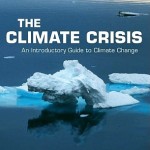 Tired of scientists being too technical in describing climate science?