This is the third in a series of catching up posts highlighting writing from the last few months. Part 2 looked at Hot White Snow while Part 1 covered this Science Traveler page. Today is The Dake Page.
 The idea behind The Dake Page is to cover science, policy, and the interaction between them. Two primary topics are man-made climate change and communicating science to the public.
Climate change has been the subject of the most recent series of posts. Given the rampant disinformation being pushed by lobbying groups and their more ideological followers, there was a definite need to provide primers on the basics of climate change – both the science and the communication of that science. The goal of the series is to do a walk through progressing in understanding.
 So is it “Global Warming” or “Climate Change?”: The logical first step is to talk about some of the terms used because the definitions used by scientists may not always match those used by the general public.
What is the Greenhouse Effect, and What Does it have to Do with Global Warming?: The greenhouse effect doesn’t exactly work like an actual greenhouse, but it’s a good approximation of the concept. This explains why.
So What Are the Greenhouse Gases…And What are Not Greenhouse Gases: The atmosphere is 99% Oxygen and Nitrogen (with a teeny amount of Argon), which aren’t really important to the greenhouse effect. This post explains which gases (in even teenier amounts than Argon) do all the heavy lifting of keeping the planet the temperature it is.
CO2 and Other Radiative Forcings of Global Warming: There are “forcings” (i.e., drivers) of warming, and there are “feedbacks” (i.e., that either amplify or diminish the effect of forcings). Some forcings are natural, some man-made.
Carbon Dioxide (CO2) – The Smoking Gun of Climate Change: This is why we know that CO2 is the primary driver of the greenhouse effect, both the natural and the man-made.
There will be more in the above series coming. New posts usually go up on Thursday mornings.
 In addition, The Dake Page posts reviews of relevant science policy books. Recent reviews include Weapons of Math Destruction: How Big Data Increases Inequality and Threatens Democracy by Cathy O’Neil; The War on Science: Who’s Waging It, Why it Matters, and What We Can Do About It by Shawn Otto; and The Story of Western Science: From the Writings of Aristotle to the Big Bang Theory by Susan Wise Bauer. Another post provides an additional list of books that can be used as resources for communicating climate change.
 Three posts deal with specific aspects of communication climate change, including Common Tactics of Climate Change Deniers on the Internet, the challenges of communication when we don’t hit a new heat record, and some tips for How to Talk to People About Climate Change.
Finally, two posts look at the need for having a Science Debate between the two presidential nominees and the signing into law of a new bipartisan (essentially unanimous) Chemical Safety Law updating the nearly 40-year-old (and horribly outdated) TSCA.

Now that I’m caught up, it’s back to science traveling for the next post, I promise.
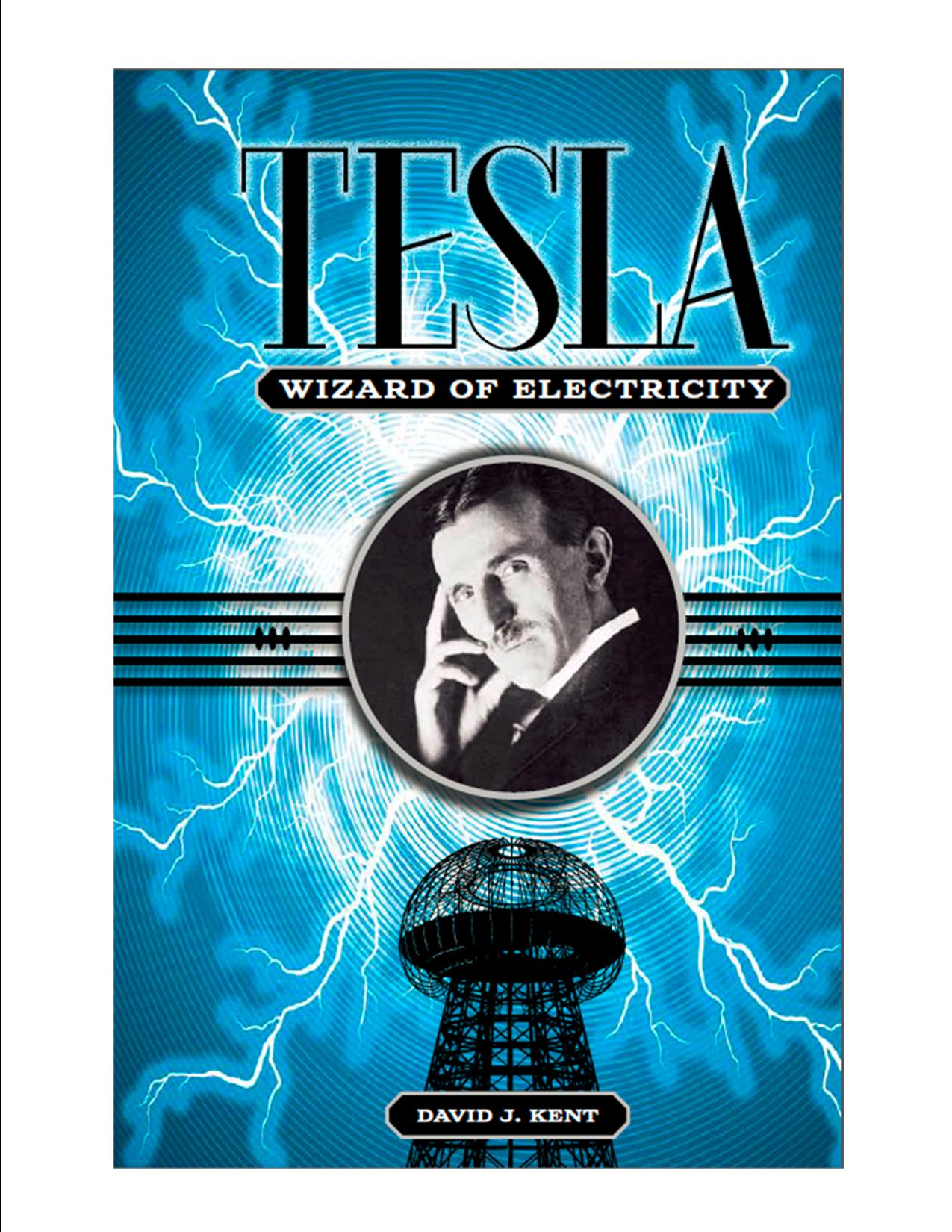
David J. Kent is the author of Tesla: The Wizard of Electricity (2013) and Edison: The Inventor of the Modern World (2016) (both Fall River Press). He has also written two e-books: Nikola Tesla: Renewable Energy Ahead of Its Time and Abraham Lincoln and Nikola Tesla: Connected by Fate.
Follow me by subscribing by email on the home page. And feel free to “Like” my Facebook author’s page and connect on LinkedIn. Share with your friends using the buttons below.
 Hot White Snow
 The Dake Page
 Of course, here on
  But wait, there’s more. I also received my first advance copy of

 Hot White Snow
 The Dake Page
 Science Travele


 The Dake Page
 Here on
  On
On  There was a lot more, so click on the blog names above and scroll down to see other articles of interest.
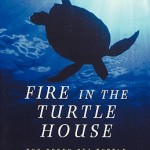 Climate change has already shown impacts not only on the world’s temperatures but on ocean acidification, sea level rise, and effects on plant and animal migration behaviors, among others. The Dake Page periodically reviews science-related books.It isn’t clear whether the impacts noted in Fire in the Turtle House are related to climate change or some other cause, but it reflects how quickly disruptions can result in catastrophic impacts on wildlife. What follows is a short review of

 This is the story of Henrietta Lacks, her HeLa cells, and her family’s struggle to learn about their long dead mother. It’s also a detective story, a story of medical conduct, a story of Jim Crow, a story of modern and historical psychology, a story of ethics, and a story of religious faith. It is even a love story. It is all of these things, and Rebecca Skloot has successfully merged them into one of the most fascinating books I’ve read in many years. [
 A new peer-reviewed paper was published recently in the scientific journal Theoretical and Applied Climatology. Its title is “Learning from Mistakes in Climate Research” and the objective is to survey recent “denier” papers, that is, the rare papers that reject the unequivocal scientific consensus that human activity is warming our climate system. The authors – seven climate scientists and science communicators from Norway, the Netherlands, the United States, the UK, and Australia – highlighted the errors in fact and logic common to the selected denier papers.