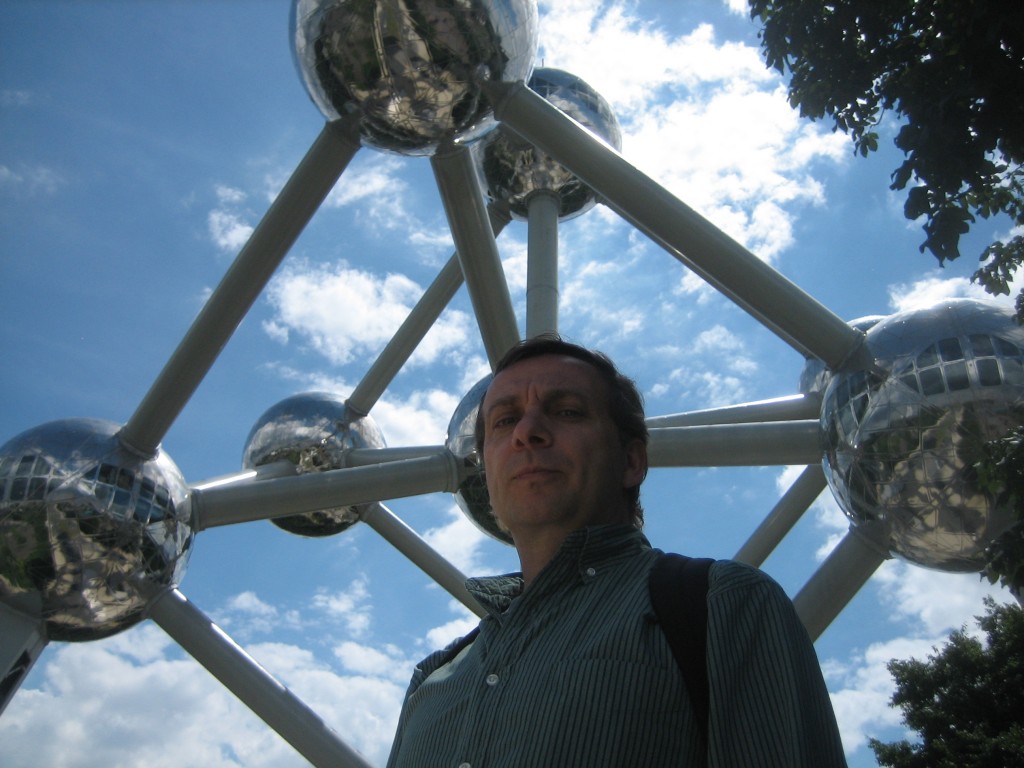
In the continuing saga relating my three-year long working life in Brussels (based on the movie, If It’s Tuesday, This Must be Belgium), just getting there was a chore. I’ve mentioned the bureaucratic process I had to go through before they would let me move, but when the actual move got closer I realized that all my townhouse stuff was in no way going to fit into whatever apartment I might find in Brussels. This revelation led me to wonder:
Whose stuff is this anyway?
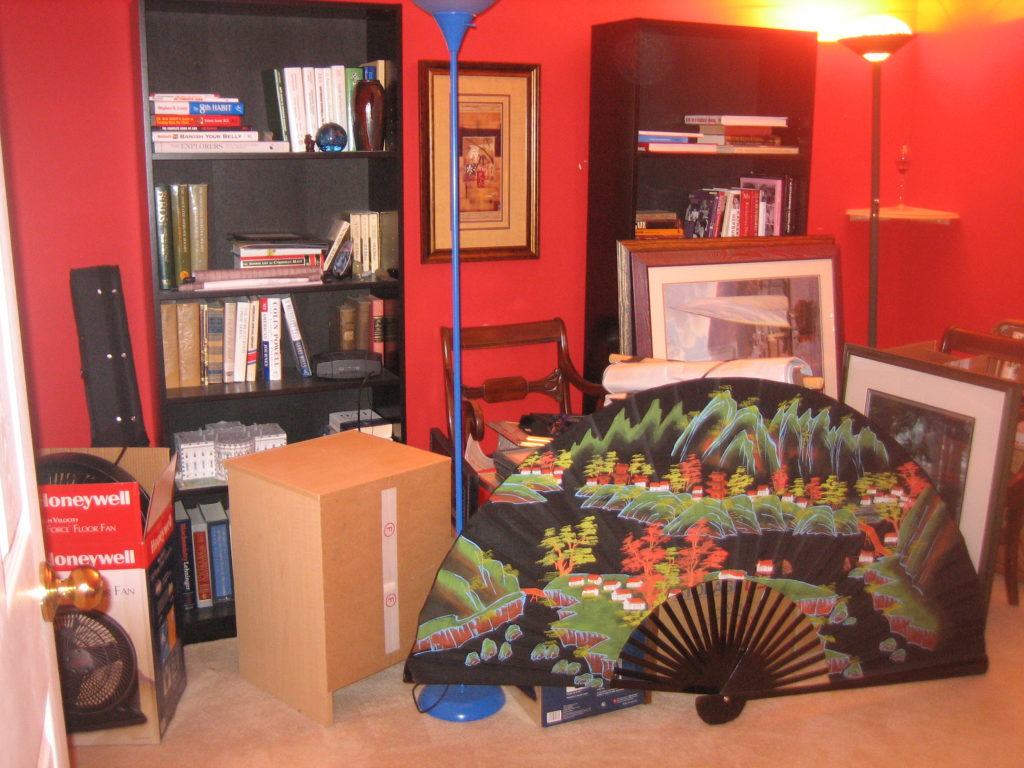
I blame all of my stuff on my parents (which is some sort of Freudian thing I’m sure). My mother was one of 9 children, and my dad was one of 12 children. They were both born during hard times into blue collar families (assuming that a 2-acre subsistence farm serving 14 people even rises to the level of blue collar). Growing up in families the size of small Midwestern towns led to the tendency to hoard everything passing their way. And in positive proof that clutter is hereditary, I followed suit…or at least it seems that way at this moment as my eyes scan the mountain of stuff on which I have to make “keep” or “go” decisions.
Keeping in mind that I have a decent sized 3 bedroom townhouse full of “American male” furniture (i.e., big) that likely won’t fit into the tiny European-sized apartments, it seems that my first step is to separate stuff into several categories:
1) Stuff that I should have thrown out ages ago (old magazines, holey clothes, and anything left behind by old girlfriends)
2) Stuff that can be donated to charity or given away to friends (perfectly good clothes from the back of the closet that “I know I will fit into again some day”)
3) Stuff that can be freecycled or sold on eBay or Craigslist (books, records, chachkas)
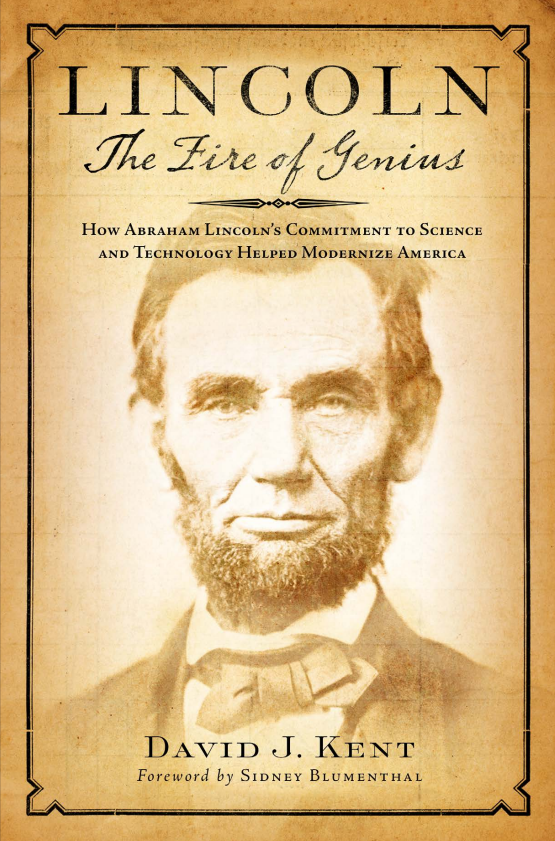
4) Stuff that I want to keep but can’t take with me due to lack of room and so will likely have to put into storage (king size bed set with dressers and side tables, couches, my Abraham Lincoln book collection)
5) Stuff that my company will ship to Europe for me (some furniture, some books, PhD stuff, and of course all my work stuff)
The hard part is deciding what fits into the first category – stuff to be thrown out. It’s hard for me to throw out things because I see it as wasteful…surely someone can find a good use for each (seemingly) precious item.
So how do I let go of all my “valuable” stuff? I addressed this problem in a recent post called “The Minimalist” on my writing blog, Hot White Snow. I’ll have more on how to deal with stuff in later posts.
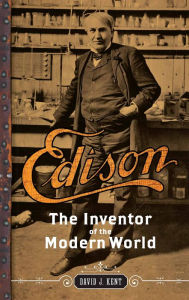
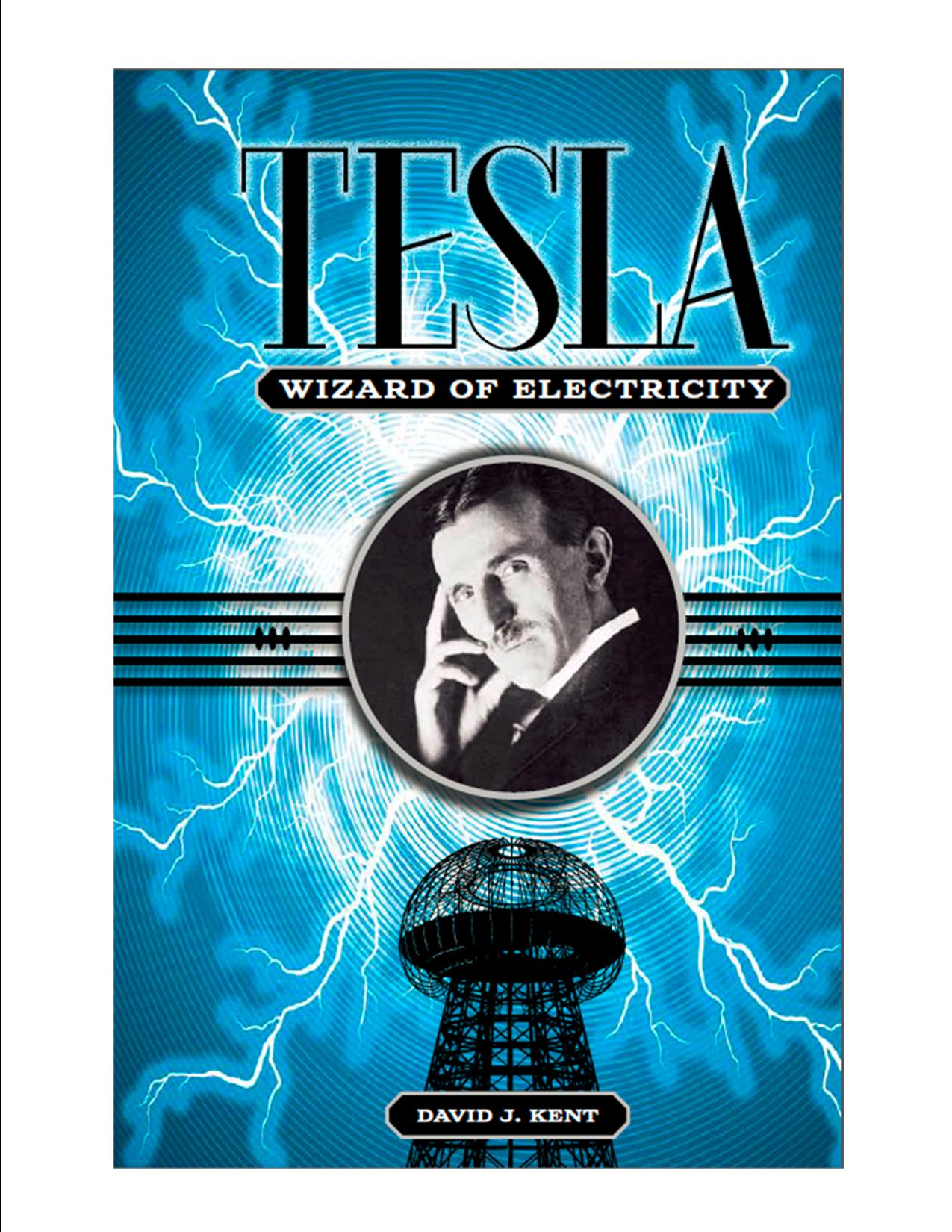
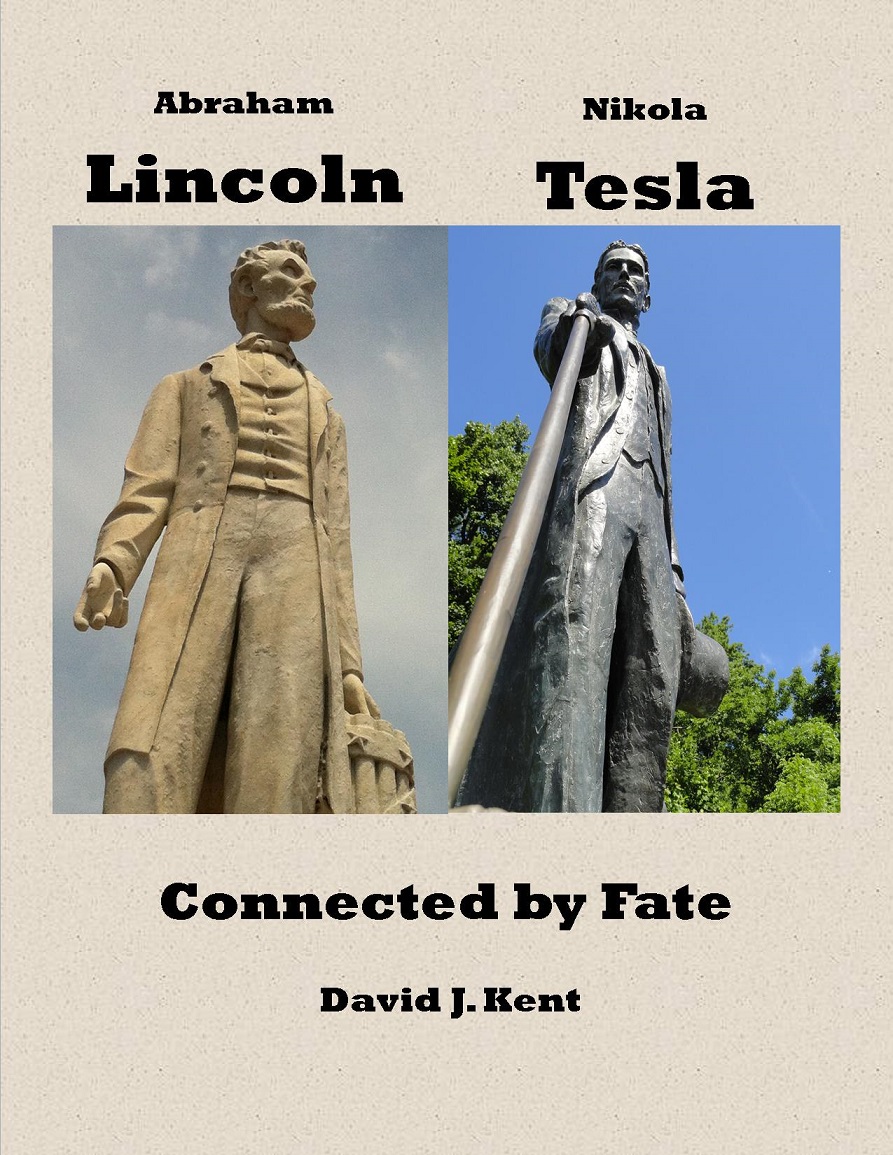
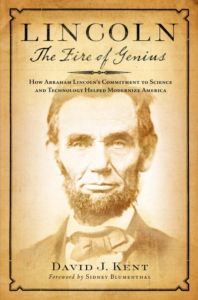
David J. Kent is the author of Tesla: The Wizard of Electricity and Edison: The Inventor of the Modern World (both Fall River Press). He has also written two e-books: Nikola Tesla: Renewable Energy Ahead of Its Time and Abraham Lincoln and Nikola Tesla: Connected by Fate. His next book, Lincoln: The Man Who Saved America, is scheduled for release in summer 2017.
Follow me by subscribing by email on the home page. And feel free to “Like” my Facebook author’s page and connect on LinkedIn. Share with your friends using the buttons below.


 The thing about traveling is that travel plans change. They changed a lot last year, with anticipated trips to Machu Picchu, China, and Michigan being bumped. Now here we are a third of the way through January 2017 and travel plans are nearly non-existent, in part because of the lingering uncertainties from 2016.
 My third year of science traveling ended up being a lot different in execution than it was in design. Trips planned were dropped, trips not planned were added, and I was forced to work around an unforeseen distraction. And yet I still managed to hit several new countries, at least one new state, and enjoyed what most would consider a very good year in Science Traveling. I’m finished traveling for the year so it’s time for a quick recap.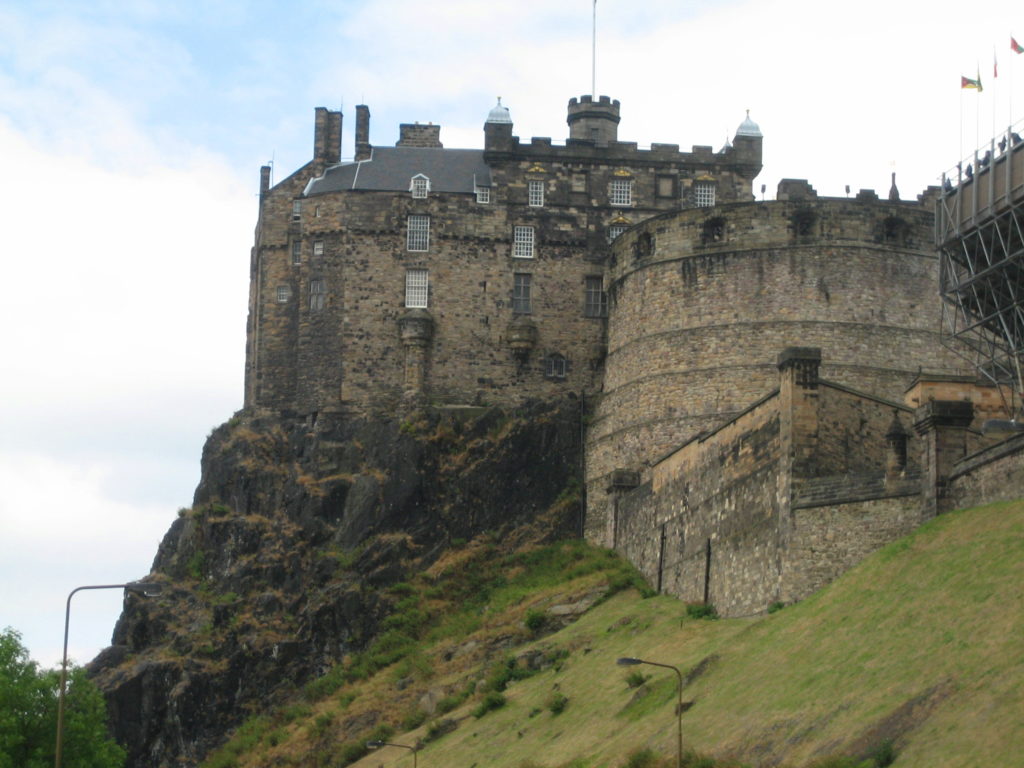

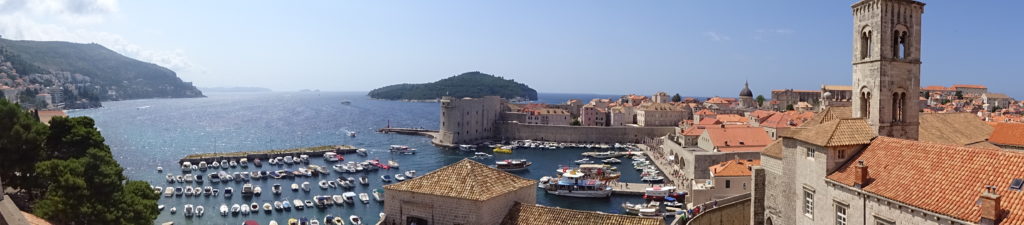
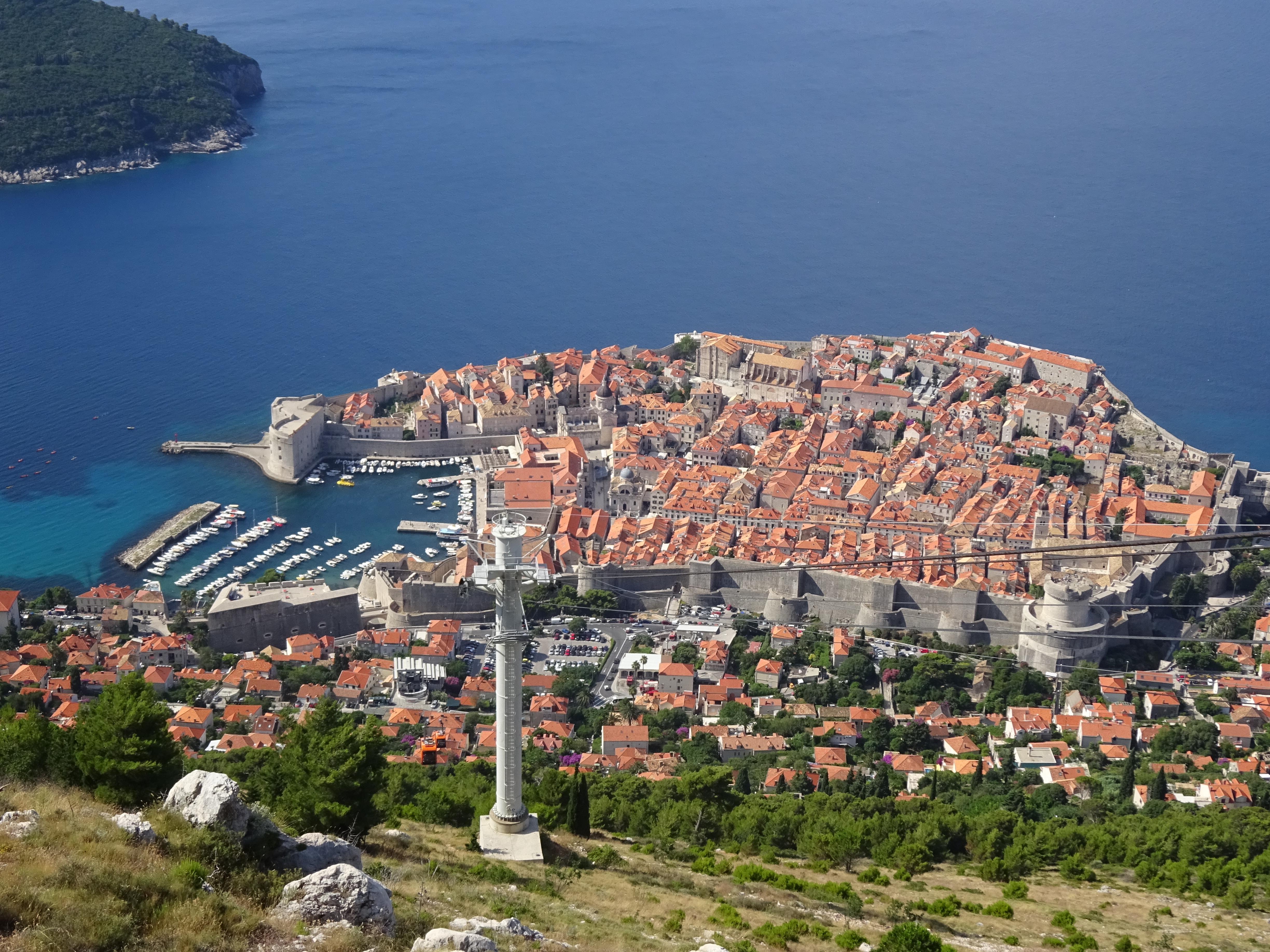
 Even if you’ve never traveled to Dubrovnik, Croatia, if you’ve watched The Game of Thrones you’ve see it. Many of the outdoor scenes of the hit HBO series are filmed in the city, along with other Croatian locations in Split and Trsteno. Ironically, the main filming is done at the Titanic Studios in Belfast, Northern Island. But Dubrovnik provides some of the most stunningly ancient auras of any of the locations.