 Abraham Lincoln and Charles Darwin were born on the same day, February 12, 1809. Both became icons of change and are will be remembered throughout history for their contributions. The book is subtitled: Shared Visions of Race, Science and Religion. While their views were not so much shared as contrasted, author James Lander deftly flips back and forth between Darwin’s and Lincoln’s lives as they experience their separate travels, coming of age, development of ideas, and eventual breakthroughs into the public eye as they dramatically change history.
While the same age, the two men have very different lives. Lincoln is born poor in the frontier with few resources and little formal education, then takes charge just as the country is rendering itself apart. His travel is entirely domestic, flatboating down the Mississippi River as a young man, traveling the circuit in Illinois as a lawyer, and the northern part of the United States as a legislator and political speaker. Darwin was born into a wealthy family, married into an even wealthier family, received the highest educational opportunities, and after spending five years traveling the world on his famous studies, became sickly and largely reclusive the rest of his life.
Still, Landers points out that while Lincoln is remembered for his fight against slavery, he also had a significant interest in science. Likewise, while Darwin is known for his Origin of Species and contributions to science, he also was an adamant abolitionist and carried on fervid correspondence with American botanist Asa Gray, in which he debated the slavery issue in depth. In fact, Landers brings us into how the academic debate raging over the singularity of man’s creation (vs multiple creation of man) influenced the ongoing discussion of equality of white and black men. “Scientific racism” becomes a common theme as it was espoused both by Lincoln’s main foil, Stephen A. Douglas, and Darwin’s scientific nemesis, Louis Agassiz.
The 26 chapters unevenly look at Lincoln and Darwin as these three main issues – race, science, and religion – pervade each of their lives. Landers does a good job of balancing the discussions of these two men for each of the issues, comparing and contrasting where applicable. Overall, this scholarly work published by the Southern Illinois University Press is well done and deserves more attention than it seems to have received.
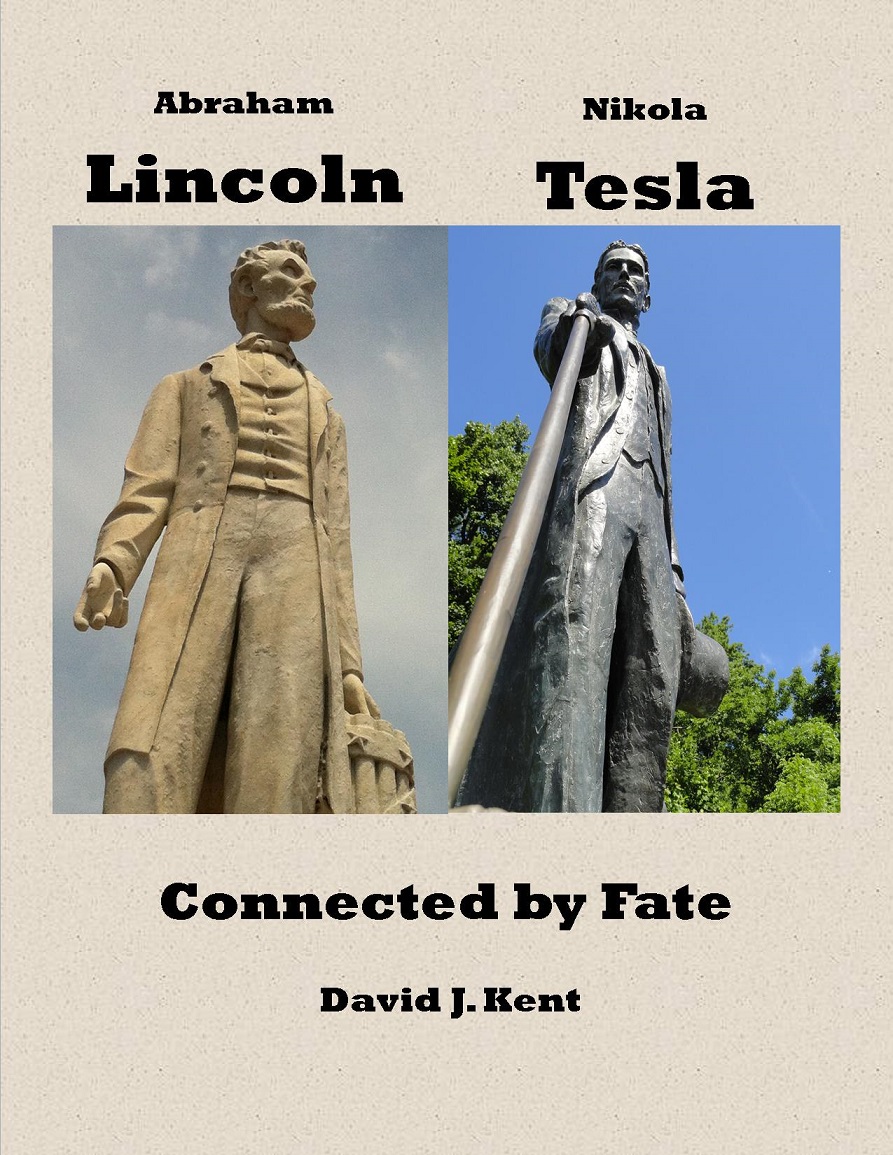
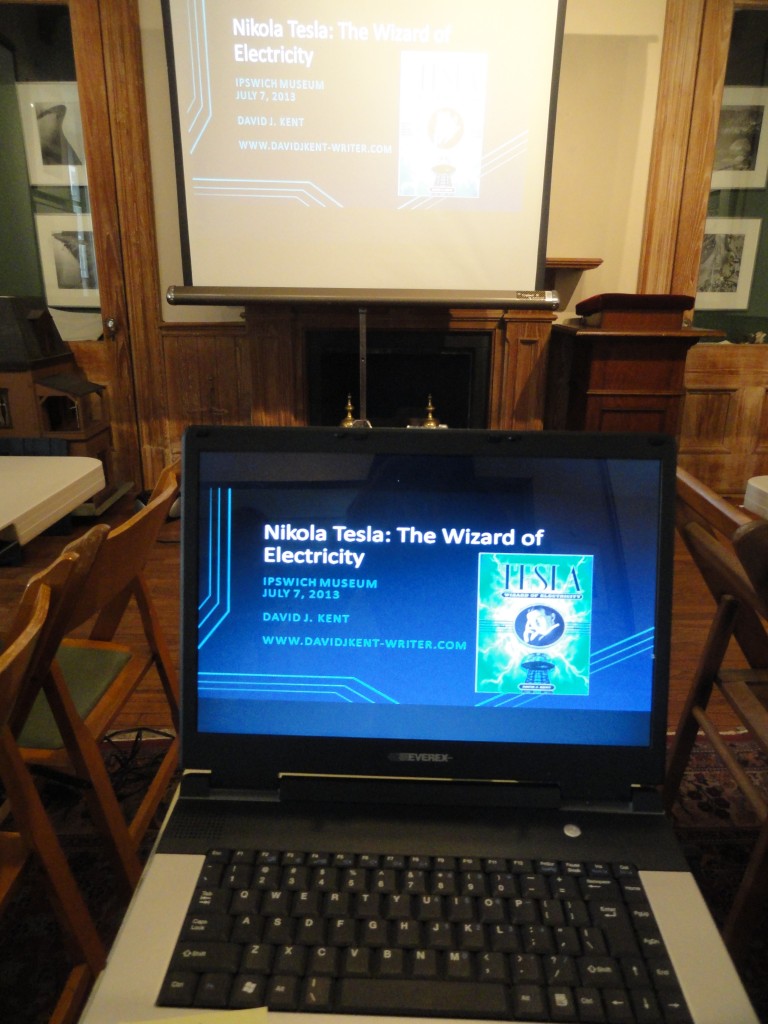
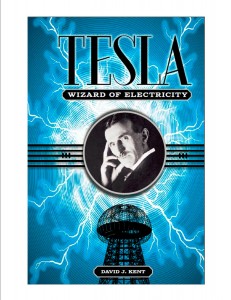
David J. Kent is a lifelong Lincolnophile and is currently working on a book about Abraham Lincoln’s interest in science and technology. He is also the author of Tesla: The Wizard of Electricity and a soon-to-be-released ebook on Nikola Tesla: Renewable Energy Ahead of Its Time.
Other Abraham Lincoln book reviews:
Lincoln’s Boys by Joshua Zeitz
Lincoln Unbound by Rich Lowry
Lincoln in New Orleans by Richard Campanella
Lincoln’s Other White House by Elizabeth Smith Brownstein

 Everyone knows Abraham Lincoln, in part because of the diligent work done by his two secretaries – John G. Nicolay and John Hay. But little has been done to illuminate the two men themselves. Zeitz has done us all a favor by accomplishing just that.
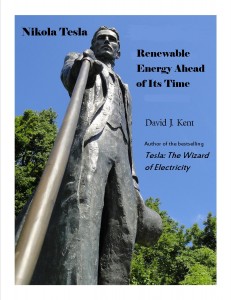
 Coming out soon is my new e-book,

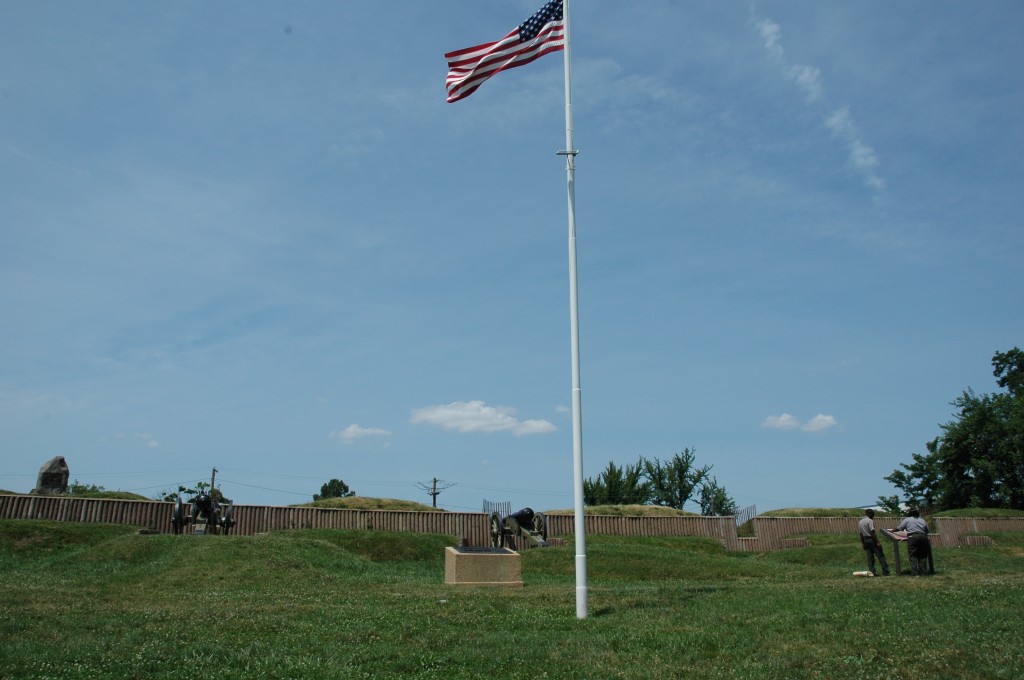 After a delightful open-air lunch at the Urbana Park, we were on to Fort Stevens. Located inside the District line from Silver Spring, Maryland (and not far from the modern day horror of the “DC sniper”), Fort Stevens is a series of low dirt mounds lined with Union cannon. Here was not only the repelling of Early’s forces but the site of one of Abraham Lincoln’s most famous incidents.
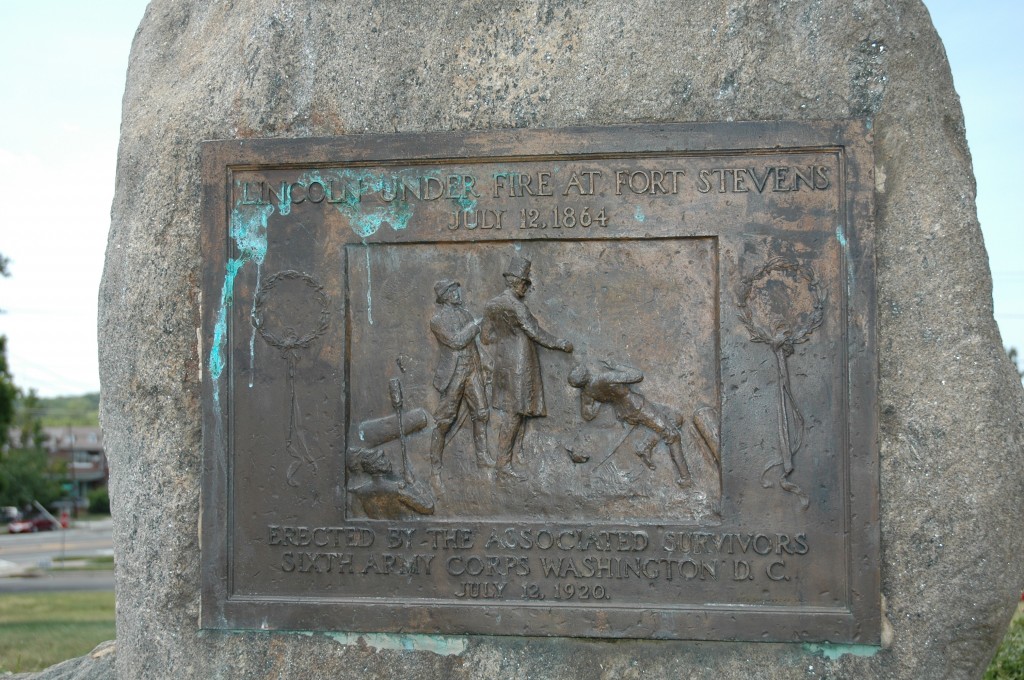 Living not far away at the Soldier’s Home, Lincoln had decided to see the action first hand. Ignoring the risk, Lincoln stood his 6-foot, 4-inch frame (plus tall top hat) on top of the mound to get a view. A medical officer standing beside him was hit with a bullet, after which the infamous (and possibly apocryphal) line was blurted out: “Get down you fool.” Whether it was this or a more respectful imploring for the President to get out of the line of fire we will likely never know, but thankfully he did get down and was unharmed.
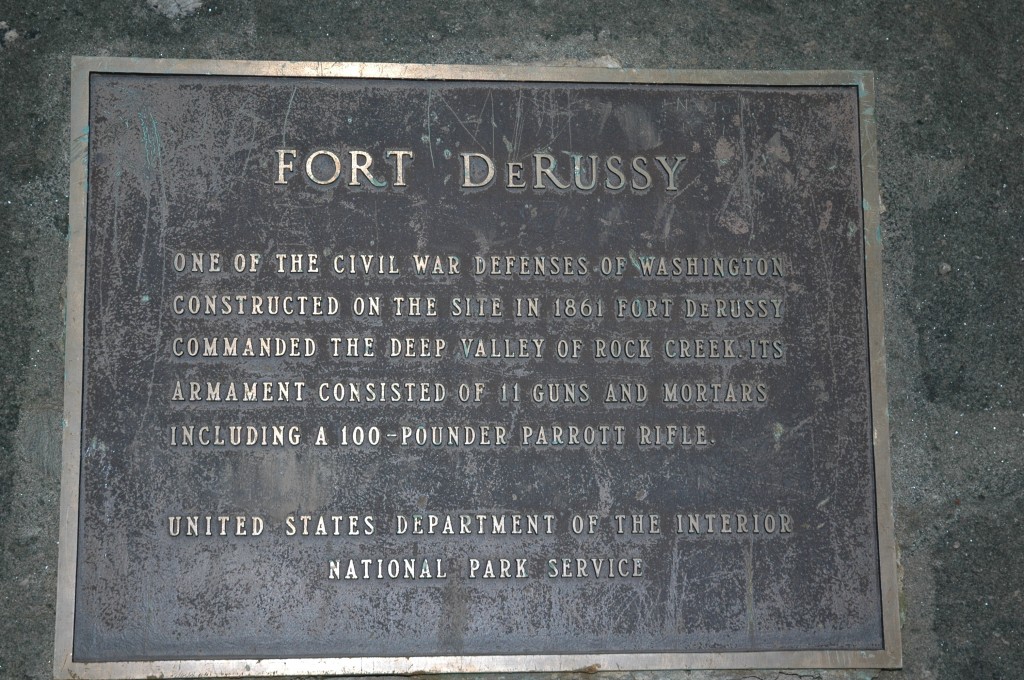 Our last stop was at Fort DeRussy, another of the small forts that served as a perimeter around Washington DC during the war. Earthenwork like Fort Stevens, DeRussy also boasted a “100-pounder,” a rifled Parrott cannon that could fire accurately for up to 4 miles.Many thanks to Craig Howell for being such a fantastic and knowledgeable tour guide, to Beltway Transportation for the comfortable bus and daring driver, and to Karen Needles, Susan Dennis, and everyone else in the Lincoln Group who arranged the tour. As the saying goes, a great time was had by all.