 I double-checked my calendar as I started to write this because the idea of it being a decade into my second career seemed scarcely credible. But yes, ten years have passed since I left my thirty-plus year career in science to pursue a life of writing. It has truly been an amazing experience, and as I said in my first anniversary reflections, it’s still the best decision I ever made.
Not that it has gone exactly as planned. I originally referred to this website and reflections posts as Science Traveler in anticipation of my focus being on traveling and science. I envisioned visiting far off places and writing from a scientific perspective. Those things have certainly remained a part of my life (especially the travel), but I found myself becoming more and more immersed in my second passion – the study of Abraham Lincoln. That shift is reflected in, well, these reflections. After five anniversaries of Reflections of a Science Traveler, I skipped the intervening years and this tenth anniversary reflections is more about my decade of writing. So, what has happened in ten years? Let’s dive in.
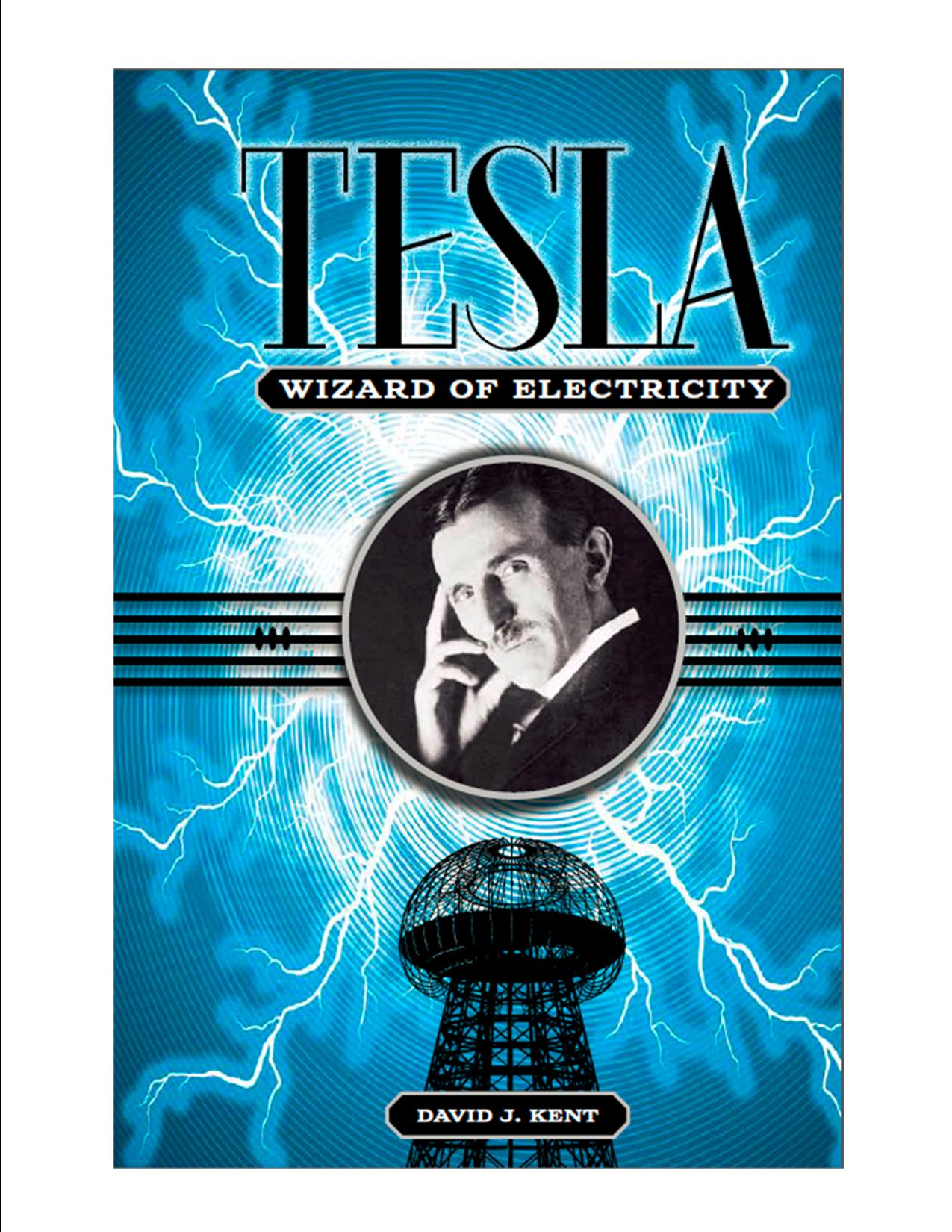
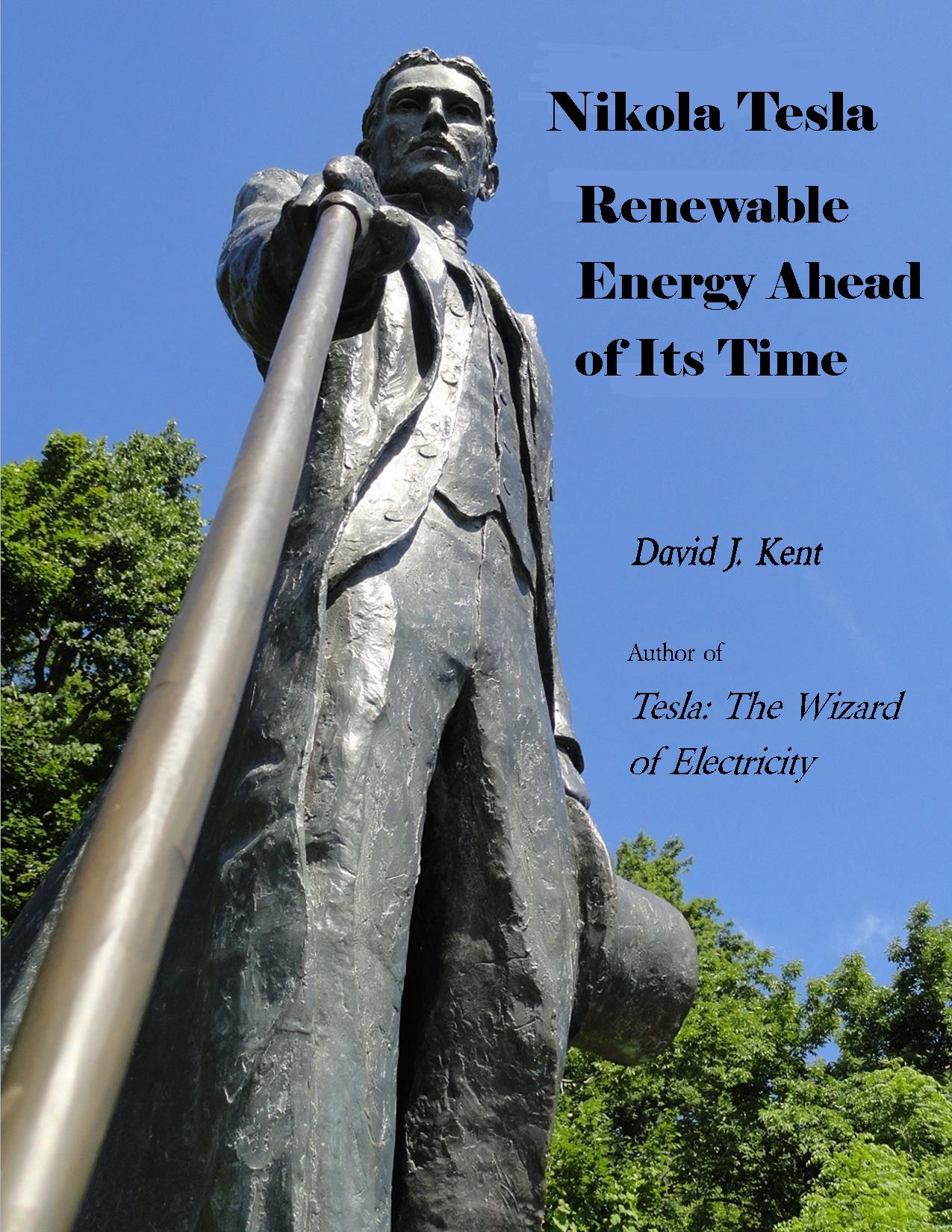
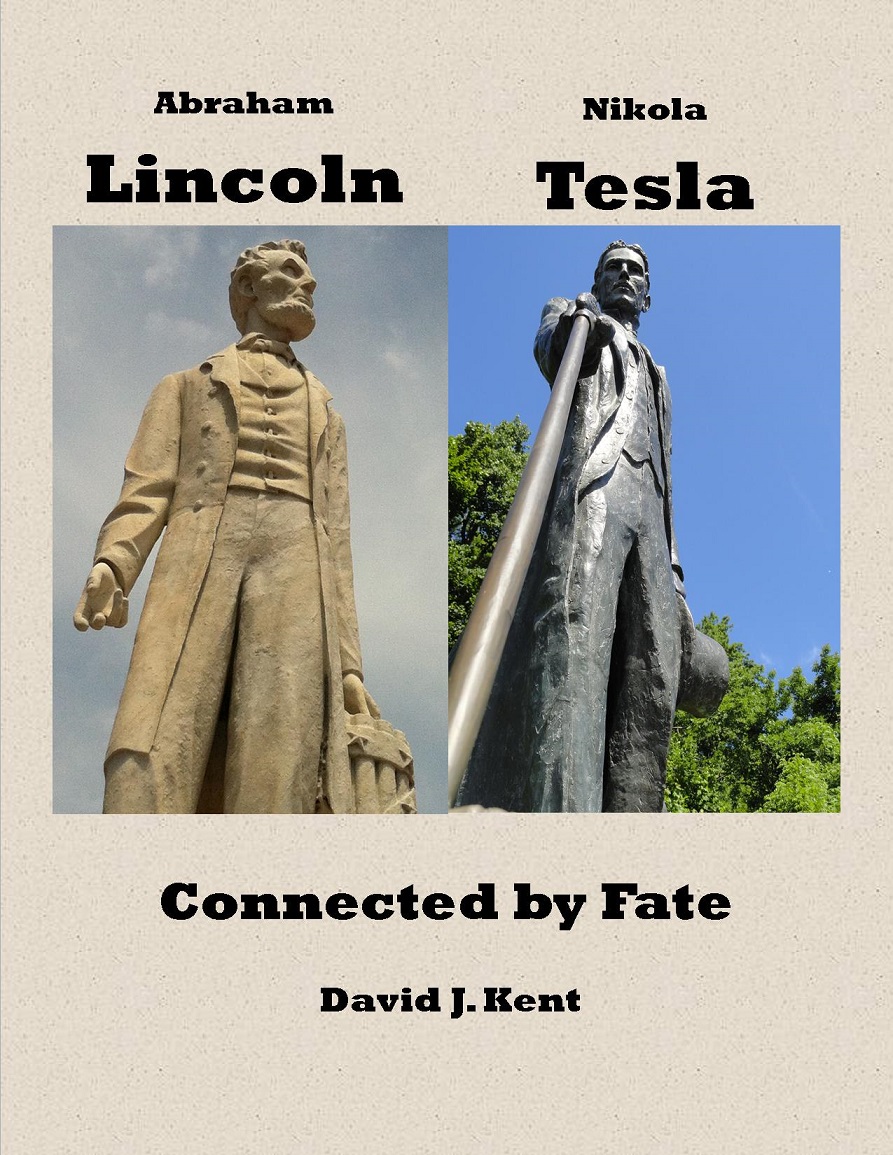
The Writing: The book that started it all was about the eccentric electrical engineer and namesake of the electric car company, Nikola Tesla. I had fallen into the topic of Tesla after attending a writer’s conference and participating in what can best be described as speed dating for agents. The book was a huge success, garnering eight printings, translations into four languages, and six figure sales. Released in the summer of 2013, it was also the impetus for me to resign from my scientific consulting job a few months later. I had been thinking about the change for some time, but holding my first book in my hands gave me the confidence to, as the Nike commercials say, Just Do It! So, I did. I then published two e-books over the next two years. The first to expand on one component of Tesla’s life I thought was largely ignored (renewable energy); the second to show the astonishing number of connections between Tesla and Abraham Lincoln. The following year (2016) my book on Thomas Edison came out, sort of a counterpoint to Tesla. And then in 2017 my general biography of Abraham Lincoln was released, which like the other two from Fall River Press was packed with photos, graphics, drawings, and cartoons to capture the eye. That Lincoln book received several award nominations and was named “Best Lincoln Biography for Young People” by Tom Peet and David Keck in their 2021 compendium of Lincoln books.
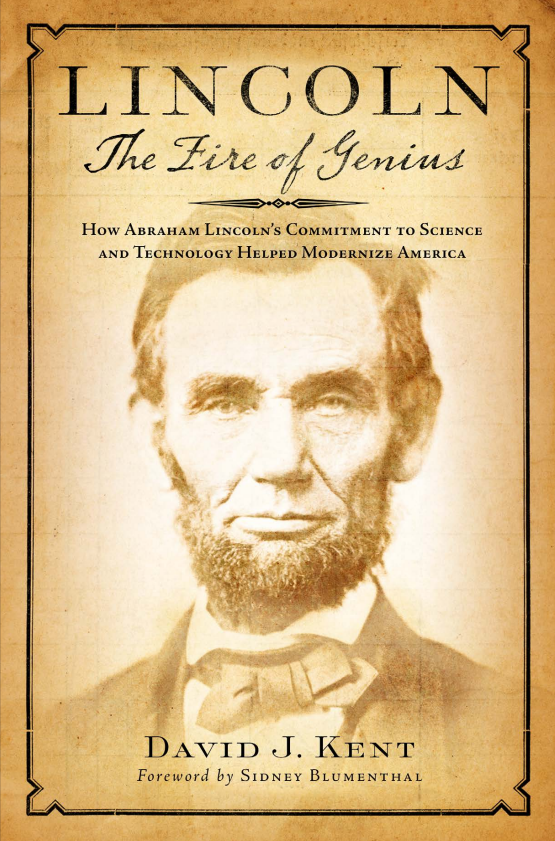
Following Lincoln: The Man Who Saved America, I decided to switch gears again and focus on the book I had always wanted to write. I had proposed a rudimentary concept for the book back in that 2012 speed dating conference, but it saw significant development while I was writing the other books, and a lot more research. By 2020 (aka, the year of the COVID) I was ready to formally propose it to my agent, who placed it with Rowman & Littlefield Publishers. Lincoln: The Fire of Genius came out in 2022 and has received significant critical praise and many book award nominations. I’m immensely proud of this book and so happy I was finally able to get it out into the publishing world.
In addition to the books, I wrote a ton of shorter pieces, most of it unpaid. While I did receive payment for some book reviews, most of my reviews have been gratis, including those for the Lincoln Group of DC newsletter, the Lincoln Herald professional journal, and the Abraham Lincoln Bibliography Project website. Then there are several blogs, including my own author website (the one you’re reading now), my “personal side of writing” I call Hot White Snow, some now defunct blogs (no time for them), and the Lincolnian.org website, for which I’ve written nearly half of the 360 blog items published to date. I also squeeze in some random writing to practice my skills and submit to writing contests.
The Traveling: A large factor in the decision to leave my old job was to give me more time to travel. I’ve certainly done that, although the COVID pandemic truncated the decade by about two years. I had been to Asia and Europe prior to my three-year secondment there from 2008-2011, plus a lot more of Europe while there. Since then, I’ve expanded my travels, both around the United States and six of the seven continents. In 2014 I spent three weeks on a road trip through Argentine Patagonia. In 2016 I did both the Caribbean and the Balkans, including a visit to the Royal Palace to meet the Prince and Princess of Serbia. I went to South Korea and China in the spring of 2017, then to Australia and New Zealand that fall. The year 2018 took me to into the Baltic Sea in June, then the Philippines, Malaysia, and Singapore in December. 2019 was a “C” year, with separate trips to Cuba and Costa Rica, as well as Chicago and Charleston. COVID wiped out 2020 and 2021 was largely empty of travel, although I managed a November off-season retreat to eastern Long Island. Back to real travel started up in 2022 with trips to Iceland and Tanzania (my first time in Africa). I went back to Africa earlier this year, hitting Morocco as well as Portugal, Spain, and even tiny Andorra. Soon I’ll be seeing some Turkey and some “Stans” (more on those in later posts). Overall, my travels have taken me to 67 countries and territories (according to a tracking app called Been) and 42 states (somehow, I’ve missed the middle of the country).
The Reading: Another goal in my new career was to find more time for reading. My job and studies required so much technical reading and writing that I had largely given up reading anything for pleasure. Now I read 75-100+ books a year. Most of that is still nonfiction, but I read a lot more fiction than in the past. The fiction ranges from classics to the hot new releases, with the choice often defined by what shows up in the local mini-libraries. Nonfiction has a lot of science, history, psychology, civil rights, and, of course, a lot of Abraham Lincoln. Which gets me to…
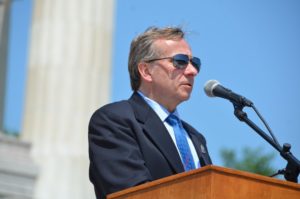
The Lincoln Groups: The same month I took the plunge, and the train to New York, to test the writing conference waters, I joined the Lincoln Group of DC. The group had been around since 1935 but I hadn’t heard of it until I returned from Brussels seeking to explore my other interests. It wasn’t long before I was on the board, then a vice president (the group has three), and for the last 2.5 years, the president. I also ended up on the board of the Abraham Lincoln Institute and I’m now their treasurer. I’m on the board of advisors for the Lincoln Forum, a book reviewer for the Lincoln Herald, and active in the Abraham Lincoln Association and other Lincoln organizations. Over the years I’ve won several awards and recognitions related to Lincoln work, most recently the Wendy Allen Award from the Lincoln Forum as president of the Lincoln Group of DC and the Lincoln Legacy Award from the Lincoln Society of Peekskill. I also was the primary organizer for the big 2022 centennial celebration for the Lincoln Memorial, coordinating with the National Park Service and other groups, plus serving as Master of Ceremonies for the two-hour program on the Memorial steps in the shadow of where Martin Luther King gave his “I have a dream” speech.
I’m sure there is more. You can also look at the previous five reflections for more insights: 2014, 2015, 2016, 2017, 2018. Or just click here and scroll down to see them all at once.
It’s been a busy, and satisfying, decade. So, what’s the plan for the next ten years? Well, keeping in mind that my “plans” are fluid, changing not quite willy nilly depending on conditions and opportunities, here’s at least an outline of future goals.
Retire: I have no idea what retirement means, so presumably I’ll know it when I see it. That said, I do anticipate some changes.
Future Writing: Perhaps my biggest problem is my inability to focus (which ironically is a subject for a potential future book). I currently have three or four books I’m actively trying to finish, plus I’m working on a proposal for another to have my agent shop around to publishers. Since I can’t seem to focus on one at a time, they all creep along at a snail’s pace and seem never to be completed. My “book ideas” list has reached 51 books, some of which are in progress while others are almost certainly never going to get beyond the brilliant idea stage. To date, all my published books have been biographies. I want that to shift into more creative writing, which will include memoir, travel, history, mixes of memoir/travel/history, and yes, even fiction. These genres scare me. The biographies (which I won’t abandon completely; I have ideas for several) feel like an extension of the scientific writing I did in my past life. Indeed, my first two biographies were of famous scientists. Narrative nonfiction and the various genres of pure fiction are something I’m going to have to work at. And yet, my life has been a series of tangents, the adaptation necessary to remain employed in the uncertain world of regulation-driven consulting. I’ve managed to be successful now in two broad careers, and it feels like a good time to go off on one of those tangents while remaining in the writing sphere.
Future Travel: I’ve been to six of the seven continents, so the obvious step is to get to Antarctica. That’s definitely on my “must” list, as are the Galapagos, Machu Picchu, the pyramids, and a few other places that I’ve somehow managed not to see yet. The goal is to do the must-see places within the next five years. In the short term, I’m scheduled for those previously mentioned “Stans” and have tentative plans for the Caribbean next spring. I also have tentative plans for southern Africa for about a year from now. I also expect to do a series of domestic road trips in the next year or two. Beyond that will depend on some personal factors out of my control. If all the more proximal plans come to fruition, that will mean by the end of next year I will have visited 80 or so countries and territories (territories include places like Bermuda that officially count as a British Island Territory). Maybe I’ll hit 100 someday. On the other hand, there are places I wouldn’t mind going back to and I’ve already tentatively planned on a road trip through the UK, Scotland, and Ireland. And we’ll always have Paris (yeah, cheesy, I know, but I couldn’t resist using the line after having been in Casablanca earlier this year).
Future Reading: This is the easy one. I’ll likely continue to read 75-100 books a year. I’ve broadened my selection considerably over the last decade and expect to continue to do that in the next. As long as it exists, you can always find me on Goodreads as I track my progress. And yes, I do take book suggestions.
Future Lincoln Groups: Here is where the near future might bring the most adjustment. I’ve been in some form of management with the Lincoln Group of DC for virtually all of this decade. I was Vice President of Education and Outreach for not one but two non-consecutive two-year terms, Vice President of Programs for two years, and I’m in my final year in a three-year stint as President. But as onerous as that sounds, I’ve also acted in a kind of shadow capacity for other positions during that time. Interestingly, when I looked back on my first anniversary reflections, I noticed that I was in the final year of the presidential cycle for CPRC (it was my second time as president for this scientific organization, ten years apart) and just beginning my first year officially as vice president on the Lincoln Group board. A decade hence and it’s time for me to recalibrate again. I’ve already informed the board that I will step down at the next election in May 2024, but since I’m still obsessed with Lincoln, I won’t be gone – I’ll serve as Immediate Past-President for whoever takes over the position. Dropping the presidency will give me more time to write for the website and newsletter, plus taken on a much-needed role as historian-at-large as I wade into the Lincoln Group file drawers to collate a history of the group. I’m also thinking of starting a Lincoln podcast. We also have a grant application in the works for a big (big) program, so stay tuned.
Then there are the other groups. My term as treasurer and executive board member of the Abraham Lincoln Institute runs until 2025, although I’m likely to continue indefinitely. My term on the Lincoln Forum Board of Advisors is somewhat open-ended but may be turned over to the incoming Lincoln Group president. I’ll remain active in all Lincoln Groups for the foreseeable future. As my interests evolve, I’m likely to get involved with non-Lincoln groups as well, although I’ll have to be careful not to end up as president (somehow that has happened five times before).
What else? I mentioned above that I’m not sure what “retirement” means, but I’m thinking it starts with offloading some responsibilities so I can focus more on things I enjoy. For ten years I’ve been talking about rekindling my interest in photography, so I consider that being part of it. I also want to travel as much as I can manage. Then there are more entertainment events. More relaxing time instead of hyperventilating myself through the day. More creative writing. Whatever. I’ll know it when I see it, right? All that said, I doubt I’ll ever actually retire, just allow myself to follow those tangents-of-the-moment opportunities when they arrive. I suspect no one will even know when that time comes. I probably won’t know it myself.
On to another decade in the writer’s life.
[Photo Credit: Henry Ballone photo of David J. Kent emceeing the Lincoln Memorial Centennial, May 2022]
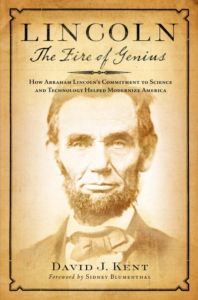
Lincoln: The Fire of Genius: How Abraham Lincoln’s Commitment to Science and Technology Helped Modernize America is available at booksellers nationwide.
Limited signed copies are available via this website. The book also listed on Goodreads, the database where I keep track of my reading. Click on the “Want to Read” button to put it on your reading list. Please leave a review on Goodreads and Amazon if you like the book.
You also follow my author page on Facebook.
David J. Kent is President of the Lincoln Group of DC and the author of Lincoln: The Fire of Genius: How Abraham Lincoln’s Commitment to Science and Technology Helped Modernize America and Lincoln: The Man Who Saved America.
His previous books include Tesla: The Wizard of Electricity and Edison: The Inventor of the Modern World and two specialty e-books: Nikola Tesla: Renewable Energy Ahead of Its Time and Abraham Lincoln and Nikola Tesla: Connected by Fate.


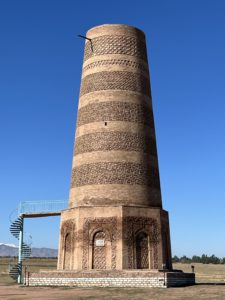 One of the stops on my region tour of several Silk Road (aka, “Stan”) countries was the Burana Tower in the Chuy Valley outside of Bishkek, the capital city of Kyrgyzstan. Less than a two-hour drive from the center of town, with a grand view of the Tien Shan Mountains overlooking the plains, the tower is all that remains of the ancient city of Balasagun, established in the 9th century. The tower is actually a minaret from an ancient mosque.


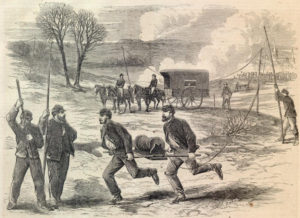 Abraham Lincoln was a big fan of technology and used the telegraph as a war-management tool during the Civil War. The value of the telegraph was reinforced daily. Lincoln received many messages over the new
 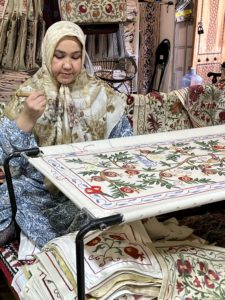 It took two or three days into my visit to Uzbekistan for the subject of the controversial cotton growing industry to come up. We also discussed the silk industry that made the country a key stop in the old Silk Road. Uzbekistan is the largest electricity producer in Central Asia, mainly due to the abundant natural gas reserves and huge Soviet-era power-generation plants. They also are the seventh largest global producer of gold, with copper and uranium not far behind. At first glance (and even second glance), Uzbekistan seems too arid to grow cotton. But cotton production is actually one of most important contributors to the Uzbek economy, accounting for about a fifth of its exports.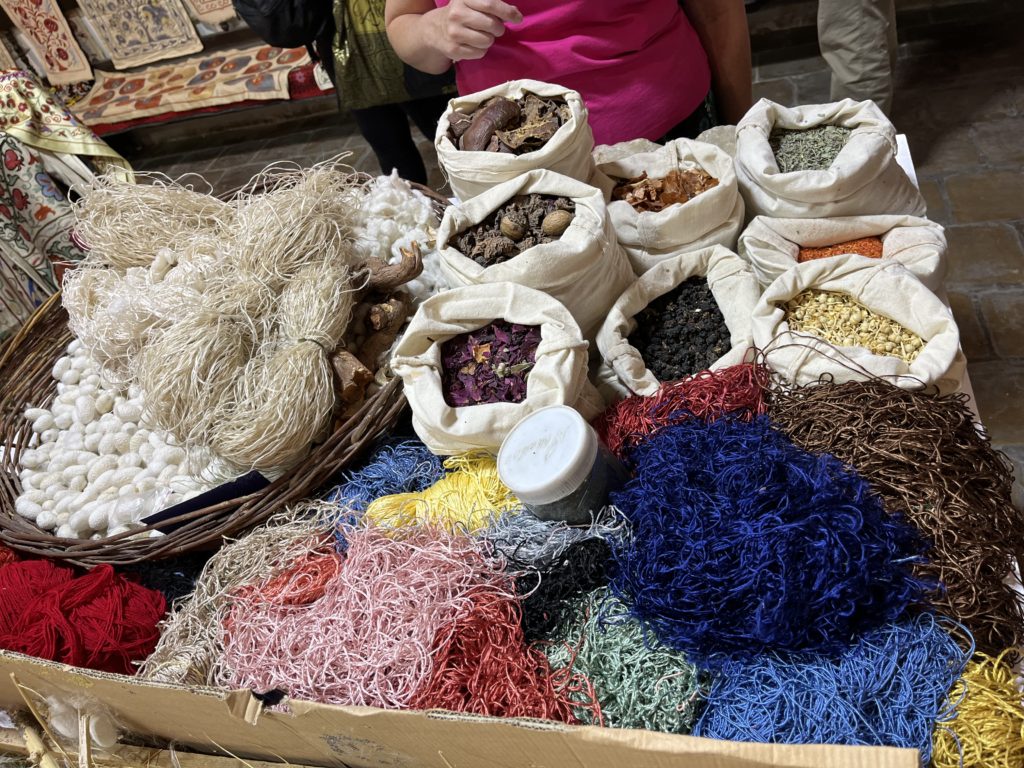
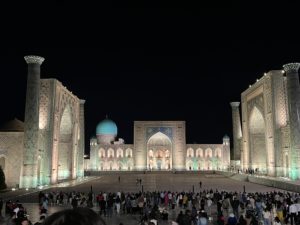 Samarkand was one of the stops on my recent travels to Uzbekistan, Tajikistan, Kyrgyzstan, and Kazakhstan. [
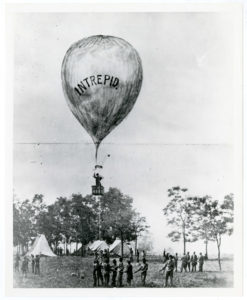 On October 4, 1861, Lincoln observed the ascension of a balloon piloted by John LaMountain from General Benjamin Butler’s headquarters at Fort Monroe, Virginia. The balloon passes over Washington and lands 12 miles away in Maryland. While the sanctimonious LaMountain is sometimes accredited with having made the first report of useful intelligence on enemy activity, he was quickly overshadowed by other aeronauts, the Civil War name for balloon pilots.
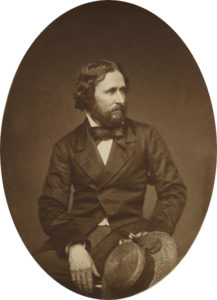 On September 5, 1861, President Abraham Lincoln had a problem, and that problem was John C. Fremont. Seeking a solution, Lincoln conferred with Commanding General of the U.S. Army Winfield Scott. He wanted some input on what to do with Fremont. Here is what I wrote up for the
 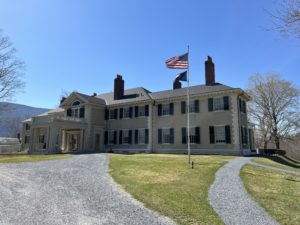 Mary Lincoln hated Washington, especially during the pestilent humidity of the capital city during the heat of summer. It’s the reason President Lincoln moved to the soldier’s home (now President Lincoln’s Cottage) each summer, beginning with 1862 after Willie’s death earlier that year. Mary would take Tad northward, often to New York and into New England, usually to be joined by Robert during his summer break from his studies at Harvard College. In 1863 they traveled to the White Mountains of New Hampshire, then in August of 1864 Robert met his mother and brother in the Green Mountains of Vermont. He intended to return with the president in the summer of 1865, but the assassination kept that from happening. Notwithstanding, the 1864 trip would capture Robert’s fancy enough to return decades later to build his own summer cottage known as Hildene.
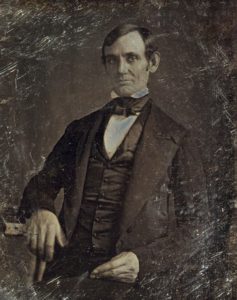 In 1855, the Whig Party had all but fallen apart. Always a Whig in politics, Lincoln was deciding whether to join the new Republican Party. The American Party, called the Know-Nothings because of their habit of denying any knowledge if asked about the party, had also been making inroads with a platform based on bigotry toward foreigners and Catholics (often Irish immigrants). In a letter written August 24, 1855, he tells his longtime friend Joshua Speed that “I am not a Know-Nothing. That is Certain. How could I be? How can anyone who abhors the oppression of negroes, be in favoring of degrading classes of white people?”
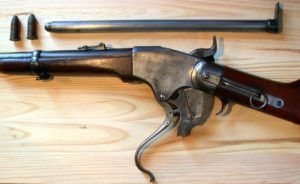 On August 17, 1863, Christopher M. Spencer, inventor of Spencer rifle, presents his new repeating rifle to President Abraham Lincoln and demonstrates how to assemble it. Lincoln was always keen on implementing new military technology during the Civil War, although his generals were not always so eager to follow his lead. Chief of Ordnance James Wolfe Ripley argued that more advanced weaponry was not self-evidently better in the field. Complicated weapons in the hands of untested soldiers and poor weather conditions led to vast inefficiencies in his mind, so Ripley denied the use of some of the new-fangled ideas Lincoln liked.