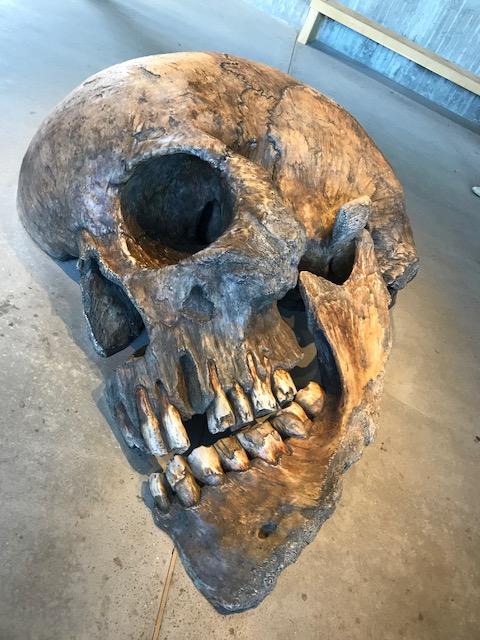
Den Forhadte Borg. The Hated Castle. Hammershus is Scandinavia’s largest medieval fortress, situated on the northern tip of the Danish island of Bornholm in the Baltic Sea. And if that isn’t ominous enough, they have an eight foot skull embedded in the floor. The skull of Hammershus.
Hammershus dates back to early in the 13th Century. Initially a residence of the Archbishop of Lund (then part of Denmark), the fortress for the next 500 years served as a stronghold of the island’s various rulers. Repeated wars and rotating residents led to the castle being rebuilt and expanded on several occasions. Partially demolished late in the 18th Century, Hammershus now lays in ruins but remains an important historical site.
I visited only three months after the opening of a new visitor center that provides a panoramic view of the fortress. And that’s where the skull comes in. A human skull was found on the site during an archaeological excavation in the 1940s. Using new 3D scanners, a 2.5-meter replica of that skull was created. Ten tons of robot milled Styrofoam molds formed the base of the sculpture, with acrylic gypsum laminated to its surface. Final surface details were sculpted by hand and the surface was hand-painted to resemble the original as close as possible.


The effect is spectacular. Turning the corner into the visitor center we were all suddenly taken aback by this huge skull lying in front of us. But don’t get too cozy here; head for the viewing platform to the walls and towers of the Hammershus ruins. Plan for extra time and hike up the trail and around the fortress up close. Gaze over the cliffs to the brilliant waters of the Baltic Sea.
After Hammershus we headed for the town of Allinge and a lunch of traditional smoked herring and beer, then to Osterlars for the biggest round church in Denmark. I’ll have more on these other sites on Bornholm later. For now, I’m still thinking about the Skull of Hammershus.
David J. Kent is an avid science traveler and the author of Lincoln: The Man Who Saved America, in Barnes and Noble stores now. His previous books include Tesla: The Wizard of Electricity (2013) and Edison: The Inventor of the Modern World (2016) and two e-books: Nikola Tesla: Renewable Energy Ahead of Its Time and Abraham Lincoln and Nikola Tesla: Connected by Fate.
Check out my Goodreads author page. While you’re at it, “Like” my Facebook author page for more updates!
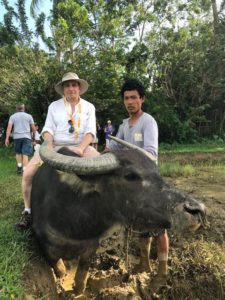 The Philippines consists of 7,641 islands, although about 500 of them disappear at high tide. While the nation has growing industrial and service industries, about 30% of the labor force remains in agriculture, with rice as its biggest commodity.
 My science education also didn’t stop with rice. Motag also showed us how to hack coconuts out of their outer husk using a sharp stick, then use another sharp stick to break up the coconut meat into flakes. We also got to taste coconut water and coconut milk. Coconut also played a role (no pun intended) as “paper” at the local toilet hole. Mixing coconut flakes with water makes a handy shampoo, while a coconut and leaves blend works great as a natural soap. These seemed to work better than the leaves sometimes used at the hole and sometimes to sandpaper the bark off trees (for which it worked way too well). Later I would enjoy the traditional coconut pie and 80-proof coconut wine/liquor.
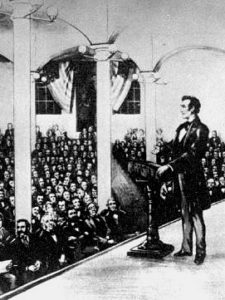 On February 27, 1860, a tall, lanky lawyer from Illinois gave a speech at a place called Cooper Union in New York City. The speech would make Abraham Lincoln president. Sounds a bit hyperbolic to say such a thing, and there were many other factors that contributed to Lincoln’s success that election season, but the speech did more to make his name in eastern society than any other event.
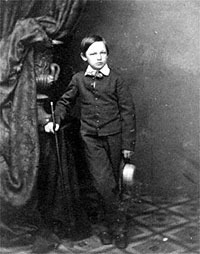 William Wallace Lincoln, “Willie,” died of typhoid fever on February 20, 1862. President Abraham Lincoln and his wife Mary Lincoln were devastated. Willie’s younger brother Tad was also afflicted, but would live. This personal tragedy on top of the ongoing Civil War was almost too much to bear for both of them; Mary would never completely recover. But Willie’s death, and those of 700,000 soldiers during the Civil War, also ushered in advances in the embalming sciences.
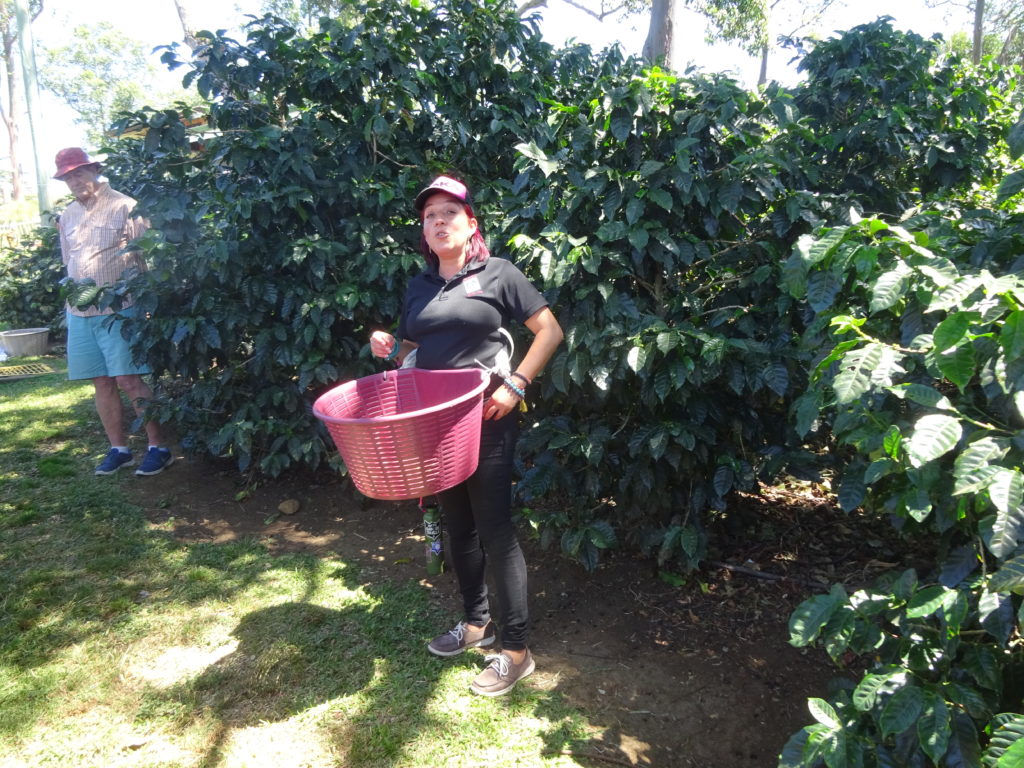
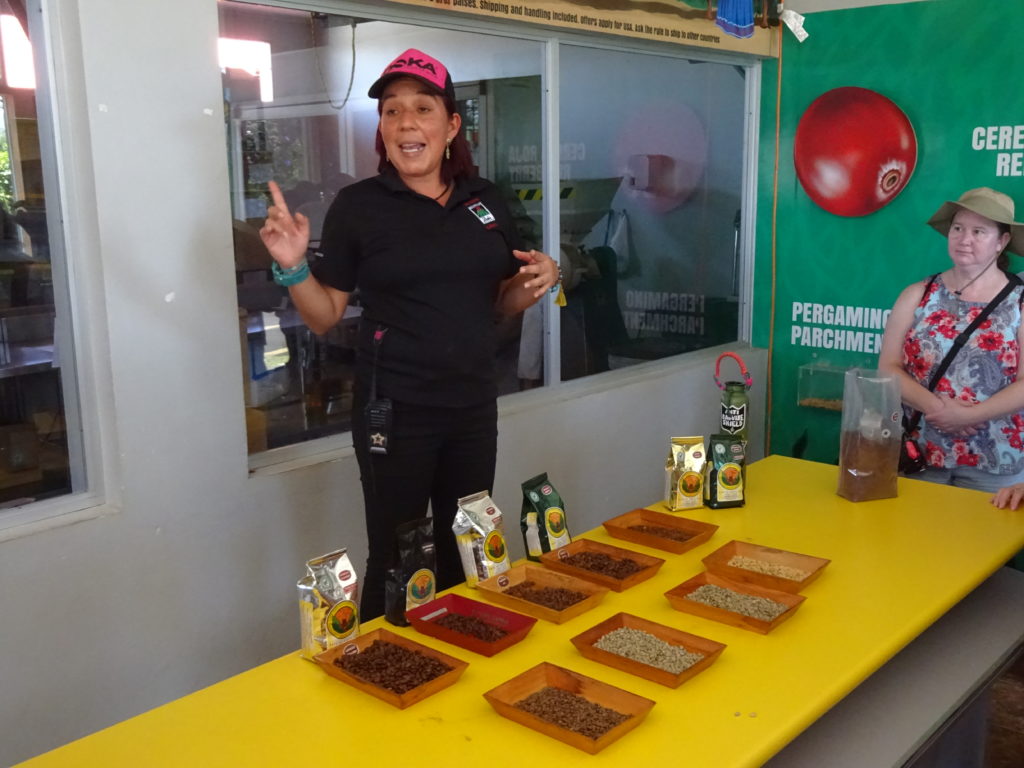
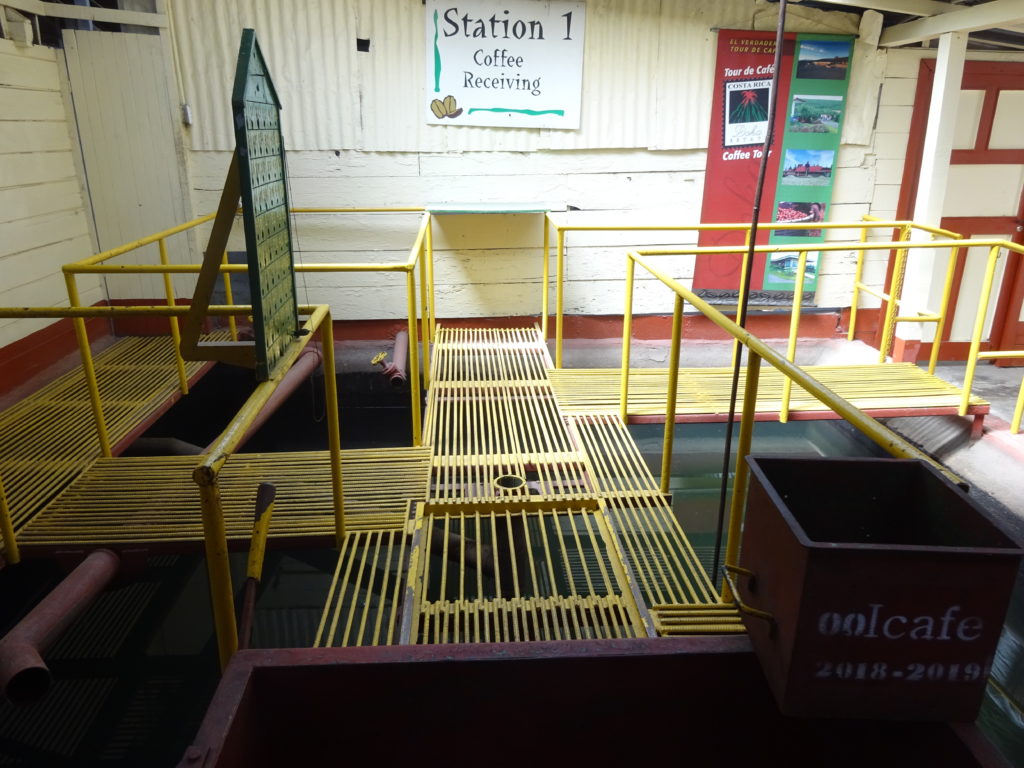
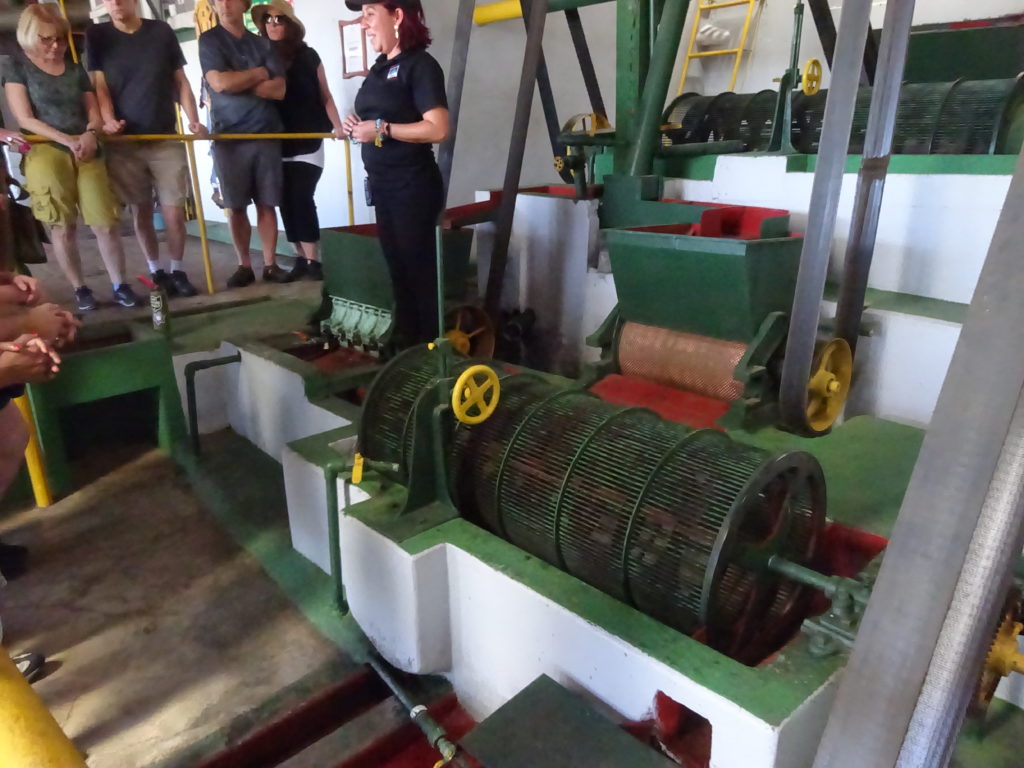
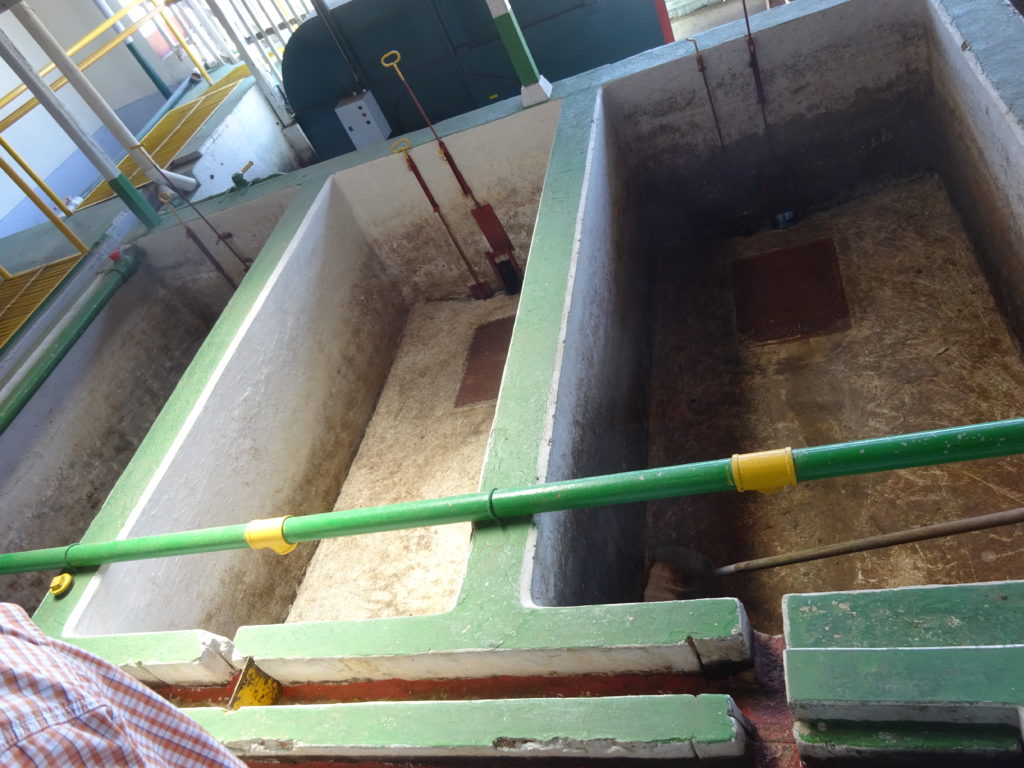
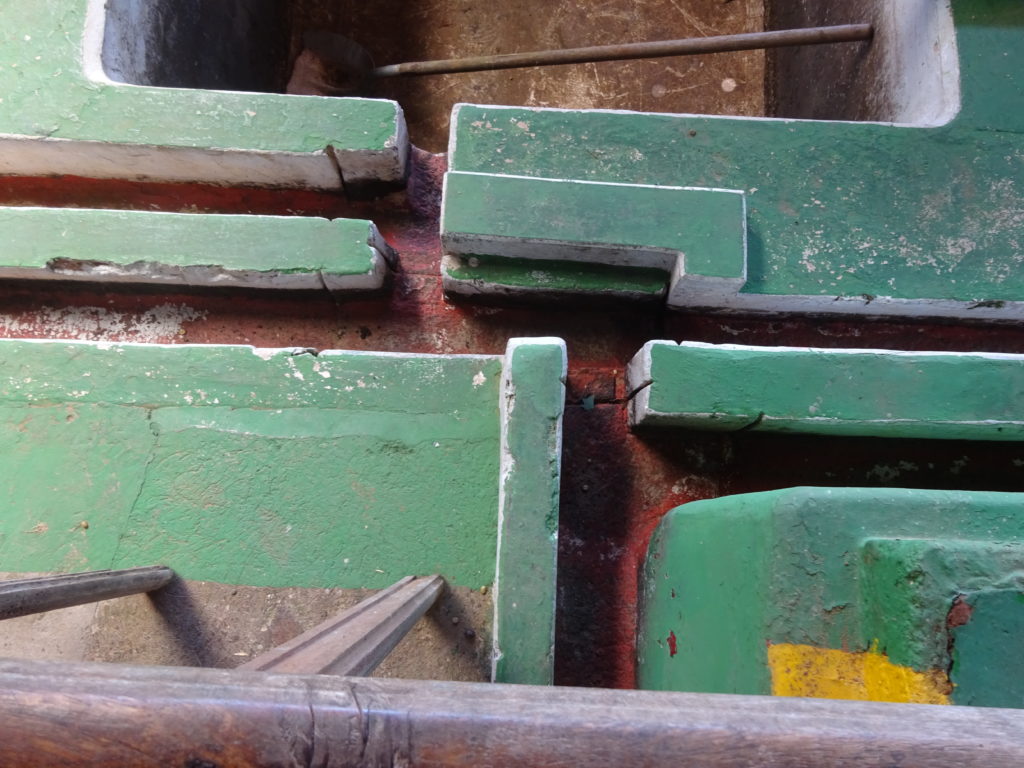
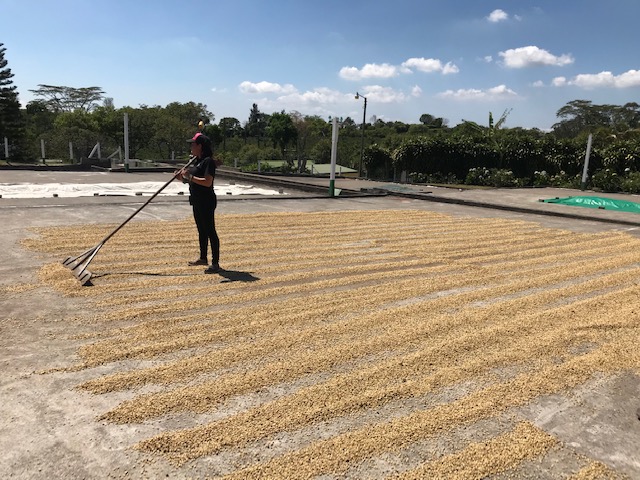
 During a recent visit to Costa Rica I learned how to make coffee. From scratch, like from the beans. I toured the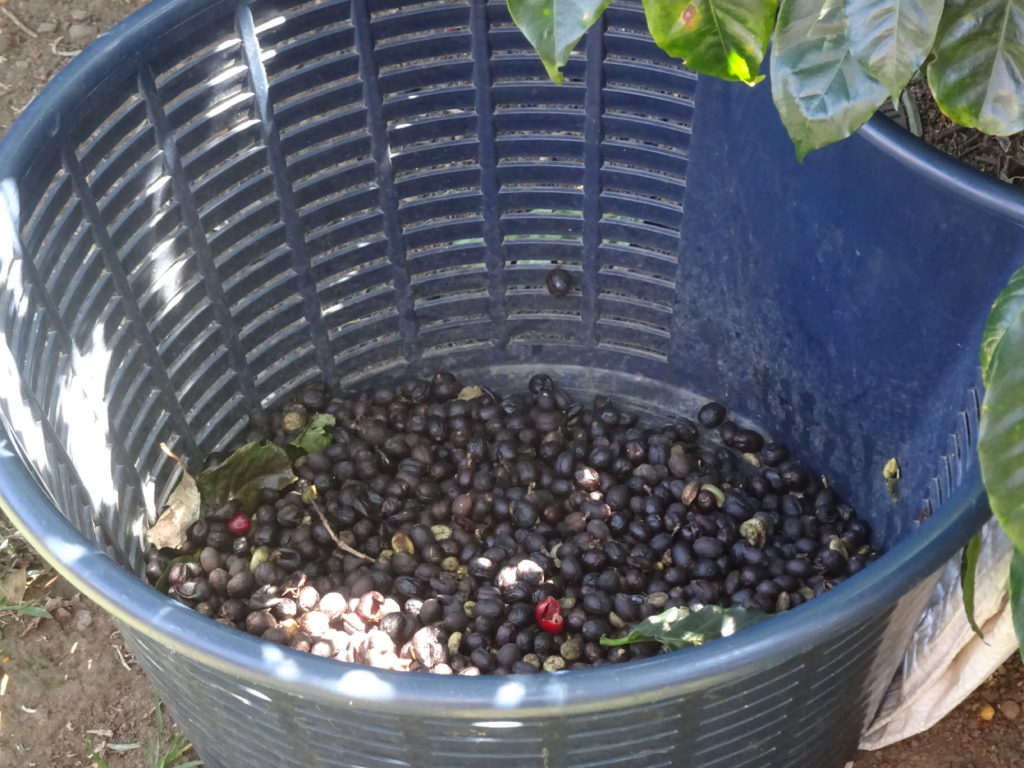
 If you aren’t already a member, please consider joining the Lincoln Group of DC. We have members all over the country. For those who are local to the District of Columbia, we have monthly dinner meetings featuring well-known authors and Lincoln scholars, run at least one Civil War battlefield tour a year, have an engaging monthly book study group, and a host of other events and meetings. The Lincolnian newsletter comes out quarterly and includes news about the group as well as scholarly articles about Abraham Lincoln.
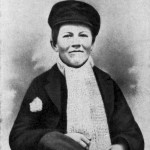 Although he was the last of seven children, Thomas Alva Edison was born into a largely empty household. February 11, 1847, was a cold, snowy night in the tiny village of Milan, Ohio, not far from the shores of Lake Erie. Edison’s mother, Nancy, who seemed always to be wrapped in black mourning garb, was eager to have more children to replace those who had not survived. One son, Carlile, died in 1842, when he was only 6 years old. A second son, 3-year-old Samuel Ogden, perished a year later while Nancy was pregnant with daughter Eliza. Eliza also lived only three years, passing away in late 1847, when Thomas was still an infant.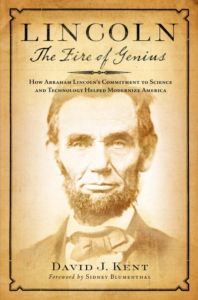
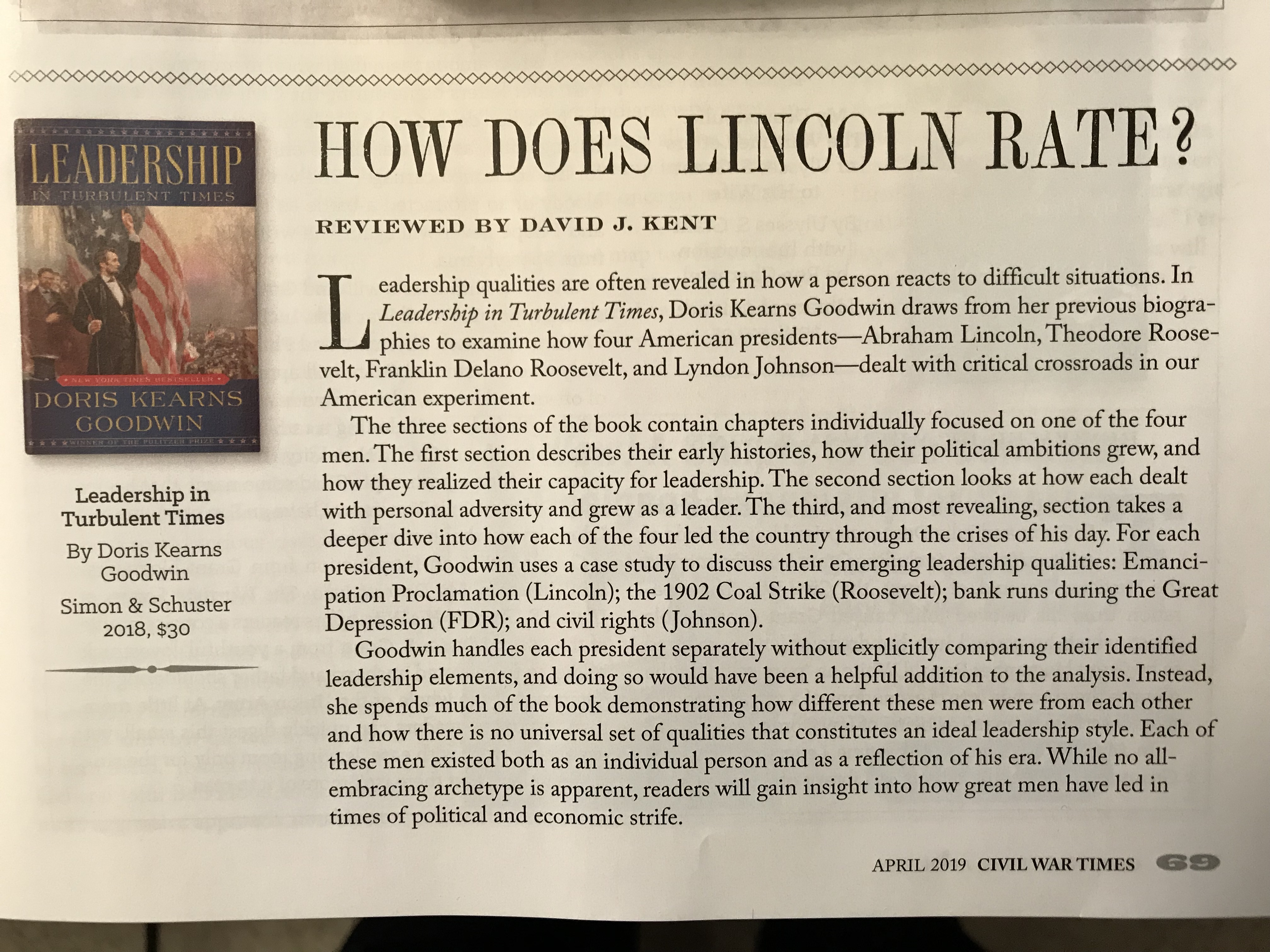 Most people of heard of Doris Kearns Goodwin from her bestselling book, Team of Rivals, about Abraham Lincoln picking many of his political rivals to key cabinet positions. Initially well sold, it got a huge boost after then-candidate Barack Obama was seen carrying it on the campaign trail prior to his 2008 election, then again when Obama picked his rival Hillary Clinton to be Secretary of State, much like Lincoln put William Seward in that position. Another boost came from Steven Spielberg’s movie, Lincoln, which was based on a tiny part of Goodwin’s book.