I was recently interviewed by The Lincolnian, a quarterly publication of the Lincoln Group of the District of Columbia. The interview was published in the Summer 2017 issue and Part 1 is recreated below. Read Part 2 here.
**********************
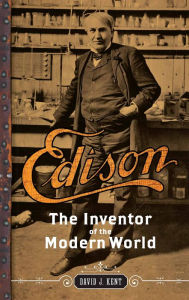
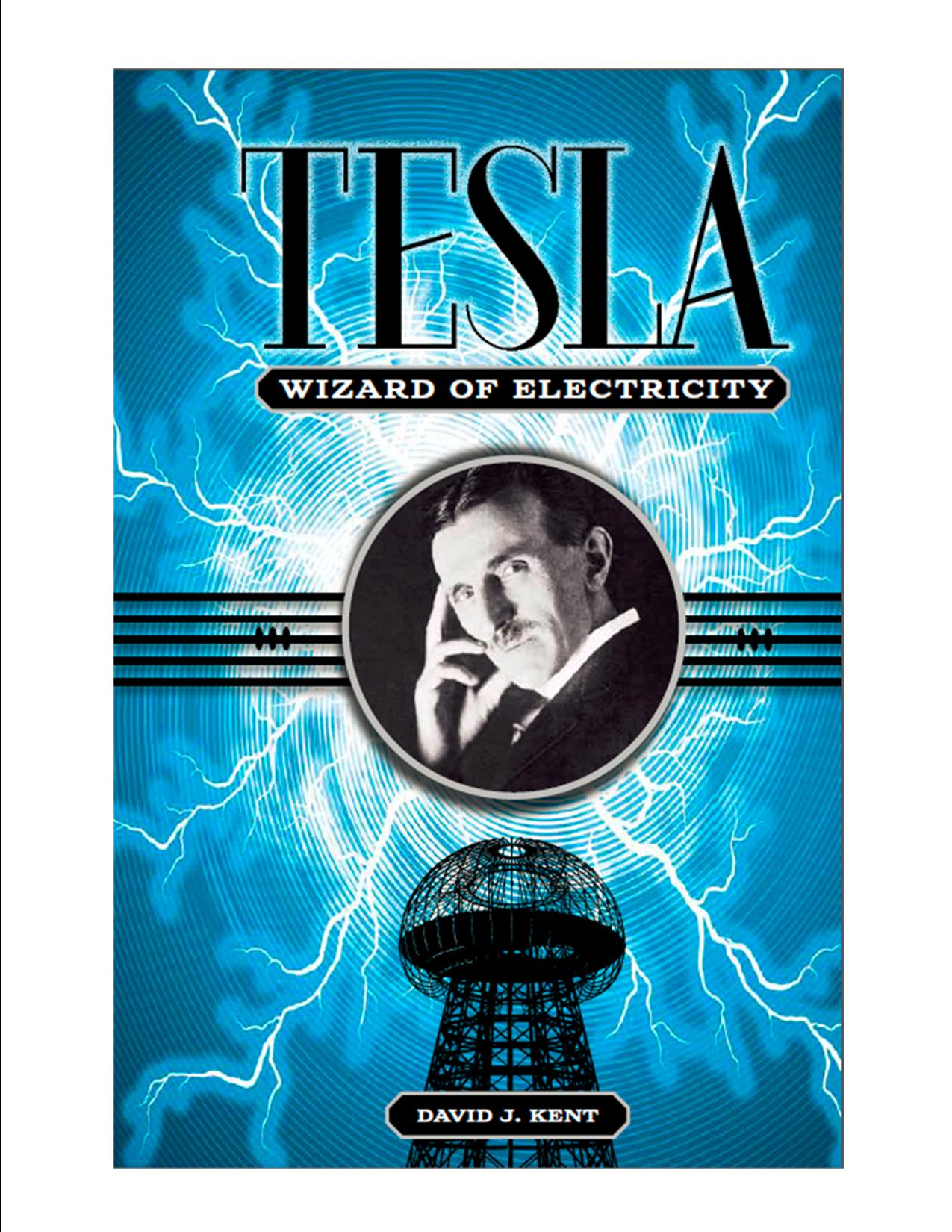
 Most Lincoln Group members know by now that David Kent, our Vice-President for Programs, is an accomplished author, one who has penned successful books on such figures as Tesla and Edison. His most recent publication spotlights Lincoln himself. David agreed to be interviewed for The Lincolnian regarding his new Lincoln book and his writing career. Here are the contents of that interview.
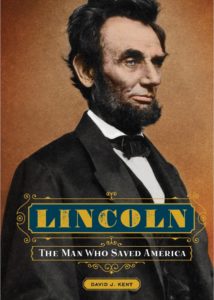 Lincolnian: You have a new publication out – Lincoln: The Man Who Saved America – tell us about this publication – what was the inspiration behind the book, what is/are the major themes, what did you aim to accomplish for the audience, who is the targeted audience?
David Kent: I have been interested in Abraham Lincoln since as far back as I can remember, so when the publisher of my Tesla and Edison books decided to branch out into history, I jumped at the chance. Lincoln: The Man Who Saved America is directed at a general audience and so spans Lincoln’s entire life, from his days growing up on frontier farms to the crisis of the Civil War and the Lincoln legacy. The goal is to reach out to a broad readership in a way that is visually appealing. The strife of this past year in politics shows that there are many in our nation who lack a good understanding of history, including the critical time period in which Lincoln lived. As the subtitle suggests, I bring out how Lincoln’s decisions helped deal with our nation’s greatest challenges, and how he kept the Union together despite all forces trying to tear it apart.
Lincolnian: What research did you undertake in writing the book? In doing so, did you learn anything that surprised you?
David Kent: I feel like I’ve been researching Lincoln my whole life. I read 20-30 Lincoln-related books every year, along with a wide variety of other genres. I also review primary materials – letters, speeches, newspaper articles – to get both a broad and deep understanding of his life and how he thinks. It doesn’t come as a surprise to me because I’ve been researching it for another book, but I’ve always been enthralled with Lincoln’s interest in science and technology.
Lincolnian: In your opinion, what information in the book will surprise the reader?
David Kent: I think general readers will be surprised by how active Lincoln was in politics from his first days in New Salem. He really did become the leader of the Whigs in Illinois, and without him the Republican party of Illinois likely wouldn’t have become as powerful as quickly as it did. For Lincoln scholars I bring out how Lincoln understood that the de facto expansion of slavery enabled by the Compromise of 1850, Kansas-Nebraska Act, and Dred Scott decision triumvirate would lead to war. Lincoln pressed the issue knowing the crisis was unavoidable.
Lincolnian: Your book contains many images – photographs, graphics, etc. Describe a few examples that will be new to the audience or most captivating.
David Kent: The incredible publishing team and designer have pulled together amazing imagery for the book. These images were selected to bring out the stories told in the text and make the book a visual as well as an intellectual experience. Images range from photographs of the time period, paintings of key events, political cartoons presented in key newspapers, letters and documents, and even comic book pages. One image from a comic book, for example, highlights how good Lincoln was with his own children and those in the neighborhood, often getting down on his hands and knees to play with them. The images really bring out the life described in the text.
Lincolnian: What similarities – and differences – does this book have as compared to your previous works on Tesla and Edison? What similarities in character, traits, etc. did you find that Tesla and Edison shared with Lincoln – and what were the major differences you found in your subjects?
David Kent: The style of Lincoln: The Man Who Saved America is the same as my previous books on Tesla and Edison. Those two books were very successful for the publisher (and me), so the publisher wanted to branch out into similarly-styled books in history. Because of my lifelong interest, I suggested Lincoln and they agreed. The three books highlight the human side of science and history. While very different in many ways, all three men were innovators. Tesla was a big picture guy, always wanting to change the world with a radical new idea. Edison was a details guy, always tinkering and improving on existing ideas. Lincoln was a little of both. In the courtroom and in politics he could remember and exploit key details while at the same time always keeping his eye on the bigger picture. And like Tesla and Edison, Lincoln too was an inventor, the only president in our history to have obtained a patent.
Lincolnian: Where can we find the book /who is the publisher?
David Kent: The book is in Barnes and Noble stores nationwide (if you don’t see it, ask for it; it’s there). You can also order it online at BarnesandNoble.com. I sell signed, first edition copies through my own website (https://davidjkent-writer.com/buy-the-books/). I’ll be the speaker at LGDC’s December 12th luncheon meeting and will have copies to sell there. The book is published by Fall River Press, an imprint of Sterling Publishing in New York.
[Read Part 2 of the Lincolnian interview here]
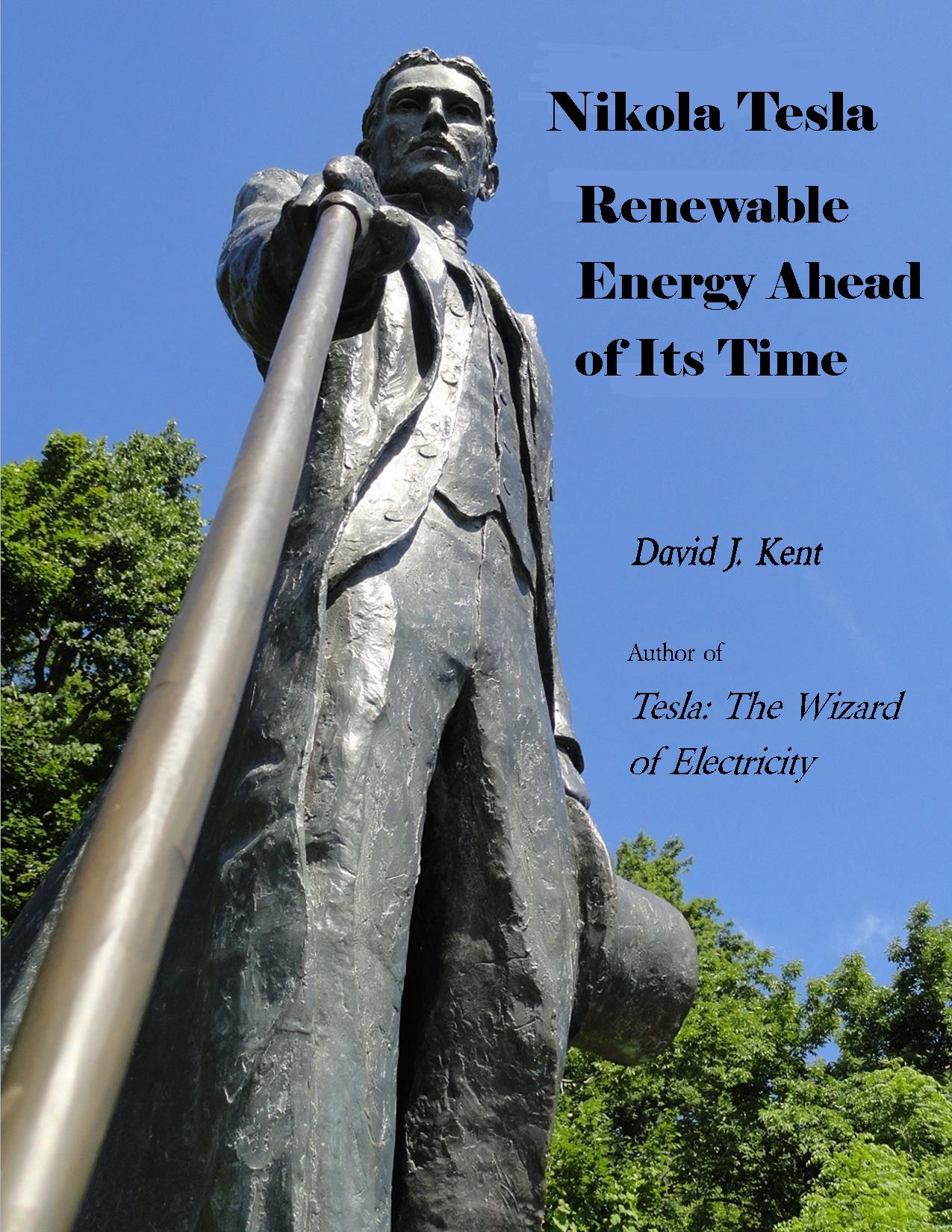
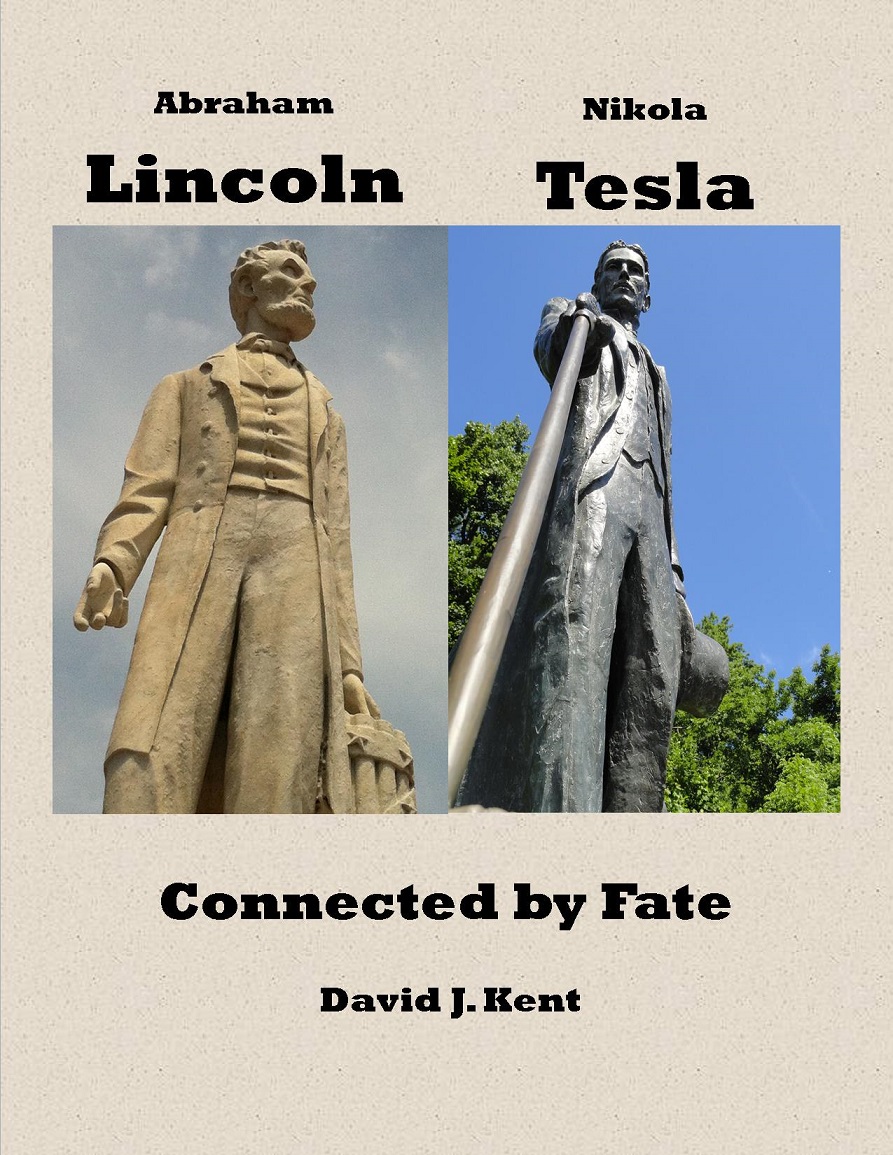
David J. Kent is the author of Lincoln: The Man Who Saved America, now available. His previous books include Tesla: The Wizard of Electricity and Edison: The Inventor of the Modern World (both Fall River Press). He has also written two e-books: Nikola Tesla: Renewable Energy Ahead of Its Time and Abraham Lincoln and Nikola Tesla: Connected by Fate.
Check out my Goodreads author page. While you’re at it, “Like” my Facebook author page for more updates!
Follow me by subscribing by email on the home page. Share with your friends using the buttons below.


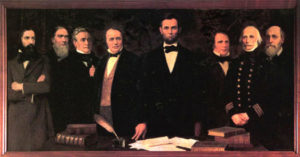 Joseph Henry was not initially impressed with Abraham Lincoln.


 The
The