 They say there are over 15,000 books and pamphlets published about Abraham Lincoln. The truth is, no one actually knows. As a way to find out, I’ve started the Abraham Lincoln Bibliography Project. As I note in my introduction to the page:
The goal of the Abraham Lincoln Bibliography Project is to compile all of those books, then organize them into a usable resource for researchers, aficionados, and anyone interested in reading more about our 16th president.
The project is still in its infancy and limited by the amount of time I have to devote to it. It’s a big project, so as it develops I’ll be looking for additional help. Visitors are welcome to offer their thoughts, suggestions, books to be included, and whatever else seems appropriate in the comments.
So far the site has focused on book reviews, but since one of the goals of the Abraham Lincoln Bibliography Project is to offer broader guidance on books about Abraham Lincoln, ultimately the plan is to include three types of posts:
- Compilations of books within categories (e.g., assassination, presidency, etc.)
- Reviews of books written about Lincoln
- News
The first type, compilations, will eventually include two subtypes: summary discussions on a topic, and lists. The lists are what they sound like; simply lists of books within a subtopic, e.g., books about the assassination. The summary discussions will be longer syntheses of a group of books in that subcategory, essentially white papers discussing the topic and including references. Since these will take longer to prepare, they will be posted less frequently than lists.
The second type is also self-explanatory. I’ll post reviews of books about Lincoln. Initially, these will be reviews written by myself on books I have read. I anticipate also including relevant reviews written by others, either specifically for this site or in accordance with accepted copyright limitations if published elsewhere.
The third type is News. Any news items posted on the internet pertaining to particular books or Lincoln-related topics may be included on this site as encountered. Selection of items will be based on relevance and applicability to the overall goals of this project. So far I haven’t added any news to the site, but feel free to offer suggestions or thoughts.
As this site develops I’ll add organization to make it easier to find particular compilations, lists, books reviewed, and news items by topic.
As I said earlier in this post, the Abraham Lincoln Bibliography Project is still a work in progress, with much more work to be done. Please be patient as it develops, and feel free to offer any ideas for books to be reviewed or added to category lists. Constructive thoughts on how to develop the page are welcome (spamming or trolling are not).
To keep up with future items, please consider following the page.
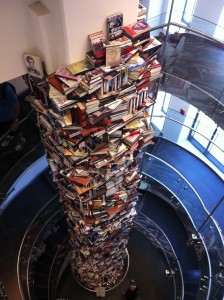
[Text above adapted from two posts on the Abraham Lincoln Bibliography Project website. David J. Kent photo of Lincoln book tower in the Ford’s Theatre Center for Education and Leadership]
David J. Kent is an avid science traveler and the author of Lincoln: The Man Who Saved America, in Barnes and Noble stores now. His previous books include Tesla: The Wizard of Electricity (2013) and Edison: The Inventor of the Modern World (2016) and two e-books: Nikola Tesla: Renewable Energy Ahead of Its Time and Abraham Lincoln and Nikola Tesla: Connected by Fate.
Check out my Goodreads author page. While you’re at it, “Like” my Facebook author page for more updates!
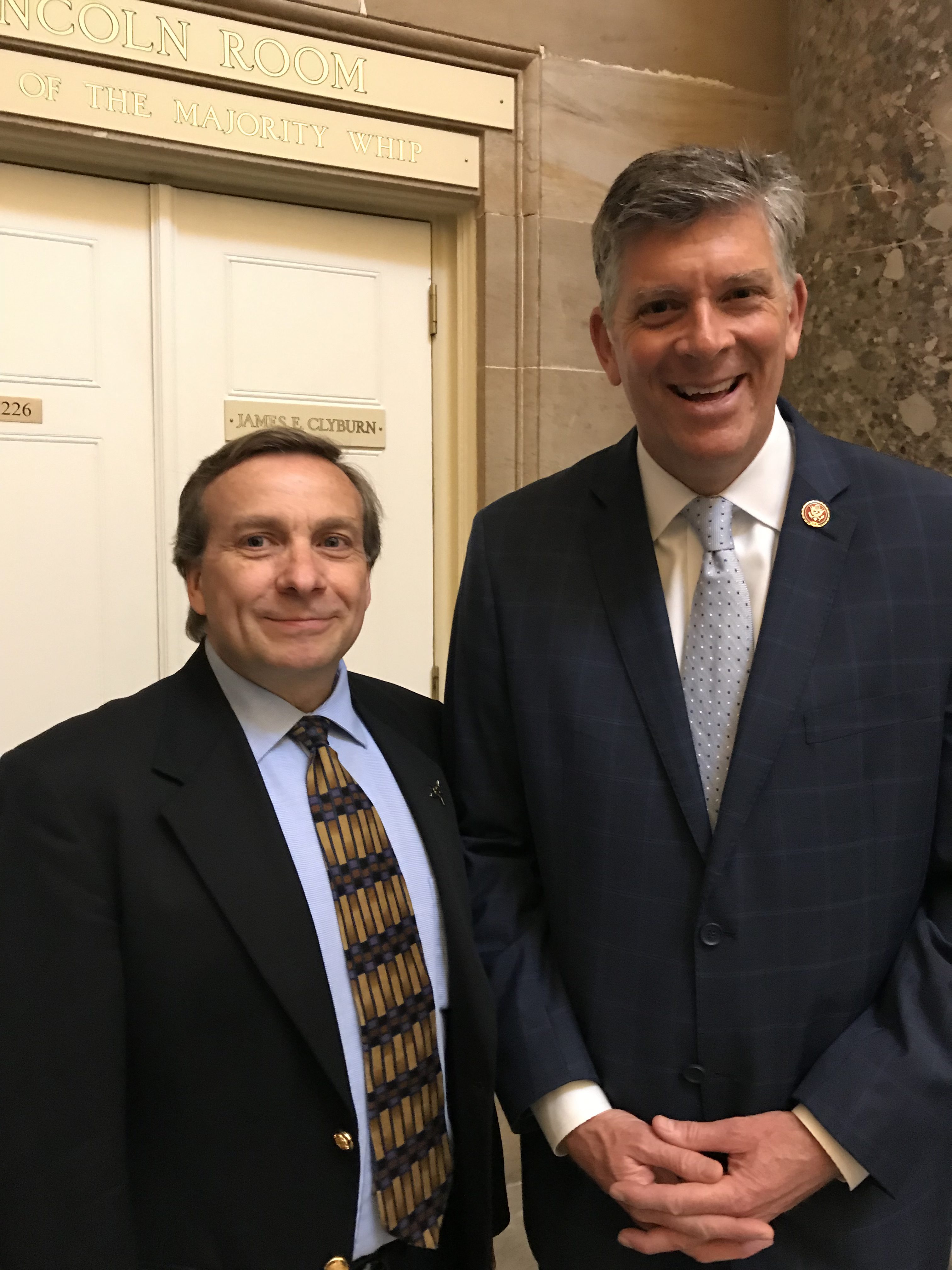
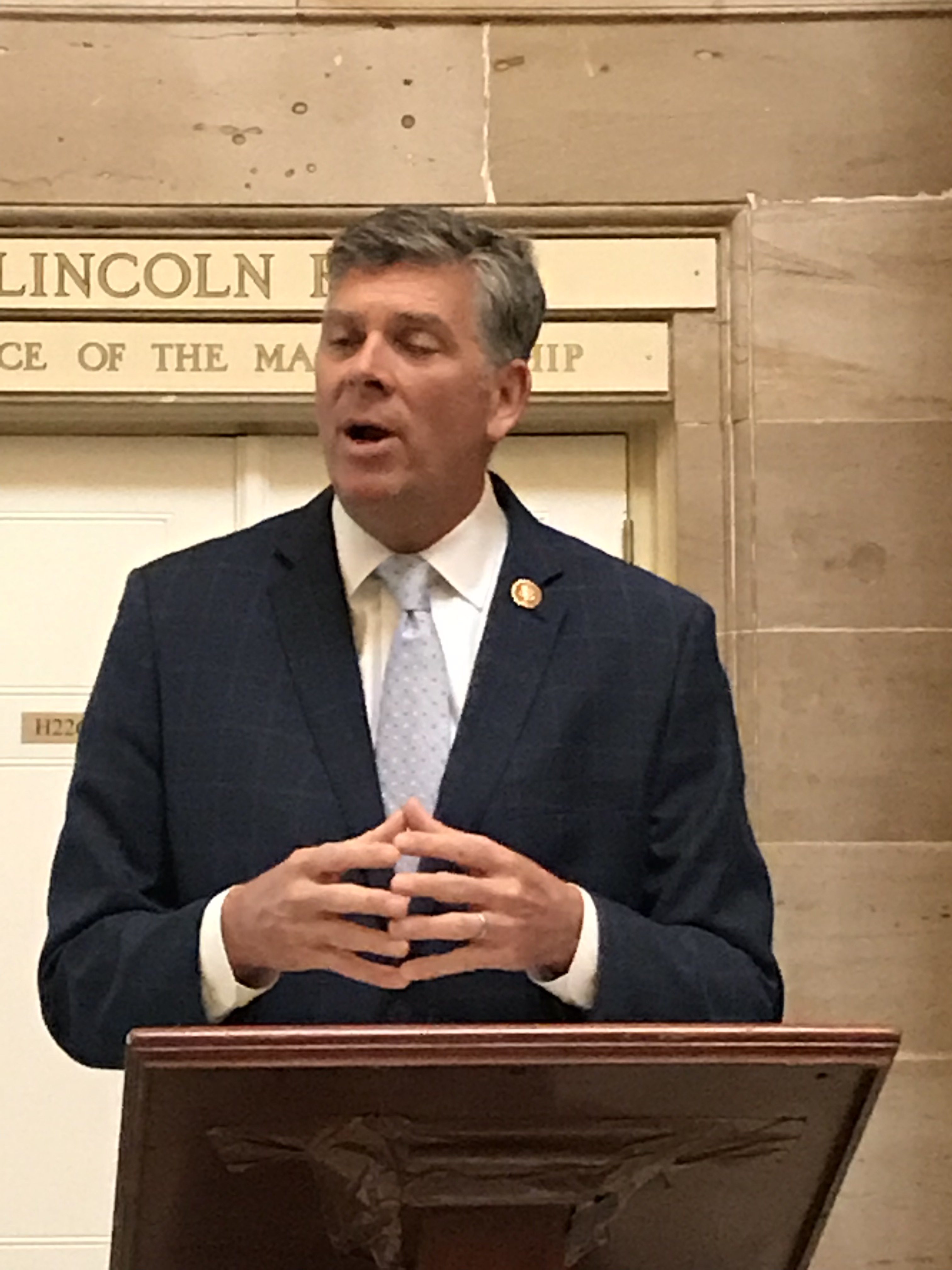
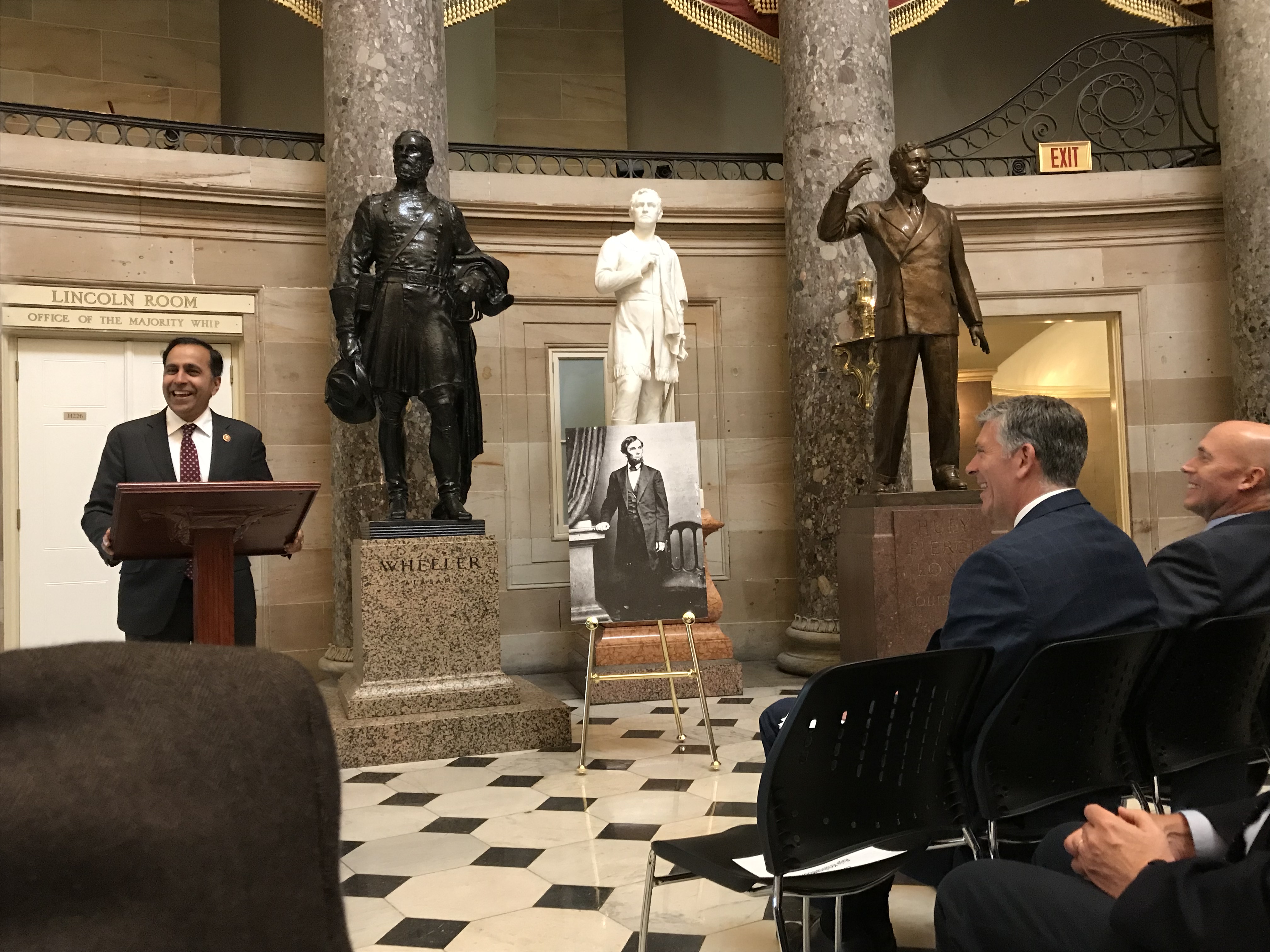
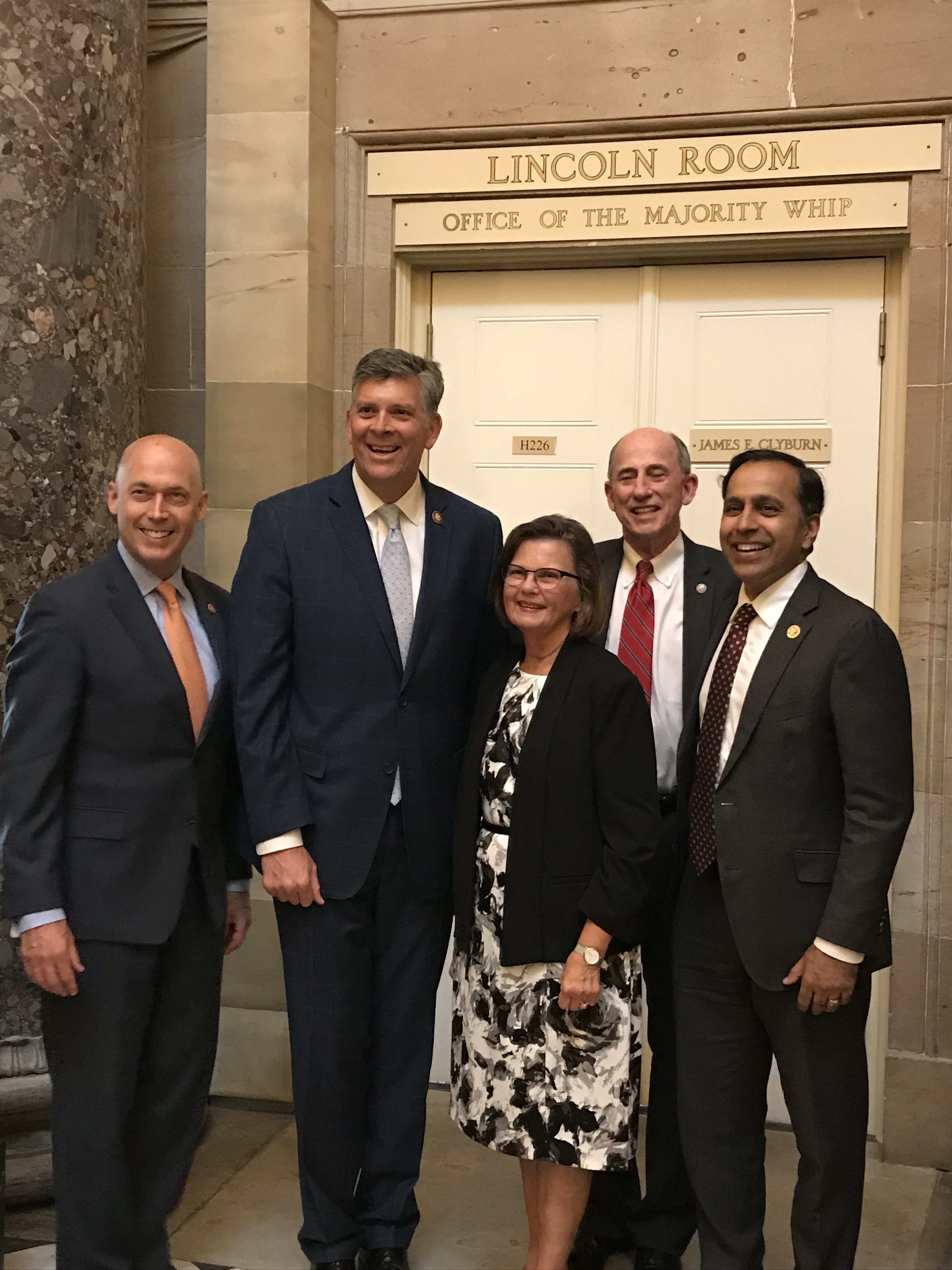
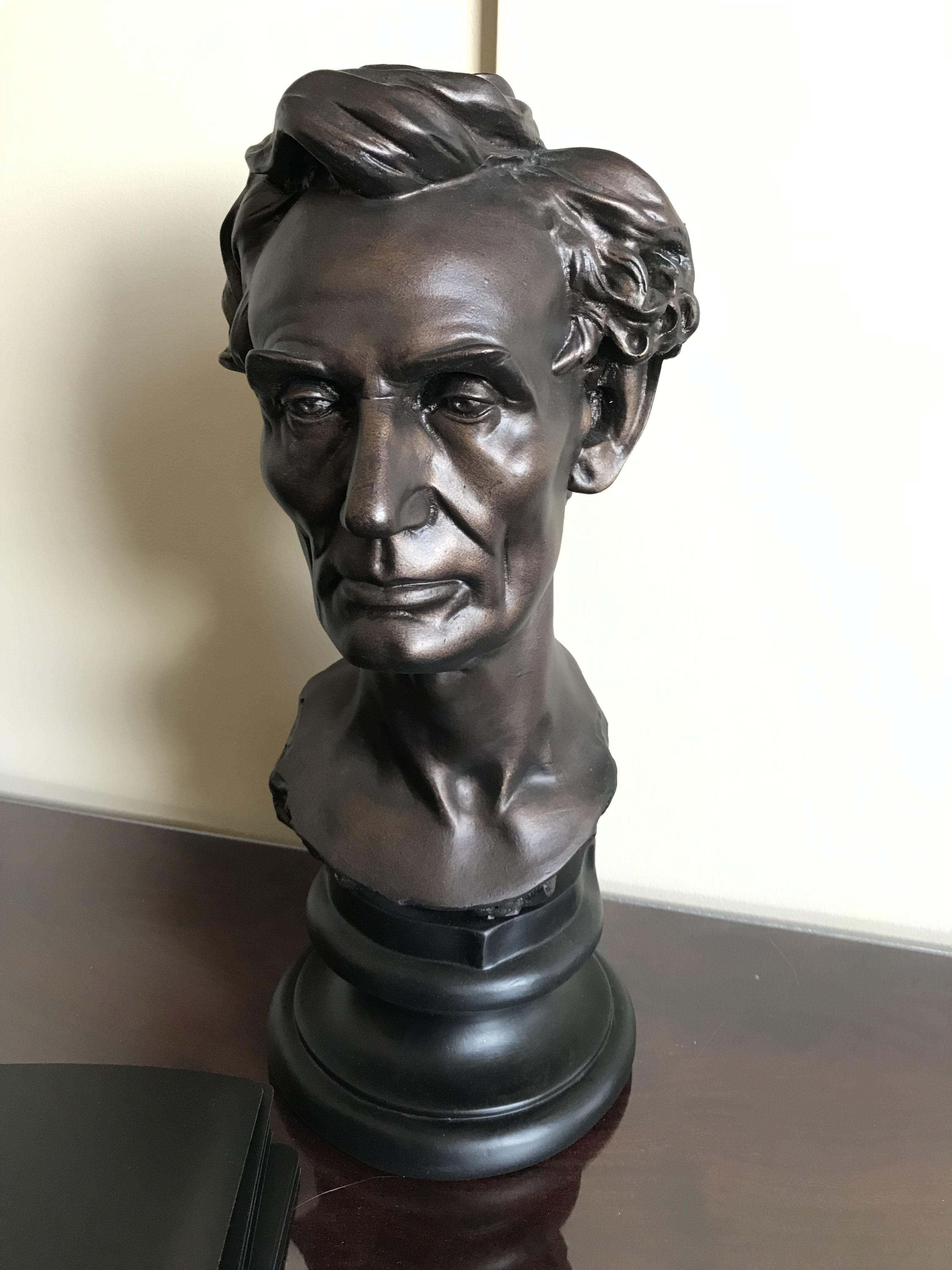
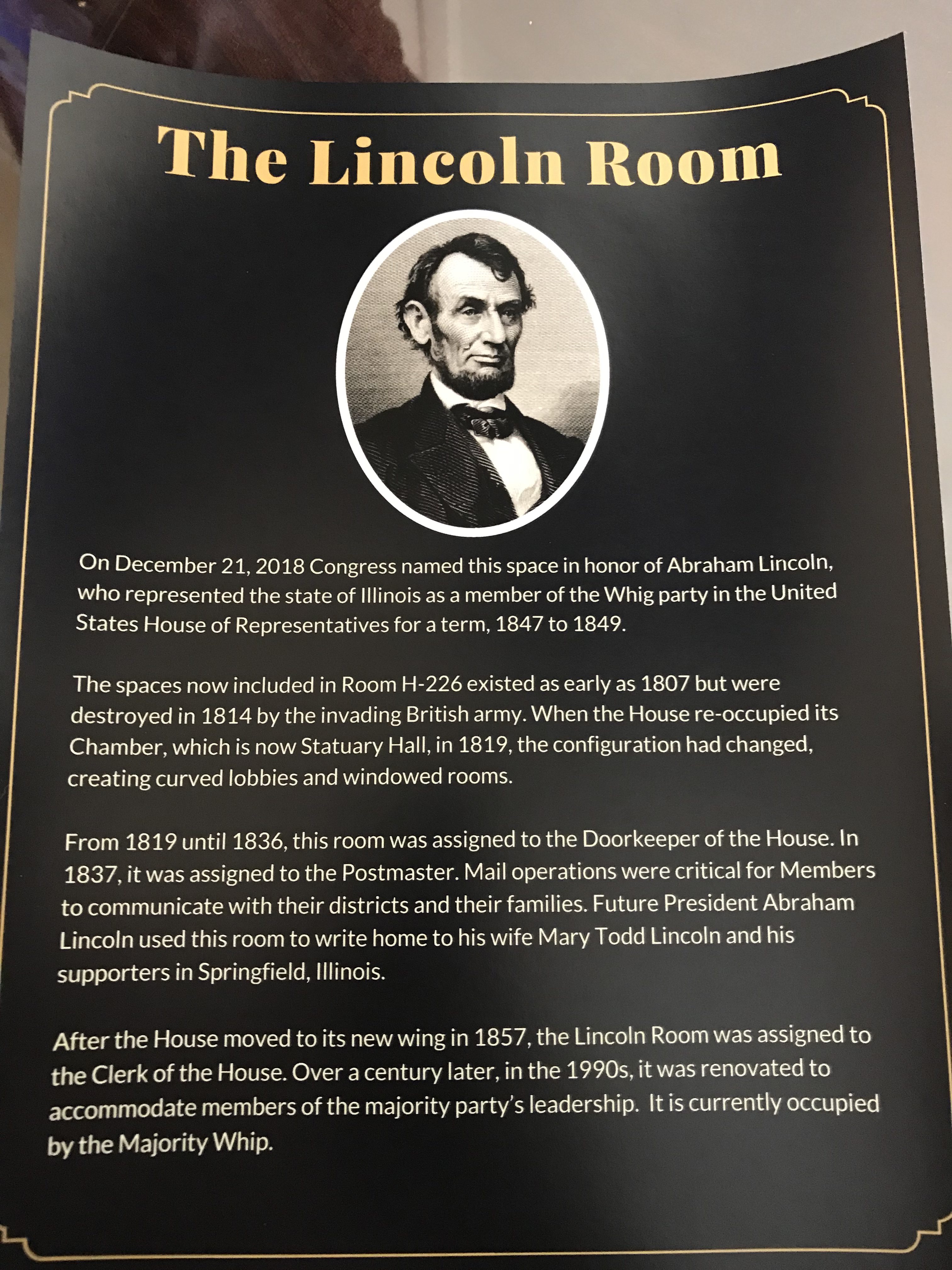
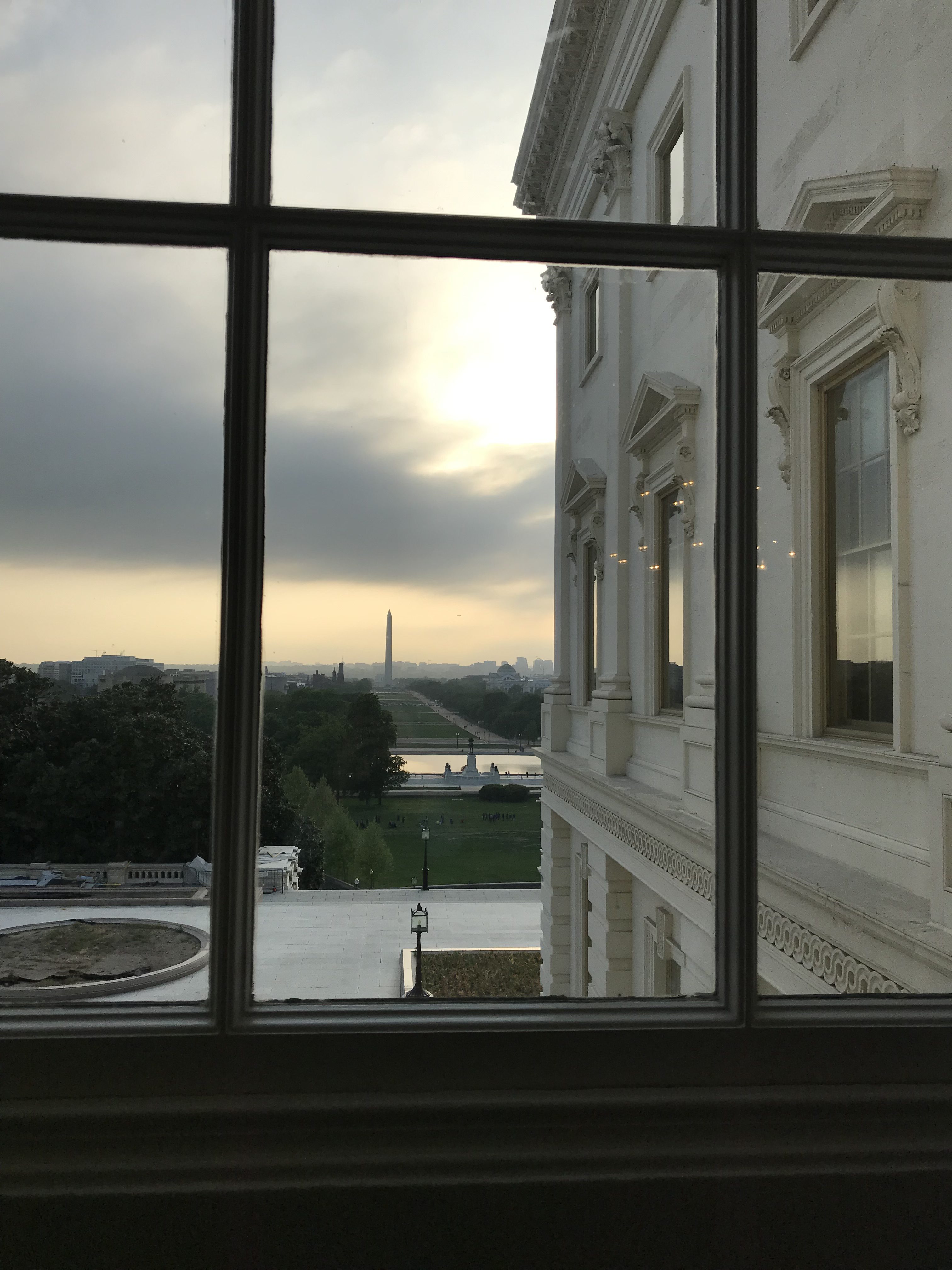
 It’s official. The room once used by Abraham Lincoln has been designated the Lincoln Room by House Resolution 1063. It’s a fitting tribute both to the 16th President of the United States and to Past-President of the Lincoln Group of DC, John Elliff. I was privileged to attend the dedication ceremony on May 1, 2019 in Statuary Hall of the U.S. Capitol Building in Washington, D.C.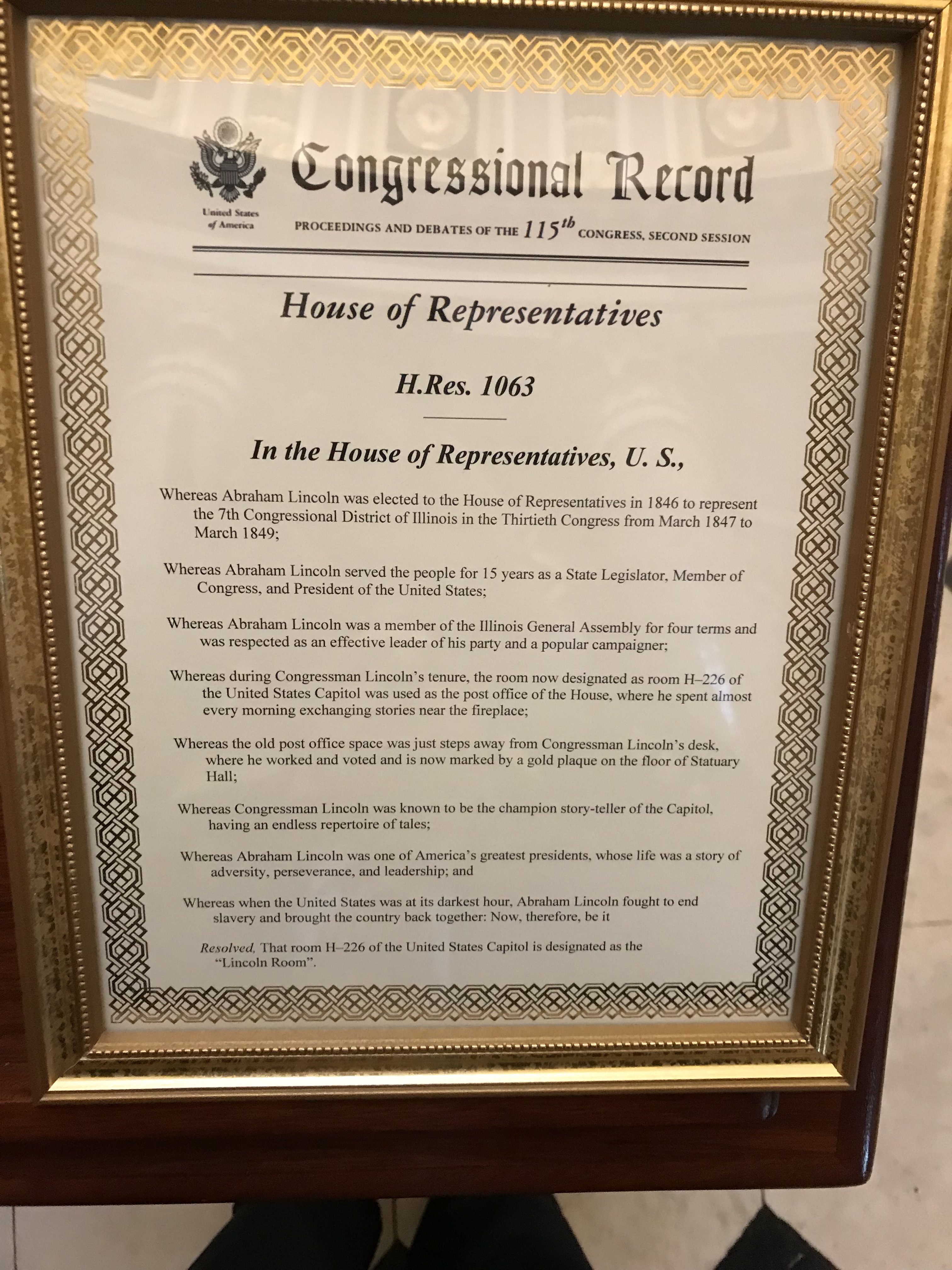
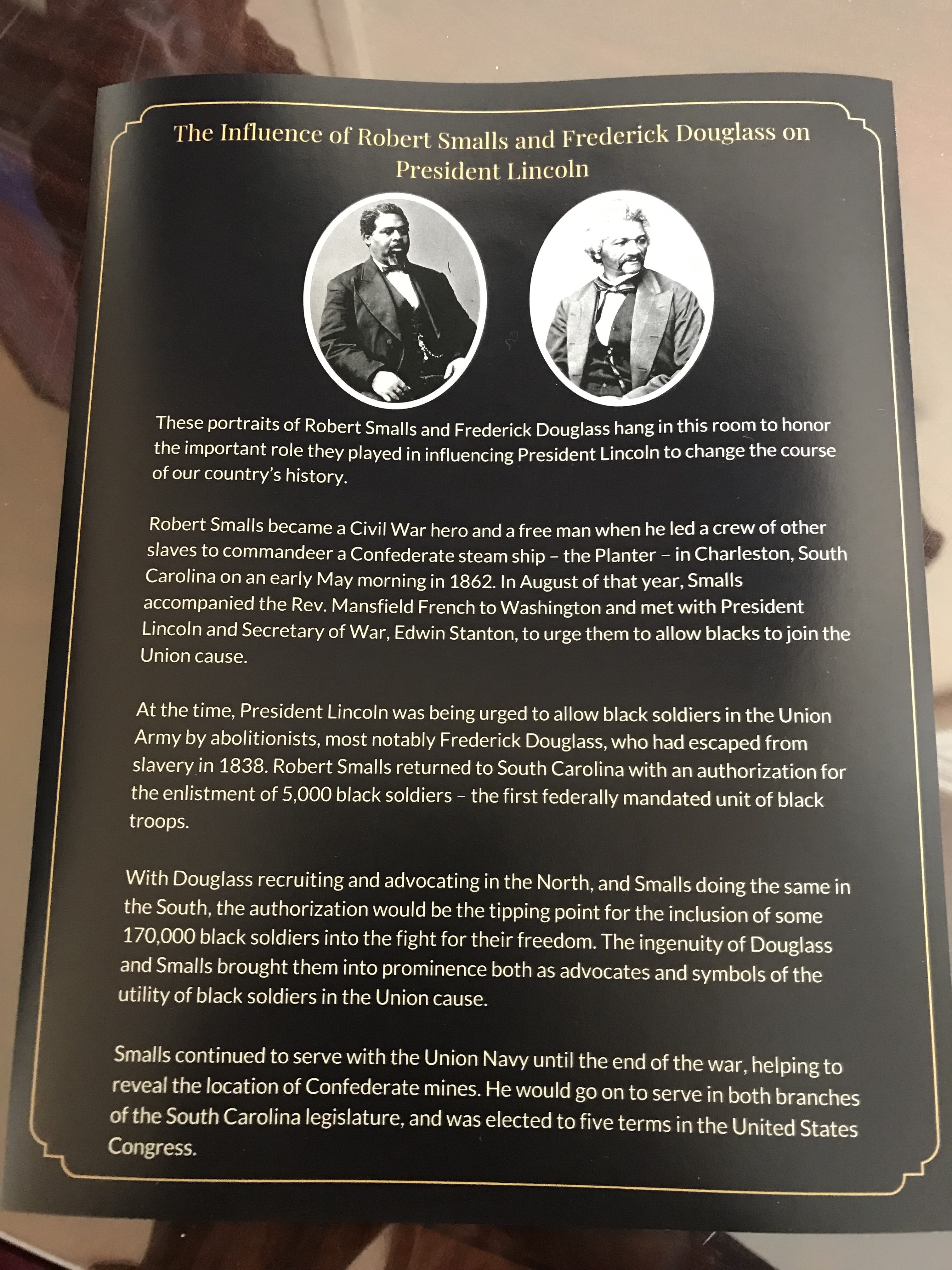
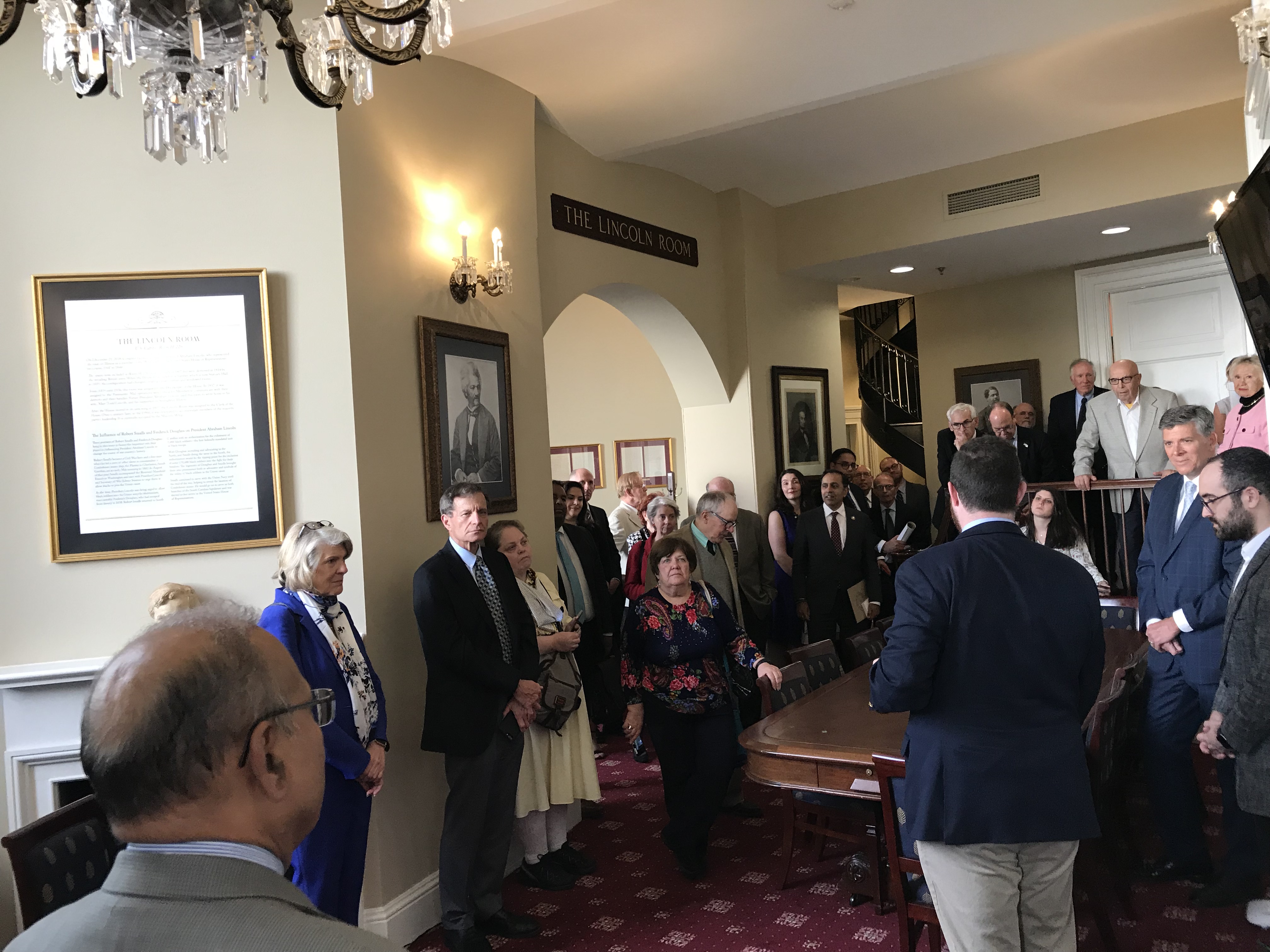
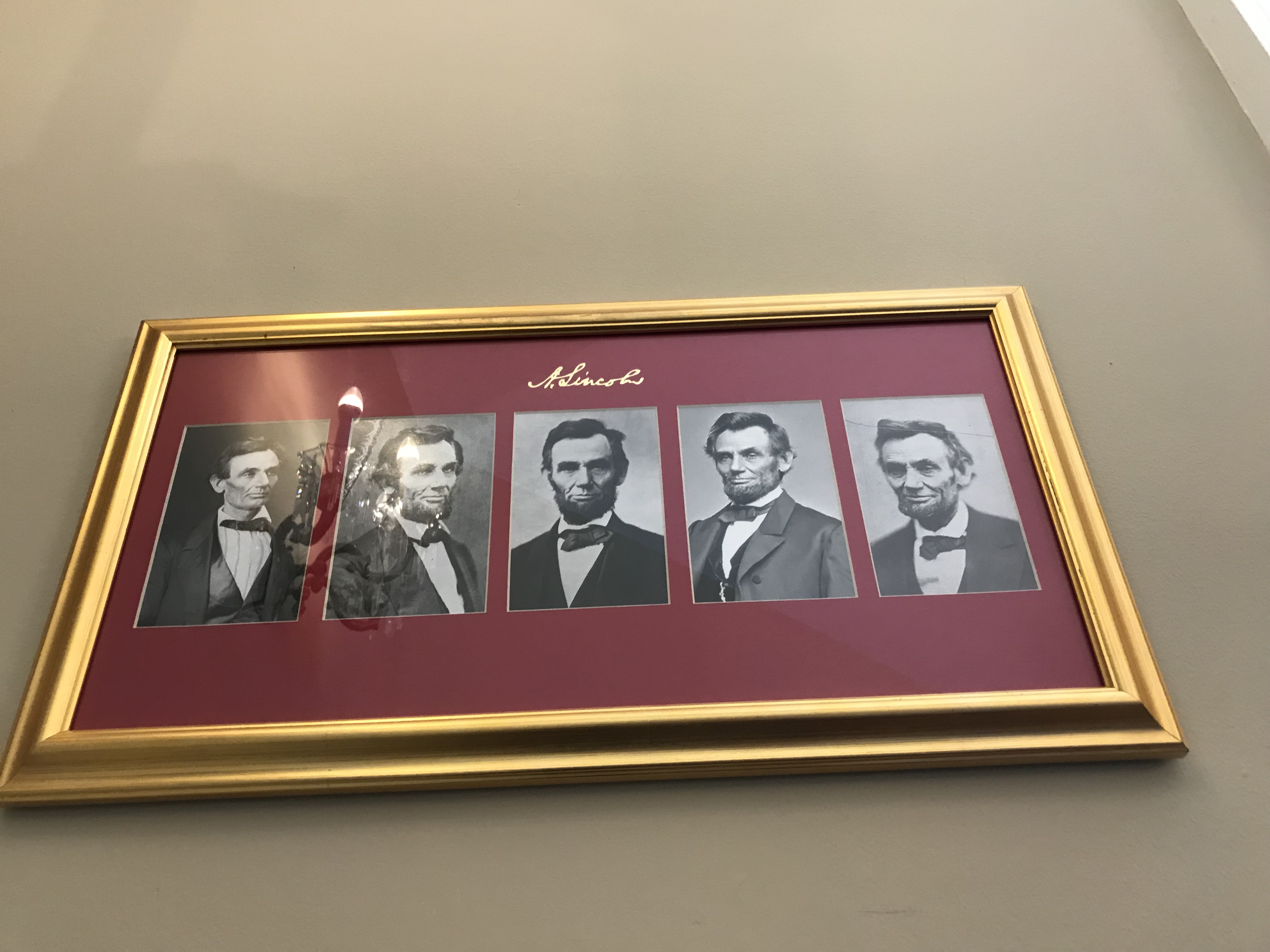
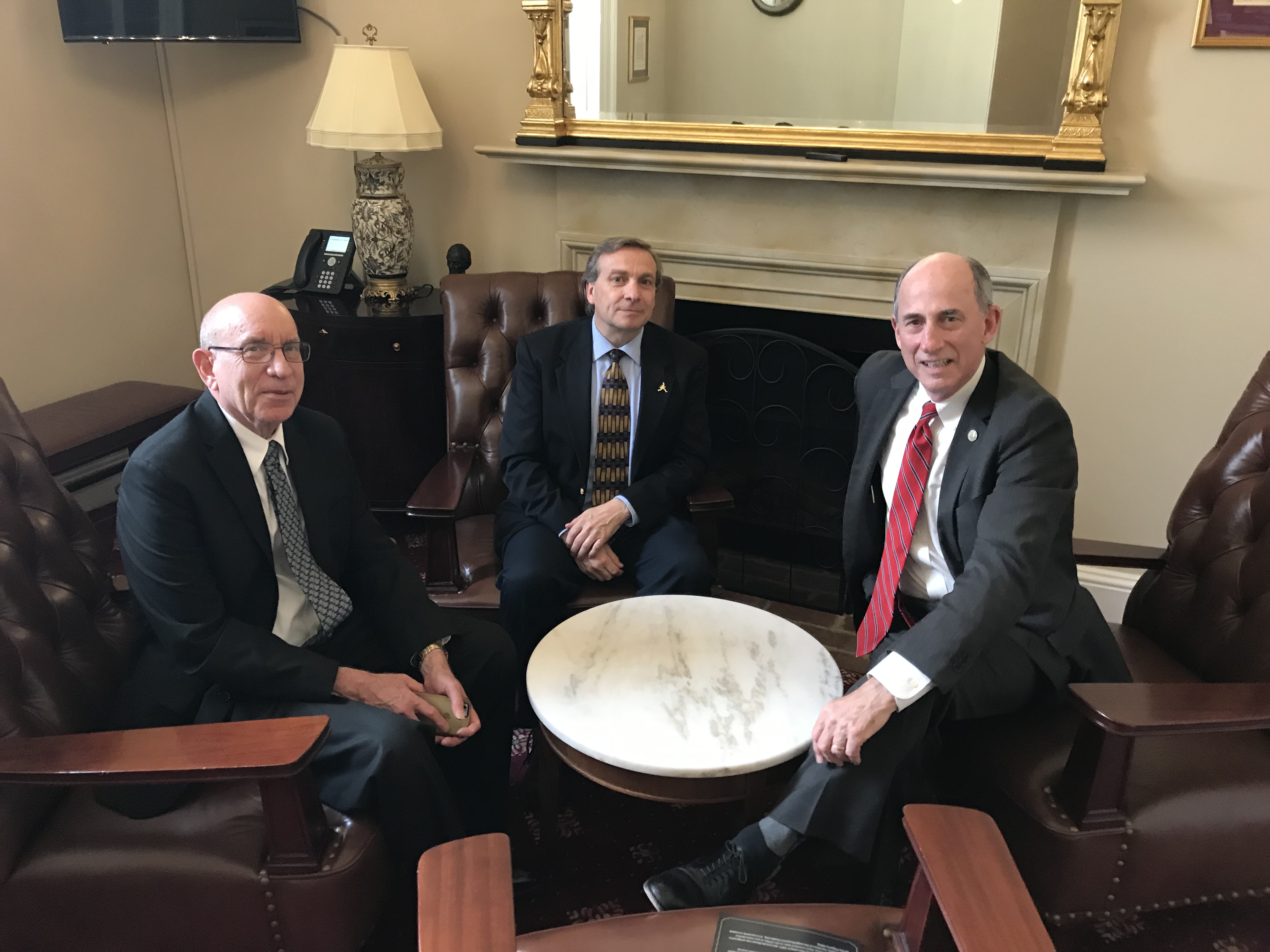
 The Civil War theme didn’t stop there. I also visited an old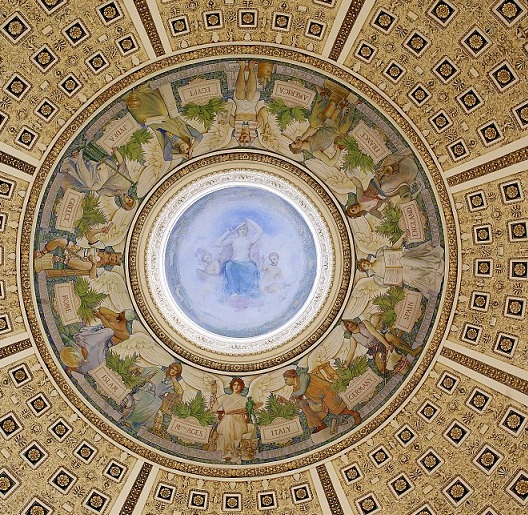
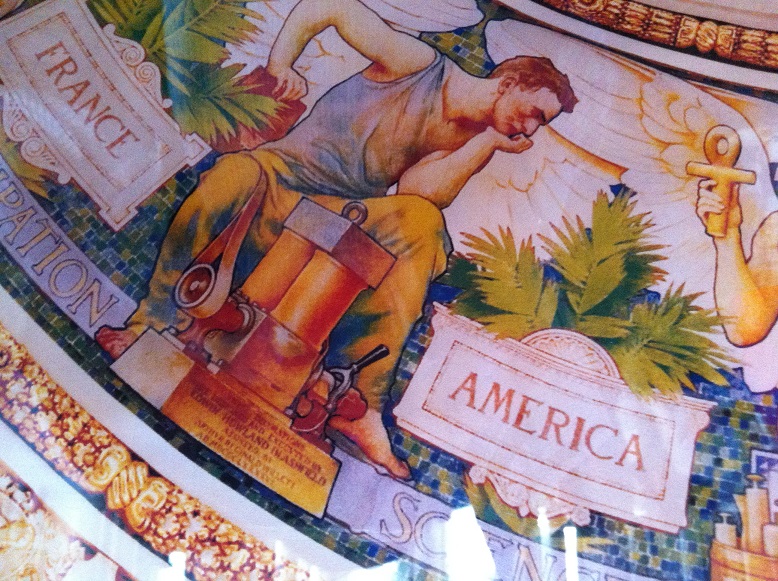 According to the Library of Congress’s Abraham Lincoln and Civil War expert Michelle Krowl, and quoting from the book On These Walls: Inscriptions & Quotations in the Library of Congress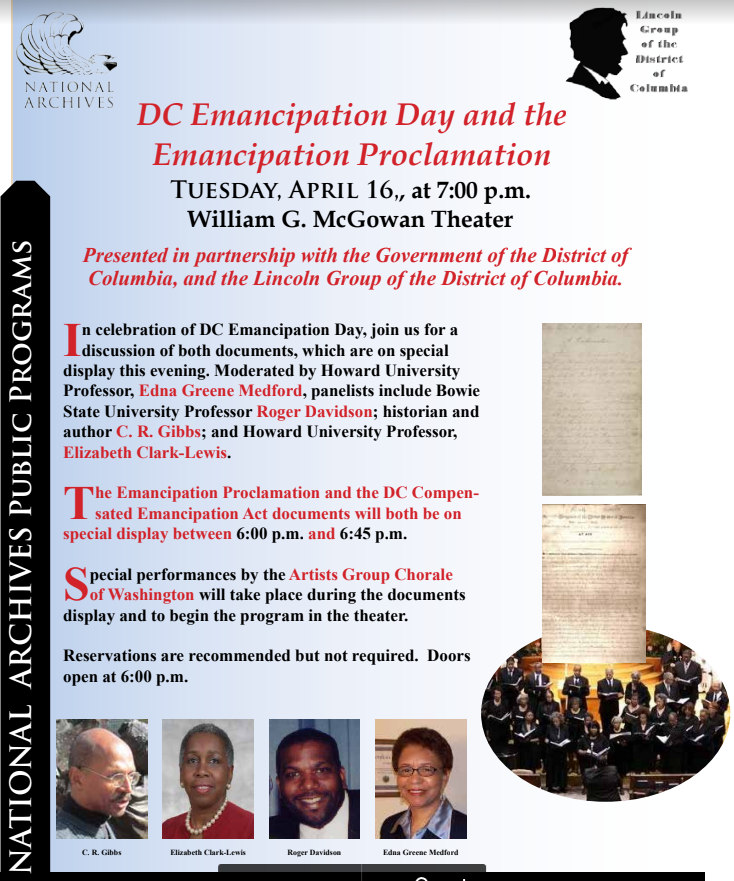
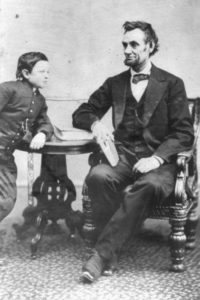 On April 4, 1865, President Abraham Lincoln took his son Tad into the city of Richmond, Virginia. The city had fallen the day before into Union hands two days before. It was Tad’s 12th birthday.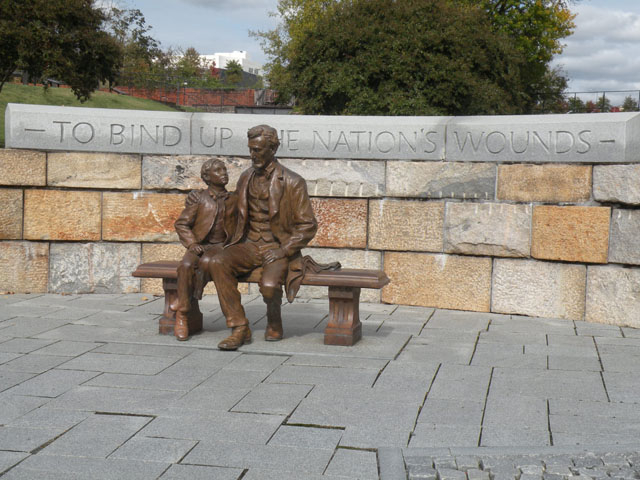
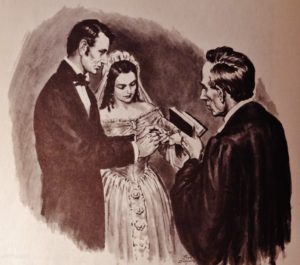 After an unfortunate breakup with a woman named Mary Owens, and with negotiations over moving the capital from Vandalia to Springfield under way, Abraham Lincoln decided to leave New Salem for the big city. The move was advantageous.
 an article published in
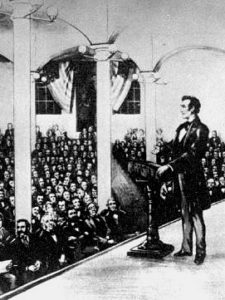 On February 27, 1860, a tall, lanky lawyer from Illinois gave a speech at a place called Cooper Union in New York City. The speech would make Abraham Lincoln president. Sounds a bit hyperbolic to say such a thing, and there were many other factors that contributed to Lincoln’s success that election season, but the speech did more to make his name in eastern society than any other event.