 “Let ’em up easy,” said Abraham Lincoln when asked how to treat the citizens of Petersburg after the long siege was to leave the city defeated. Lincoln wanted to end the war, reunite the nation, and move to the future of these United States. But first the Union needed to get the job done. Not an easy task.
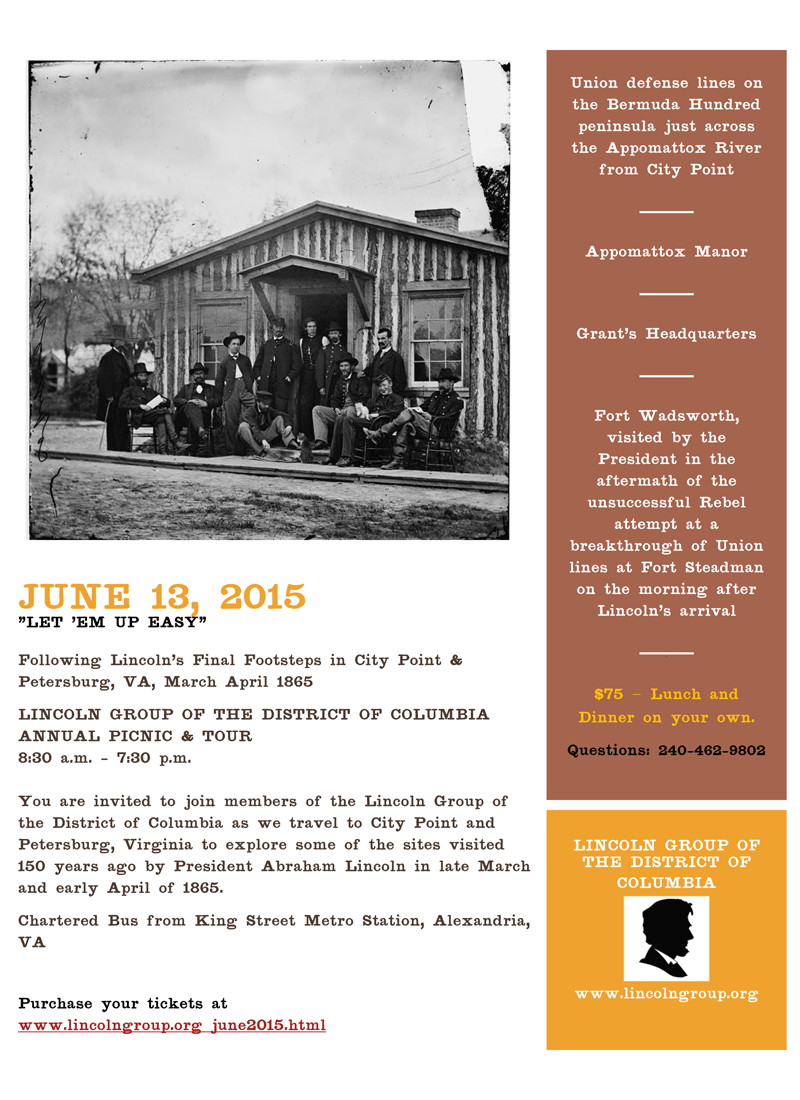
The Lincoln Group of DC followed in Lincoln’s footsteps as he toured Grant’s headquarters at City Point, and then as Petersburg fell, walked the streets of that city. Led by certified Washington tour guide and LGDC member Craig Howell, this was a tour that had its own trials and tribulations ahead of the actual day of victory. Postponed from its original date in June to October 3rd, Hurricane Joaquin and a Nor’easter storm seemed destined to thwart our efforts. Ah, but the tour must go on, and all the participants are glad that it did, despite overcast skies and occasional rain. Not the best conditions, but reminiscent of those that Grant’s troops battled as they fought to save the country.
Starting from King Street Metro in Old Town, Alexandria, our coach (driven by our esteemed driver Howard) streaked down to the Richmond, Virginia area for our first stop at City Point. Now a beautiful convergence of the James and Appomattox Rivers, City Point became a bustling supply port for Union forces. At any given time there could be 200 vessels lining the docks, offloading food for nearly 100,000 soldiers, weapons and gunpowder, hay and other foods for the horses and livestock, and supplies to build railroads.
At City point there is a comfortable house, home of Dr. Richard Eppes, a plantation and slave owner who nonetheless disagreed with Virginia’s decision to secede. Craig informed us that the home was used by the most important Union officer on the site – the Quartermaster, who coordinates the supply chain. General-in-Chief Ulysses S. Grant chose to set up camp in tents on the lawn beside the house; those tents became sturdier cabins once it was clear the siege would extend through the winter.
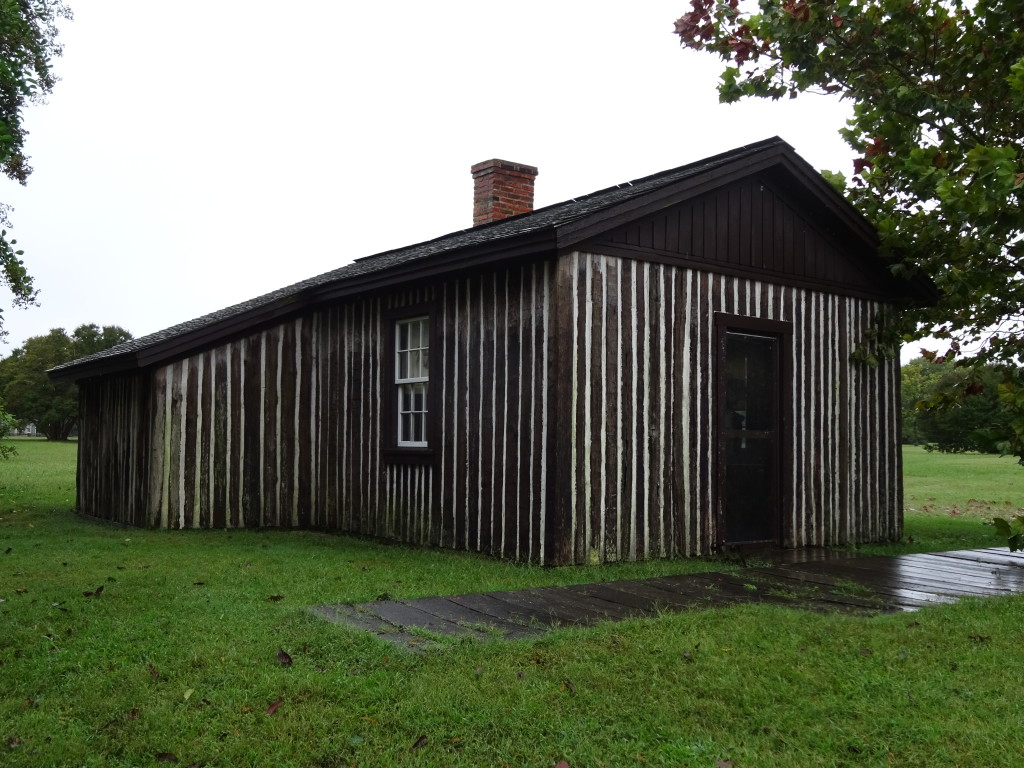
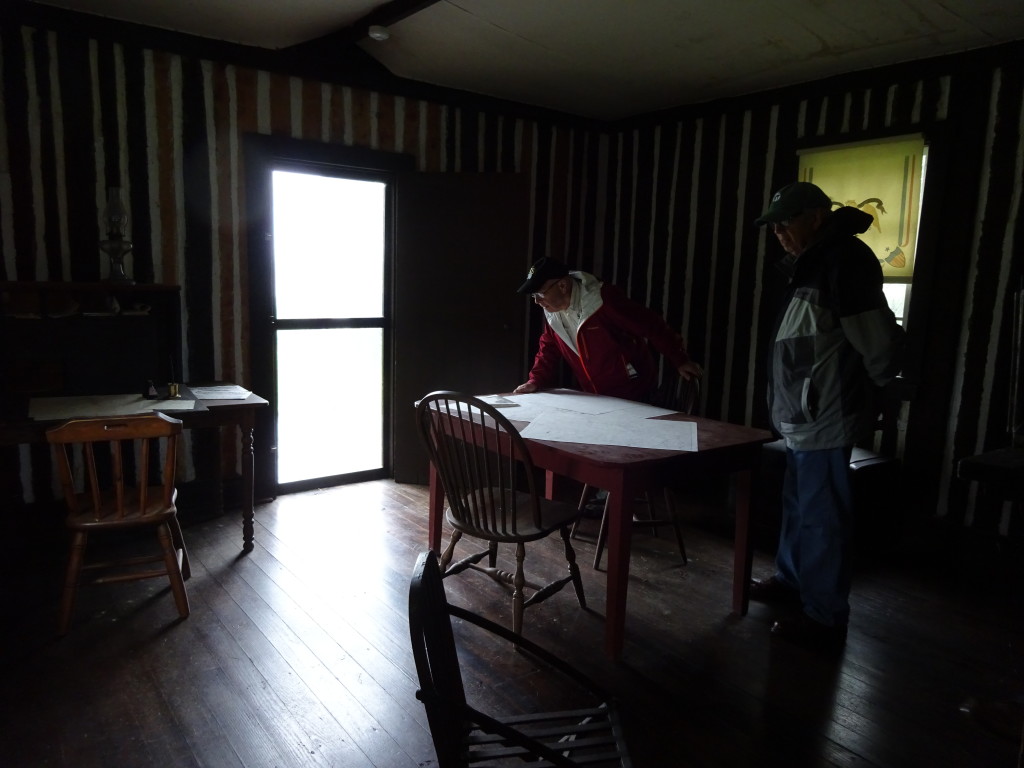
At the time there were many tents, then cabins, but after the war all but one were removed as Eppes returned to his still standing but somewhat worse-for-wear home. Grant would guide his troops from there until the end of the siege. Lincoln had been there in June 1864, but for his last trip would arrive at City Point on March 24, 1865, from where he conferred with Grant, visited local hospitals, and reviewed the troops. Ray and John do there best recreation of Grant and Lincoln discussing troop movements.
From City Point we went on to Fort Wadsworth, where Lincoln reviewed strategy and met with troops only a couple of miles from Confederate front lines. Then on to the Wallace House in Petersburg, where Lincoln and Grant sat on the front porch discussing strategy for ending the war and beginning the reconstruction. Finally, we received a tour of Centre Hill, the biggest home in Petersburg and the location of yet another meeting between Lincoln and his generals.
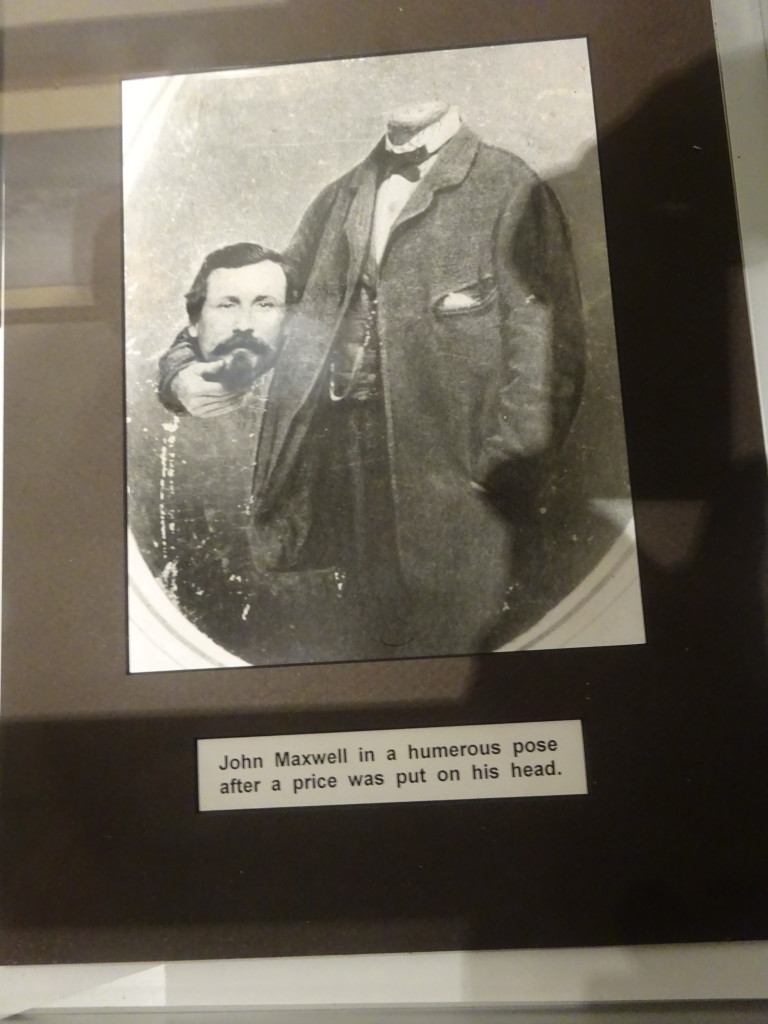
As always, Craig Howell regaled our group with an incredible depth of knowledge that rivals the iconic Ed Bearss. Craig’s command of all the key players, their history, of troop movements, and wonderful stories add so much to the locations we visit. A good example is his recounting of the strange case of John Maxwell, a Confederate who destroyed much of the City Point docks with a “horological torpedo” (aka, a time bomb).
Our knowledge of City Point and the Petersburg campaign is assuredly greatly enhance thanks to Craig, and despite the dampness everyone had a great time following in the footsteps of Abraham Lincoln.
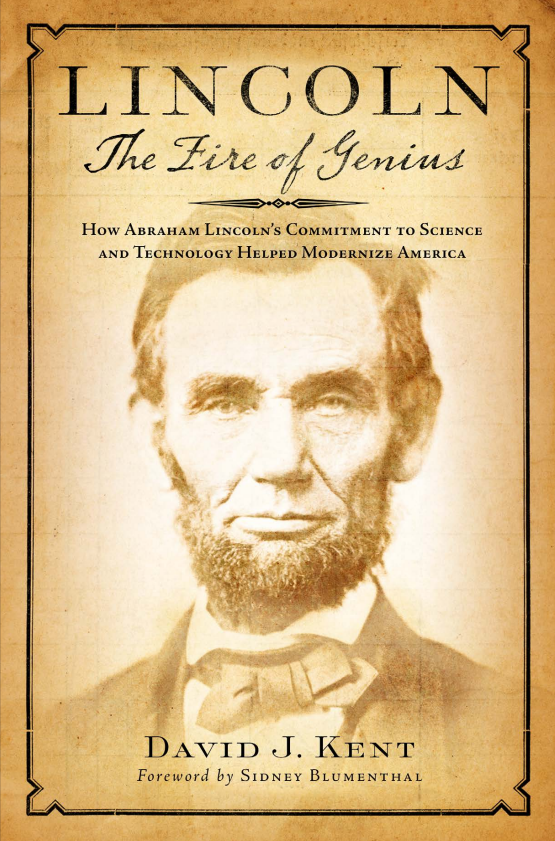
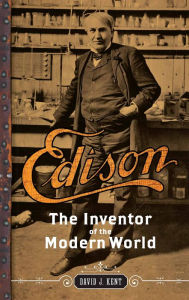
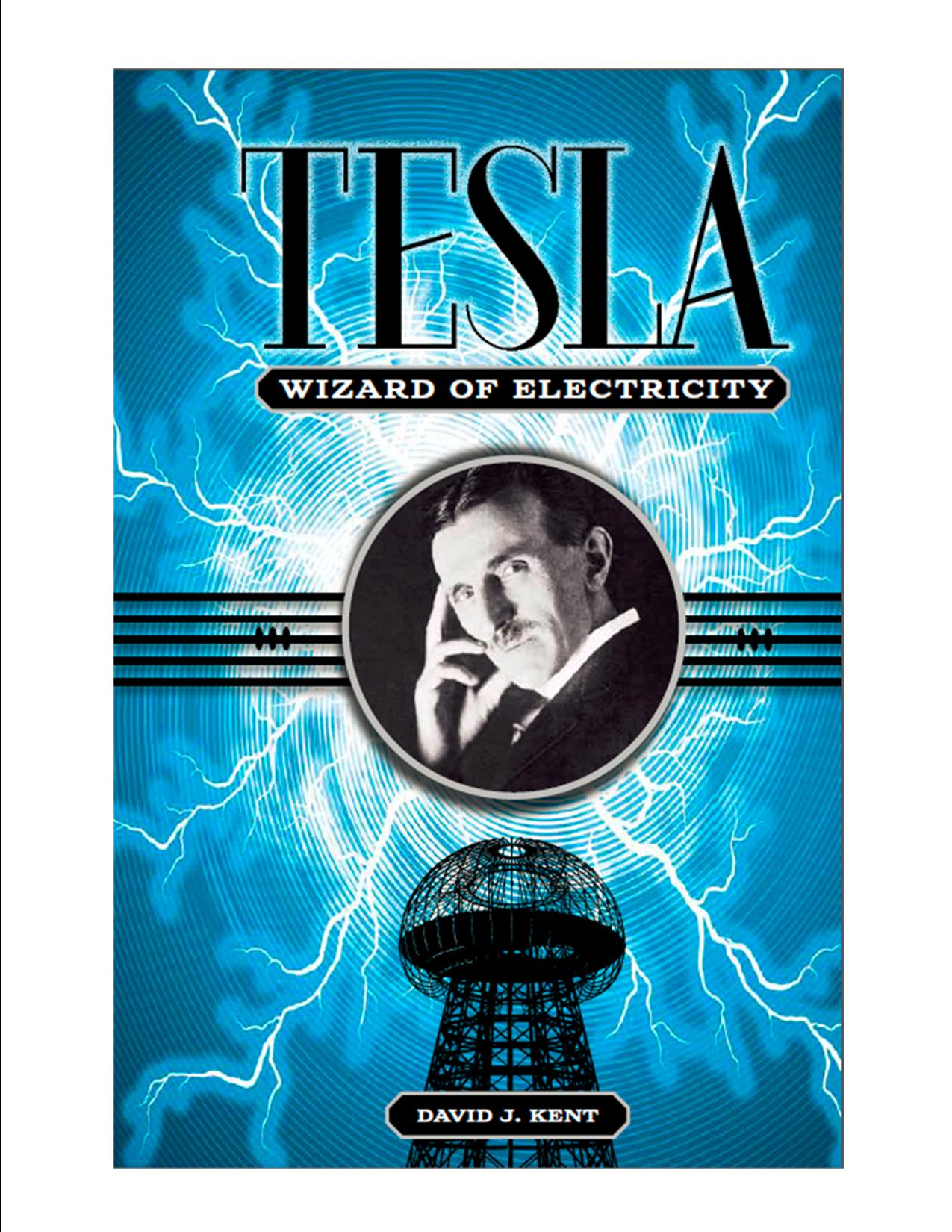
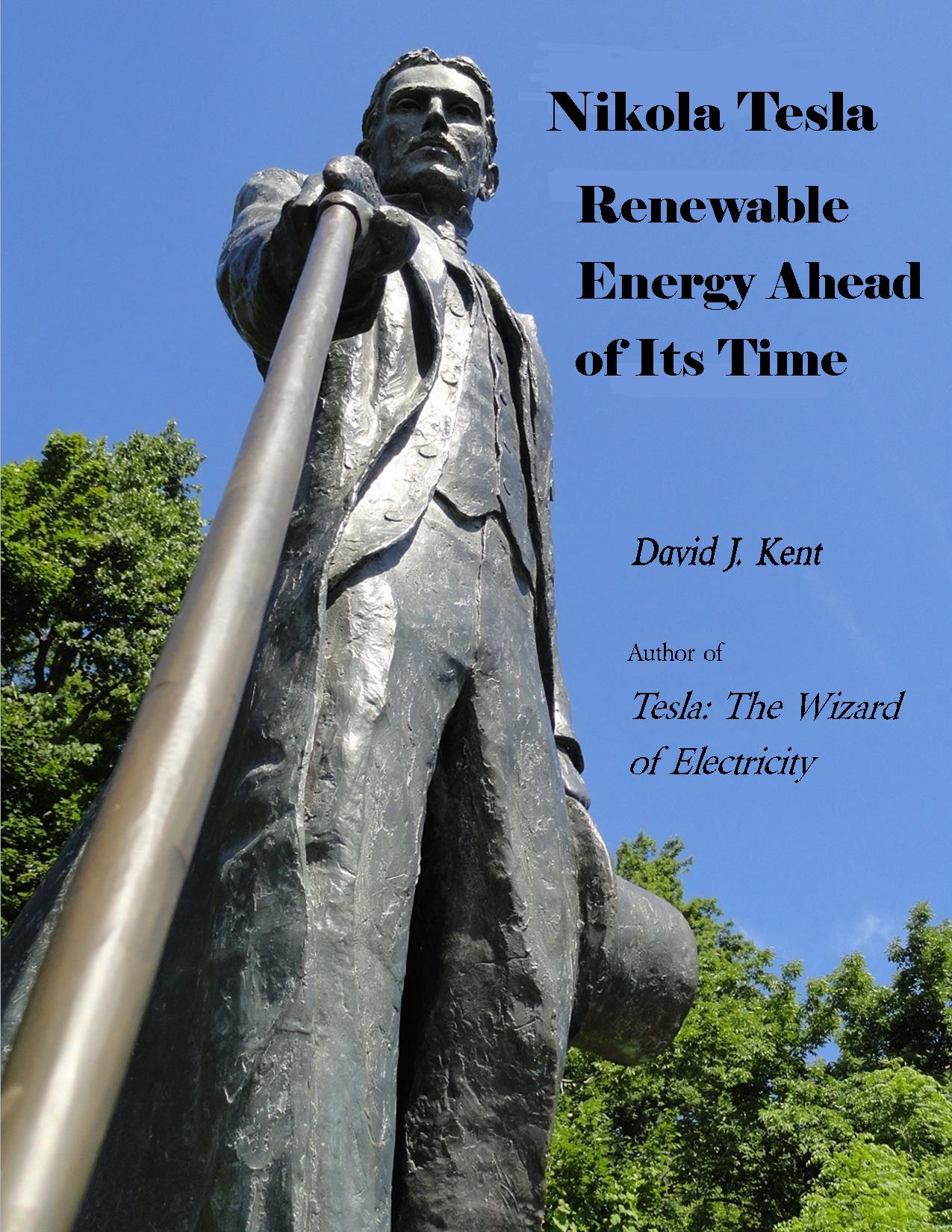
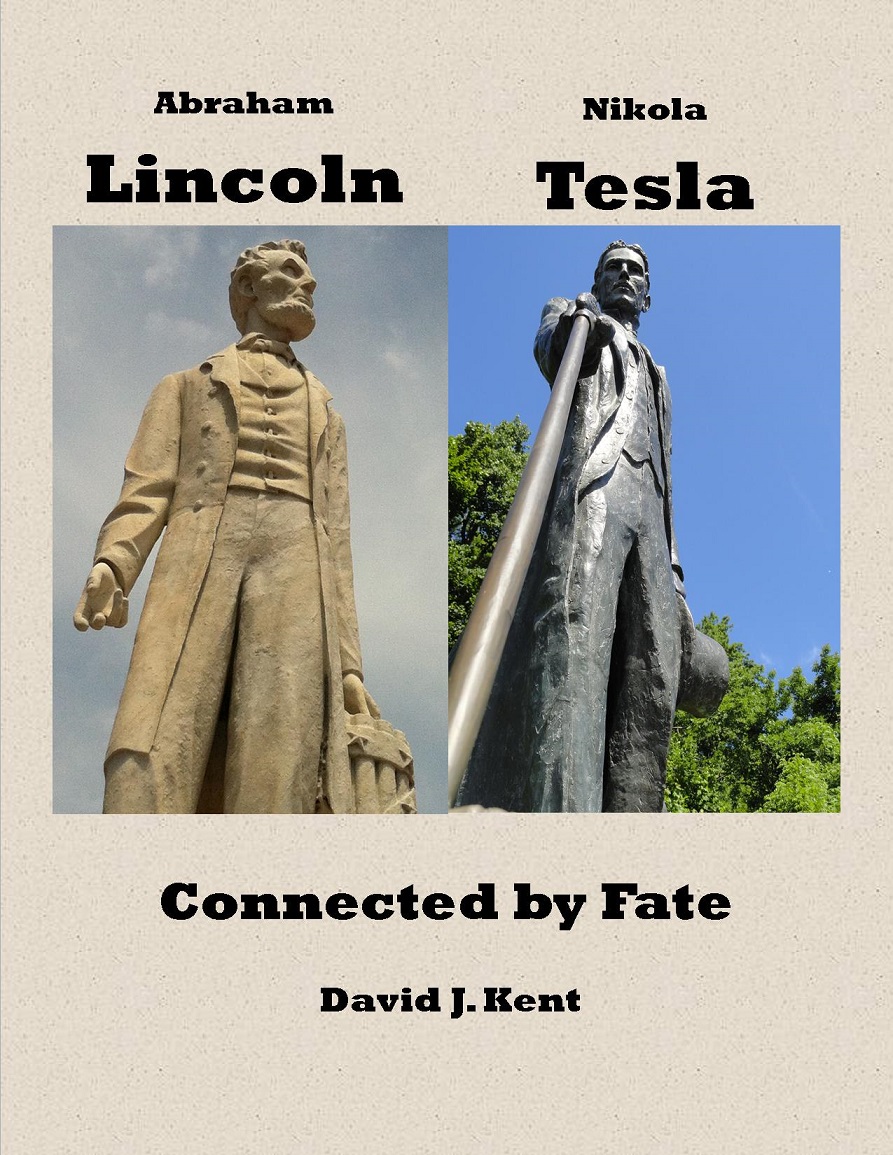
David J. Kent has been a scientist for thirty-five years, is an avid science traveler, and an independent Abraham Lincoln historian. He is the author of Tesla: The Wizard of Electricity (now in its 5th printing) and two e-books: Nikola Tesla: Renewable Energy Ahead of Its Time and Abraham Lincoln and Nikola Tesla: Connected by Fate. His book on Thomas Edison is due in Barnes and Noble stores in spring 2016.
Follow me by subscribing by email on the home page. And feel free to “Like” my Facebook author’s page and connect on LinkedIn. Share with your friends using the buttons below.
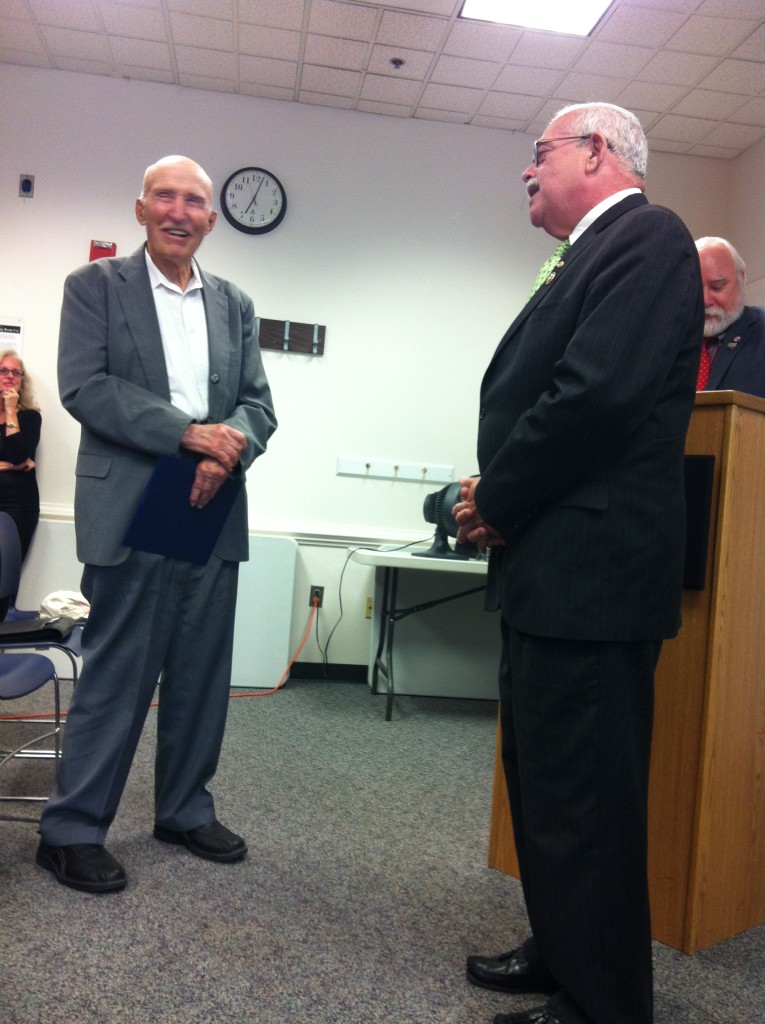
 Our monthly dinner and lecture meetings return on Sept. 15th with Michael Ross, who will speak about “Lincoln and Johnson: The Struggle to Re-unite a Nation.”
 Join us on a tour of “Lincoln’s Final Footsteps” as he visits General Grant at City Point and Petersburg. Among the stops are Grant’s headquarters, Appomattox Manor, Fort Wadsworth, and the Wallace House and Centre Hill Mansion in Petersburg. Tour led by registered master tour guide Craig Howell.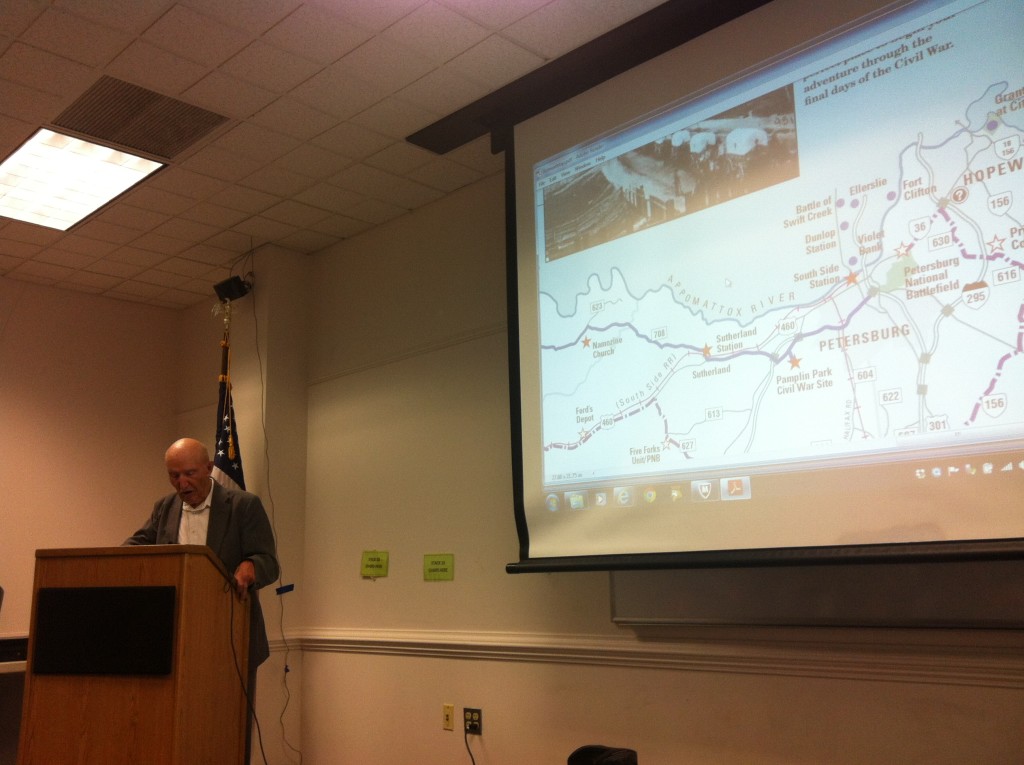
 Historian Richard Wightman Fox employs a unique concept in discussing Abraham Lincoln: Lincoln’s body. His body – the physical, the figurative, the aura, and the memory – is used to trace how he was perceived at the time and during several periods since then to the present day. In doing so, Fox has successfully provided a mirror into not only Abraham Lincoln, but ourselves.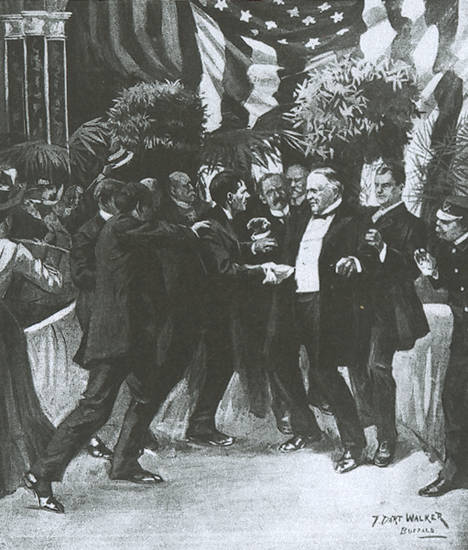
 As I’ve mentioned before,