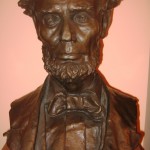
 Today is the 206th birthday of Abraham Lincoln, our 16th and perhaps most well known President. And as usual, I’m chasing Abraham Lincoln.
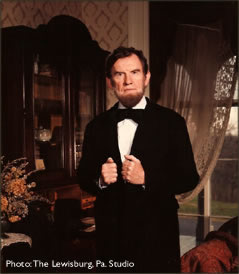
Those who know me already understand that though my career has been in science, I’ve continued to research Abraham Lincoln independently. It began for some unremembered reason when I was young, and has continued throughout my life. Seems I’m always chasing Lincoln somewhere, and I admit having a few odd Lincoln collectibles around the house/storage. One of my prize possessions is the bust that serves as today’s photo.
It seems Lincoln has come into vogue again. A ton of special exhibits and events have been going on since his 200th birthday in 2009 and have continued over the last four years as we celebrate the sesquicentennial of the Civil War. The presence of a fellow Illinoisian in the White House also sparked a great deal of interest. Besides the obvious connections, it helped that President Obama himself has a fascination with Lincoln, even to the point of reading Doris Kearns Goodwin’s book Team of Rivals on the campaign trail (at 850 pages, not a minor effort!) and using Lincoln’s own bible to take the oath of office.
I, too, read Team of Rivals during the bicentennial year of his birth, and like many of my nearly 1000 books on Lincoln, it’s a signed first edition. Ironically, I had been waiting for the years leading up to the bicentennial so I could help celebrate Lincoln’s birth, but then found myself relocated to a life in Brussels, Belgium during that time and missed most of the special events. Since my return to the states, however, I’ve become even more active in Lincoln-related events, joining the Lincoln Group of the District of Columbia (LGDC) and this past year becoming Vice President of Outreach and Education.
In fact, LGDC will celebrate Lincoln’s birthday tonight with dinner and a lecture by acclaimed author Joseph Fornieri.
So while I’ve been chasing Lincoln most of my life, I’m very glad that so many others have finally discovered him. He is even much more fascinating – and complex – than most people realize.
Happy birthday, Mr. President, Abraham Lincoln!
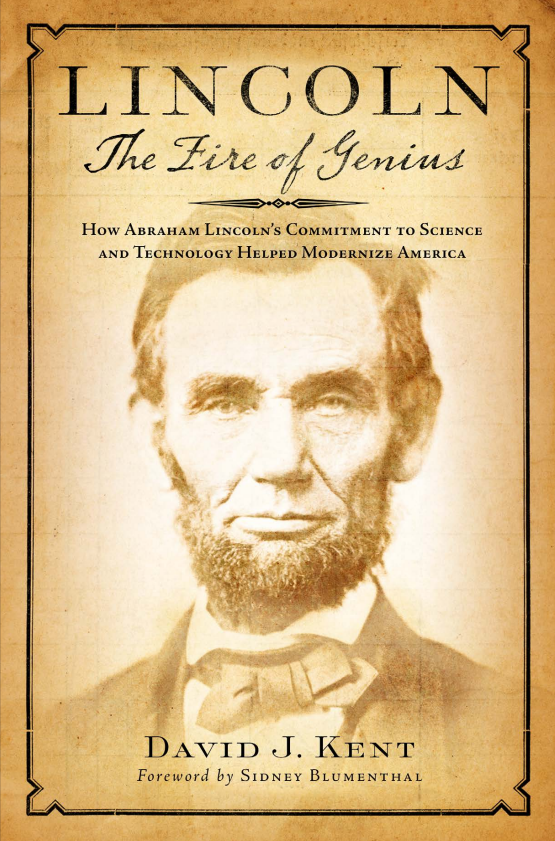
David J. Kent is a lifelong Lincolnophile and is currently working on a book about Abraham Lincoln’s interest in science and technology. He is also the author of Tesla: The Wizard of Electricity and an ebook Nikola Tesla: Renewable Energy Ahead of Its Time. His next book is about Thomas Edison.
“Like” me on my Facebook author’s page and share the news with your friends using the buttons below. Also check me out on Goodreads.
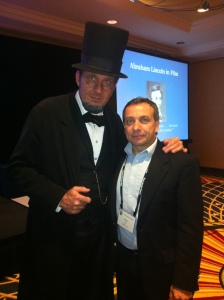

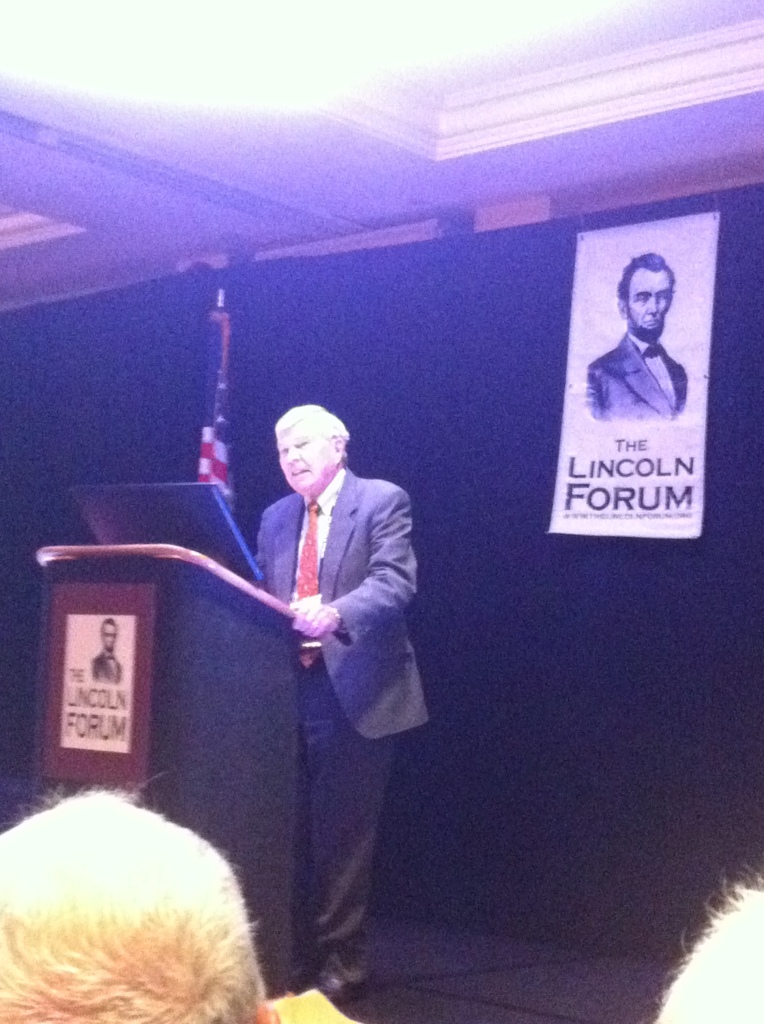
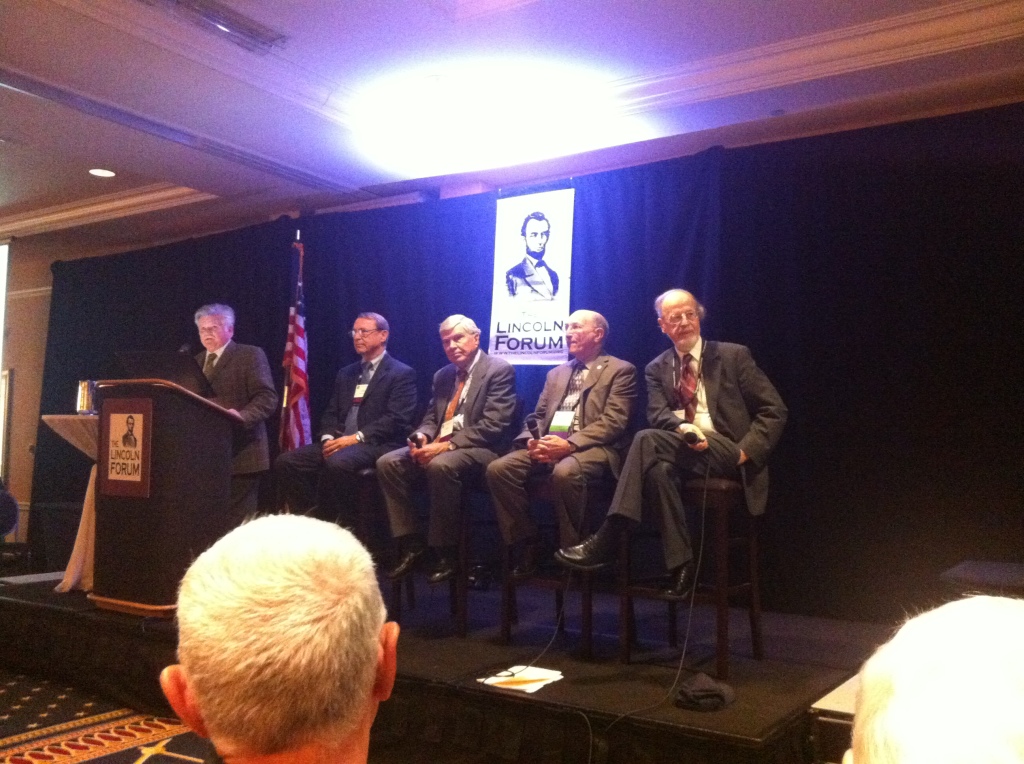
 Elizabeth Varon, Professor of History at the University of Virginia, then provided some insights on the election from the South in her talk “Catastrophe or Setback? The Election of 1864 in Confederate Eyes.”
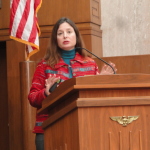 “The Summer of ’64” was a critical time period that significantly impacted the election, said University of Kansas Professor Jennifer Weber, author of Copperheads. Grant’s overland campaign had even die-hard Unionists war weary; Weber explored many reasons how military disasters turned into Union – and Lincoln’s – victories.
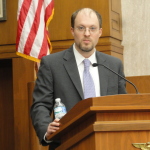 Speaking of the military, the soldier vote was crucial to Lincoln’s electoral victory in November. Christopher Newport University Professor and historian Jonathan W. White examined voting dynamics that possibly changed the outcome of the election in “Emancipation and the Soldier Vote of 1864.”
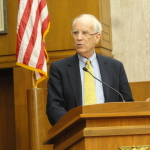 Following these great talks was our keynote speaker, noted historian Michael Burlingame, author and editor of numerous books on Abraham Lincoln. In a wide-ranging talk, Burlingame brought us into the opposition Lincoln faced in reelection, including many in his own party. His “Radicals, Abolitionists, and Lincoln’s Reelection” explored the fickleness not just of the public, but of the lawmakers and generals who worked for and against Lincoln.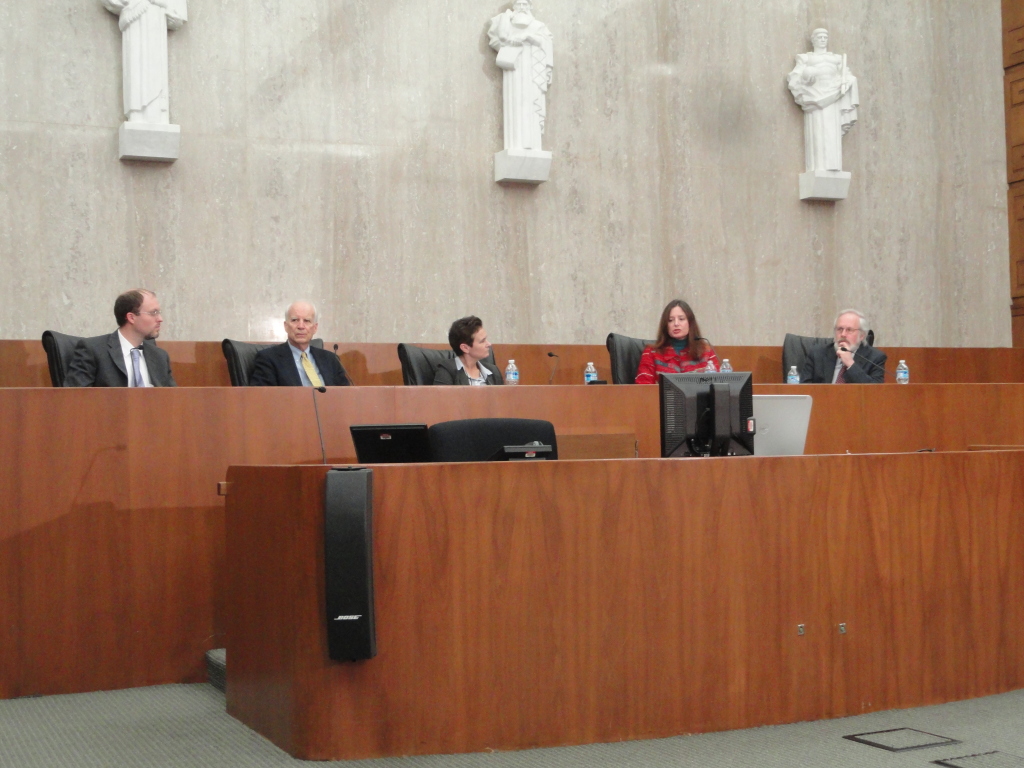
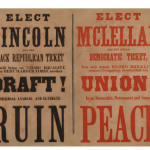 Abraham Lincoln was reelected for a second term in 1864, which surprised everyone,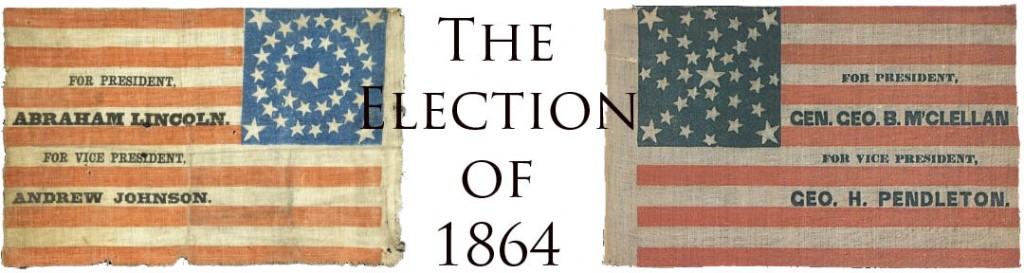
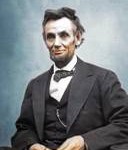 As the Civil War raged on, things weren’t looking so good for the reelection of Abraham Lincoln. In August 1864 Lincoln asked his entire cabinet to sign the back of what became the “
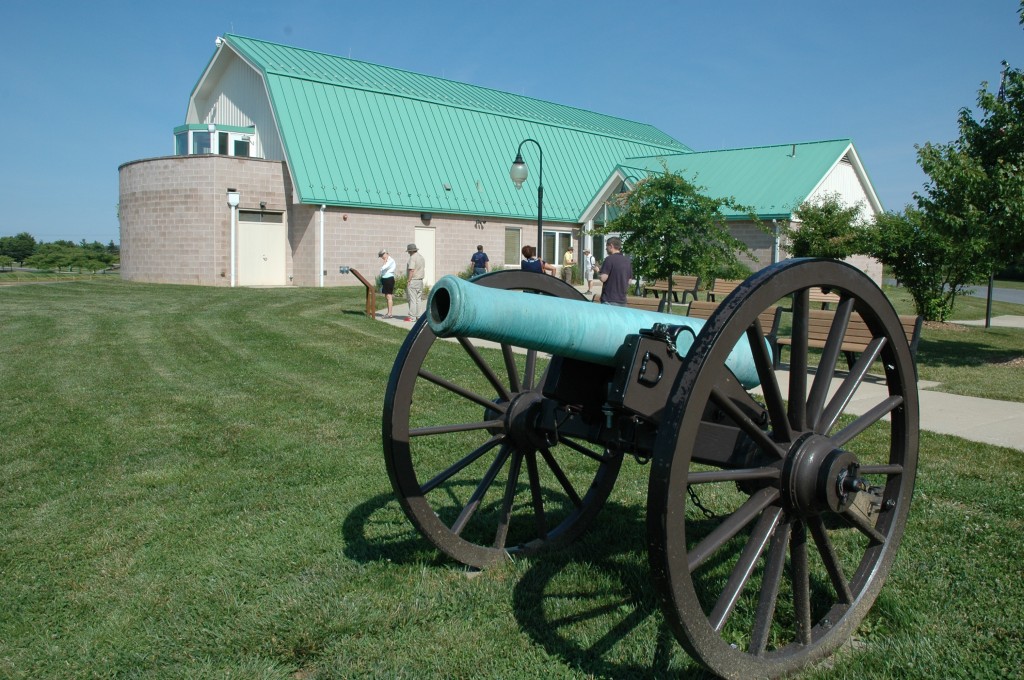
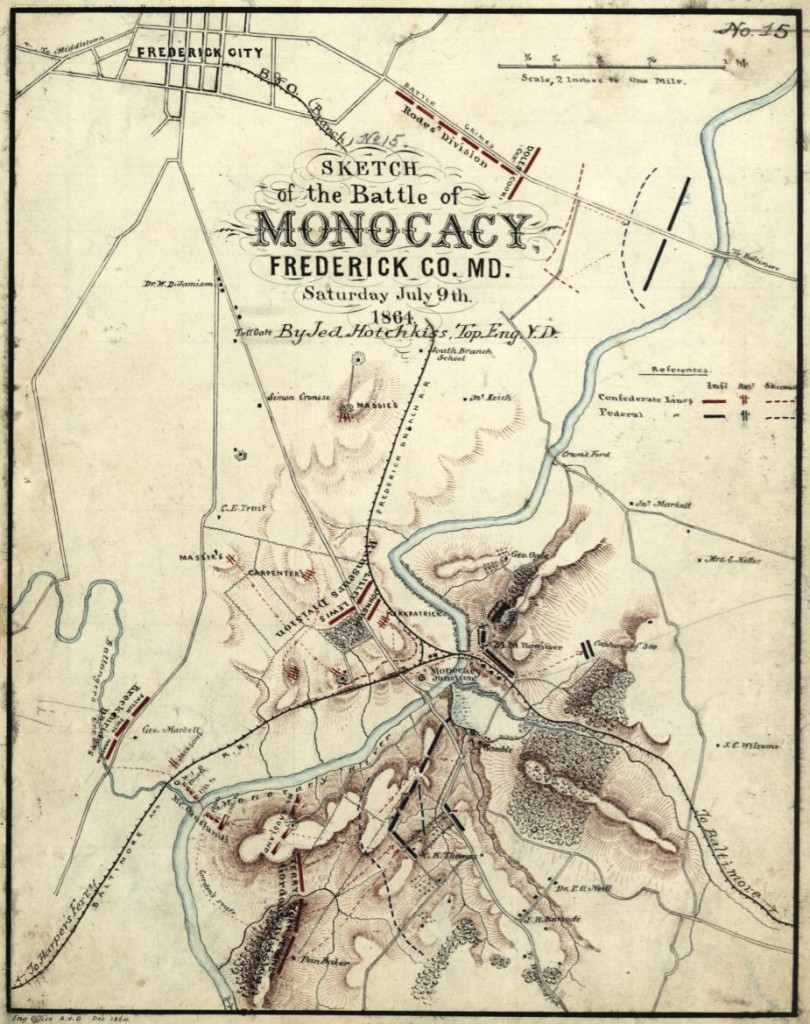

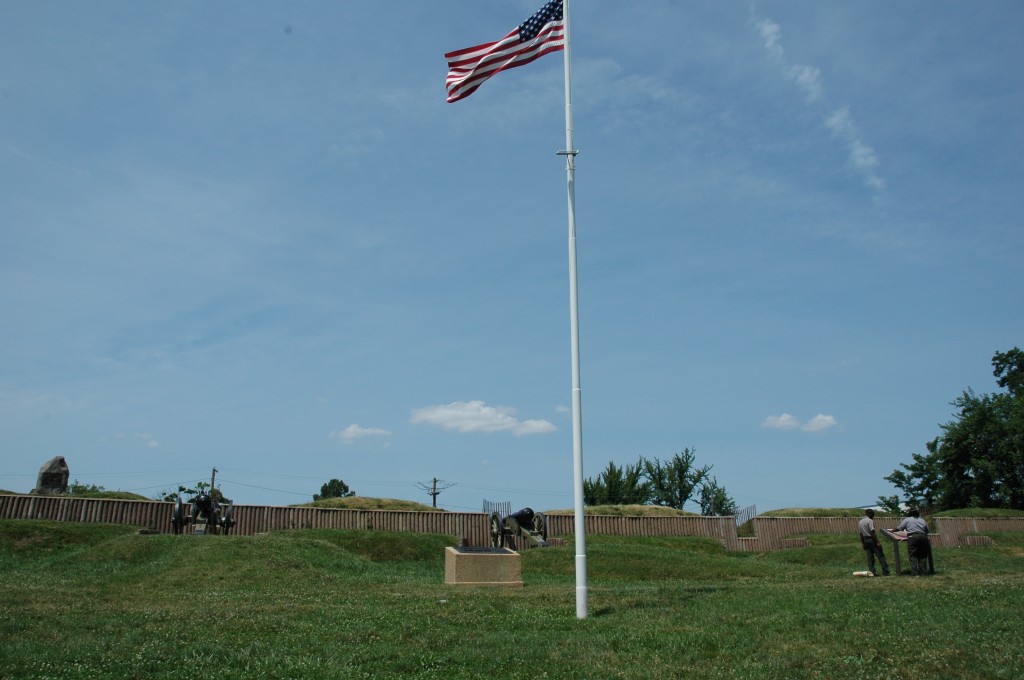 After a delightful open-air lunch at the Urbana Park, we were on to Fort Stevens. Located inside the District line from Silver Spring, Maryland (and not far from the modern day horror of the “DC sniper”), Fort Stevens is a series of low dirt mounds lined with Union cannon. Here was not only the repelling of Early’s forces but the site of one of Abraham Lincoln’s most famous incidents.
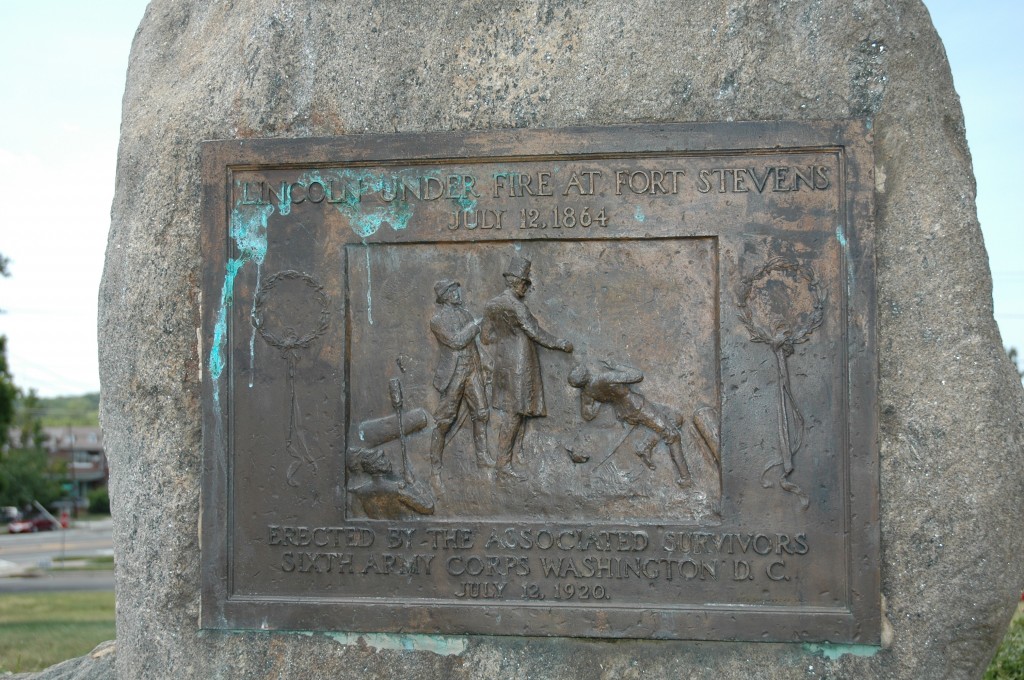 Living not far away at the Soldier’s Home, Lincoln had decided to see the action first hand. Ignoring the risk, Lincoln stood his 6-foot, 4-inch frame (plus tall top hat) on top of the mound to get a view. A medical officer standing beside him was hit with a bullet, after which the infamous (and possibly apocryphal) line was blurted out: “Get down you fool.” Whether it was this or a more respectful imploring for the President to get out of the line of fire we will likely never know, but thankfully he did get down and was unharmed.
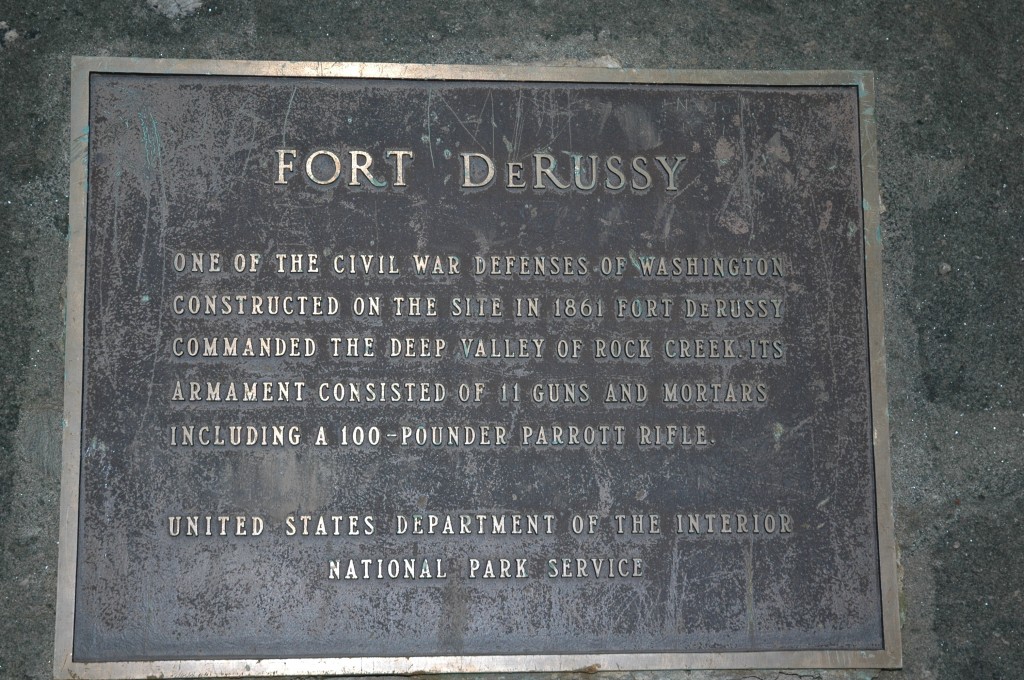 Our last stop was at Fort DeRussy, another of the small forts that served as a perimeter around Washington DC during the war. Earthenwork like Fort Stevens, DeRussy also boasted a “100-pounder,” a rifled Parrott cannon that could fire accurately for up to 4 miles.Many thanks to Craig Howell for being such a fantastic and knowledgeable tour guide, to Beltway Transportation for the comfortable bus and daring driver, and to Karen Needles, Susan Dennis, and everyone else in the Lincoln Group who arranged the tour. As the saying goes, a great time was had by all.