Tue, September 13
Maggiano’s Little Italy Restaurant
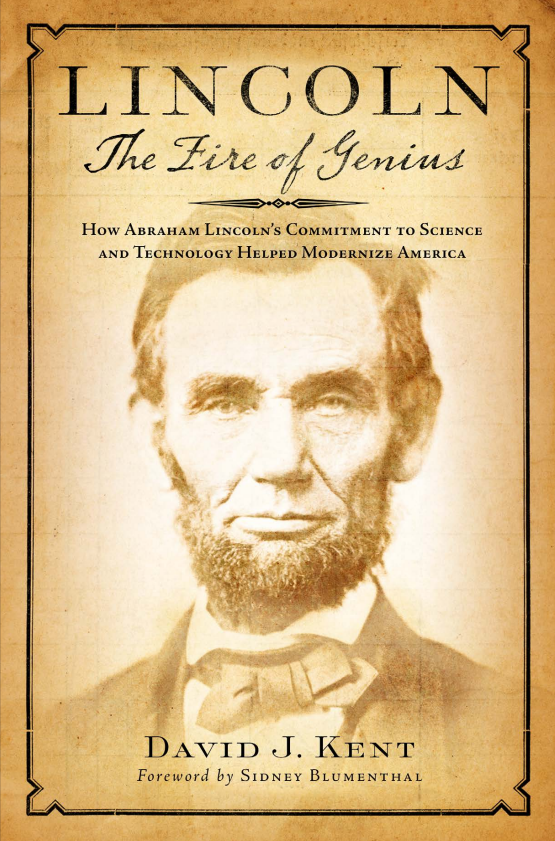
Lincoln: The Fire of Genius. Book Launch and Presentation by David J. Kent
The Lincoln Group of DC proudly supports President David J. Kent with his latest research and scholarship. Be part of the fun and experience the launch of a new book about a little studied aspect of our 16th president.
Time
Sep 13, 6:00 PM – 9:00 PM EDT
Maggiano’s Little Italy Restaurant, 5333 Wisconsin Ave NW, Washington, DC 20015, USA
About the Event
The Lincoln Group of DC is hosting the official launch for President David J. Kent’s new book, Lincoln, The Fire of Genius: How Lincoln’s Commitment to Science and Technology Helped Modernize America. Lincoln had a lifelong fascination with science and technology, a fascination that would help institutionalize science, win the Civil War, and propel the nation into the modern age. Readers will learn through Lincoln, The Fire of Genius how science and technology gradually infiltrated Lincoln’s remarkable life and influenced his growing desire to improve the condition of all people. The book traces his progression from a simple farm boy to a president who changed the world.
Every dinner attendee will receive a swag bag full of Lincoln Group and Fire of Genius giveaways and raffles.
Kent is both a career scientist and a published Lincoln historian. His presentation will follow the thread of science and technology that wove through Lincoln’s life. His interest in the science of farming led to his advocacy for technological advancement, and then to his becoming the “go-to” western lawyer for patent and technology cases. As president, Lincoln was tireless in his efforts to institutionalize science. Kent’s presentation will touch on Lincoln’s insistence on high-tech weaponry and strategic use of technology during the Civil War.
Copies of Lincoln: The Fire of Genius will be available for sale for $25 each. Please bring cash, check, or pay via PayPal.
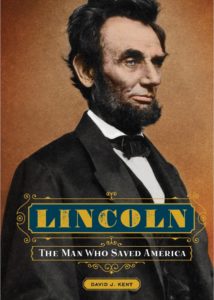
I’ll also have copies of my previous Lincoln book, Lincoln: The Man Who Saved America. Get it for $5 if you buy both books, $10 for this one book alone.
More information on the Lincoln Group of DC website: https://www.lincolnian.org/event-details/lincoln-the-fire-of-genius-book-launch-and-presentation-by-david-kent


Lincoln: The Fire of Genius: How Abraham Lincoln’s Commitment to Science and Technology Helped Modernize America was released on September 1, 2022.
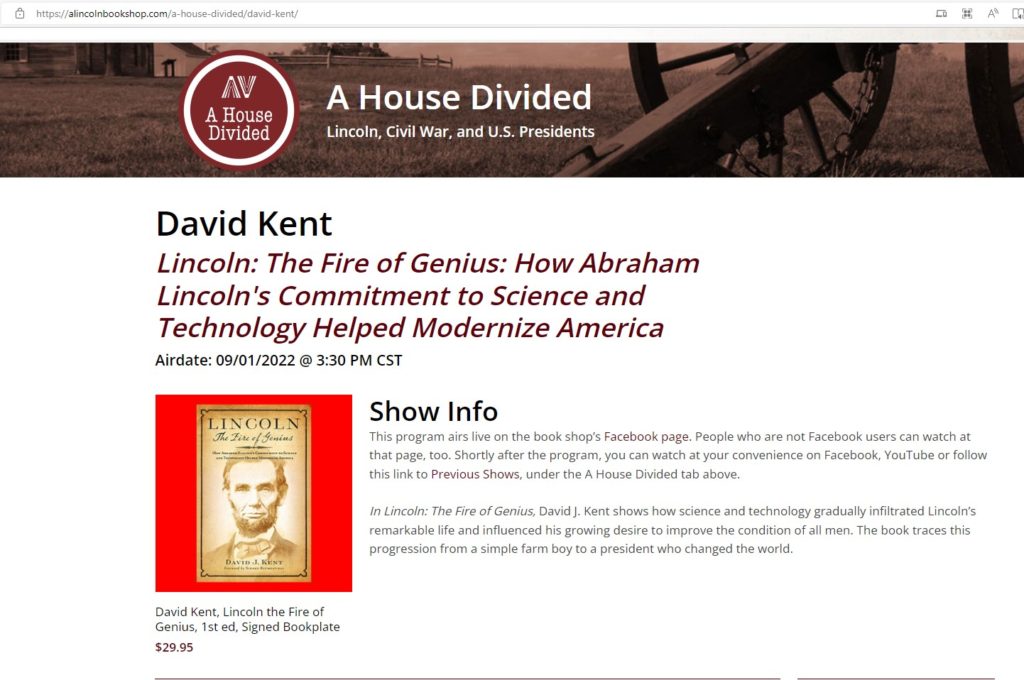
The book is available for purchase at all bookseller outlets. Limited signed copies are available via this website. The book also listed on Goodreads, the database where I keep track of my reading. Click on the “Want to Read” button to put it on your reading list.
You also follow my author page on Facebook.
David J. Kent is President of the Lincoln Group of DC and the author of Lincoln: The Fire of Genius: How Abraham Lincoln’s Commitment to Science and Technology Helped Modernize America and Lincoln: The Man Who Saved America.
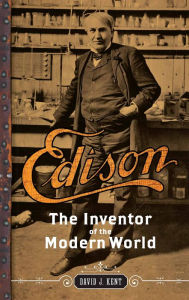
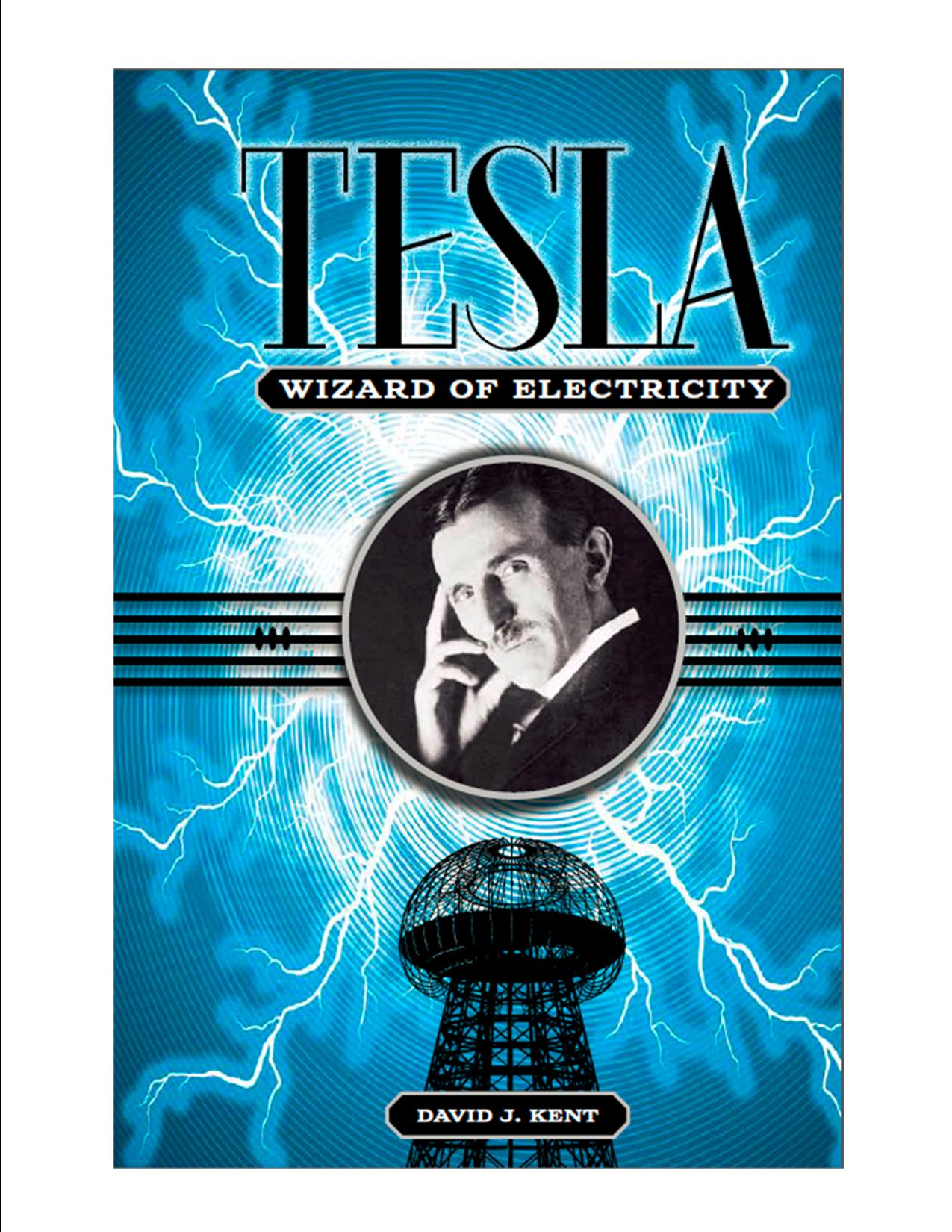
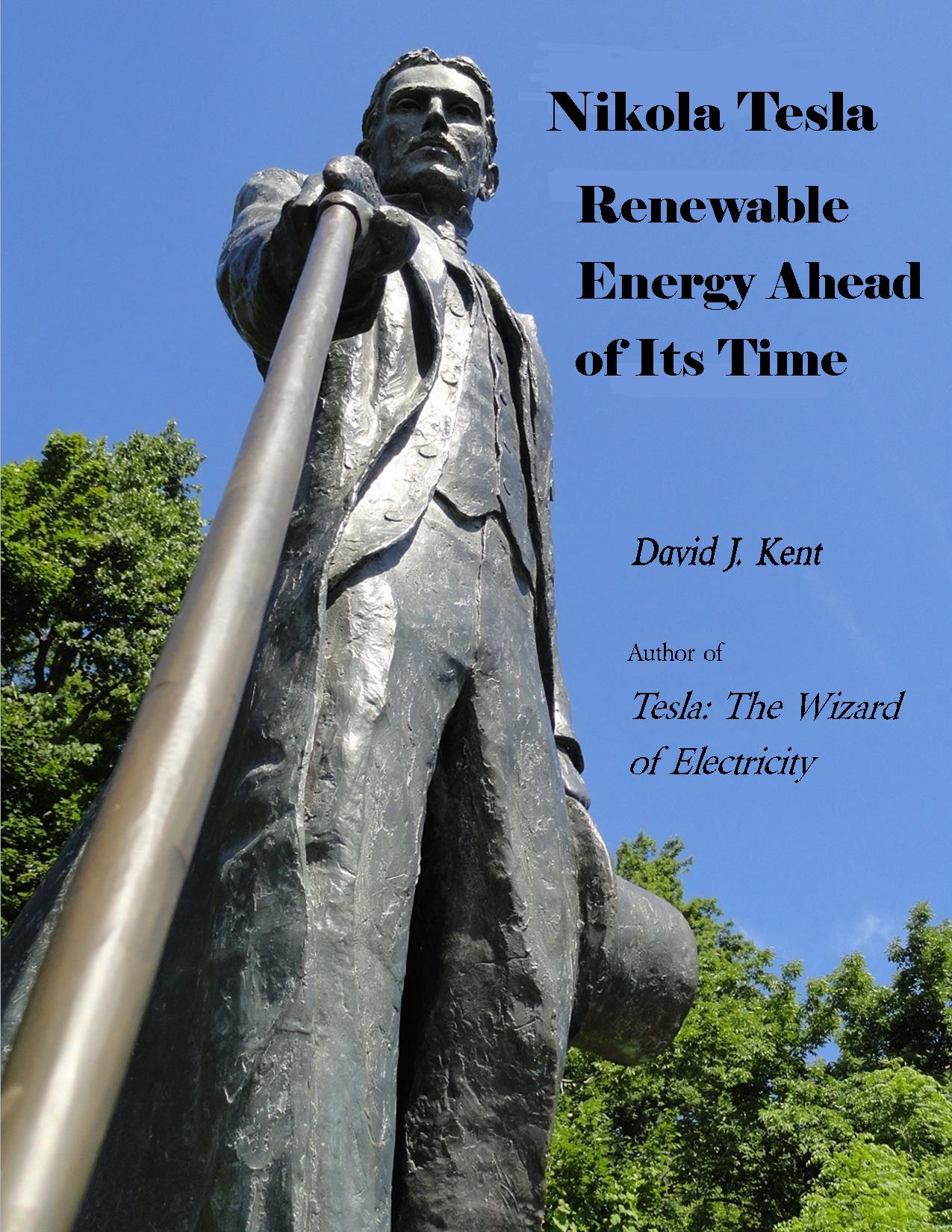
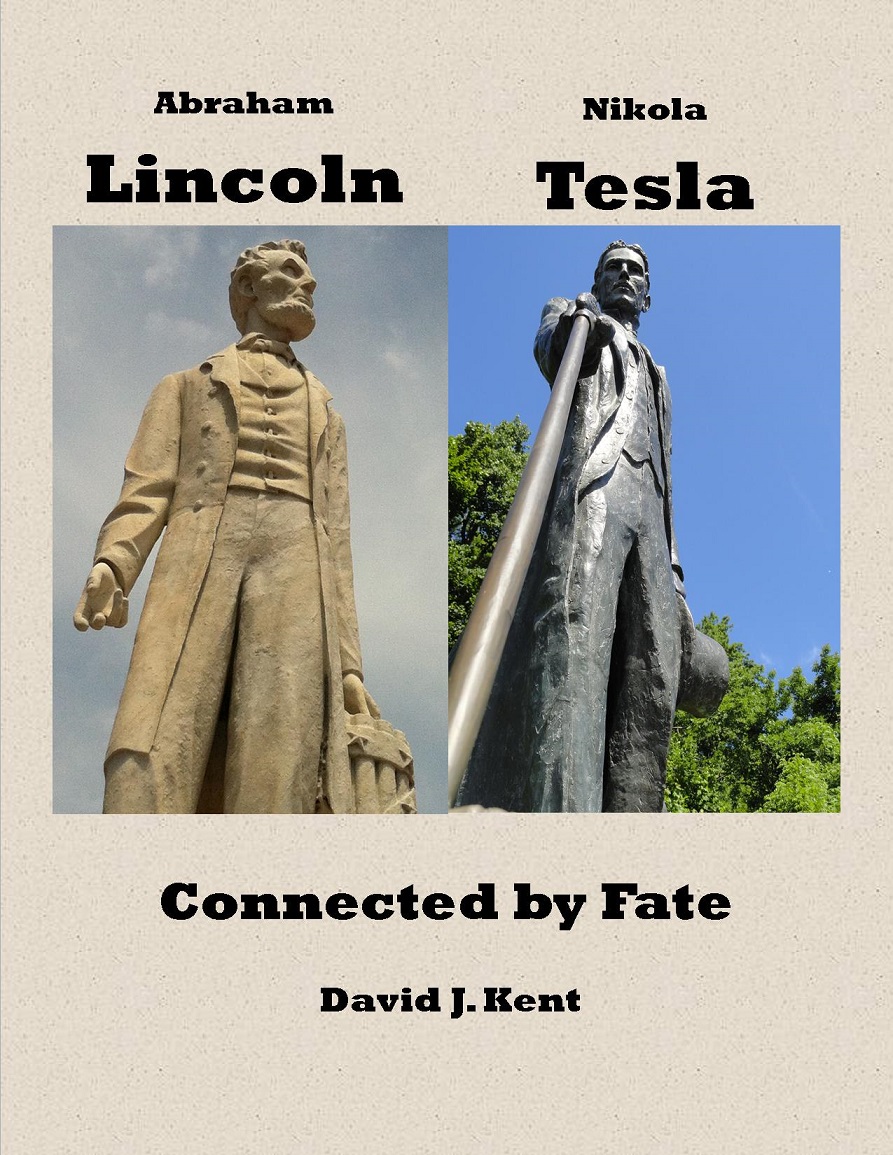
His previous books include Tesla: The Wizard of Electricity and Edison: The Inventor of the Modern World and two specialty e-books: Nikola Tesla: Renewable Energy Ahead of Its Time and Abraham Lincoln and Nikola Tesla: Connected by Fate.
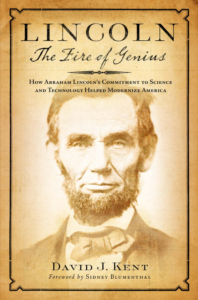
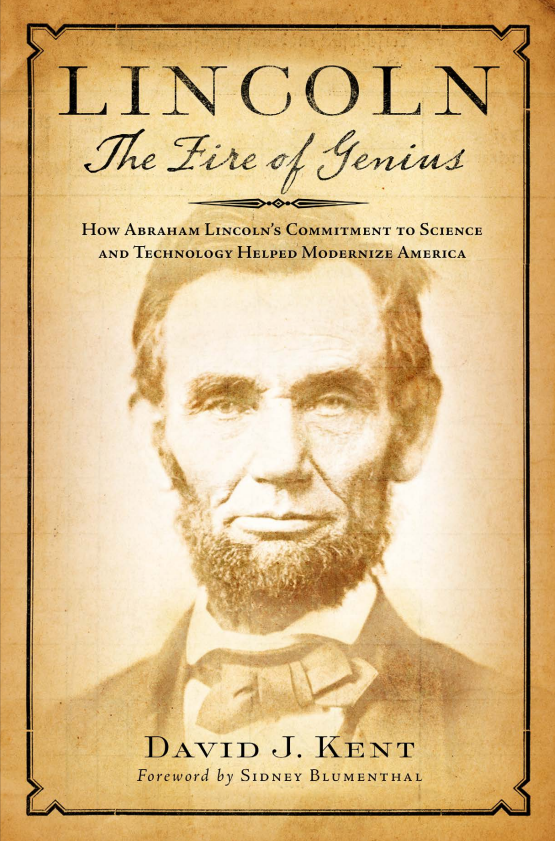



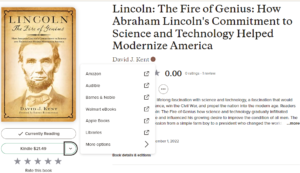 We’re in the final stretch. But hurry – there are only two days left (and counting down) to enter to win a hard copy of Lincoln: The Fire of Genius on Goodreads. For those who don’t know, Goodreads is a social cataloging website that allows people to track their reading, search its vast database of books, and, you guessed it, win free books. Now you can win one of ten free hardcover copies of my newest book.