What do Fort Sumter, the H.L. Hunley, and a die-hard Confederate all have in common? I saw them all during my whirlwind weekend trip to Charleston, South Carolina – where the Civil War began. It was a quick trip but a hugely impactful one. Charleston has a lot to offer, both today and in history.
Fort Sumter – as I hope everyone already knows – was the site of the shots that began the American Civil War. Union Major Robert Anderson had been garrisoned with this 85-man forces at Fort Moultrie (where I also visited) as the construction of Fort Sumter in the middle of Charleston Harbor had yet to be completed. Fearing the easy access of Moultrie to the belligerence of newly formed Confederate armies, Anderson moved his men over to Sumter under the cover of night. In the early morning hours of April 12, 1861, Confederate General P.G.T. Beauregard began a 34-hour bombardment of the fort. And the war came.
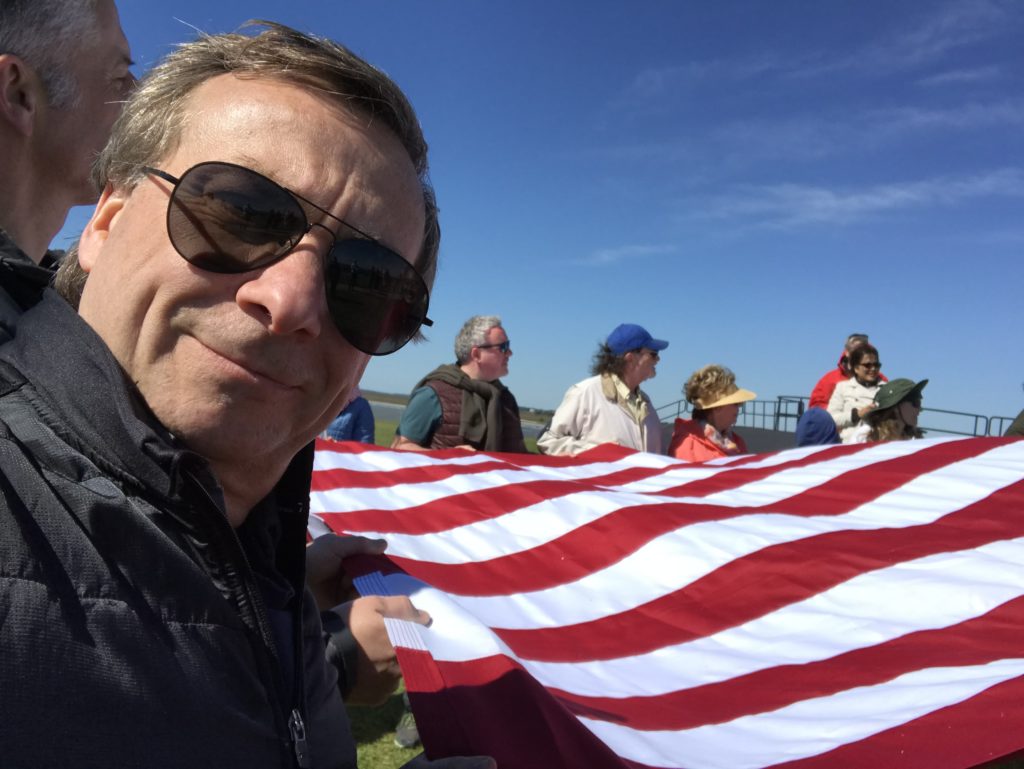
I was honored to be part of a group of volunteers who helped raise the flag over Fort Sumter on Easter Sunday.
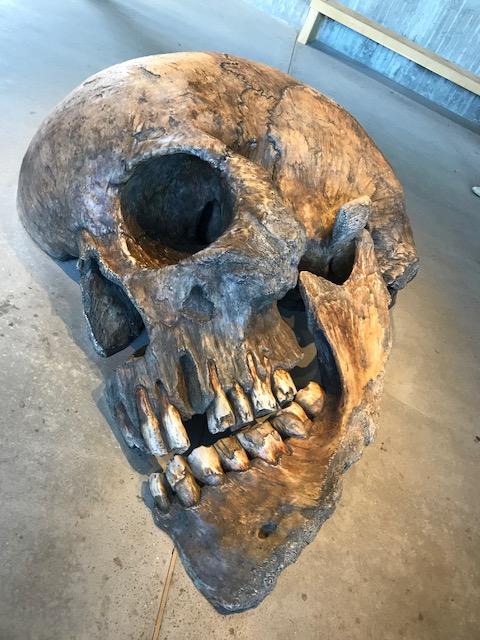
Charleston also hosts the H.L. Hunley, the Confederate submarine that sunk the USS Housatonic outside Charleston Harbor in 1864. The Hunley has the distinction of being both the first successful submarine attack in warfare and the only submarine that killed more of its own men than that of its enemy. On its first training cruise, five of the eight crew were drowned due to malfunctioning equipment. On its second, all eight crew members drowned, including its inventor, H.L. Hunley. According to Dave, the volunteer tour guide at the Hunley Center, the aforementioned General Beauregard thought that the underwater ship was a danger more to its crew than to the enemy. He did, however, approve the third mission, crewed by volunteers (a tradition that remains in today’s Naval Submarine corps) and led by Lieutenant George Dixon.
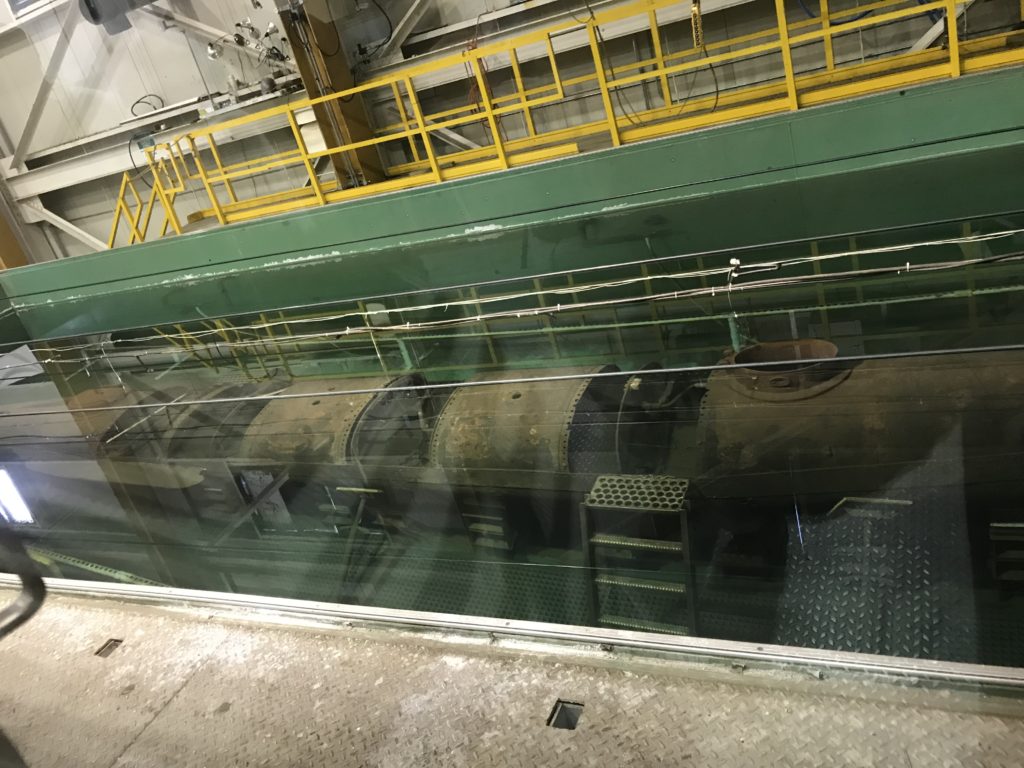
But here’s where it gets stranger still. Dixon and his crew successfully snuck up close to the Housatonic, struck it with a torpedo (mine) attacked to a forward spar, and sunk the ship to the bottom of Charleston Harbor. The Hunley then mysteriously disappeared, finally located more than a century later by famed writer and explorer Clive Cussler. All eight of the final crewmen on the Hunley died (scientists still today argue about why), but because the Harbor was so shallow, only five of the Housatonic‘s crew died. After viewing the submarine I stopped at Magnolia Cemetery to see the graves of the 21 men who died on the Hunley.
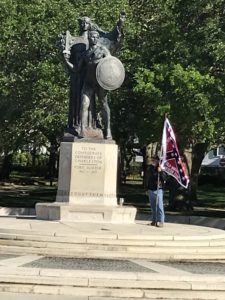 The Civil War theme didn’t stop there. I also visited an old Slave Mart, where the buying and selling of enslaved people was moved indoors after locals started complaining how the outdoor sales were giving the city a bad name. [It should be noted that Charleston became the fourth largest city in the new United States precisely because of its major role in both the international and domestic slave trades.] I also stumbled upon a man named Braxton (not named after the Confederate General and sugar plantation owner Braxton Bragg, he assured me). Braxton was standing next to the large monument in Battery Park, “Confederate Defenders of Charleston, Fort Sumter, 1861-1865.” He and his two buddies (he was alone this day) have been coming out to guard the statue every weekend for the last four years, that is, when he isn’t playing a Confederate private (or Robert E. Lee) in local reenactments. He had a fascinating story, which I’ll tell in a future post.
To round out the weekend in Charleston I visited Magnolia plantation and gardens, the remnants of a large antebellum rice plantation owned by the Drayton family.
In the middle of all this Civil War theme, I also found time to visit the South Carolina Aquarium on the Charleston waterfront. Along with the Ft. Fisher Aquarium in North Carolina I stopped at on the way back north, this makes something like 57 public aquariums I’ve visited in my life, so far.
I’ll have more on all of these once I sort through photos and notes.
David J. Kent is an avid science traveler and the author of Lincoln: The Man Who Saved America, in Barnes and Noble stores now. His previous books include Tesla: The Wizard of Electricity (2013) and Edison: The Inventor of the Modern World (2016) and two e-books: Nikola Tesla: Renewable Energy Ahead of Its Time and Abraham Lincoln and Nikola Tesla: Connected by Fate.
Check out my Goodreads author page. While you’re at it, “Like” my Facebook author page for more updates!
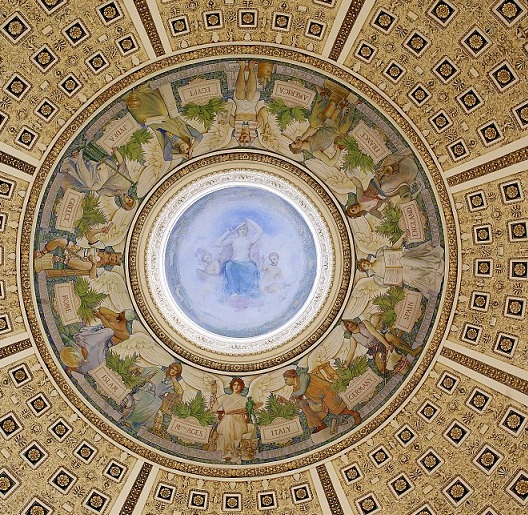
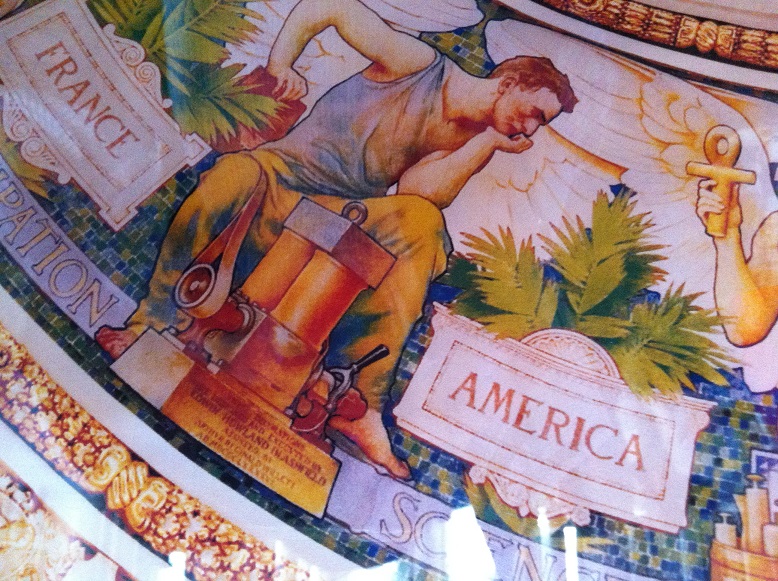 According to the Library of Congress’s Abraham Lincoln and Civil War expert Michelle Krowl, and quoting from the book On These Walls: Inscriptions & Quotations in the Library of Congress
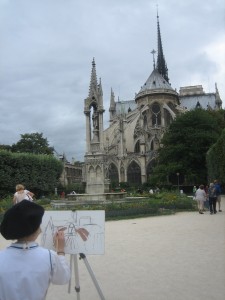 Yesterday the world watched in horror as the famous Notre Dame Cathedral in Paris blazed into the night. I’ve been to Paris a half a dozen times and on all but one trip (an in/out day train commute from Brussels), I made my pilgrimage to Our Lady, Notre Dame.


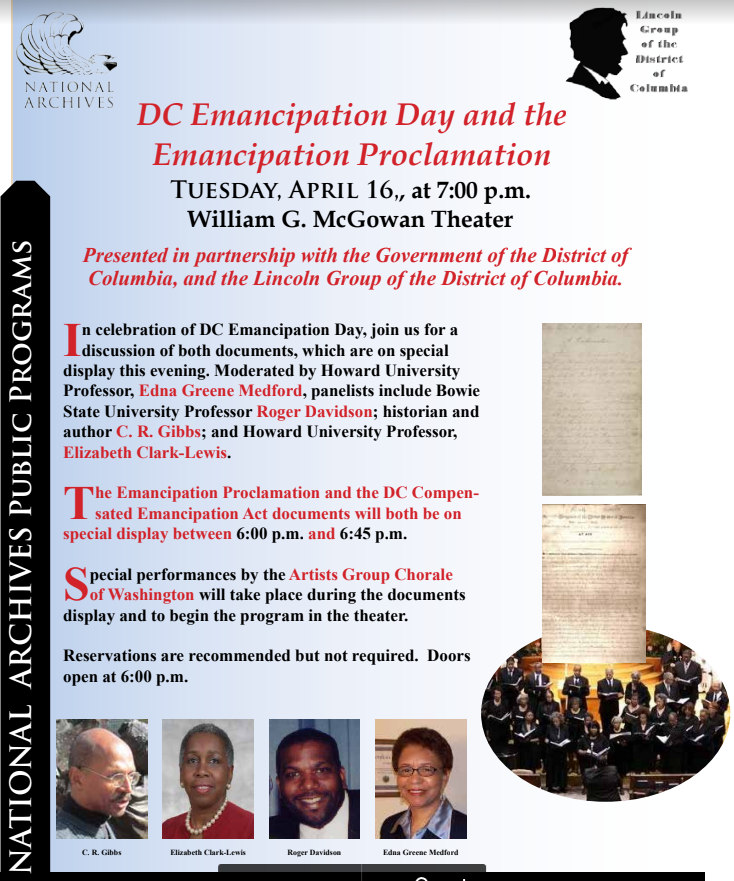
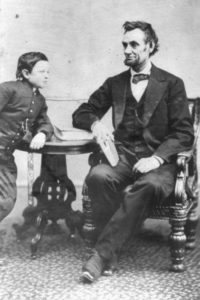 On April 4, 1865, President Abraham Lincoln took his son Tad into the city of Richmond, Virginia. The city had fallen the day before into Union hands two days before. It was Tad’s 12th birthday.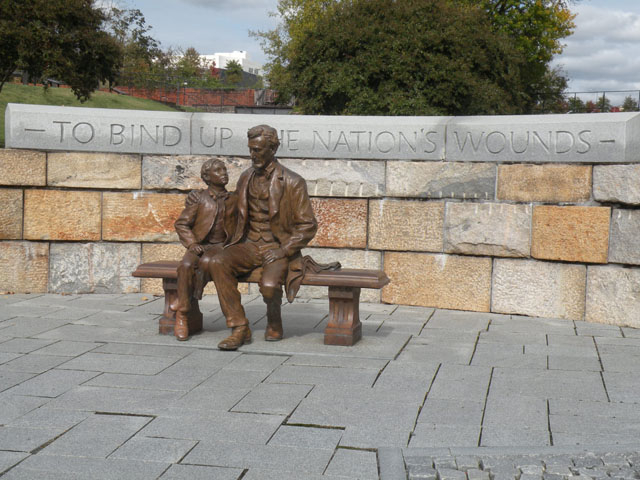
 In over
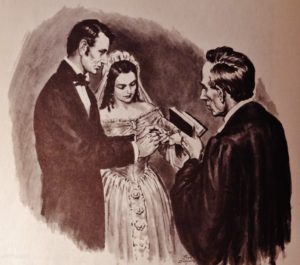 After an unfortunate breakup with a woman named Mary Owens, and with negotiations over moving the capital from Vandalia to Springfield under way, Abraham Lincoln decided to leave New Salem for the big city. The move was advantageous.
 an article published in