 In 1882, Nikola Tesla’s time in Budapest was coming to an end. His close relationship with the Puskas brothers led him to Charles Batchelor, who was Thomas Edison’s man in Paris. Batchelor was an Englishman and mechanic supreme, having learned his trade in the textile mills of Manchester. But Batchelor was more than just a good technician; he was a natural salesman and organizer. Nearly single-handedly he had overseen the spread of Edison’s direct current system across Europe, mostly as isolated power plants for individual factories, hotels, shipyards, and railroad stations. This highlighted the big problem with direct current—it was limited to low voltages and could not be transmitted more than a short distance. Direct current power plants had to be installed every mile or so to light up a city, a logistical problem that meant despite his sales skills Batchelor was only able to install three central power stations, one each in the cities of Milan, Rotterdam, and St. Petersburg.
Tesla knew he had the answer to this problem—the alternating current induction motor. But newly arrived in Paris and taking a job as a junior engineer at Société Industrielle, part of the Compagnie Continental Edison, Tesla was hardly yet in a position to change the world. While he pitched his alternating current system to Batchelor and others in Paris, Edison’s people simply did not want to listen. After all, Edison had invested himself completely in making and selling direct current throughout Europe, the United States, and the world. No, Edison thought, Tesla’s alternating current system simply would not do.
Tesla’s time at Continental Edison was initially spent as a kind of traveling repairman sent to fix some of the tougher problems with the direct current system. Moving about mainly in France and Germany, he would “cure the ills” and return to Paris. This experience led him to propose improvements to the dynamos, which he implemented. “My success was complete,” Tesla would write, “and the delighted directors accorded me the privilege of developing automatic regulators which were much desired.” Having quickly built a reputation as someone who could save the day, not to mention his proficiency in the German language, Tesla was the obvious choice to send to Strasbourg, Alsace (part of Germany at the time, now Strasbourg, France). A catastrophic event had occurred during the opening ceremony of the new lighting plant at the railroad station, and help was needed fast.
The Strasbourg rail station, originally built in 1846, had just been remodeled in the current year of 1883. Dignitaries, including the aging Emperor William I of Germany, were gathered to watch the newly installed direct current electric lighting system showcase the station. The flip of the switch turned out to be more dramatic than expected, however, and a large part of a wall collapsed by a huge explosion, nearly taking William with it. Following this major malfunction and a series of other quality-control issues—lightbulbs were burning out as fast as they could be replaced—the talented Tesla was dispatched to see what he could do to repair the damage, both to the direct current system and the sensitivities of the Alsace people.
Upon arrival he realized that this was not merely a case of crossed wires; there were fundamental flaws in the direct current system design. Batchelor had been warning Edison that generators coming to Europe from America were defective—“fires from faulty armatures and poor insulation were becoming all too common.” According to Tesla, the wiring was defective and the explosion that took down the wall resulted from a massive short circuit. Tesla took on the task of correcting the problem and spent nearly a year redesigning the generators and reinstalling the lighting system. His work was a stunning success.
With the Strasbourg rail station now fully lit and accepted by the Alsace government, Tesla “returned to Paris with pleasing anticipations.” Administrators at Edison’s European works had promised Tesla “a liberal compensation” should he succeed in fixing the Strasbourg problem, “as well as fair consideration of the improvements [Tesla] had made in their dynamos.” He, perhaps naively, hoped to “realize a substantial sum.” That sum was never to be realized.
The Edison men passed around non-decisions until Tesla finally recognized that his promised compensation was more rhetorical than realistic. While hugely disillusioned by how he had been treated, Tesla was simultaneously being pressed by Charles Batchelor to move to America, ostensibly to redesign and improve on the Edison dynamos and motors. Seeing an opportunity to present his alternating current designs directly to the great Thomas Edison himself, Tesla put aside his disappointment and agreed to make the cross-Atlantic voyage to the “land of the golden promise.”
Though its actual existence is disputed, O’Neill states that Batchelor penned a letter of introduction to Thomas Edison in which he stated simply: “I know two great men and you are one of them; the other is this young man.”
Tesla was off to America. But things were not to go exactly as planned.
In 1884 Edison had installed a complete direct current system on the S.S. Oregon, one of the most modern ships of the time. On the Oregon Edison would first put new employee Nikola Tesla to the test. Both of the twin dynamos had failed, so the ship was sitting in port with no way to run. Edison had sent several men to try to fix it, but with no luck. He was desperate, so when Tesla walked into his office Edison sent him straight to the docks. Tesla was eager to please Edison, so he packed up the necessary tools and arrived on board that evening. “The dynamos were in bad condition,” Tesla later wrote, “with several short circuits and breaks.” Seizing the initiative, Tesla put the ship’s crew to work helping him, and by daybreak he had “succeeded in putting them in good shape.” Another major success.
This incident raised Tesla’s stock in Edison’s eyes and henceforth Tesla “had full freedom in directing the work.” The work was interesting and Tesla was happy. Always the hard worker, for nearly a year Tesla regularly worked from 10:30 a.m. to five o’clock the next morning, seven days a week. Edison was duly impressed, saying, “I have had many hard-working assistants but you take the cake.” Tesla occasionally dined with Edison and other key leaders in Edison’s various companies. Sometimes they would shoot billiards, where Tesla “would impress the fellows with his bank shots and vision of the future.”
Seeing opportunities to improve Edison’s dynamos, Tesla outlined a plan, stressing the output and cost efficiency of his intended changes. Edison, perhaps in a temporarily charitable moment, promised Tesla $50,000 if he could accomplish the task. Tesla immediately set to work and over the next year he designed twenty-four different types of dynamos, “eliminating the long-core field magnets then in use and substituting the more efficient short cores” as well as introducing some automatic controls. The financial benefits to the Edison operations were enormous, but when Tesla demanded payment, Edison’s response was to laugh and say, “You are still a Parisian. When you become a full-fledged American, you will appreciate an American joke.”
Tesla, feeling “a painful shock” at what he felt was being cheated once again by Edison, immediately resigned. Tesla would set out on his own, and in the end, have the last laugh on Edison.
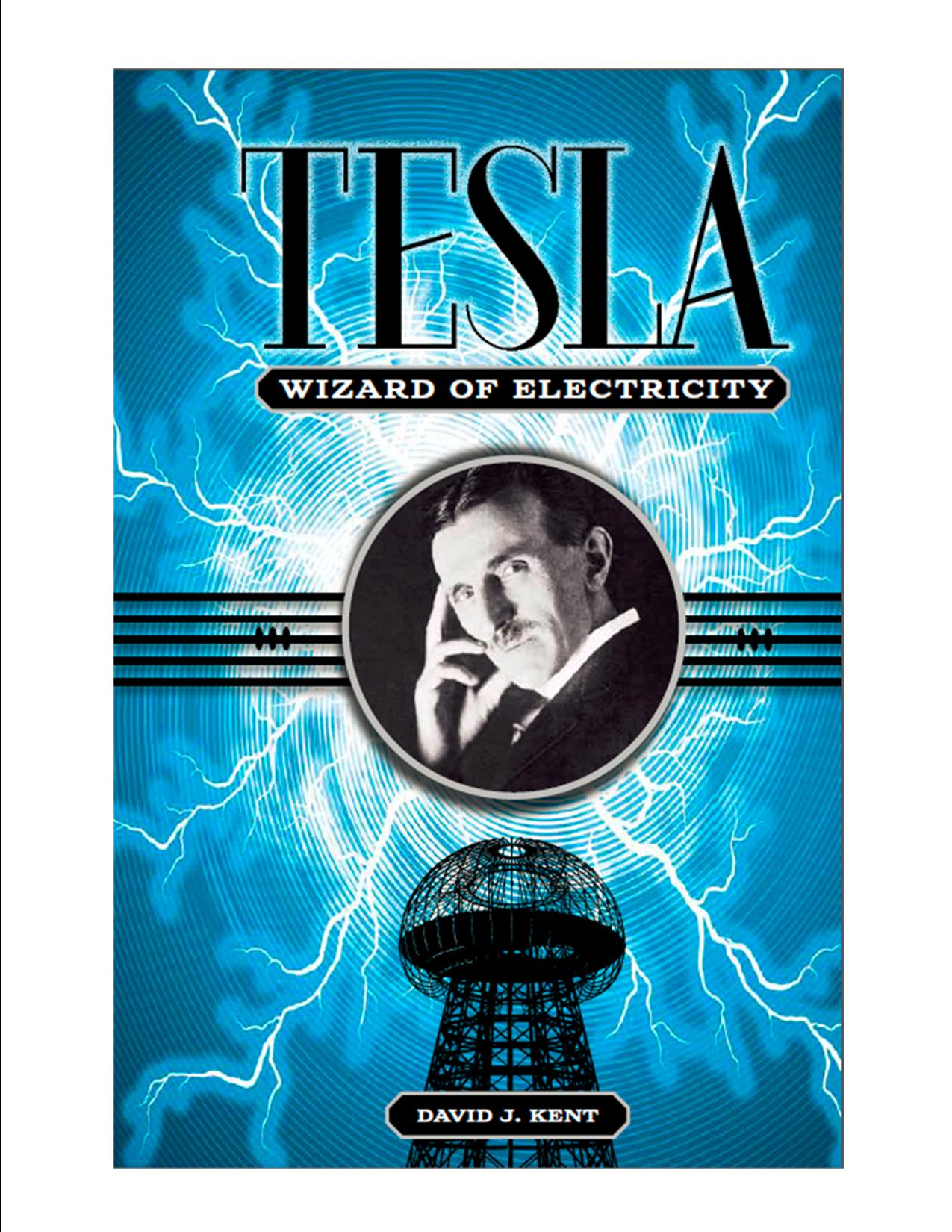
[Adapted from my two books, Tesla: The Wizard of Electricity and Edison: The Inventor of the Modern World, both available at Barnes and Noble stores nationwide.]
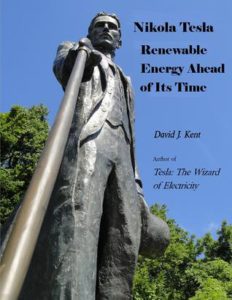
David J. Kent is an avid science traveler and the author of Lincoln: The Man Who Saved America, in Barnes and Noble stores now. His previous books include Tesla: The Wizard of Electricity (2013) and Edison: The Inventor of the Modern World (2016) and two e-books: Nikola Tesla: Renewable Energy Ahead of Its Time and Abraham Lincoln and Nikola Tesla: Connected by Fate.
Check out my Goodreads author page. While you’re at it, “Like” my Facebook author page for more updates!

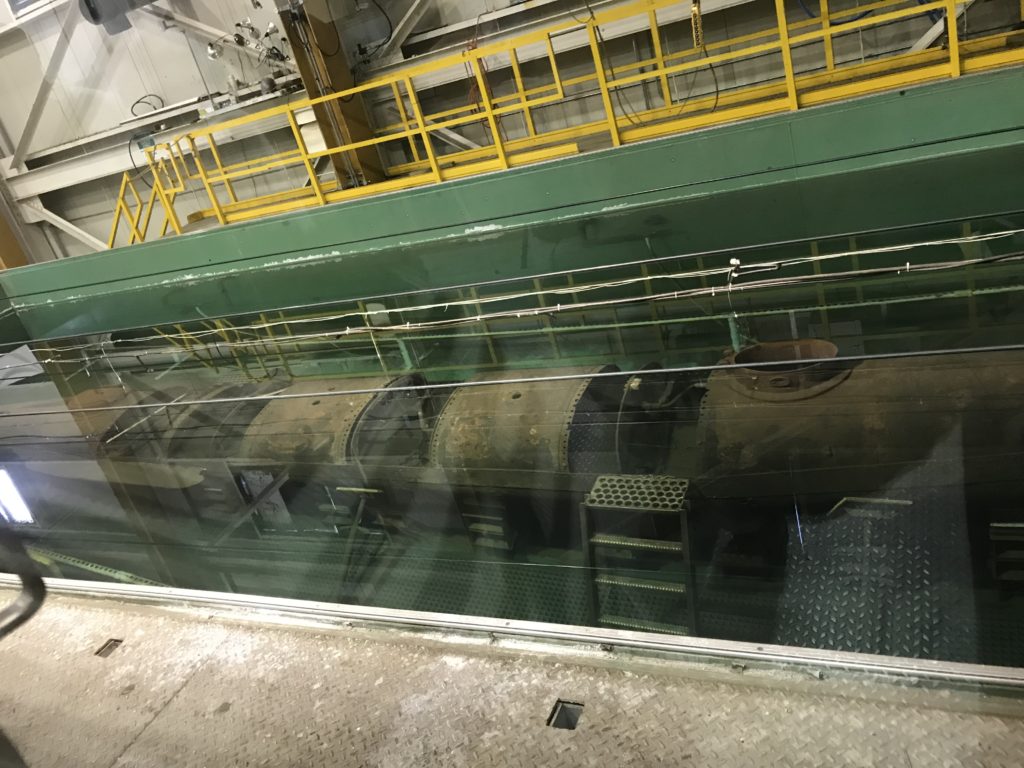
 The Civil War theme didn’t stop there. I also visited an old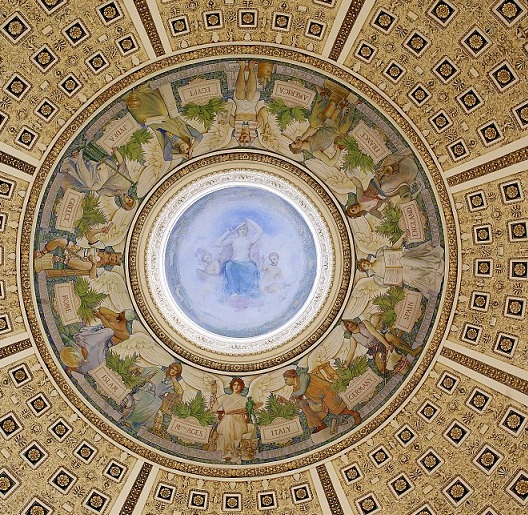
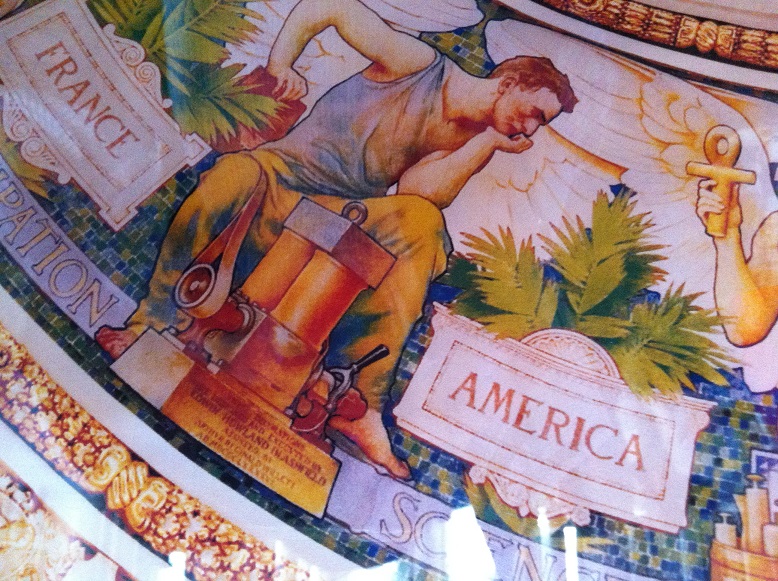 According to the Library of Congress’s Abraham Lincoln and Civil War expert Michelle Krowl, and quoting from the book On These Walls: Inscriptions & Quotations in the Library of Congress
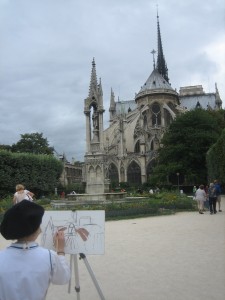 Yesterday the world watched in horror as the famous Notre Dame Cathedral in Paris blazed into the night. I’ve been to Paris a half a dozen times and on all but one trip (an in/out day train commute from Brussels), I made my pilgrimage to Our Lady, Notre Dame.


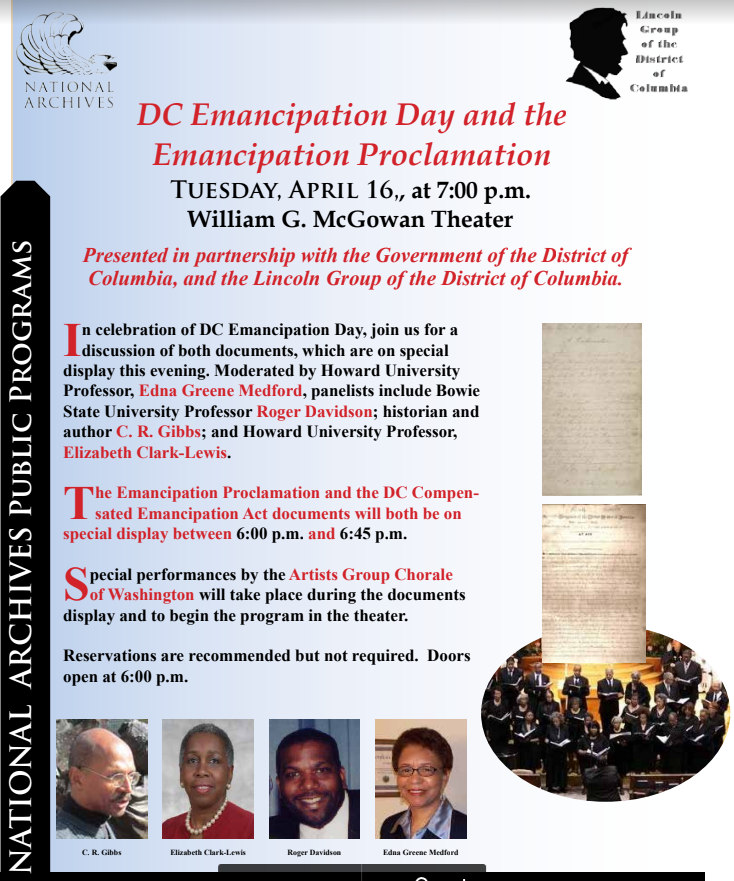
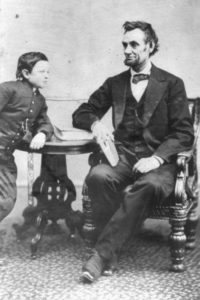 On April 4, 1865, President Abraham Lincoln took his son Tad into the city of Richmond, Virginia. The city had fallen the day before into Union hands two days before. It was Tad’s 12th birthday.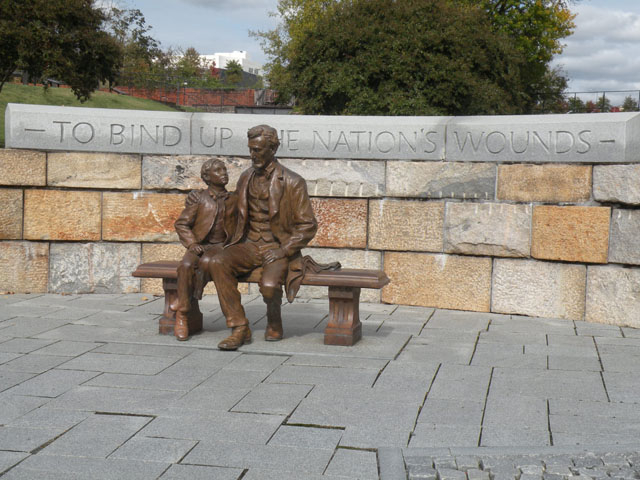
 In over
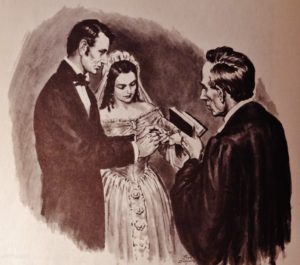 After an unfortunate breakup with a woman named Mary Owens, and with negotiations over moving the capital from Vandalia to Springfield under way, Abraham Lincoln decided to leave New Salem for the big city. The move was advantageous.
 an article published in