Part 1 of my Chasing Abraham Lincoln tour (click and scroll for several articles) took me to Lincoln’s birthplace in Hodgenville, Kentucky. My last piece highlighted the museum and statues in downtown Hodgenville itself; today we visit Lincoln’s birthplace.
“My earliest recollection…is of the Knob Creek place.” – Abraham Lincoln


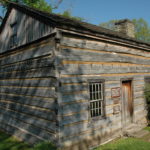
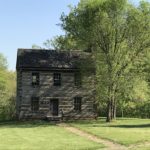
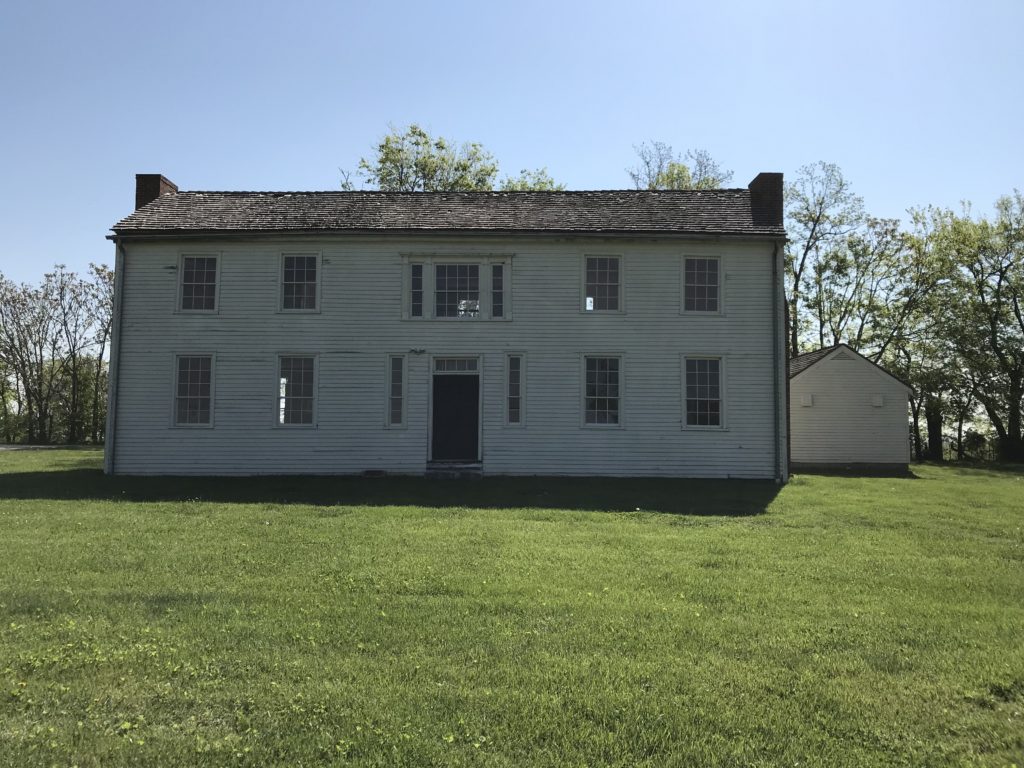
We’ll get to Lincoln’s actual birthplace in a moment, but my route first took me past the Knob Creek Farm to which the Lincoln’s moved when Abraham was just a toddler. Today it’s a unit of the Birthplace National Historical Park. Not much is there these days; even the inn was boarded up and a sign warned against a growing nest of wasps. But there is a field where the farm stood, plus a log cabin and a 2-3 hour hiking trail. The cabin is actually that of the Gollaher family, moved here from a few miles away. Nearby is Knob Creek where Austin Gollaher had saved Lincoln from drowning. Presumably the spot where that happened was a distance away as the spot near the farm is barely deep enough to wet your shoes.
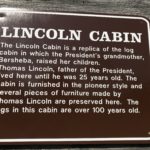
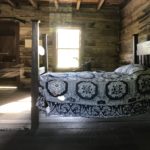
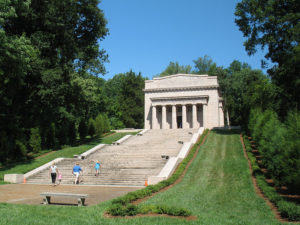
Moving on from Knob Creek, and passing through Hodgenville, you eventually come to Lincoln’s birthplace at the Sinking Spring farm. Here on February 12, 1809 the future president and martyr would join his older sister and parents in this world. Today the site is a bit surreal. After touring the grandparents cabin and other rustic sites, the birthplace is like something out of ancient Greece. In fact, it is the Greek style temple that first captures your eye.
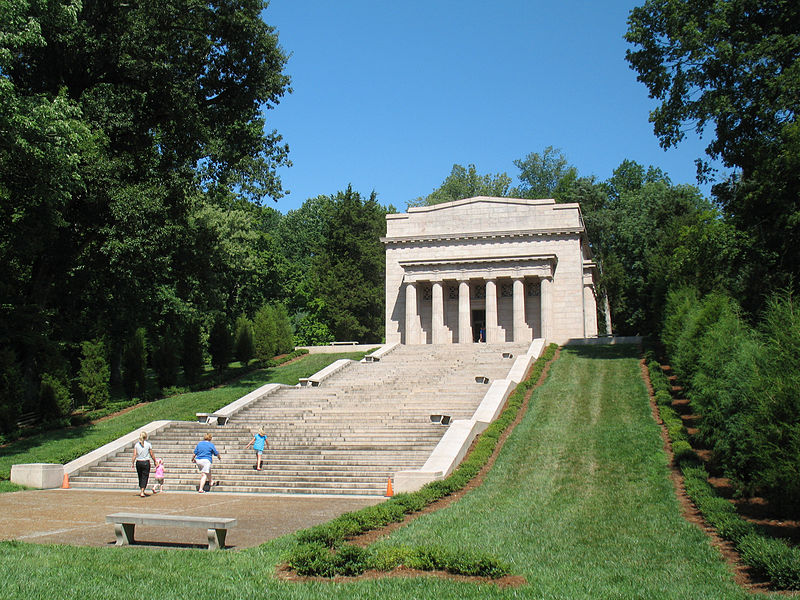
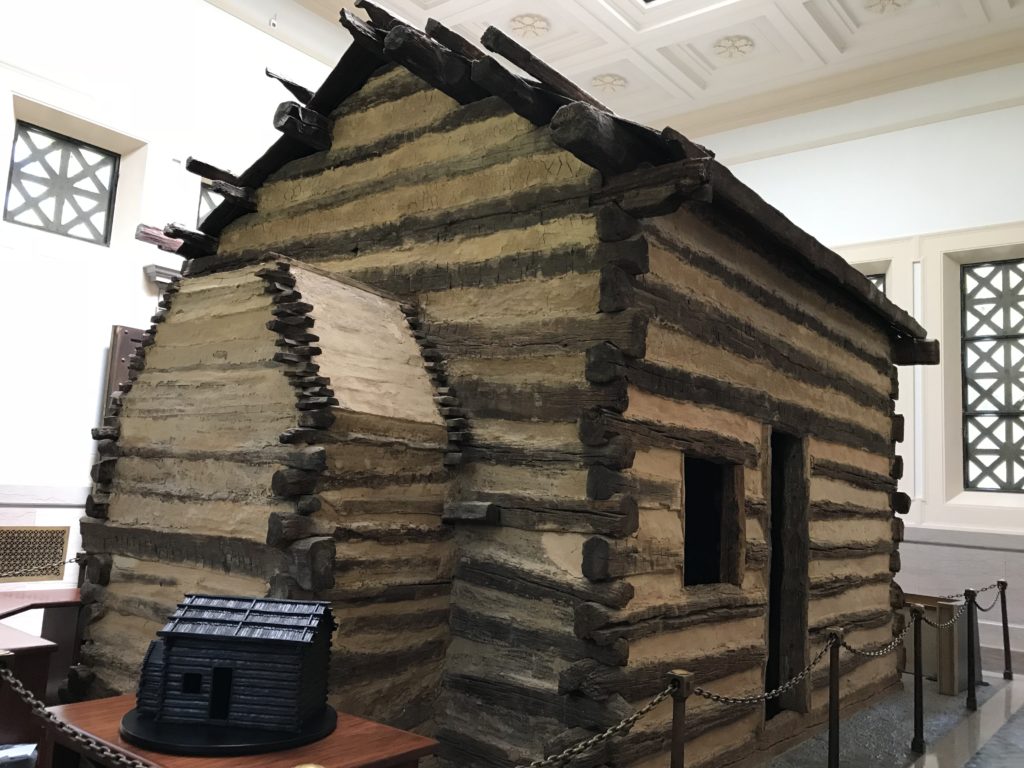
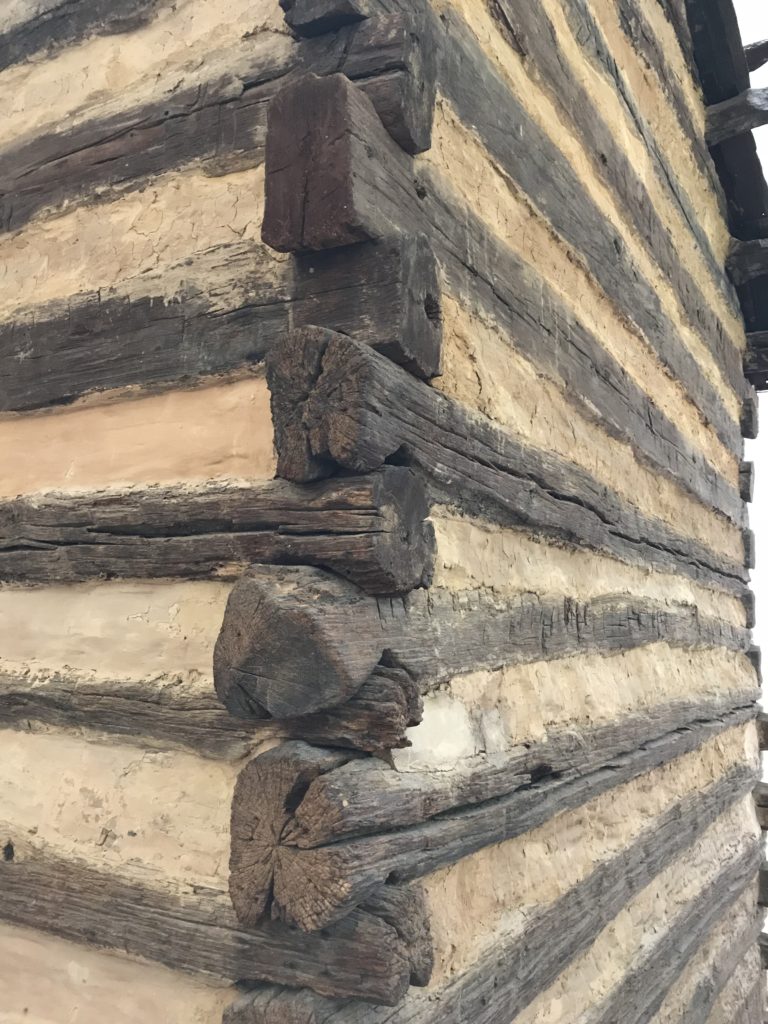
There are 56 steps leading up to the temple, one for each year of his life. It’s hard not to think of the Lincoln Memorial in Washington, D.C. as you walk up the steps. That’s on purpose. For Lincoln buffs, entering the building is like entering a shrine. Therein stands the symbolic birthplace cabin. The real deal. Well, sort of.
It’s a long story but basically the budding park service purchased the logs of what was believed to be Lincoln’s birthplace cabin. An entrepreneur had been touring the United States a year after the assassination with a cabin he claimed to be the Lincolns’. He also had a second cabin he claimed to be that of Jefferson Davis. Putting the logs together at each stop, the guy made a fortune displaying the birthplaces of the two Civil War presidents. Of course, this story wasn’t known by the park service when they bought the logs, which had been stored in a warehouse for decades. It was only after they started putting them together that they realized they had too many windows, too many doors, and too many logs. Some research led to the discovery of its history.
Hence the “symbolic” designation. Some purists insisted the cabin couldn’t be called the original birthplace because, well, it wasn’t. Recent tests on some of the logs show they were cut sometime in the 1850s or 60s, too late to have been the cabin in 1809. The park service used the best logs of the “two-cabins-worth” they had at their disposal and settled on “symbolic” as the best description for a trimmed down version of the cabin that fit in their temple. To be honest, the lack of original cabin shouldn’t be a surprise. The Lincoln’s moved several times and most likely they would have used some of the logs and hewn boards as materials for wagons and for firewood as they prepared to leave.
One of the best parts of touring to these sites is the personal contact with knowledgeable people. I mostly had the cabin to myself and spent some time chatting with William Ozment, the park ranger on duty. Through him I learned first-hand about the history of the cabin, its construction (including the use of straw or horse hair to strengthen the daubing mud, much like rebar in concrete), and even the kinds of logs used for walls and roofing shingles. This information will be in my next book.
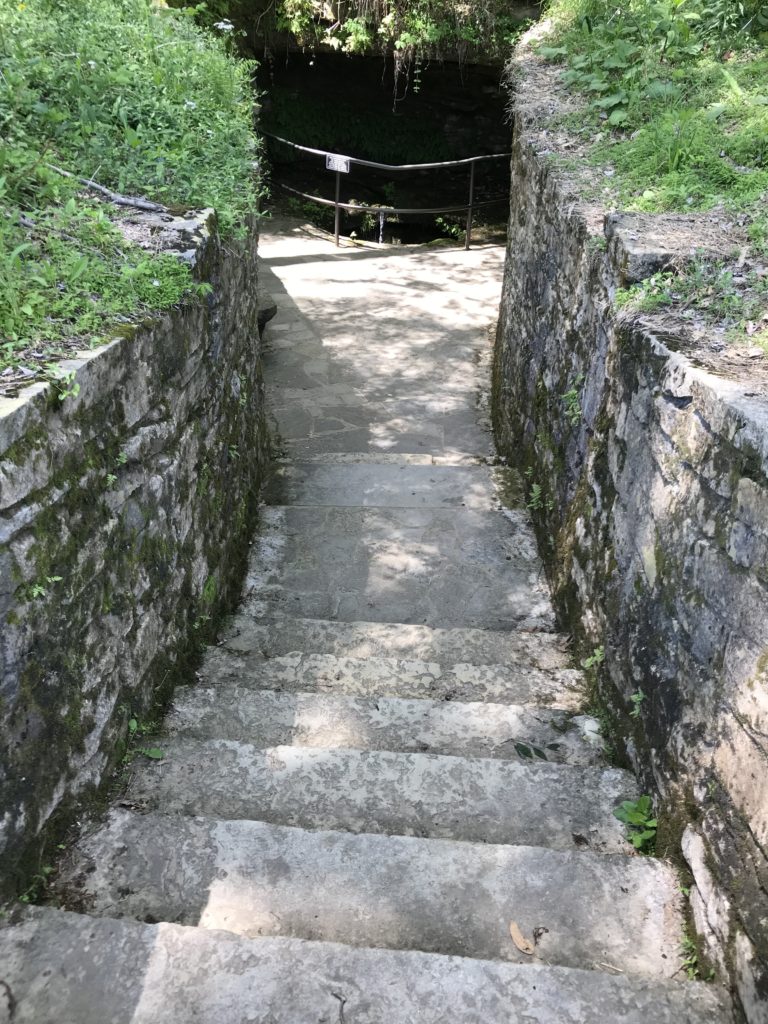
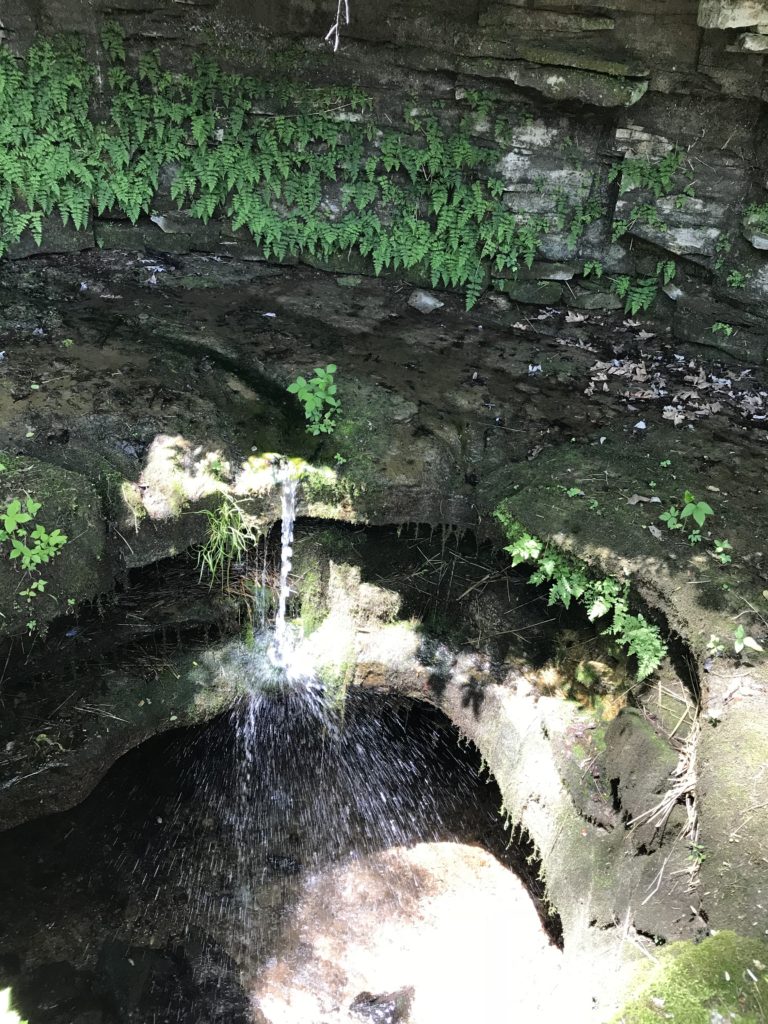
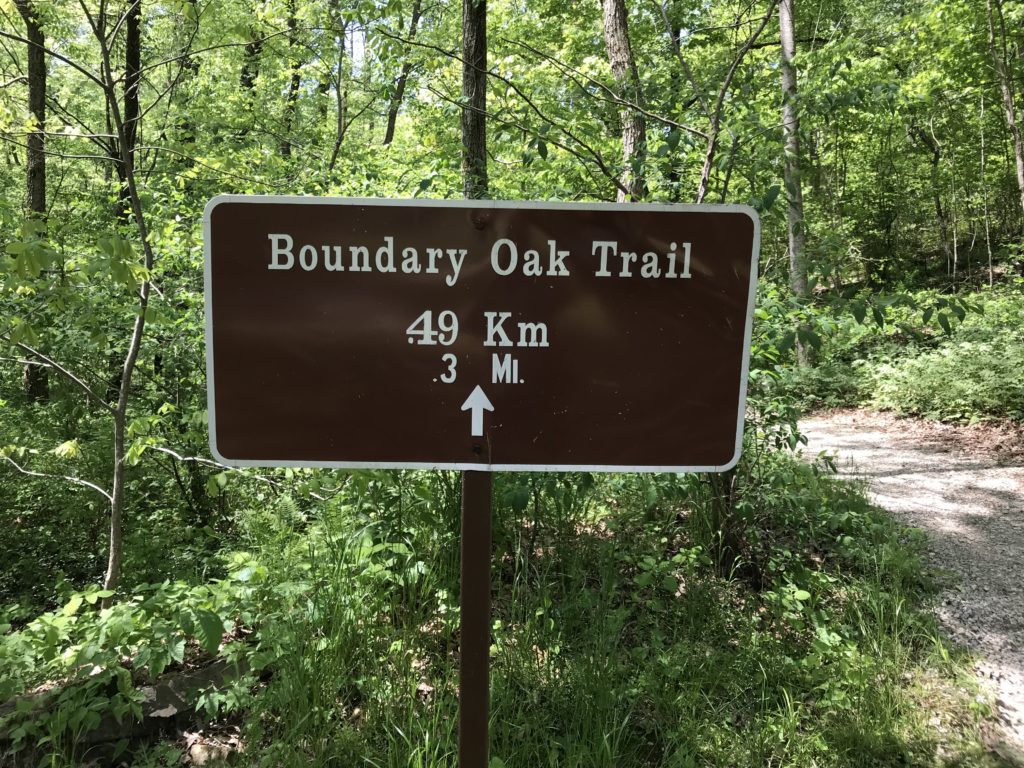
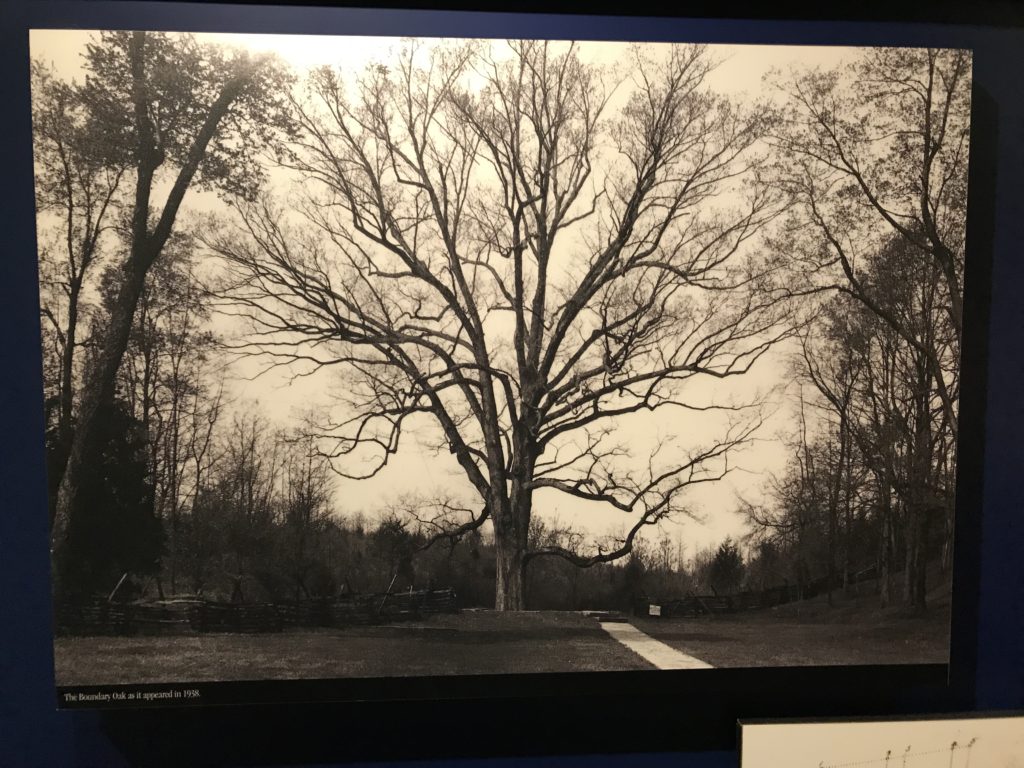
There are two other spots in the Abraham Lincoln Birthplace National Historical Park you must visit. One is Sinking Spring itself, which still exists. A short walk down narrow steps at the base of the memorial shrine takes you to a tiny waterfall leaking over the side of a small depression. Here is where the Lincoln’s got their water. Not far away is the site of the boundary oak, a huge oak tree that sat on the western edge of the farm. Probably 25-30 years old at the time of Lincoln’s birth, it remained until its death in 1976. Eventually cut down in 1986, there isn’t much left to see, but it’s worth the short walk into the woods nonetheless.
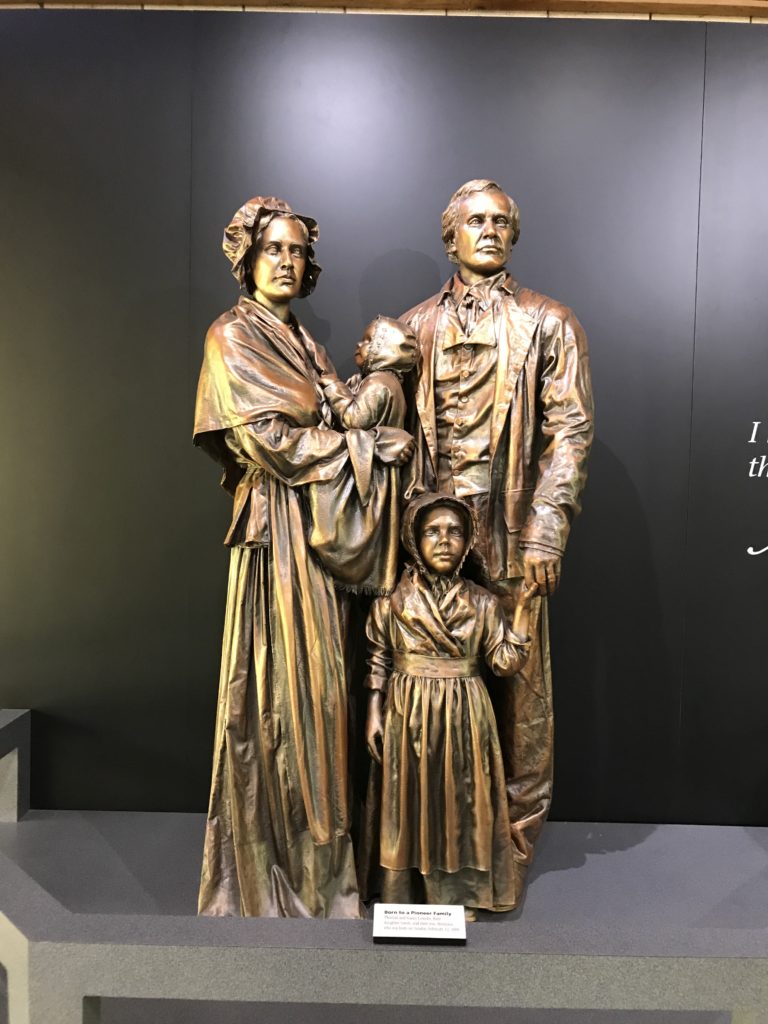
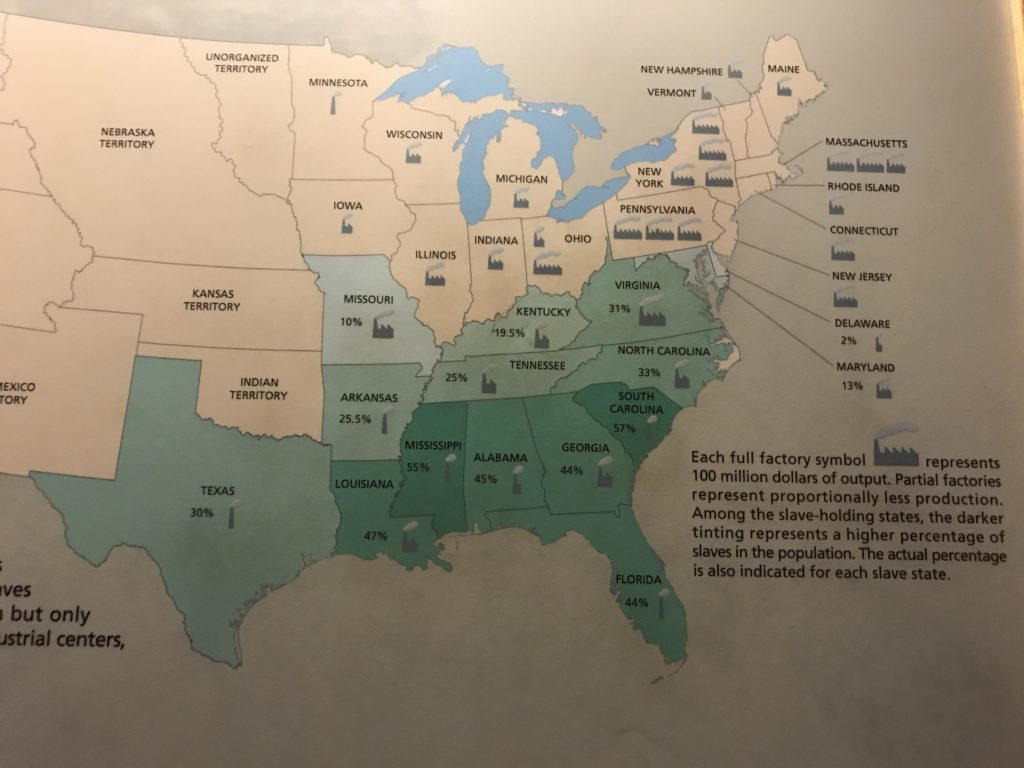
Of course, there is also a small museum, gift shop, and theater. Take the 12 minutes to watch the introductory movie and check out the historical displays. Look at the map showing the amount of industrialization in the North and the percent slave population in the South (e.g., South Carolina and Mississippi had more slaves than white people, and other states are close to 50%, hence why the South wanted to protect and expand slavery). In the lobby there is a statue featuring the Lincoln family – parents Thomas and Nancy, sister Sarah, and the young Abe.
 Like the Lincolns, my Chasing Abraham Lincoln tour (Part 1) takes me next into Indiana and the farm where Lincoln spent the next 11 of his most formative years. Alas, it’s also where he lost both his mother and his sister to eternity. Stay tuned.
If you missed them, follow this link and scroll down to see previous Chasing Abraham Lincoln articles.
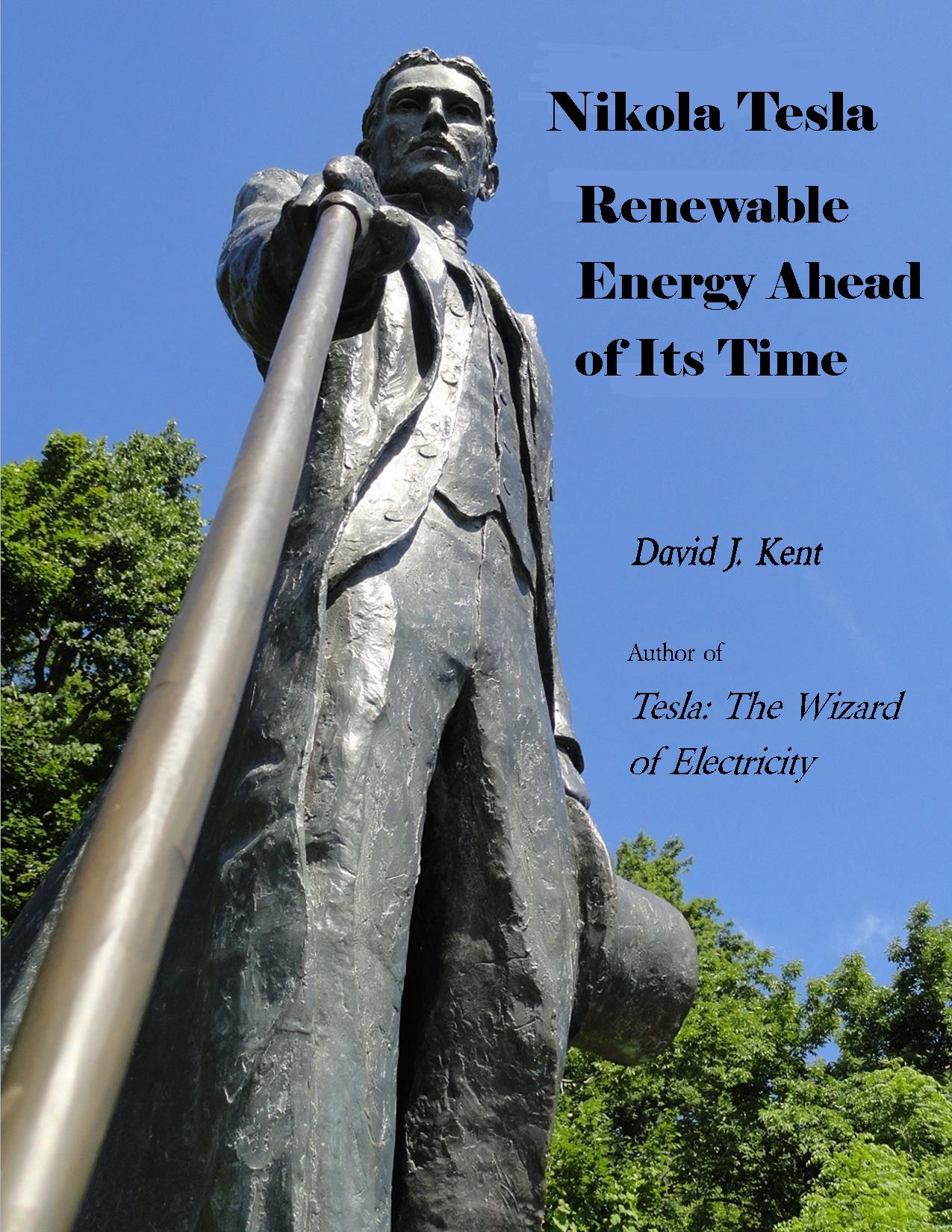
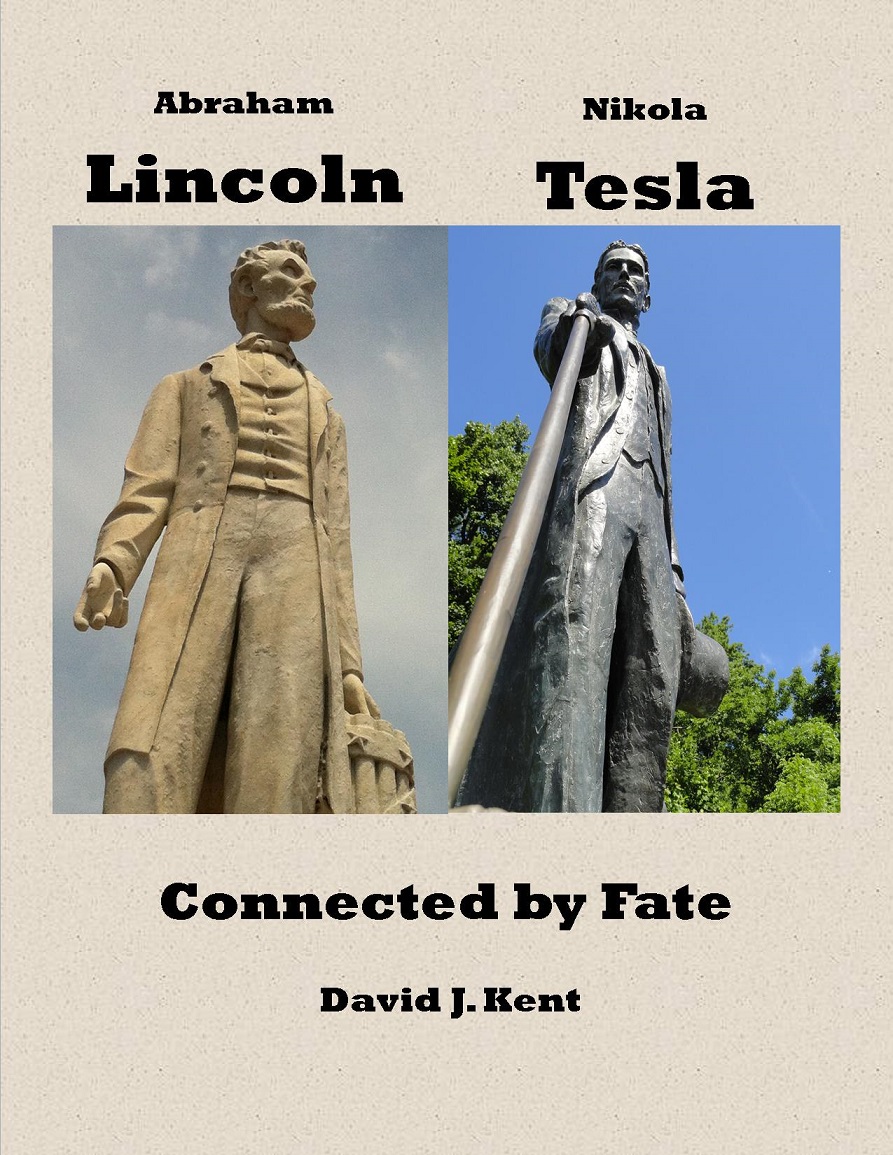
David J. Kent is the author of Lincoln: The Man Who Saved America, in Barnes and Noble stores now. His previous books include Tesla: The Wizard of Electricity (2013) and Edison: The Inventor of the Modern World (2016) and two e-books: Nikola Tesla: Renewable Energy Ahead of Its Time and Abraham Lincoln and Nikola Tesla: Connected by Fate.
Check out my Goodreads author page. While you’re at it, “Like” my Facebook author page for more updates!
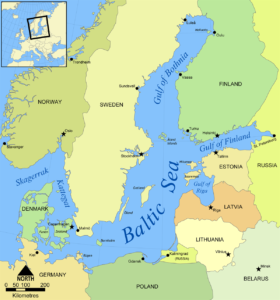 Ah, the Baltic Sea. I’ll soon be on it. And also in Denmark, Poland, Lithuania, Estonia, Russia, Finland, and Sweden. Windstar take me there.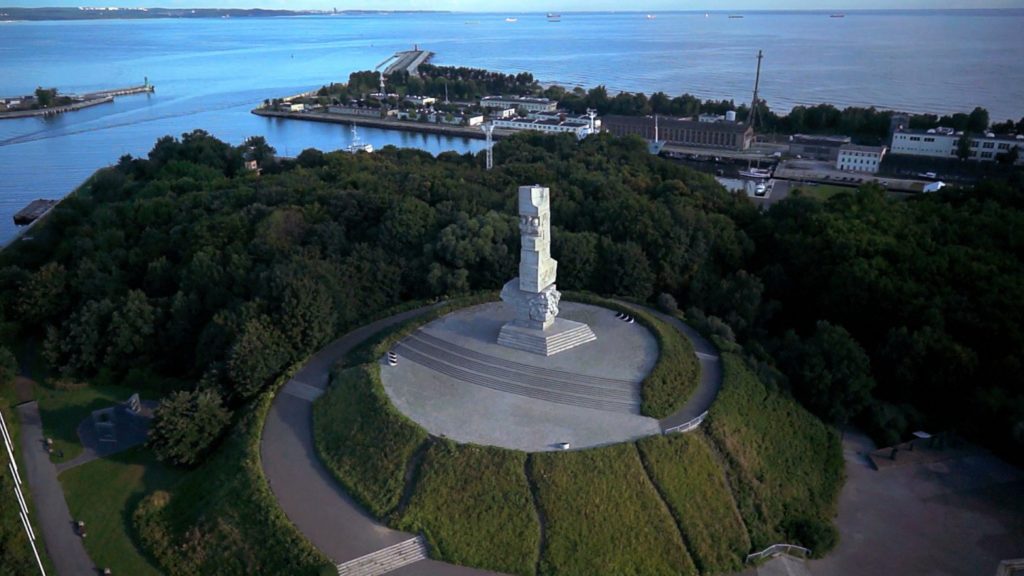
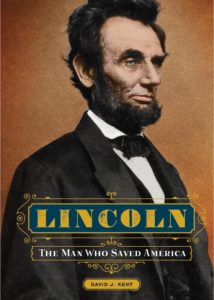 My book, Lincoln: The Man Who Saved America, has been reviewed in Civil War Times magazine. Civil War Times is the “go-to” magazine for Civil War enthusiasts, and with a circulation of over 100,000, it’s the Number 1 magazine in its category. They also have a wide-ranging
 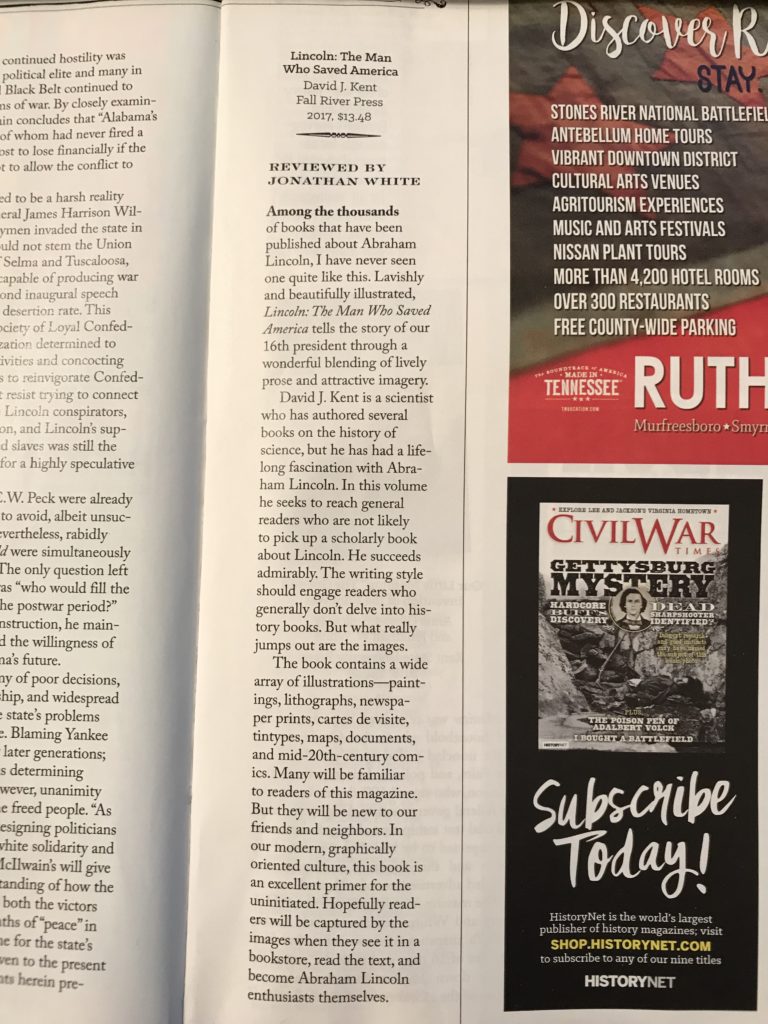 Admittedly, the review is a little hard to find, as I discussed in

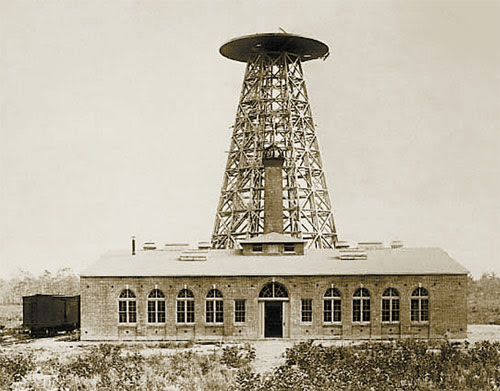 Thank you! Your endorsement will go a long way in showing that Wardenclyffe is of great value to the public as a site of historic, scientific and cultural significance.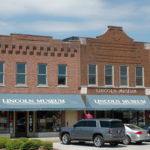
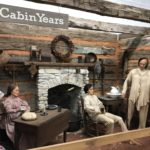
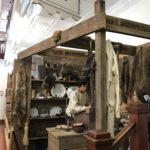
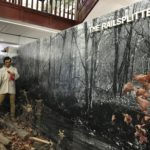
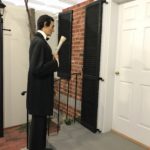
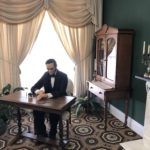
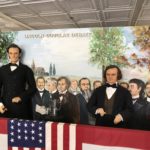
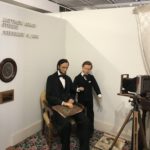
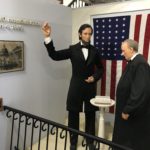
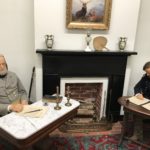
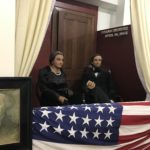


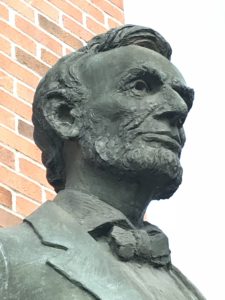 Everyone knows about the Abraham Lincoln Presidential Library and Museum in Springfield, Illinois, but there is another Abraham Lincoln Library and Museum. This one is in Harrogate, Tennessee in the campus of Lincoln Memorial University. And I spent the day there. It was an incredible experience.


 In mid
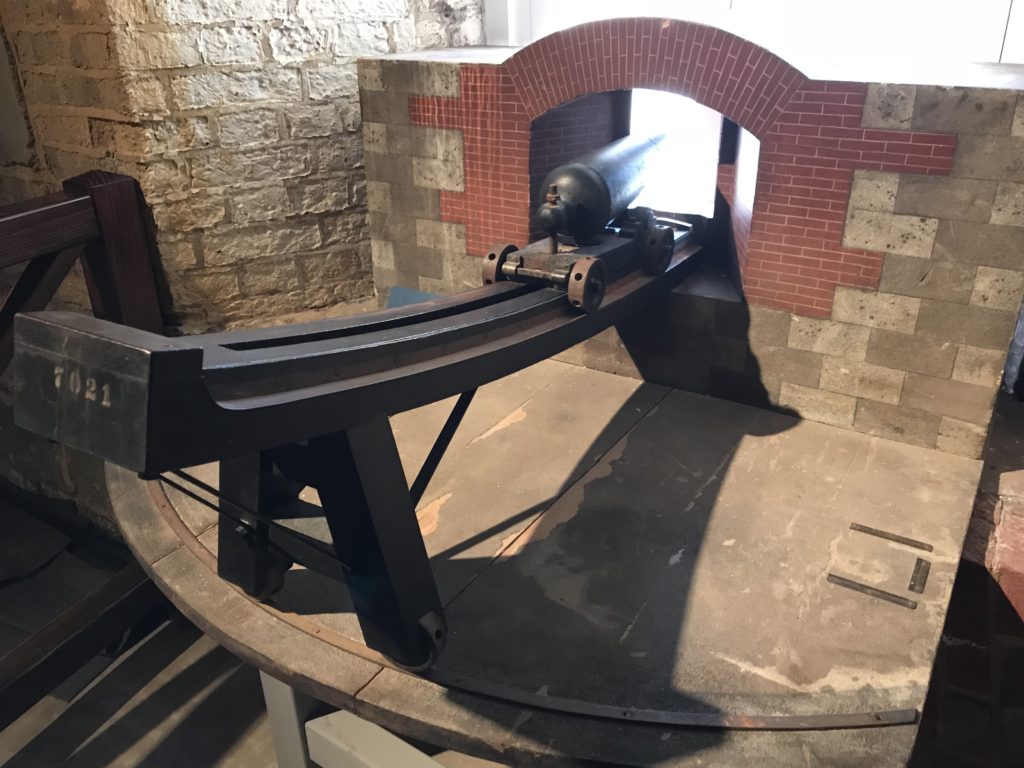
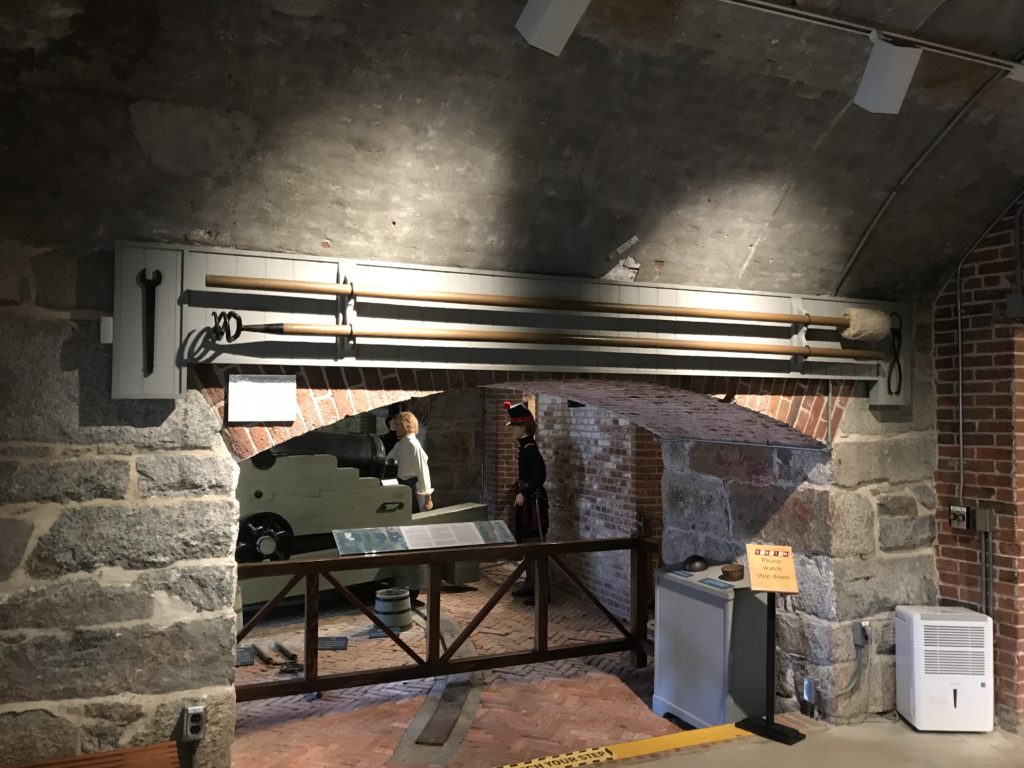
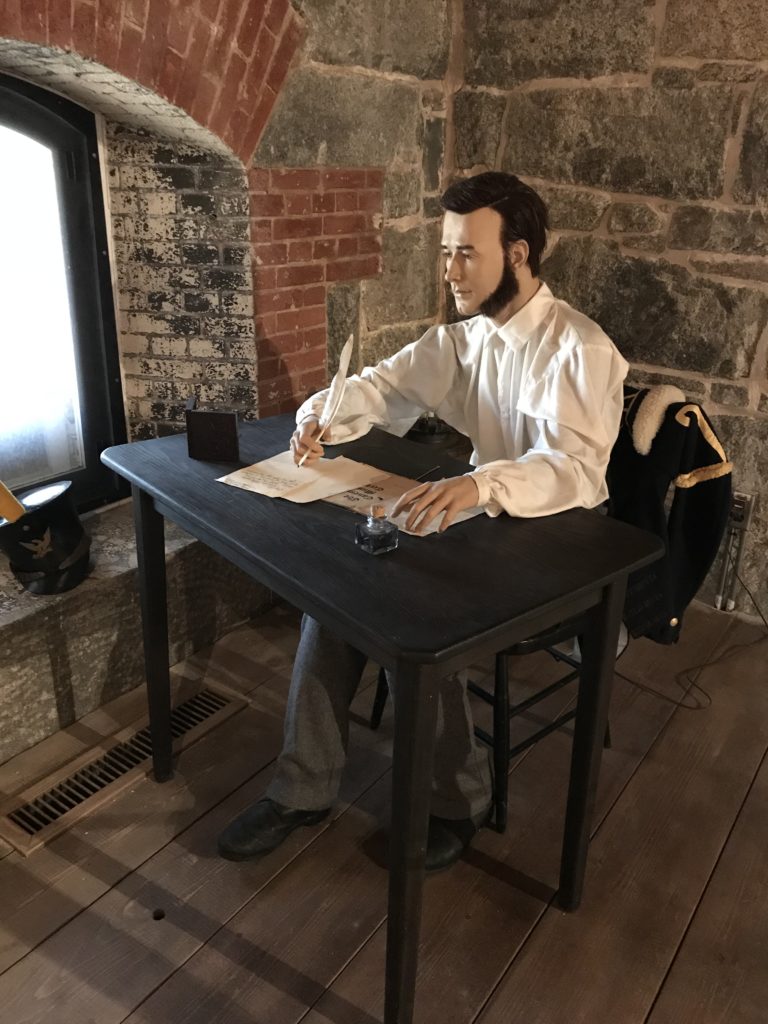
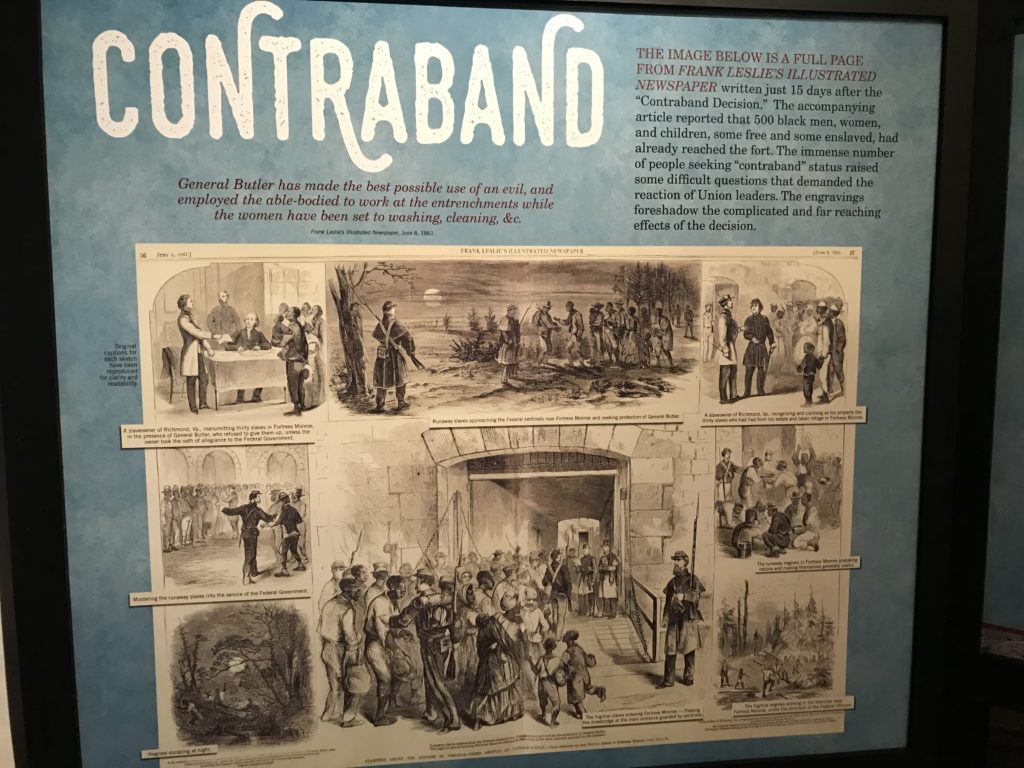
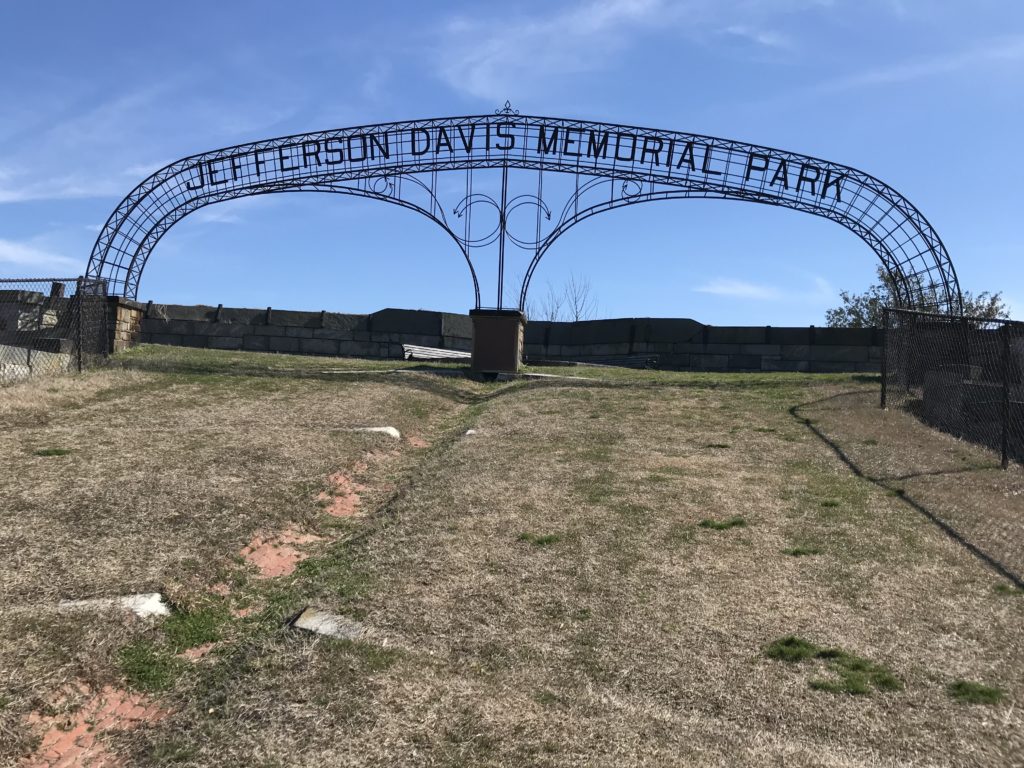
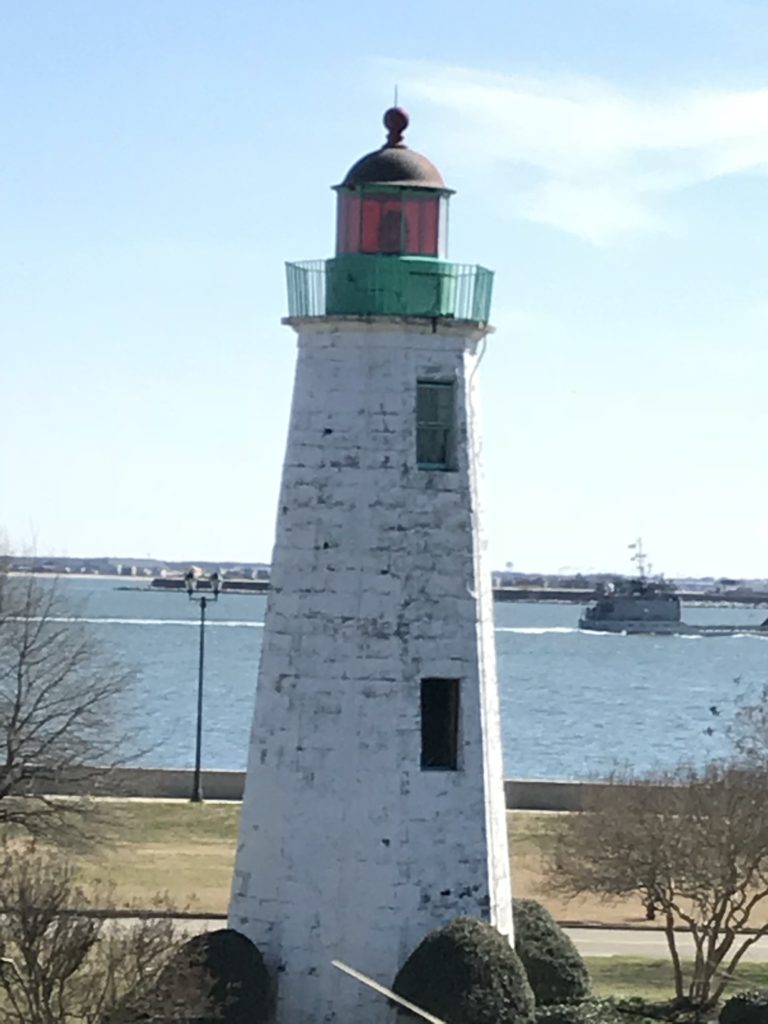
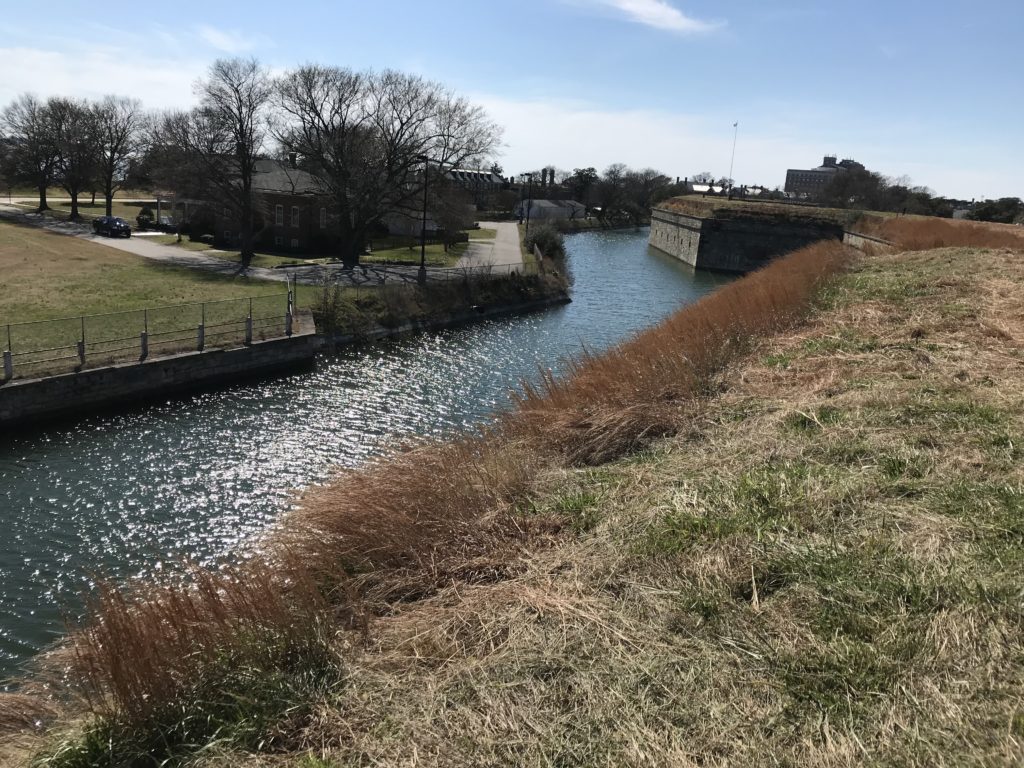
 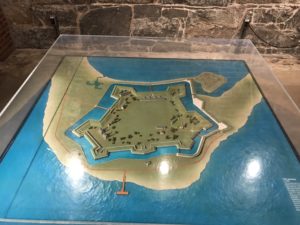 Named after our nation’s fifth president, Fort Monroe is, or at least was, one of the premier defenses of the Chesapeake Bay and Hampton Roads. Not far from here was the famous Battle of the Ironclads. On a recent visit I was able to tour the Fort Monroe National Monument, and in particular, the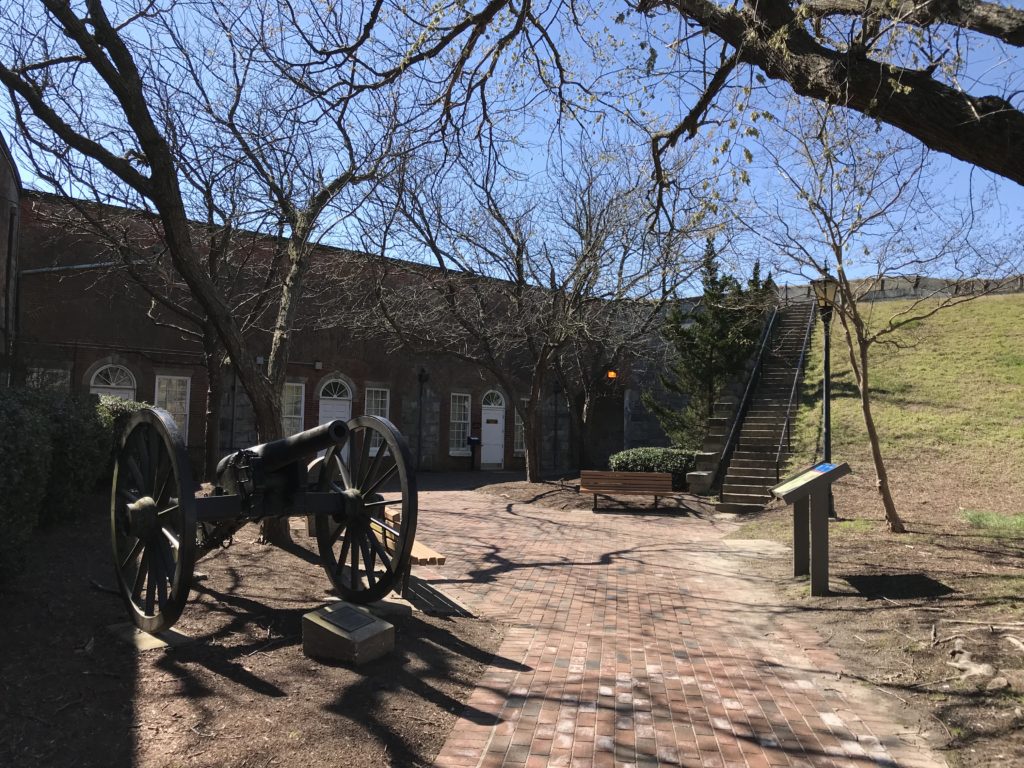
 The
The