 John Quincy Adams was the sixth president of the United States. What many people do not know is that after his presidency he was elected to the US House of Representatives, where he served for 18 more years. He died on February 23, 1848 on the House floor during Abraham Lincoln’s one term as a US Congressman. Lincoln served on Adams’s funeral committee.
Fred Kaplan is known for his biographies, Lincoln: The Biography of a Writer and John Quincy Adams, American Visionary, as well as biographies of Mark Twain, Gore Vidal, Henry James, and others. His most recent book is called Lincoln and the Abolitionists: John Quincy Adams, Slavery, and the Civil War. I recently read Lincoln and the Abolitionists and provide the following review, also posted on Goodreads.
Lincoln and the Abolitionists: John Quincy Adams, Slavery, and the Civil War by Fred Kaplan (Harpercollins, 2017, 357 pp)
As a Lincoln scholar, this was a tough book to read for a variety of reasons. Kaplan is obviously enamored of John Quincy Adams, the subject of one of his previous biographies. The book contrasts Adams’s attitudes and actions regarding slavery with Lincoln’s, finding Lincoln sorely lacking because he wasn’t an active abolitionist. The author also seems to channel Wendell Phillips, the northern abolitionist that mirrored the extremism of the southern pro-slavery firebrands. Phillips also happens to be one of Lincoln’s greatest critics, and at times it appears Kaplan is Phillips in his treatment of Lincoln.
Much of the first half of the book focuses on John Quincy Adams, while the latter half focuses on Abraham Lincoln. This is entirely appropriate as the two are found in two different eras of political strife, with Adams literally dying in the House chambers while Lincoln likely sat in the back of the same room as a single-term Congressman. Adams likely listened to Lincoln’s extended speechifying in the House during his “spot” resolution discussions, which attacked President Polk’s decision to invade Mexico. Adams would have agreed with Lincoln’s views, including the argument that the rationale for the Mexican War was to gain territory in which to expand slavery.
Kaplan’s writing almost deifies Adams’s contribution to the abolition debate, not the least of which included pressuring despite the “gag rule” that forbade even the discussion of how to end slavery. In contrast, Kaplan barely gives Lincoln credit for any contribution to the end of slavery. Kaplan paints Lincoln as “an anti-slavery moralist who believed in an exclusively white America” and Adams as “an antislavery activist who had no doubt the US would become a multiracial nation.” He threads this rather tenuous premise throughout the narrative, using it repeatedly to drive his opinion that Lincoln was a reluctant emancipator who did nothing until he was pushed to do so by others and by circumstances. He carries this premise and repeats it ad nauseam throughout the book. Lincoln is to blame, in Kaplan’s opinion, for the war, for slavery continuing, and for taking the chance that the South might come back into the Union after the preliminary Emancipation Proclamation, thus potentially returning the Union to a pre-war status, i.e., with slavery intact.
There is certainly room for debate on the various issues discussed, but while Kaplan says in his preface that the book honors both Adams and Lincoln, he clearly honors one and holds back credit for the other. The perspective is worth reading, but should not be taken at face value; additional knowledge of events must also be brought in to make the discussion more fact-based.
Regarding fact, Kaplan makes many errors of fact, from minor (Lincoln’s first inaugural was on March 4, 1861, not March 6) to horrendous (he discusses for several pages that Tennessee had not left the Union [It did]). He also claims “Confederates had been driven out of Louisiana early in the war” which isn’t true; only part of Louisiana returned to Union hands. He discusses in depth how Lincoln actively replaced Hamlin with Johnson, which is overstating the case tremendously as Lincoln’s role was likely very limited. He states that Lincoln “called Hannibal Hamlin to Springfield” and told him he wanted him as a running mate, which isn’t true. Lincoln didn’t meet Hamlin until after the two of them had been separately nominated at the Republican convention in Chicago (where neither of them was present). Other errors are laced throughout the book.
Which is a bit confusing because otherwise the book is well researched and documented. Likely Kaplan had a greater understanding of Adams because of his previous biography, but he also wrote a The Biography of a Writer about Lincoln, so the errors are a mystery. The organization of the book also makes it a tough read. Kaplan hops around in time and space, not only from page to page but paragraph to paragraph. This makes it sometimes difficult to follow the thought processes. At one point, for example, he starts to talk about the Matson case, in which Lincoln co-counseled with noted racist (and family friend) Usher Linder on the side of a man trying to retain his slaves. But after a few lines indicating he would discuss it, he veers off on a tangent, then returns to it a few pages later, only to give a quick introduction and veer off again before finally coming back to the case several pages down the road.
So would I recommend the book? Yes, and no. I do think he provides some interesting perspectives and good background, especially about John Quincy Adams, Wendell Phillips, and a cast of lesser known characters important to the slavery discussion. But I would caution that prior to digging in, readers should have a broader understanding of Lincoln’s attitudes and roles, and be careful of significant errors of fact. As I know less about Adams I can’t determine if there are errors or premise conflicts in the sections dealing with him. But readers without a good understanding of Lincoln should be wary of taking the ideas presented in the book at face value. Those with knowledge might find that knowledge challenged, though not always correctly or persuasively.
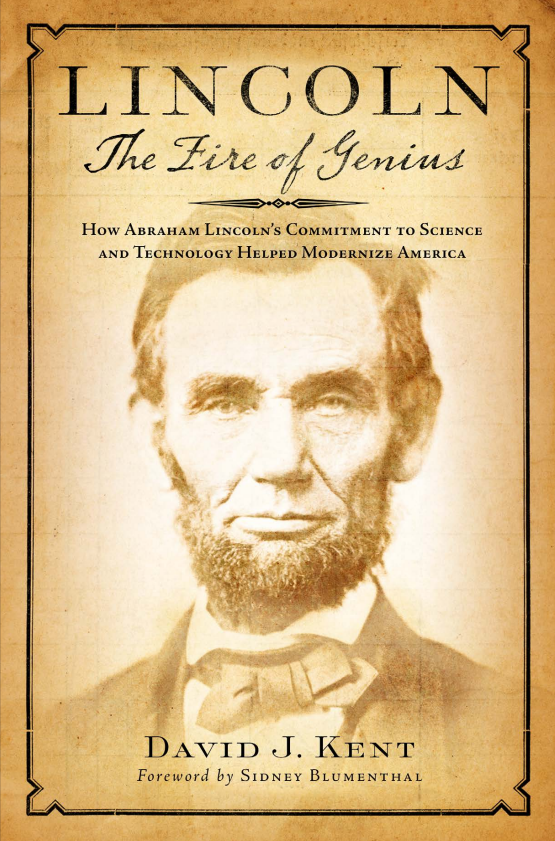
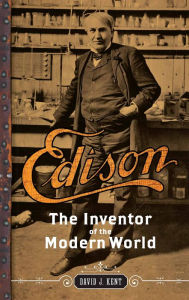
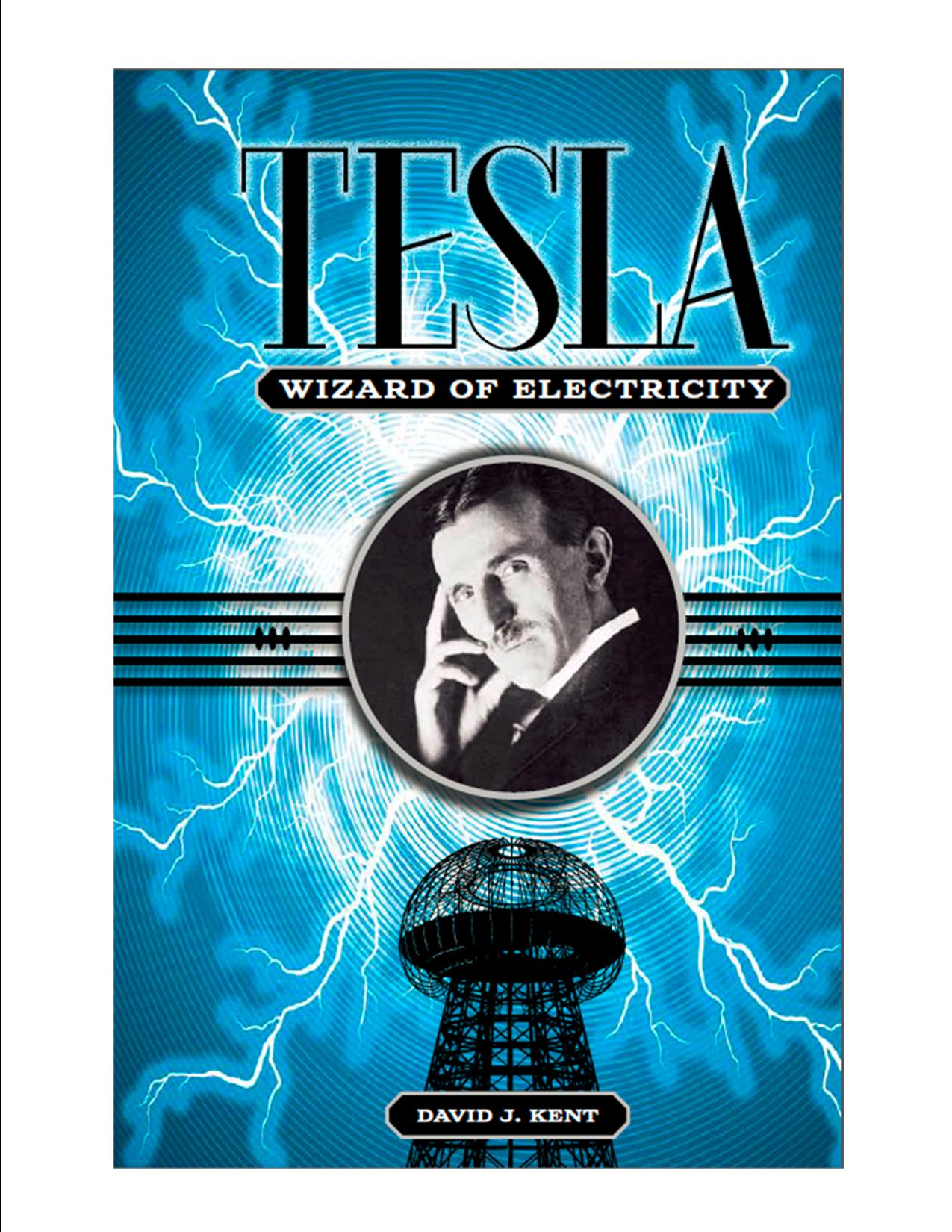
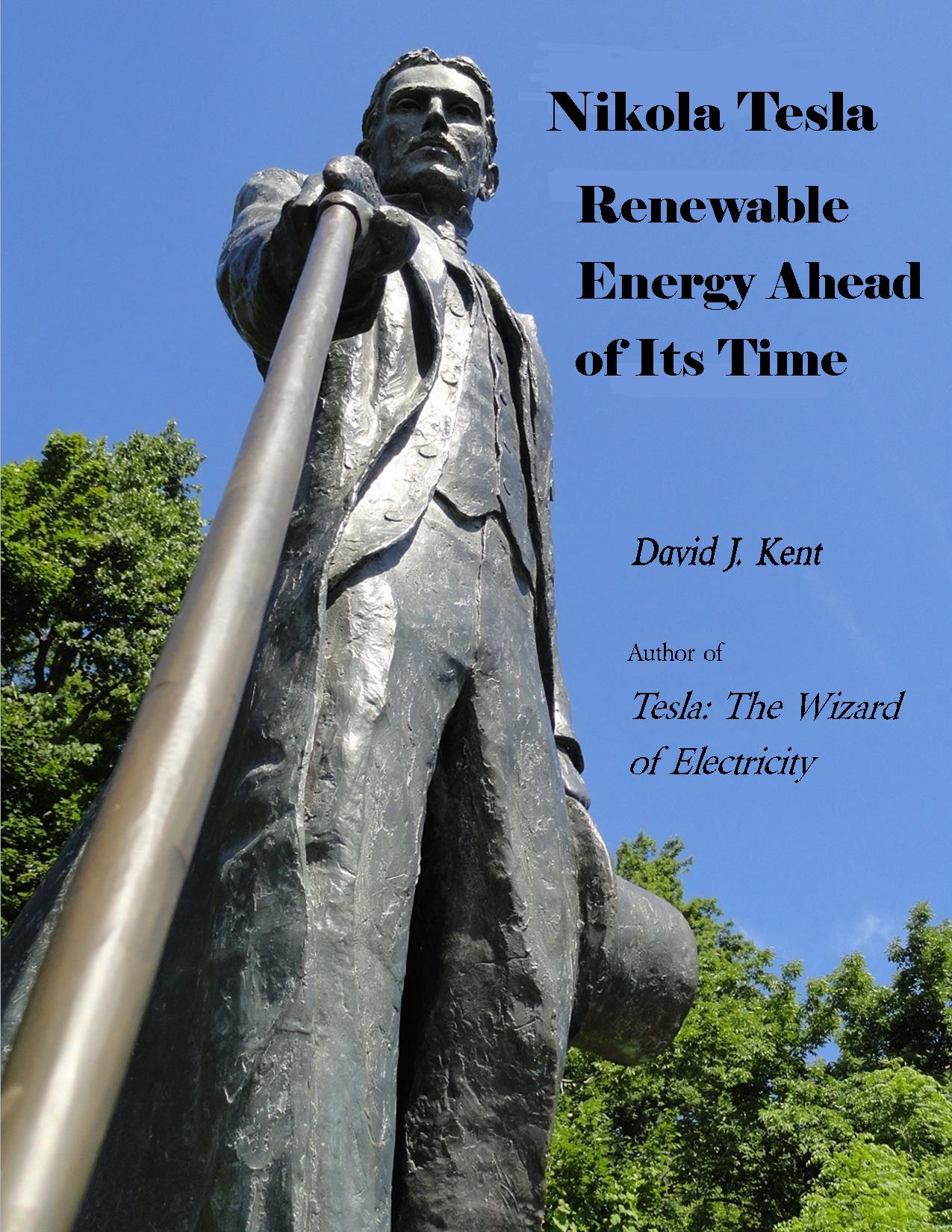
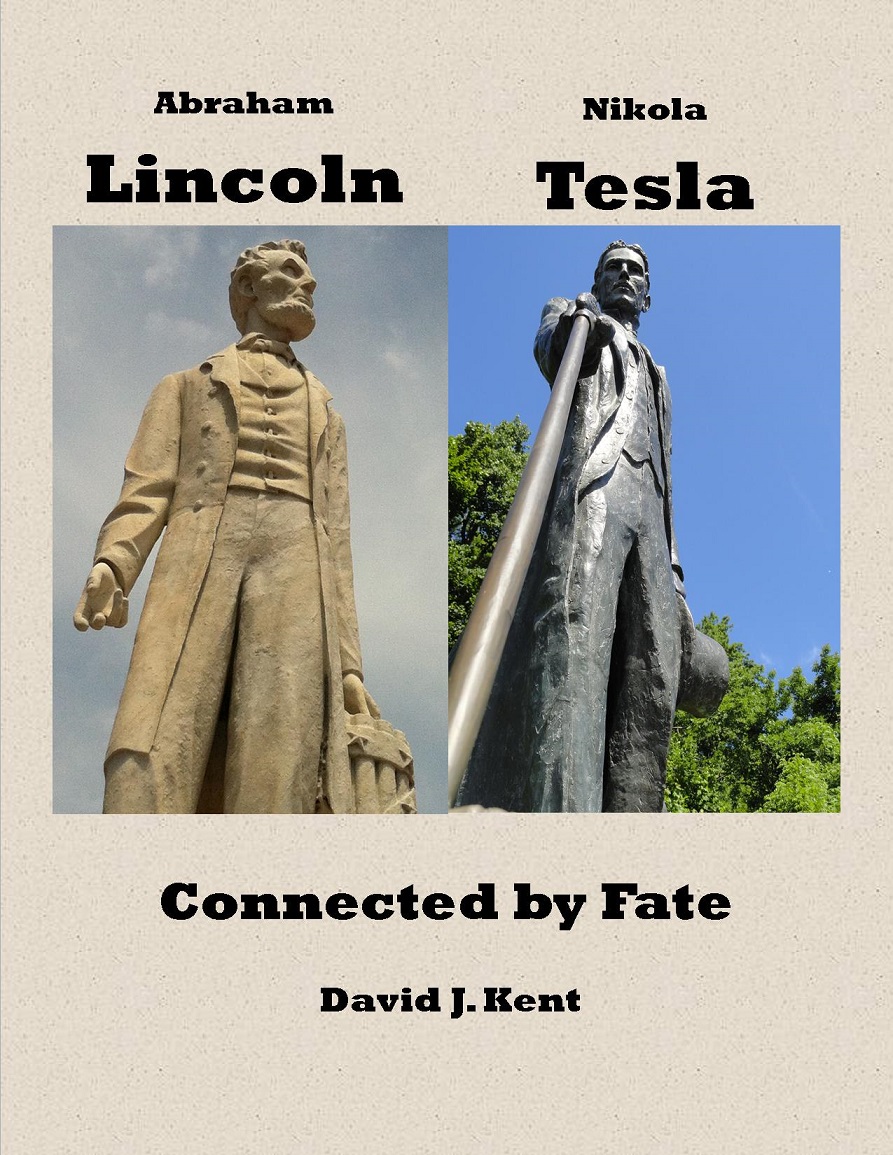
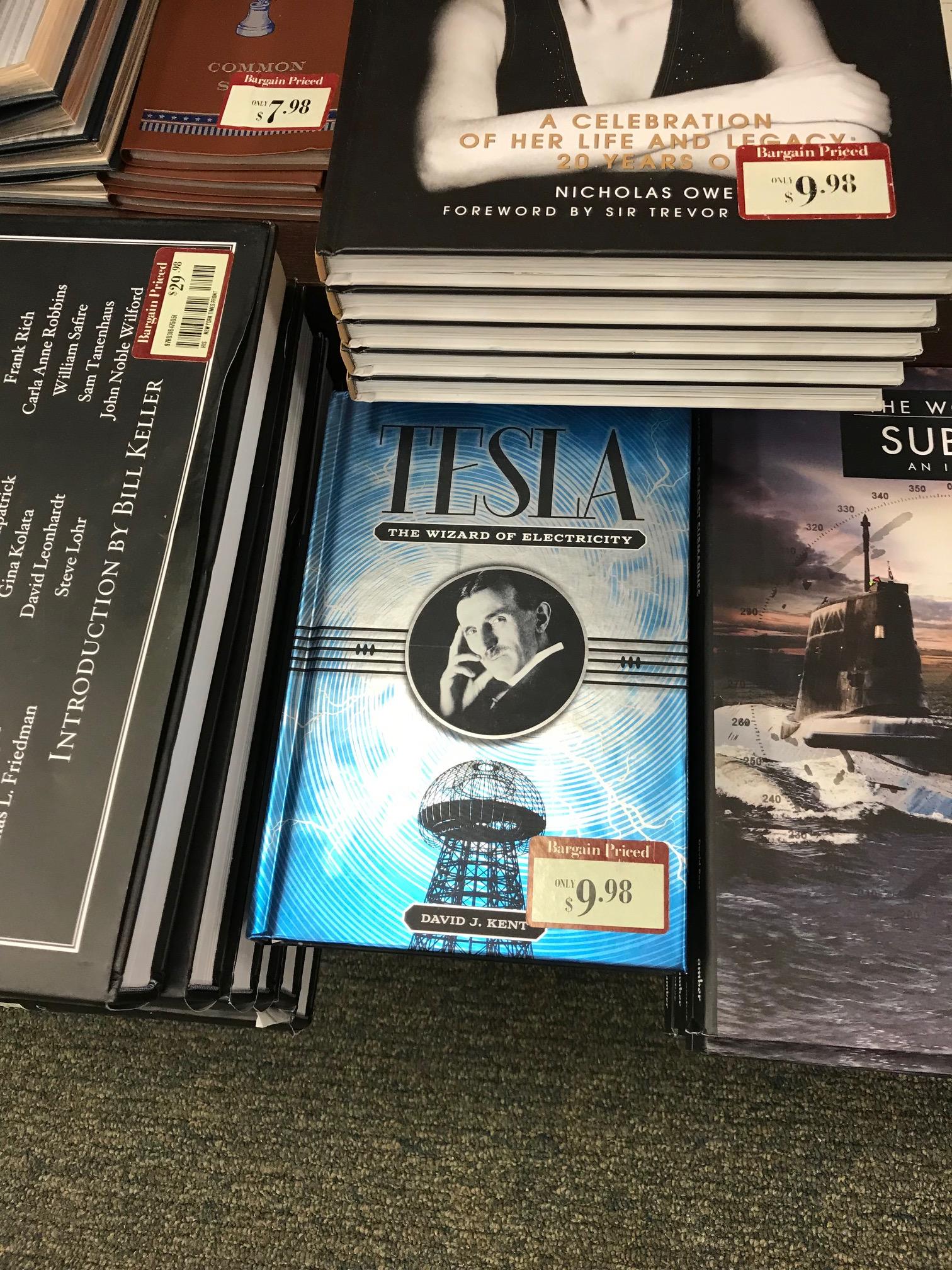
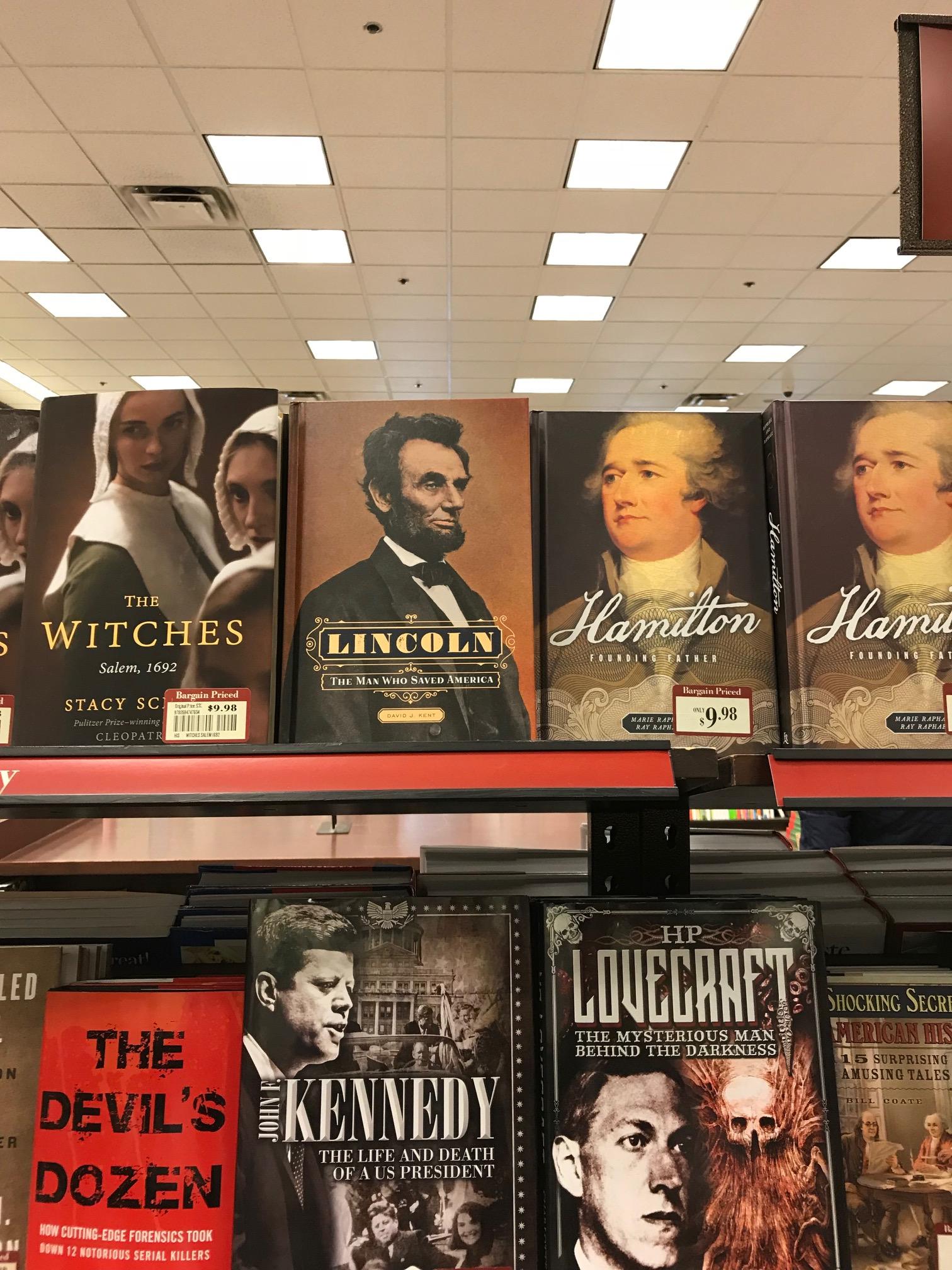
David J. Kent is the author of Lincoln: The Man Who Saved America, now available. His previous books include Tesla: The Wizard of Electricity and Edison: The Inventor of the Modern World (both Fall River Press). He has also written two e-books: Nikola Tesla: Renewable Energy Ahead of Its Time and Abraham Lincoln and Nikola Tesla: Connected by Fate.
Check out my Goodreads author page. While you’re at it, “Like” my Facebook author page for more updates!
Follow me by subscribing by email on the home page. Share with your friends using the buttons below.


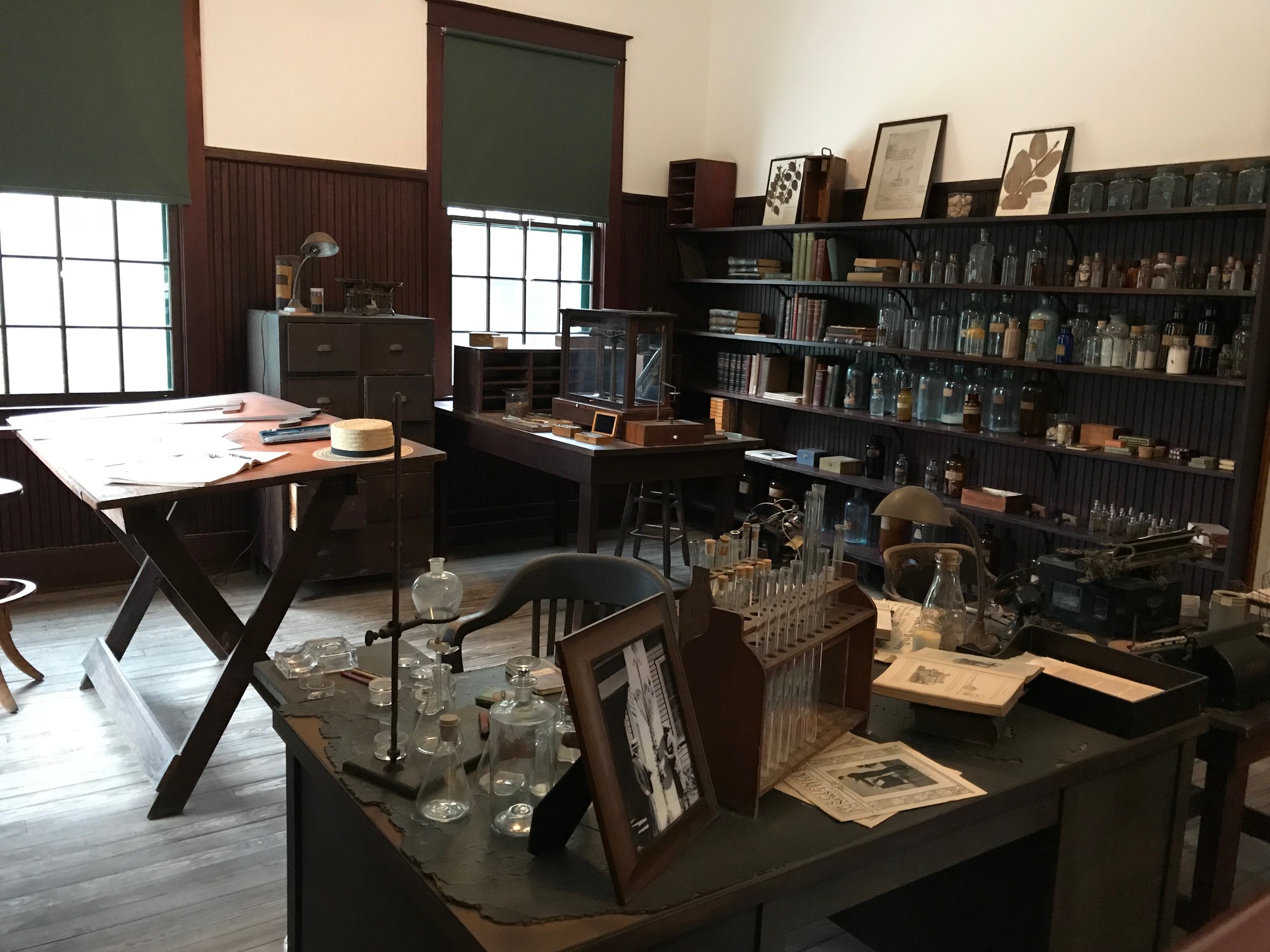
 It was not easy for the young Thomas Edison to get an education. In the fall of 1854, Little Al (as he was then known) was enrolled in the school of Reverend G. B. Engle, a strict disciplinarian who taught by rote. The easily distracted Al didn’t do well under such conditions, and ran away. The reverend’s wife called Edison “addled” and “dreamy,” neither of which was intended as a compliment. Furious, Edison’s strong-willed mother pulled him from the school and home-schooled him with a rigorous regimen studying a variety of subjects, reading literature, and memorizing. Above all else, Edison was a voracious reader. With his mother’s guidance, he read Gibbon’s The History of the Decline and Fall of the Roman Empire, Hume’s History of England, Sears’ History of the World, Burton’s Anatomy of Melancholy, and the Dictionary of Sciences.

 This is the Lincoln-Douglass debate that never happened—using words from their actual correspondence and commentary. Historian Harold Holzer will moderate and bring Lincoln and Douglass face-to-face for an unprecedented confrontation.
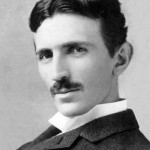 Nikola Tesla believed that the thermo-dynamic process, i.e., the burning of fossil fuels, was “wasteful and barbarous.” In particular he singled out coal; at the time in greater use than natural gas and oil, which were slightly less dirty but rapidly extending in use. Despite these
 On Tuesday night I’ll be attending a joint meeting of the
  It doesn’t stop there. Next week (February 22nd, 7 pm) I’ll be at the National Archives for the Lincoln-Douglas-Douglass Debates. In this very special presentation we’ll have Lincoln interpreter George Buss recreating his famous debates with Stephen A. Douglas (portrayed by Tim Connors). After a short break, Lincoln will return to have a discussion with Frederick Douglass (portrayed by Phil Darius Wallace) using a script written by world famous Lincoln scholar Harold Holzer. Harold will moderate the debates. This is a once in a lifetime event that cannot be missed. [And it’s free] Check out more info at the National Archives.
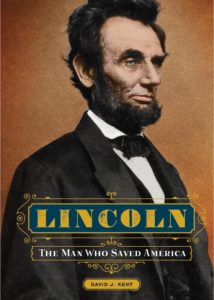 Lincoln: The Man Who Saved America has enjoyed great success and will have a second edition in the spring. The book has been featured in several media outlets: the latest being the Railsplitter podcast.
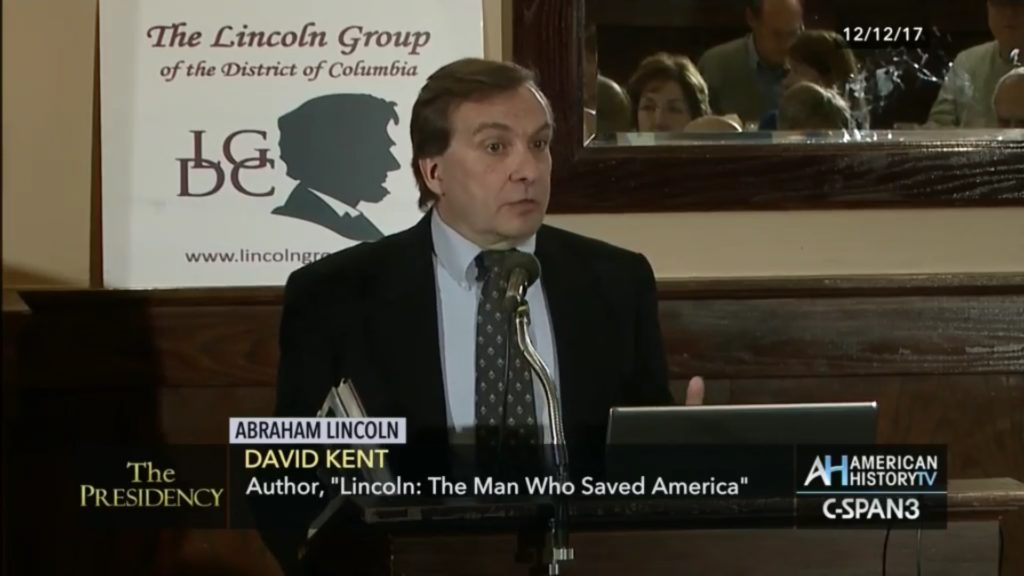
 And in case you missed my recent #Ask Me Anything, you can read the questions and answers from that event as well.





 Ask Me Anything at #AuthorsAMA!