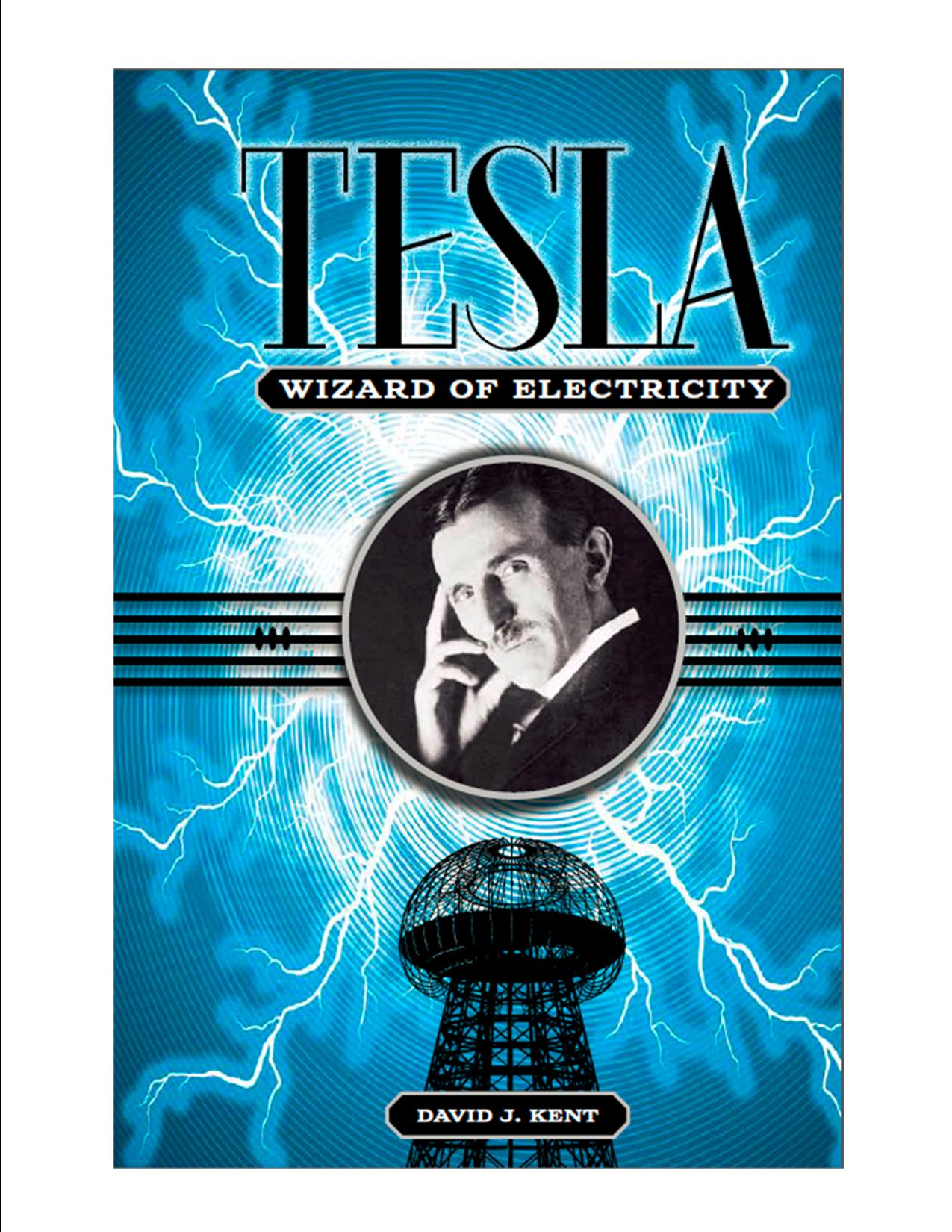
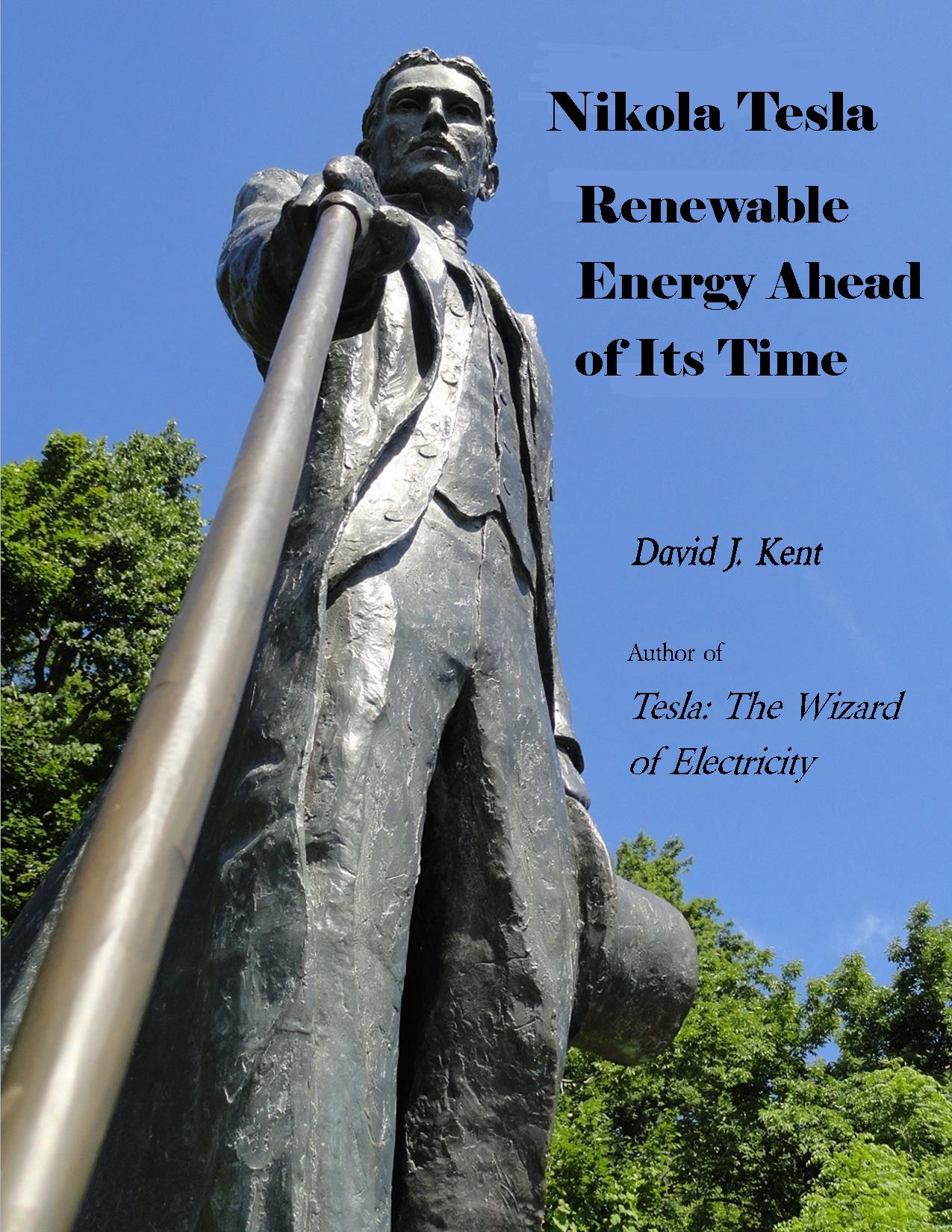
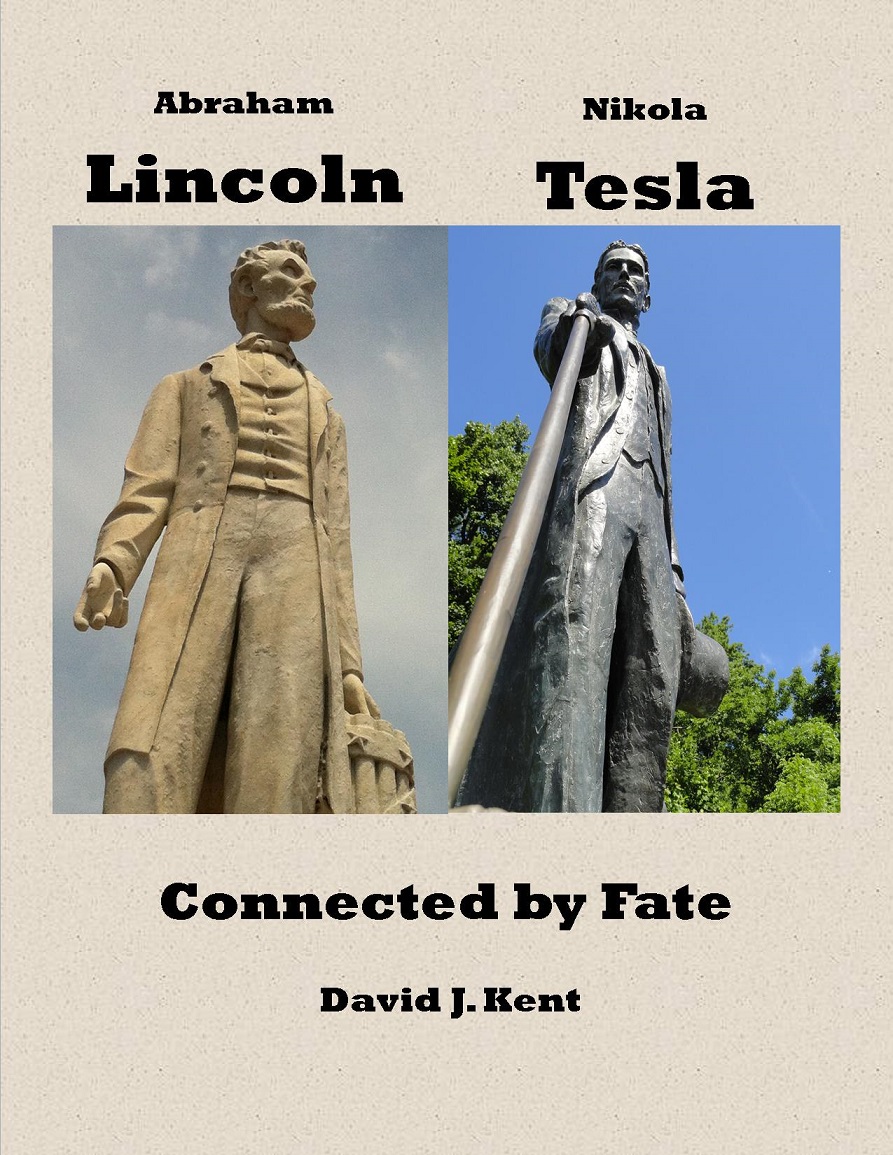
Thomas Edison is a world-famous inventor taught in every history book. Nikola Tesla is a worldly inventor largely forgotten from text books. Each contributed to the modern age of invention in ways that impact us still today. I’ve now written books on both and I can see how they were very different men in so many ways, and yet in other ways they were amazingly similar.
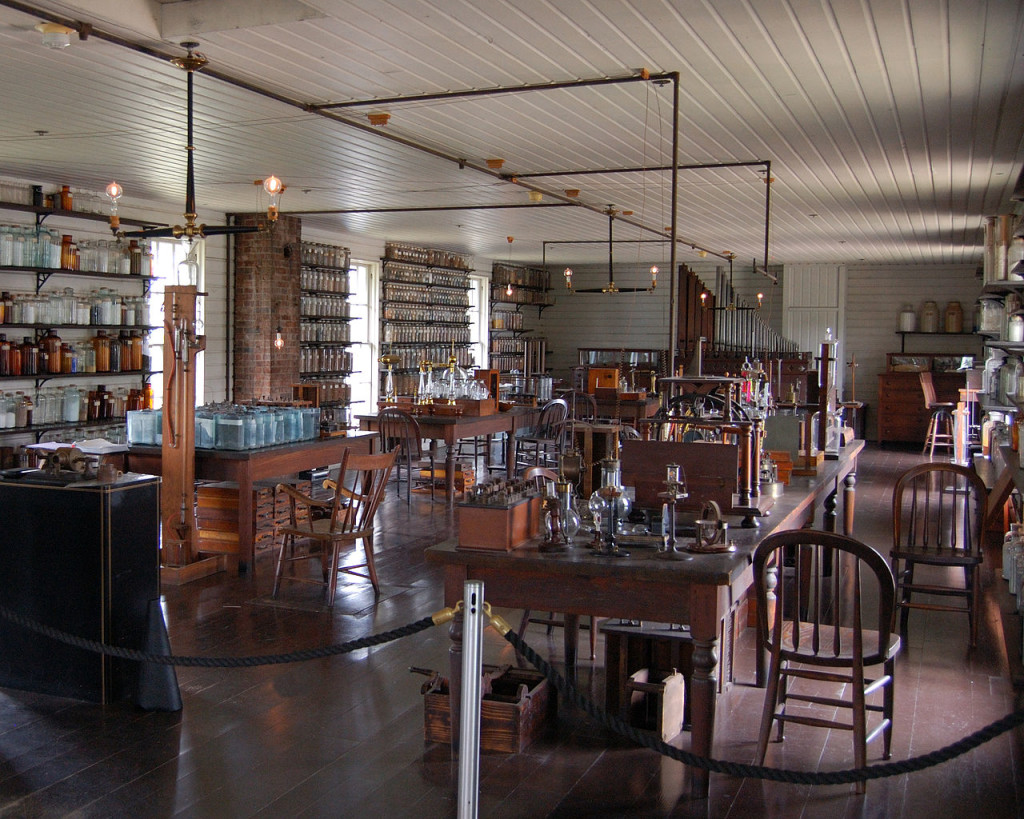
Differences
The Loner vs. the Invention Factory: Tesla was very much a loner. He liked to work alone, assisted only by a few trusted helpers to flip switches, build apparatuses, and keep records. Edison was into collaboration. While very much a control freak and dictatorial at times, he liked employing talented artisans and inventors to whom he would assign problems and let them work them out.
Private Financing vs. Corporate Financing: Tesla financed his work largely by soliciting money from rich investors like J.P. Morgan and others. If his investor didn’t feel they were getting a fast enough return on investment, his money would dry up. Edison had private investors as well (J.P. Morgan had a hand in every inventor’s lab) but he focused on getting corporate financing, often acting as an external invention arm of big companies like Western Union.
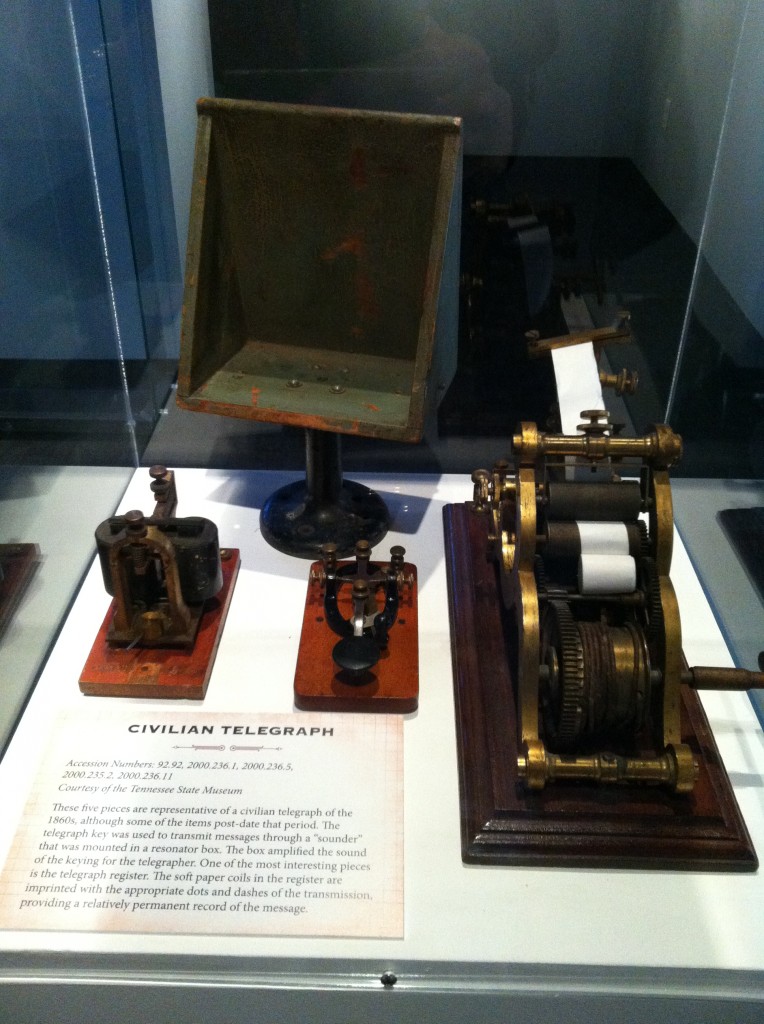
Disruptive Technology vs. Incremental Technology: Tesla wanted to change technology dramatically. His work on alternating energy revolutionized electrical distribution. He was the first to go wireless with electricity and the first into robotics. Edison was more incremental. His initial inventions were improvements on well-worn telegraphy, which led to telephony, which led to phonographs, which led to motion pictures. His technology grew on previous technology whereas Tesla’s made big jumps.
GQ vs. Farmer’s Almanac: Having learned from his time in Paris, Tesla dressed impeccably, often in beautifully tailored suits, vests, and even spats to protect his high fashion shoes. Edison would often wear the same suit for days, and it looked it. He would curl up on a laboratory bench for quick cat naps late at night, fully clothed and ready to spring back to work as soon as he awoke.
Formal Education vs. Autodidact: Tesla was sent to formal training at the best engineering schools in Graz, Austria and Prague, Czech Republic. He never got his degrees, but he learned from the most impressive teachers. Edison barely had any formal schooling. He was home-schooled by his mother at an early age and largely taught himself chemistry, electricity, and everything else.
Invention vs. Commercialization: In keeping with his loner persona, Tesla generally preferred to patent his inventions and then sell the rights to others who were better at marketing them. Without George Westinghouse, Tesla would likely not have successfully won the war of the currents. Edison was generally quick to find a commercial avenue for his inventions. He felt it important to have money coming in from previous work that would help fund ongoing work.
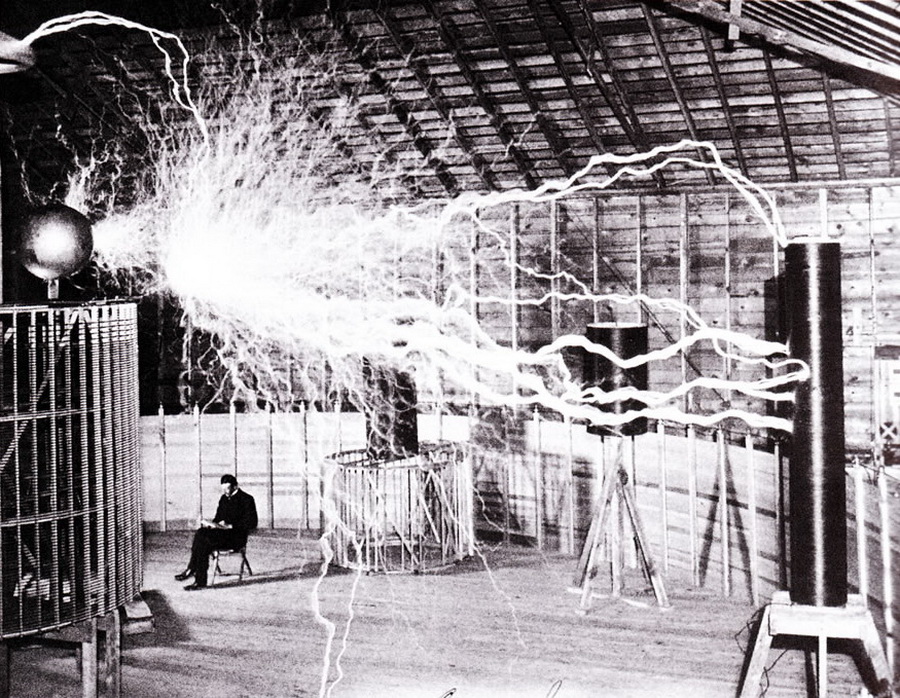
Similarities
Workaholics: Both Tesla and Edison were workaholics. They would each work 18+ hours a day, and both preferred to work through the night.
Social and Reclusive: Both were social sensations, although reluctantly. During his most active period, Tesla was often invited to high society parties. He hung out with the social set that included stars like Sarah Bernhardt, environmentalists like John Muir, and writers like Mark Twain (a close friend). Edison was buddies with other wealthy industrialists like Henry Ford (cars) and Harvey Firestone (tires), as well as J.P. Morgan and naturalist Robert Burroughs. Both Tesla and Edison could only handle social life in small doses, escaping back into their laboratories when tired out by recreation.
Fluid Assets: Both Tesla and Edison were free-spenders. Tesla went through the $150,000 received from J.P. Morgan (a fortune in those days) like ice on hot day. He was often begging financiers for money to do experiments. Edison also burned through money quickly, though he usually had a steady stream of it coming in. Still, it was finances more than anything that led to Edison General Electric dropping the Edison, both from the name and from participation in the company.
Thomas Edison and Nikola Tesla were very different, and yet in ways very much the same. Their differences, however, were critical to Google’s founder Larry Page, who said he was inspired by the world-changing vision of Tesla, but appreciated Edison’s ability to commercialize his inventions. Both men contributed greatly to modern America. We can learn from each of them.
David J. Kent is the author of Tesla: The Wizard of Electricity and Edison: The Inventor of the Modern World (both Fall River Press). He has also written two e-books: Nikola Tesla: Renewable Energy Ahead of Its Time and Abraham Lincoln and Nikola Tesla: Connected by Fate. His newest book is Lincoln: The Man Who Saved America.
Follow me by subscribing by email on the home page. And feel free to “Like” my Facebook author’s page and connect on LinkedIn. Share with your friends using the buttons below.
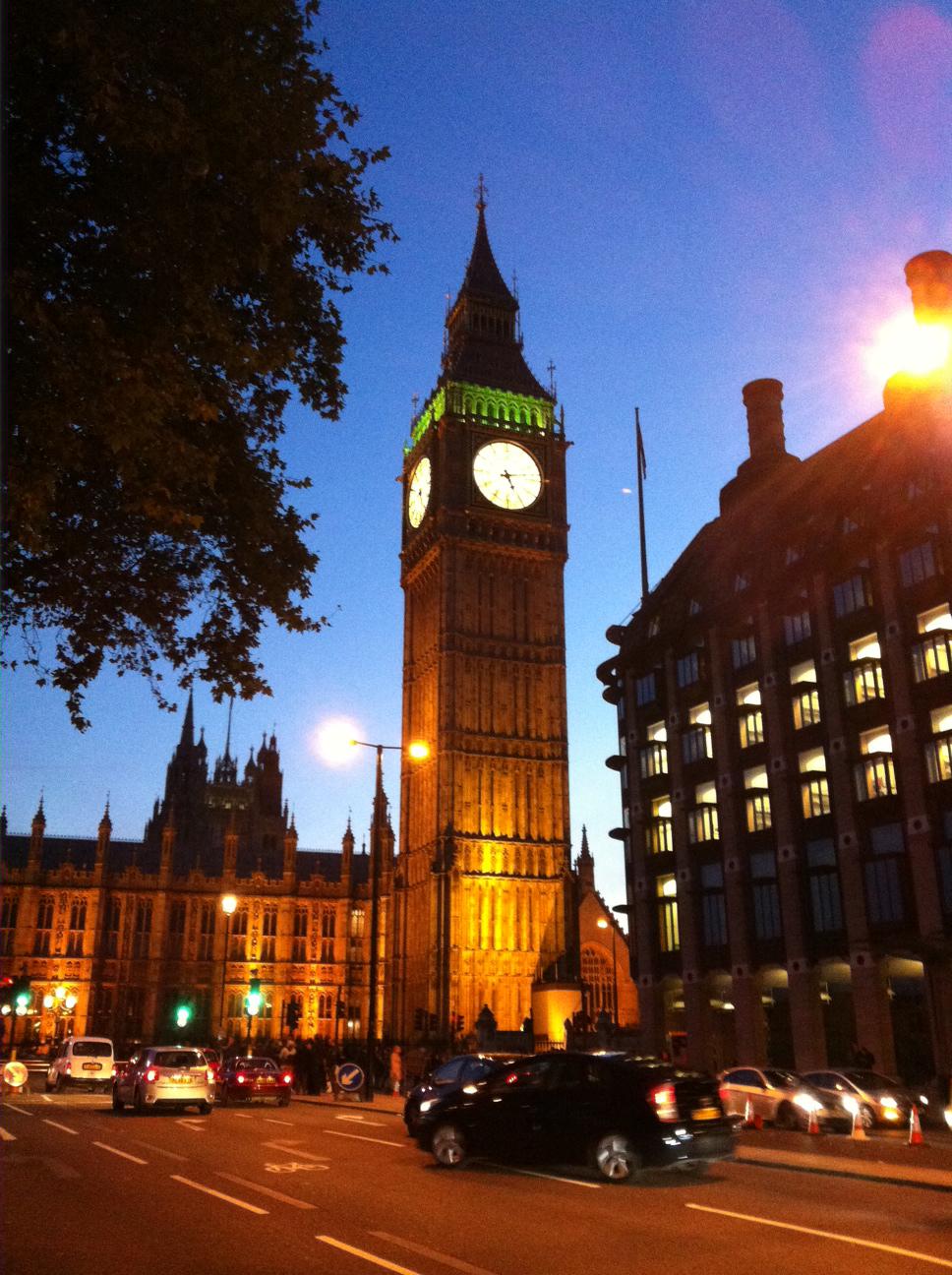
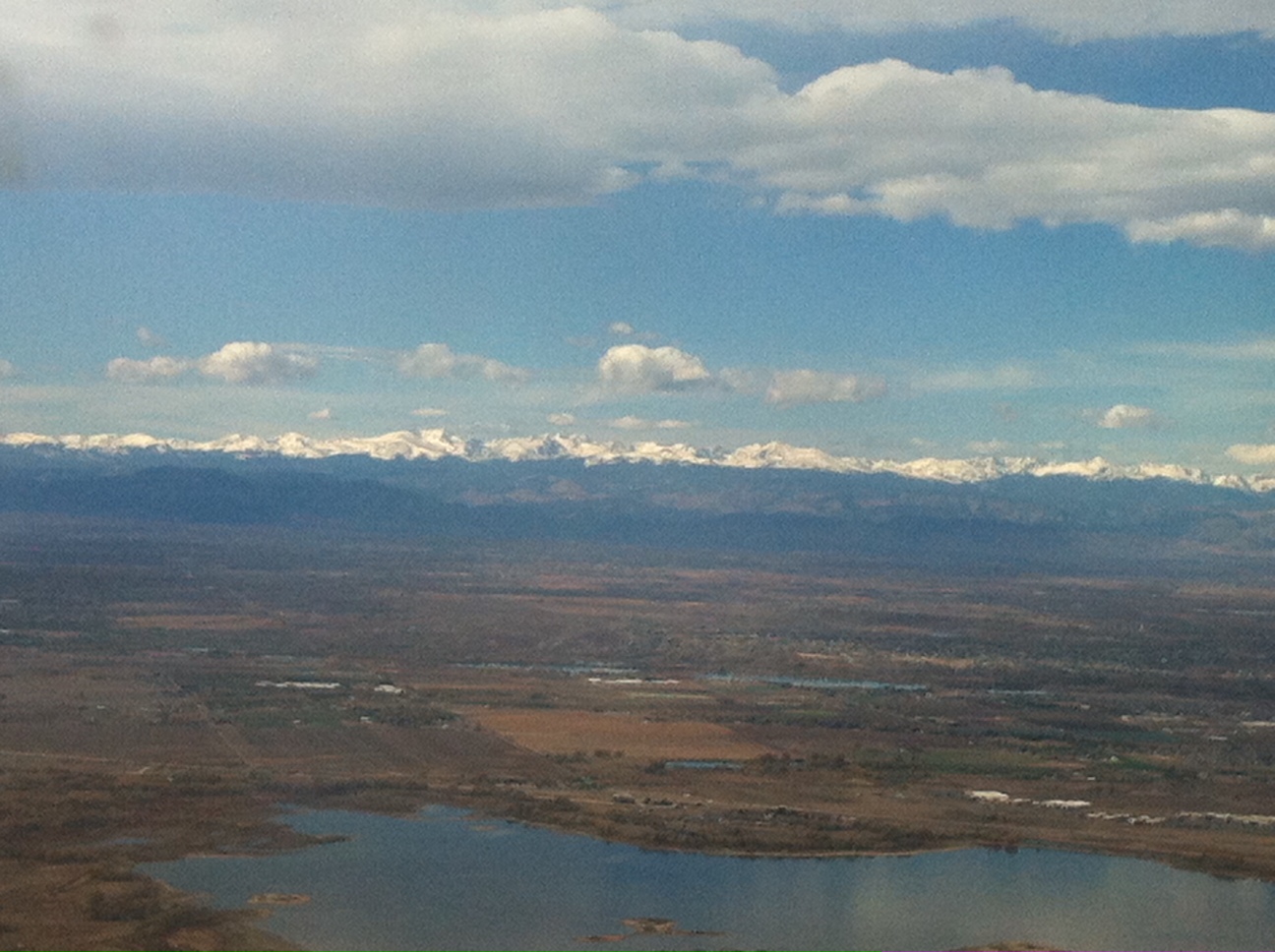
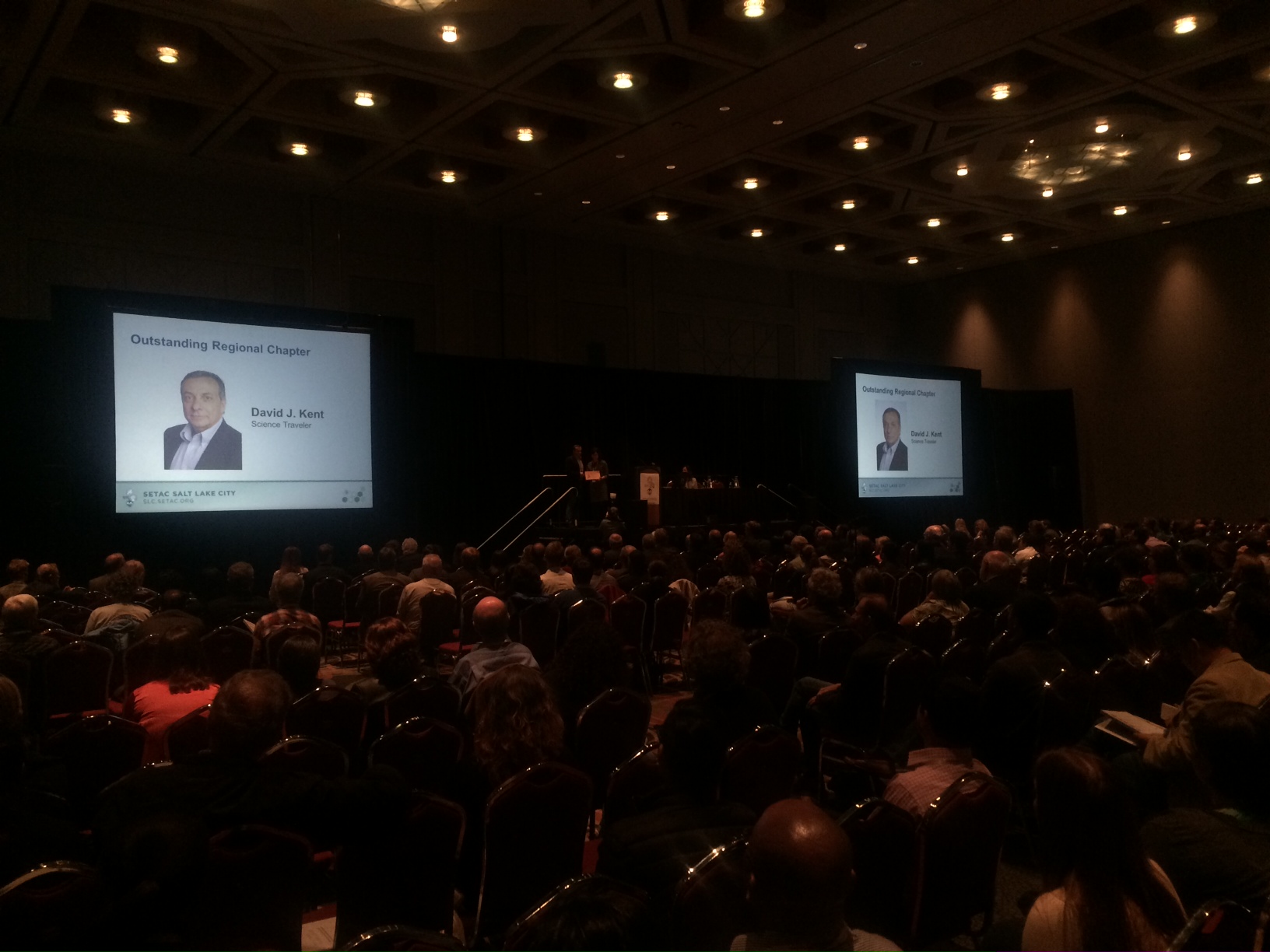
 Actually, limping would be an improvement right now, as I’m essentially stuck in my hotel room unable to walk without pain. Welcome to London.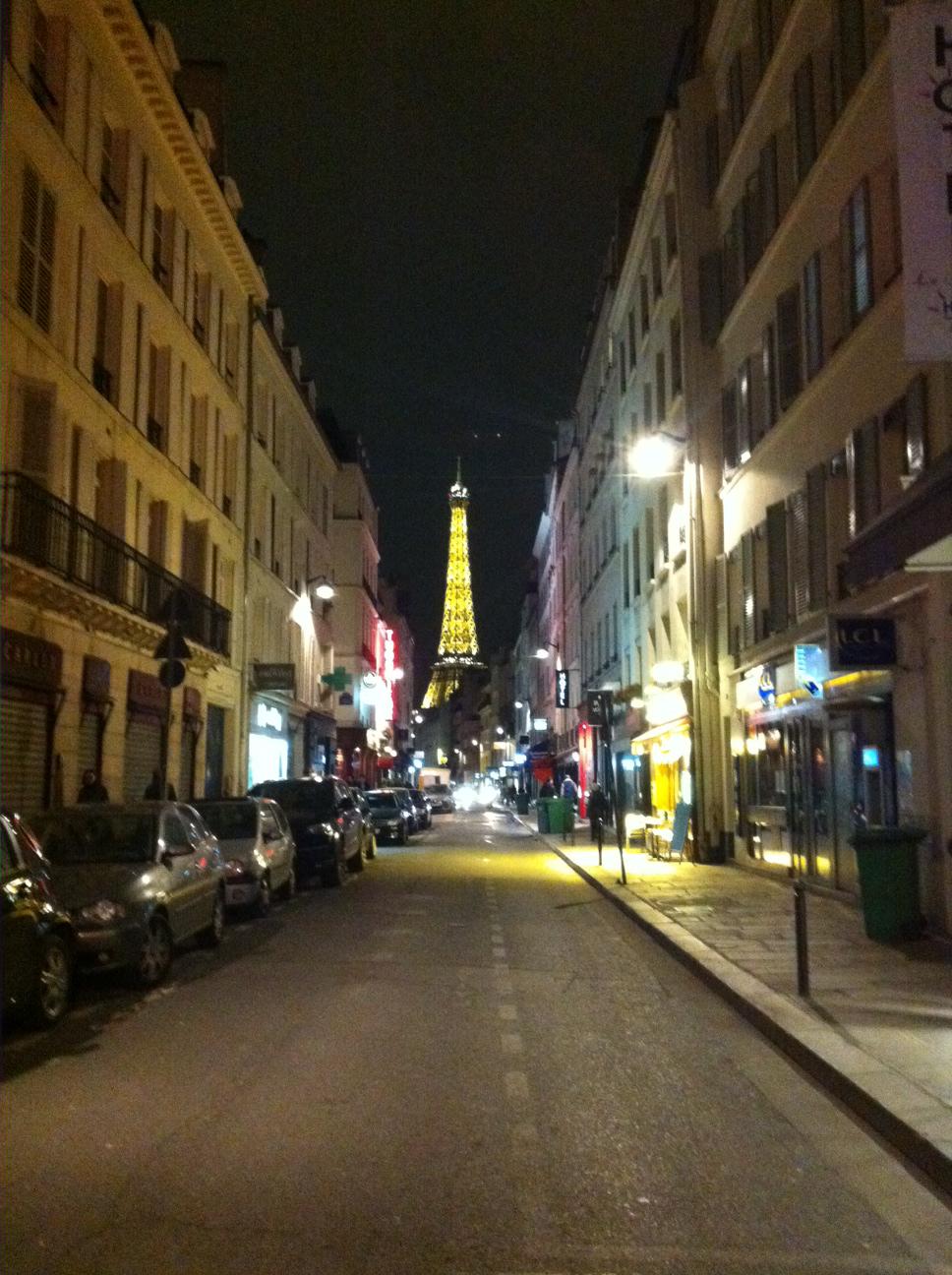
 Tuesday, October 20, 2015 will be a first for me. After giving well over a hundred presentations on science topics I give my first official presentation on Abraham Lincoln. I hope many more will follow.