Fate can be a cynical maiden. Such is the case with the assassination of President William McKinley in 1901. His death involved not only Nikola Tesla and Thomas Edison but the son of another assassinated president, Abraham Lincoln.
President McKinley’s assassination happened six months into the second term of his presidency while he was attending the Pan-American Exposition in Buffalo, yet another World’s Fair to highlight rapidly changing technology and cultural exchange. McKinley had a busy schedule but managed to slip in a visit to the nearby Niagara Falls. After seeing the gorge with its beautiful falling waters (being careful to remain on the American side to avoid the inevitable political chatter), the President toured Goat Island where a statue of Nikola Tesla would be erected many years later.
One of the main goals of the Niagara Falls trip was to visit the hydroelectric plant. This, of course, included the alternating current generators and motors designed by Nikola Tesla. It was the alternating current from Tesla’s Niagara Falls system that lit up the entire exposition, including the centerpiece “Electric Tower” and the Temple of Music. There were also electric trains, ambulances, and other vehicles moving people to and fro between different parts of the fair and the Falls.
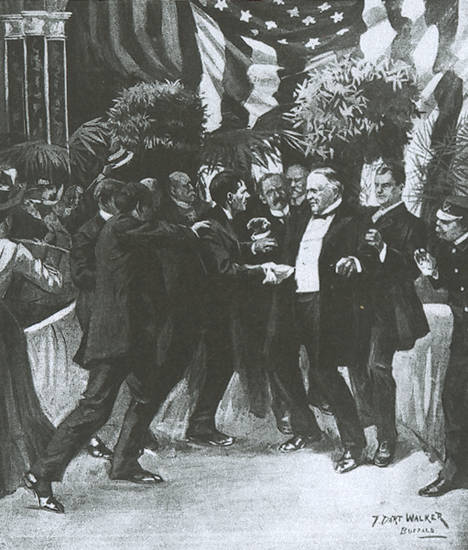
After marveling at the ingenuity of Tesla’s designs at Niagara, McKinley returned to Buffalo for a reception at the very same Temple of Music being lit by the power of those falls. While shaking hands with well-wishers, McKinley was shot by anarchist Leon Czolgosz. It was September 6, 1901.
In an ironic twist of fate, Tesla’s rival Thomas Edison could have saved McKinley’s life. Doctors were unable to locate the bullet in McKinley’s abdomen, and an early X-ray machine designed by Edison was on display at the Fair. McKinley’s doctors, however, deemed the apparatus too primitive to be of use. Edison quickly sent his most modern X-ray machine from New Jersey up to Buffalo, but aides to the President refused to use it for fear of radiation poisoning. While McKinley at first appeared to be recovering, gangrene set into the wound and he died on September 14th, Edison’s machine sitting nearby unused.
And the Lincoln connection? Robert Lincoln was in attendance at the fair at the invitation of President McKinley. Robert, of course, had been nearby when his father, Abraham Lincoln, became the first President assassinated, as well as with President Garfield when he was gunned down. McKinley became the third President close to Robert that was assassinated. Not surprisingly, Robert no longer accepted invitations by Presidents, nor I suspect, were many invitations forthcoming.
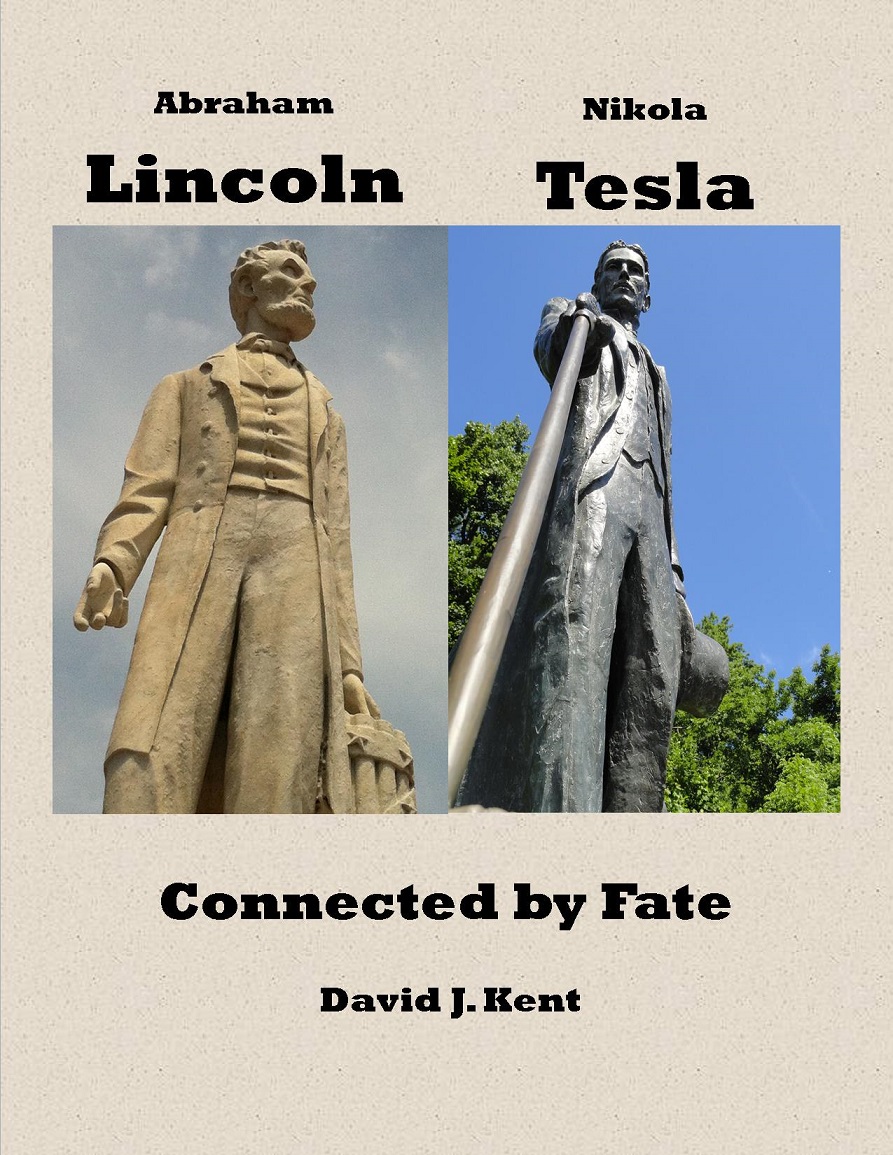
[The above is excerpted from my e-book, Abraham Lincoln and Nikola Tesla – Connected by Fate.]
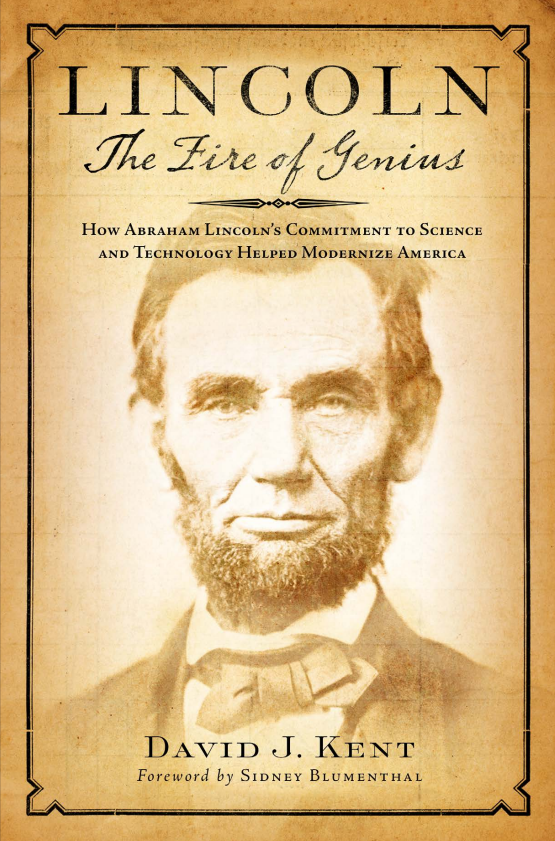
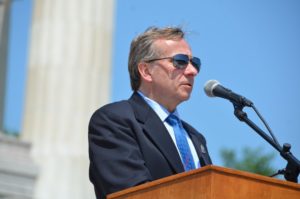
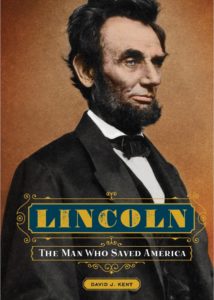
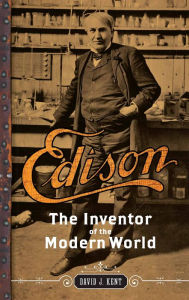
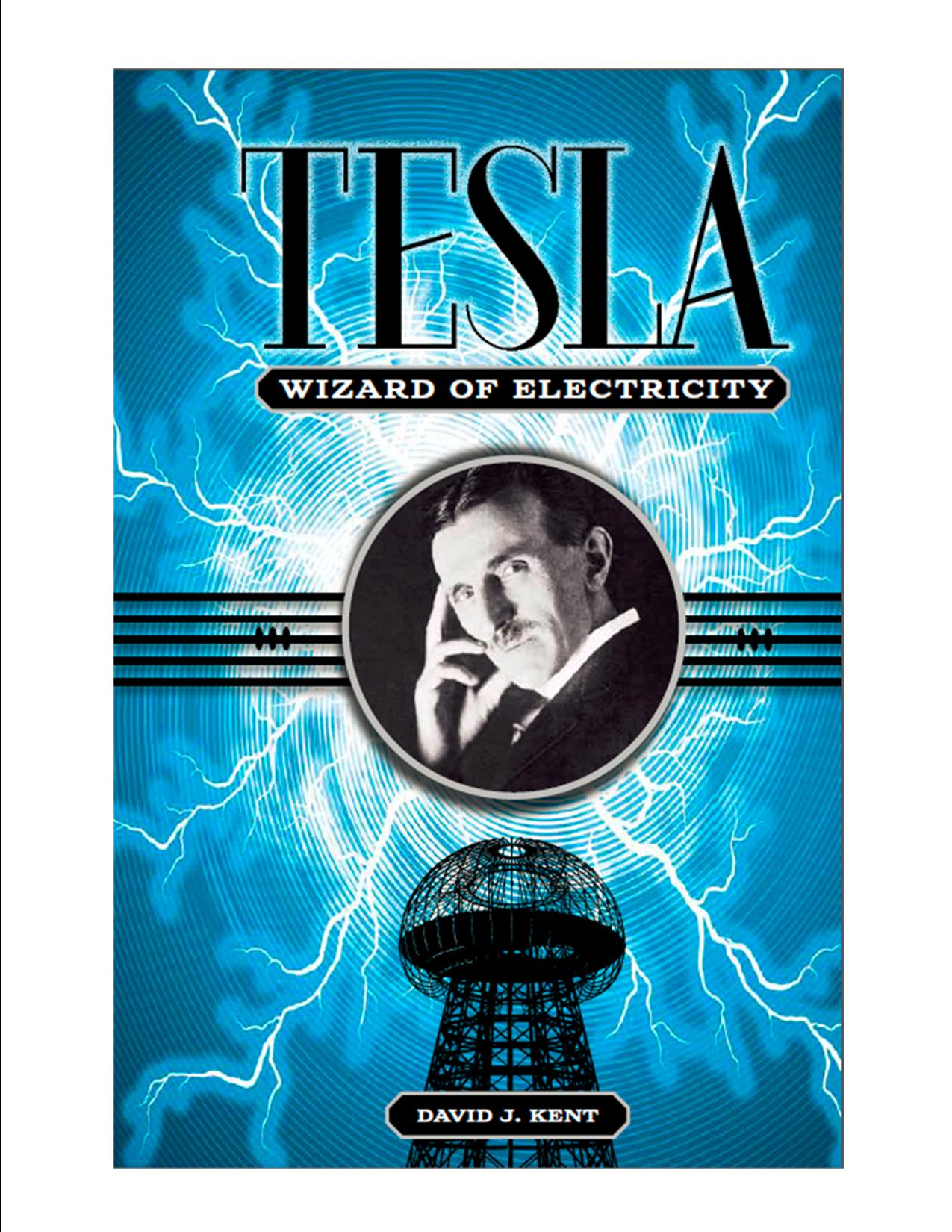
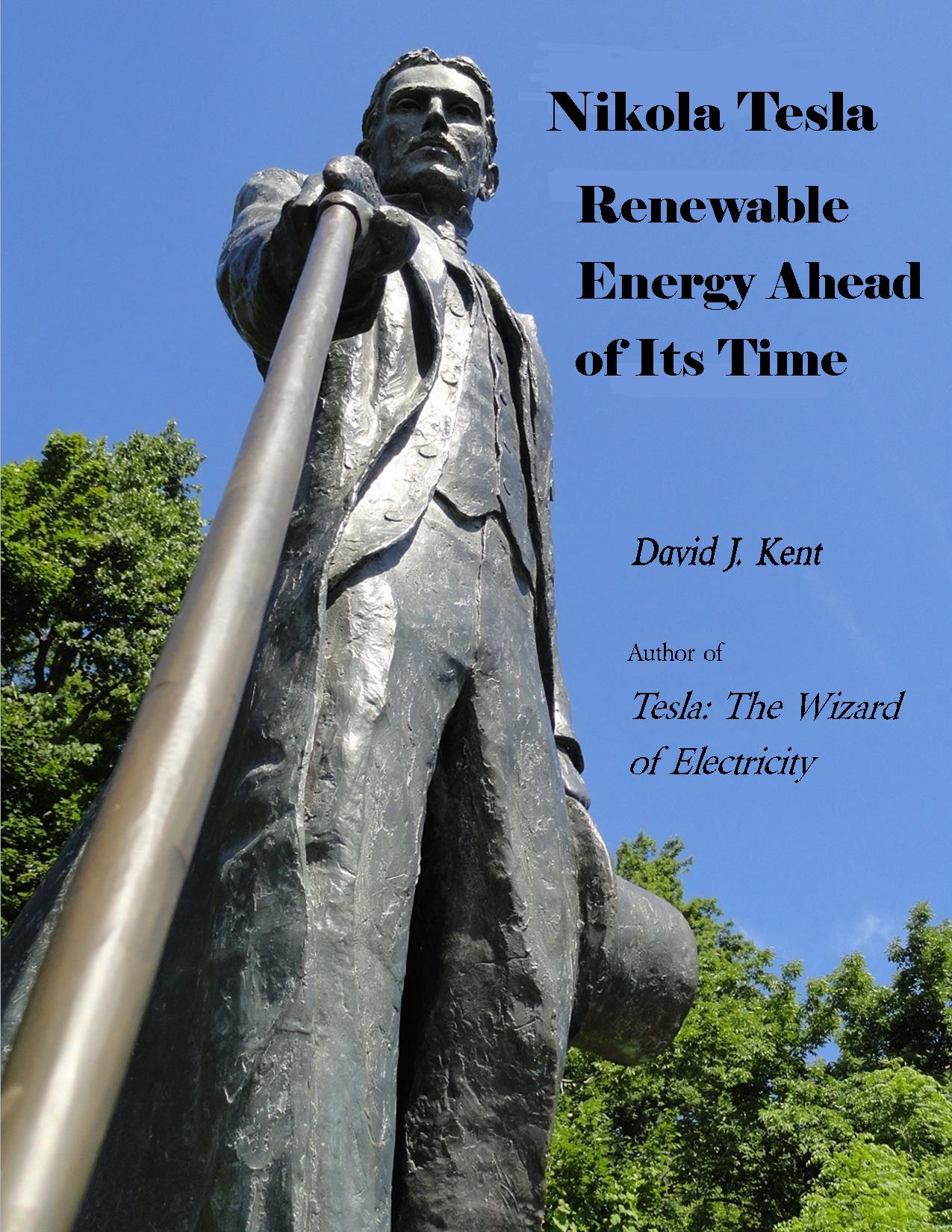
David J. Kent is an avid science traveler and the author of Lincoln: The Man Who Saved America, in Barnes and Noble stores now. His previous books include Tesla: The Wizard of Electricity (2013) and Edison: The Inventor of the Modern World (2016) and two e-books: Nikola Tesla: Renewable Energy Ahead of Its Time and Abraham Lincoln and Nikola Tesla: Connected by Fate.
Check out my Goodreads author page. While you’re at it, “Like” my Facebook author page for more updates!
 The signal is given and you sit down across the table from your chosen target, the first of several you will try to impress with your talents, poise, and intellect. You have three minutes to amaze. Actually, it is more like a minute and a half to make your spiel and you either connect, or you do not. By one minute you are desperately looking for signs of interest – a
 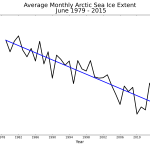 We’ve talked about several of the tactics used by climate deniers to intentionally mislead the public. This past week provided a prime example of one tactic – intentionally lying about what a study says. Let’s take a closer look at how this works.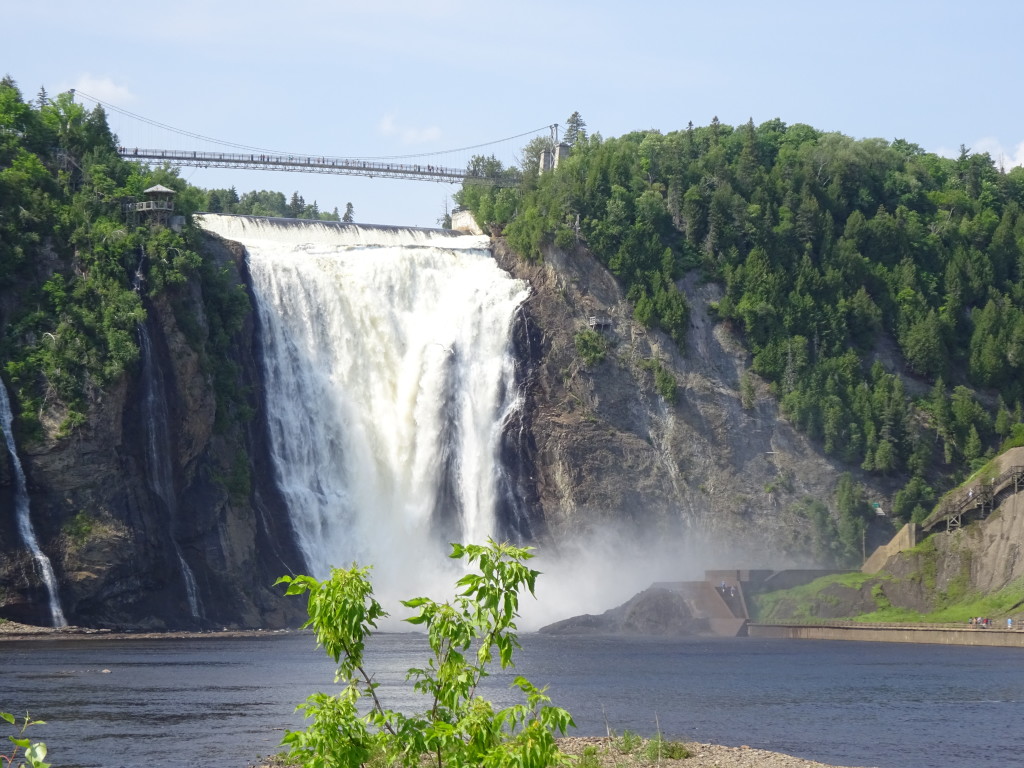

 Earlier this year I posted a series of articles explaining what scientific peer-review is, and what it isn’t. The series was very popular so I’ve decided to create this single post that links to all the previous ones.
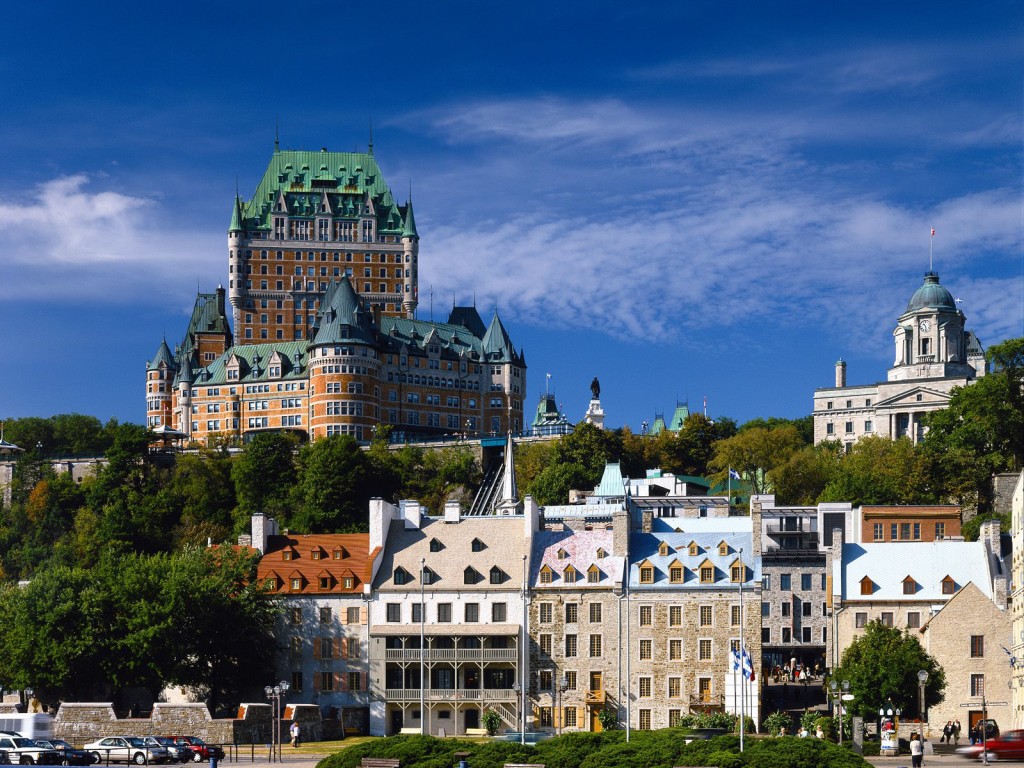
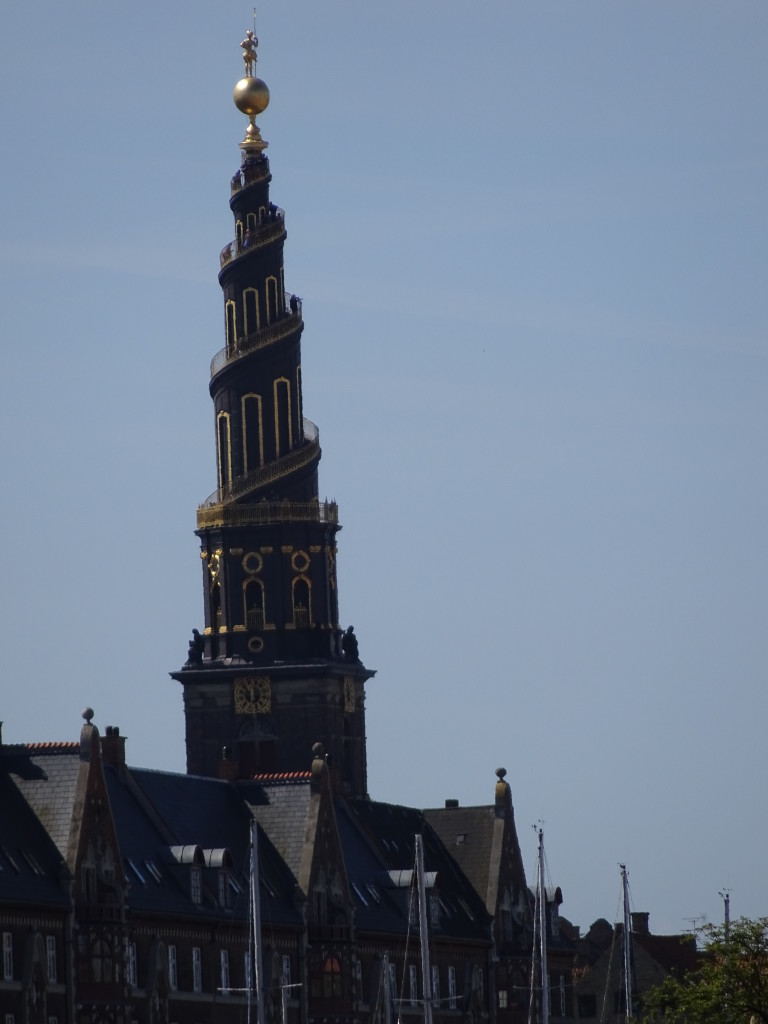
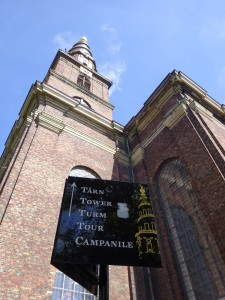
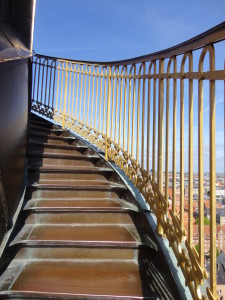
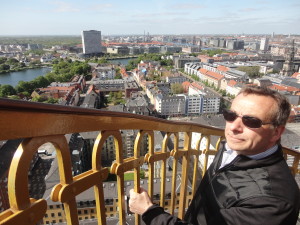
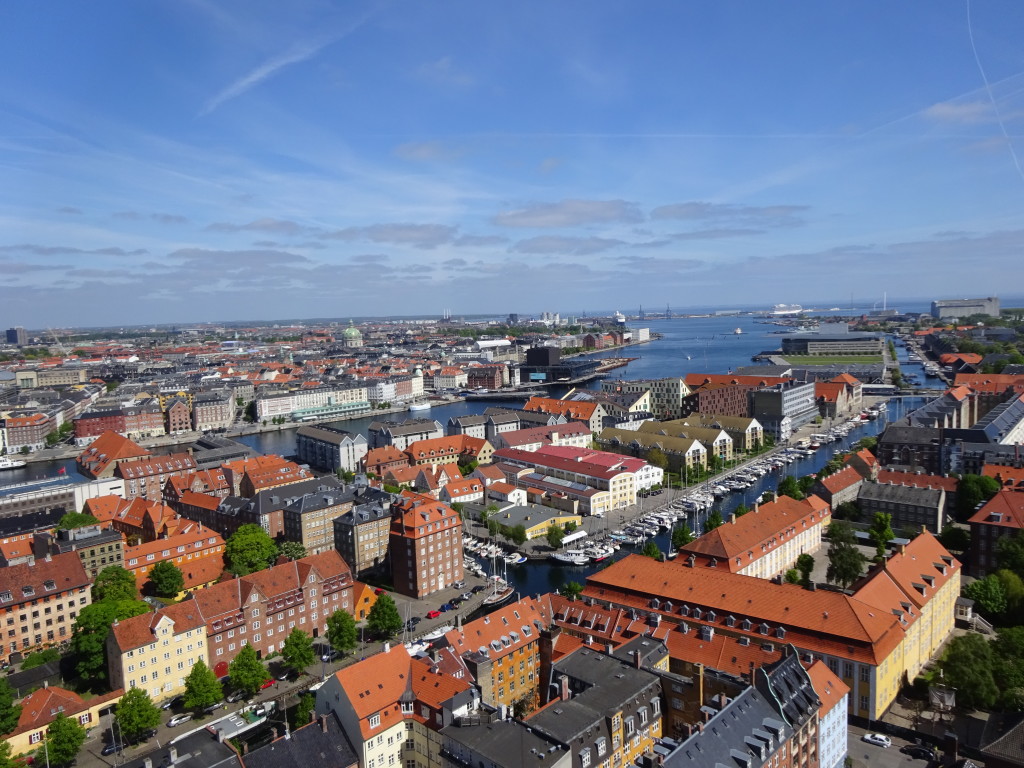
 For some reason I thought of the old days in Catholic confessional in which I would ask the priest to bless me from my sins and say “It has been 30 days since my last confession.” Well, I’m not really confessing, and I don’t consider it a sin, but I must admit “It has been 30 days since my last science traveling.” That trip was to Scandinavia – Denmark, Sweden, Norway. As you read this I’ve already been several days into my current trip to the northeast – New England and Quebec.