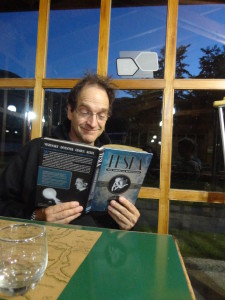
Nikola Tesla has largely been ignored in the history books, but he has had a resurgence in pop culture. This point was driven home this weekend when I received the following “must-have” item from my cousin Sue:
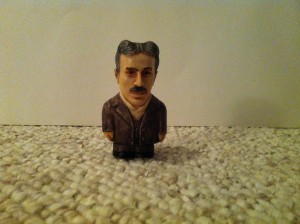
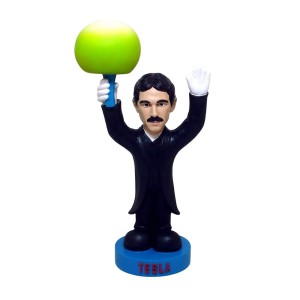
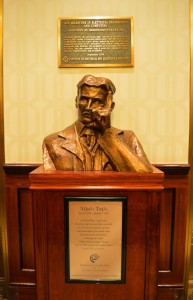
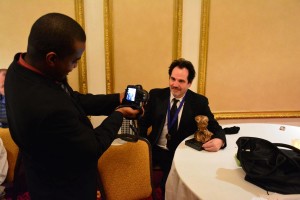
Pot belly isn’t alone in embracing Nikola Tesla as a pop icon. There are bobble heads:
Incredibly cool artisan chairs:
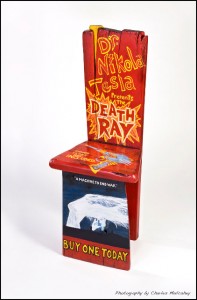
Chair by Scott Mulcahey, Photograph by Charles Mulcahey
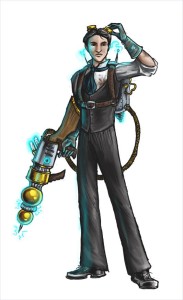
And even Tesla as a science fiction superhero:
Tesla has been in the movies too. He was played by none other than rock legend David Bowie in the film, The Prestige (also starring some other actors you may have heard of – Hugh Jackman [Wolverine], Christian Bale [Batman], Scarlett Johansson [Lucy], and Michael Caine [perhaps every movie ever made]). You can even help support another movies that has done so much to protect and restore Wardenclyffe – Fragments from Olympus: The Vision of Nikola Tesla and its companion, Tower to the People.
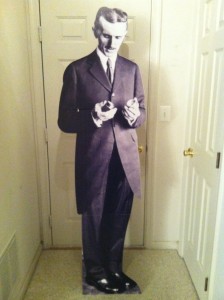 There are many other pop icon examples of Nikola Tesla as well. And you can help collect them. Post photos of Tesla as pop icon on my Facebook author page, or leave them in comments here or on my Fan Photos and Fun page, and I’ll post them!
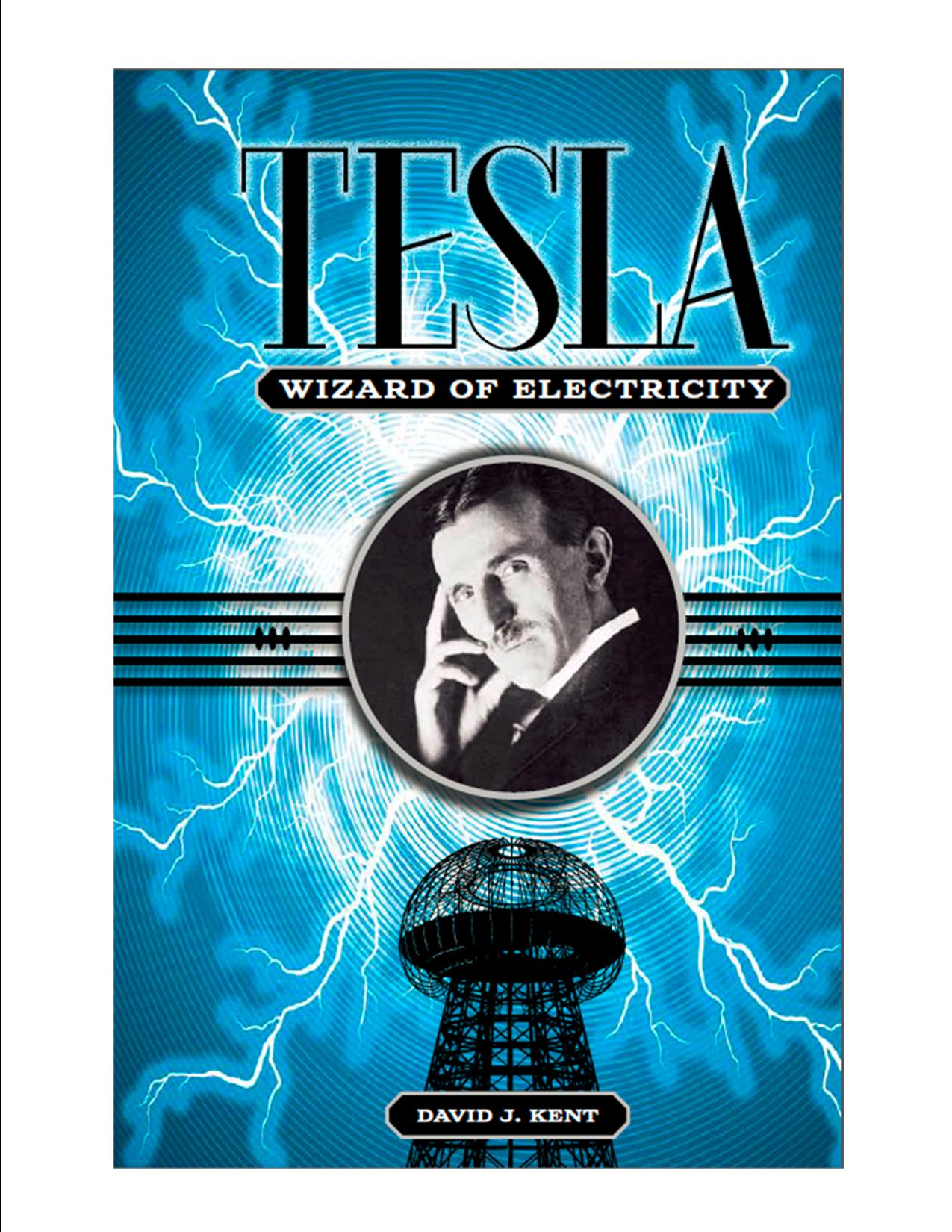
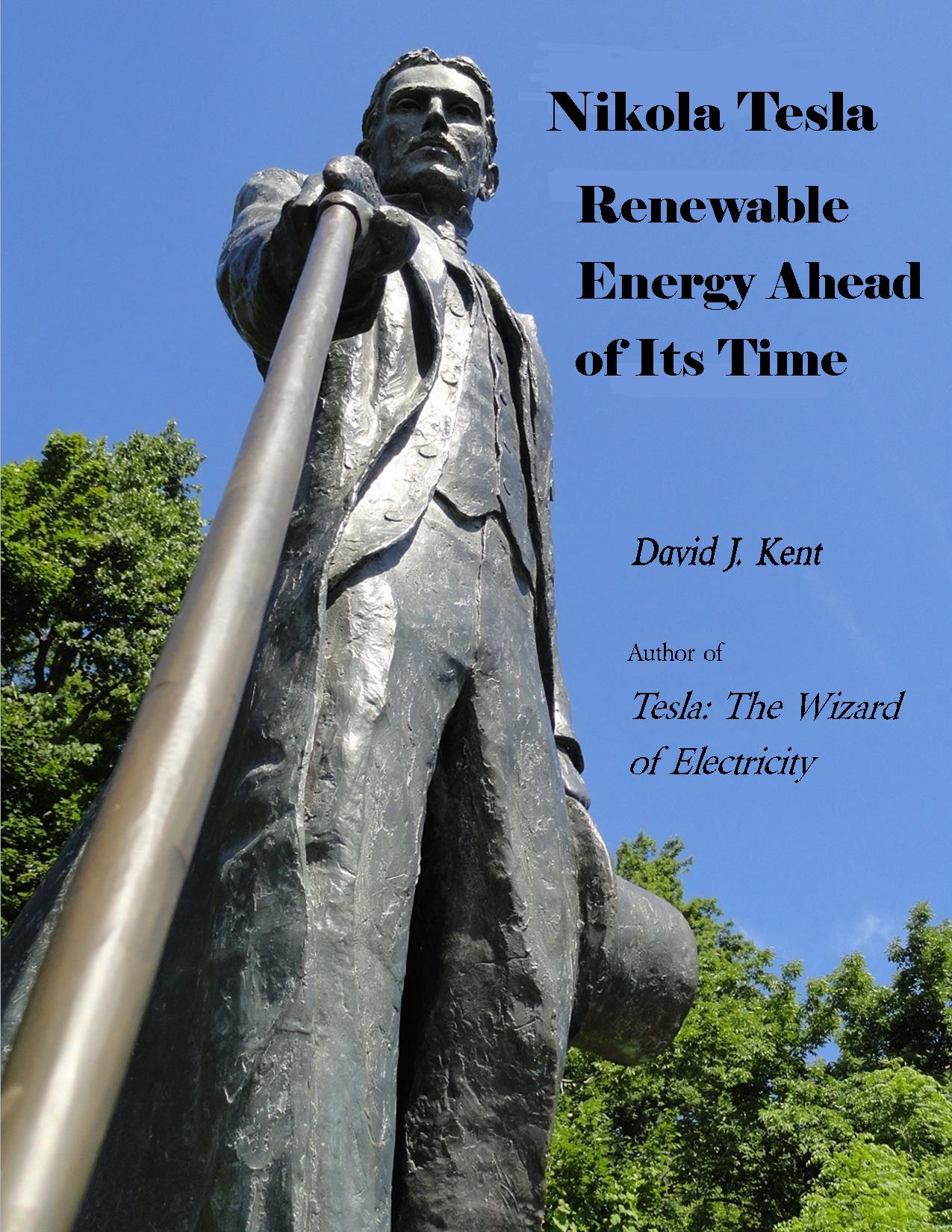
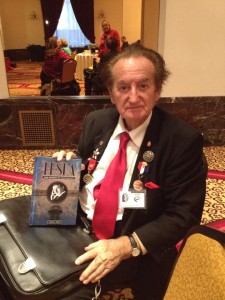
Tesla in pop culture is also covered in my book, and I’m happy to announce that the 7th printing of Tesla: The Wizard of Electricity is in Barnes and Noble stores this month. It’s companion, my e-book Nikola Tesla: Renewable Energy Ahead of Its Time is available for direct download on Amazon.
For counterpoint, check out my book on Thomas Edison, in which I give Tesla his rightful due. Meanwhile, check out the latest from Tesla Takes Manhattan.
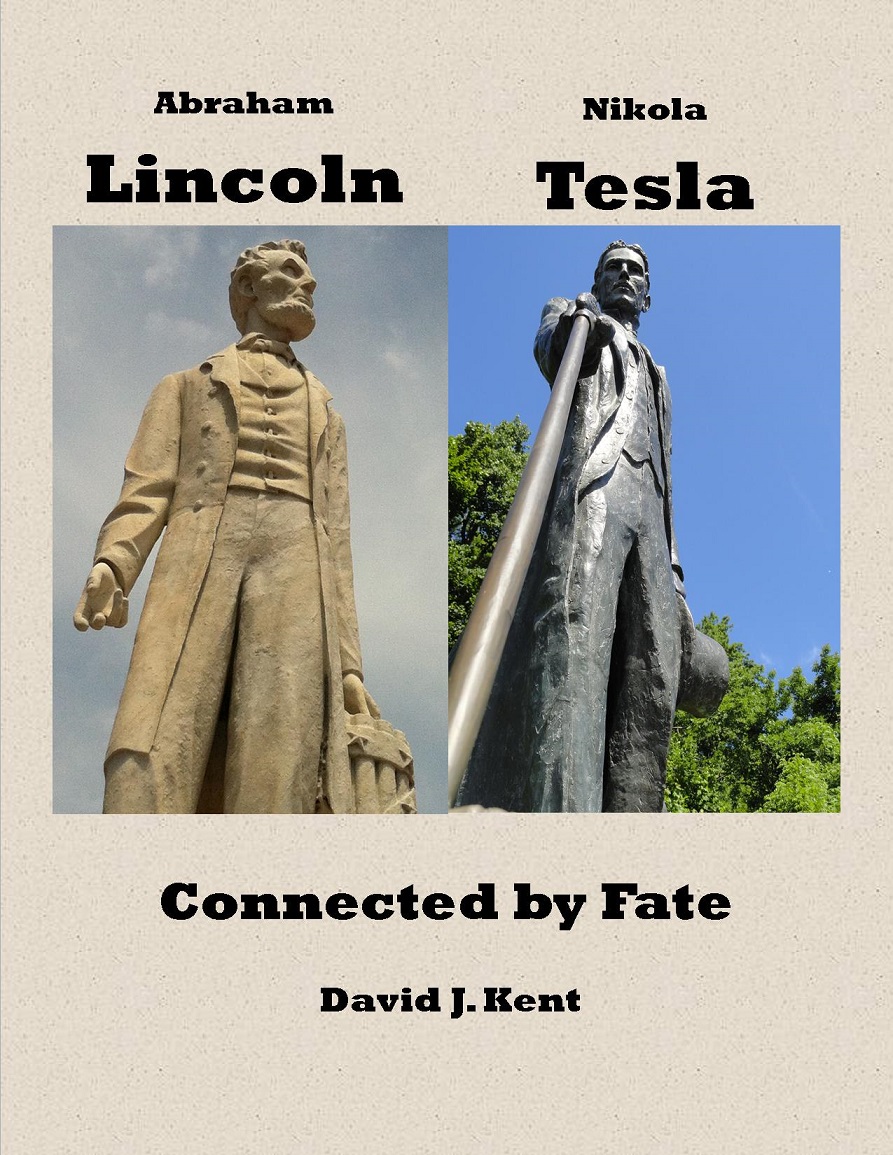
David J. Kent is the author of Tesla: The Wizard of Electricity (2013) and Edison: The Inventor of the Modern World (2016) (both Fall River Press). He has also written two e-books: Nikola Tesla: Renewable Energy Ahead of Its Time and Abraham Lincoln and Nikola Tesla: Connected by Fate. His next book is on Abraham Lincoln, due out in 2017.
Follow me by subscribing by email on the home page. And feel free to “Like” my Facebook author’s page and connect on LinkedIn. Share with your friends using the buttons below.
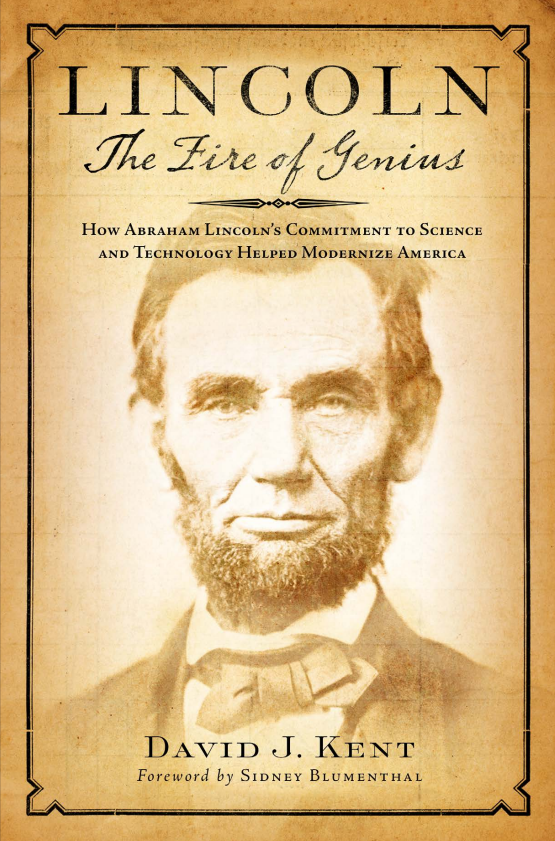
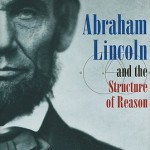 The main thesis of this book is that Abraham Lincoln’s greatness came from his mastery of the “six-books of Euclid” geometry, and the subsequent application of the six elements of Euclid into his logic, reasoning, and speeches.
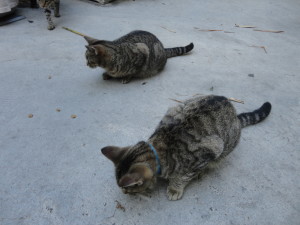 Not literally, of course, but as the guide informed us during our tour, Hemingway let dozens of feral cats roam his grounds freely. Many of them had six toes, a condition called polydactyly for you scientist-types out there. I recalled from my marine biology days that sailors thought polydactyl cats were good luck, or at the very least were better at catching rats. In any case, Hemingway was given a six toed cat by a ship’s captain and well, cats breed. There are currently 40-50 cats on the Hemingway property, which the guides regularly trot out for photo-ops.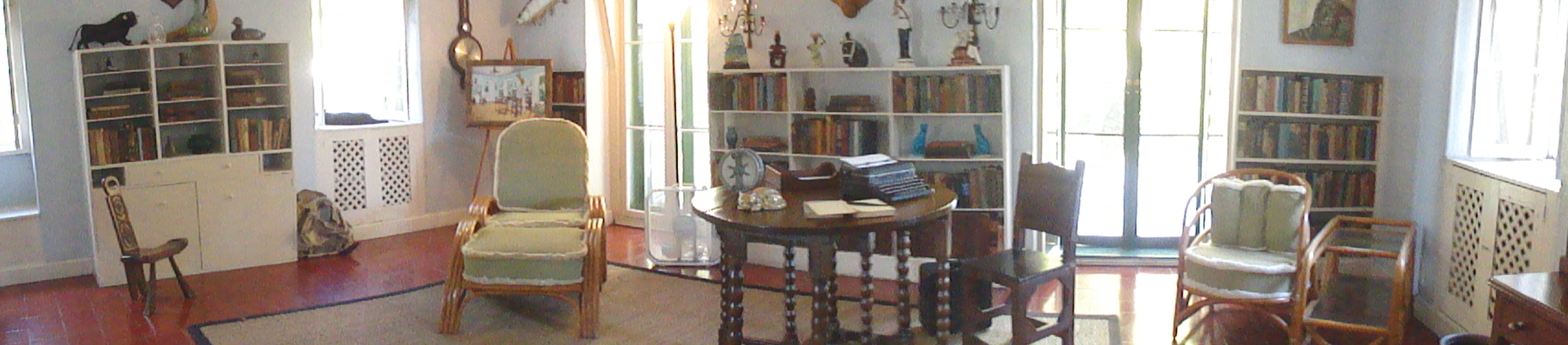
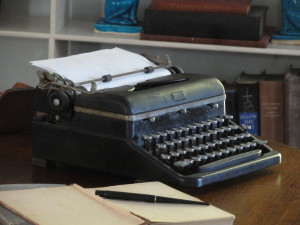
 On this day we celebrate and honor the life of Martin Luther King, Jr. More importantly, we relive the struggle to break the institutionalized discrimination against a large percentage of our fellow Americans. As Lincoln once suggested in a different situation, it is altogether fitting and proper that we should do this.

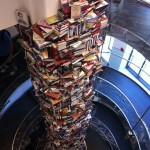 I’m lucky to have a growing collection of books about Abraham Lincoln. Nowhere near the 15,000 books reportedly written about our 16th President, but my sagging bookshelves now hold over 900 titles. The number of actual books is well over 1000 when one figures that some “titles” are 3 or 6 or 10-book sets.