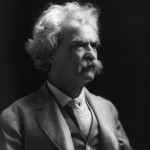
 November 30th is the birthday of Mark Twain, the nom de plume of Samuel Langhorne Clemens. Known for his wit and books featuring unforgettable characters such as Tom Sawyer, Huckleberry Finn, and the “Celebrated Jumping Frog of Calaveras County,” Mark Twain was also a good friend of Nikola Tesla. So good that Tesla decided to have a little fun with him one day in his laboratory.
Tesla enjoyed many delightful evenings at dinner parties thrown at the fine Lexington Avenue brownstone of poet and editor Robert Underwood Johnson and his beautiful wife, Katharine. Among the “wide range of famous and lively luminaries” that adorned the Johnson’s home were Samuel Clemens, naturalist John Muir, and various musicians, actors, and actresses that routinely graced the New York stages. For his part, Tesla would regale the others with recitations of both poetry and his inventions, and commonly the evening would end with Mark Twain, Rudyard Kipling, Anton Dvořák or other guests following Tesla back to his laboratory to witness firsthand some of his electrical marvels.
One day Mark Twain dropped by the laboratory and Tesla decided to have a little fun with him. He asked Twain to step up on a small platform and then set the thing vibrating with his oscillator. Twain was thrilled by the gentle sensations running through his body.
“This gives you vigor and vitality,” he exclaimed.
After a short time Tesla warned Twain that he better come down now or risk the consequences.
“Not by a jugfull,” insisted Twain, “I am enjoying myself.”
Continuing to extol on the wonderful feeling for several more minutes Twain suddenly stopped talking. Looking pleadingly at Tesla he yelled:
“Quick, Tesla! Where is it?”
“Right over there,” Tesla responded calmly. Off Twain rushed to the restroom, embarrassed by his condition. Tesla smiled; the laxative effect of the vibrator was well known to the chuckling laboratory staff.
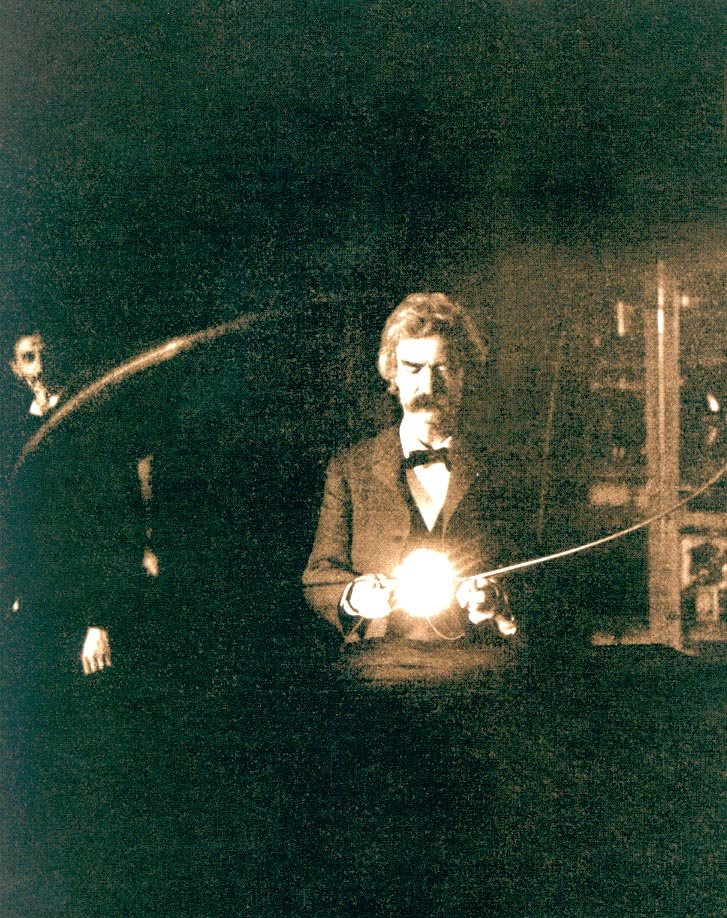
Mark Twain in Tesla’s Laboratory
Mark Twain and Nikola Tesla remained friends until Samuel Clemens’ death in 1910. Tesla lived on to 1943. Shortly before his own death in a lonely two-room suite at the New Yorker Hotel, Tesla was thinking of his old friend. While he had become a naturalized American citizen over a half-century earlier, Tesla’s cremated remains now rest in a spherical “Tesla ball”–shaped urn at the Nikola Tesla Museum in Belgrade.
For his part, Samuel Clemens knew how to make an entrance – and an exit – in style. He was born in a year where Halley’s Comet buzzed the Earth, and died at age 74 the very next time Halley’s Comet returned to our view. While we’ll always remember Clemens’ alter ego of Mark Twain, we’re just now rediscovering his friend and practical joke player, Nikola Tesla.
5 Things You Didn’t Know about Nikola Tesla
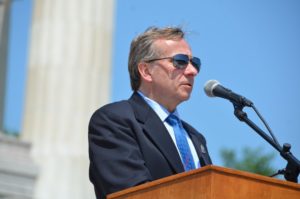
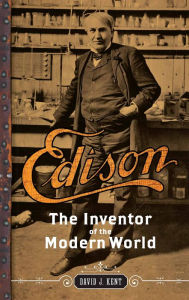
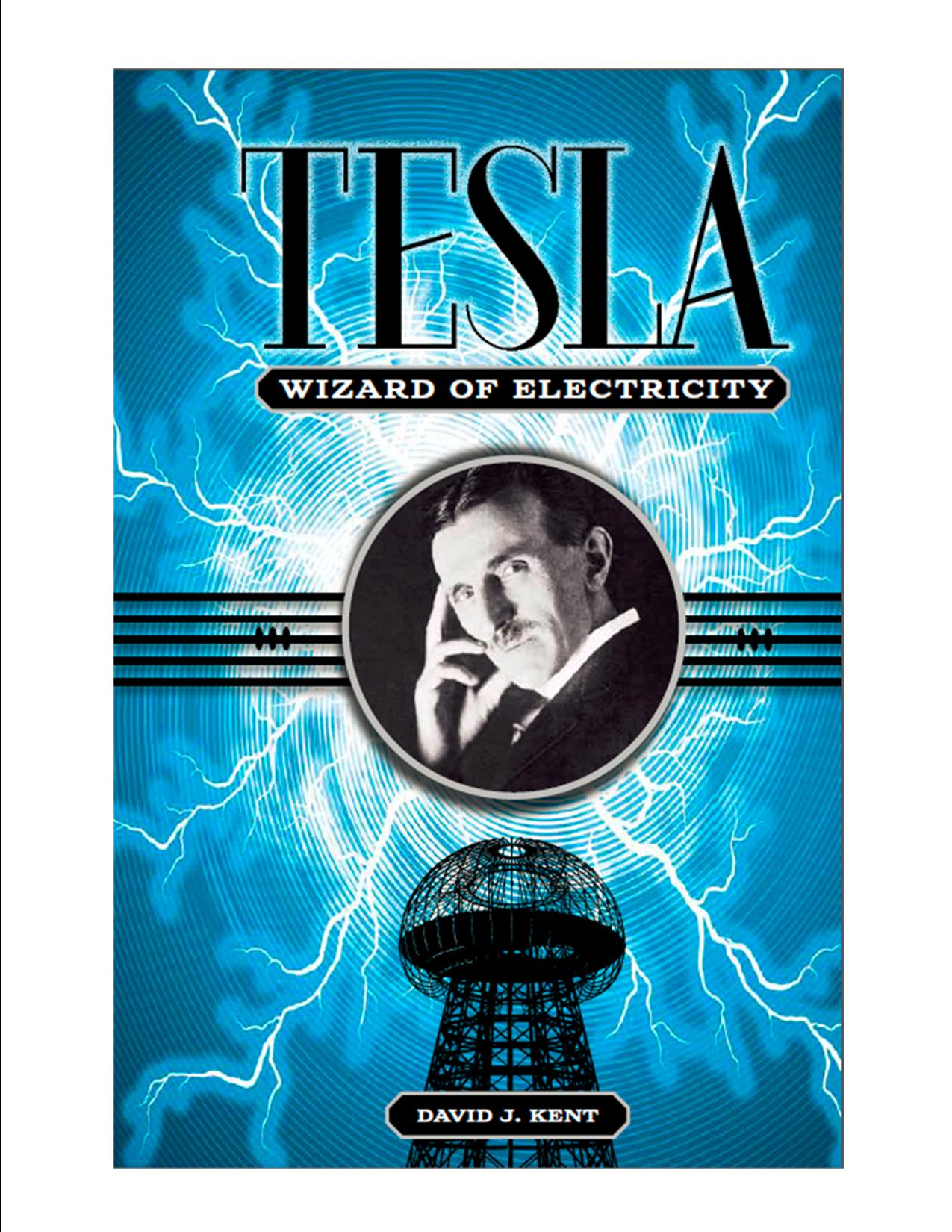
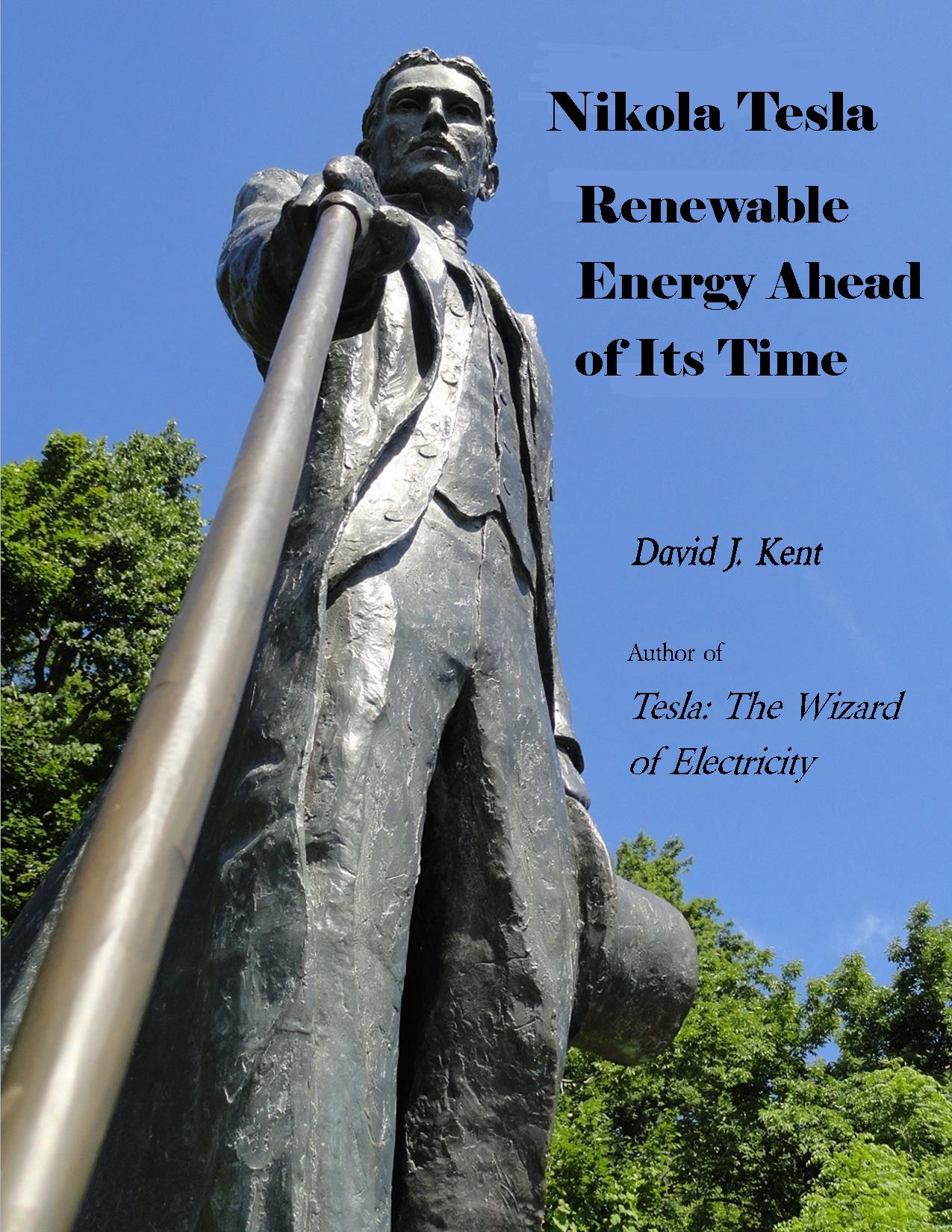
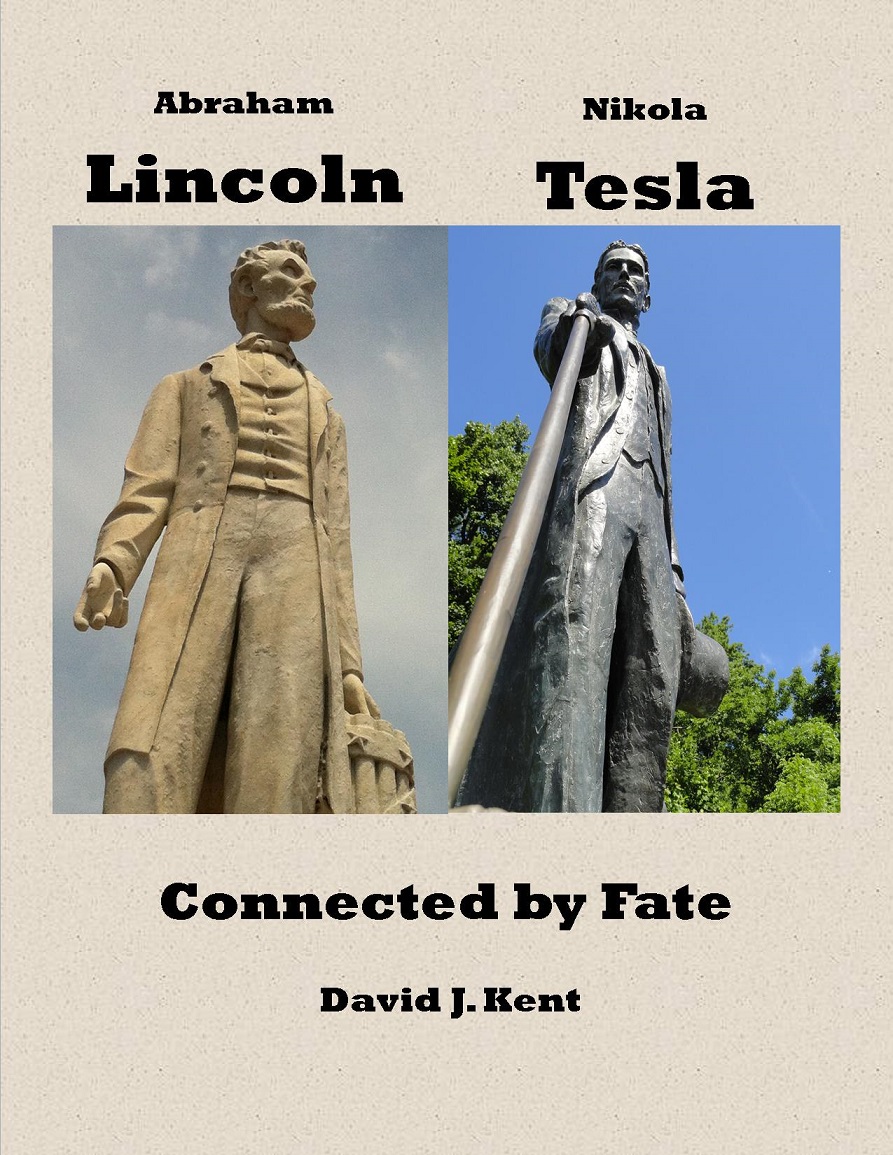
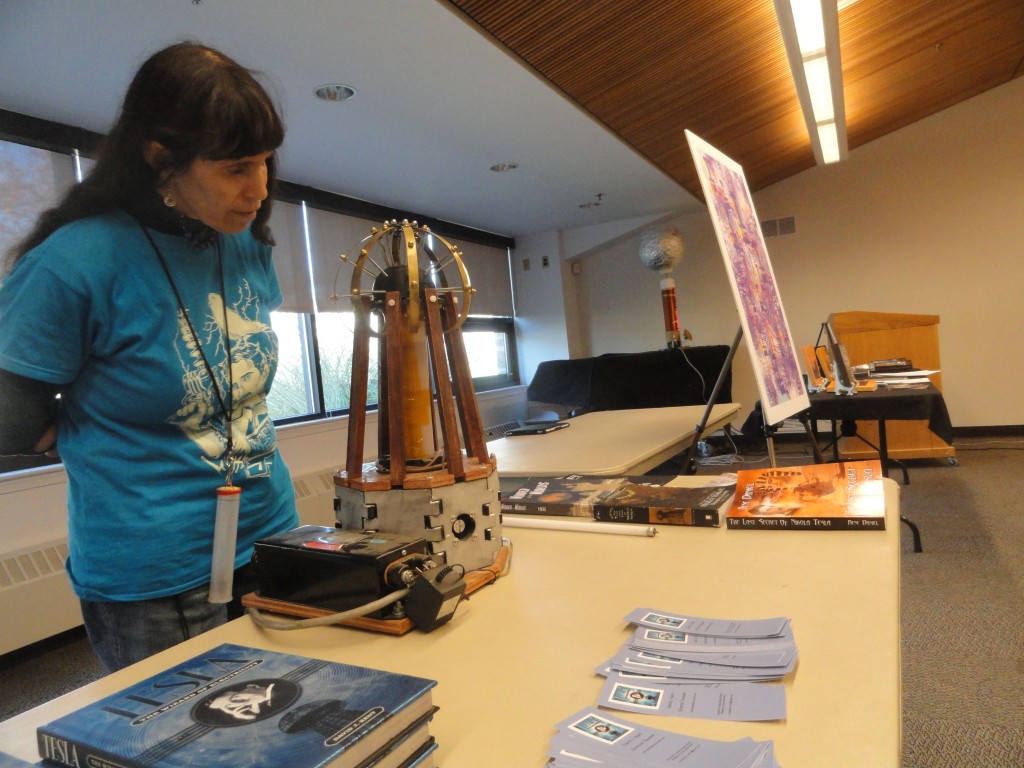
David J. Kent is the author of Tesla: The Wizard of Electricity (2013) and Edison: The Inventor of the Modern World (2016) (both Fall River Press). He has also written two e-books: Nikola Tesla: Renewable Energy Ahead of Its Time and Abraham Lincoln and Nikola Tesla: Connected by Fate. His next book is on Abraham Lincoln, due out in 2017.
Follow me by subscribing by email on the home page. And feel free to “Like” my Facebook author’s page and connect on LinkedIn. Share with your friends using the buttons below.
 I’ve been incredibly thankful to everyone who has helped make Tesla: The Wizard of Electricity a success. And now there are even more thanks deserved. Yesterday my editor at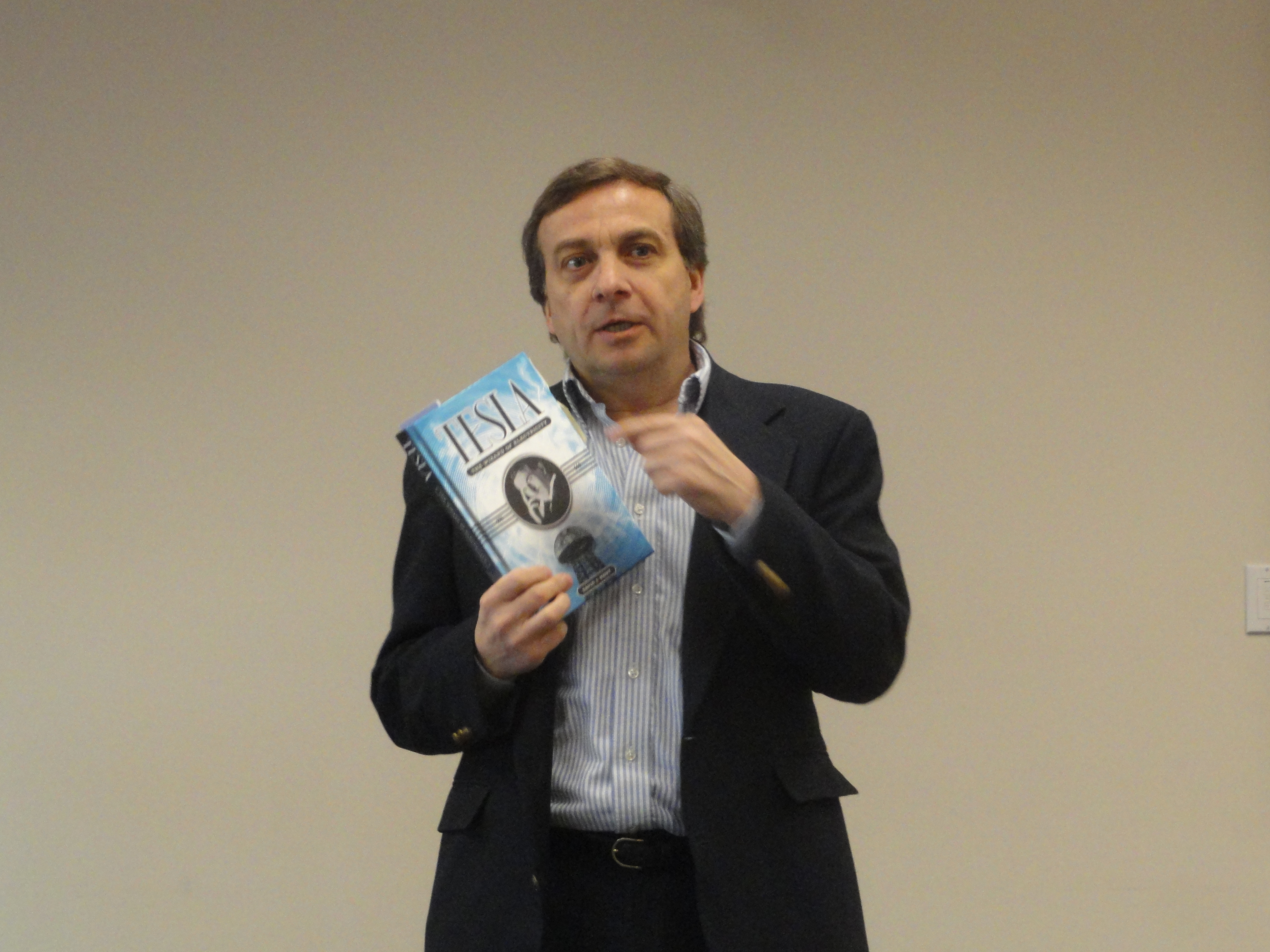
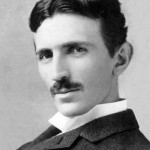 Nikola Tesla is one of the coolest inventors that ever lived. And now there is an even cooler way to learn more about him – augmented reality.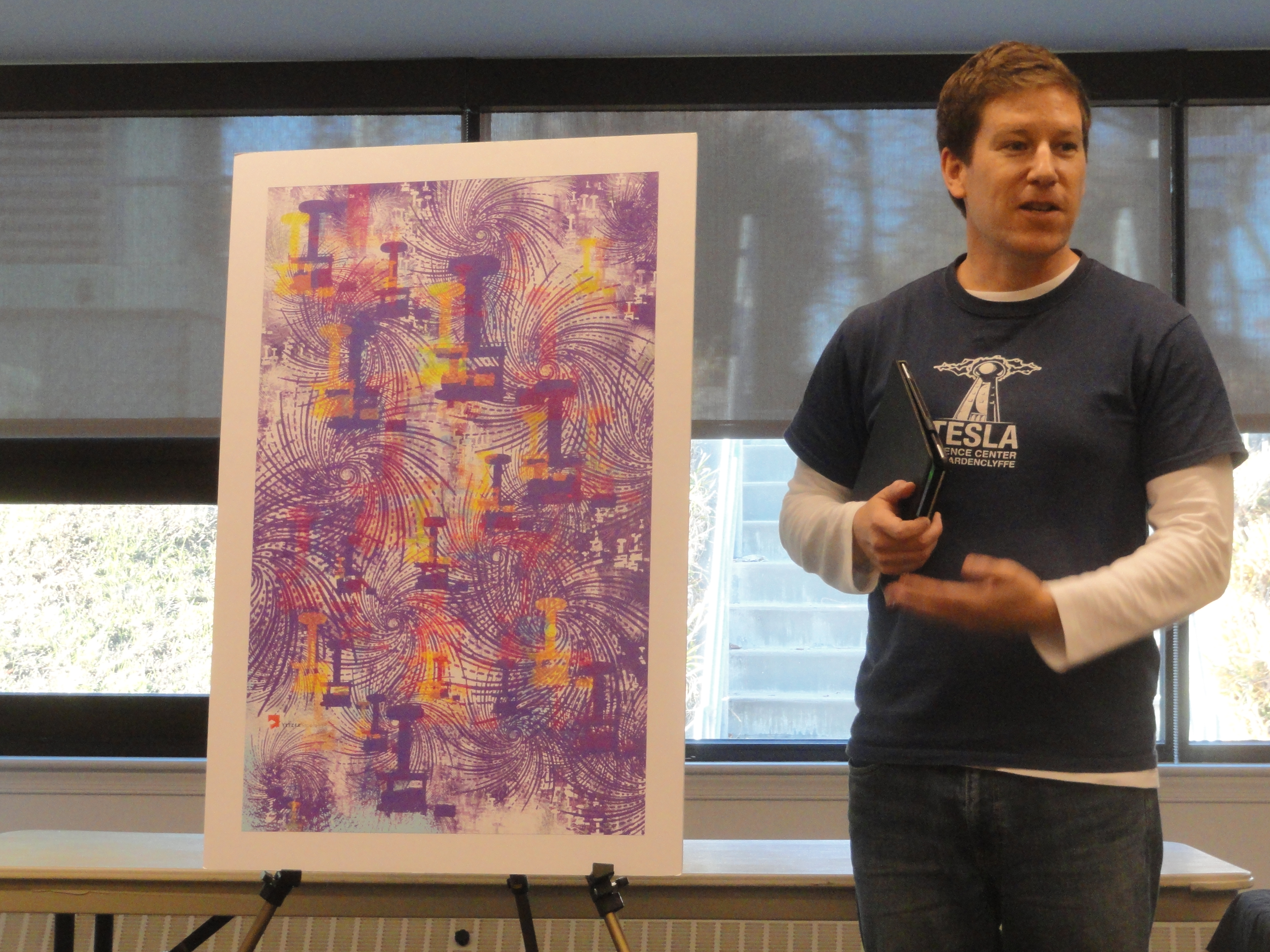
 Abraham Lincoln once gave a speech that was so awe-inspiring that all the reporters there forgot to write it down. Sounds implausible, right? Ah, but it’s actually true. Elwell Crissey takes us back to May 29, 1856 with “Lincoln’s Lost Speech: The Pivot of His Career.” And despite the little problem of not having a record of the actual speech, Crissey does a great job enlivening the whole event surrounding its presentation.
 Spencer Weart takes us on a journey into the past. In The Discovery of Global Warming, Weart provides a history of the science that has now come to be known as Anthropomorphic Global Warming (AGW), or more simply, man-made climate change. And in doing so he demonstrates just how robust and voluminous is the scientific case for human induced climate change.
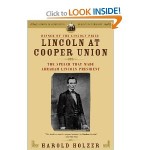 One would think the book’s subtitle “The speech that made Abraham Lincoln President,” would set up an unattainable expectation of greatness. After all, how could a book hold a candle to a great speech? Or perhaps the speech wasn’t so great after all and the author merely wanted to sell more books. And yet, I was wonderfully surprised to see that this really was an exceptional book about an exceptional speech.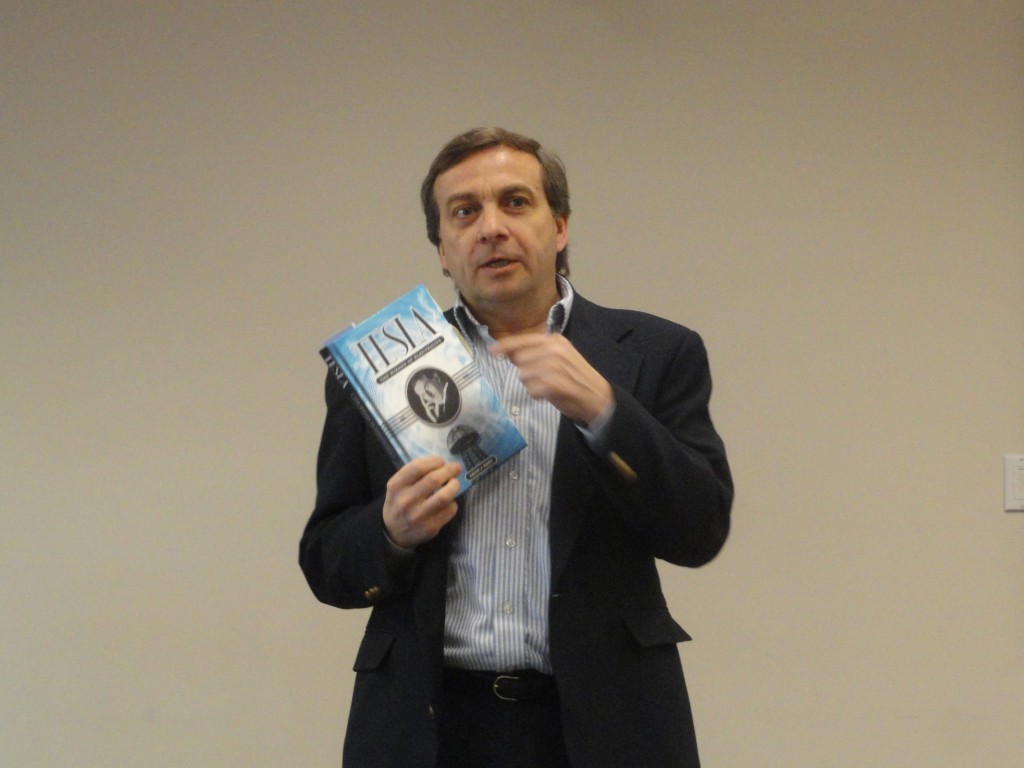
 Vote Lincoln! The Presidential Campaign Biography of Abraham Lincoln is a 2010 annotated version of the first full biography of Abraham Lincoln published in 1860. Ostensibly written by John Locke Scripps, publisher of what would become the Chicago Tribune, much of the text was actually ghost written by Abraham Lincoln himself. Intended as a campaign biography, the book provides a revealing look at how Lincoln viewed his own life to that point.