Nikola Tesla is one of the most prolific and important inventors in American history, though that fact is largely overlooked in the history books. We all know about Edison, but many don’t know that Tesla beat out Edison in the “war of the currents.” We all know about Marconi, but many don’t know that Tesla actually invented radio first. While many of Tesla’s innovations seem to be attributed to others in our memories, Tesla at least has gotten several stamps of approval.
Postage stamps, that is. A Serbian, born in 1856 in the tiny town of Smiljan of the then Austrian Empire (now part of Croatia), Tesla moved around Europe before coming to New York in 1884 and becoming an American citizen. All of these places claim Tesla as a “favorite son” and over the years have honored him with postage stamps.
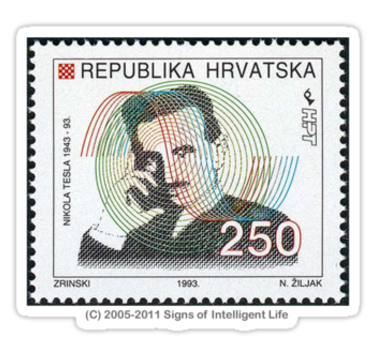
Since the area he was born in is now Croatia, that country decided to issue a stamp in 1993, just two years after declaring its independence from Yugoslavia.
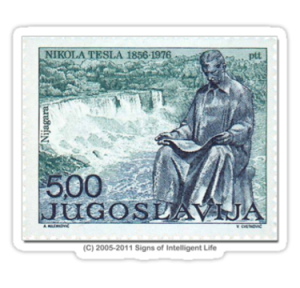
Yugoslavia itself, when it still existed, also honored Tesla with several stamps.
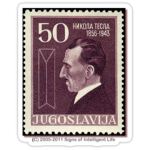
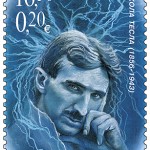
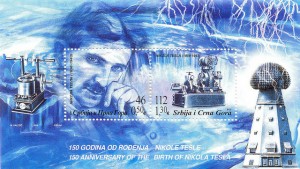
Serbia, where Telsa’s parents were born and to which Tesla identified, split off from Yugoslavia in 2006 and formed an independent republic. That same year Serbia issued at least three versions of postage stamps depicting Nikola Tesla and his inventions, which include alternating current motors and transformers, and the famous Wardenclyffe tower.
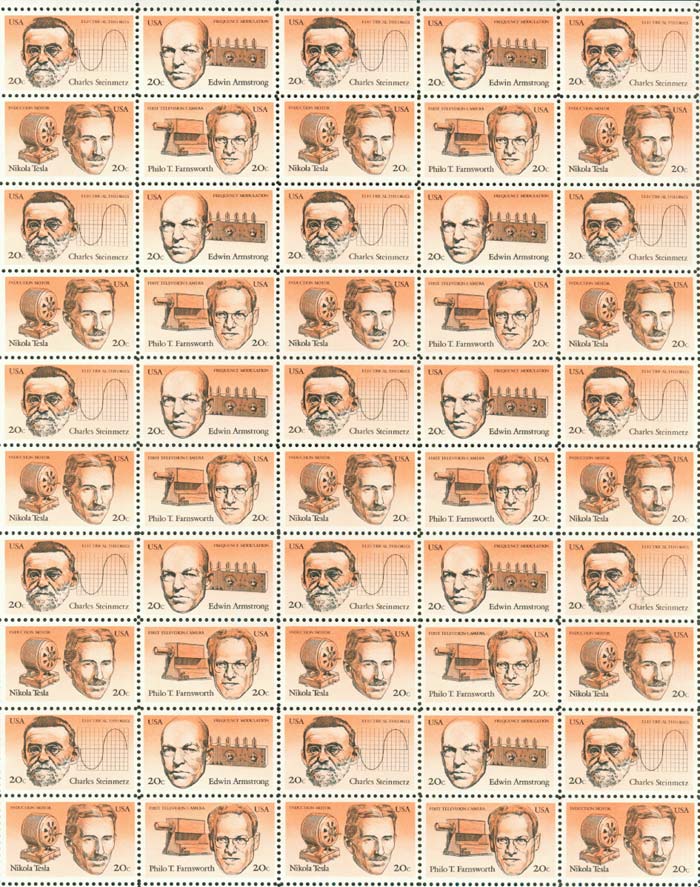
Ah, but Tesla had become an American citizen. Mostly forgotten among the great luminaries of science in the United States, Tesla had to share his fame with other scientists. In 1983 the US post office issued a set of four 20-cent stamps depicting American Inventors Nikola Tesla, Charles Steinmetz, Edwin Armstrong, and Philo T. Farnsworth, each with one of their inventions. The Tesla stamp shows his AC induction motor.
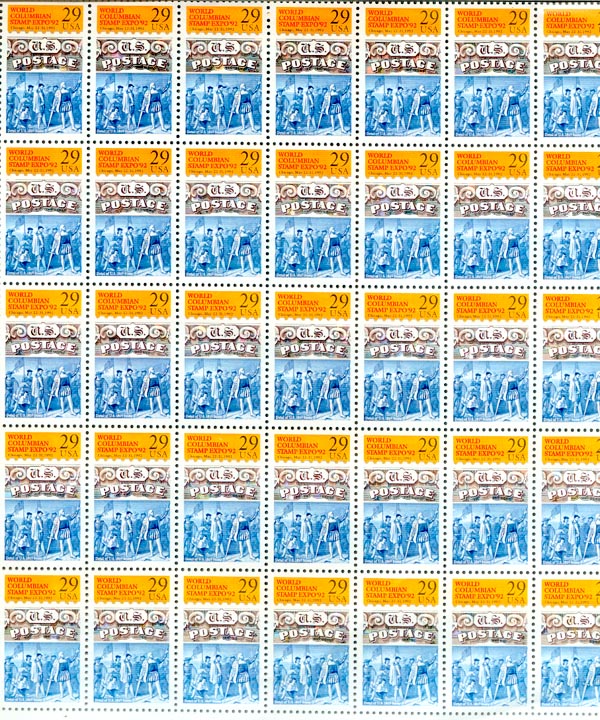
Tesla’s break-through induction motor was featured at the 1893 Columbian Exposition, aka the Chicago World’s Fair. The twenty-nine cent stamps say 1892 because the Exposition honored the 400th anniversary of Christopher Columbus’ 1492 “discovery” of America even though the Exposition was actually a year later in order to avoid conflicting with the presidential election (in which Cleveland won his second non-consecutive term as President, which is a story in itself).
A few other countries have also gotten into the act to honor Tesla, as can be seen in these postage stamps by the South Pacific country of Palau and the African countries of Mali and Ghana.
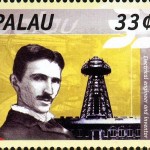
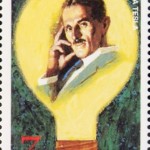
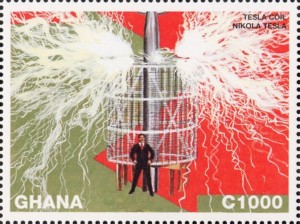
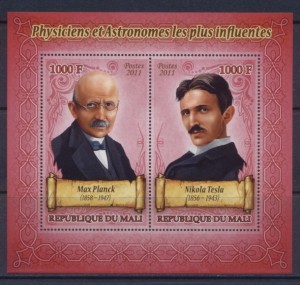
So it seems Nikola Tesla hasn’t been completely forgotten after all. At the very least he is remembered enough to warrant postage stamps in his honor. Recently Tesla has gotten a lot more attention and has been featured in movies, TV shows, comic strips, and books like my own coming out in a few months.
Please let me know in the comments if you are aware of any additional postage stamps honoring Tesla as I plan to catalog them for posterity.
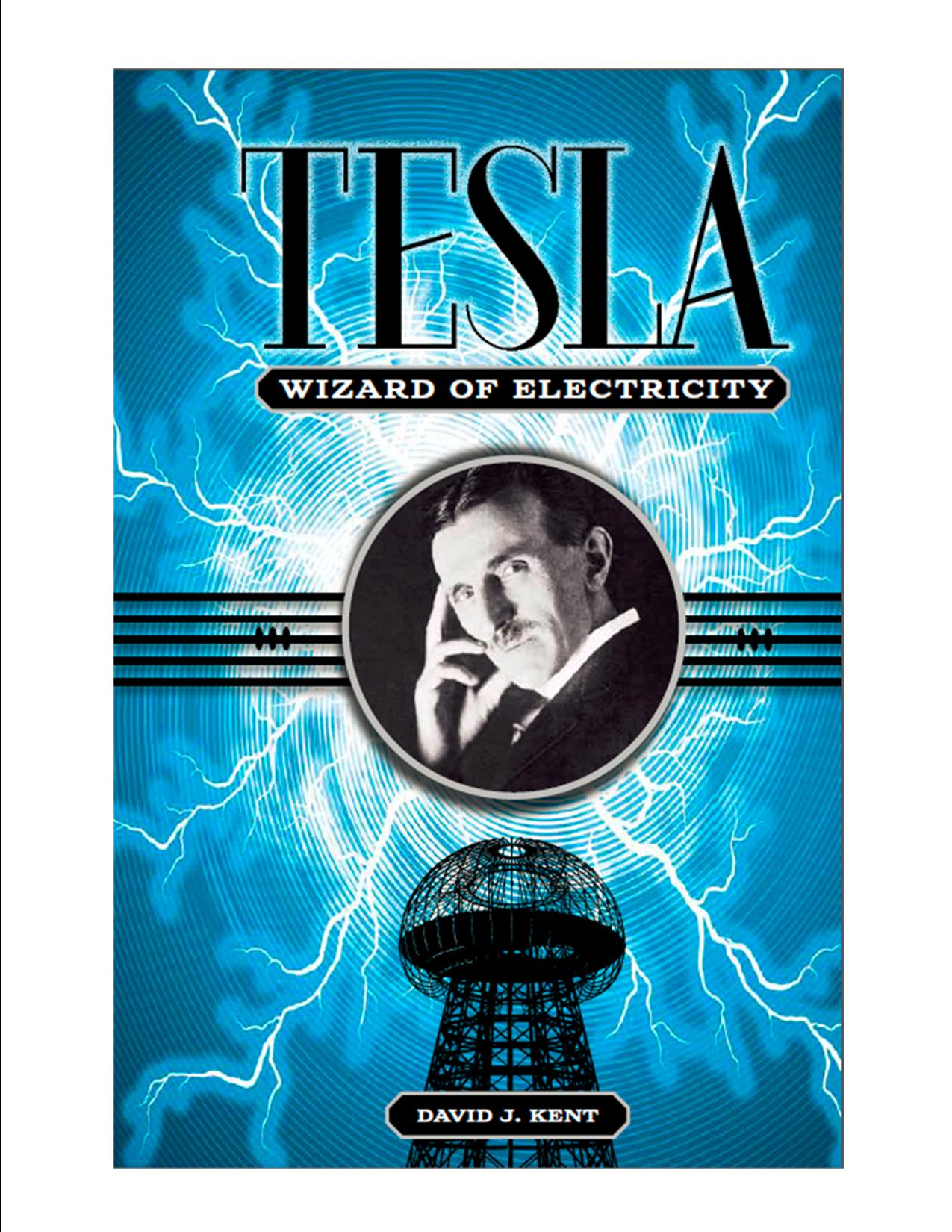
More on Tesla: Wizard of Electricity.
Follow me by subscribing by email on the home page. And feel free to “Like” my Facebook author’s page and connect on LinkedIn. Share with your friends using the buttons below.


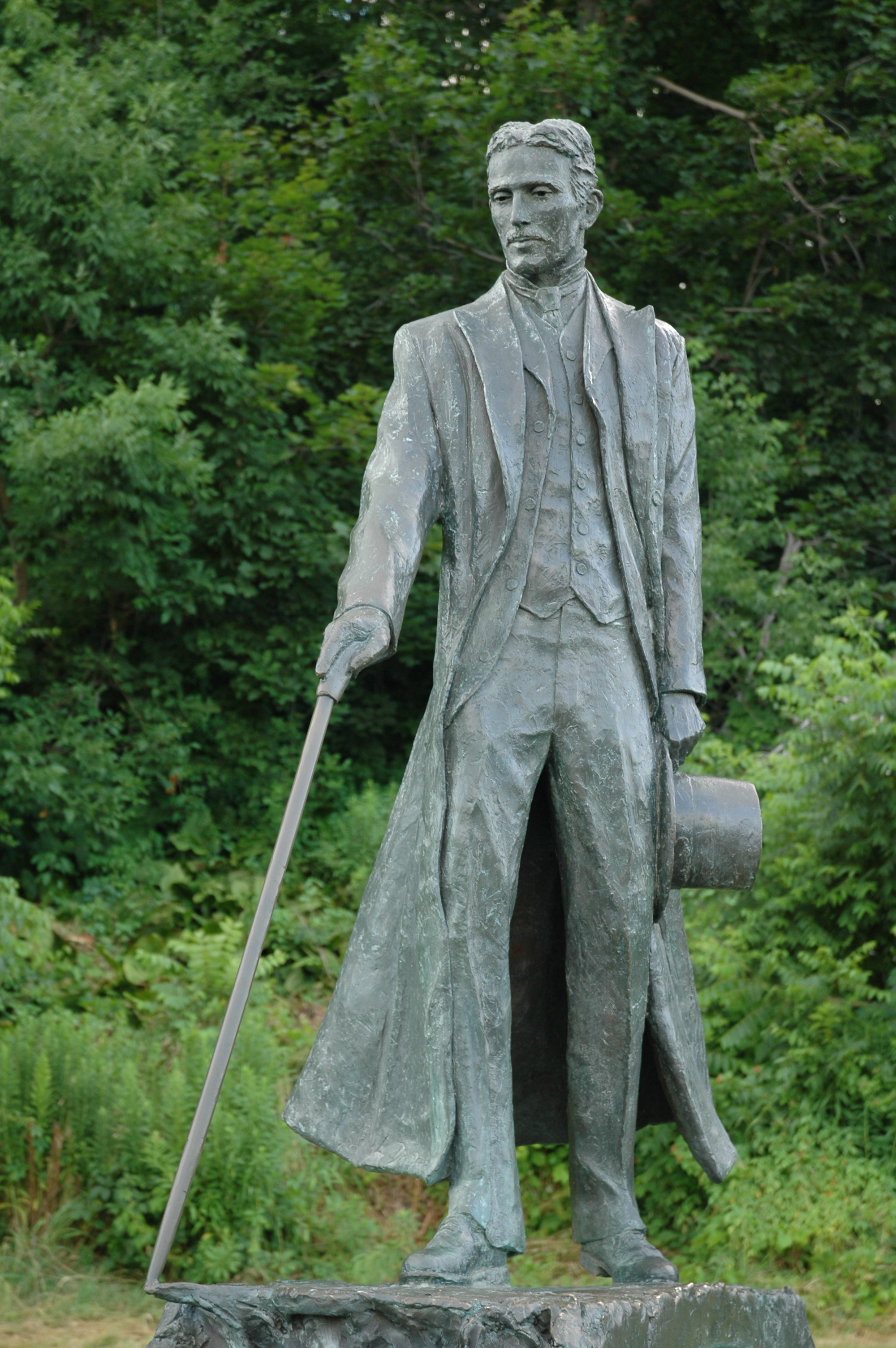
 Who says Nikola Tesla isn’t cool. (Actually, no one says that)
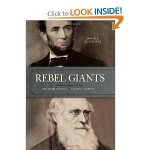
 Each born on February 12, 1809 in very different parts of the world, Abraham Lincoln and Charles Darwin never met. Darwin spent five years traveling the world on The Beagle and eventually defined how we think about life. Lincoln spent four years staying pretty much in Washington DC and eventually came to define how we think of leadership.
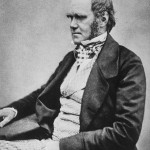 Still, the book toggles between Lincoln’s life and Darwin’s life, comparing the two at key junctures in their maturation as thinkers, family men, and leaders. Because they were the same age many of these life choices occurred at roughly the same period of time. Contosta notes that both put off making decisions as to their life’s work since neither really wanted to follow too closely in the footsteps of their fathers. Lincoln traveled down the Mississippi on a flat boat before settling for some years in New Salem, Illinois. Darwin traveled around the world by ship for five years doing the research that would eventually lead to his most famous works. Once this phase was completed they each “found their calling,” Lincoln in politics and the law, Darwin in development and experimentation on what would eventually be called evolution.
 The book spends some time after the early death of Lincoln and the much later death of Darwin to assess their impact on the world. Clearly the emancipation of the slaves and the subsequent problems with reconstruction led to issues experienced for another century (and continuing). And clearly Darwin’s theory of natural selection challenged the conventional thinking of the day. History has shown that many would “adapt” the work of these two influential men to serve their own purposes (e.g., “social Darwinism,” which Darwin would have been aghast to see).
 Harold Holzer has a birthday.
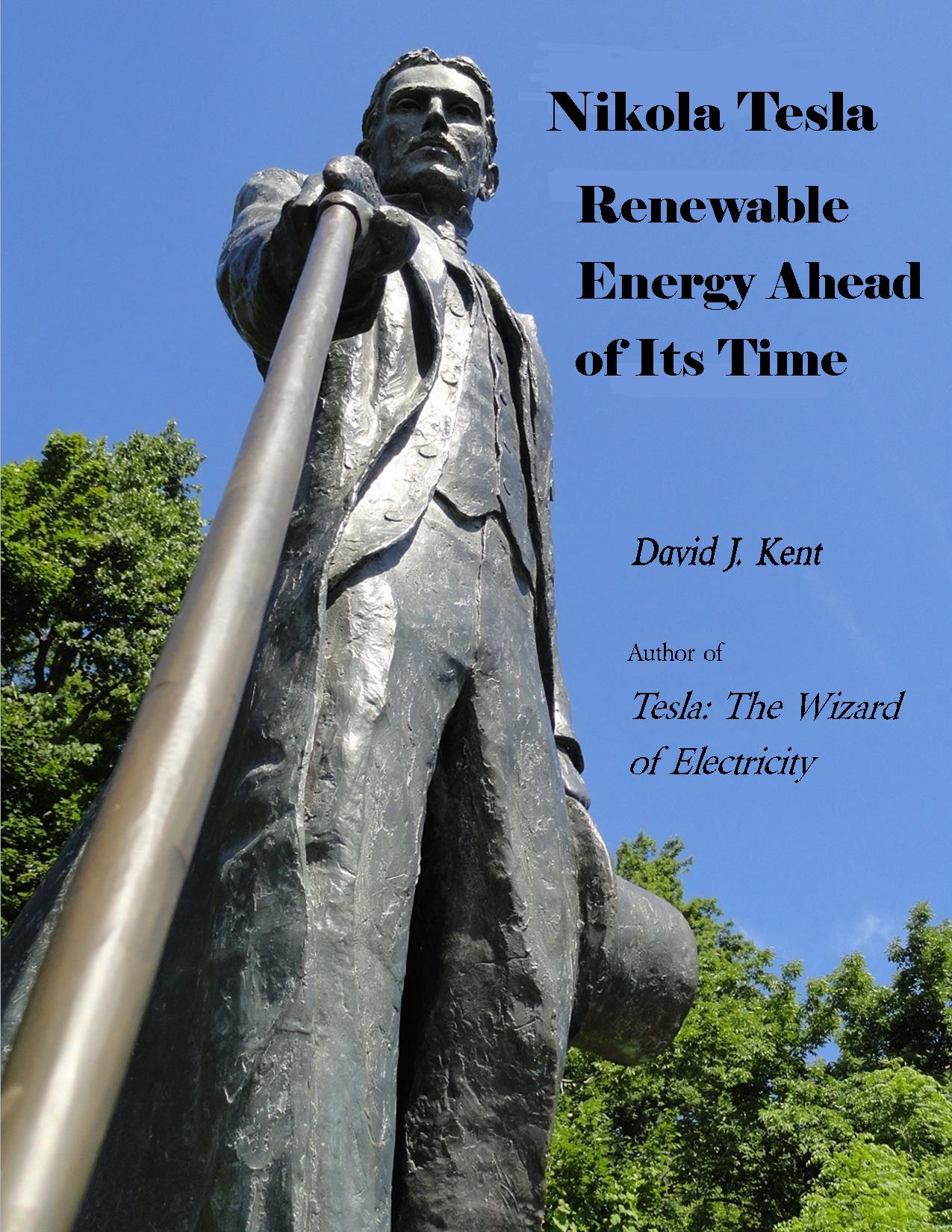
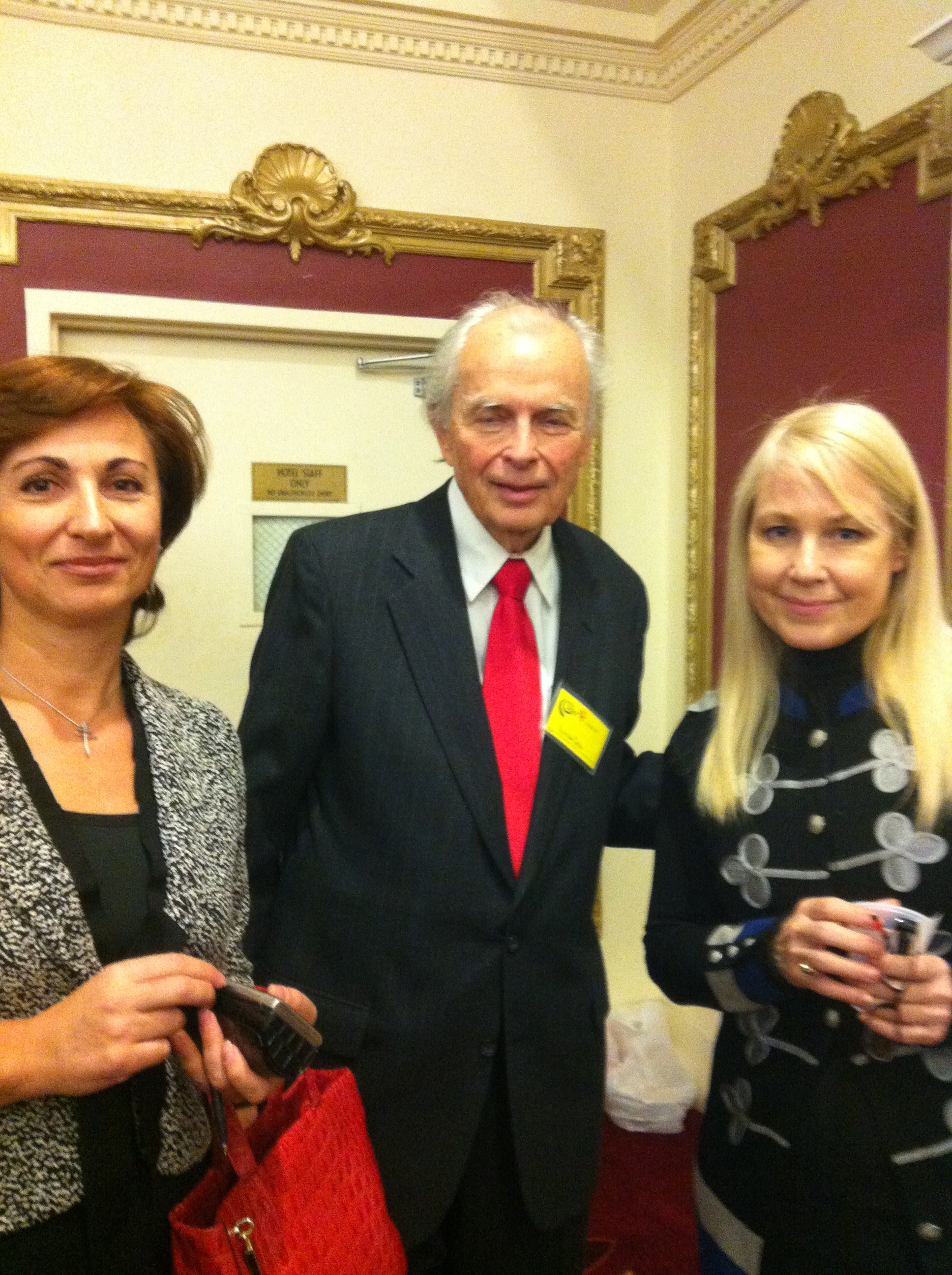
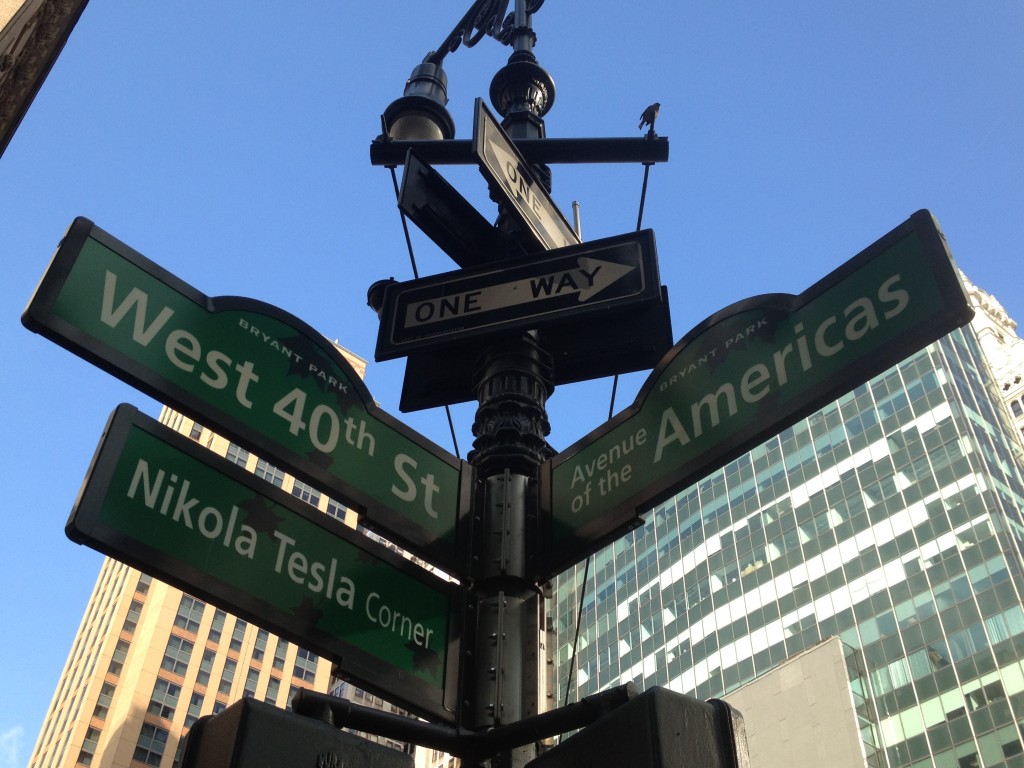
 After a busy (okay, rough) week that kept me away it seems like a good time to provide an update on my book, Nikola Tesla: The Wizard of Electricity. In early January I attended a Tesla Memorial Conference in New York City, which if you missed my articles you can read about by