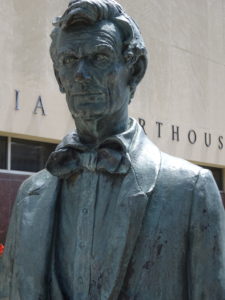
 On May 14, 1841, Abraham Lincoln’s law partnership dissolved when his mentor John T. Stuart was reelected to Congress. Lincoln immediately entered into a new partnership with Stephan T. Logan, the man who had assured his moral fortitude and “good character” when he first became a lawyer.
Logan had recently disbanded his partnership with Edward D. Baker, the man after whom Lincoln would later name his second son. Looking for someone as eloquent as Baker to complement his own more intellectual reticence, Logan saw a perfect opportunity with Lincoln. Logan was nine years older than Lincoln, and had established himself as a preeminent attorney in Sangamon County after being equally respected in his native Kentucky. He was serving as a judge in the circuit court when he vouched for Lincoln, but grew dissatisfied with the meager pay and returned to private practice. He saw in Lincoln someone who would be “exceedingly useful to me in getting the good will of the juries,” the one area where Logan was weaker because of his cracking voice and peevish demeanor.
It was a good match for Lincoln, too. Logan had a sharp analytical mind and a command of legal precedents and technicalities. In contrast, while adept at working a jury, Lincoln was rather lazy in his study of the finer points of the law. Like Lincoln, Logan was not overly concerned about his physical appearance; he was more likely to be leaning back in his chair, “his hair standing nine ways from Sunday, while his clothing was more like that worn by a woodchopper than anybody else.”
Lincoln continued doing mostly debt collection cases, but he now received only one-third of the money paid to the firm, as Logan had a less egalitarian profit-sharing policy. But whereas Stuart was largely absentee, Lincoln learned a great deal about the business of the law from Logan. Most critically, he began to understand the importance of detailed case research and preparation. Lincoln was inherently logical in thinking, but Logan taught him to write more precise and succinct case readings. Gone was the flowery language so common in that age; instead he learned to break down the case into its critical components. Under Logan he learned to search out precedents and watch for technical aspects that could be used in his clients’ favor. He still avoided thorough reading of law books—William Herndon would later say that he “never knew him to read through and through any law book of any kind”—but he did “love to dig up the question by the roots and hold it up and dry it before the fires of the mind.”
The firm of Logan and Lincoln was dissolved in 1844, when Logan decided to go into practice with his son. Now an experienced country lawyer, Lincoln decided it was time he became senior partner. Enter William H. Herndon.
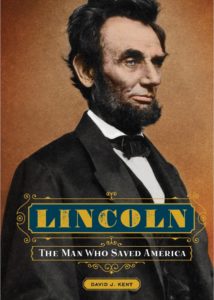
[Adapted from my book, Lincoln: The Man Who Saved America]
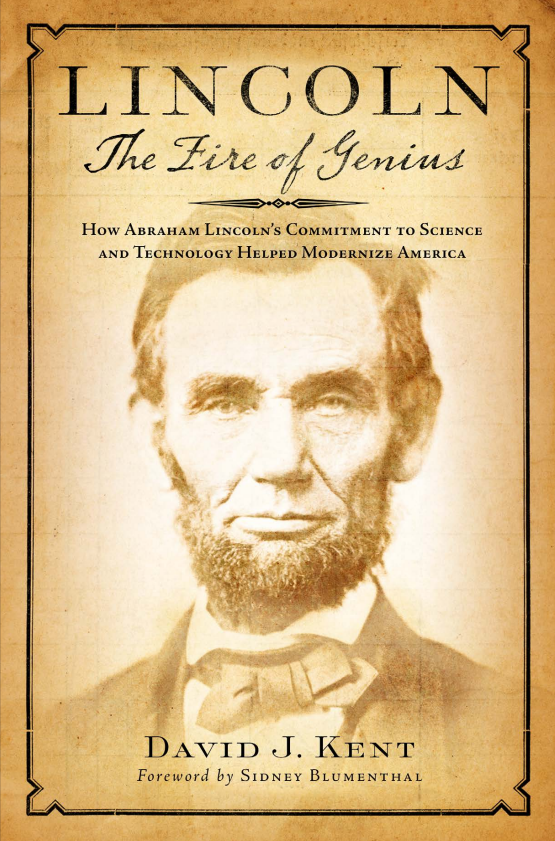
David J. Kent is an avid science traveler and the author of Lincoln: The Man Who Saved America, in Barnes and Noble stores now. His previous books include Tesla: The Wizard of Electricity and Edison: The Inventor of the Modern World and two specialty e-books: Nikola Tesla: Renewable Energy Ahead of Its Time and Abraham Lincoln and Nikola Tesla: Connected by Fate.
Check out my Goodreads author page. While you’re at it, “Like” my Facebook author page for more updates!
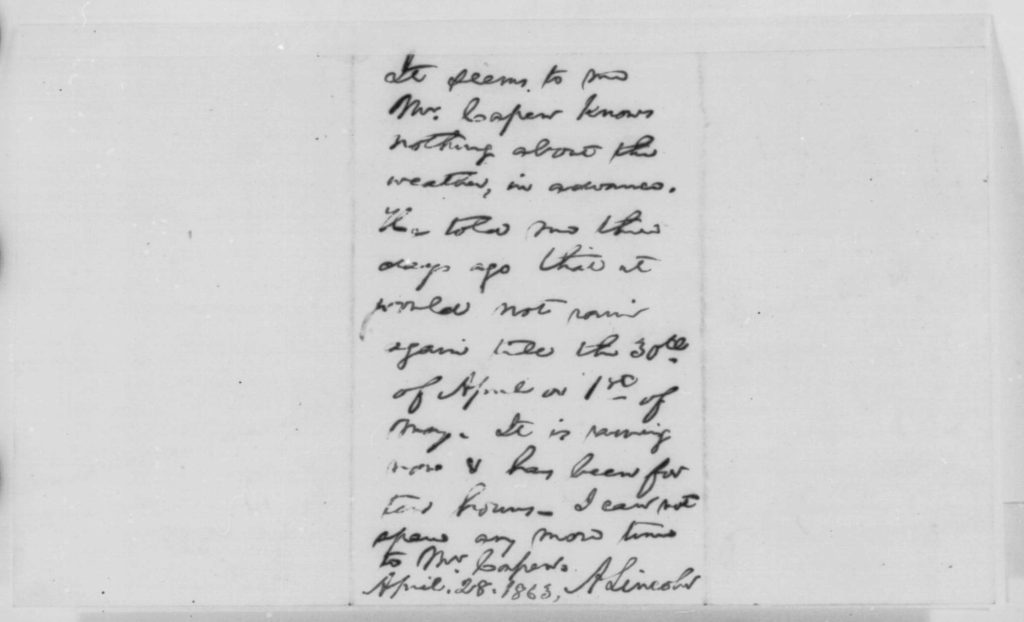
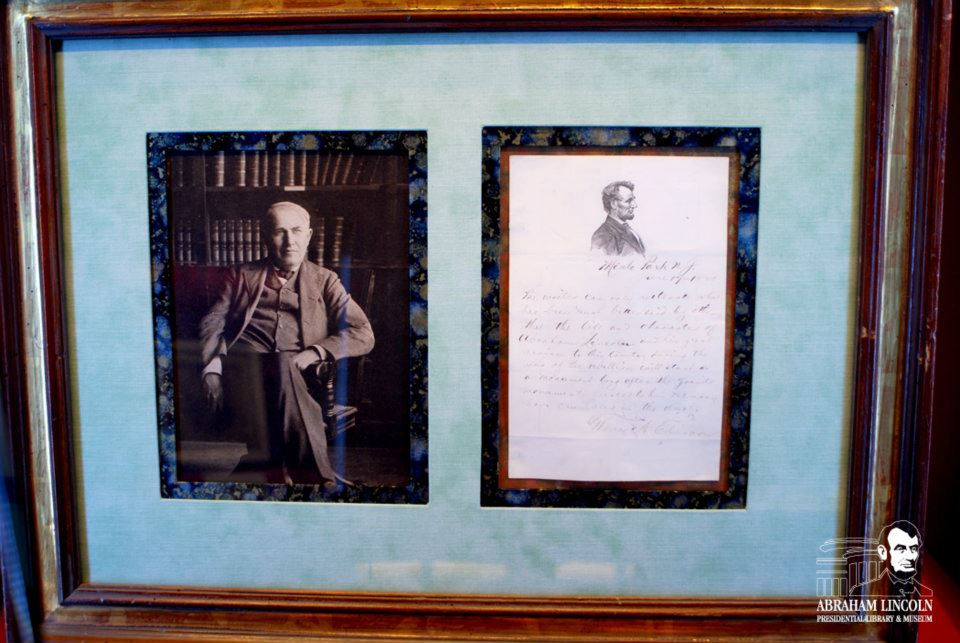
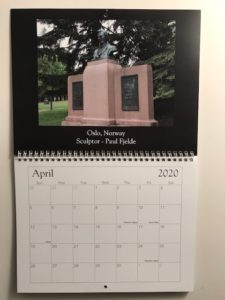 Abraham Lincoln seems to be everywhere in the world. In April of my monthly series, the David Wiegers calendar takes me back to Oslo, Norway, where Lincoln makes an appearance in Frogner Park.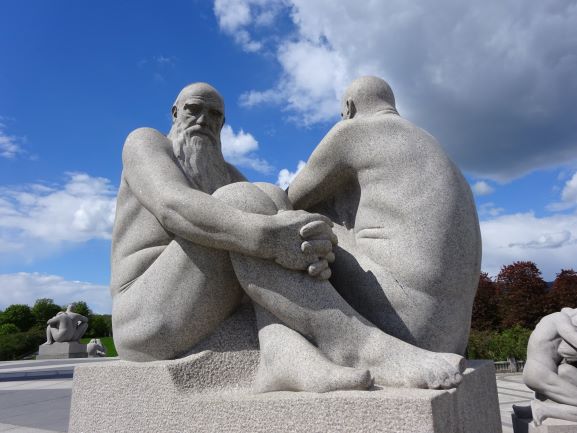
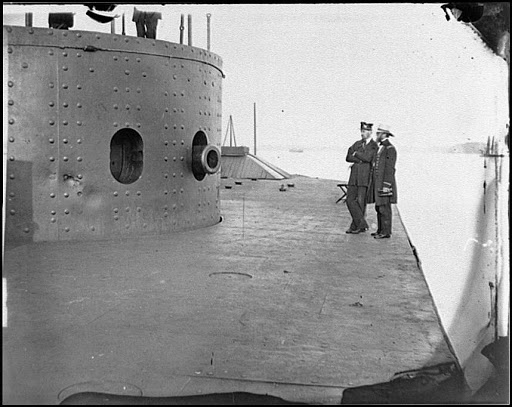
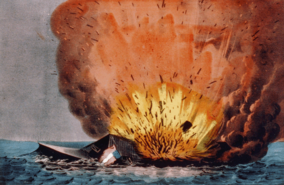
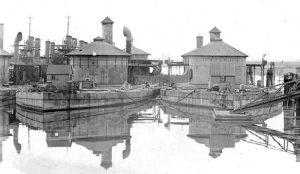 April 14, 1865, Abraham Lincoln’s last day alive, was a busy one. Included was a visit to the ironclad USS Montauk. Days later his assassins would be held on the same ship.
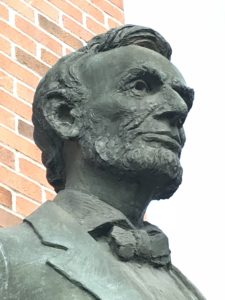 On April 11, 1865, President Abraham Lincoln gave his
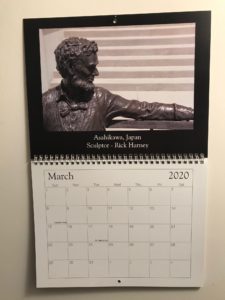 Travel has been curtailed for the near future due to coronavirus, so I remember my trip to Japan as I look at the March calendar photo from David Wiegers. You can click on these links to see the entries for January (