I’m going to Machu Picchu in 2016. Of course, I said I was going to Machu Picchu in 2015 and had to punt on it to this year. But this year I’m really going. I hope. Like last year, my plans could easily change, but here is what I’m planning for 2016.
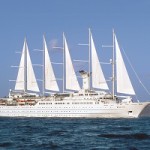 The only trip actually booked so far is a sailing cruise of the Caribbean in late January/early February. We’ll meet four Saints (Maarten, Kitts, Barthelemy, and Lucia), plus Barbuda, Guadaloupe, and Dominica. All while sailing point to point on a 535-foot sailboat.
Beyond that we’re looking at two other overseas trips – one to the aforementioned Machu Picchu in May, the other to China (and hopefully one other country) in October. If it all works out I’ll get to add at least six new countries to my visited list (last year I added only 3, though I was in 6 outside the U.S.).
I’ll also have my annual trip to New England to visit my parents, plus perhaps a second trip for my high school reunion. I’ve never attended a reunion before but this year I just might. It’s not until August so we’ll see when it gets closer.
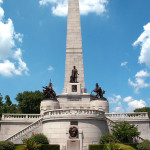 Springfield, Illinois may see me twice this year. I have a scheduled trip there in September with the Lincoln Group of DC, in which we’ll pursue Lincoln’s memory through New Salem, Springfield, and points surrounding. I’m also anticipating a purely research trip, probably in March, to visit with the staffs of the Papers of Abraham Lincoln and the Abraham Lincoln Presidential Library and Museum. Lincoln is also the focus of a November trip to Gettysburg.
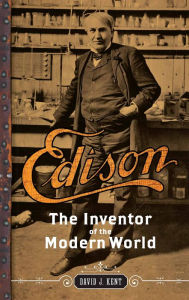
Closer to home, I will likely have a book launch party in August to celebrate the release of my newest book Edison: The Inventor of the Modern World.
Those are the more-or-less planned trips. Others may include Orlando for the SETAC meeting in November, Charlottesville for the CPRC meeting in April, Mt. Rushmore (still trying to squeeze this in at some point), and Newport News, VA (home of the Monitor ironclad).
I’ll be writing many science traveling articles during 2016 so check back regularly.
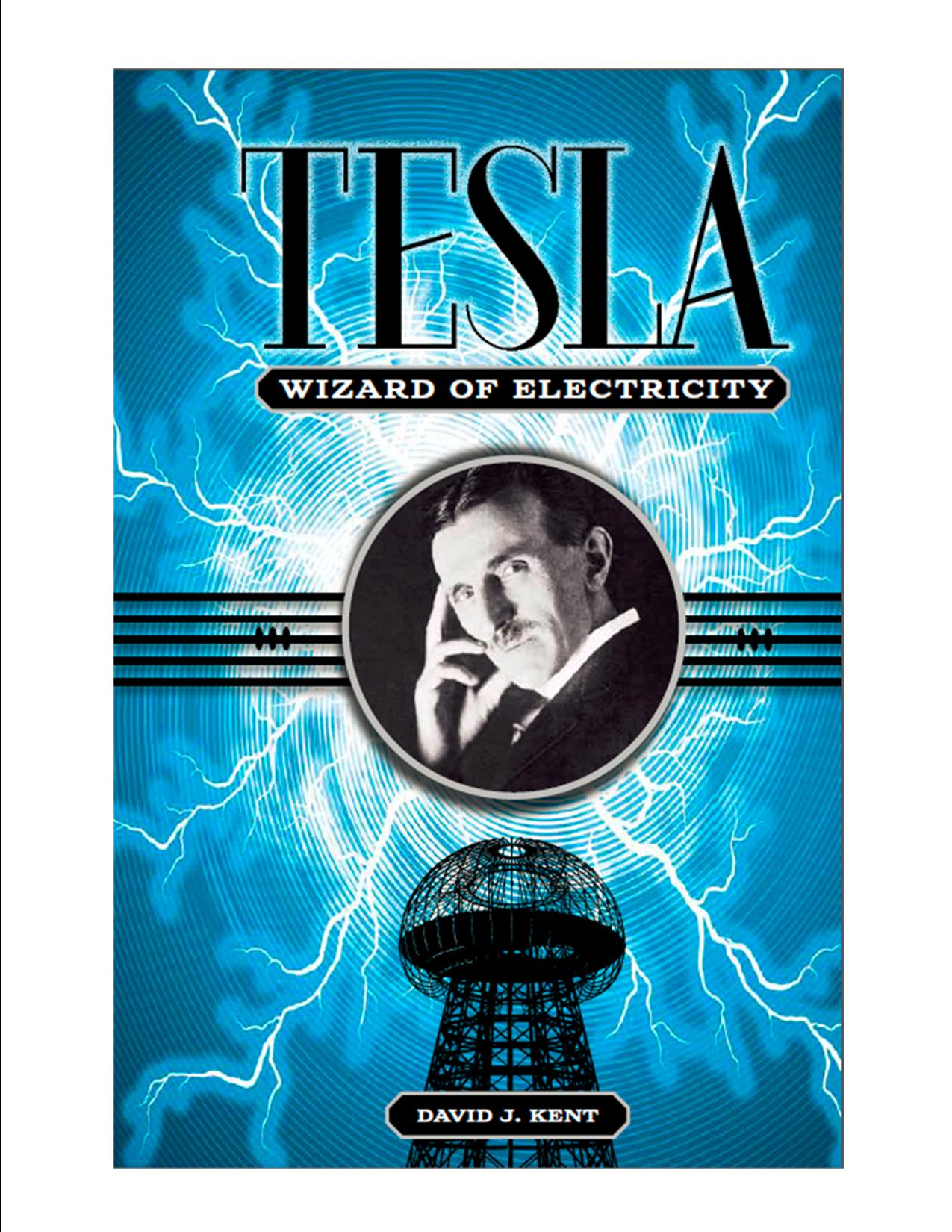
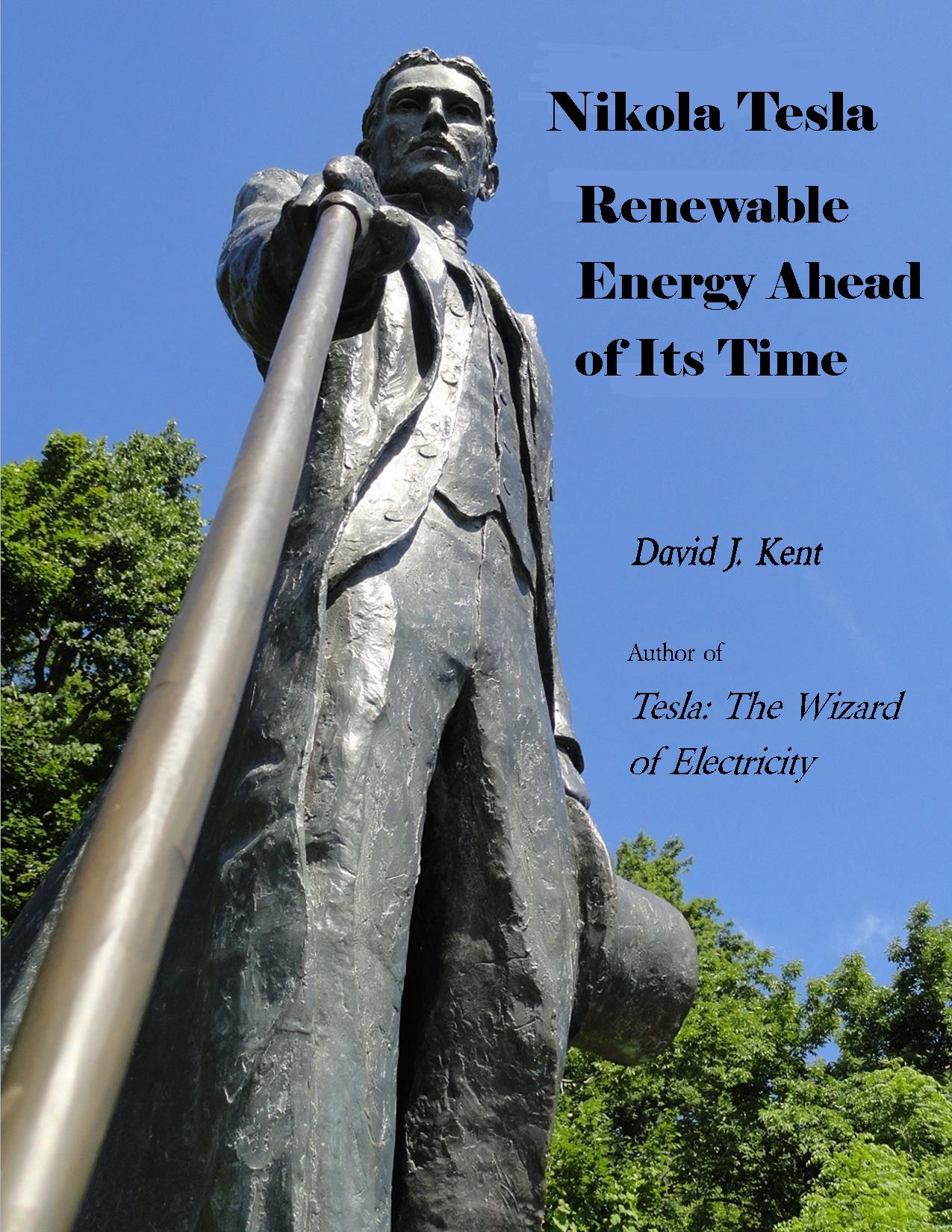
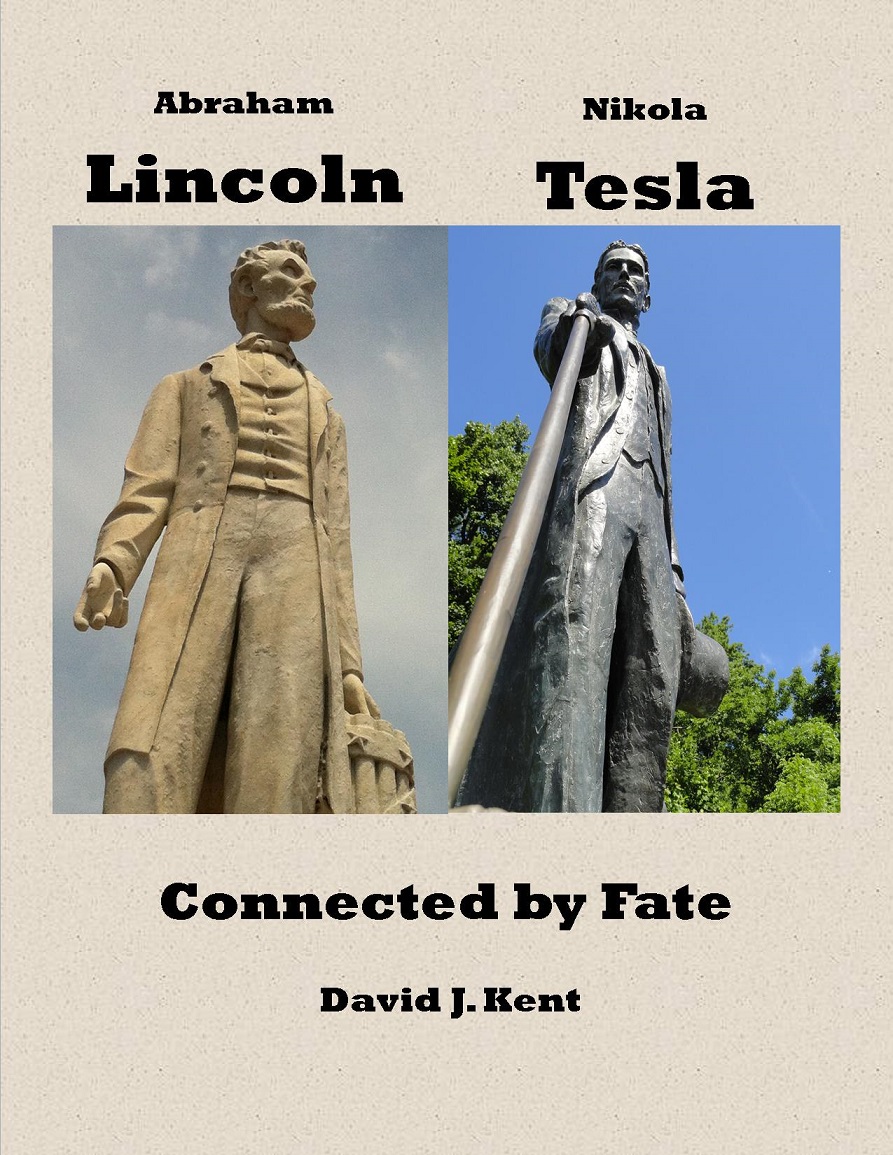
David J. Kent has been a scientist for thirty-five years, is an avid science traveler, and an independent Abraham Lincoln historian. He is the author of Tesla: The Wizard of Electricity (now in its 5th printing) and two e-books: Nikola Tesla: Renewable Energy Ahead of Its Time and Abraham Lincoln and Nikola Tesla: Connected by Fate. His book on Thomas Edison is due in Barnes and Noble stores in spring 2016.
Follow me by subscribing by email on the home page. And feel free to “Like” my Facebook author’s page and connect on LinkedIn. Share with your friends using the buttons below.
 Here on
  On
On  There was a lot more, so click on the blog names above and scroll down to see other articles of interest.
 The last few days of 2015 are bringing me somewhat of a breather from science traveling and writing and reading. It’s been a busy year in all respects. The writing scene has been especially productive.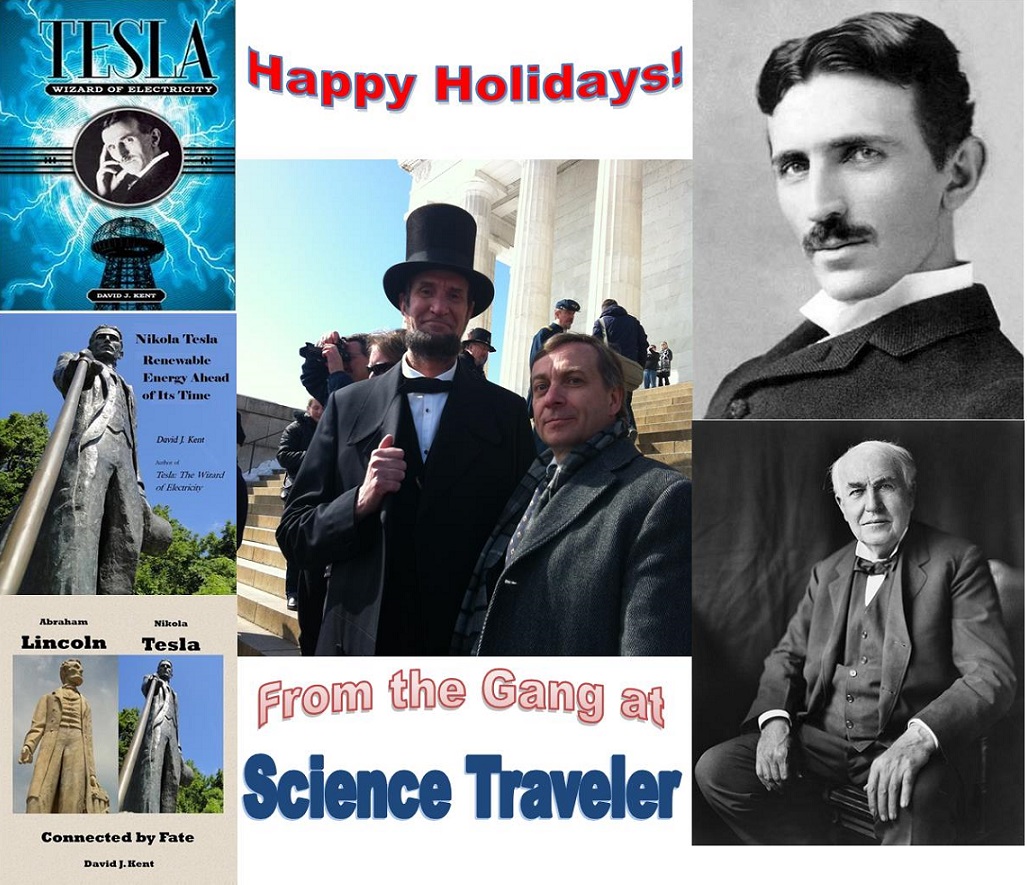
 I’m still far short of the 15,000+ books published about Abraham Lincoln, but did make several great acquisitions for my collection in 2015. The following list shows 59 new additions, almost exactly the number
  Somehow I managed not to travel anywhere in February, June, and August. But for the other nine months I had at least one out-of-town trip. It was a very good year in Science Traveling. I’ve finished traveling for the year so it’s time for a quick recap.
 Yes, the allusions in the title are intentional. Creedence Clearwater Revival (aka, CCR) wrote a
 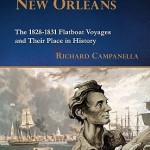 Book Review – Lincoln in New Orleans by Richard Campanella
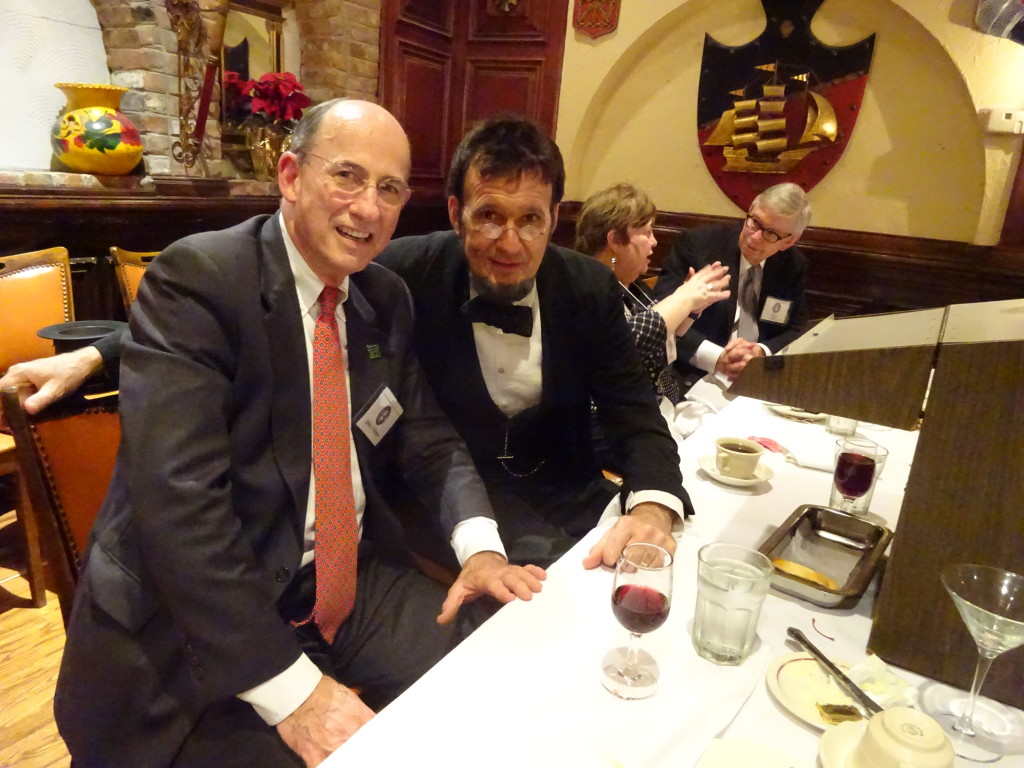
 I’ve just returned from the annual Lincoln Forum conference in Gettysburg, Pennsylvania. This was the 20th anniversary event, complete with cake. The Forum fills two and a half days with presentations by renowned Abraham Lincoln scholars, great camaraderie, and books. A lot of books. As usual, my bag coming home is filled with new books picked up at the conference bookstore.
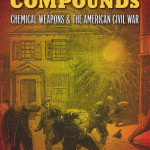 Now the books. New additions to my collection include an essay compilation book edited by Frank Williams and a second similar book edited by Joseph Fornieri. I also picked up an edition of Reck’s A Lincoln: His Last 24 Hours and a book on the lost whaling fleet (which had battled the confederate navy and the Arctic during the Civil War). Perhaps the most unique acquisition is a book called Villainous Compounds: Chemical Weapons & The American Civil War by Guy R. Hasegawa. With my scientific background it would almost be blasphemous if I hadn’t bought it (he tells himself, in a rationalizing sort of way).
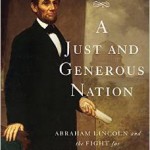 Having already bought it beforehand, I took advantage of the conference to bring my copy of Harold Holzer’s new book