Joseph Henry was not initially impressed with Abraham Lincoln. Barely a month after Lincoln settled into his new office in “that big white house,” the first Secretary of the Smithsonian Institution made his introductory visit. Henry’s inherent misgivings about the frontier politician were reinforced as he waited impatiently in the anteroom for an hour while a steady stream of the lowermost job seekers filed in and out of the President’s office. When finally allowed to see him, Henry thought Lincoln appeared careworn. After exchanging routine pleasantries, Henry explained the new president’s official role as prime overseer of the Smithsonian and invited Lincoln to attend the next regents’ meeting. But the president seemed disinterested. Henry’s conversation with the Lincoln, with Secretary of State William Seward present, was uncomfortable and brief. Henry felt disappointed by this country lawyer from the West and walked away feeling the President was “withdrawn and ill at ease.” Was Lincoln the uneducated, uncultured boor rumors made him out to be, one who could never understand the high intellectual ambitions of the Smithsonian Institution? Was the open dislike of Henry’s family for the man who General McClellan would later call an uncouth “gorilla” justified?
Granted, Henry thought, Lincoln was preoccupied with more urgent matters. Fort Sumter had fallen on April 12th and, as longtime friend Captain Montgomery Meigs informed Henry while they both waited for an audience, Lincoln was weighing various options for quickly ending the rebellion of seceded states. Perhaps he should not be so quick to judge, thought Henry, and indeed, over time he would come to appreciate Lincoln’s folksy intellect. Lincoln himself would rapidly come to see the importance of the Smithsonian and science for the war effort…and the future of the Union.
This was the beginning of a remarkable relationship.
[The above is a work in progress.]
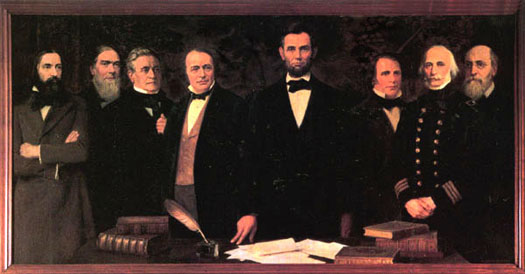
[Painting at the top by Albert Herter in 1924, depicting President Abraham Lincoln signing the Charter of the Academy of Sciences in 1863. Henry is third from left. Courtesy National Academy of Sciences.]
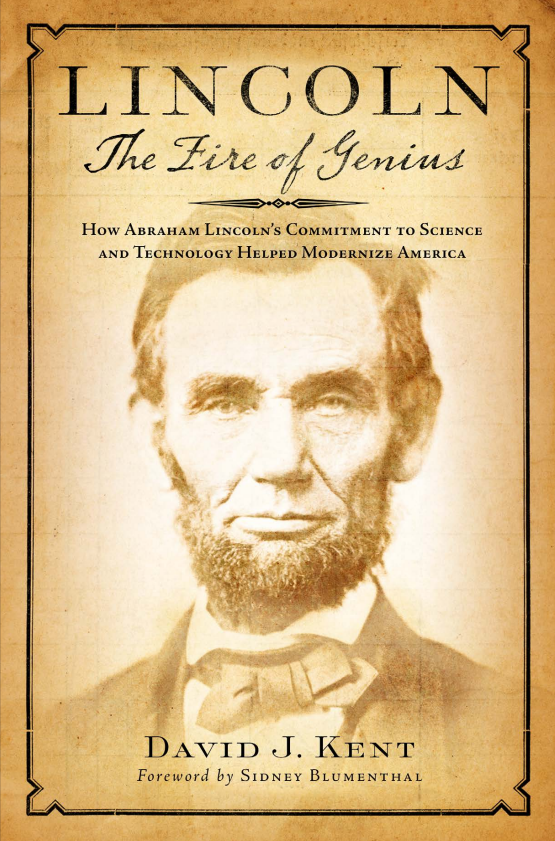
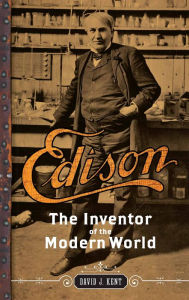
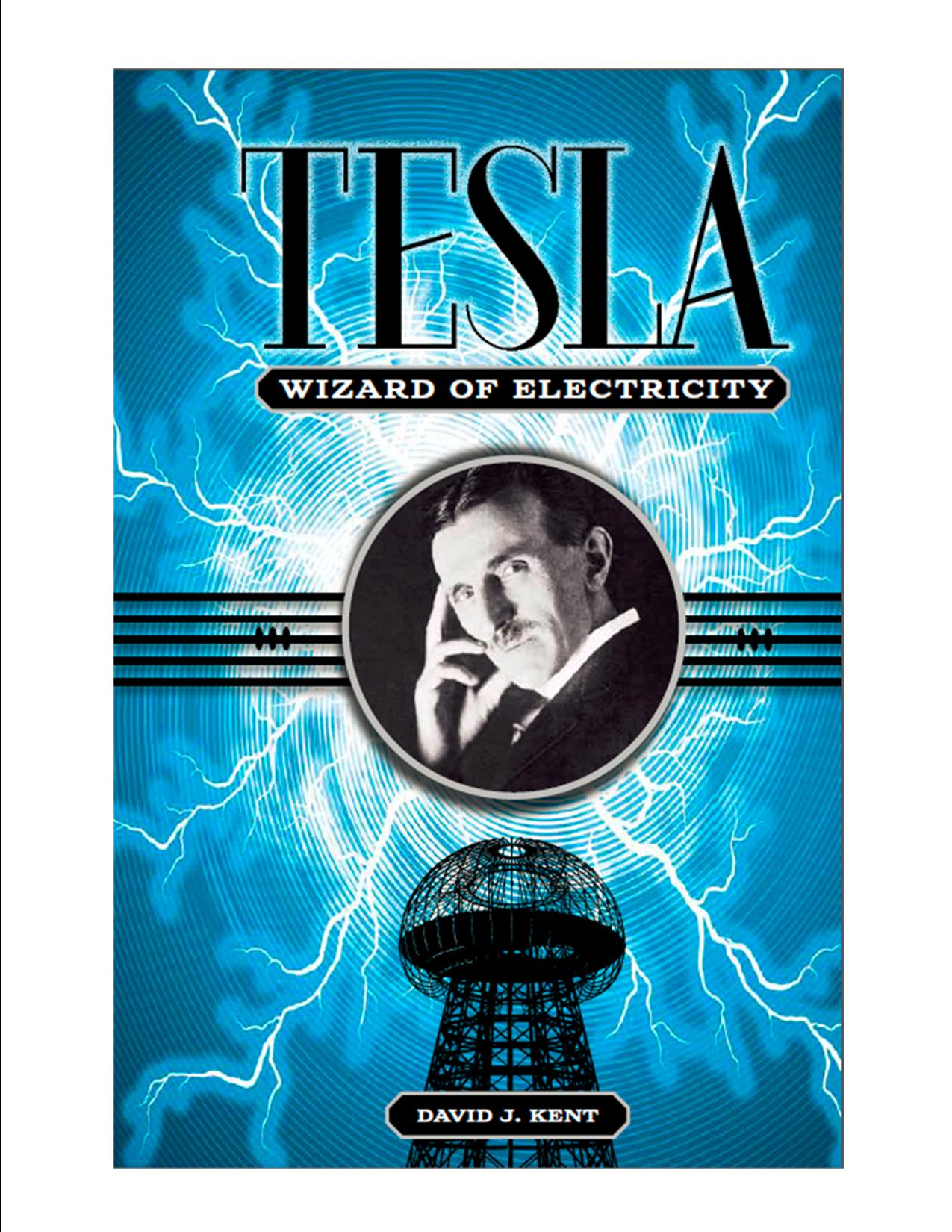
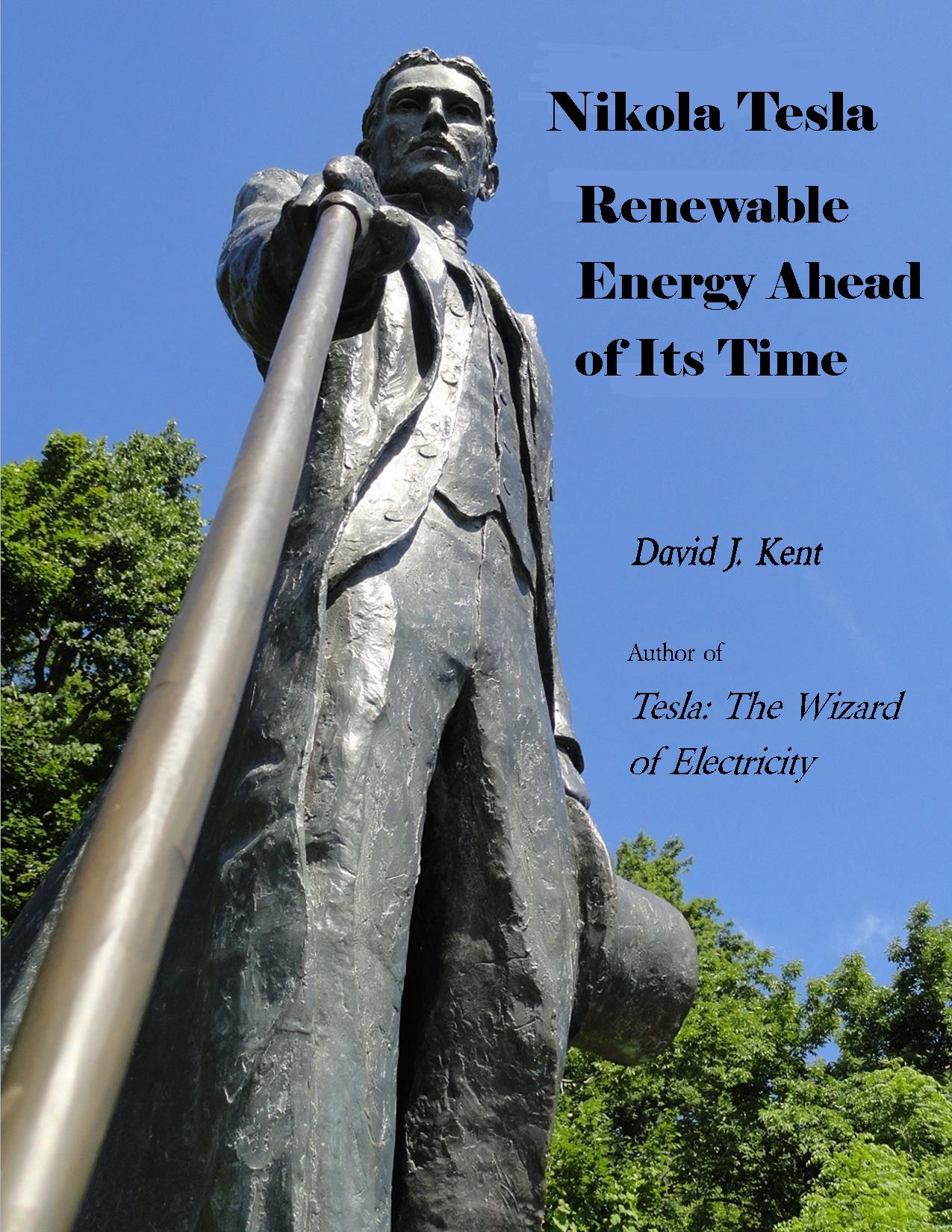
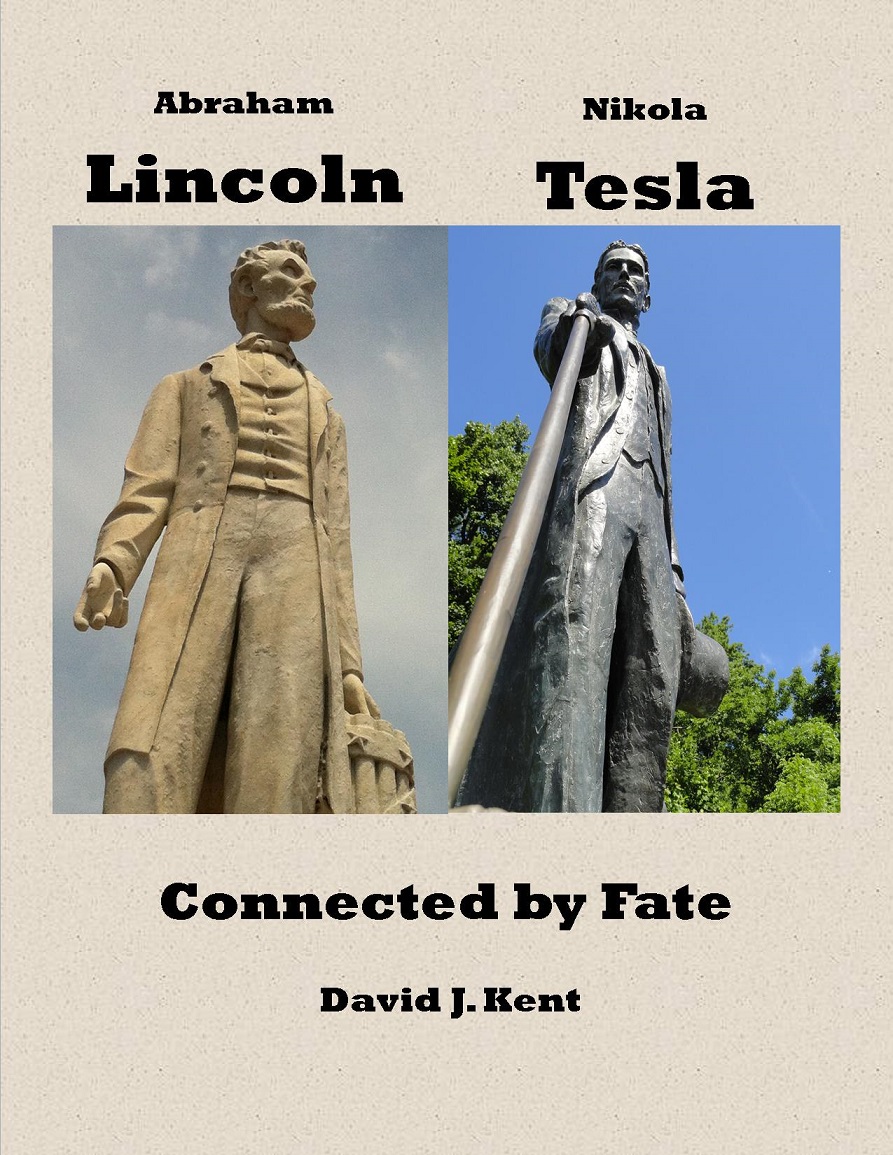
David J. Kent is an avid science traveler and the author of Lincoln: The Man Who Saved America, in Barnes and Noble stores now. His previous books include Tesla: The Wizard of Electricity and Edison: The Inventor of the Modern World and two specialty e-books: Nikola Tesla: Renewable Energy Ahead of Its Time and Abraham Lincoln and Nikola Tesla: Connected by Fate.
Check out my Goodreads author page. While you’re at it, “Like” my Facebook author page for more updates!
 You now have a second chance to win a copy of
 On January 18, 2017, in celebration of the Old Naval Hospital’s 150th anniversary, Hill Center and the Lincoln Group of the District of Columbia will hold a celebration of Abraham Lincoln’s First Inaugural Address. In 1864 President Lincoln authorized $25,000 for construction of the (Old) Naval Hospital, which was completed in 1866, and the building has been restored to its 1860s condition to serve as Hill Center.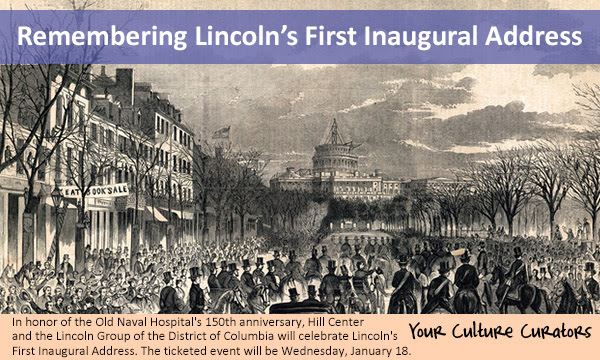
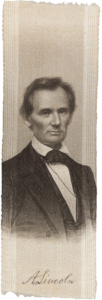 Seven score and sixteen years ago the United States experienced a contentious election. The populace was terribly divided, one campaign openly pandered to the fears of white Americans, and the survival of the Union was in question. The winner of that election in 1860 was Abraham Lincoln, our 16th President.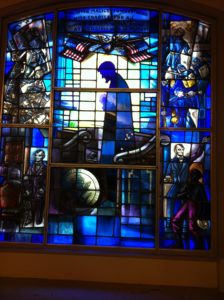
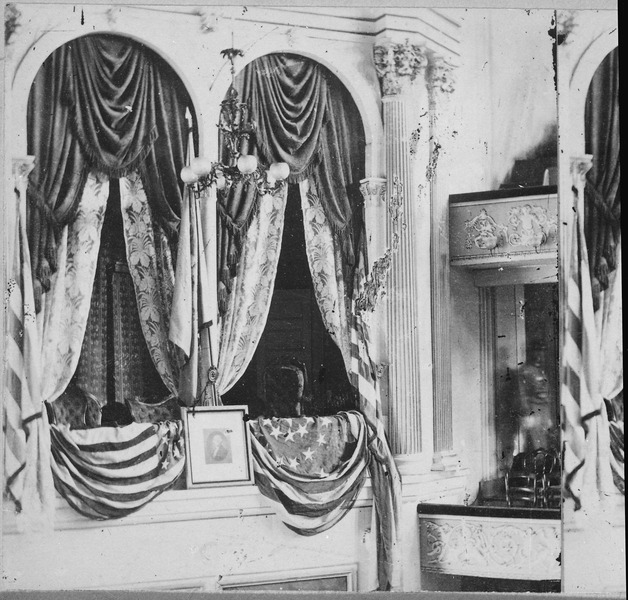
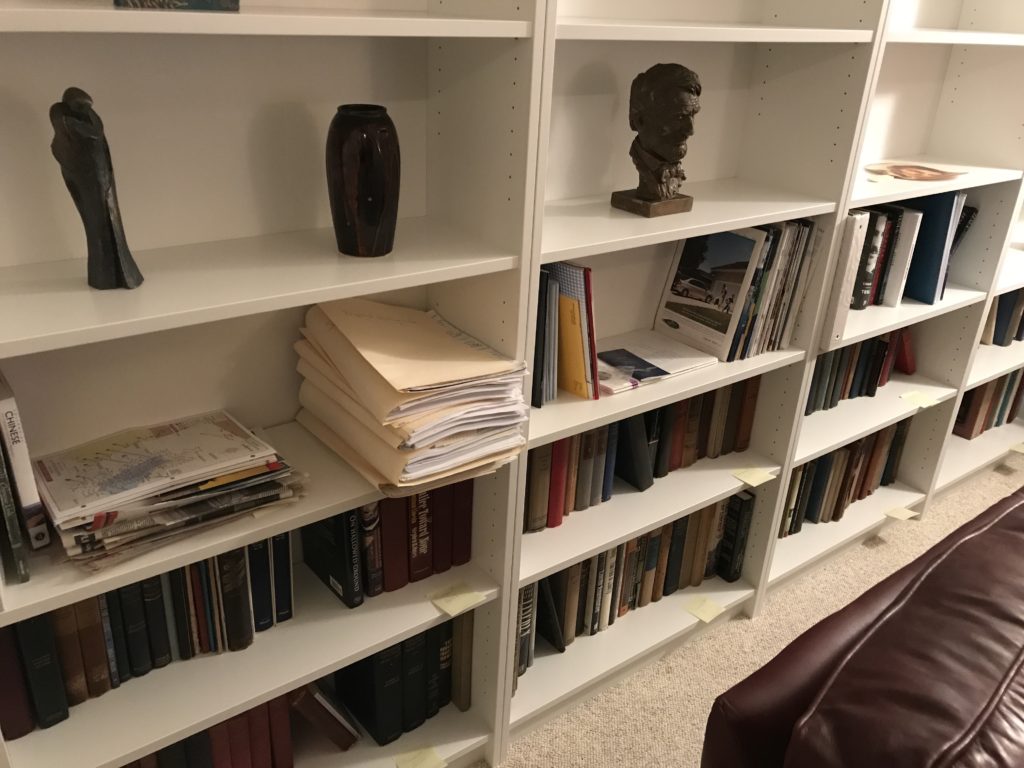
 I’m still far short of the 15,000+ books published about Abraham Lincoln, but did make several great acquisitions for my collection in 2015. The following list shows 59 new additions, almost exactly the number
 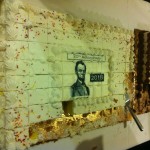 I’ve just returned from the annual Lincoln Forum conference in Gettysburg, Pennsylvania. This was the 20th anniversary event, complete with cake. The Forum fills two and a half days with presentations by renowned Abraham Lincoln scholars, great camaraderie, and books. A lot of books. As usual, my bag coming home is filled with new books picked up at the conference bookstore.
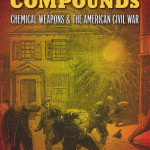 Now the books. New additions to my collection include an essay compilation book edited by Frank Williams and a second similar book edited by Joseph Fornieri. I also picked up an edition of Reck’s A Lincoln: His Last 24 Hours and a book on the lost whaling fleet (which had battled the confederate navy and the Arctic during the Civil War). Perhaps the most unique acquisition is a book called Villainous Compounds: Chemical Weapons & The American Civil War by Guy R. Hasegawa. With my scientific background it would almost be blasphemous if I hadn’t bought it (he tells himself, in a rationalizing sort of way).
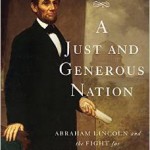 Having already bought it beforehand, I took advantage of the conference to bring my copy of Harold Holzer’s new book
  It’s been a busy 48 hours with respect to Abraham Lincoln traveling. And it’s about to get even busier.