 Tuesday, October 20, 2015 will be a first for me. After giving well over a hundred presentations on science topics I give my first official presentation on Abraham Lincoln. I hope many more will follow.
My topic is “Abraham Lincoln and the March of Technology,” and the occasion is the Lincoln Group of the District of Columbia’s monthly dinner lecture. The meeting is being held at Alfio’s Restaurant in Washington, D.C. Register to attend the dinner and lecture – or just the lecture – on the Lincoln Group website.
Many people know that Abraham Lincoln is the only President to ever have received a patent. His invention was for a device for “buoying vessels over shoals,” and received patent number 6,469. He received it as he was completing his single term as a U.S. Congressman.
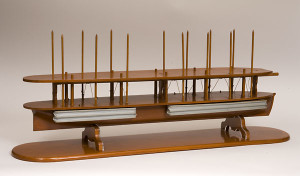
His invention never saw any practical use, but it reflects a long-standing interest Lincoln had in technology. Early on Lincoln understood the importance of education and advancement. In his very first run for political office he touted what was then the Whig party line of internal improvements – a system of subsidized canals, roads, navigable rivers, and railroads. He was fascinated by the technology growing up around him. A colleague on the law circuit said that Lincoln had “a mechanical mind.”
Over the years he continued to learn about science and technology and advocated its expansion in daily life. He became the “go-to” guy for patent and technology cases in his law career, he nearly mastered the six books of Euclid geometry in his spare time, and was instrumental in the westward expansion of the railroads. During the Civil War he was the first to use the telegraph for strategic purposes, that generations “instant communication.” As President he institutionalized science and technology in ways that still have significant ramifications today.
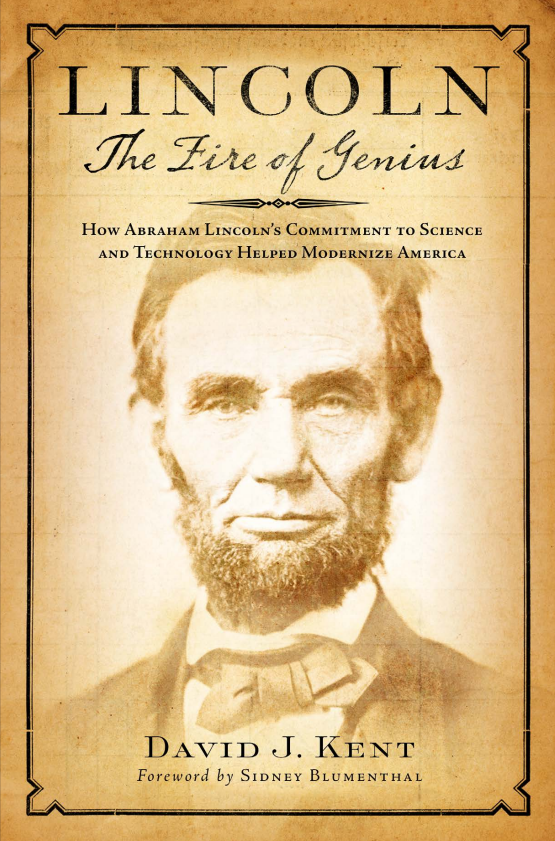
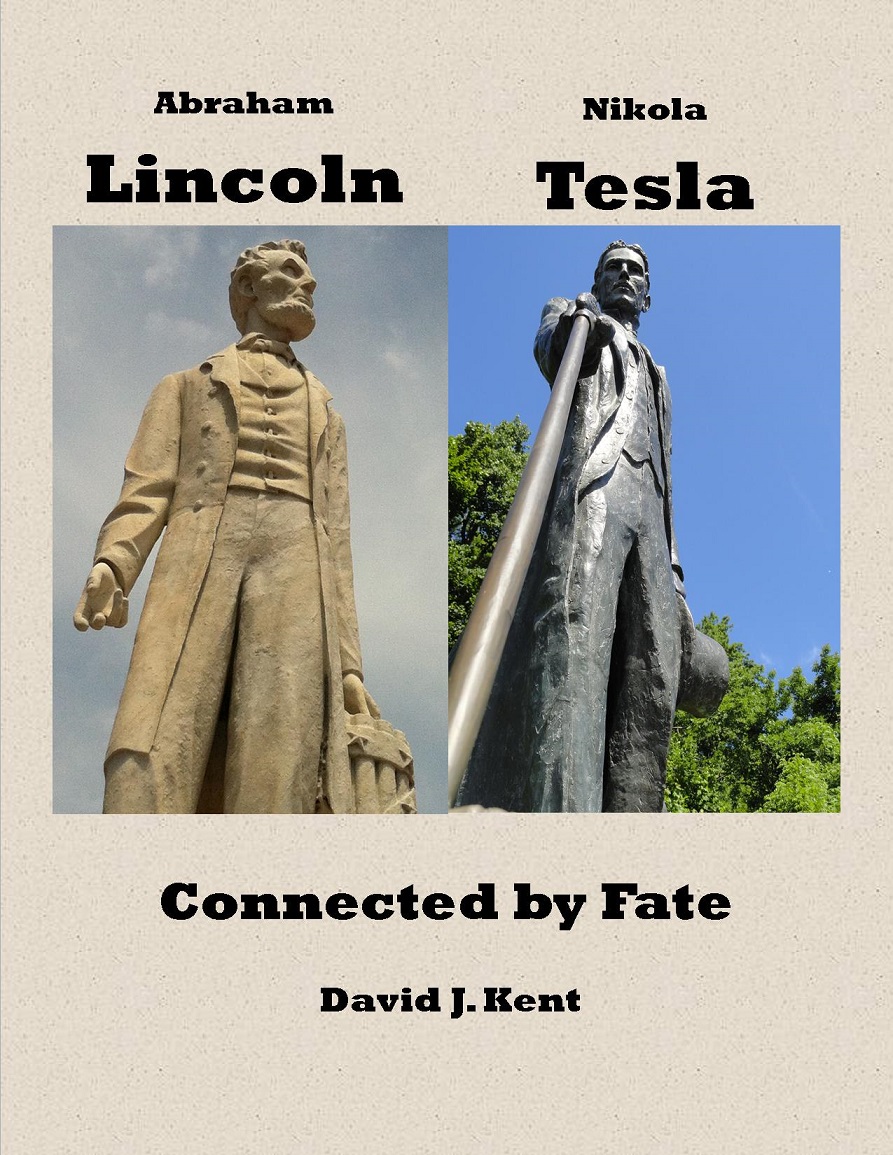
My presentation will touch on these topics and more, and are the basis for my forthcoming book on Lincoln and Technology. A preview of some of this can be seen in my e-book: Abraham Lincoln and Nikola Tesla: Connected by Fate.
If you’re in the Washington, D.C. area on October 20th please consider coming out to meet me and hear about Abraham Lincoln.
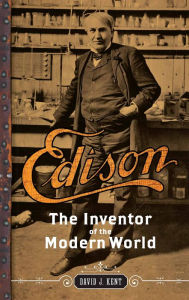
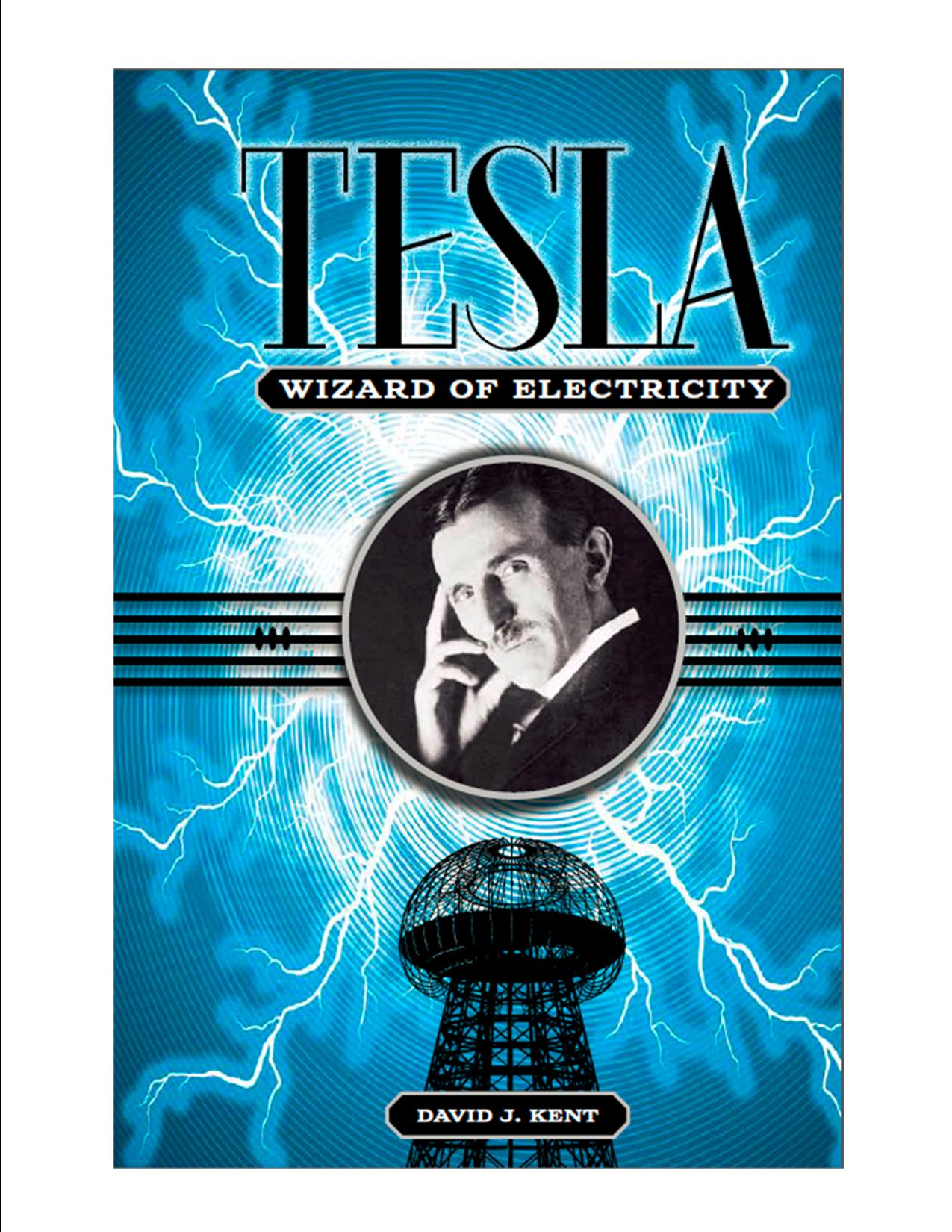
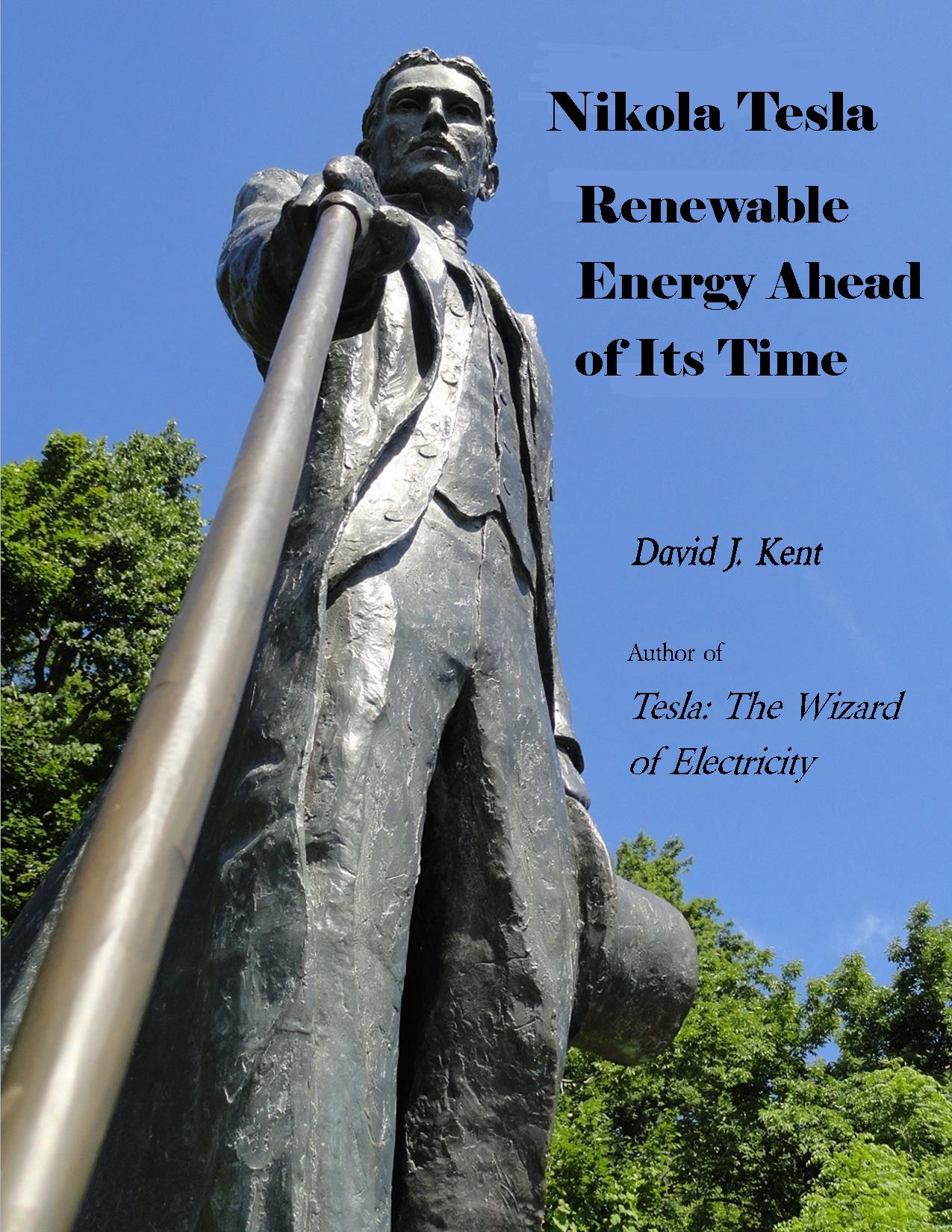
David J. Kent has been a scientist for thirty-five years, is an avid science traveler, and an independent Abraham Lincoln historian. He is the author of Tesla: The Wizard of Electricity (now in its 5th printing) and two e-books: Nikola Tesla: Renewable Energy Ahead of Its Time and Abraham Lincoln and Nikola Tesla: Connected by Fate. His book on Thomas Edison is due in Barnes and Noble stores in spring 2016.
Follow me by subscribing by email on the home page. And feel free to “Like” my Facebook author’s page and connect on LinkedIn. Share with your friends using the buttons below.
 Our monthly dinner and lecture meetings return on Sept. 15th with Michael Ross, who will speak about “Lincoln and Johnson: The Struggle to Re-unite a Nation.”
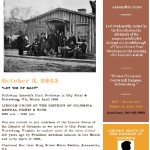 Join us on a tour of “Lincoln’s Final Footsteps” as he visits General Grant at City Point and Petersburg. Among the stops are Grant’s headquarters, Appomattox Manor, Fort Wadsworth, and the Wallace House and Centre Hill Mansion in Petersburg. Tour led by registered master tour guide Craig Howell.
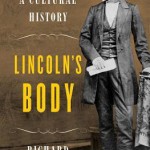 Historian Richard Wightman Fox employs a unique concept in discussing Abraham Lincoln: Lincoln’s body. His body – the physical, the figurative, the aura, and the memory – is used to trace how he was perceived at the time and during several periods since then to the present day. In doing so, Fox has successfully provided a mirror into not only Abraham Lincoln, but ourselves.


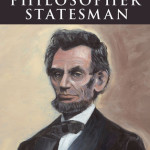 An exceptional scholarly treatment. Author Fornieri examines the age-old question of what makes Abraham Lincoln great. His answer lies in the belief that Lincoln was a philosopher statesman, which he defines as being understood in terms of six dimensions of political leadership.
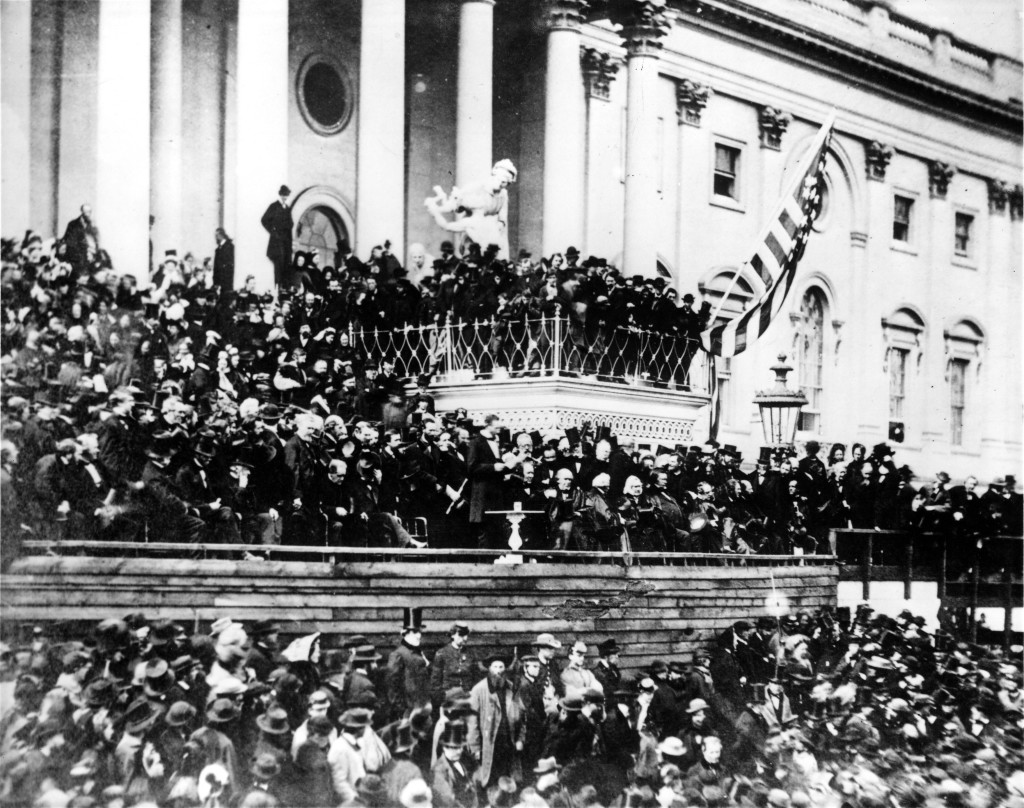
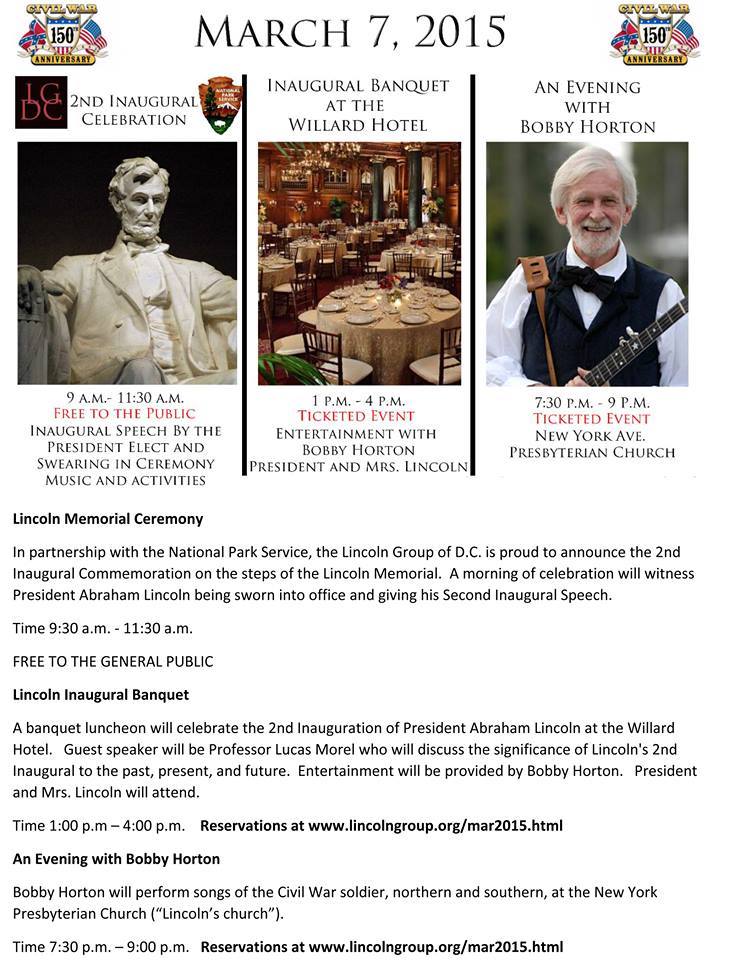
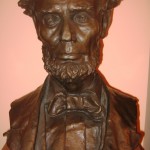 Today is the 206th birthday of Abraham Lincoln, our 16th and perhaps most well known President. And as usual, I’m chasing Abraham Lincoln.
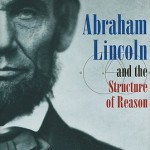 The main thesis of this book is that Abraham Lincoln’s greatness came from his mastery of the “six-books of Euclid” geometry, and the subsequent application of the six elements of Euclid into his logic, reasoning, and speeches.