Abraham Lincoln rose from a nearly non-existent formal education to become the 16th President of the United States. In a brief biography provided to friends endorsing his 1860 nomination he wrote “I could read, write, and cipher to the Rule of Three; but that was all.” That was the extent of his formal schooling.
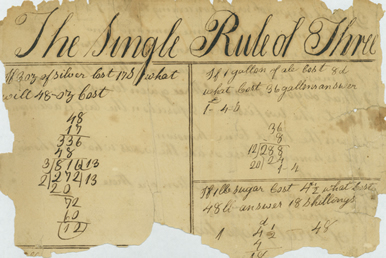
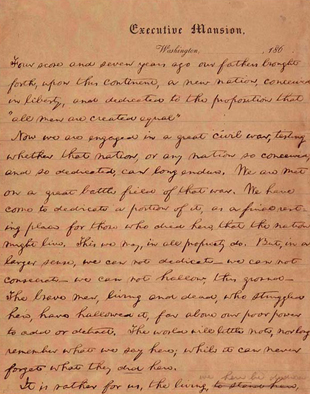
Page from Lincoln’ sum book. Photo courtesy Library of Congress.
Anyone with an interest in Lincoln – or frontier schooling in general – has likely heard those words, but very few people probably know what they mean. The reading and writing make sense, but “ciphering to the rule of three?”
It turns out the “rule of three” is a way of solving proportions, what we more commonly today call “ratios.” It is a form of cross-multiplication in which the problem is set up such that the unknown quantity is the last “extreme” in a series of numbers exhibiting a proportional relationship. The basic form is:
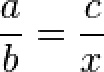
The idea is to determine the value of x when you know the values of a, b, and c. The Rule of Three states that you simply rearrange this simple ratio formula into:
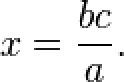
Another way of looking at it is by laying out the three known terms in a linear sequence (a –> b –> c) and then multiplying the last term (c) by the middle term (b) and then dividing that product by the first term (a).
That’s it. Not very complicated on its face, but this simple rule could incorporate not only multiplication and division but also addition and subtraction. Lincoln likely used it to figure out proportions and costs for different supplies during the time he was a young storekeeper in New Salem. Of course, Lincoln went on to learn long division and other math functions as well, not to mention he mastered the six books of Euclid geometry. He also taught himself the law, political oratory, and the logical thinking that helped him define the slavery debate and, eventually, make him one of our greatest presidents.
Not bad for a guy with less than a year of formal schooling.
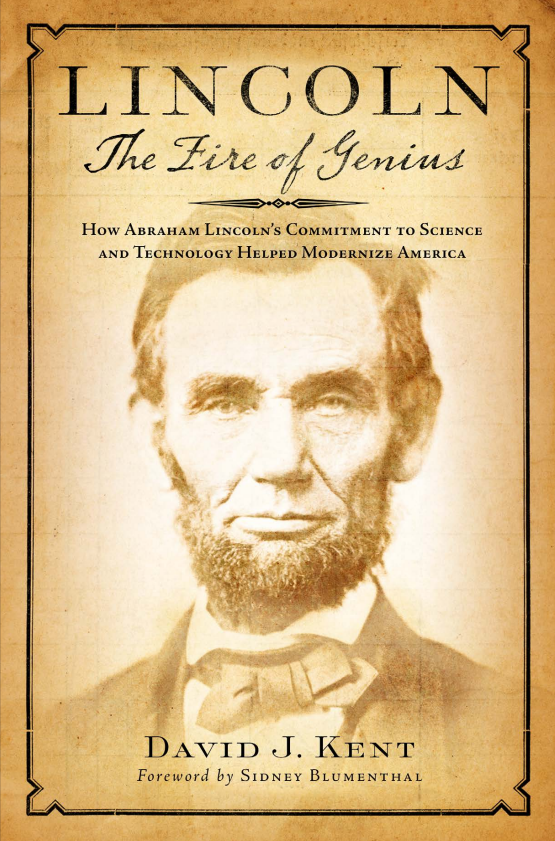
[The above is adapted from my book, Lincoln: The Fire of Genius and an article published in The Lincolnian, a publication of the Lincoln Group of the District of Columbia.]
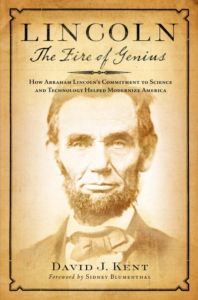
Lincoln: The Fire of Genius: How Abraham Lincoln’s Commitment to Science and Technology Helped Modernize America is available at booksellers nationwide.
Limited signed copies are available via this website. The book also listed on Goodreads, the database where I keep track of my reading. Click on the “Want to Read” button to put it on your reading list. Please leave a review on Goodreads and Amazon if you like the book.
You also follow my author page on Facebook.
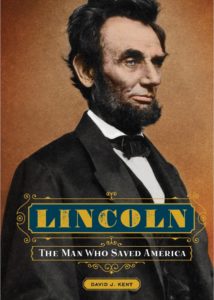
David J. Kent is President of the Lincoln Group of DC and the author of Lincoln: The Fire of Genius: How Abraham Lincoln’s Commitment to Science and Technology Helped Modernize America and Lincoln: The Man Who Saved America.
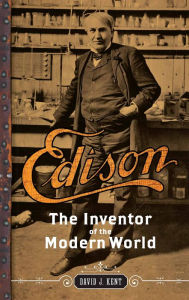
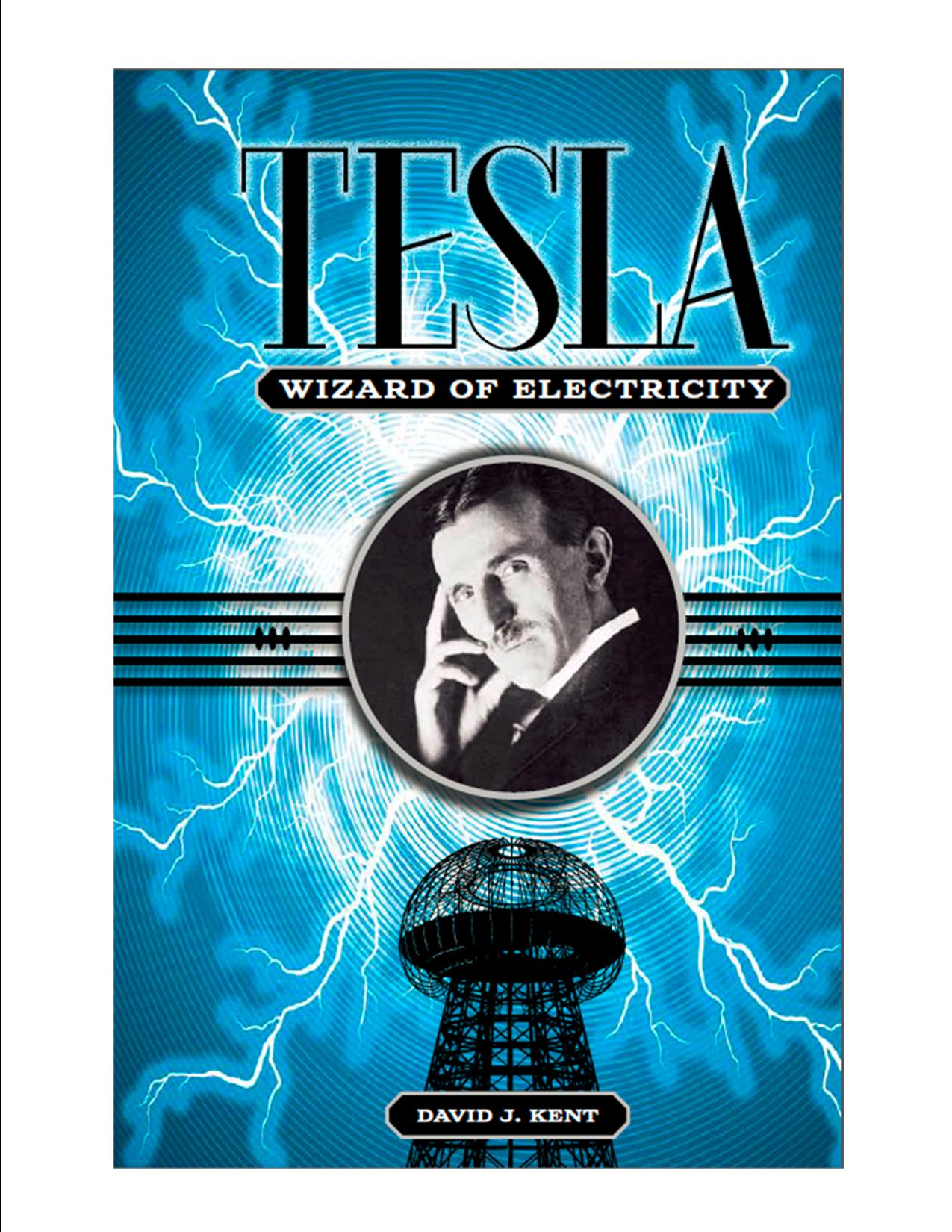
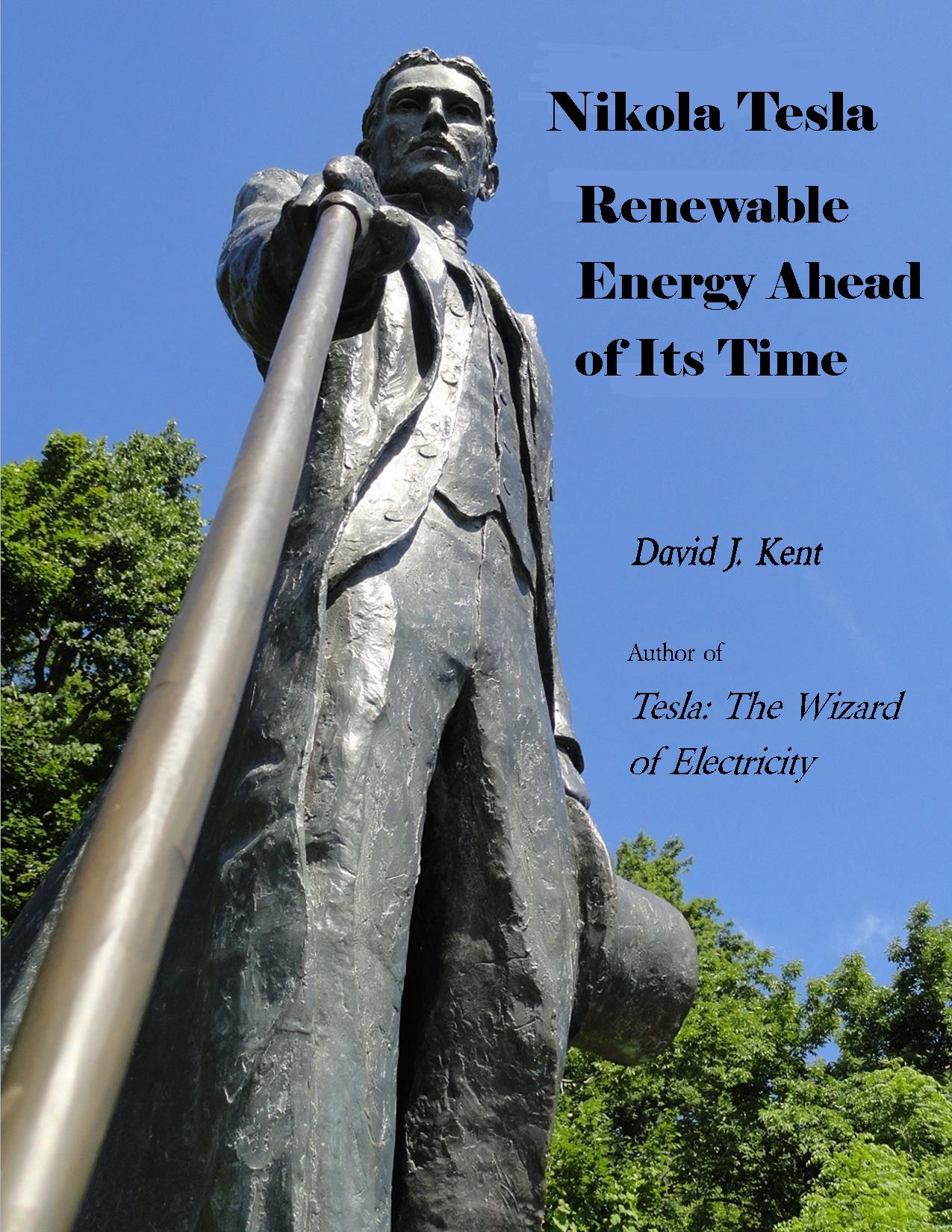
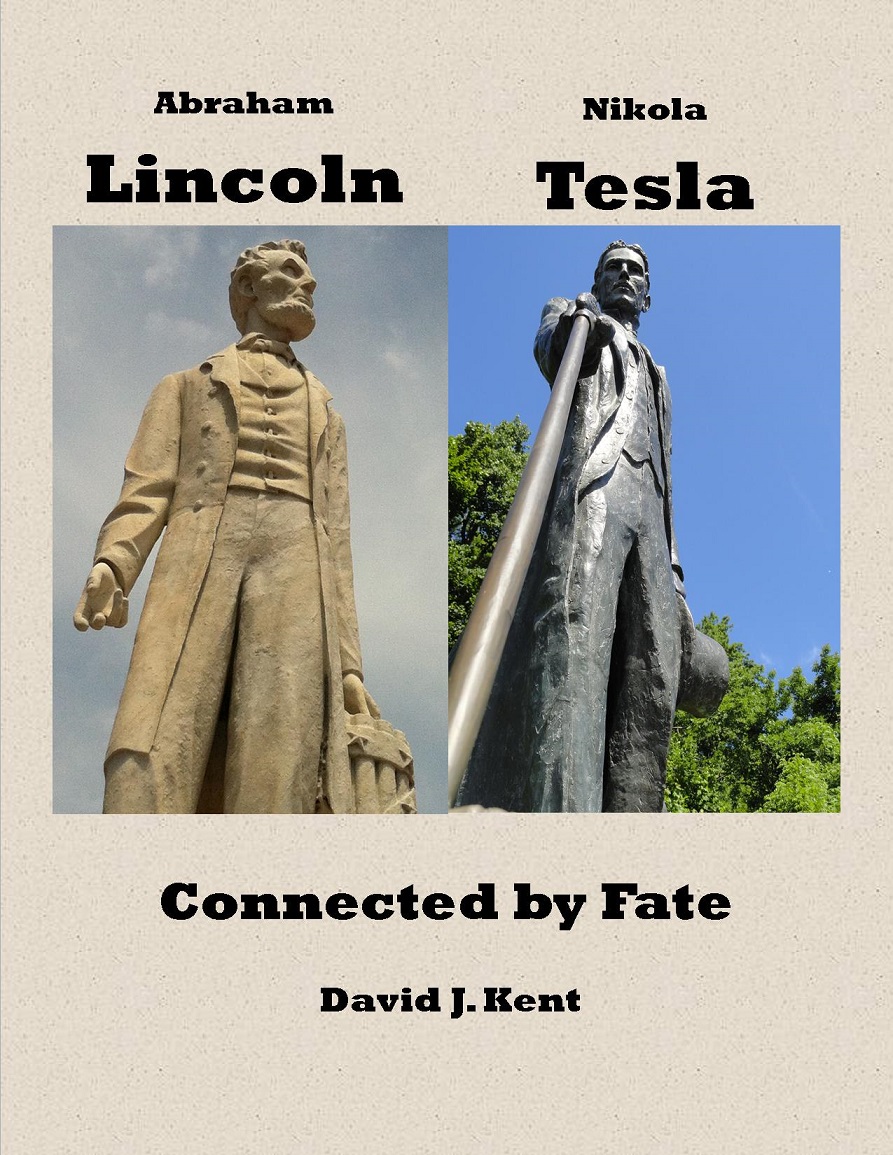
His previous books include Tesla: The Wizard of Electricity and Edison: The Inventor of the Modern World and two specialty e-books: Nikola Tesla: Renewable Energy Ahead of Its Time and Abraham Lincoln and Nikola Tesla: Connected by Fate.
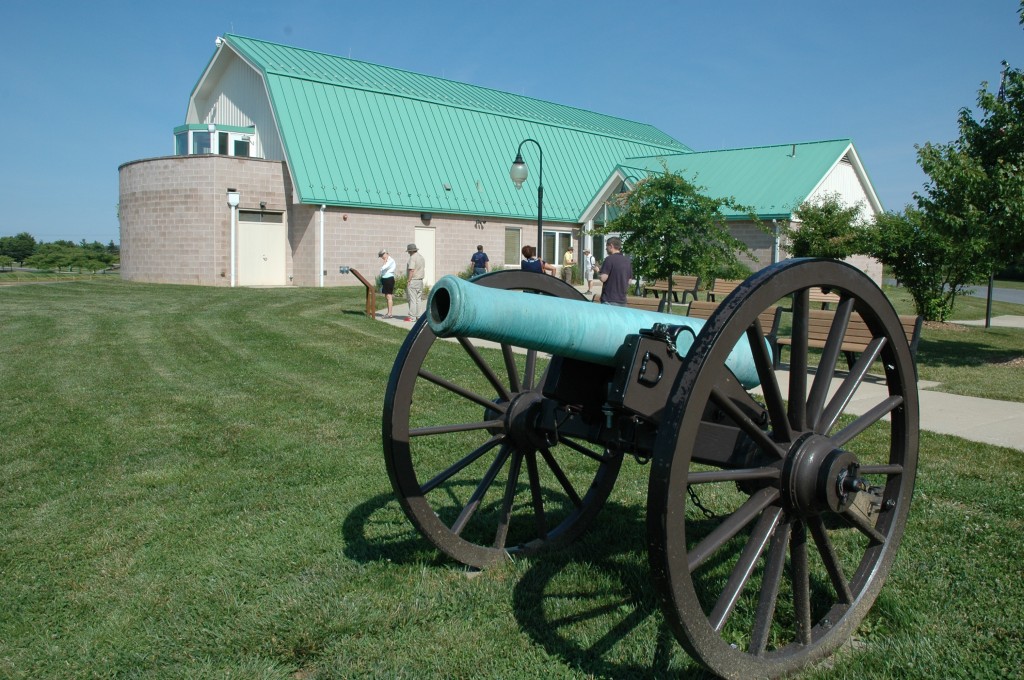

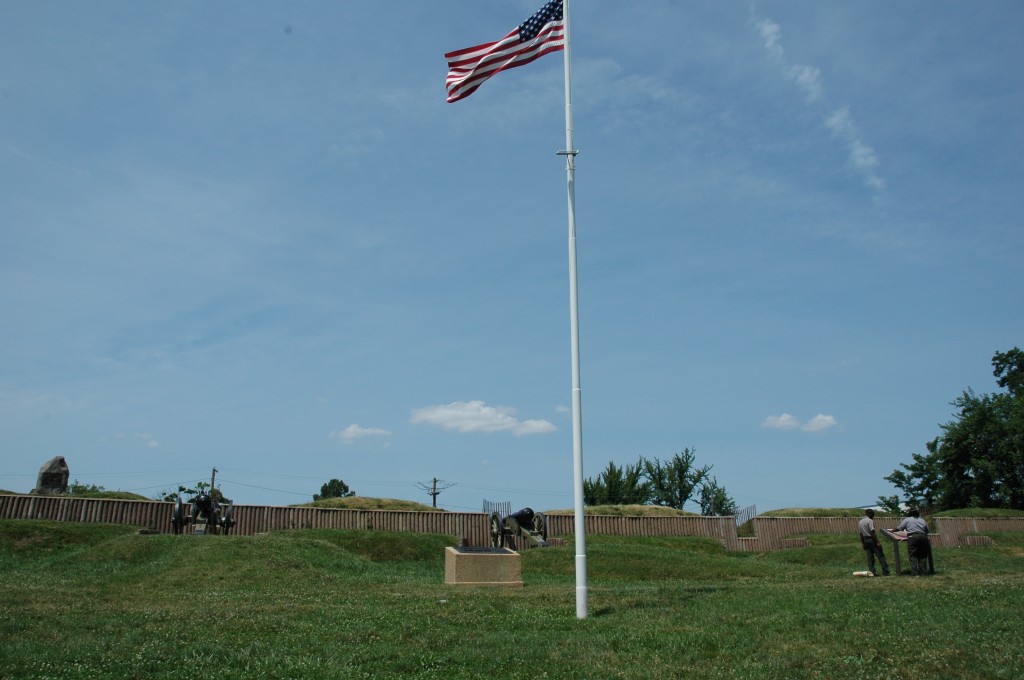 After a delightful open-air lunch at the Urbana Park, we were on to Fort Stevens. Located inside the District line from Silver Spring, Maryland (and not far from the modern day horror of the “DC sniper”), Fort Stevens is a series of low dirt mounds lined with Union cannon. Here was not only the repelling of Early’s forces but the site of one of Abraham Lincoln’s most famous incidents.
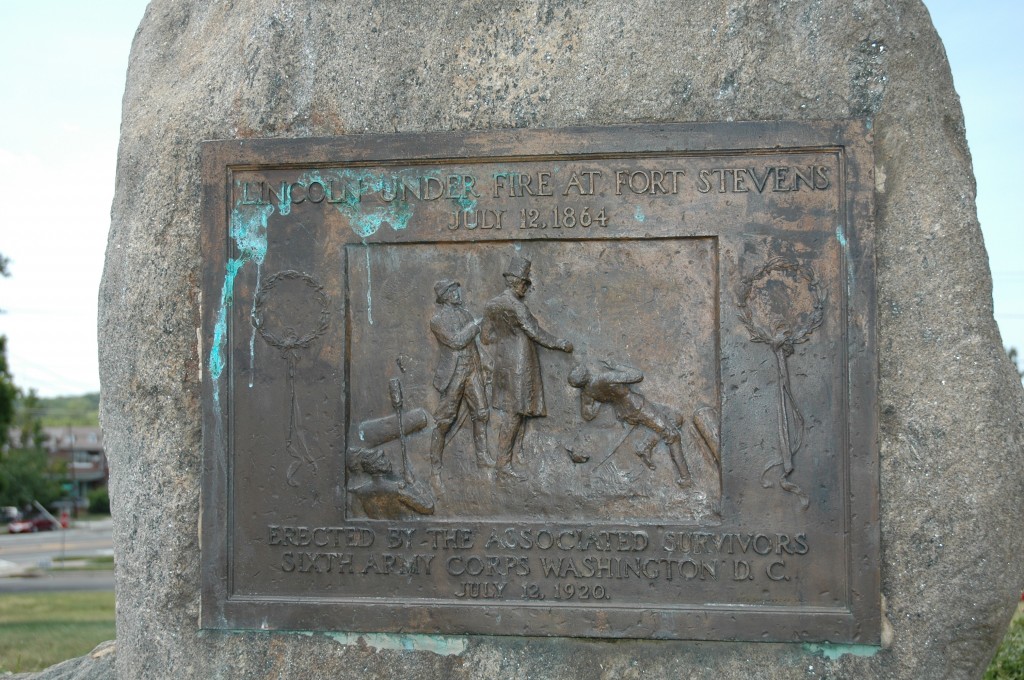 Living not far away at the Soldier’s Home, Lincoln had decided to see the action first hand. Ignoring the risk, Lincoln stood his 6-foot, 4-inch frame (plus tall top hat) on top of the mound to get a view. A medical officer standing beside him was hit with a bullet, after which the infamous (and possibly apocryphal) line was blurted out: “Get down you fool.” Whether it was this or a more respectful imploring for the President to get out of the line of fire we will likely never know, but thankfully he did get down and was unharmed.
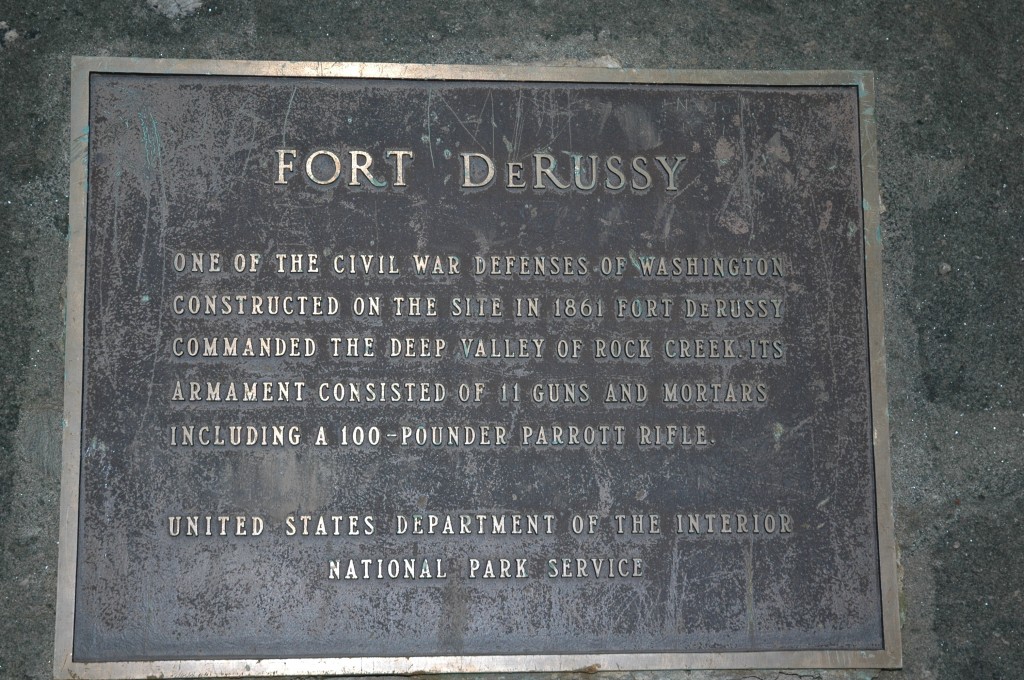 Our last stop was at Fort DeRussy, another of the small forts that served as a perimeter around Washington DC during the war. Earthenwork like Fort Stevens, DeRussy also boasted a “100-pounder,” a rifled Parrott cannon that could fire accurately for up to 4 miles.Many thanks to Craig Howell for being such a fantastic and knowledgeable tour guide, to Beltway Transportation for the comfortable bus and daring driver, and to Karen Needles, Susan Dennis, and everyone else in the Lincoln Group who arranged the tour. As the saying goes, a great time was had by all.
 Founded in 1935, the Lincoln Group of the District of Columbia (LGDC) has been instrumental in celebrating the life and times of our 16th President – Abraham Lincoln. And now LGDC is going digital. Yes, Abraham Lincoln has a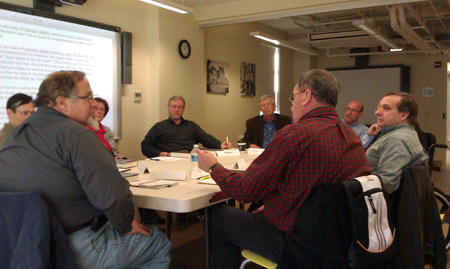
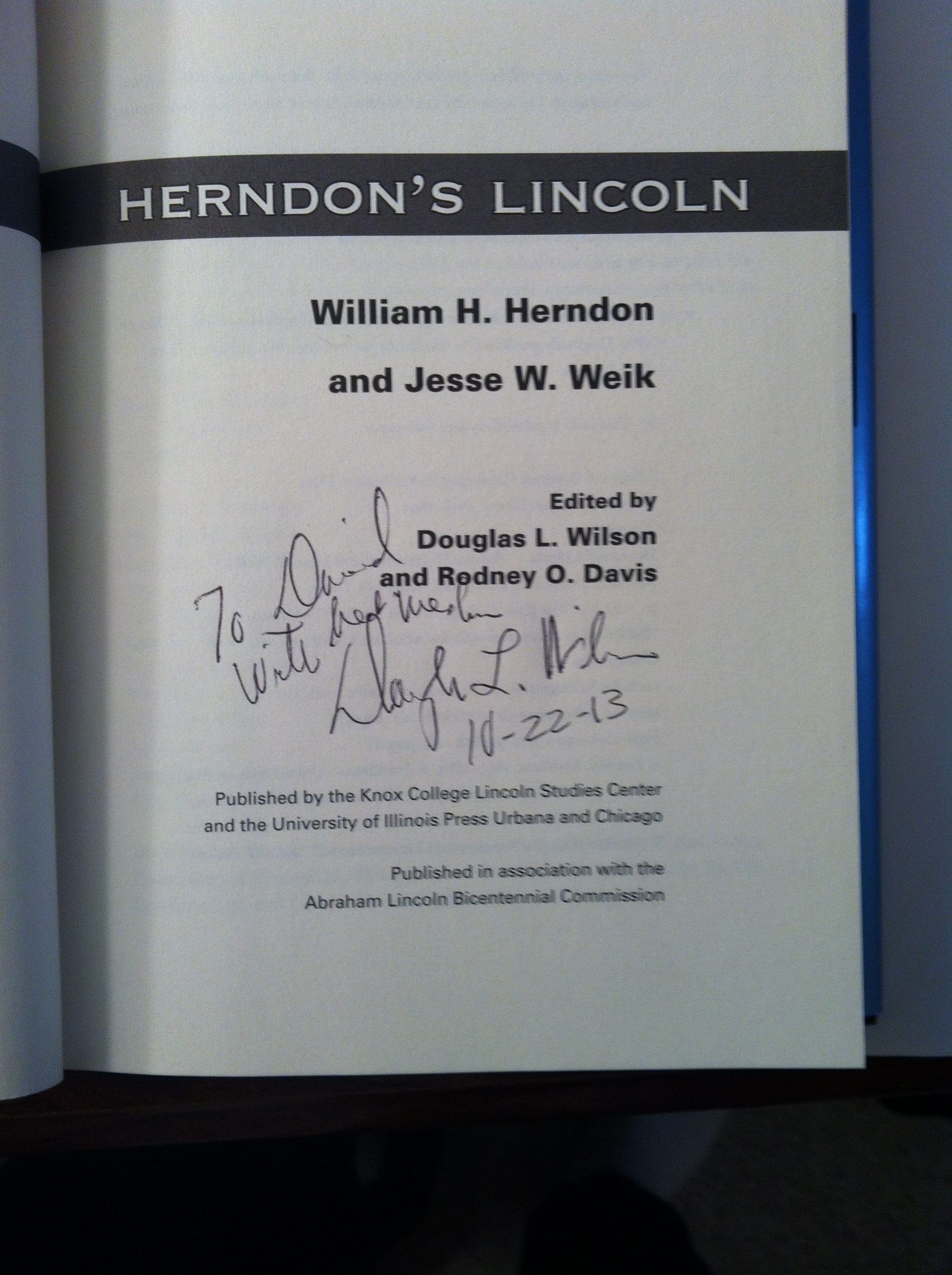
 This is an extraordinary book, for several reasons. First, William H. Herndon was Abraham Lincoln’s law partner for sixteen years prior to Lincoln becoming President. Second, because Herndon spent several years after Lincoln’s assassination writing to and interviewing scores of people who knew Lincoln during his life and career up to the presidency. Third, because editors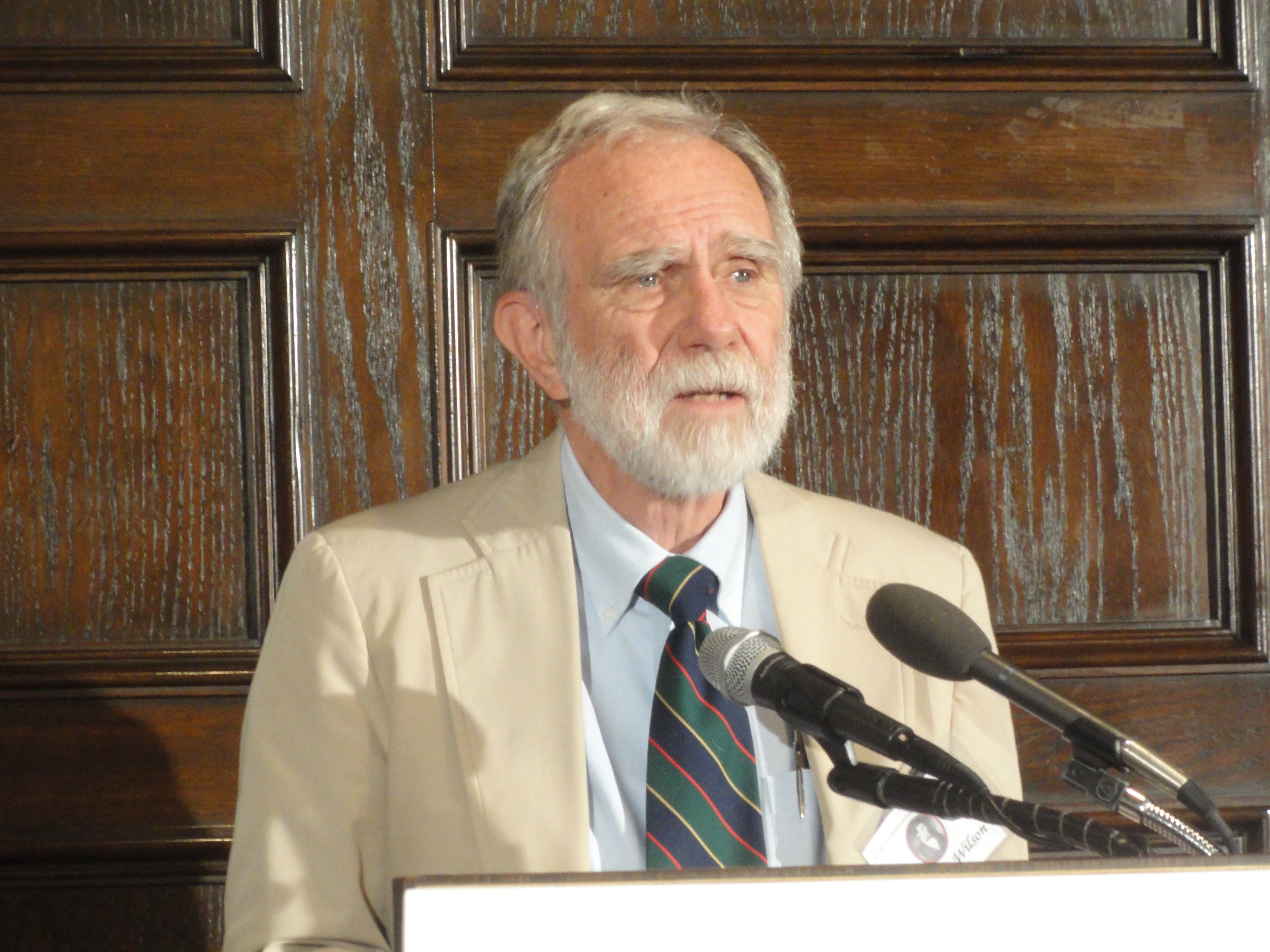
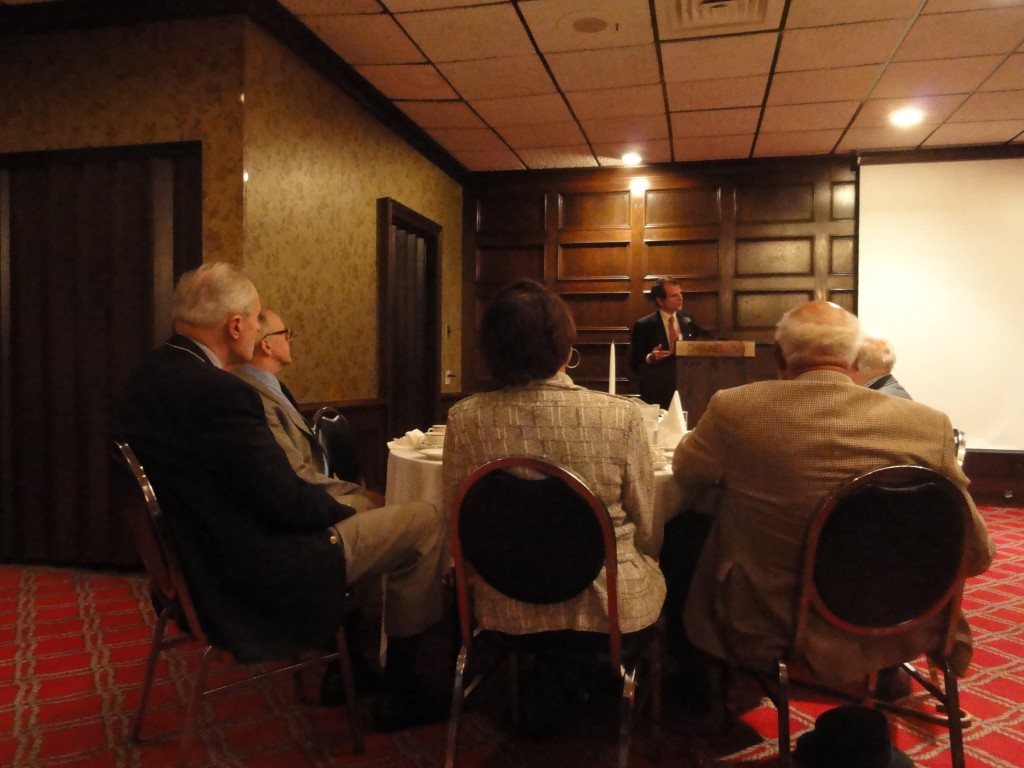
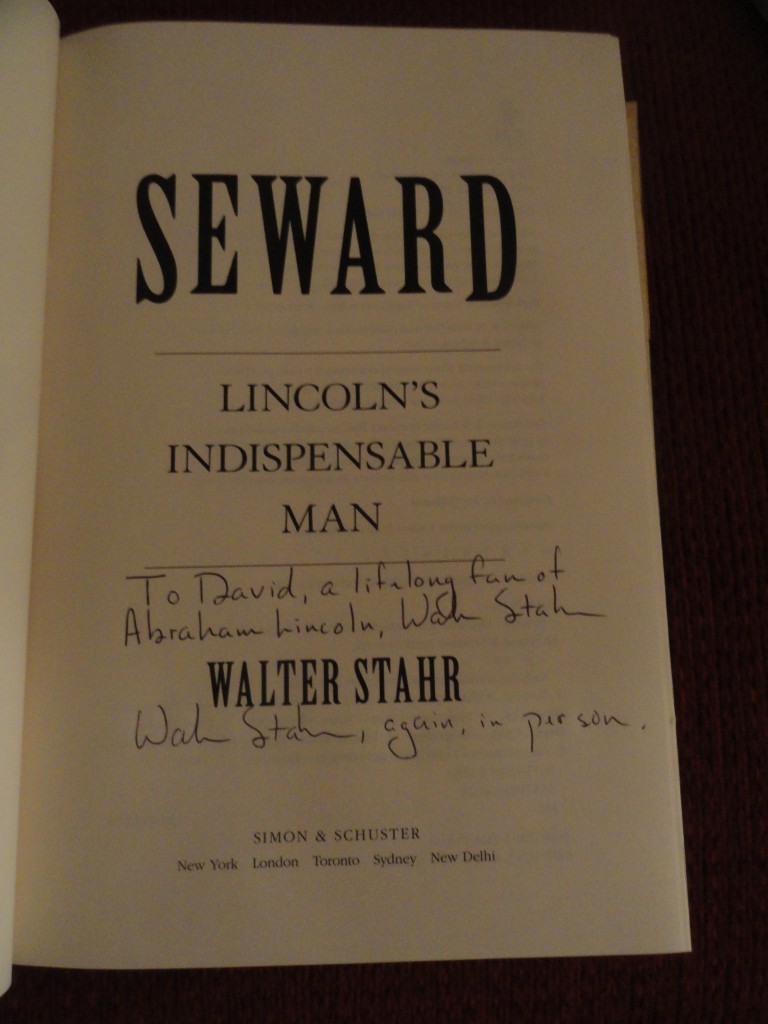
 Dr. Frank Smith, Jr. will be the speaker at the