It’s been another busy week, so here’s a quick roundup from Hot White Snow, The Dake Page, and Science Traveler.
 What do Picasso’s “Guernica,” David’s “The Death of Marat,” and Wyeth’s “Christina’s World” have in common? They all were posters hanging on my bedroom wall as a teenager. Yes, I was not a normal child. Read more at “An Odd Taste in Art for a Teen.”
 Two big events in climate science occurred this week. The most important one (IPCC’s Synthesis Report) was largely ignored while the least important one (Mid-Term Elections) will be talked about for the next two years. Check out why on The Dake Page.
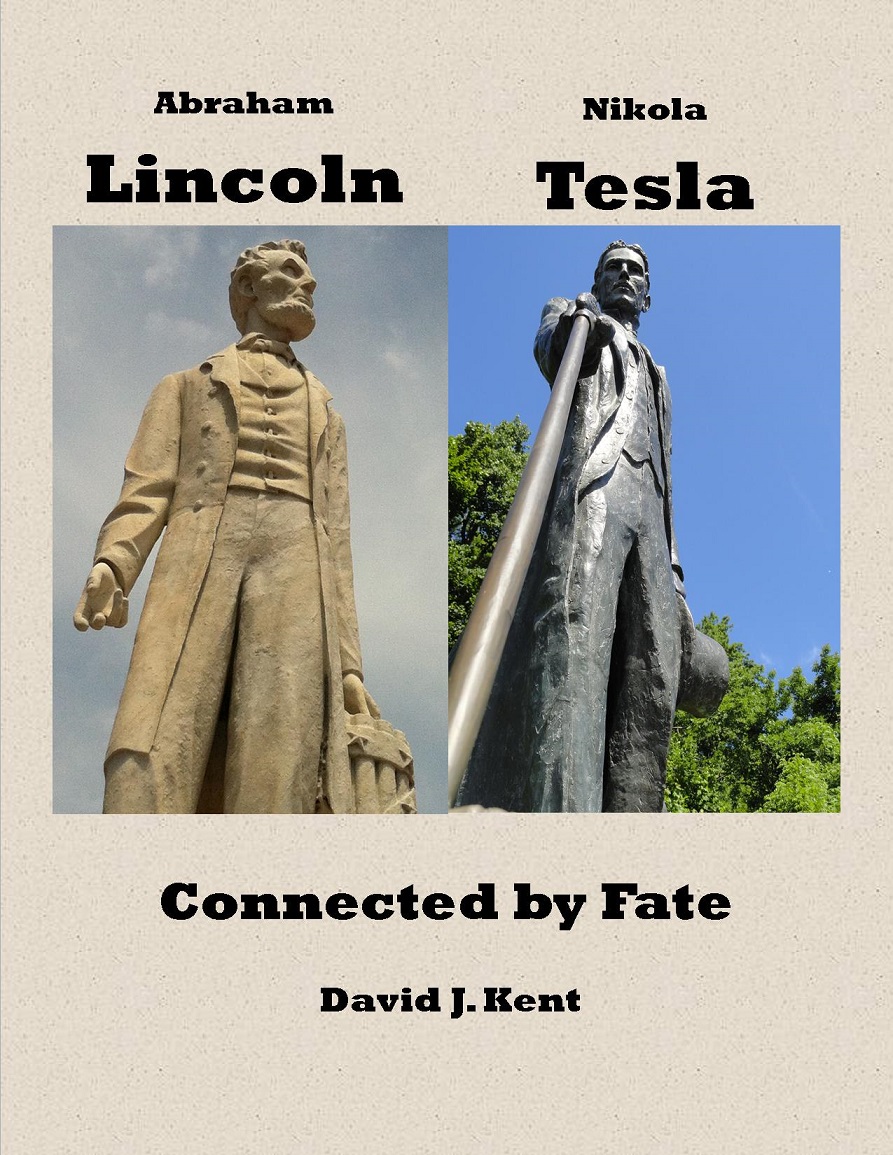
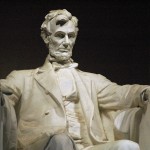 Speaking of elections, Abraham Lincoln was reelected on November 8th, 1865, and 150 years later we are celebrating this milestone event with our Lincoln Group Symposium this Saturday in downtown DC. Only two days to go – sign up now or you can register at the door.
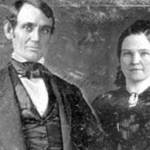 Meanwhile, this week also saw the anniversary of Lincoln’s tempestuous marriage to Mary Todd. The sudden wedding caught everyone by surprise; could have been because Mary had seduced old Abe? And why did Mary refuse to be photographed with her husband? Find out here.
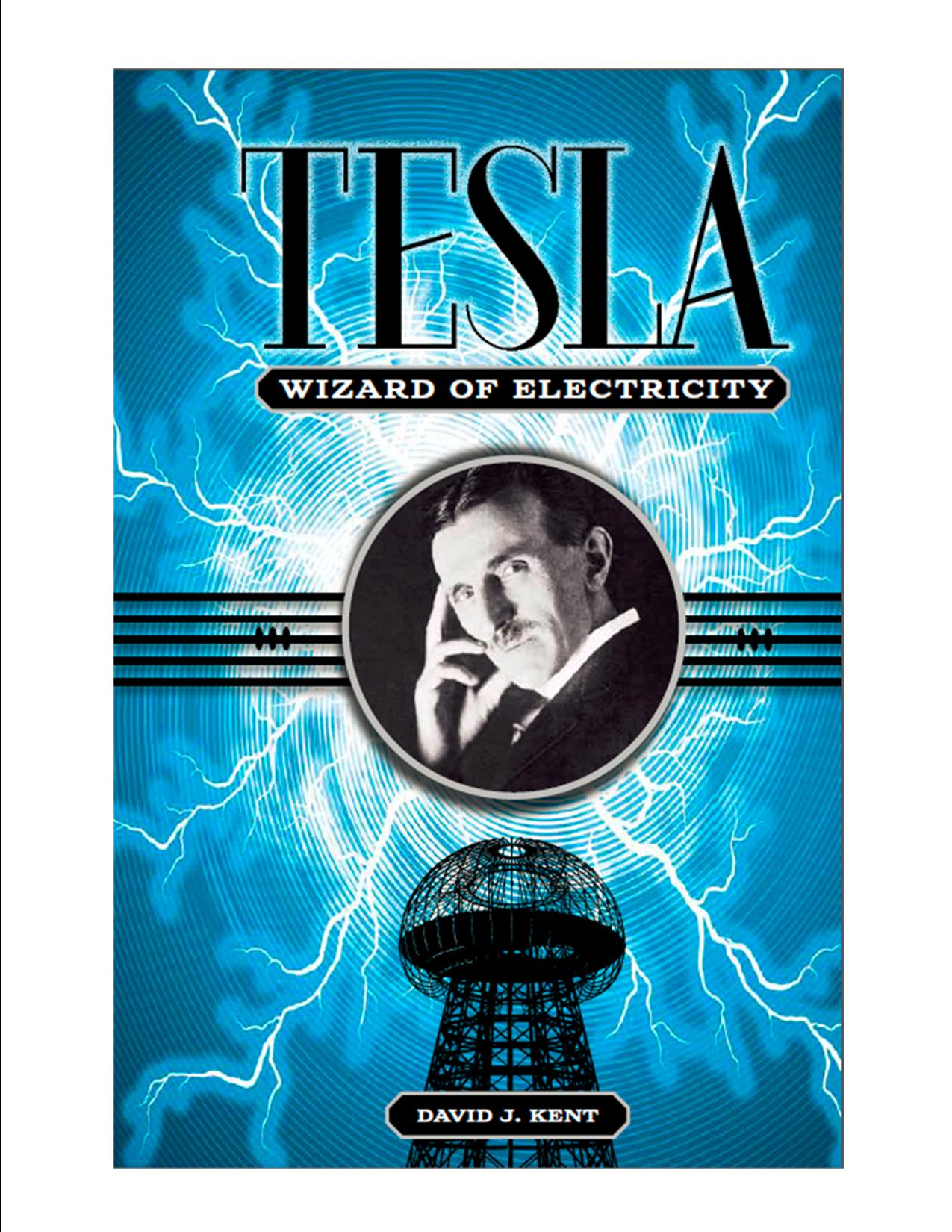
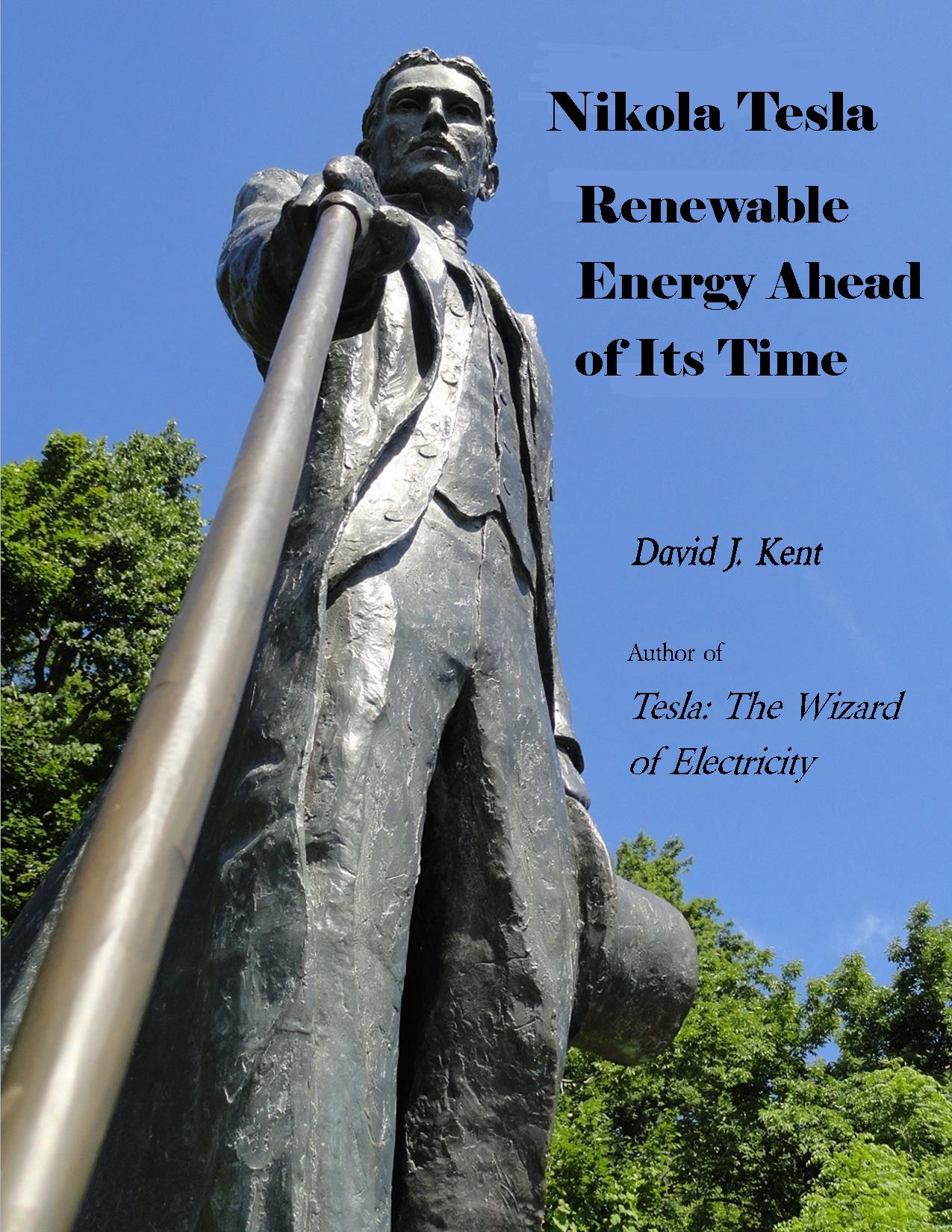
Bonus! Sales of Tesla: The Wizard of Electricity have remained strong since the second printing went back into Barnes and Noble this summer. More than 25,000 copies have been sold so far, and the publisher has ordered a third printing for February 2015. Meanwhile, my e-book continues to sell on Amazon – look for some exciting news about Nikola Tesla: Renewable Energy Ahead of Its Time to be annnounced shortly.
Follow me by subscribing by email on the home page. And feel free to “Like” my Facebook author’s page and connect on LinkedIn. Share with your friends using the buttons below.
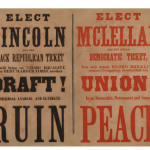 Abraham Lincoln was reelected for a second term in 1864, which surprised everyone,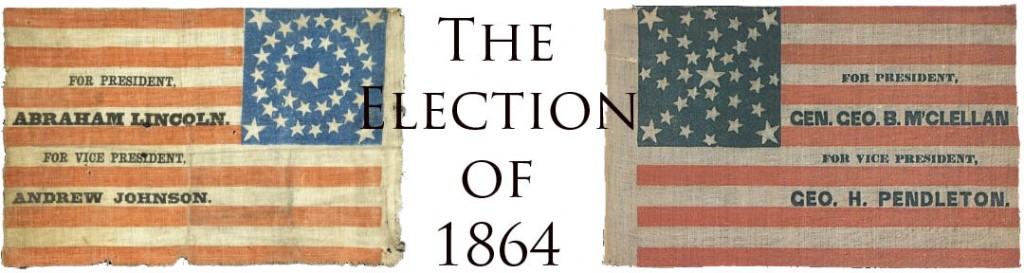
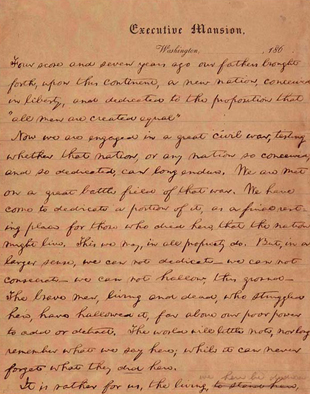
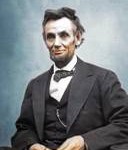 As the Civil War raged on, things weren’t looking so good for the reelection of Abraham Lincoln. In August 1864 Lincoln asked his entire cabinet to sign the back of what became the “
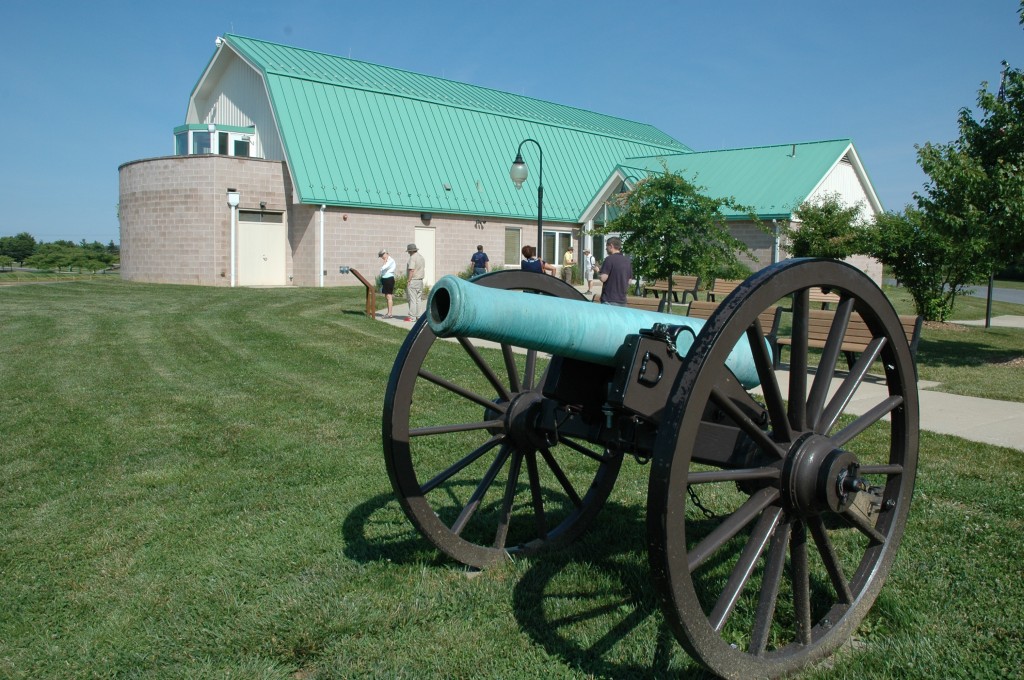
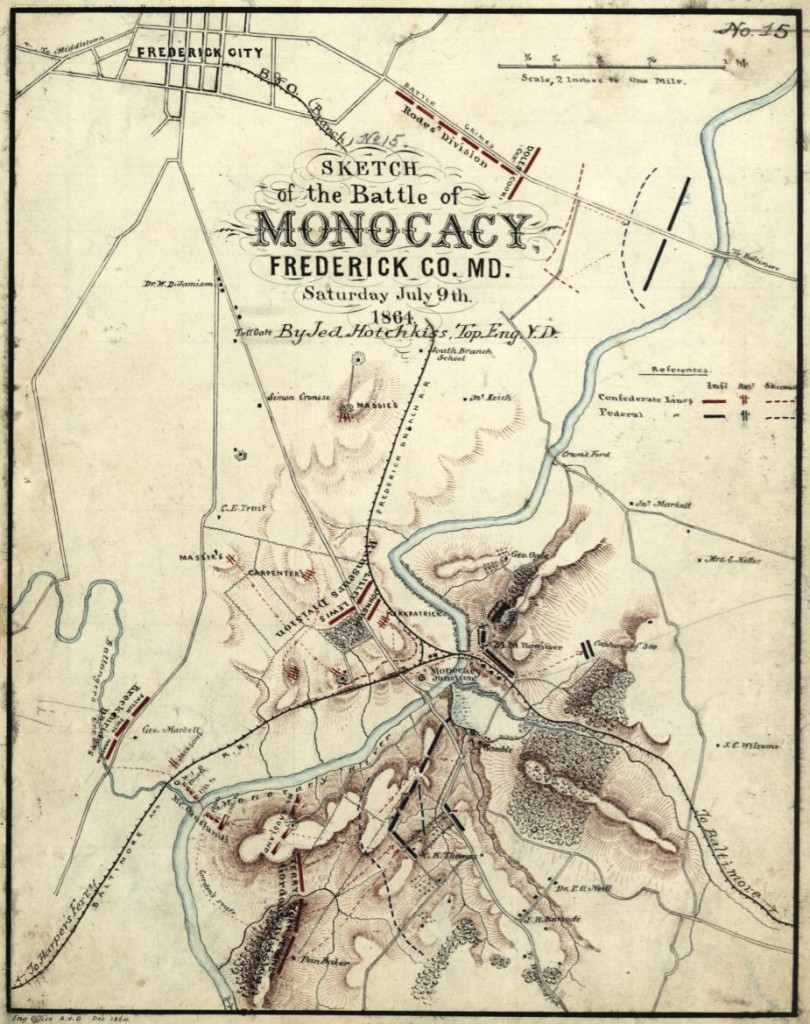

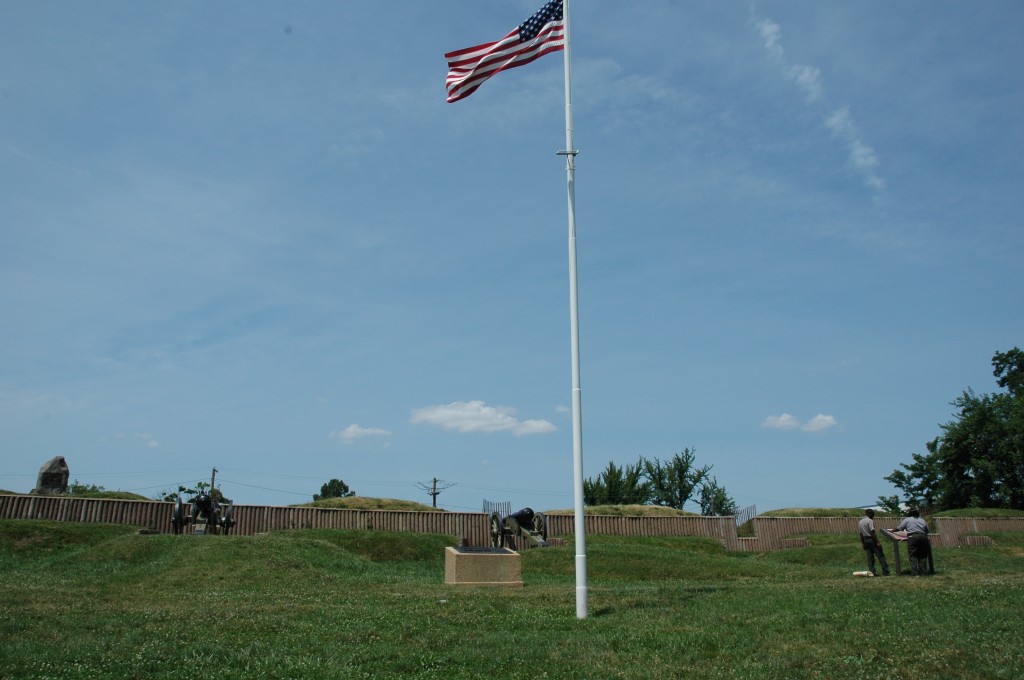 After a delightful open-air lunch at the Urbana Park, we were on to Fort Stevens. Located inside the District line from Silver Spring, Maryland (and not far from the modern day horror of the “DC sniper”), Fort Stevens is a series of low dirt mounds lined with Union cannon. Here was not only the repelling of Early’s forces but the site of one of Abraham Lincoln’s most famous incidents.
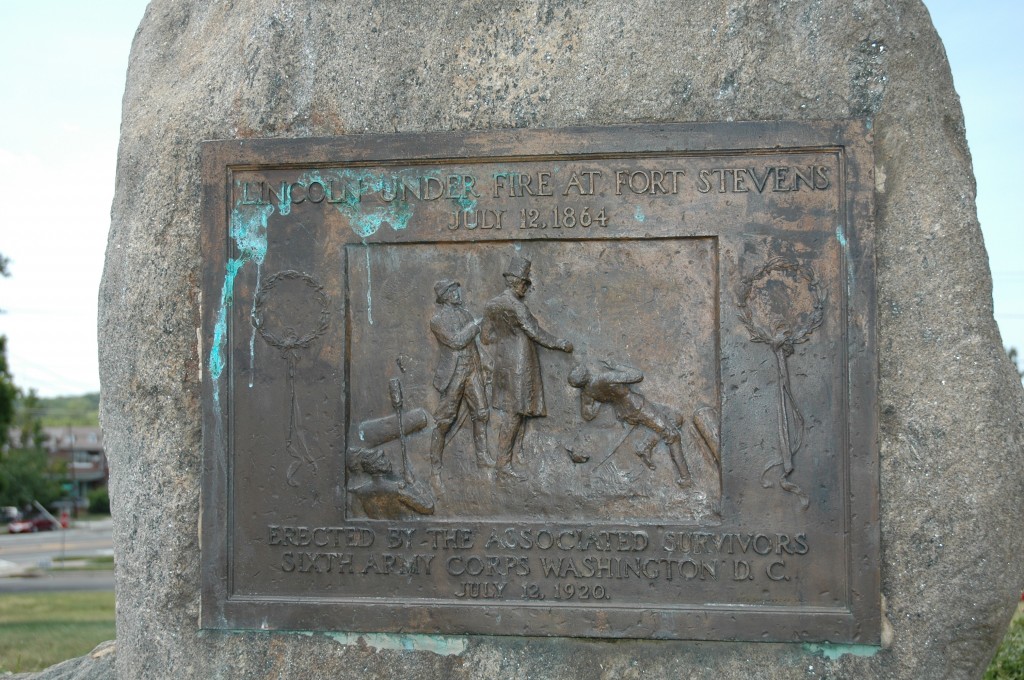 Living not far away at the Soldier’s Home, Lincoln had decided to see the action first hand. Ignoring the risk, Lincoln stood his 6-foot, 4-inch frame (plus tall top hat) on top of the mound to get a view. A medical officer standing beside him was hit with a bullet, after which the infamous (and possibly apocryphal) line was blurted out: “Get down you fool.” Whether it was this or a more respectful imploring for the President to get out of the line of fire we will likely never know, but thankfully he did get down and was unharmed.
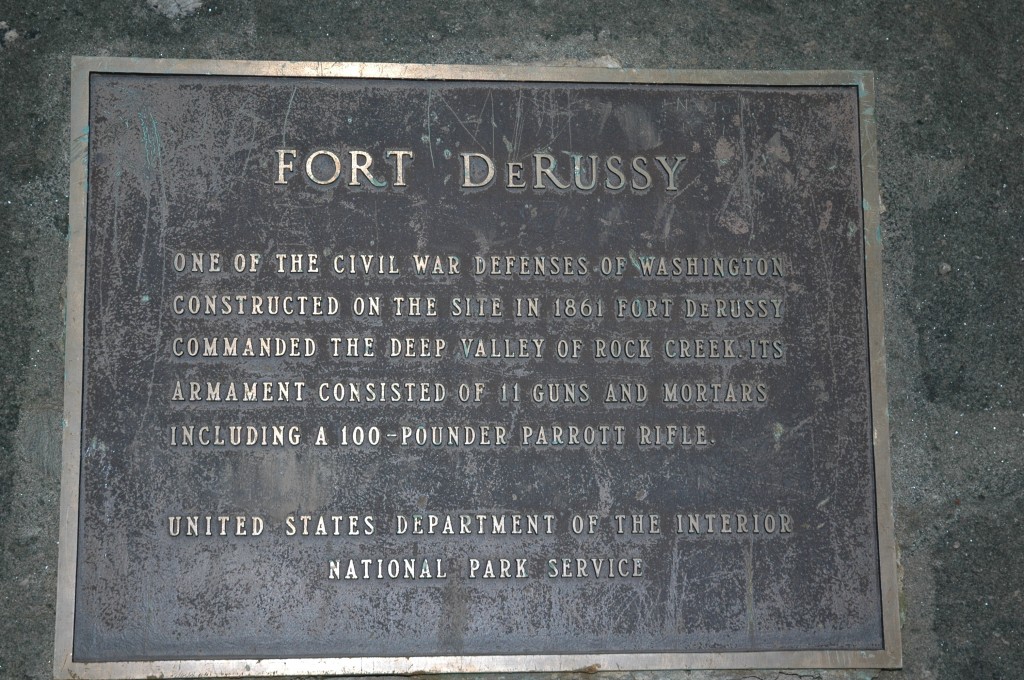 Our last stop was at Fort DeRussy, another of the small forts that served as a perimeter around Washington DC during the war. Earthenwork like Fort Stevens, DeRussy also boasted a “100-pounder,” a rifled Parrott cannon that could fire accurately for up to 4 miles.Many thanks to Craig Howell for being such a fantastic and knowledgeable tour guide, to Beltway Transportation for the comfortable bus and daring driver, and to Karen Needles, Susan Dennis, and everyone else in the Lincoln Group who arranged the tour. As the saying goes, a great time was had by all.
 Founded in 1935, the Lincoln Group of the District of Columbia (LGDC) has been instrumental in celebrating the life and times of our 16th President – Abraham Lincoln. And now LGDC is going digital. Yes, Abraham Lincoln has a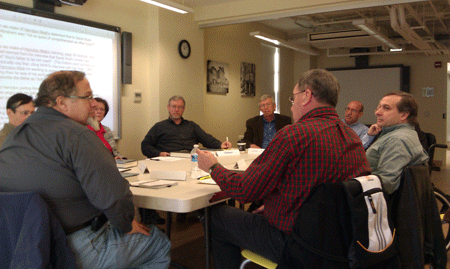
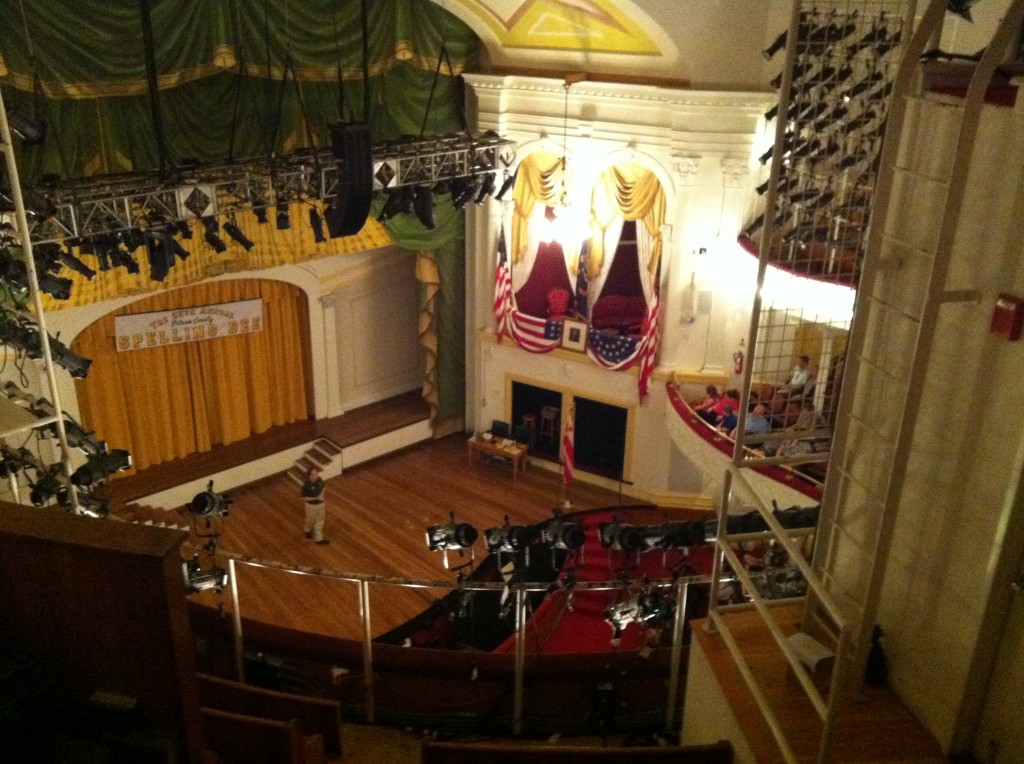
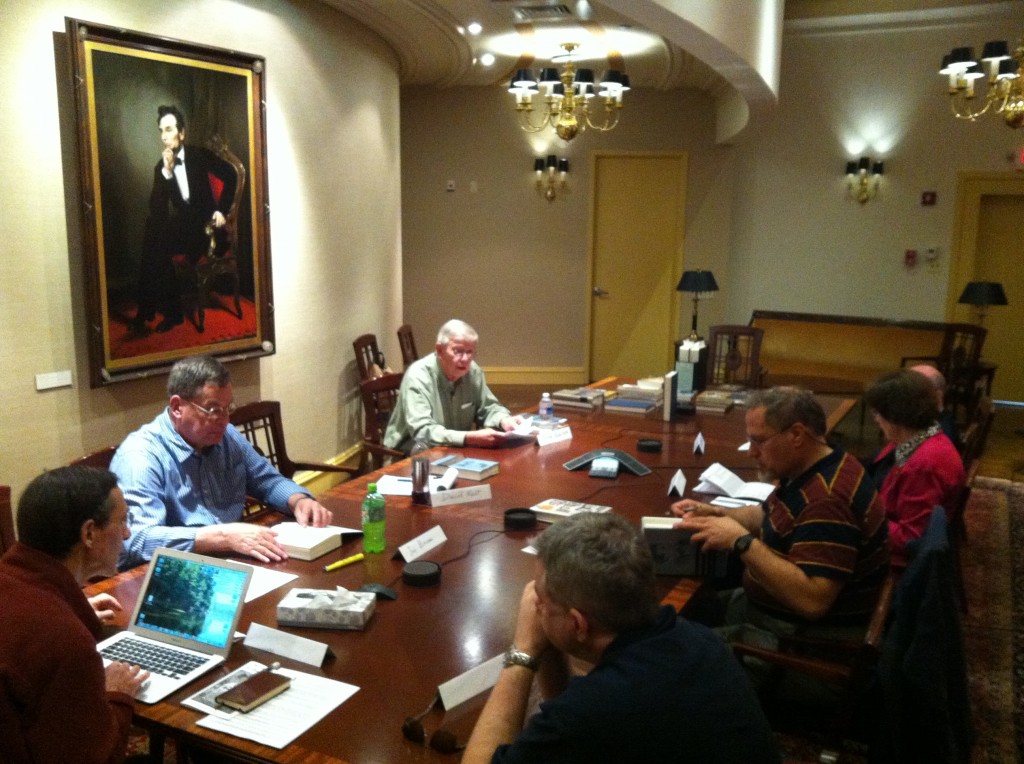
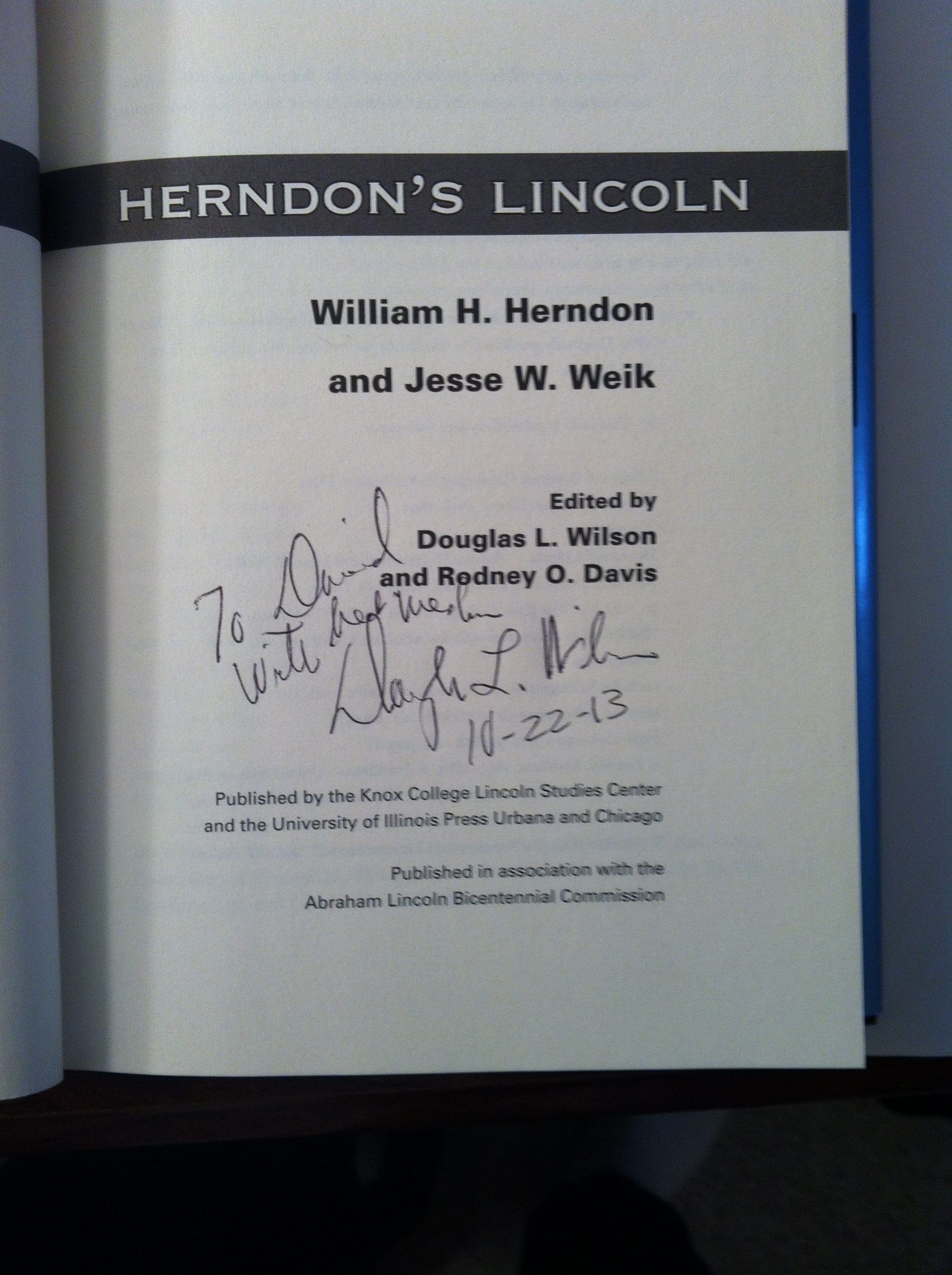
 This is an extraordinary book, for several reasons. First, William H. Herndon was Abraham Lincoln’s law partner for sixteen years prior to Lincoln becoming President. Second, because Herndon spent several years after Lincoln’s assassination writing to and interviewing scores of people who knew Lincoln during his life and career up to the presidency. Third, because editors