 Abraham Lincoln traveled through upstate New York in early 1861 on his way to Washington, DC for his inauguration, stopping in Westfield, Buffalo, Albany, Peekskill, and New York City. Twelve years before, in 1848, he stopped in Buffalo and saw Niagara Falls on his way home between sessions of congress after he toured around eastern Massachusetts giving speeches in support of Zachary Taylor as the Whig nominee for president [Spoiler: Taylor won] In late April of this year, traveled much the same route in northern New York on my way to the Lincoln Forum spring conference at Hildene in Manchester, Vermont.
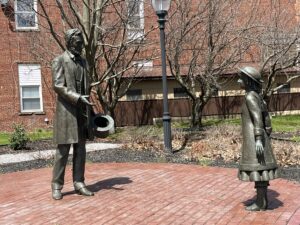
My first stop was Westfield, where Lincoln first met Grace Bedell, the young girl who had earlier written to tell him he would get more votes if he grew a beard. Granted, he didn’t start growing it until after the election, but he had it when he stopped in Westfield on his inaugural train journey. When he arrived in Westfield for a brief refueling stop, he called out to see if she was present. She was, and they shared a big hug to a crowd of cheers. Today, a small park features life-sized bronze sculptures of Lincoln and Bedell along with tributes to soldiers who fought in the Civil War. Right beside the park is Grace & Abes, a brewpub where you can choose from a selection of “Abe’s Ales” or all seven deadly sins from “7 Sins Brewery” (and no, there is no beer named after Grace Bedell since she had not yet turned 12 years old at the time).
From there I was on to Buffalo, where among other attractions (and a side trip to the Canadian side of Niagara Falls), I checked out two statues of Lincoln. “The Boy Lincoln” by sculptor Bryant Baker depicts a young Lincoln seated on a log and holding a book. The other, simply titled “Lincoln,” was sculpted by Charles Henry Neihaus and depicts a sitting President Lincoln. It is located in front of the South side of the Buffalo History Museum. One trivia note – Niehaus at one time had eight statues of famous men in Statuary Hall of the United States Capitol, a record. Four have them have since been replaced, but the four that remain are still more than any other sculptor in the Hall.


In Rochester, I checked in on several sites related to Frederick Douglass and Susan B. Anthony. There are fourteen statues of Douglass in and around Rochester, including one of he and Anthony having tea. I visited the cemetery where both of them are buried. One of the Douglass statues has him and Lincoln standing full height grasping hands in a firm handshake between equals.
After checking out the Finger Lakes and Seneca Falls (where women began their struggle to get the vote), it was on to Auburn, the home of Lincoln’s Secretary of State, William H. Seward. Touring the home was fascinating, as was the grand bust of Lincoln in the library, joined by a similar one of Seward. Auburn is also the adopted home of Harriet Tubman, so I checked out yet another cemetery for the tombs of Seward and Tubman.


After a quick stop in Syracuse to see two more Lincoln statues, it was on to Manchester, Vermont, where I attended a weekend Lincoln Forum conference at Hildene, Robert Lincoln’s summer home. I had been there before, but this was a great opportunity to do some fact checking for the book I’m writing on Lincoln’s two New England tours, plus see about 150 other Lincoln researchers.
I’m currently in the final stages of writing the book that will be released in February 2026, so stay tuned for more information on that in the coming months.
[Photo credits: All taken by David J. Kent, April 2025]
Coming in February 2026: Unable to Escape This Toil
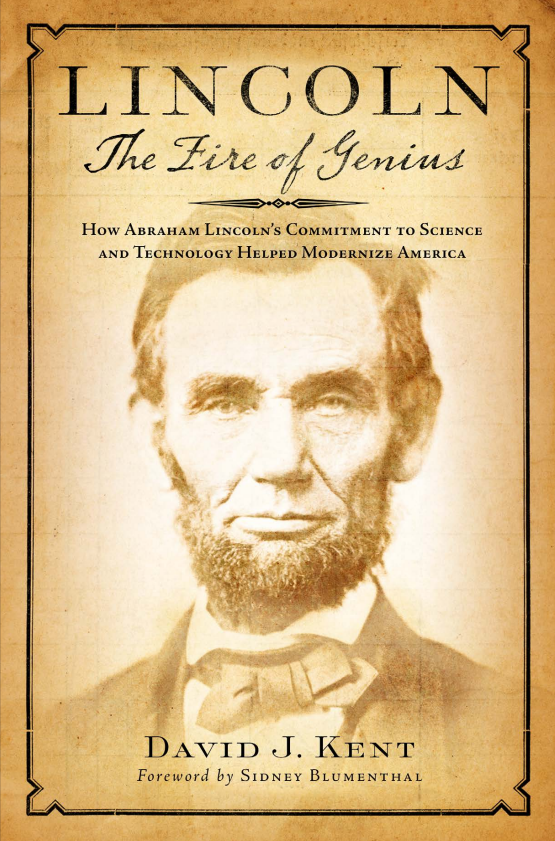
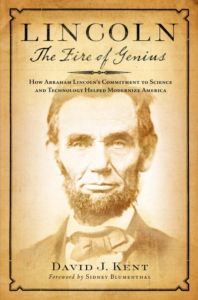
Available now – Lincoln: The Fire of Genius: How Abraham Lincoln’s Commitment to Science and Technology Helped Modernize America is available at booksellers nationwide.
Limited signed copies are available via this website. The book also listed on Goodreads, the database where I keep track of my reading. Click on the “Want to Read” button to put it on your reading list. Please leave a review on Goodreads and Amazon if you like the book.
You also follow my author page on Facebook.
David J. Kent is Immediate Past President of the Lincoln Group of DC and the author of Lincoln: The Fire of Genius: How Abraham Lincoln’s Commitment to Science and Technology Helped Modernize America and Lincoln: The Man Who Saved America.
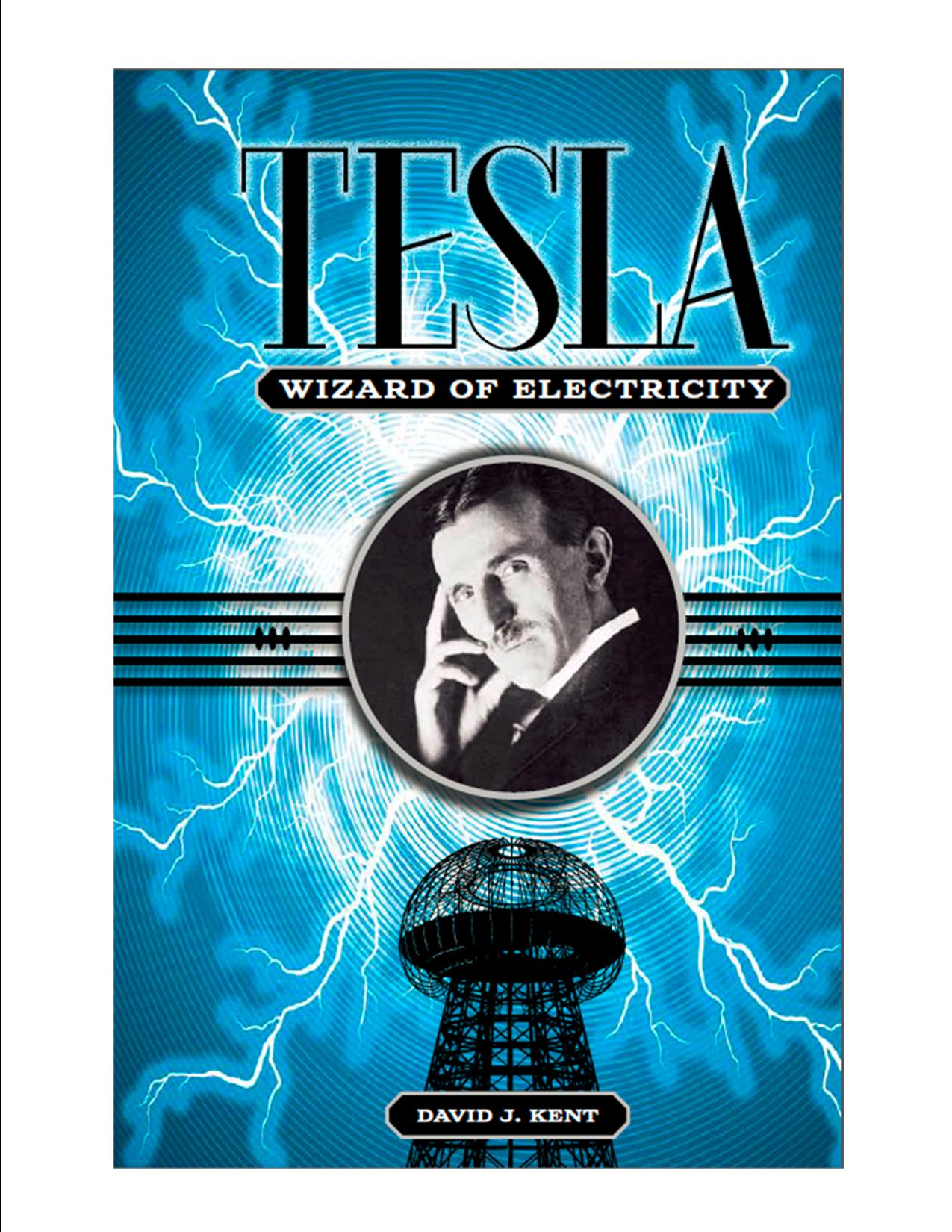
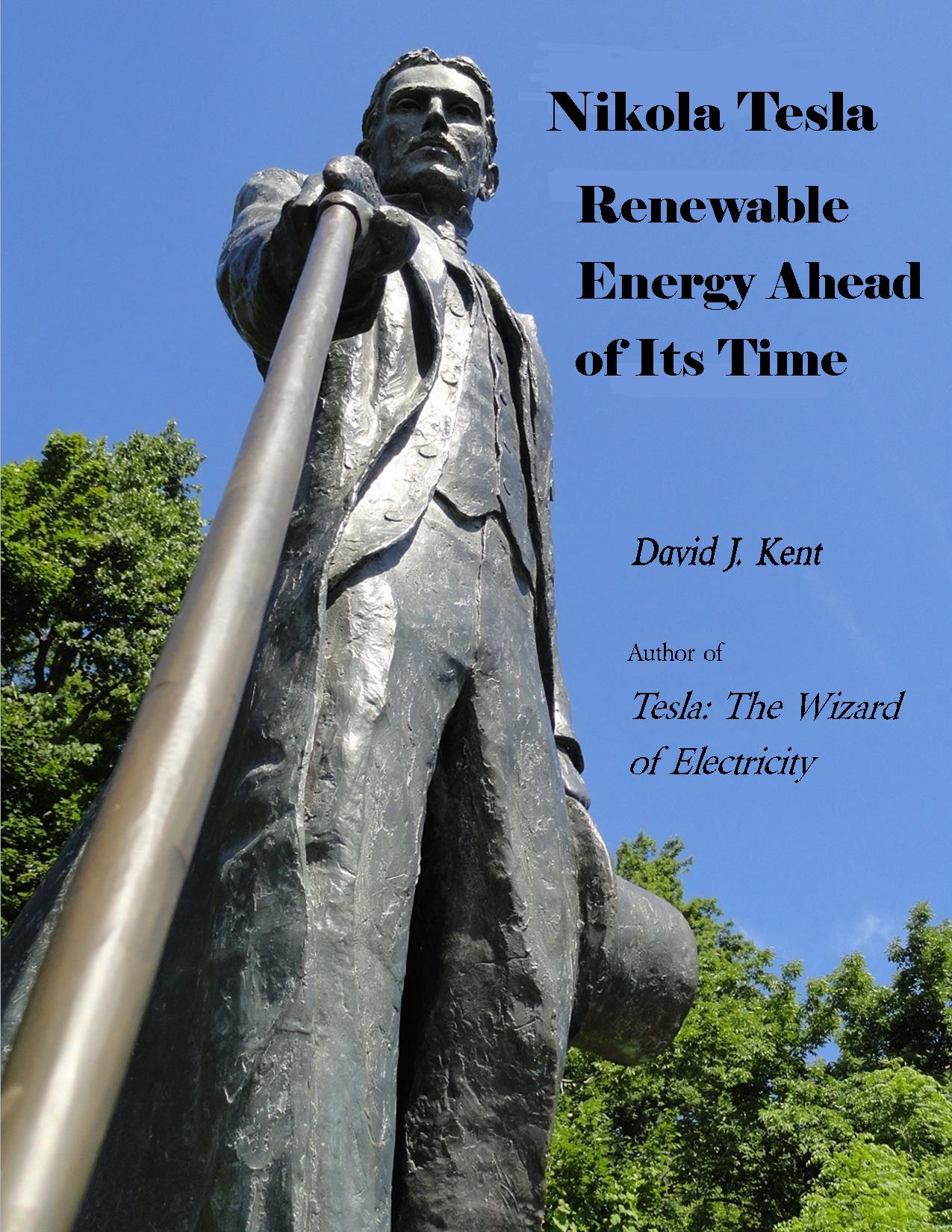
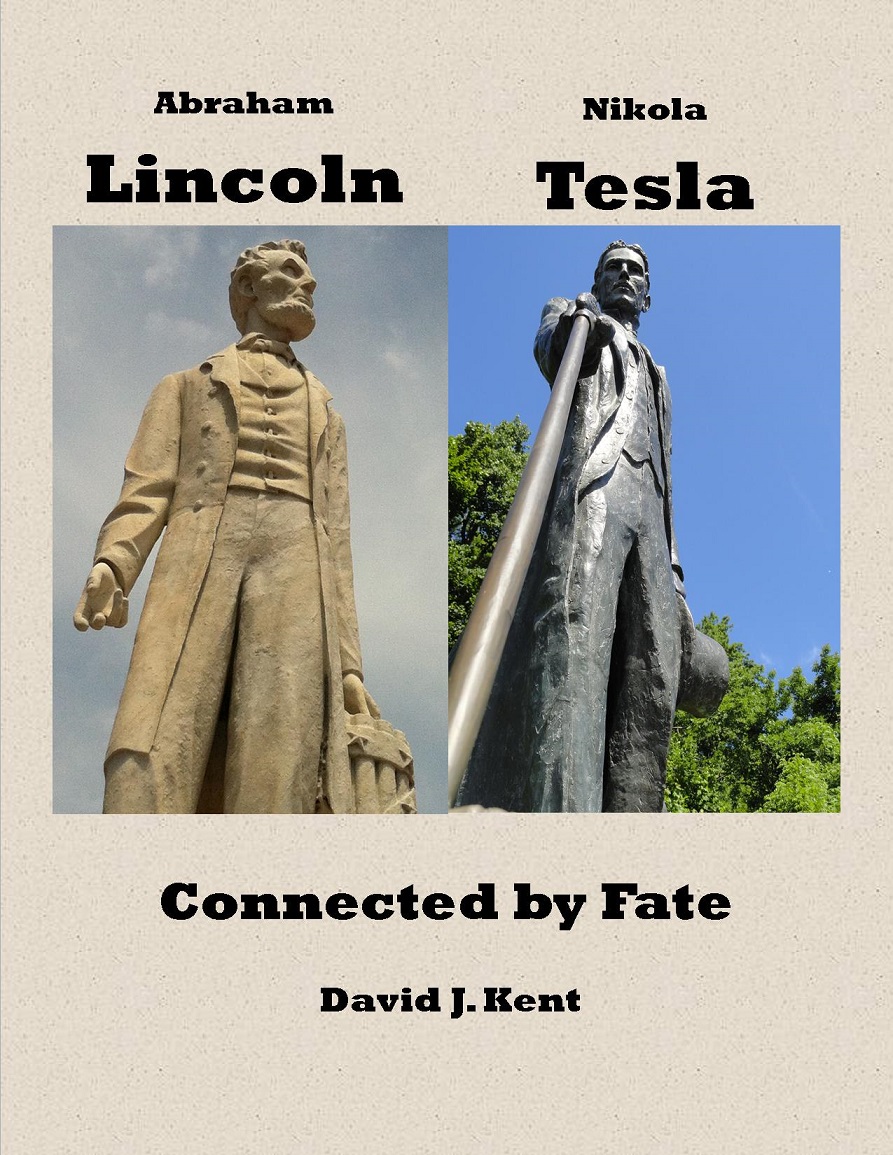
His previous books include Tesla: The Wizard of Electricity and Edison: The Inventor of the Modern World and two specialty e-books: Nikola Tesla: Renewable Energy Ahead of Its Time and Abraham Lincoln and Nikola Tesla: Connected by Fate.
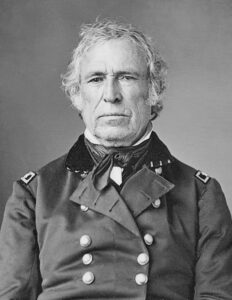 Abraham Lincoln stood at the podium in the U.S. House of Representative chambers on July 27, 1848. His topic – the presidential question. Notwithstanding the negative reaction to his previous “spot resolutions” speech, Lincoln was still considered an effective speaker and thus was called upon to help convince people that Zachary Taylor was the correct choice as the Whig nominee for president. Lincoln had strongly supported the nomination of Taylor over the aging Henry Clay, previously Lincoln’s beau ideal of a statesman. He even spoke at the nominating convention in favor of Taylor.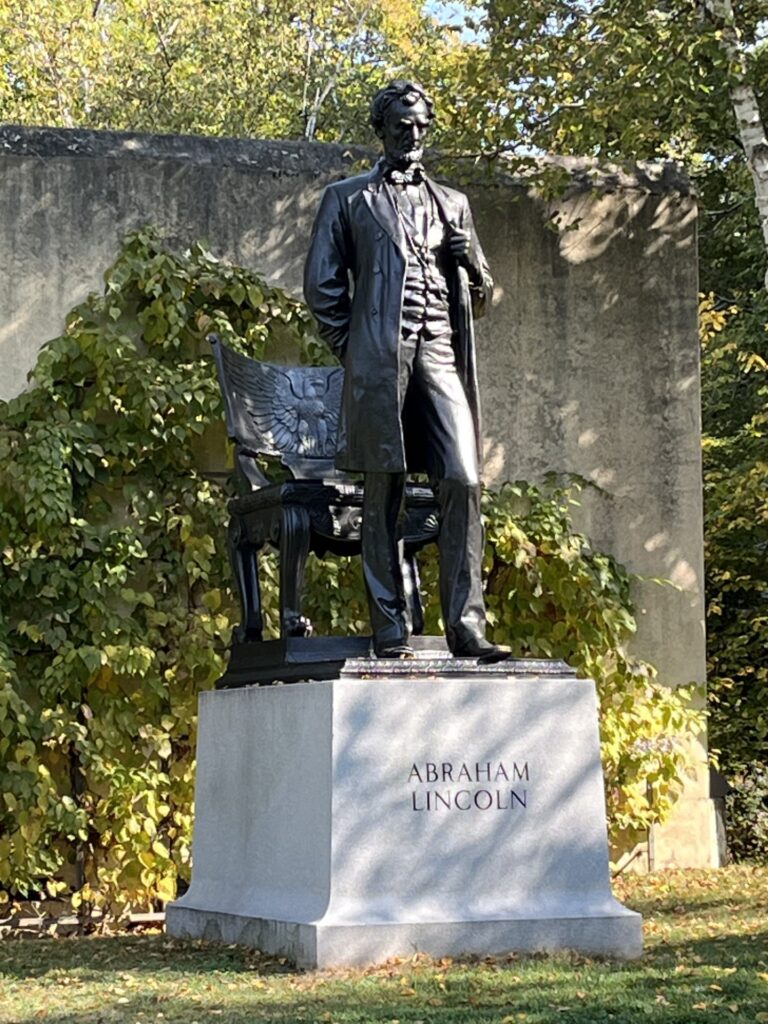
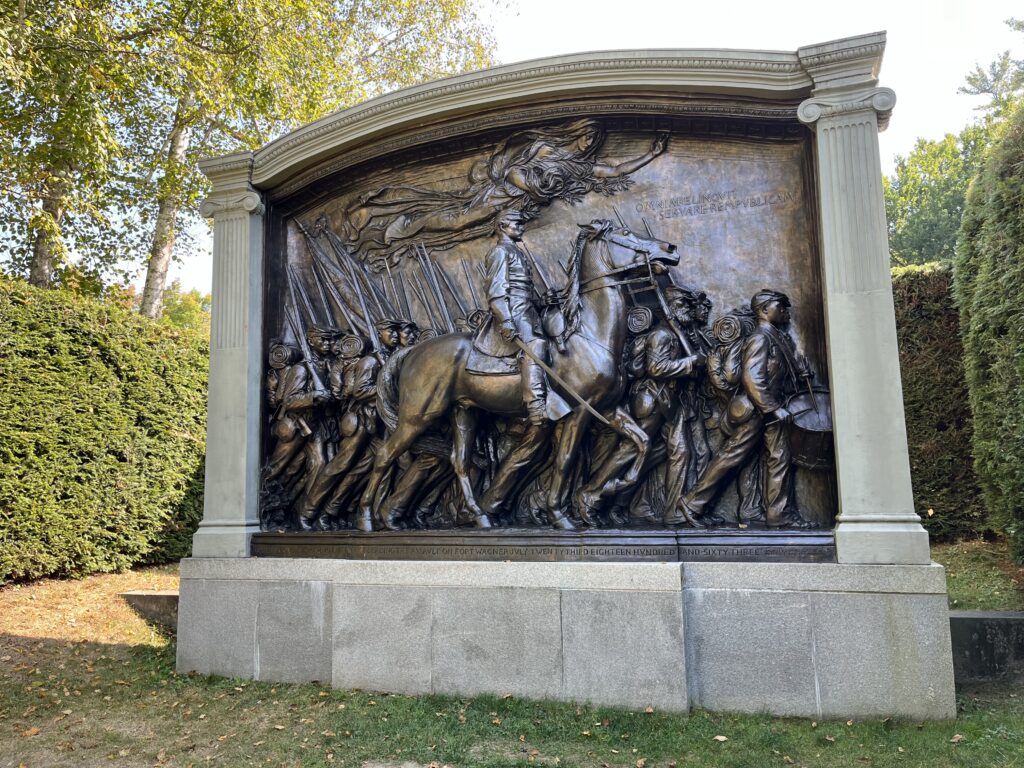
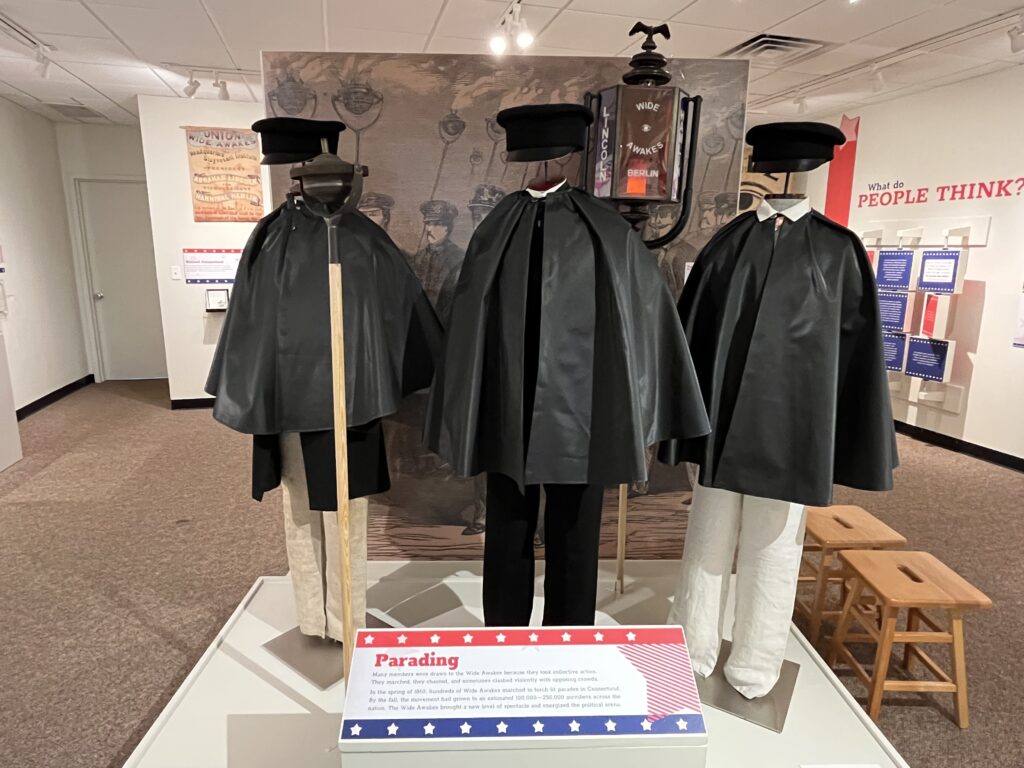
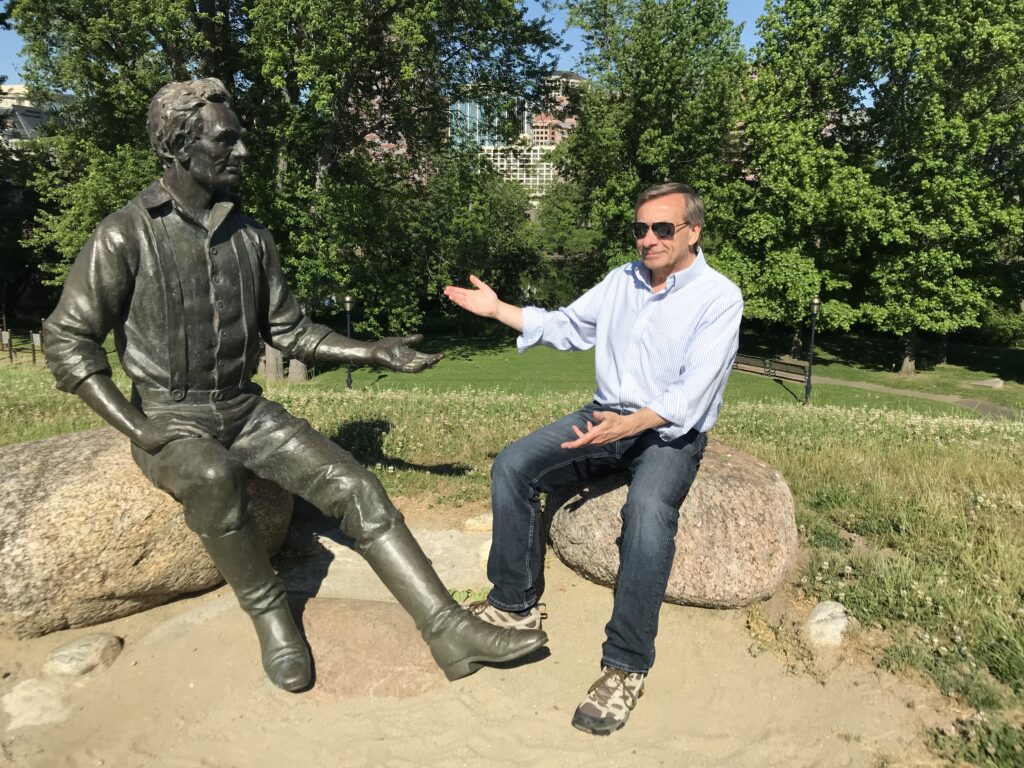
 On March 5, 1860, Lincoln gave a speech in Hartford, Connecticut during his tour of New England after his Cooper Union address. One of the issues that Lincoln tackled was the role of labor and the ongoing Lynn shoemakers’ strike. Lincoln pointed used the strike to point out the difference between the free labor of the North (i.e., the paid labor in which laborers are free to find better paying employers) versus the slave labor of the South (i.e., chattel slavery for the life of the person, their children, their children’s children, ad infinitum). The conservative party at the time complained that the Lynn strike was the result of antislavery agitation and sectional controversy. Lincoln noted:
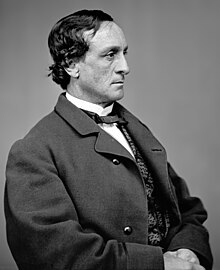 We all know John Wilkes Booth, the assassin of President Abraham Lincoln. And then there was Edwin Booth, the great Shakespearean actor known for his performances of Hamlet. But there was another Booth brother in the acting business, and you won’t believe where he showed up in this edition of Unexpected Lincoln.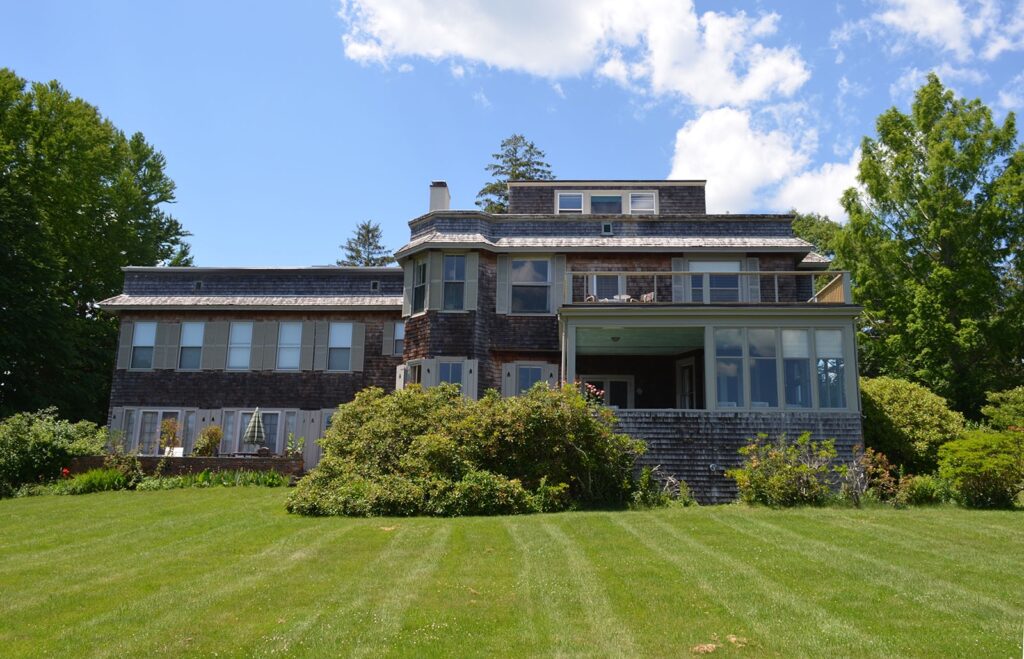


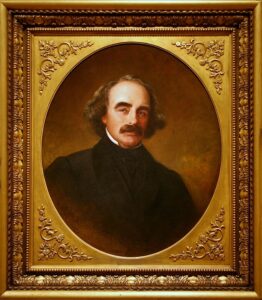 On March 13, 1862, Nathaniel Hawthorne, the great novelist, met Abraham Lincoln in the White House. He was not impressed.
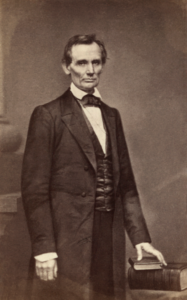 With Leap Year Day, February graced the nation with an extra twenty-four hours on February 29, 1860. Abraham Lincoln was already feeling weary by the time he clambered onto the 10:40 am train from Providence, Rhode Island, to Exeter, New Hampshire. It was nearly two in the morning the day before by the time he finished his grand lecture at Cooper Union in New York City, joined the organizers for dinner, and spent several hours after midnight proofreading the text of the speech to be printed that day in the New York Tribune. A brief forty winks of sleep, then up again and on a train to Providence to give yet another long lecture that night. Having that speech gone well, and another late dinner, now he was on another train to finally see his son, Robert, in Exeter, the original rationale for this excursion into New England after New York.
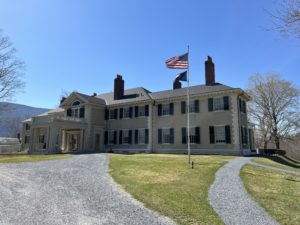 Mary Lincoln hated Washington, especially during the pestilent humidity of the capital city during the heat of summer. It’s the reason President Lincoln moved to the soldier’s home (now President Lincoln’s Cottage) each summer, beginning with 1862 after Willie’s death earlier that year. Mary would take Tad northward, often to New York and into New England, usually to be joined by Robert during his summer break from his studies at Harvard College. In 1863 they traveled to the White Mountains of New Hampshire, then in August of 1864 Robert met his mother and brother in the Green Mountains of Vermont. He intended to return with the president in the summer of 1865, but the assassination kept that from happening. Notwithstanding, the 1864 trip would capture Robert’s fancy enough to return decades later to build his own summer cottage known as Hildene.