Abraham Lincoln is the only president ever to get a patent, for “an improved method of getting vessels over shoals.” He submitted his patent application on March 10, 1849. It was approved two months later. The story leading up to the patent had begun years ago.
Soon after moving to Illinois at the age of 21, Lincoln took his second flatboat trip to New Orleans. Early in the trip his flatboat found itself stuck on the New Salem mill dam. A heroic and ingenious escape involving a bored hole in the bow of the boat put him back on his way. He was so enamored with the people of New Salem that he moved there upon his return.
Years later the lawyer Lincoln tried several patent cases. He also served a term in the U.S. Congress. After his first session in Congress he toured New England campaigning for Zachary Taylor as the Whig nominee for president. Lincoln then took a roundabout route past Niagara Falls and through the Great Lakes by steamship, and along the newly opened Illinois and Michigan Canal on his way back to Springfield. While passing through the Detroit River he witnessed another steamboat stuck on a shoal. The captain ordered crew to jam logs, boards, barrels, and anything else floatable under the hull of the ship. It worked, and the ship was able to free itself from the obstruction.
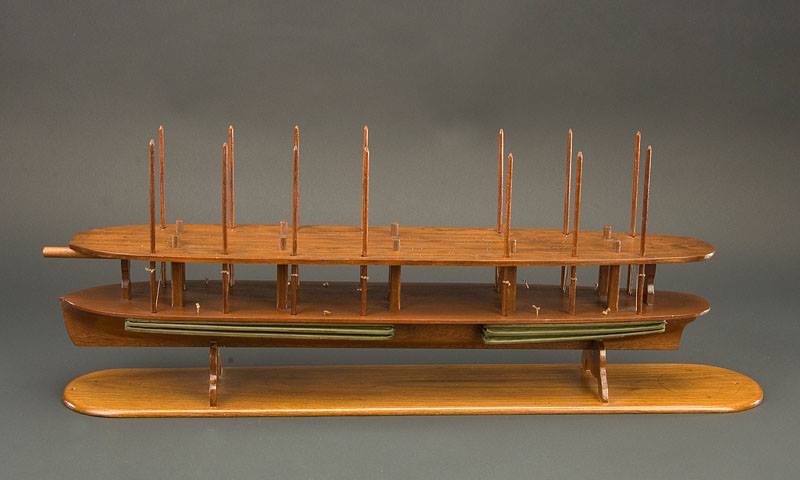
Always observant, Lincoln noted this effort and upon arriving back to his legal practice in Springfield started sketching out a method for rectifying the problem. Lincoln’s invention “combine[d] adjustable buoyant air chambers with a steam boat for the purpose of enabling their draught of water to be readily lessened to enable them to pass over bars, or through shallow water, without discharging their cargoes.” With the help of a local woodworker he constructed a wooden model. He also hired a patent lawyer in Washington to help him prepare the application.
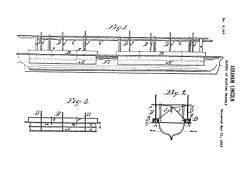
He received Patent No. 6469. The system was never put to practical use, but it demonstrated Lincoln’s analytical mind and interest in technology, skills that often came into place in his court cases.
David J. Kent is an avid science traveler and the author of Lincoln: The Man Who Saved America, in Barnes and Noble stores now. His previous books include Tesla: The Wizard of Electricity and Edison: The Inventor of the Modern World and two e-books: Nikola Tesla: Renewable Energy Ahead of Its Time and Abraham Lincoln and Nikola Tesla: Connected by Fate.
Check out my Goodreads author page. While you’re at it, “Like” my Facebook author page for more updates!
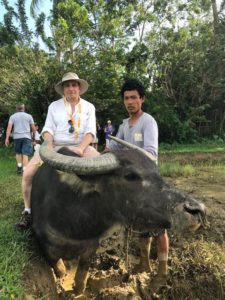 The Philippines consists of 7,641 islands, although about 500 of them disappear at high tide. While the nation has growing industrial and service industries, about 30% of the labor force remains in agriculture, with rice as its biggest commodity.
 My science education also didn’t stop with rice. Motag also showed us how to hack coconuts out of their outer husk using a sharp stick, then use another sharp stick to break up the coconut meat into flakes. We also got to taste coconut water and coconut milk. Coconut also played a role (no pun intended) as “paper” at the local toilet hole. Mixing coconut flakes with water makes a handy shampoo, while a coconut and leaves blend works great as a natural soap. These seemed to work better than the leaves sometimes used at the hole and sometimes to sandpaper the bark off trees (for which it worked way too well). Later I would enjoy the traditional coconut pie and 80-proof coconut wine/liquor.
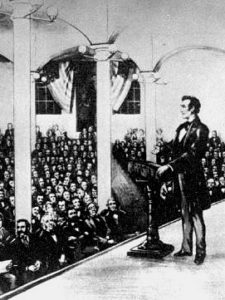 On February 27, 1860, a tall, lanky lawyer from Illinois gave a speech at a place called Cooper Union in New York City. The speech would make Abraham Lincoln president. Sounds a bit hyperbolic to say such a thing, and there were many other factors that contributed to Lincoln’s success that election season, but the speech did more to make his name in eastern society than any other event.
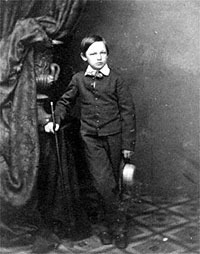 William Wallace Lincoln, “Willie,” died of typhoid fever on February 20, 1862. President Abraham Lincoln and his wife Mary Lincoln were devastated. Willie’s younger brother Tad was also afflicted, but would live. This personal tragedy on top of the ongoing Civil War was almost too much to bear for both of them; Mary would never completely recover. But Willie’s death, and those of 700,000 soldiers during the Civil War, also ushered in advances in the embalming sciences.
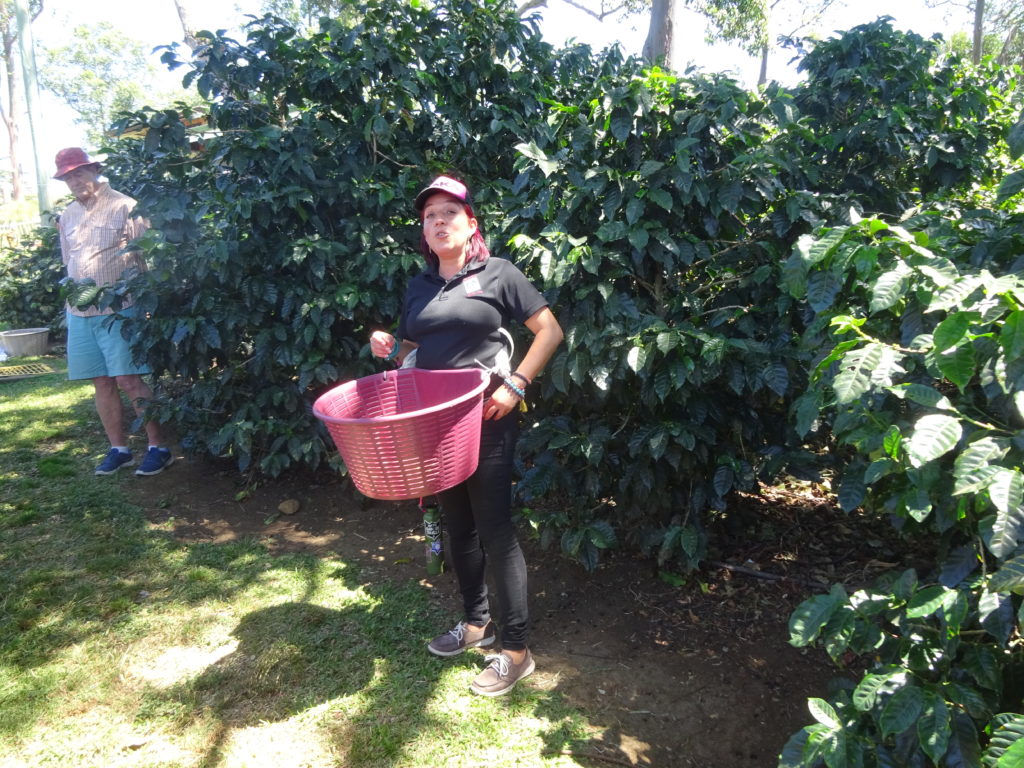
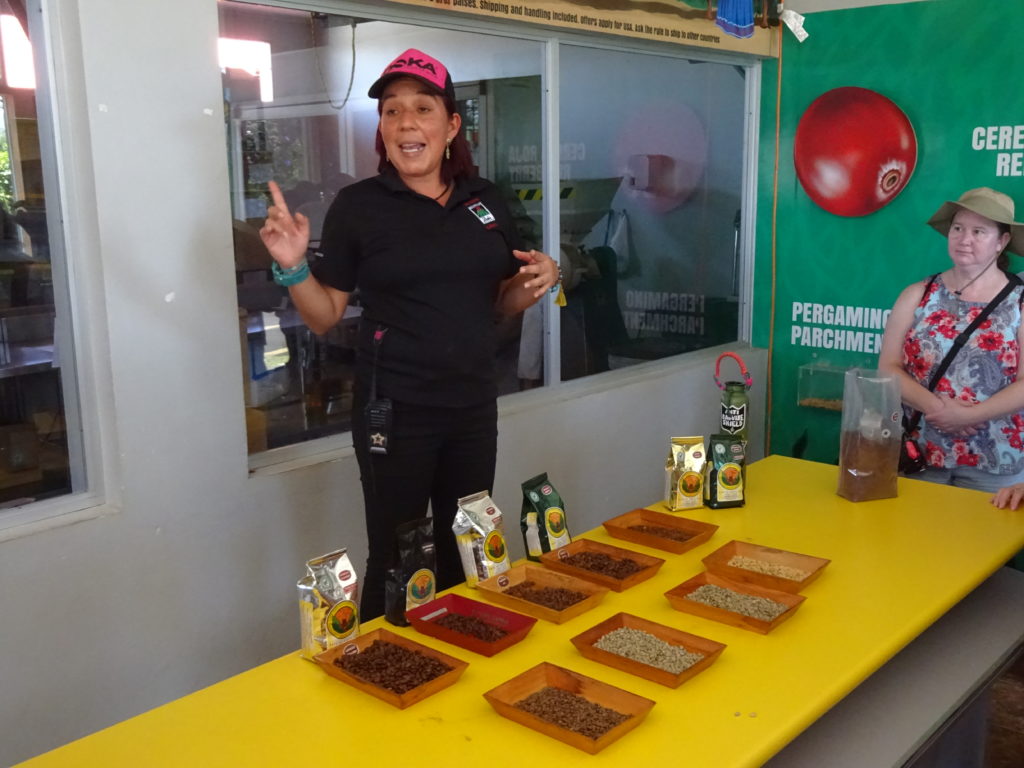
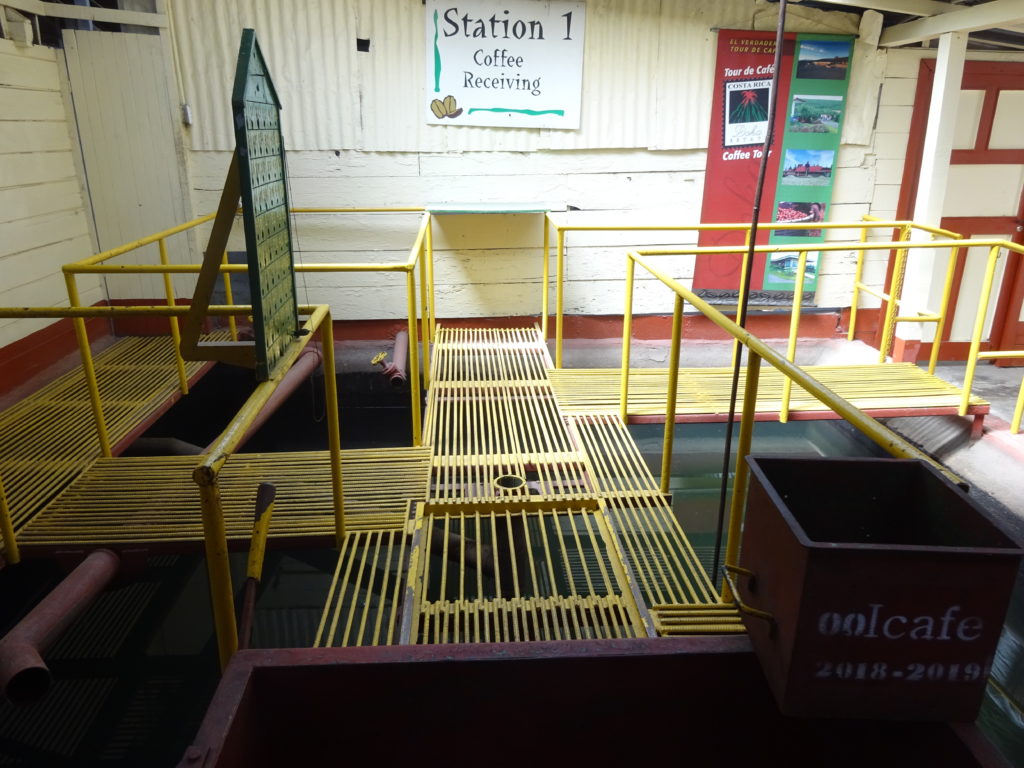
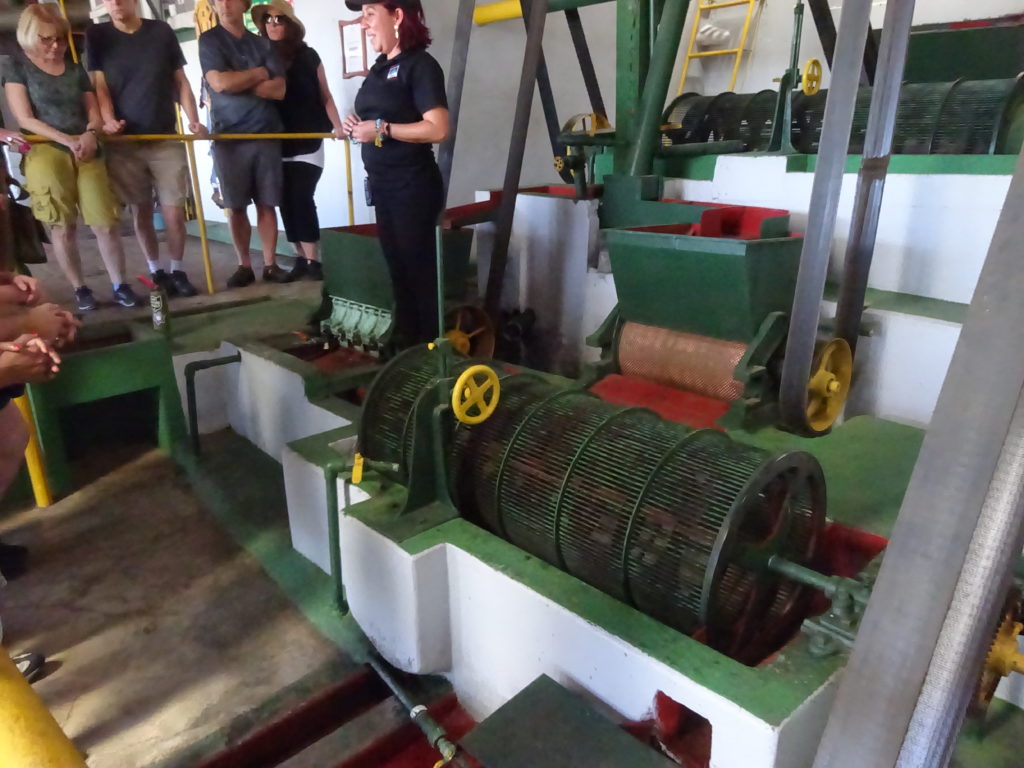
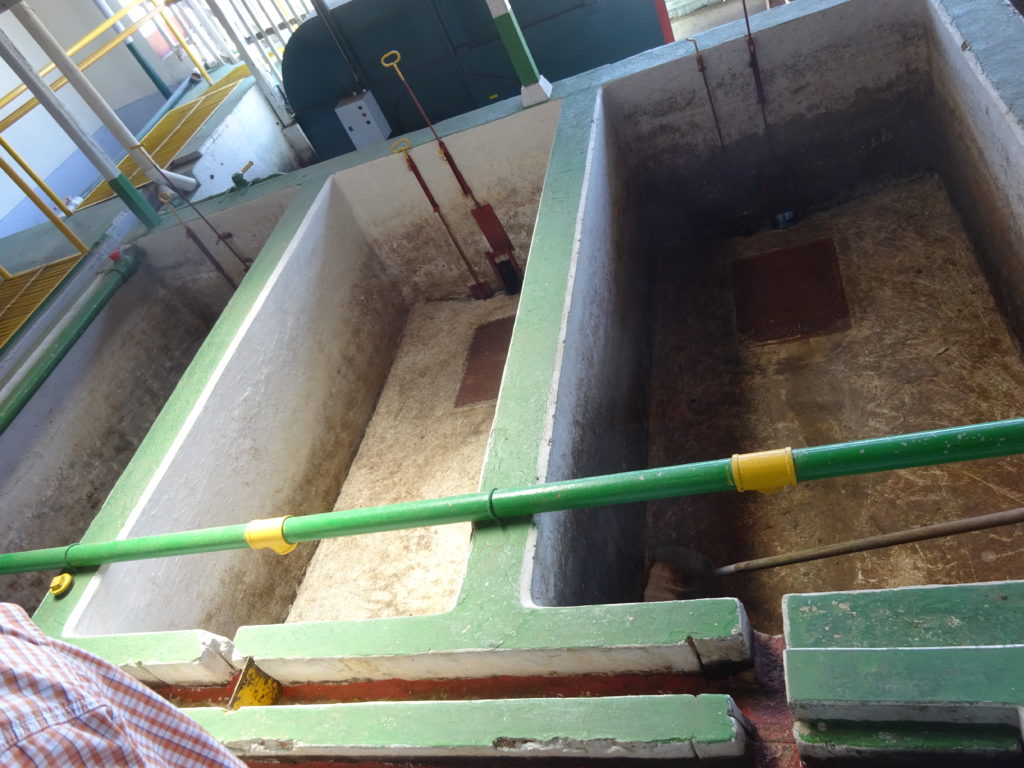
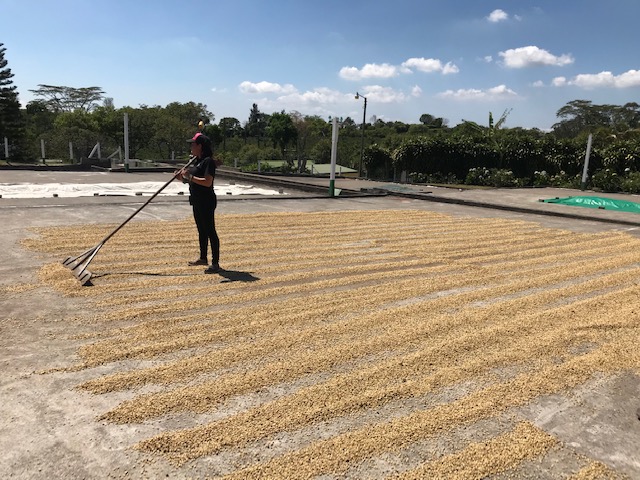
 During a recent visit to Costa Rica I learned how to make coffee. From scratch, like from the beans. I toured the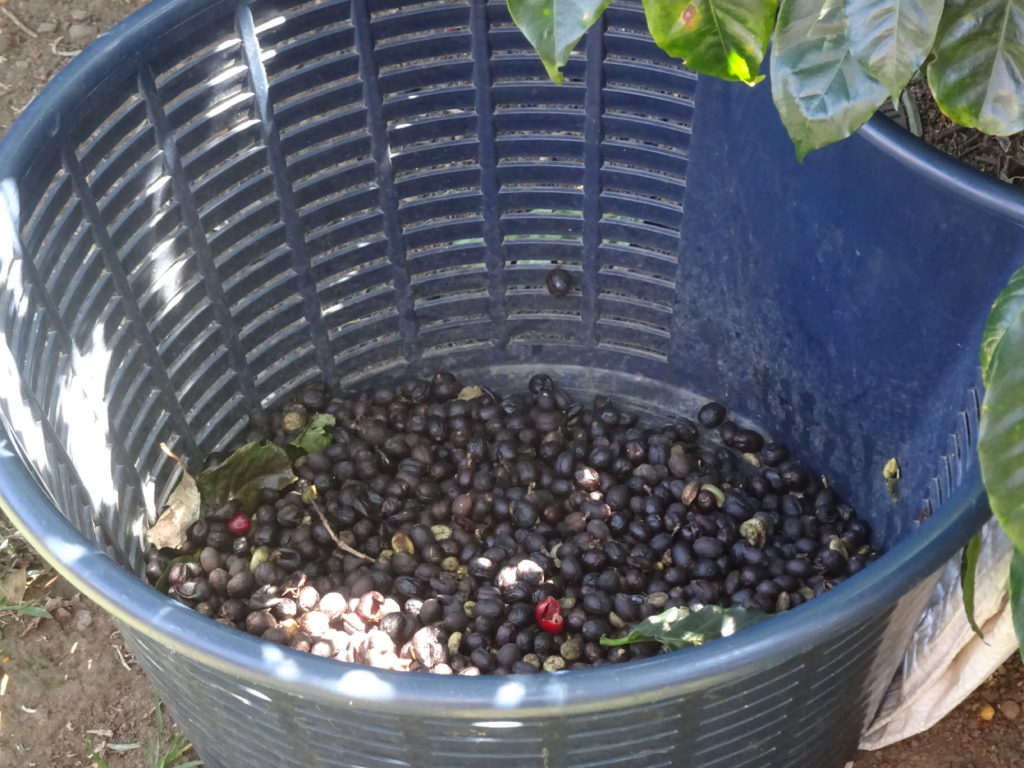
 If you aren’t already a member, please consider joining the Lincoln Group of DC. We have members all over the country. For those who are local to the District of Columbia, we have monthly dinner meetings featuring well-known authors and Lincoln scholars, run at least one Civil War battlefield tour a year, have an engaging monthly book study group, and a host of other events and meetings. The Lincolnian newsletter comes out quarterly and includes news about the group as well as scholarly articles about Abraham Lincoln.
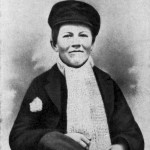 Although he was the last of seven children, Thomas Alva Edison was born into a largely empty household. February 11, 1847, was a cold, snowy night in the tiny village of Milan, Ohio, not far from the shores of Lake Erie. Edison’s mother, Nancy, who seemed always to be wrapped in black mourning garb, was eager to have more children to replace those who had not survived. One son, Carlile, died in 1842, when he was only 6 years old. A second son, 3-year-old Samuel Ogden, perished a year later while Nancy was pregnant with daughter Eliza. Eliza also lived only three years, passing away in late 1847, when Thomas was still an infant.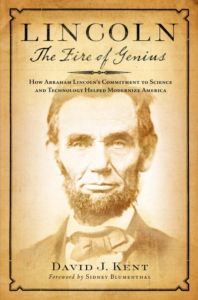
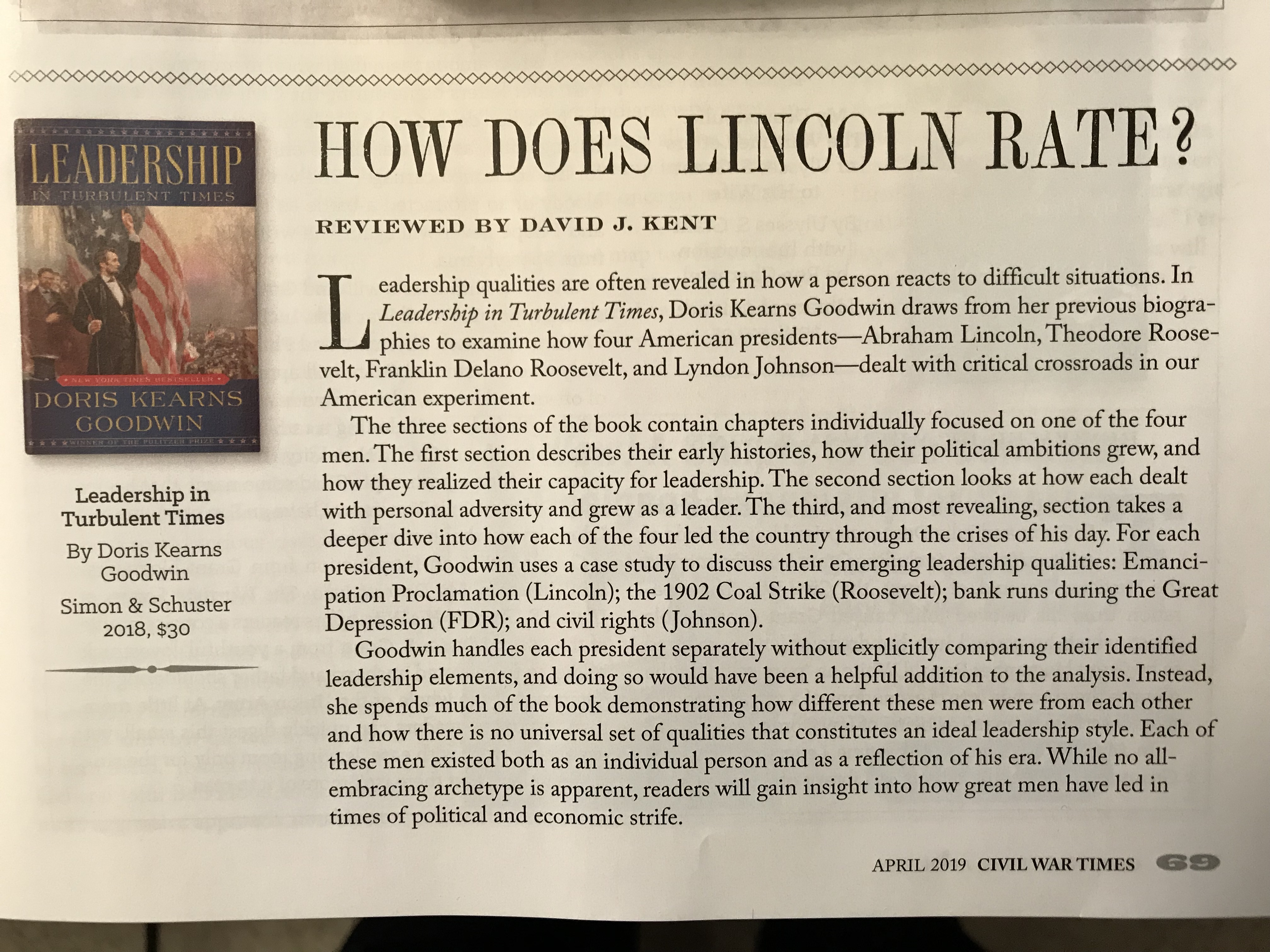 Most people of heard of Doris Kearns Goodwin from her bestselling book, Team of Rivals, about Abraham Lincoln picking many of his political rivals to key cabinet positions. Initially well sold, it got a huge boost after then-candidate Barack Obama was seen carrying it on the campaign trail prior to his 2008 election, then again when Obama picked his rival Hillary Clinton to be Secretary of State, much like Lincoln put William Seward in that position. Another boost came from Steven Spielberg’s movie, Lincoln, which was based on a tiny part of Goodwin’s book.