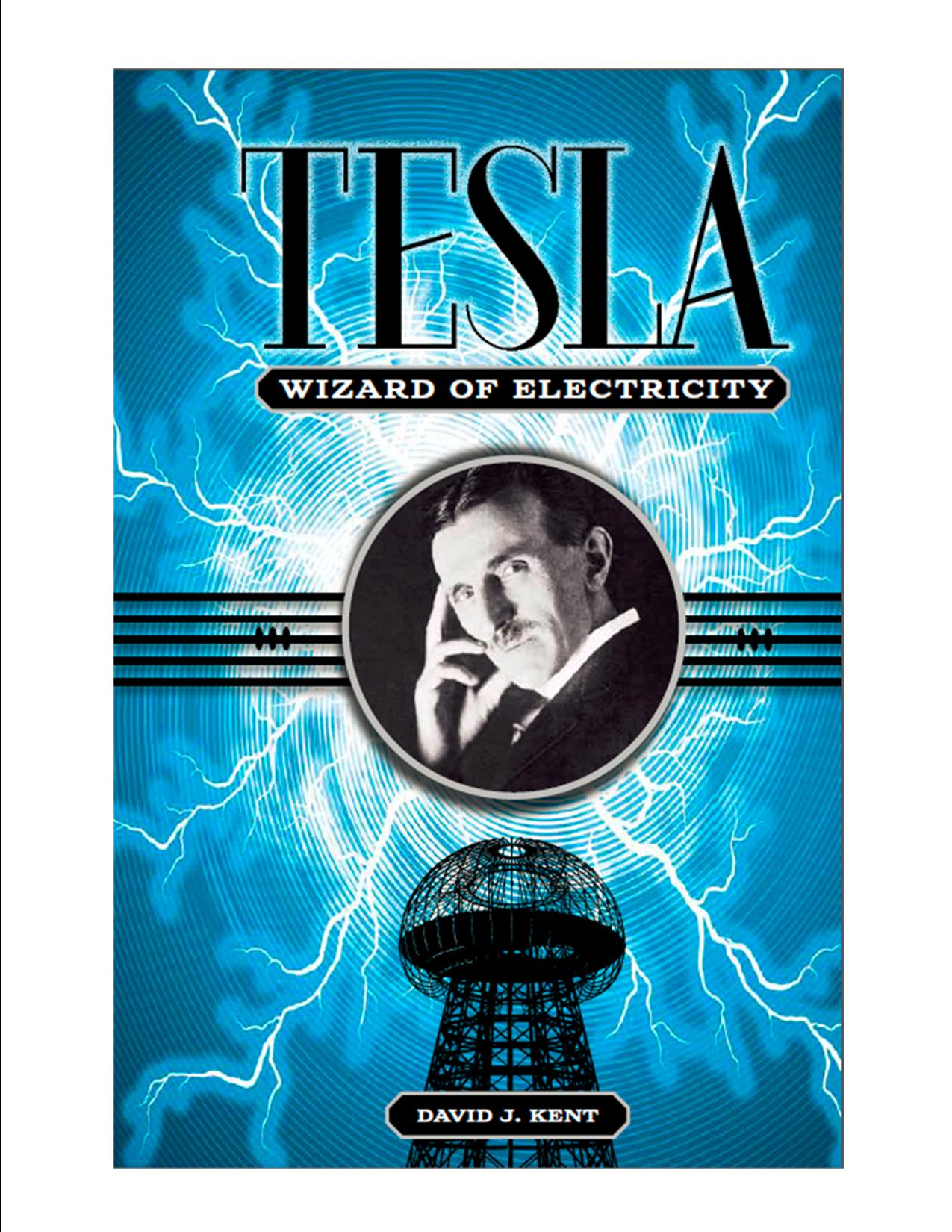
 Last weekend (April 25-27) I attended the annual conference of the American Society of Journalists and Authors (ASJA). I’m not a member, yet, but plan to be as soon as I meet the strict eligibility requirements for this professional society. My book, Tesla: Wizard of Electricity, is one credit towards being eligible, and I’m working on others.
Three-and-a-half hours on Amtrak and a 1.25 mile trek through Manhattan (with laptop and garment bags heavily strapped to my shoulders) brought me to the Roosevelt Hotel, the “Grand Dame of Madison Avenue.” I arrived just in time for the awards ceremony, where ASJA honors their own for excellence in writing, including Wendee Nicole for science writing.
As a first-timer I picked a range of sessions to get my feet wet. I started with “Building Your Business Through Travel Blogging.” As readers of this site will no doubt have guessed, one of my passions is to travel, so I must admit to being envious of the panel members who get paid to travel and write about their experiences. I was especially intrigued by Patricia Serrano, whose unique blend of travel writing and film-making is summed up well in her Fresh Traveler blog’s tag line – “off the beaten path adventures for a fresh mind, body and spirit.”
Next up was “Covering Your Assets: Personal Finance for the Independent Writer,” where I learned about retirement plans, insurance, and why you should NOT quit your day job. Then on to luncheon with featured speaker A.J. Jacobs. Jacobs is the author of three best-selling memoirs that include reading the entire 32-volume Encyclopedia Britannica, living a year by the rules of the Bible (Old Testament!), and his latest, Drop Dead Healthy. In short, Jacobs was both hilarious and helpful as he offered some great advice to writers. But Jacobs wasn’t the only person at the luncheon that gave out good advice – I had the pleasure of chatting with David Volk, an ASJA member and author of The Cheap Bastard’s Guide to Seattle. David was the one who reminded me to get photos of my meeting with the cast of the off-Broadway play, Tesla.
After lunch I couldn’t resist a session called “Spice Up Your Storytelling with Statistics.” Led by Laura Laing, author of Math for Grownups and the forthcoming Math for Writers, the session showed how statistics can help bring out the meat of the story. She also showed how not to use statistics, like pie charts of types of pies that total up to over 200%. The chart was confusing if not delicious. Next up was “Humanizing Esoterica: Turn Complex Ideas Into Great Stories,” by the inimitably named pairing of Barry Burd and Patchen Barss. Both of these afternoon sessions fit into my overall vision of communicating science in a way that is understandable and interesting to the general public.
But wait, there’s more.
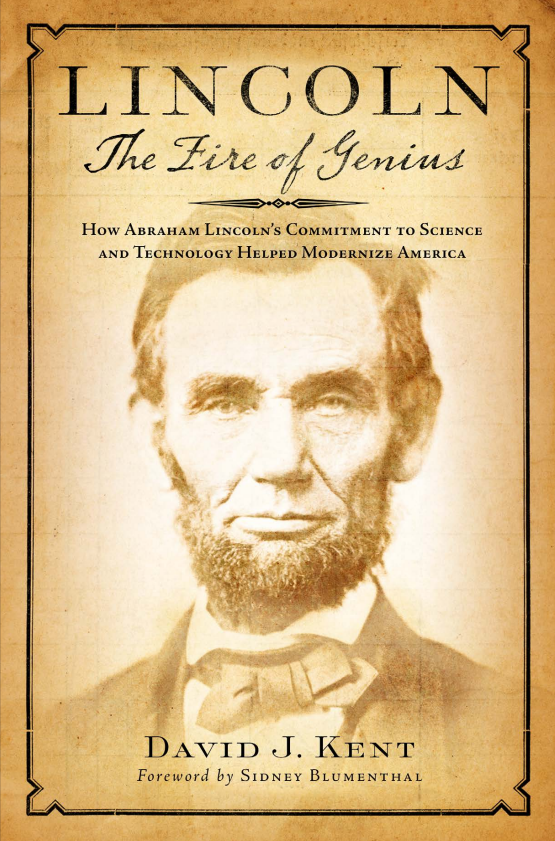
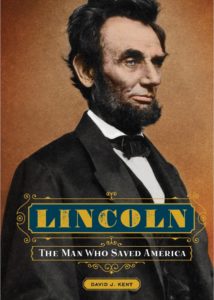
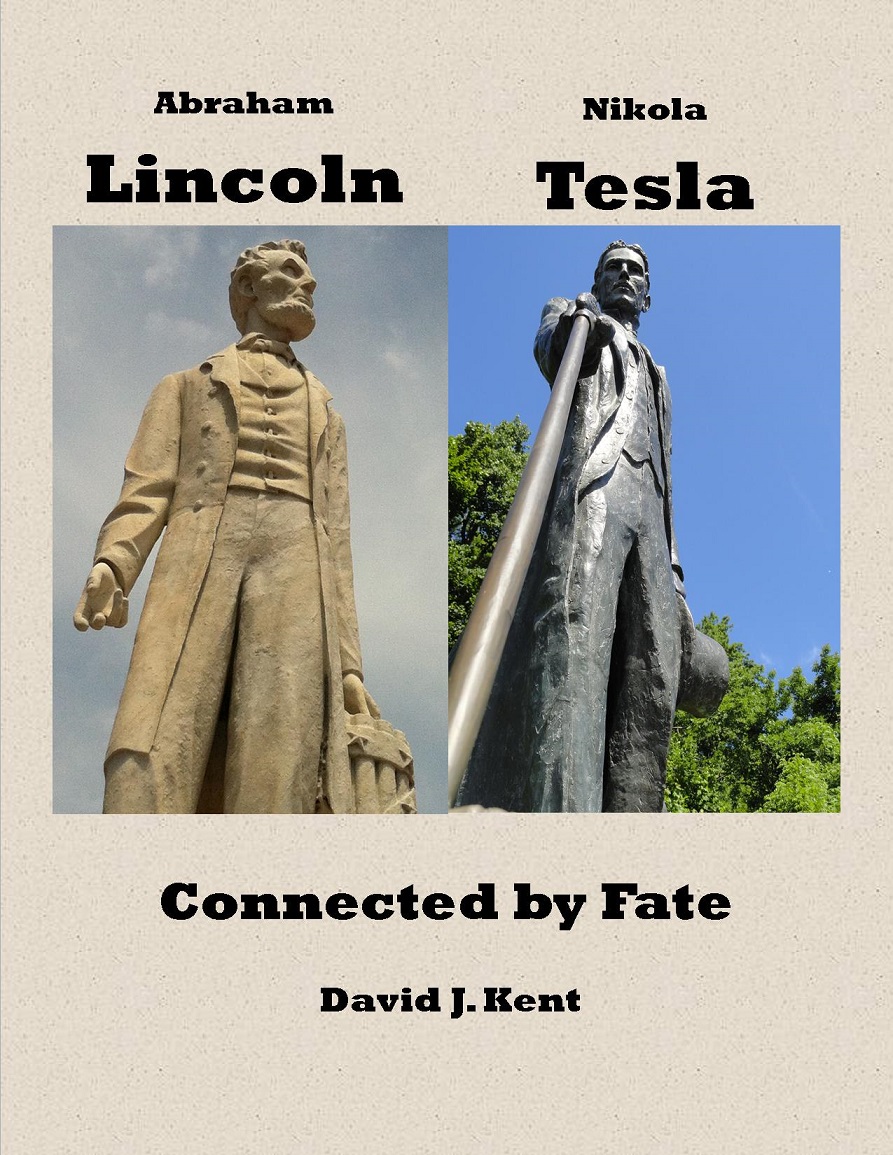
As a winner of an ASJA scholarship to attend the event, I also had the chance to sit down for a mentoring session with an established author. I was privileged to spend a half hour with Tim Harper, author of 12 books as well as a freelance writer, writing coach, editorial consultant, and in his spare time, brainchild behind a new publishing venture at the City University of New York Graduate School of Journalism. Tim provided some valuable insight for putting together a proposal for my new book on Abraham Lincoln’s love of science and technology.
And that was just day one. A good place to stop. More on the second day in a later post.
More about ASJA.
Follow me by subscribing by email on the home page. And feel free to “Like” my Facebook author’s page and connect on LinkedIn. Share with your friends using the buttons below.
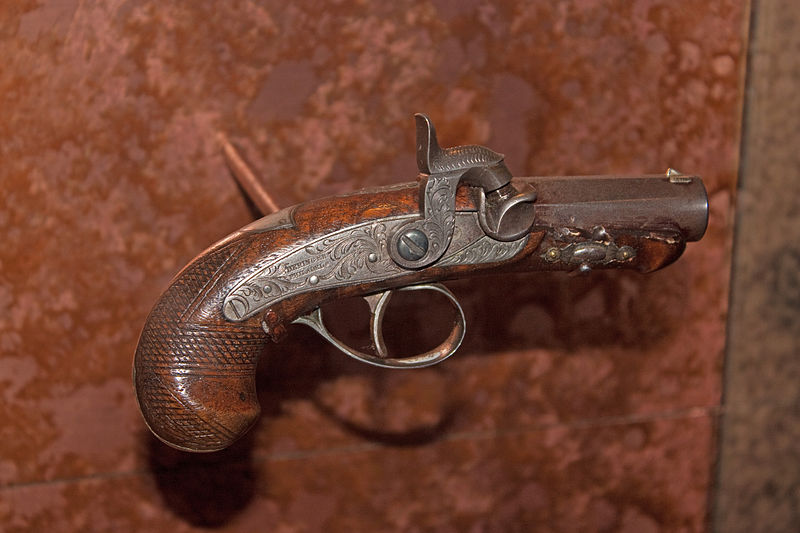
 Abraham Lincoln died today. Well,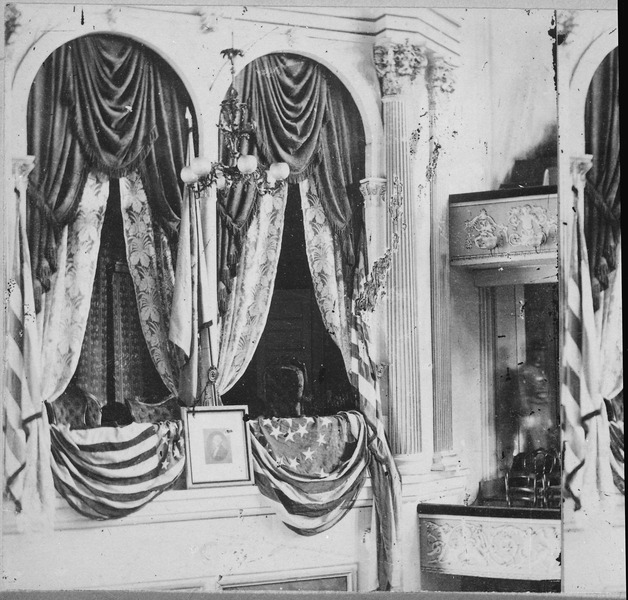
 Each born on February 12, 1809 in very different parts of the world, Abraham Lincoln and Charles Darwin never met. Darwin spent five years traveling the world on The Beagle and eventually defined how we think about life. Lincoln spent four years staying pretty much in Washington DC and eventually came to define how we think of leadership.
 Still, the book toggles between Lincoln’s life and Darwin’s life, comparing the two at key junctures in their maturation as thinkers, family men, and leaders. Because they were the same age many of these life choices occurred at roughly the same period of time. Contosta notes that both put off making decisions as to their life’s work since neither really wanted to follow too closely in the footsteps of their fathers. Lincoln traveled down the Mississippi on a flat boat before settling for some years in New Salem, Illinois. Darwin traveled around the world by ship for five years doing the research that would eventually lead to his most famous works. Once this phase was completed they each “found their calling,” Lincoln in politics and the law, Darwin in development and experimentation on what would eventually be called evolution.
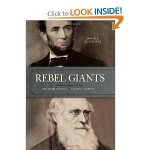 The book spends some time after the early death of Lincoln and the much later death of Darwin to assess their impact on the world. Clearly the emancipation of the slaves and the subsequent problems with reconstruction led to issues experienced for another century (and continuing). And clearly Darwin’s theory of natural selection challenged the conventional thinking of the day. History has shown that many would “adapt” the work of these two influential men to serve their own purposes (e.g., “social Darwinism,” which Darwin would have been aghast to see).
 Harold Holzer has a birthday.
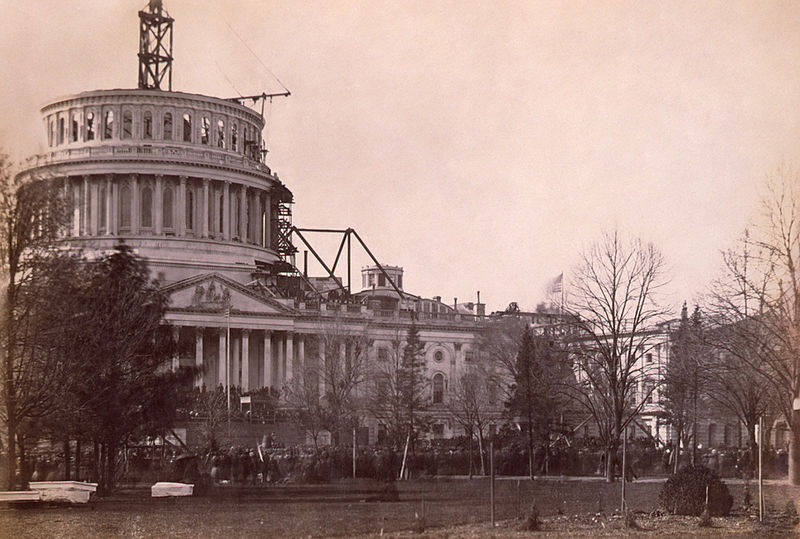 Obama did not mention Lincoln by name during his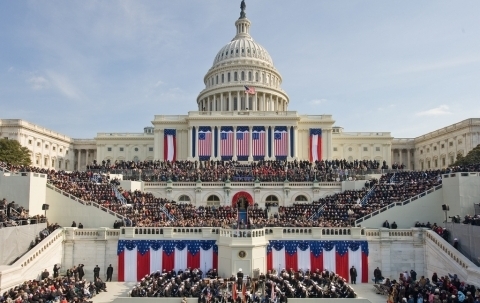
 Barack Obama, our first African-American President, took his oath of office in 2013 on the day we celebrated the birthday of the great civil rights leader,
 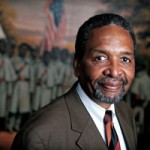 Dr. Frank Smith, Jr. will be the speaker at the