 I’m still far short of the 15,000+ books published about Abraham Lincoln, but did make several great acquisitions for my collection in 2015. The following list shows 59 new additions, almost exactly the number I added last year.
Seven of the books are brand new 2015 publication dates, including Looking for Lincoln in Illinois: Lincoln’s Springfield, which I’ll use to prepare for next September’s Lincoln Group of DC trip to Illinois. Another 2015 issue is Kathryn Canavan’s Lincoln’s Final Hours: Conspiracy, Terror, and the Assassination of America’s Greatest President. Kathryn will be the Lincoln Group’s guest speaker during one of LGDC’s March 15, 2016 dinner meeting.
Nine of the books are signed by the author. That includes my 2015 “Harold Holzer Book of the Year” (though he often has several new books come out in any given year). A Just and Generous Nation is co-written by Holzer and economist Norton Garfinkle, and Harold was nice enough to sign it for me during the annual Lincoln Forum in Gettysburg in November. You can read my review on Goodreads.
The coolest book I obtained this year is probably Villianous Compounds: Chemical Weapons and the American Civil War by Guy R. Hasagawa. Given my science and toxicology background, this especially grabbed my attention. The oldest book was published in 1894. Abraham Lincoln: The First American by D.D. Thompson was a gift by the Lincoln Group of DC after my October 2015 presentation on “Lincoln and the March of Technology.”
There are several classic books on the list, including those by Paul Angle, Noah Brooks, and the first and second supplements to the famous Roy Basler Collected Works. Some of the books examine specialty areas of Lincoln research. There’s even one by William F. Petersen that claims the lives of Abraham Lincoln and Stephen A. Douglas were foretold by the weather. [I haven’t read this one yet, but am eager to get the scoop.]
One never-ending problem always attends new acquisitions – where to put them. I’ve reached the point where creative rearranging of bookshelves, combined with strategic sales and library donations, are simply not enough. So my big question for 2016 is “where do I put more bookcases?”
See the list of books below my signature blurbs.
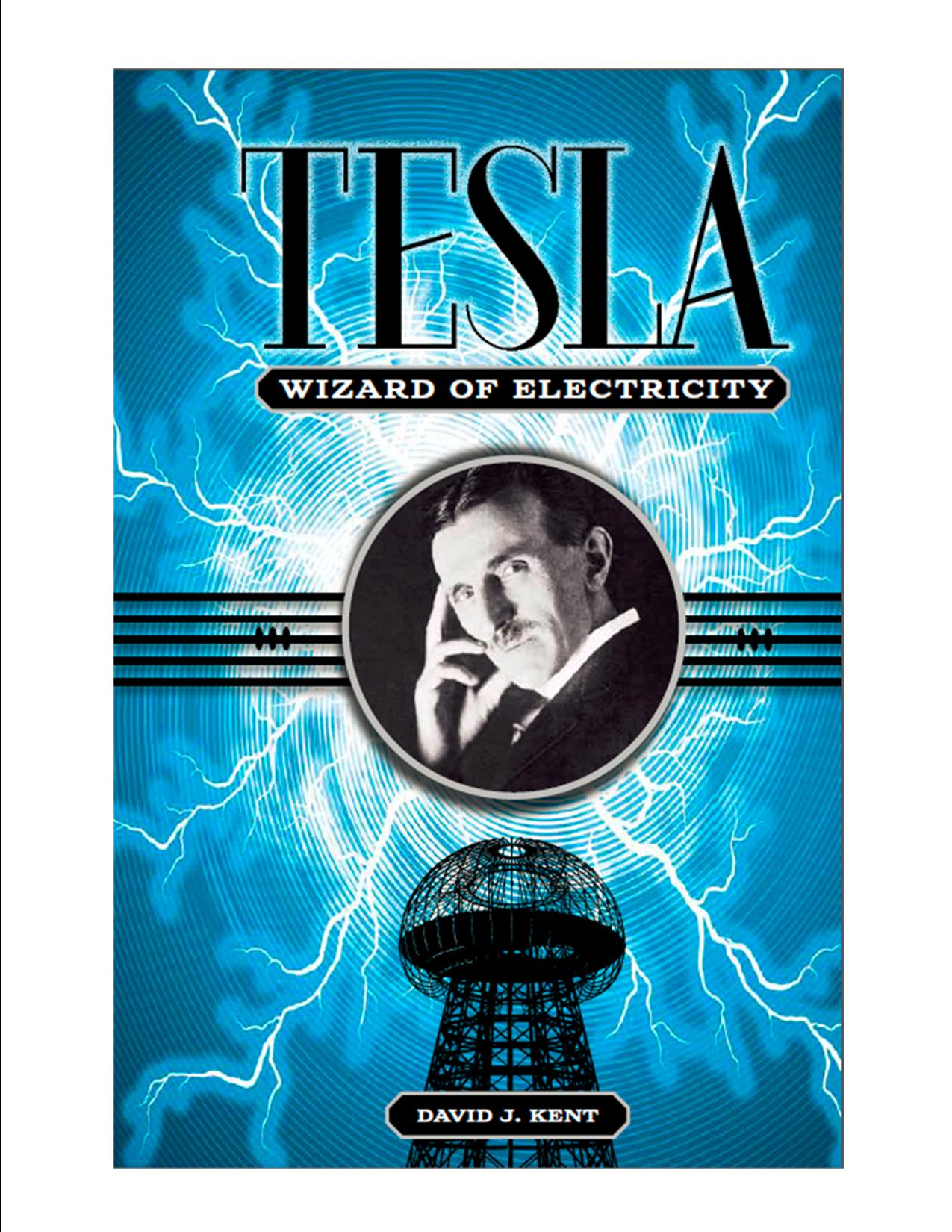
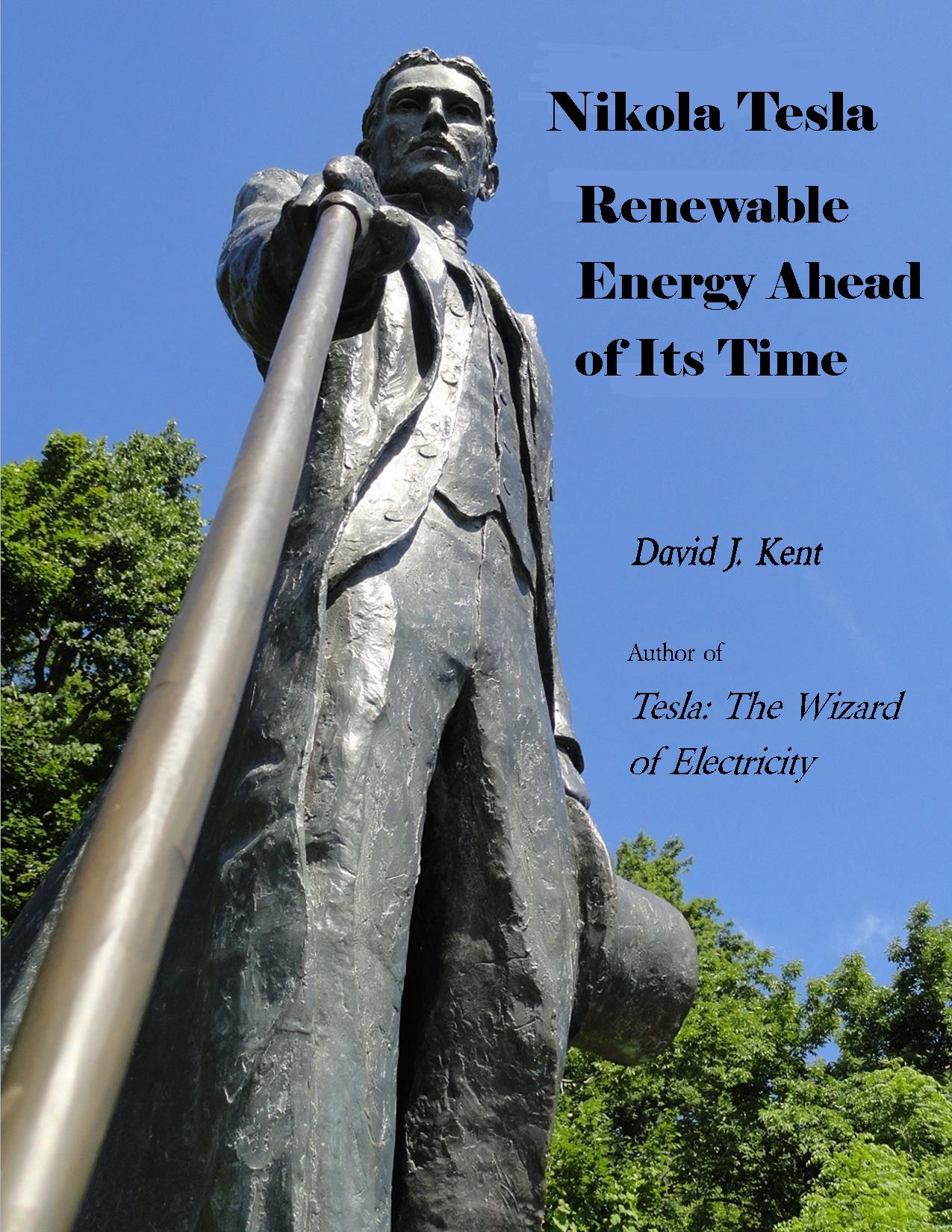
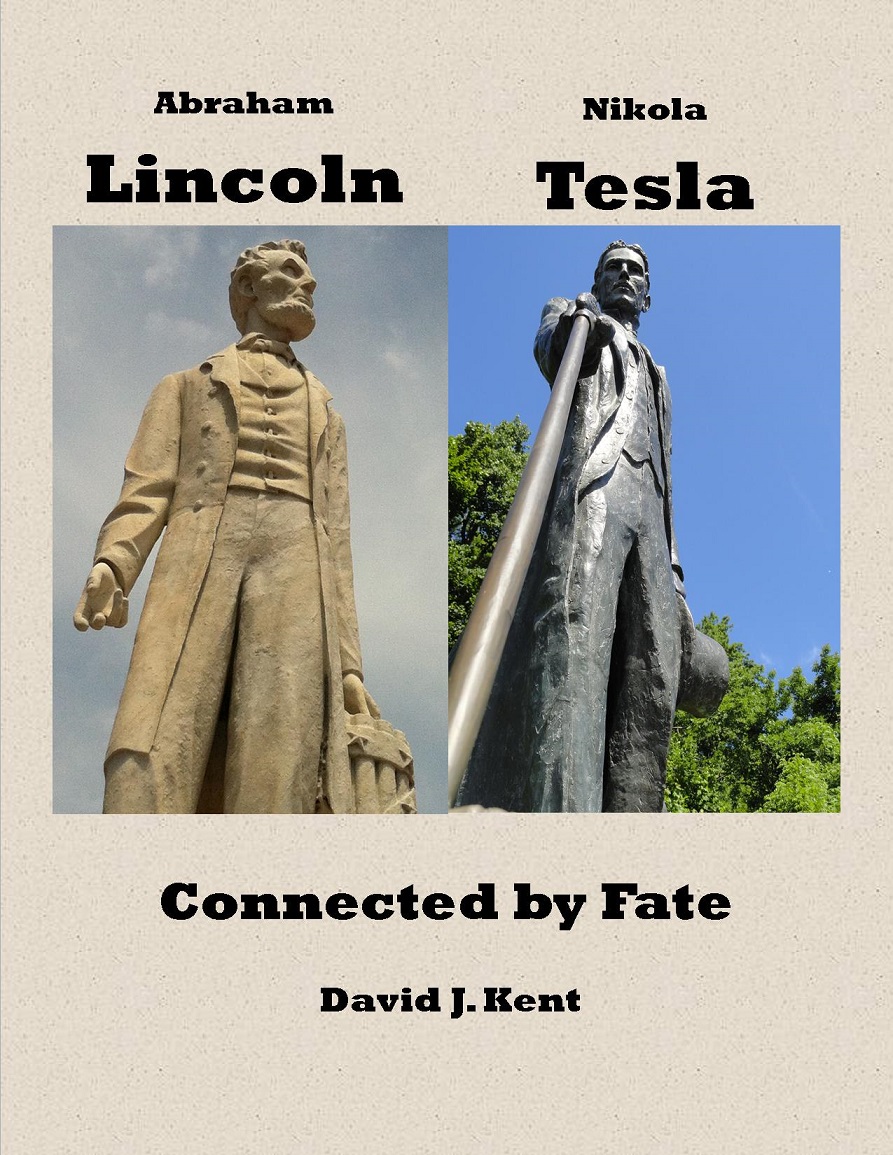
David J. Kent has been a scientist for thirty-five years, is an avid science traveler, and an independent Abraham Lincoln historian. He is the author of Tesla: The Wizard of Electricity (now in its 5th printing) and two e-books: Nikola Tesla: Renewable Energy Ahead of Its Time and Abraham Lincoln and Nikola Tesla: Connected by Fate. His book on Thomas Edison is due in Barnes and Noble stores in spring 2016.
Follow me by subscribing by email on the home page. And feel free to “Like” my Facebook author’s page and connect on LinkedIn. Share with your friends using the buttons below.
Here is the 2015 list:
| A Portion of That Field: The Centennial of the Burial of Lincoln | 1967 | |
| Andreasen, Bryon C. | Looking for Lincoln in Illinois: Lincoln’s Springfield | 2015 |
| Angle, Paul M. | The Lincoln Reader | 1947 |
| Angle, Paul M. | A Portrait of Abraham Lincoln in Letters By His Oldest Son | 1968 |
| Baber, Adin | A. Lincoln With Compass and Chain | 2002 |
| Basler, Roy P. (ed) | The Collected Works of Abraham Lincoln: First Supplement 1832-1865 | 1990 |
| Basler, Roy P. and Basler, Christian O. (ed) | The Collected Works of Abraham Lincoln: Second Supplement 1848-1865 | 1990 |
| Brookhiser, Richard | Founder’s Son: A Life of Abraham Lincoln | 2014 |
| Brooks, Noah | Abraham Lincoln: The Nation’s Leader in the Great Struggle through which was Maintained the Existence of the United States | 1909 |
| Brown University | Books at Brown Volumes XXXI-XXXII | 1985 |
| Canavan, Kathryn | Lincoln’s Final Hours: Conspiracy, Terror, and the Assassination of America’s Greatest President | 2015 |
| Carnahan, Burrus M. | Lincoln On Trial: Southern Civilians and the Law of War | 2010 |
| Charles River Editors | The Transcontinental Railroad: The History and Legacy of the First Rail Line Spanning the United States | no date |
| Current, Richard N. | Lincoln’s Loyalists: Union Soldiers From the Confederacy | 1994 |
| Di Bella, Anna and Chapman, Sandy (eds) | Happy Birthday, Mr. Lincoln: A Commemorative Collage | 2009 |
| Donald, David Herbert | Lincoln’s Herndon | 1948 |
| Donald, David Herbert | Lincoln’s Herndon | 1948 |
| Farley, Jeremy | The Civil War Out My Window: Diary of Mary Henry | 2014 |
| Fornieri, Joseph R. and Gabbard, Sara Vaughn | Lincoln’s America: 1809-1865 | 2008 |
| Hasagawa, Guy R. | Villainous Compounds: Chemical Weapons & The American Civil War | 2015 |
| Hightower, C.L. Sr. (Editor-in-Chief) | Hood County History in Pictures and Story 1978 | 1978 |
| Hodges, Robert R., Jr. | American Civil War Railroad Tactics | 2009 |
| Holden, Raymond | Abraham Lincoln: The Politician and the Man | 1929 |
| Holzer, Harold and Garfinkle, Norton | A Just and Generous Nation | 2015 |
| Horgan, Paul | Citizen of New Salem | 1961 |
| Horwitz, Tony | Confederates in the Attic: Dispatches from the Unfinished Civil War | 1998 |
| Illinois Historic Preservation Agency | On Lincoln’s Mind: Leading the Nation to the Gettysburg Address | 2013 |
| Illinois Historic Preservation Agency | On Lincoln’s Side: Reelecting a Leader | 2014 |
| Jewell, Scott (Editor) | Ipswich in the Civil War | 2012 |
| Kempf, Edward J. | Abraham Lincoln’s Philosophy of Common Sense: An Analytical Biography of a Great Mind | 1965 |
| Knorowski, Carla (Ed.) | Gettysburg Replies: The World Responds to Abraham Lincoln’s Gettysburg Address | 2015 |
| Magliocca, Gerard N. | American Founding Son: John Bingham and the Invention of the Fourteenth Amendment | 2013 |
| Mansfield, Stephen | Lincoln’s Battle With God: A President’s Struggle With Faith and What It Meant for America | 2012 |
| McGinty, Brian | Lincoln’s Greatest Case: The River, The Bridge, and the Making of America | 2015 |
| McPherson, James M. and McPherson, Patricia R. | Lamson of the Gettysburg: The Civil War Letters of Roswell H. Lamson, U.S. Navy | 1997 |
| Miller, Richard Lawrence | Lincoln and his World: The Early Years: Birth to Illinois Legislature | 2006 |
| Oates, Stephen B. | Abraham Lincoln: The Man Behind The Myths | 1984 |
| Peet, Tom and Keck, David | Reading Lincoln: An Annotated Bibliography | 2014 |
| Peraino, Kevin | Lincoln in the World: The Making of a Statesman and the Dawn of American Power | 2013 |
| Petersen, William F. | Lincoln Douglas: The Weather as Destiny | 1943 |
| Quercia, Jacopo Della | The Great Abraham Lincoln Pocket Watch Conspiracy | 2014 |
| Rayner, William Horace and Schmidt, Milton O. | Elementary Surveying | 1957 |
| Reck, W. Emerson | A. Lincoln: His Last 24 Hours | 1987 |
| Rothenberg, Marc (Ed) | The Papers of Joseph Henry, Volume 10: January 1858-December 1865, The Smithsonian Years | 2004 |
| Sandburg, Carl | Storm Over the Land: A Profile of the Civil War | 1995 |
| Shively, Carol A. (Ed.) | Asians and Pacific Islanders and the Civil War | 2015 |
| Songini, Marc | The Lost Fleet: A Yankee Whaler’s Struggle Against the Confederate Navy and Arctic Disaster | 2007 |
| Spencer, J. Ronald (Ed) | A Connecticut Yankee in Lincoln’s Cabinet: Navy Secretary Gideon Welles Chronicles the Civil War | 2014 |
| Temple, Wayne C. | Abraham Lincoln From Skeptic to Prophet | 1995 |
| Temple, Wayne C. | Lincoln’s Connections With the Illinois Michigan Canal, His Return From Congress in ’48, and His Invention | 1986 |
| The Heritage Press | The Literary Works of Abraham Lincoln | 1942 |
| Thompson, D.D. | Abraham Lincoln, The First American | 1894 |
| Williams, Frank J. and Pederson, William D., eds. | Lincoln Lessons: Reflections on America’s Greatest Leader | 2009 |
| Winkle, Kenneth J. | Lincoln’s Citadel: The Civil War in Washington, DC | 2013 |
| The Invisible General | 2004 | |
| Lust for Love and Battle | 1984 | |
| Lee Faces Up to Gettysburg | 2002 | |
| Eyewitness Account Gettysburg | 2003 | |
| A.P. Hill’s Bloody Bristol Assault | 2003 |
 Somehow I managed not to travel anywhere in February, June, and August. But for the other nine months I had at least one out-of-town trip. It was a very good year in Science Traveling. I’ve finished traveling for the year so it’s time for a quick recap.
 Yes, the allusions in the title are intentional. Creedence Clearwater Revival (aka, CCR) wrote a
 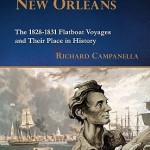 Book Review – Lincoln in New Orleans by Richard Campanella
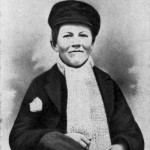 From a young age Thomas Edison showed that he was not like most other boys. Tossed out of school after a few weeks because his teachers thought he was “addled” and “dreamy,” Edison learned mostly on his own by devouring scientific books. He questioned everything. His father began to think young Tom was a bit dim-witted because he asked so many questions. The reverse was true; inquisitive throughout his life, Edison had a knack for remembering virtually everything he read.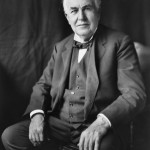
 “…if this part of the natural process were under the control of man he could transform the entire globe.” – Nikola Tesla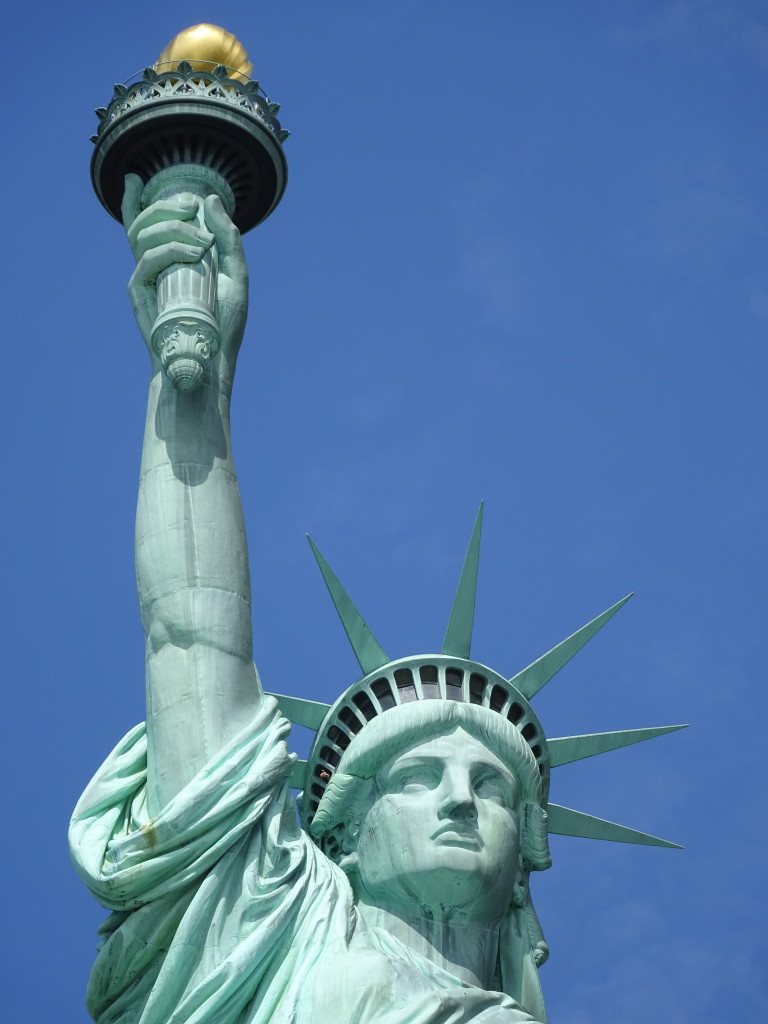
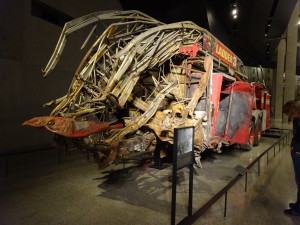 Tesla) circled the boat, we stopped at Ellis Island on the way back, just long enough to remind us that immigration is the fabric of our nation. From there we visited One World Trade Center, called “Freedom Tower” by many. Sitting on the site of the World Trade Towers that fell September 11, 2001, the new building overlooks two reverse pools surrounded by the names of those lost. A museum brings you down into the nightmare that was that day, and also the heroism. It’s a must visit.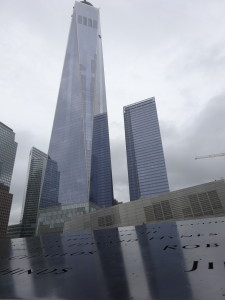
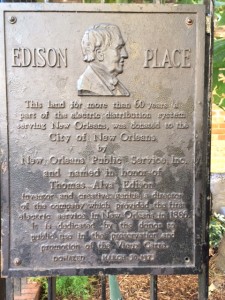 After hosting the Thanksgiving visit the only trip left on the calendar this year is a 4-day weekend in New Orleans. I’ve never been there. After lobbying SETAC for ten years to hold a meeting there they finally scheduled one – for the time that I was working in Brussels and my company refused to allow me to come back for it. I’m looking forward to it, especially now that I know there is a plaque highlighting Thomas Edison in the French Quarter.
 I’ve just returned from the annual Lincoln Forum conference in Gettysburg, Pennsylvania. This was the 20th anniversary event, complete with cake. The Forum fills two and a half days with presentations by renowned Abraham Lincoln scholars, great camaraderie, and books. A lot of books. As usual, my bag coming home is filled with new books picked up at the conference bookstore.
 Now the books. New additions to my collection include an essay compilation book edited by Frank Williams and a second similar book edited by Joseph Fornieri. I also picked up an edition of Reck’s A Lincoln: His Last 24 Hours and a book on the lost whaling fleet (which had battled the confederate navy and the Arctic during the Civil War). Perhaps the most unique acquisition is a book called Villainous Compounds: Chemical Weapons & The American Civil War by Guy R. Hasegawa. With my scientific background it would almost be blasphemous if I hadn’t bought it (he tells himself, in a rationalizing sort of way).
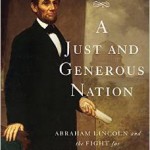 Having already bought it beforehand, I took advantage of the conference to bring my copy of Harold Holzer’s new book
  It’s been a busy 48 hours with respect to Abraham Lincoln traveling. And it’s about to get even busier.