Science traveling is a big part of this website. I’ve written on various trips taken to date, always with some sense of the science surrounding the majesty of the locations. And there is much more to come. I’m sure Nikola Tesla and Abraham Lincoln, both science travelers themselves, will be along for the ride. With this post I’ll introduce the Scents of Sandy Hook, along with a new writing endeavor.
The Scents of Sandy Hook is a short memoir-ish piece writing in response to a writer’s prompt. You can read it on my new creative writing blog, which I call Hot White Snow.
As you can see, the Hot White Snow site is specifically for short pieces of fictional, creative, and experimental writing, including responses to writing prompts. Heck, there is even a prose poem, a preview into some other poetry writing I’ve done and will do. The name of the site comes from the first piece I posted. Indeed, the very existence of the site is the result of requests from other writers to publish more of my creative writing side. Since this Science Traveler site focuses on non-fiction works related to Tesla, Lincoln, Aquariums, and of course, Science Traveling, creating a new site for fictional and memoir work was the obvious choice. I hope you like it.
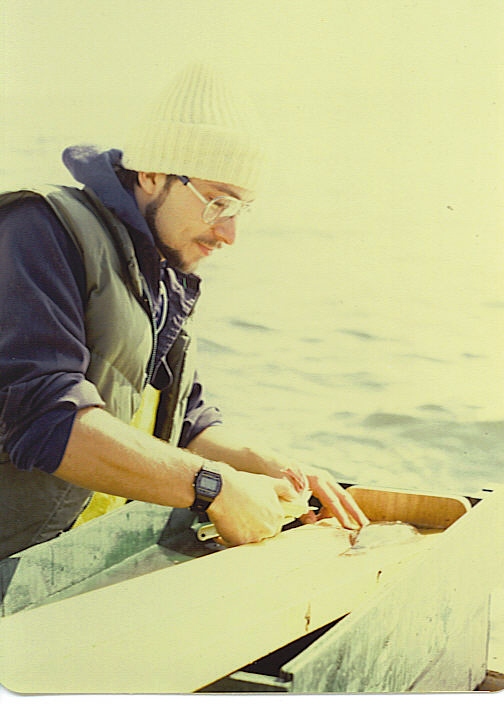
Tagging flounder off Sandy Hook (me, in disguise)
Getting back to The Scents of Sandy Hook for a moment, let me give some background. In college I studied to become a marine biologist. I was a huge fan of Jacques Cousteau, having watched all his television programs as I was growing up. Soon after graduation I worked two summers at the National Marine Fisheries Service (NMFS) laboratory in Oxford, Maryland. After the second summer I got a full-time job with NMFS at the Sandy Hook laboratory in New Jersey. I was there for 2-1/2 years, leaving only after arson had destroyed the laboratory building housing all of the fish tanks used in our research, thus putting my continuing job prospects into limbo.
Now, all these years later (I won’t admit to how many), I’ll be dropping by Sandy Hook on my way to see the family for the holidays. I’ll get a tour of the new laboratory facility, which largely recreates the systems we had back in the day. Even more fortunate, the tour will be given by a colleague who was a co-worker at the time and is now the director of my former department at the lab. It was anticipation of this trip in which The Scents of Sandy Hook was born.
So if you’re interested in creative writing, check out Hot White Snow. For a science traveling follow up to my Sandy Hook visit, come right back here to Science Traveler.
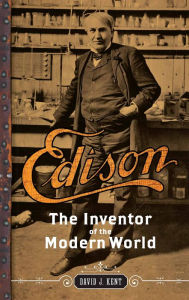
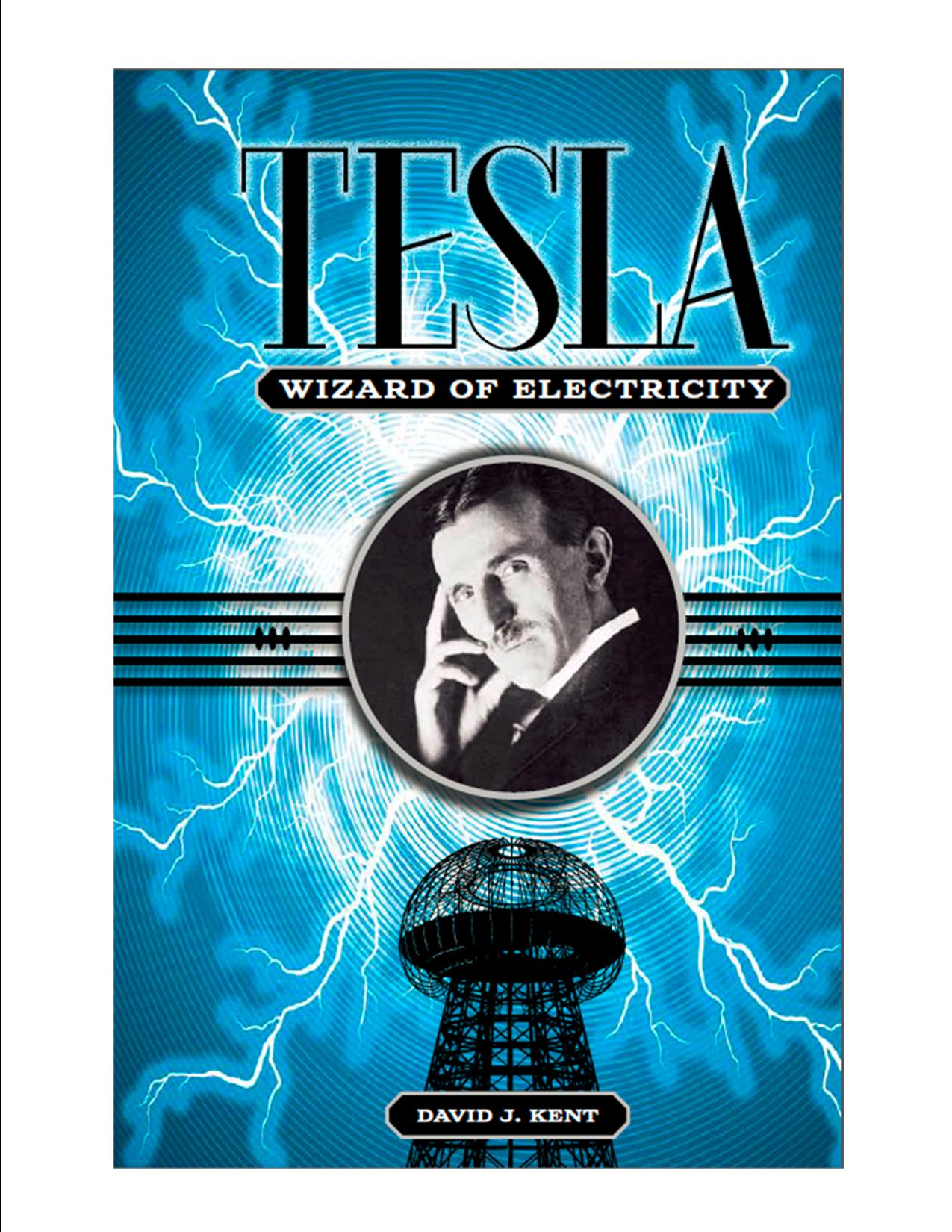
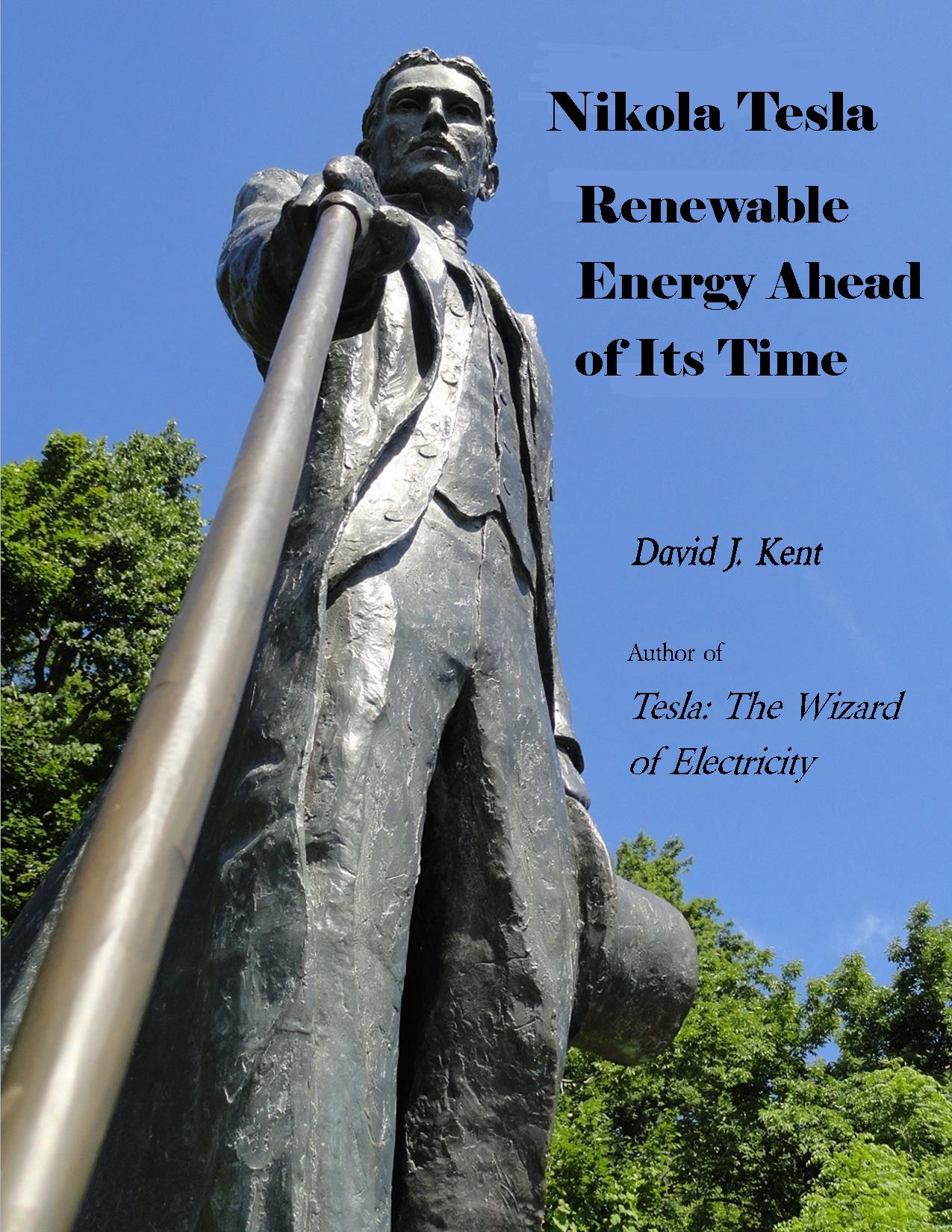
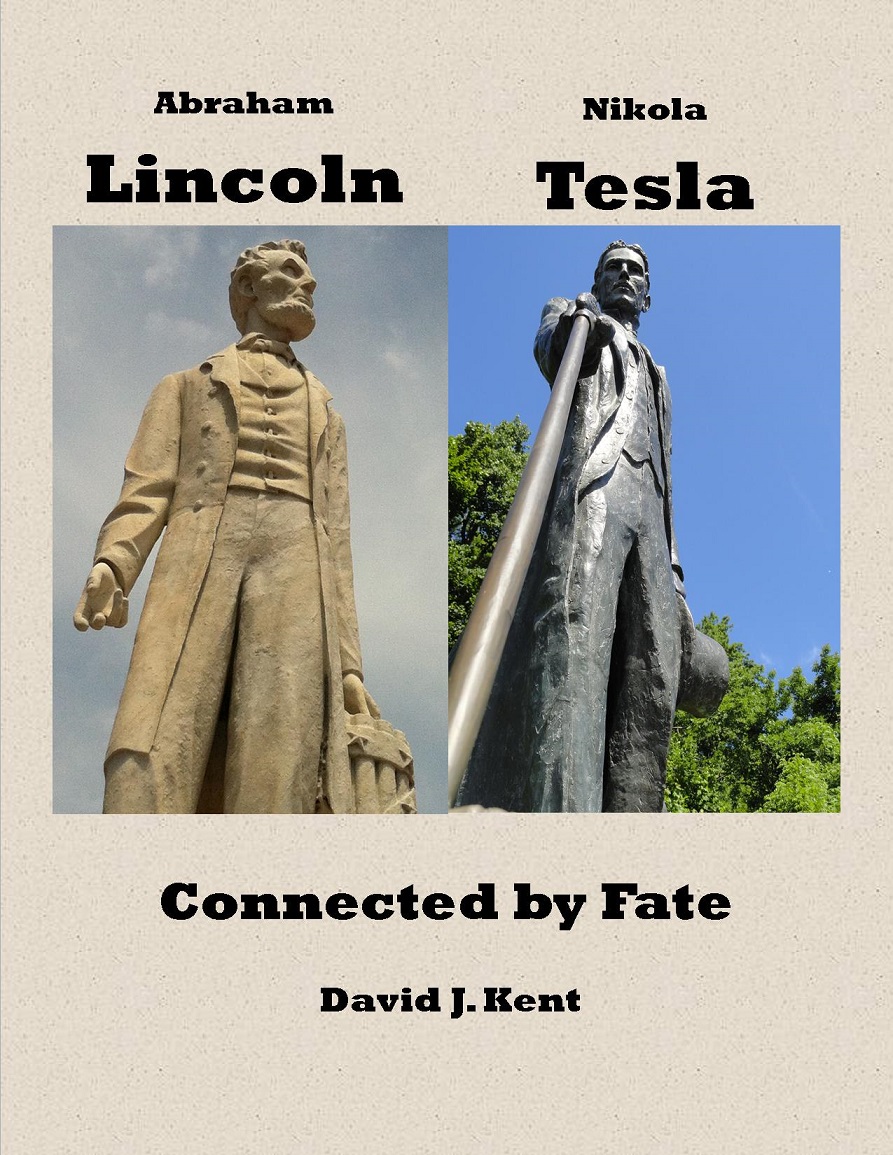
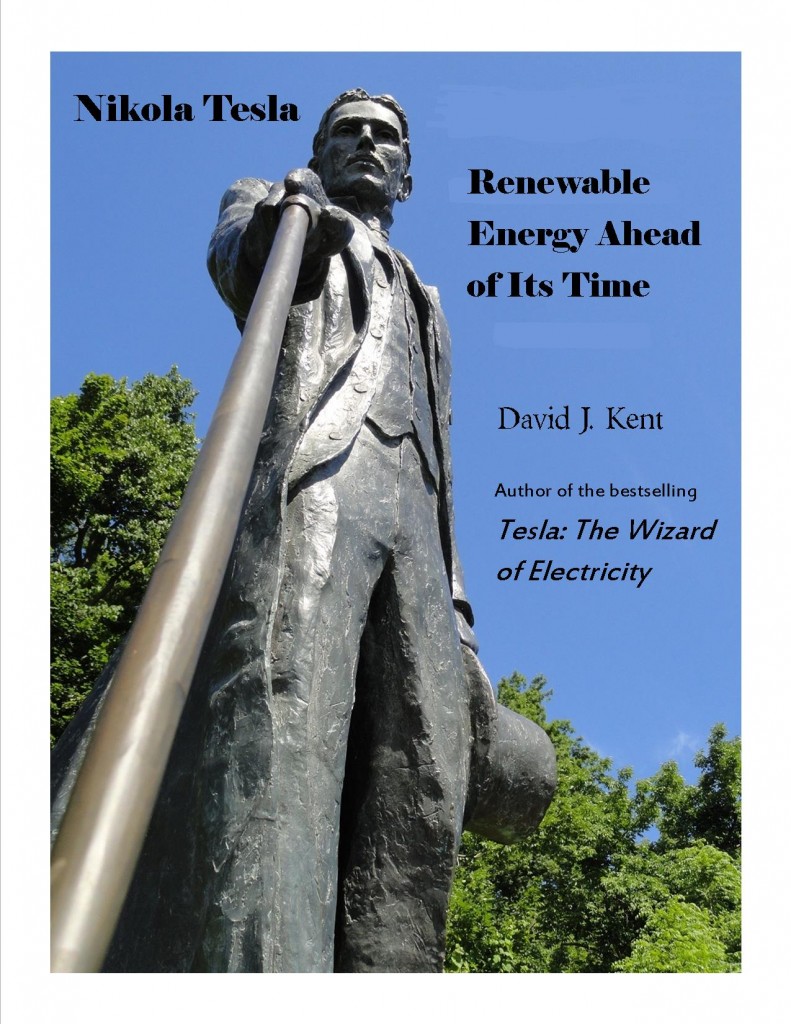
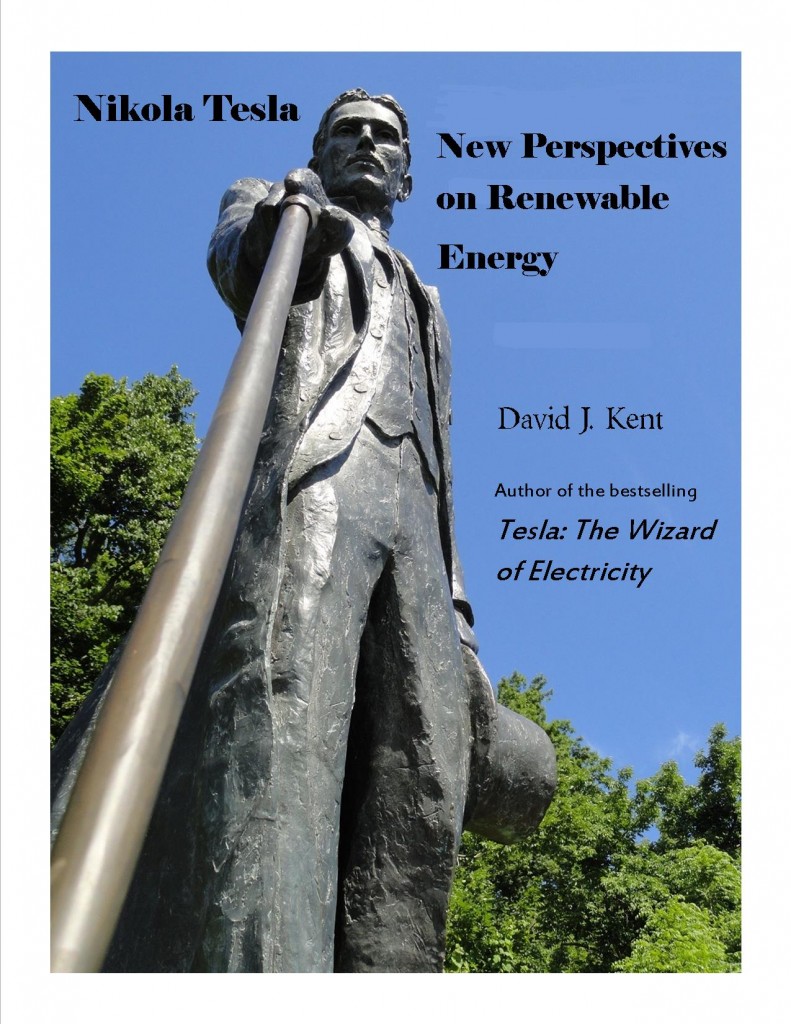
David J. Kent is the author of Tesla: The Wizard of Electricity (2013) and Edison: The Inventor of the Modern World (2016) (both Fall River Press). He has also written two e-books: Nikola Tesla: Renewable Energy Ahead of Its Time and Abraham Lincoln and Nikola Tesla: Connected by Fate. His next book, Lincoln: The Man Who Saved America, is scheduled for release in summer 2017.
Follow me by subscribing by email on the home page. And feel free to “Like” my Facebook author’s page and connect on LinkedIn. Share with your friends using the buttons below.
 Founded in 1935, the Lincoln Group of the District of Columbia (LGDC) has been instrumental in celebrating the life and times of our 16th President – Abraham Lincoln. And now LGDC is going digital. Yes, Abraham Lincoln has a
 It’s been a busy weekend/week/month/year. On this site I write about Nikola Tesla, Abraham Lincoln, Travel, and Aquariums, but I also write on other sites and I’ll be adding more sites shortly. At the same time I’ll be consolidating. Make sense? Keep watching this space for more information.
 I have a lot of
  Nikola Tesla would be 158 years old on July 10, 2014 if he were still alive. In a way, Tesla has had a rebirth in recent years: Wardenclyffe is being turned into a museum and science center; Tesla has become a pop culture icon (and a car company); and books about him are selling off the shelves. This birthday has special meaning both for Tesla and for me. With that in mind here is an update of some key events over the next month or so.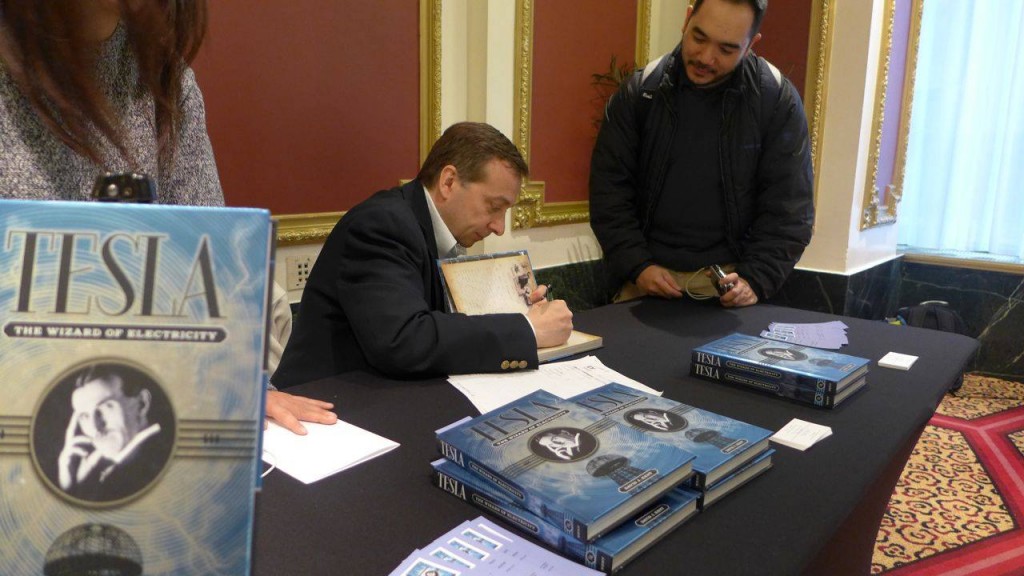
 Two books in one. The first works; the second doesn’t.