 An exceptionally well researched book recreating Abraham Lincoln’s flatboat trips to New Orleans. Campanella is an expert on New Orleans, and has expanded his expertise upstream to develop a detailed account of Lincoln’s two trips down the Mississippi River. No small feat given that the sum total of all the first person reminiscences of the trips by Lincoln and participants wouldn’t fill a page of text. Campanella’s recreation, like many efforts based on such scant direct information, is not however contrived in the least. On the contrary, the effort he has put into collecting and analyzing fragmented – and often contradictory or dubious – accounts is exemplary.
I would suggest the book is for the serious reader rather those with a casual interest in Lincoln, New Orleans, or the Mississippi River. It is extremely fact-dense, and the writing style is scholarly, yet accessible for thoughtful enthusiasts. Those expecting an exhilarating story of adventure won’t find it, though an adventure it does describe. To me that not only doesn’t take away from the book, it helps define it as scholarship to be taken seriously.
After a short introduction there are only five long chapters. The first explores Lincoln’s father Thomas’ own flatboat trip as a youth, along with setting the stage for Lincoln’s desire to hit the muddy waters himself. “The 1828 Experience” is a massive undertaking; more than 100 pages of detailed research into the timing of his first flatboat trip while still living in Indiana, the building of the boat, the obstacles in the rivers and elsewhere, the arrival and lingering in New Orleans at the end, and the trip back home. Campanella teases apart the disparate accounts, provides a detailed analysis of the attack by slaves, and places Lincoln in the context of the technologically changing times.
Another chapter examines Lincoln’s second flatboat experience in 1831, including analysis of the mill dam story, the crew and timing of departures, and much more. While truncated so as not to repeat the riverine details well covered in the previous chapter, it still tallies about 40 pages. This is followed by a chapter speculating about what Lincoln may have seen and done in New Orleans, framed by extensive actual facts about what was going on there at that time. In his Conclusions chapter Campanella assesses what influences these flatboat voyages may have had on Lincoln’s views of slavery, internal improvements, and political philosophy. On top of all of this Campanella adds two appendices providing wonderful background material on commerce on western rivers and on New Orleans itself during the time period in which Lincoln was developing into the President he would become.
This is an extraordinary book of scholarship that deserves more attention that it has apparently received. It’s not for the casual reader, but it should be for everyone seriously interested in this critical period of Abraham Lincoln’s life.
More Abraham Lincoln book reviews can be read here (scroll down for more).
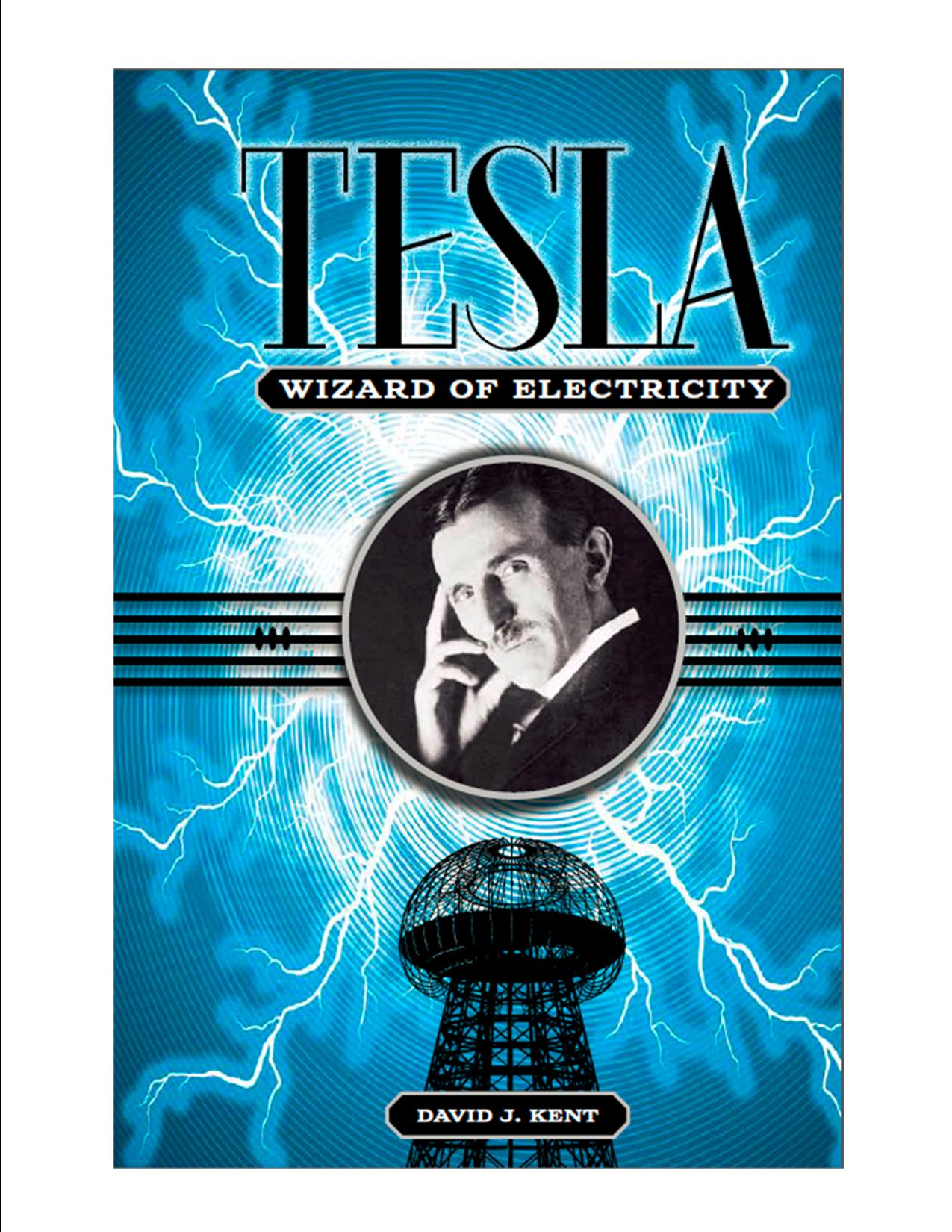
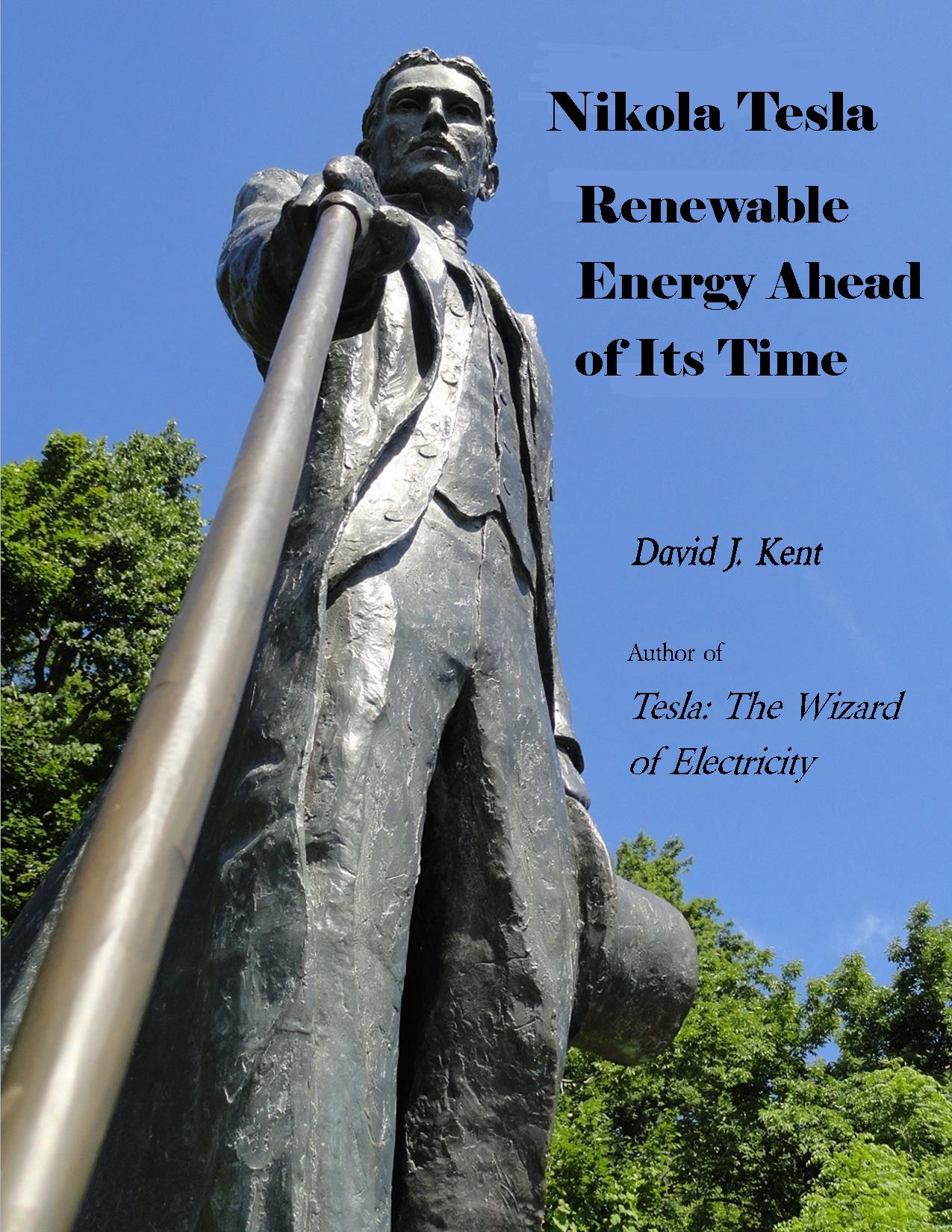
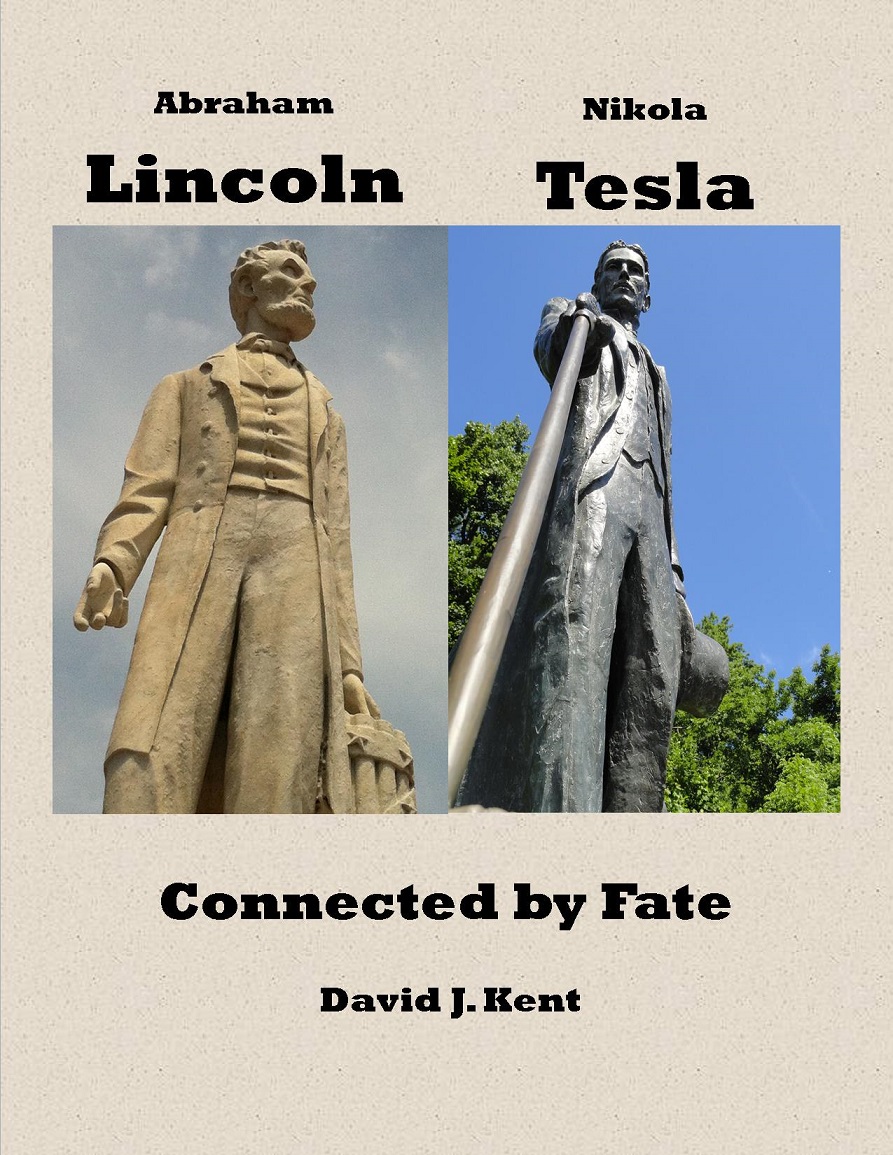
David J. Kent is an avid Lincolnophile and is writing a book on Abraham Lincoln’s interests in technology. He is also the author of Tesla: The Wizard of Electricity, and a signed copy can be ordered directly from me. The second printing will be available in Barnes and Noble bookstores soon, or you can download the ebook at barnesandnoble.com.
Feel free to “Like” my Facebook author’s page and connect on LinkedIn. Share with your friends using the buttons below.
 The American Civil War was a crossroads between the old style of warfare and modern warfare. This modern warfare (if one can call the wholesale taking of lives “modern”) is explored in an exhibit in the Ford’s Theatre Center for Education and Leadership called “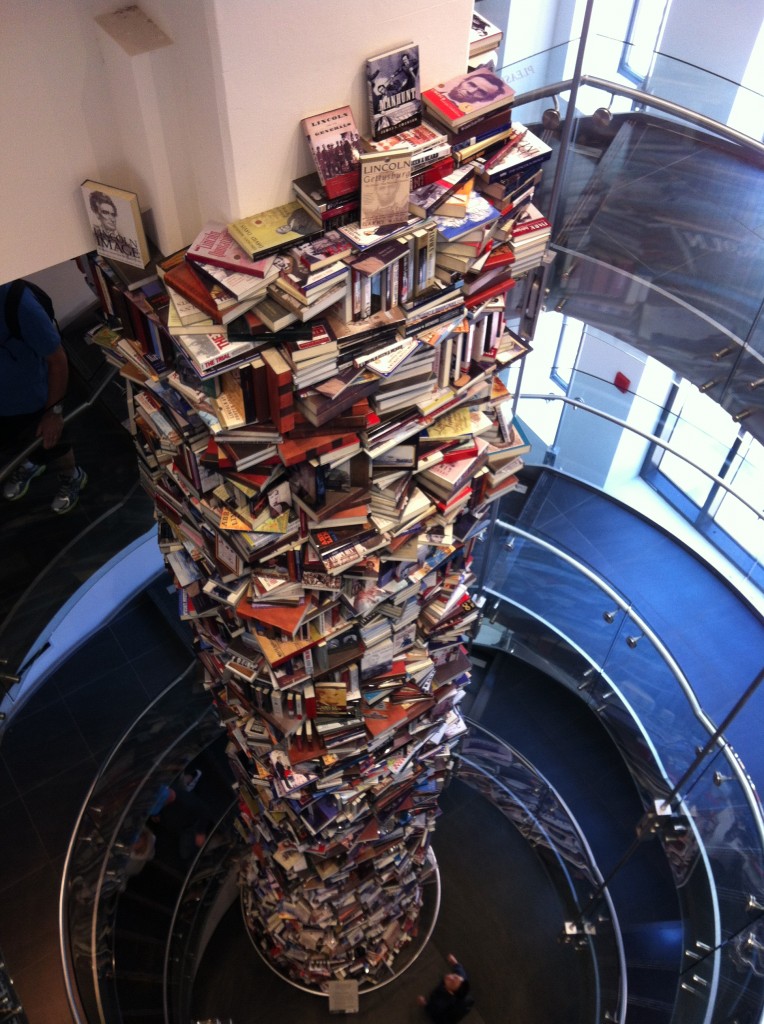
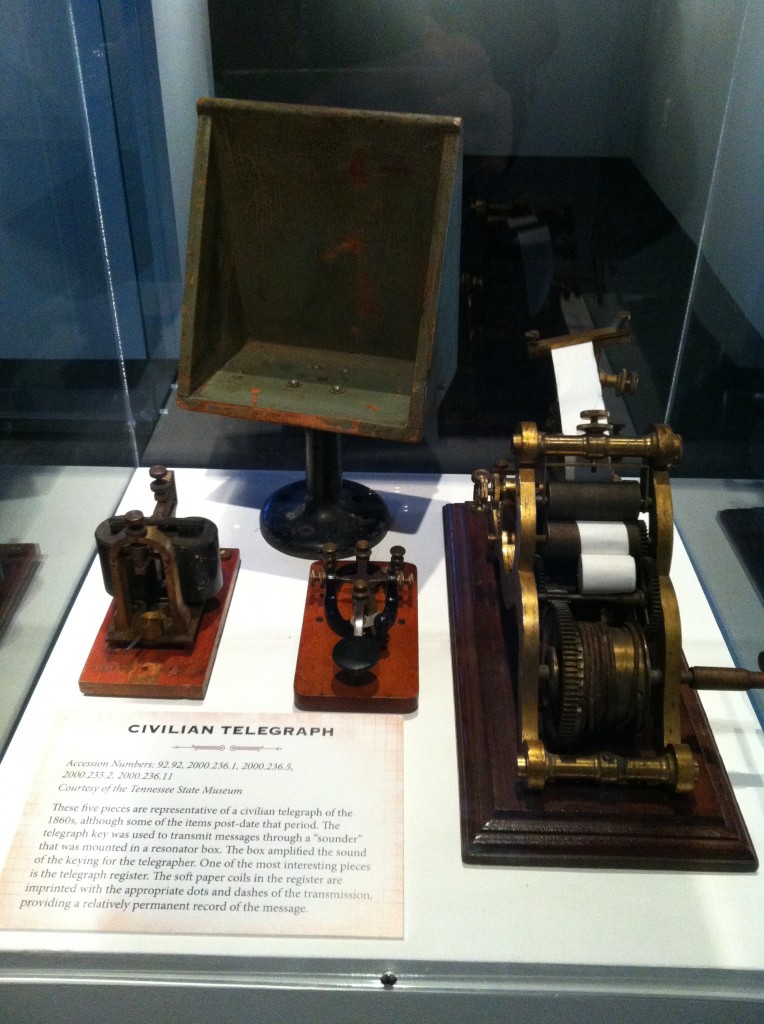
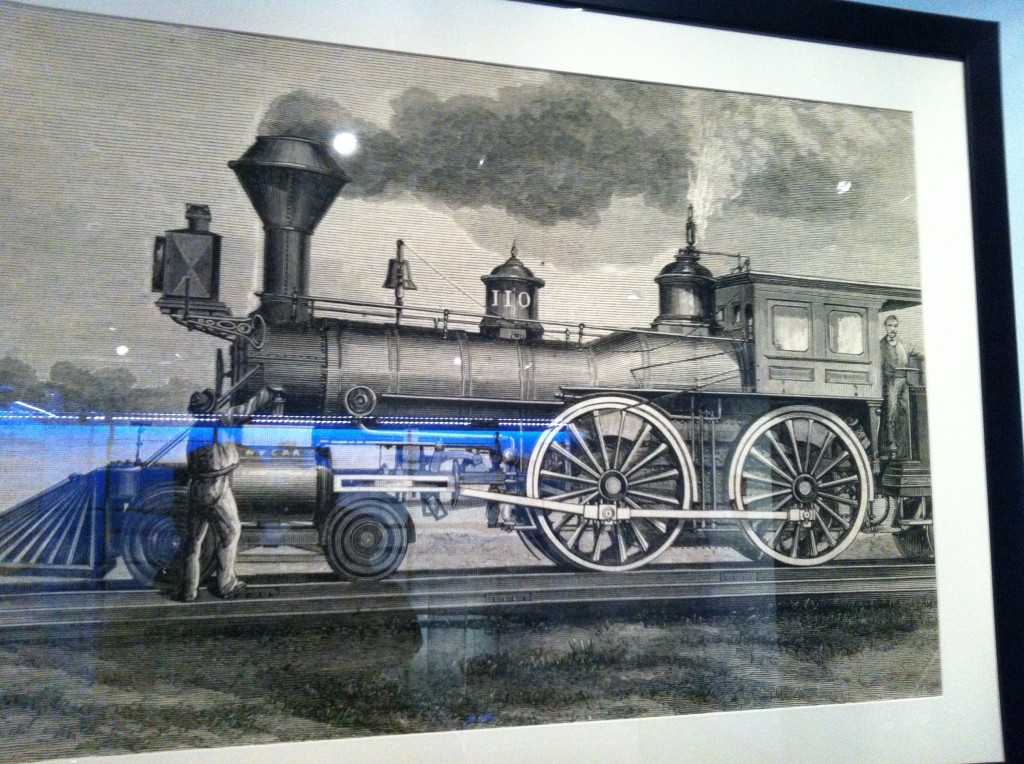 The advancements in railroads, manned balloons, and cannons moved warfare into the modern age. The evolution of basic weaponry – away from single-shot muskets and toward repeating rifles and pistols – increased both the distance and lethality of offense.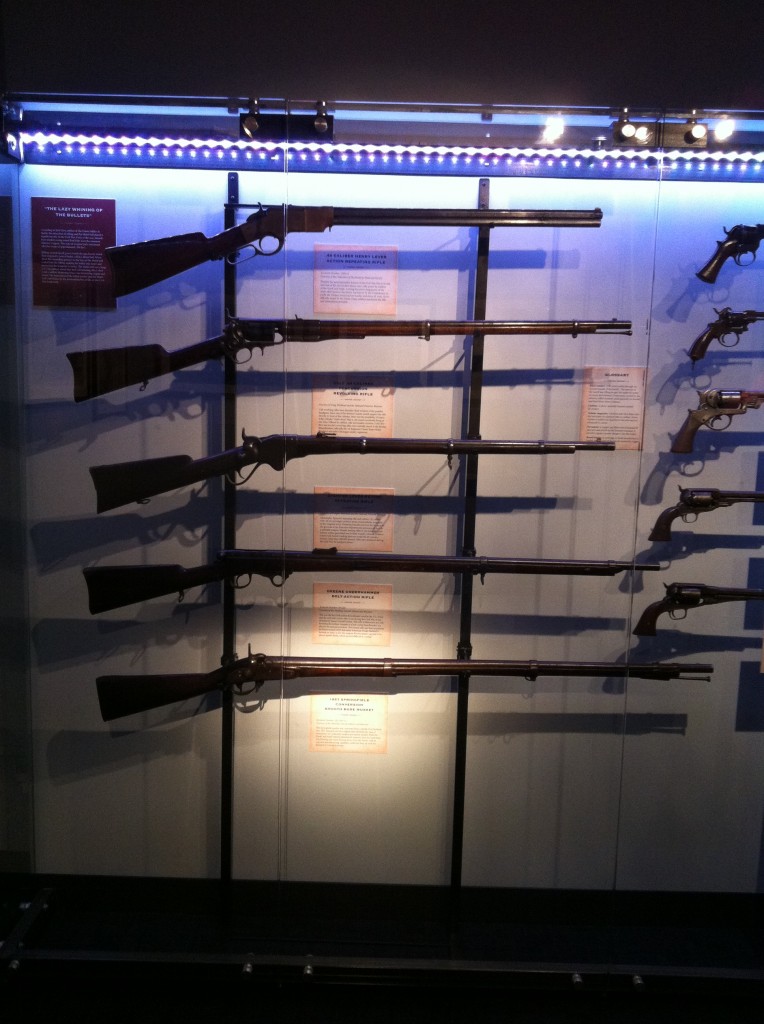
 The Oatmeal has done it again! The popular online comic series, created by Matthew Inman, is helping to finish the job of building Nikola Tesla’s Wardenclyffe into a world class museum and science center. His audacity managed to raise over $1.3 million in 2012 for the Tesla Science Center at Wardenclyffe to buy the property. And now in an even more audacious move he has asked Tesla Motors CEO Elon Musk to pony up the $8 million still needed to turn convert the property into a usable venue.
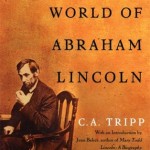 The premise of the book is that Abraham Lincoln was a homosexual, or at least a bisexual. The problem with this premise is that it is purely conjecture and the author does not support it at all. Basically, he just made it up.
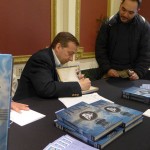 Tesla is popping up all over. And that’s a good thing. Nikola Tesla was one of the most important inventors to the modern world, and yet also one of the least known. That’s been changing over the last few years, which has been reflected in the wonderful reception of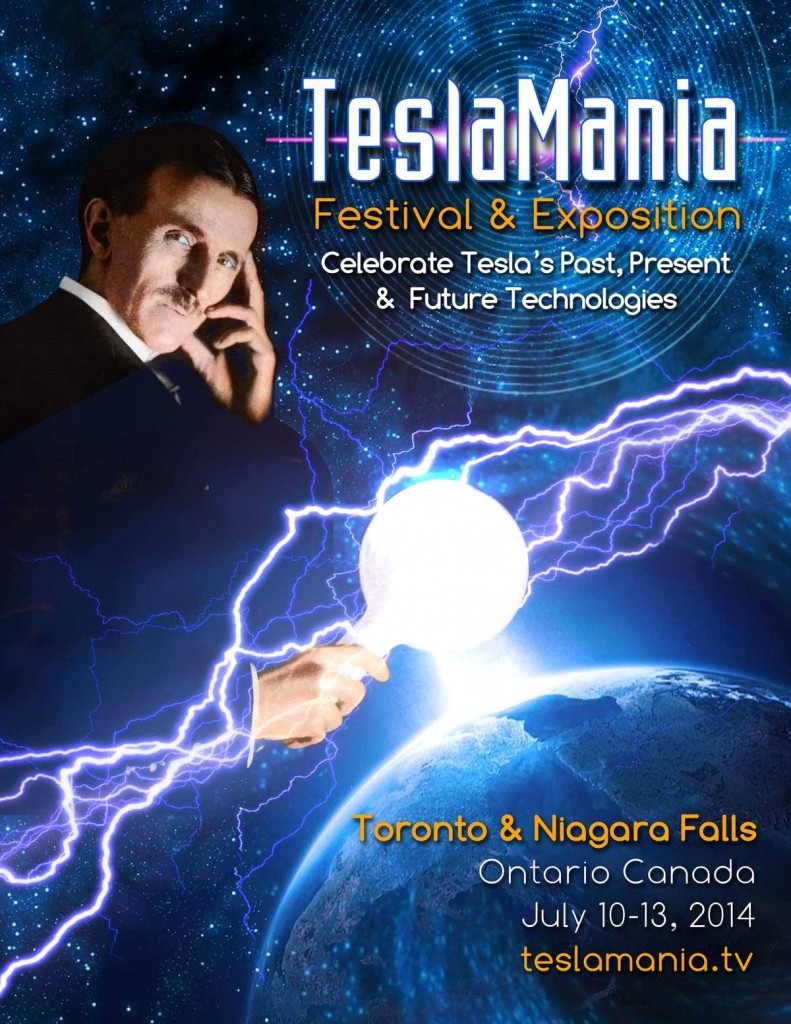

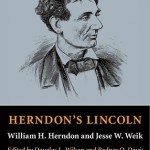 This is an extraordinary book, for several reasons. First, William H. Herndon was Abraham Lincoln’s law partner for sixteen years prior to Lincoln becoming President. Second, because Herndon spent several years after Lincoln’s assassination writing to and interviewing scores of people who knew Lincoln during his life and career up to the presidency. Third, because editors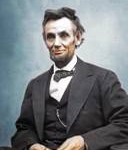
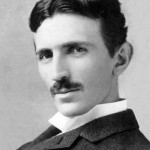 Tesla world has been equally busy. I continue to work on the Tesla and Renewable Energy ebook I expect to release in June. The ebook format will keep the cost low and allow reaching out to the large number of people who haven’t yet discovered the great inventor. Meanwhile, the second printing of my
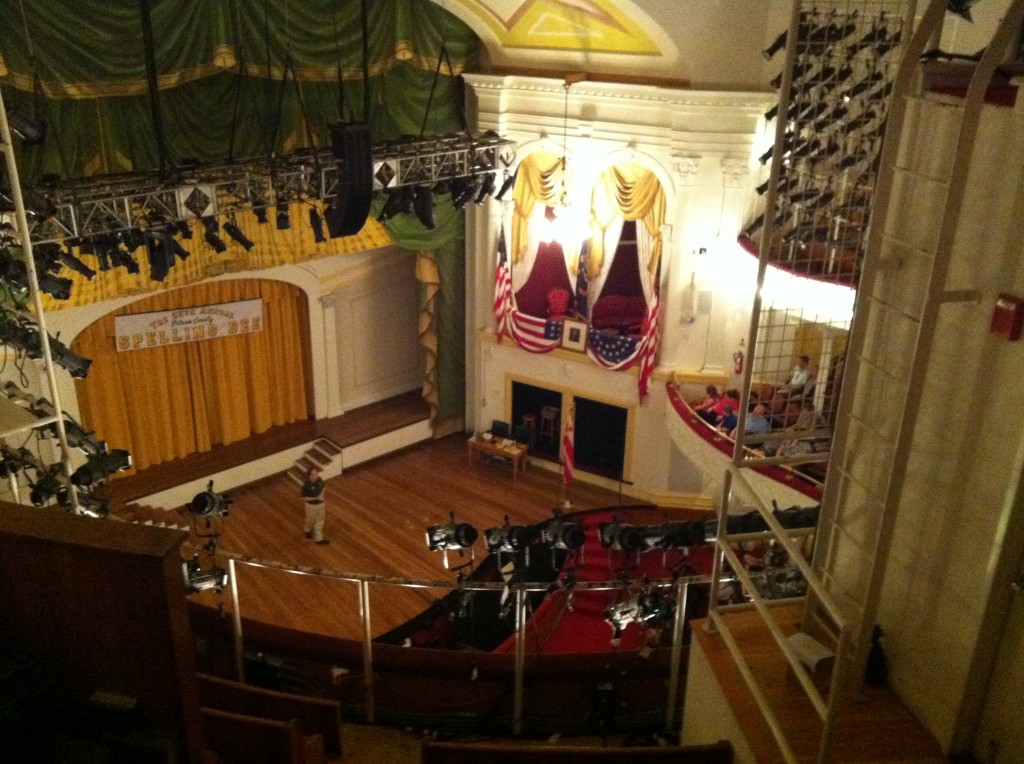
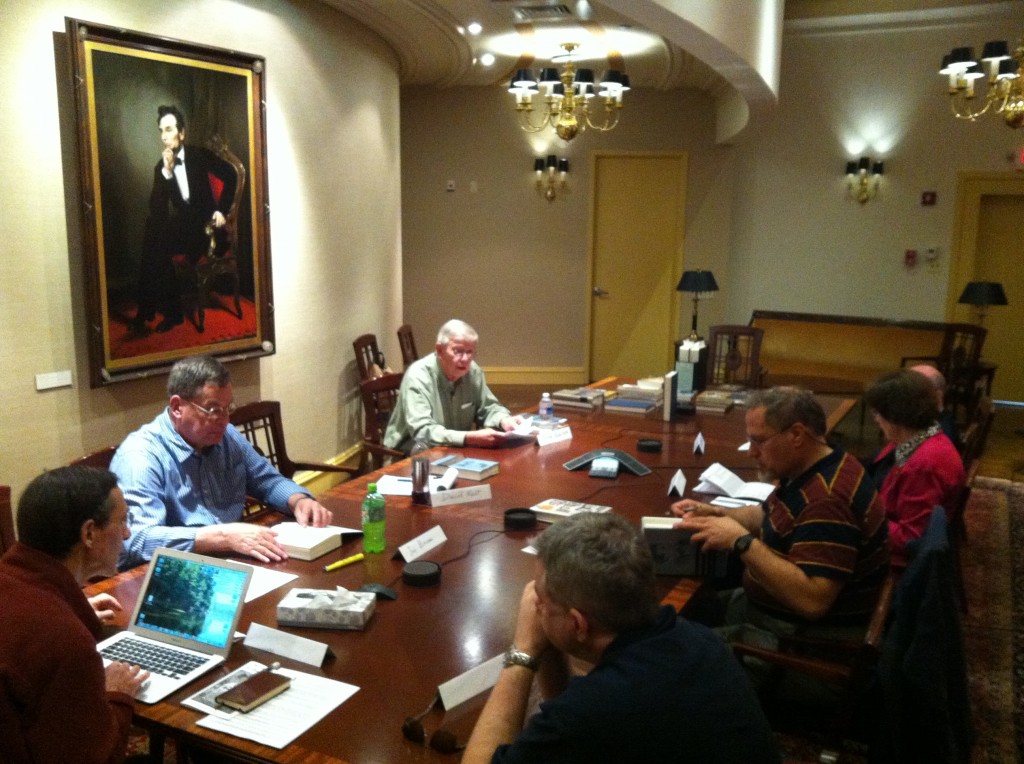
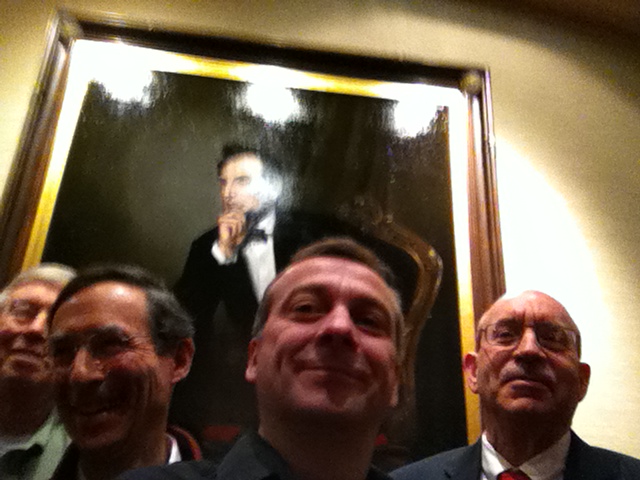
 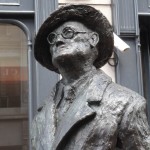 I’ve been documenting on these pages some of the highlights of my February 2014 trip to