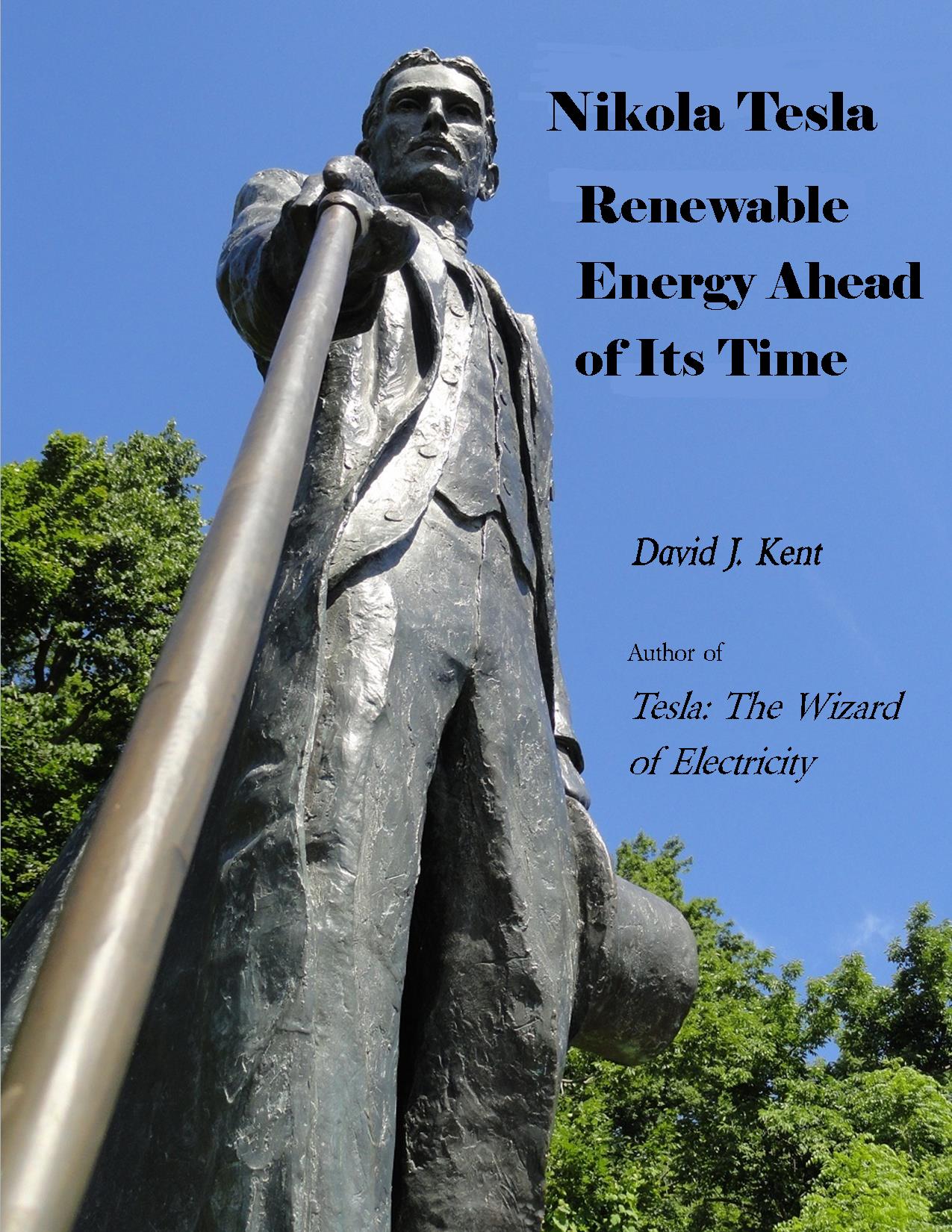
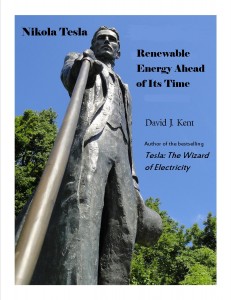
 As promised, my new e-book, Nikola Tesla: Renewable Energy Ahead of Its Time, is now here. And for a limited time only, you can download yours at Amazon.com.
To thank all of those people who have supported my first Tesla book, supporters who view this web page or “Like” my Facebook Author’s Page will find a link to download the book from Amazon.com at the price of only $0.99. Feel free to share this link with Tesla fans everywhere.
I do ask one favor in return for the download – Please leave me an honest review on Amazon.com and on Goodreads.com. Doing so helps spread the word about Tesla to as many people as possible.
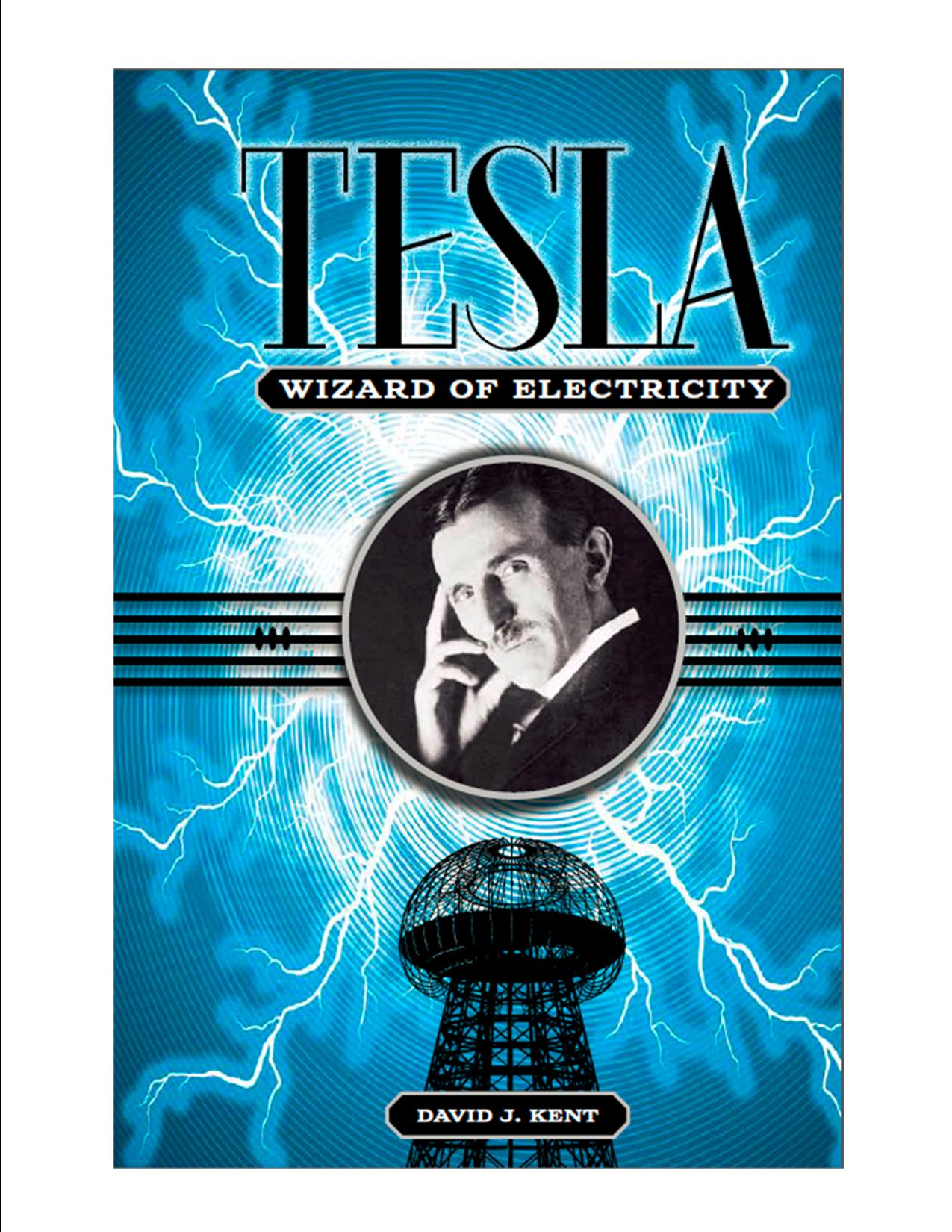
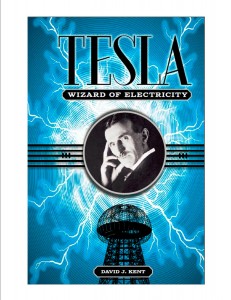
 And that is just the beginning. My first book, Tesla: The Wizard of Electricity is back in Barnes and Noble stores this summer, just in time for Back to School purchase. Order online at BN.com, stop by your local BN bookstore, or order a signed copy directly from me. Many Tesla fans are buying extra copies to donate to their local public and school libraries. Like last time, the books are flying off the shelves so get them while they are available.
Want more? You got it. A fellow Tesla fan is offering a chance to win one of three free, signed, copies of Tesla: The Wizard of Electricity. Check out his Facebook page.
This is an exciting time for Nikola Tesla. After being ignored for many decades, his contributions to the modern world are once again being recognized. With the phenomenal help of Matthew Inman (The Oatmeal) and the tireless work of Nikola Lonchar (Tesla Science Foundation) and Jane Alcorn (Tesla Science Center at Wardenclyffe), Tesla’s last laboratory at Wardenclyffe is now in the process of becoming a world-class science museum. [BTW, Tesla Motors’ Elon Musk had committed $1 million towards the restoration. Have you bought your brick for Nik yet?]
And there is more to come.
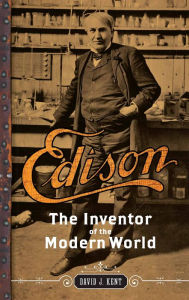
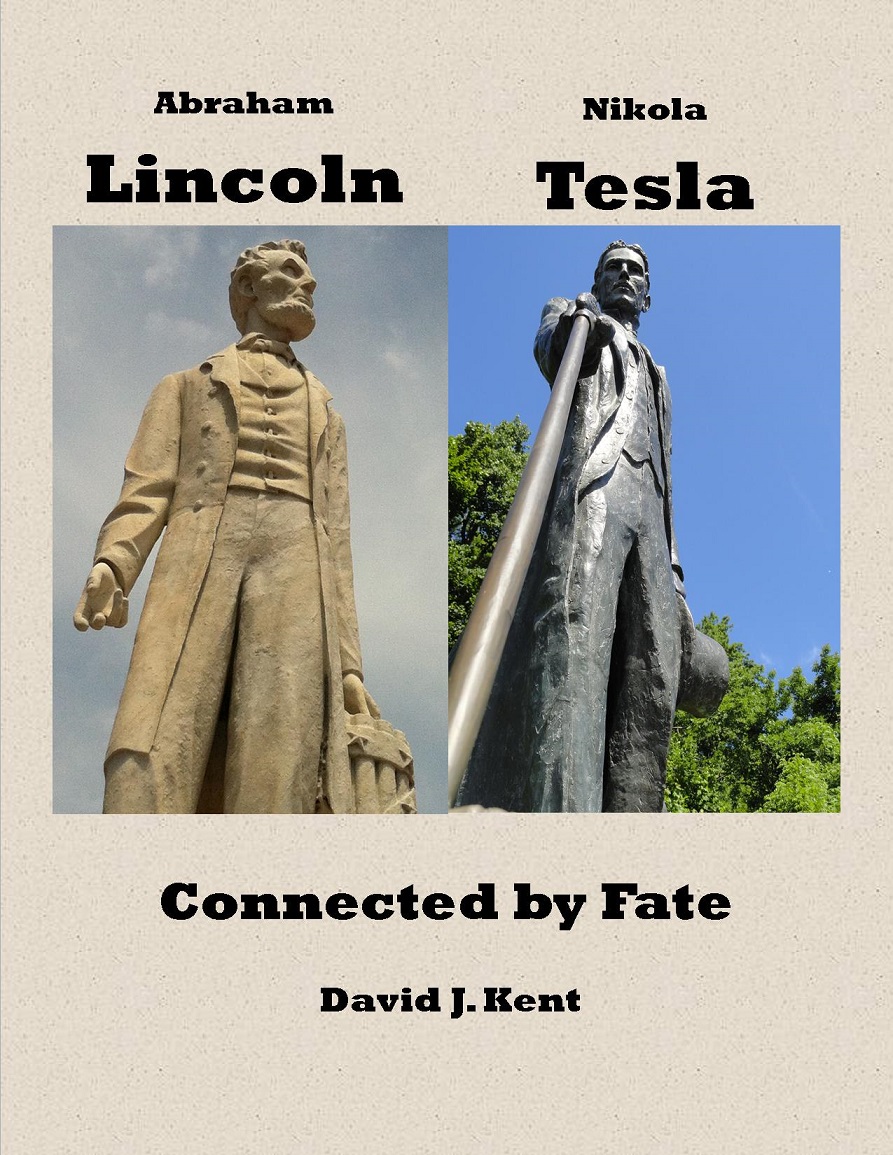
David J. Kent is the author of Tesla: The Wizard of Electricity and Edison: The Inventor of the Modern World (both Fall River Press). He has also written two e-books: Nikola Tesla: Renewable Energy Ahead of Its Time and Abraham Lincoln and Nikola Tesla: Connected by Fate. His next book, Lincoln: The Man Who Saved America, is scheduled for release in summer 2017.
Follow me by subscribing by email on the home page. And feel free to “Like” my Facebook author’s page and connect on LinkedIn. Share with your friends using the buttons below.
 Abraham Lincoln and Charles Darwin were born on the same day, February 12, 1809. Both became icons of change and are will be remembered throughout history for their contributions. The book is subtitled: Shared Visions of Race, Science and Religion. While their views were not so much shared as contrasted, author James Lander deftly flips back and forth between Darwin’s and Lincoln’s lives as they experience their separate travels, coming of age, development of ideas, and eventual breakthroughs into the public eye as they dramatically change history.
 Everyone knows Abraham Lincoln, in part because of the diligent work done by his two secretaries – John G. Nicolay and John Hay. But little has been done to illuminate the two men themselves. Zeitz has done us all a favor by accomplishing just that.
 Coming out soon is my new e-book,
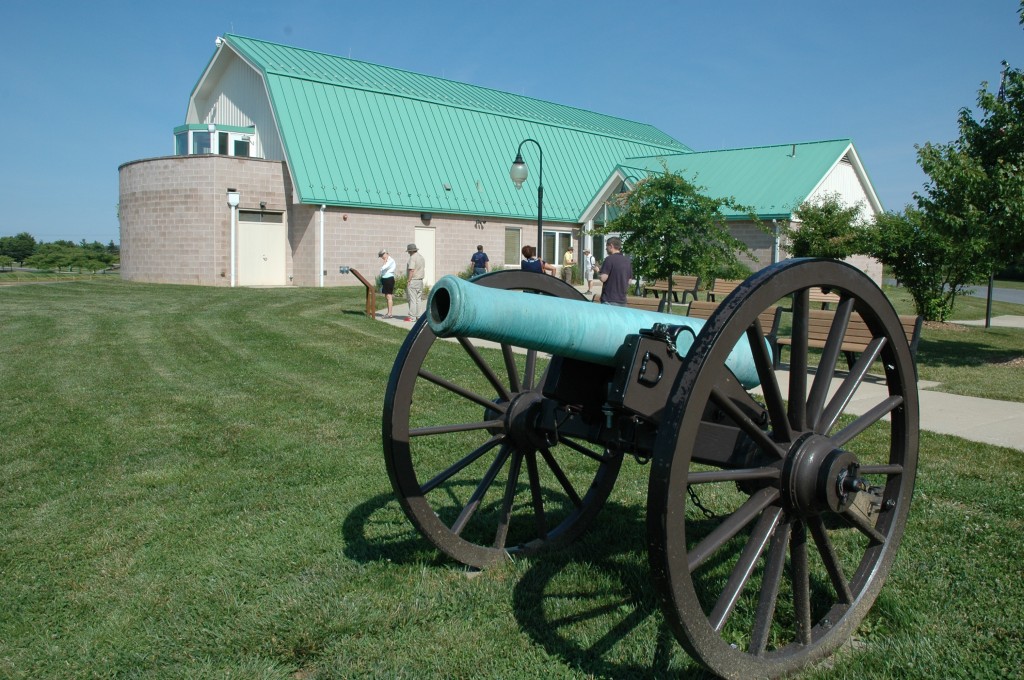
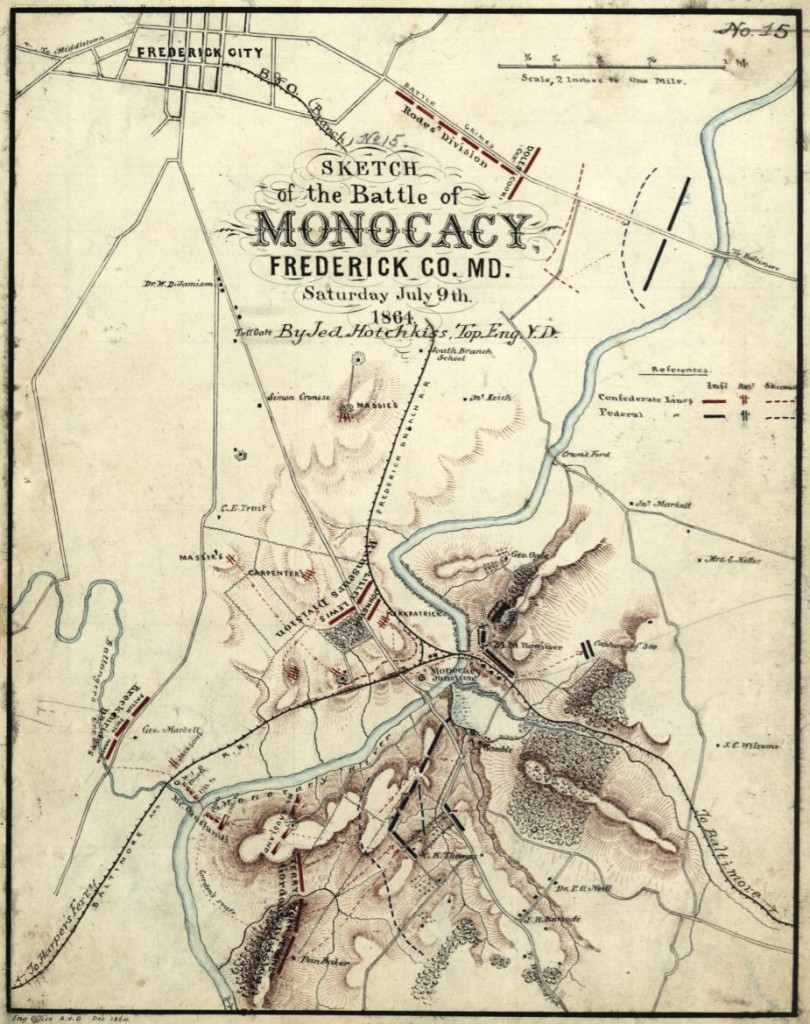

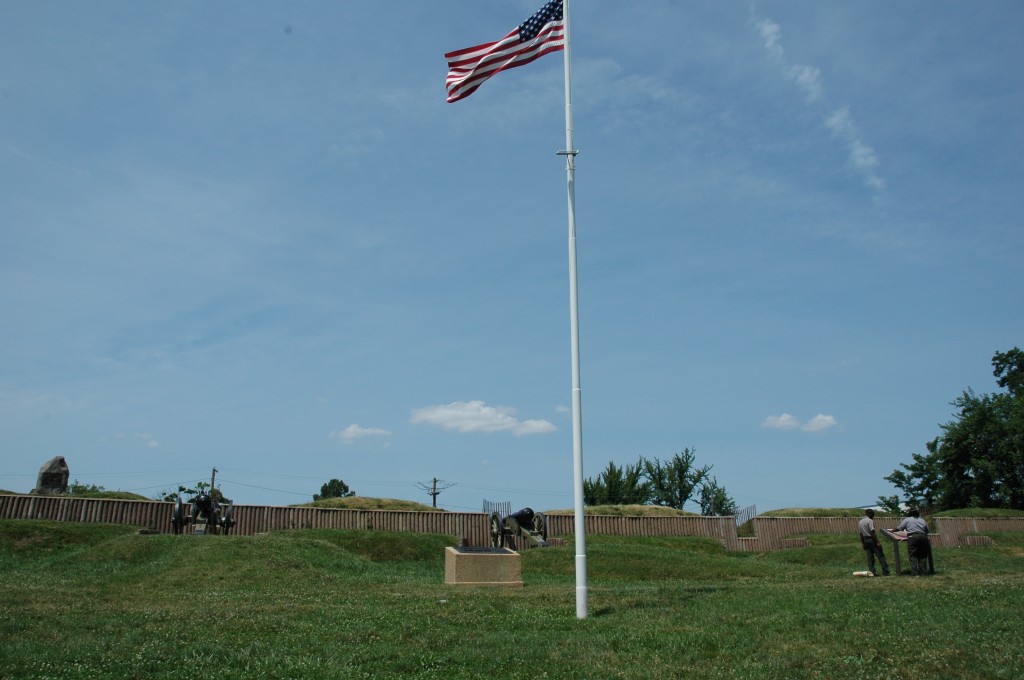 After a delightful open-air lunch at the Urbana Park, we were on to Fort Stevens. Located inside the District line from Silver Spring, Maryland (and not far from the modern day horror of the “DC sniper”), Fort Stevens is a series of low dirt mounds lined with Union cannon. Here was not only the repelling of Early’s forces but the site of one of Abraham Lincoln’s most famous incidents.
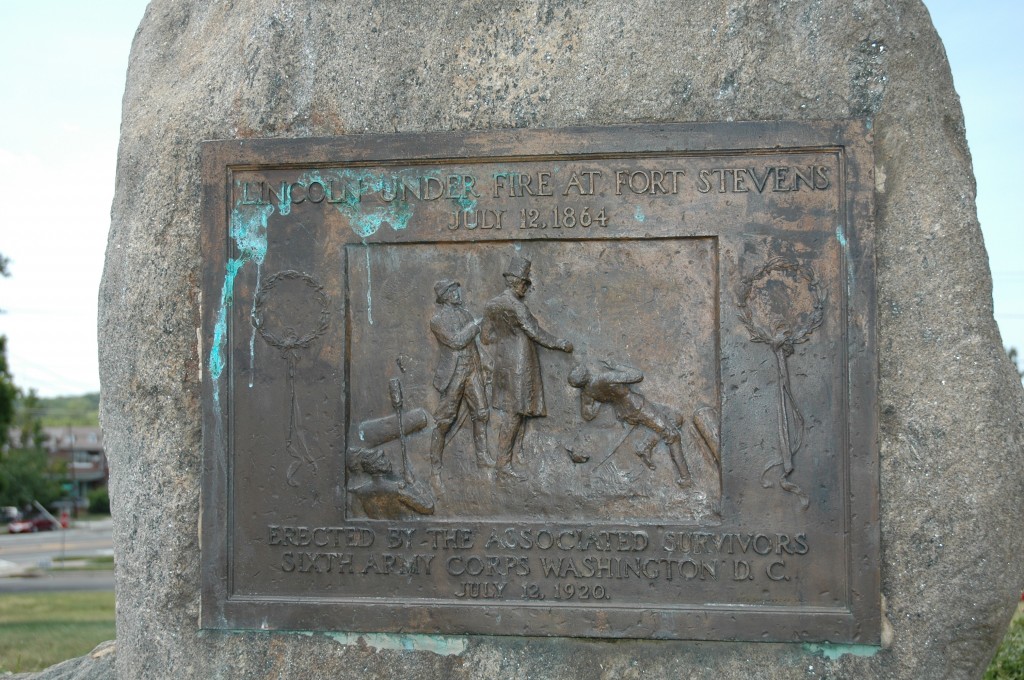 Living not far away at the Soldier’s Home, Lincoln had decided to see the action first hand. Ignoring the risk, Lincoln stood his 6-foot, 4-inch frame (plus tall top hat) on top of the mound to get a view. A medical officer standing beside him was hit with a bullet, after which the infamous (and possibly apocryphal) line was blurted out: “Get down you fool.” Whether it was this or a more respectful imploring for the President to get out of the line of fire we will likely never know, but thankfully he did get down and was unharmed.
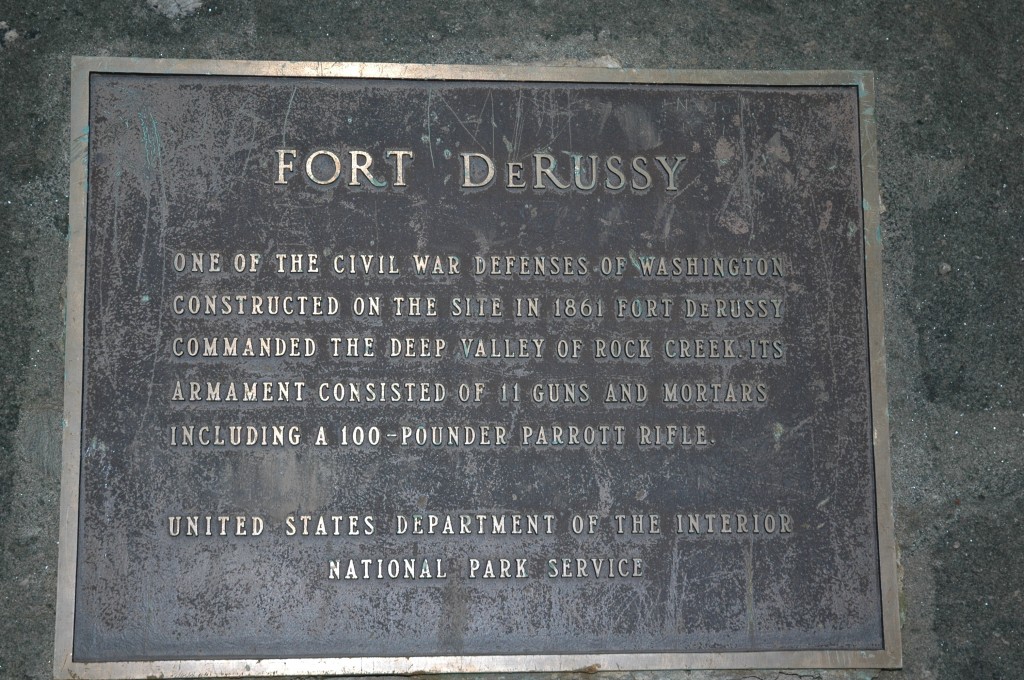 Our last stop was at Fort DeRussy, another of the small forts that served as a perimeter around Washington DC during the war. Earthenwork like Fort Stevens, DeRussy also boasted a “100-pounder,” a rifled Parrott cannon that could fire accurately for up to 4 miles.Many thanks to Craig Howell for being such a fantastic and knowledgeable tour guide, to Beltway Transportation for the comfortable bus and daring driver, and to Karen Needles, Susan Dennis, and everyone else in the Lincoln Group who arranged the tour. As the saying goes, a great time was had by all.
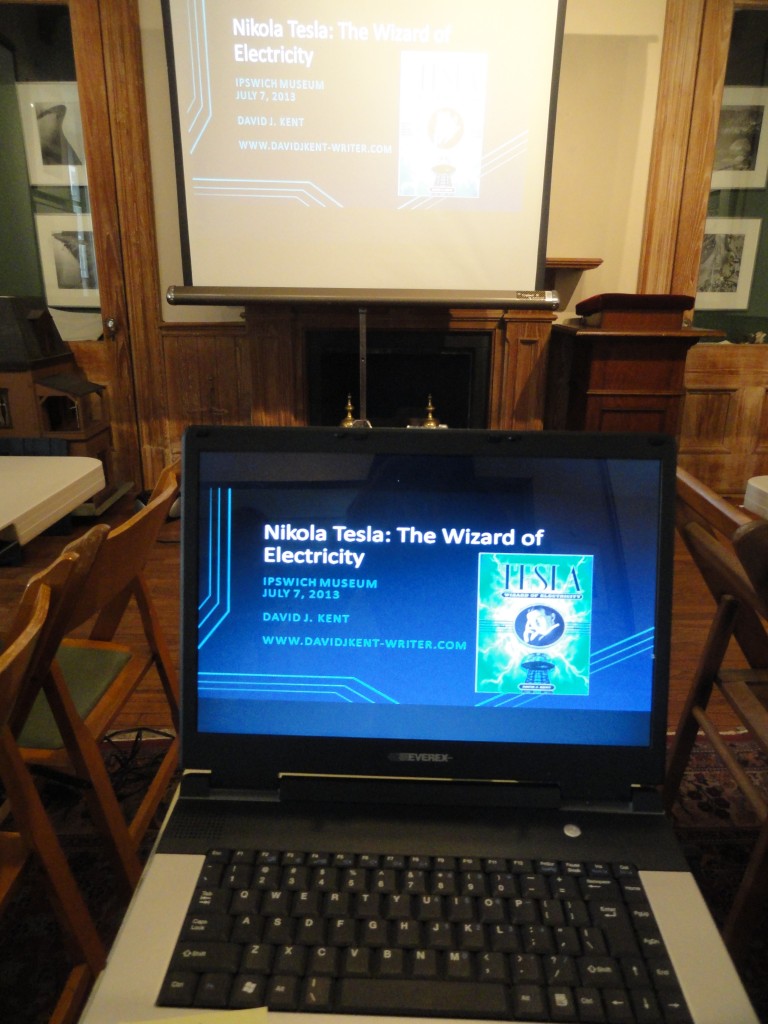
 Nikola Tesla is on his way to Ipswich. It’s appropriate that Tesla makes a stop in northeastern Massachusetts as he once was a business colleague of John Hays Hammond, Jr., owner and builder of the famous