These are great days for Nikola Tesla. Tens of thousands of people have become newly aware of Tesla because of the efforts of people like Nikola Lonchar (Tesla Science Foundation), Jane Alcorn (Tesla Science Center at Wardenclyffe), Matthew Inman (The Oatmeal), Joseph Sikorski (Tower to the People), Nenad Stankovic (Tesla Magazine), and many, many more.
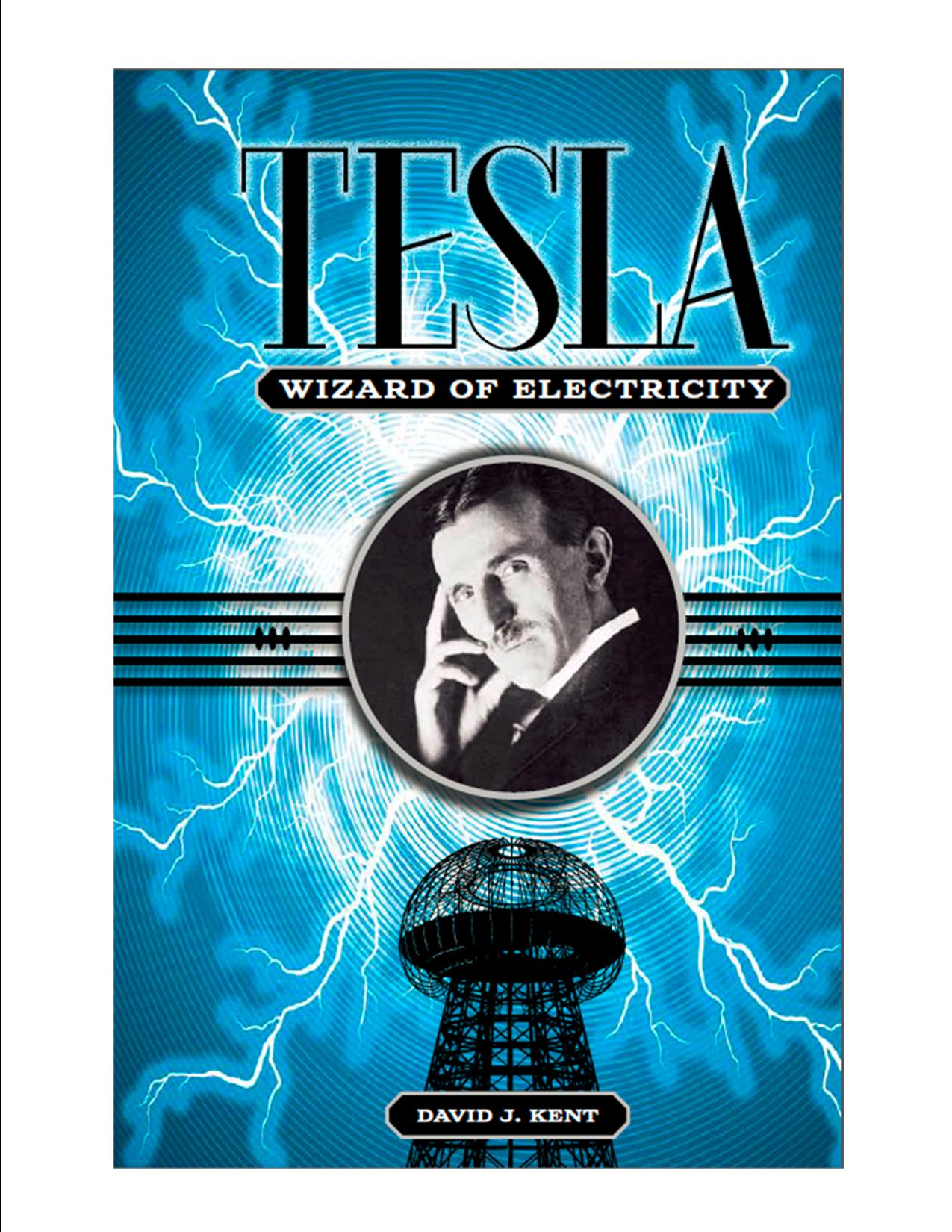
I’m happy to have been a part of this…and even happier to announce that Tesla: The Wizard of Electricity is selling so fast in Barnes and Noble stores right now that the publisher has already ordered a 3rd printing to be released in February 2015. This will bring the total print run to over 50,000 books!
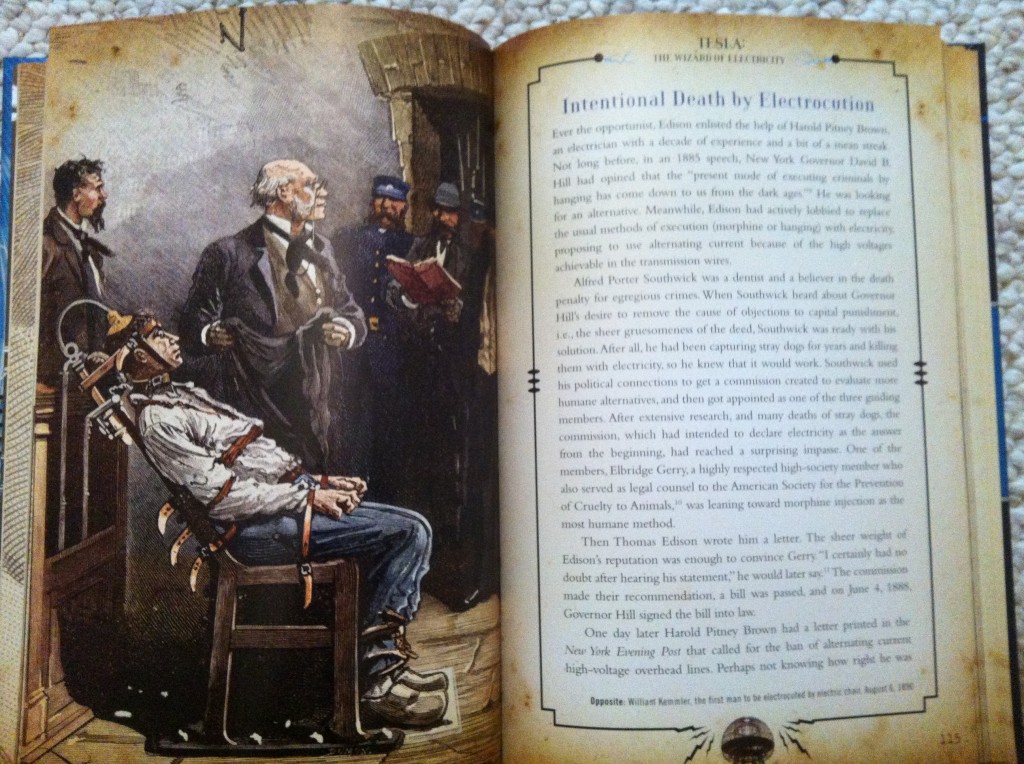
As anyone who has read the book knows, it consists of very readable text and is chock full of illustrations, photographs, and vintage comic strips printed on intricately designed high quality pages. And yet the book is being made available at an affordable price in an effort to reach out to as many people as possible. That strategy means that about 25,000 books have already been put in the hands of people who may not have known about Tesla before. After 2 months on the shelves, the books are still selling at more than 1000 copies a week! And with another printing on the way, many more tens of thousands of people will enter the world of Nikola Tesla.
What can you do to help spread the word?
Develop a curriculum: Currently there is an effort to build a Tesla curriculum for schools. This is being spearheaded by Nikola Lonchar and the crew at Tesla Science Foundation and Ashley Redfearn Neswick at the Tacony School. If you have ideas then please plan to attend the 3rd Annual Tesla Memorial Conference on January 10, 2015 at the New Yorker Hotel. Check out the Tesla Science Foundation Facebook page for more information.
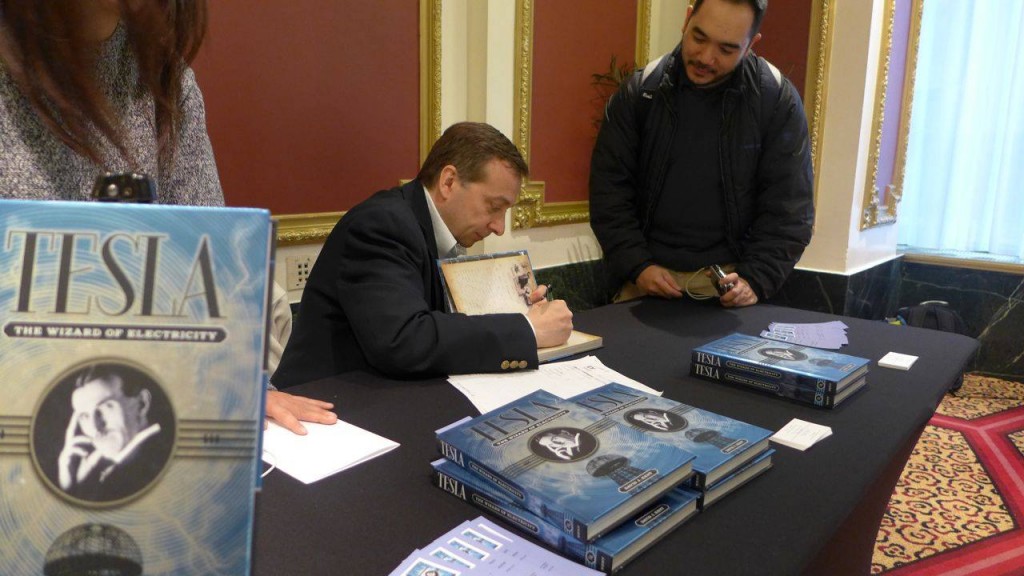
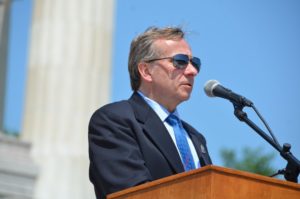
Signing books at the Tesla Memorial Conference
Donate to local libraries and schools: One of the most gratifying responses to Tesla: The Wizard of Electricity has been the number of people who say they believe the book would be a wonderful addition to the curricula of schools ranging from middle school, high school, and even undergraduate college. Many people have told me that they are buying an extra copy of the book specifically to donate it to their local school or public library.
The need for such a book has been obvious. Traditionally the Tesla book market has been split between three categories – highly technical reprints of Tesla’s papers and patents, long scholarly studies of Tesla’s life, and books aimed at children or very young teenagers. Tesla: The Wizard of Electricity is an entertaining and affordable book to stimulate interest in Tesla across the range of readership – and that means more people will want to learn about this fascinating man and his contributions.
Review the book: Share Tesla with the world. More ratings and reviews on Goodreads, Amazon, and BN.com means more people will hear about Tesla. So go ahead and give ratings to my book and all the other books you’ve read on Tesla. Then share them on Facebook, Twitter, Pinterest, and whatever other social networking sites you use. Let’s get the word out!
Here are more ways you can spread the Tesla word to others.
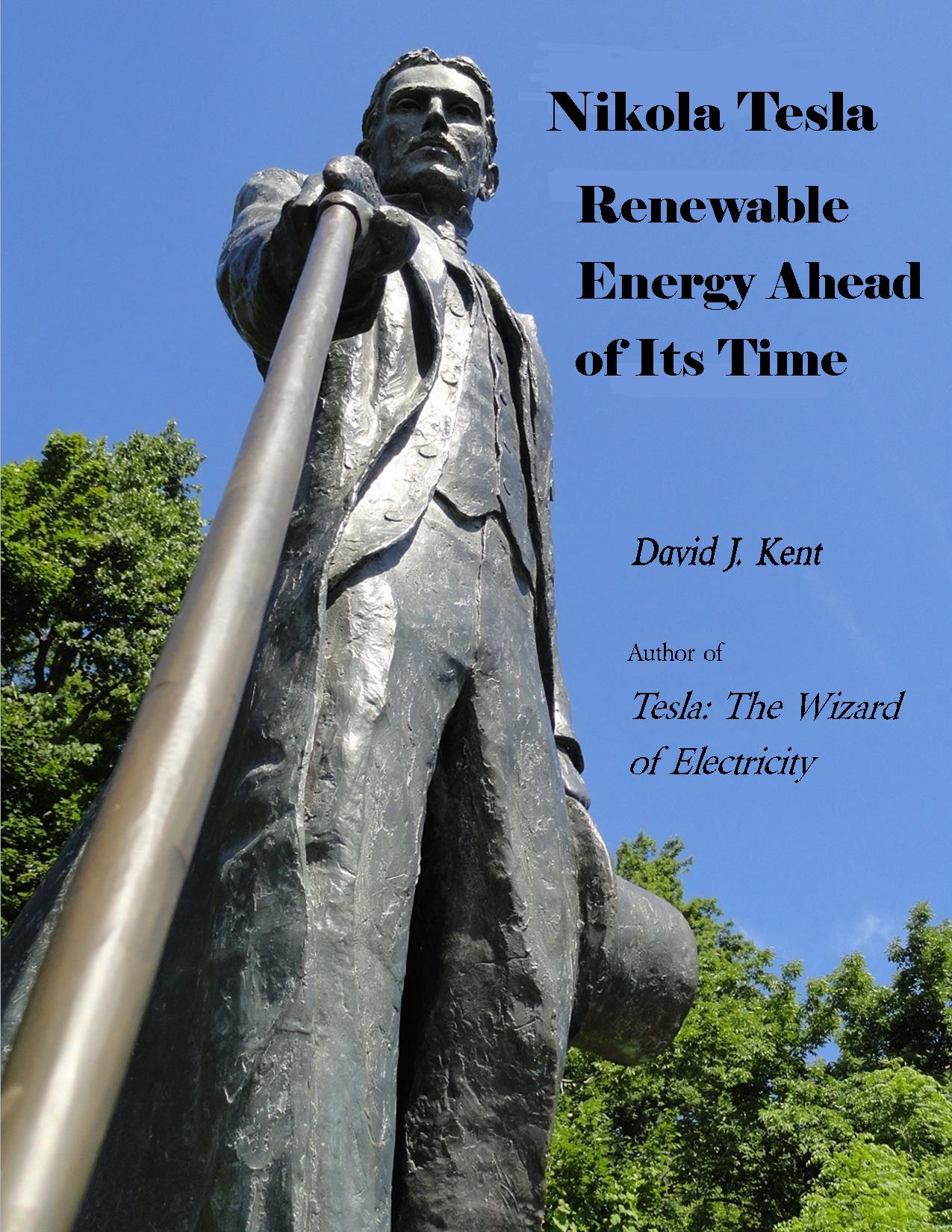
If you haven’t already, check out my e-book, Nikola Tesla: Renewable Energy Ahead of Its Time.
David J. Kent is the author of Tesla: The Wizard of Electricity and the ebook Nikola Tesla: Renewable Energy Ahead of Its Time.
Follow me by subscribing by email on the home page. And feel free to “Like” my Facebook author’s page and connect on LinkedIn. Share with your friends using the buttons below.
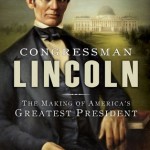 Author Chris DeRose takes a more detailed look at a period in Abraham Lincoln’s life that is normally glossed over in other biographies – his single term as a U.S. Congressman. The first few chapters highlight the political status of the time, as well as the political wrangling between different factions both within and external to the Whig party. The book goes into various aspects of the key question of the day, slavery. Doing so makes it clear that the post-Civil War reinvention of history to suggest the South wasn’t fighting to maintain and expand slavery is hogwash.
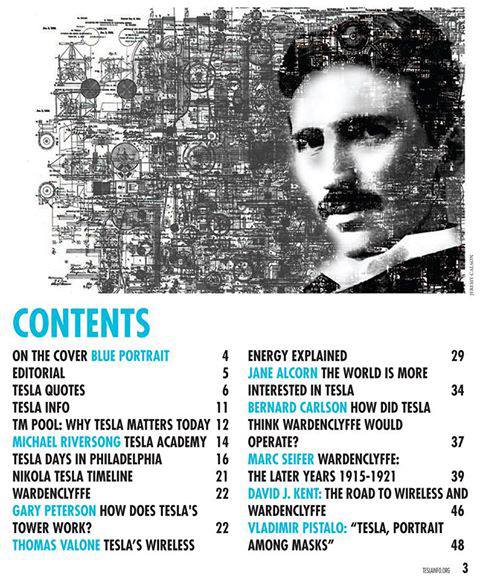
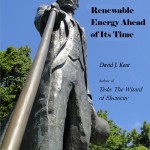 Solar and wind energy, along with hydroelectric power, may seem like recent ideas, but Nikola Tesla had them in his sights a long, long time ago. As this post goes up on Science Traveler, the new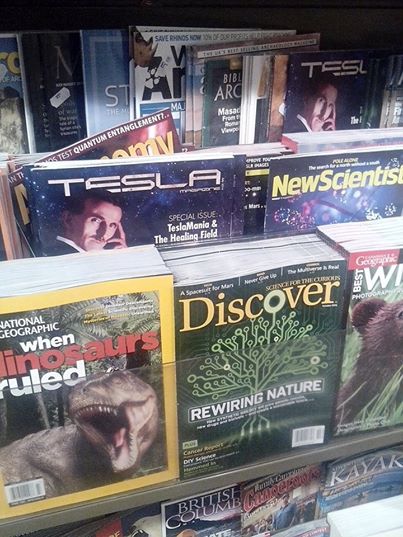
 The title comes from the controversy (assuming you knew there was a controversy) over whether Edwin Stanton, upon Lincoln taking his last breath, said “Now he belongs to the ages” or “Now he belongs to the angels.” With this contrivance as a starting point Gopnik presents what amounts to six essays.
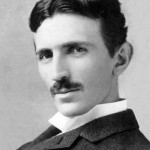 Nikola Tesla believed that the thermo-dynamic process, i.e., the burning of fossil fuels, was “wasteful and barbarous.” He foresaw the limitations on supply and the inherent dangers to man and the environment (though even Tesla couldn’t anticipate the impacts of fossil fuels on climate change). “Whatever our resources of primary energy may be in the future,” Tesla argued, “we must, to be rational, obtain it without consumption of any material.” He believed that natural, renewable, sources of energy could “eliminate the need of coal, oil, gas or any other of the common fuels.” Two of the renewable energy sources that he investigated were hydrothermal and geothermal energy.
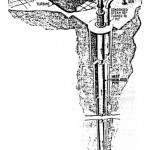 There are temperature differentials in the earth as well. In 1900 Tesla was already contemplating what today we call geothermal energy. In a somewhat long-winded and metaphysical treatise called “The Problem of Increasing Human Energy,” Tesla wrote that “it is a well-known fact that the interior portions of the globe are very hot, the temperature rising, as observations show, with the approach to the center at the rate of approximately 1 degree C. for every hundred feet of depth.”
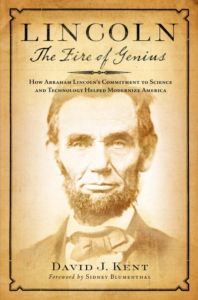
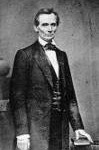 Abraham Lincoln is the only president to ever get a patent, an ingenious, though impractical, method for lifting boats over shoals. This interest in technology served him well during the Civil War as battles increasingly relied on mechanization for transportation, communication, and weaponry.
 Abraham Lincoln’s Air Force – Balloons in the Civil War
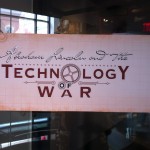 Abraham Lincoln and the Technology of War
 One year ago today I left behind the first half of my life. After more than 30 years as a working scientist I had decided to give up a comfortable salary for a life of (essentially) no income. I would become a poor starving writer.
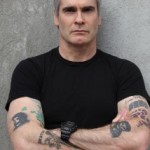 Way back in May I was contacted by a producer for a TV series for the History Channel called “10 Things You Don’t Know About,” hosted by Henry Rollins. They were interested in doing a program on the rivalry between Thomas Edison and Nikola Tesla. I spoke with the producer and provided my thoughts on what interesting facts they could include, and although I didn’t make it into the final program, it aired on September 7, 2014.