Christmas is coming, which of course means the Everglades. Yes, Everglades. Final planning is underway for a trip to Florida soon after the holidays. Stops will include Miami’s South Beach, some gator watching in the Everglades, communing with the spirit of Ernest Hemingway on Key West, and a visit with the ghosts of Abraham Lincoln assassination conspirators in the Dry Tortugas. More details to follow shortly.
 Meanwhile, the writing biz continues to be busy. Two posts here on Science Traveler looked at Abraham Lincoln’s educational pursuits and how his knowledge of science to win an important murder case.
 A daily writing prompt inspired a slightly off-the-path look a twinkling light. Can you follow the transition (and wordplay) in A Twinkle in the Ice?
The Dake Page took on how (and why) professional climate deniers create deceptive graphics to mislead the public about the science behind man-made climate change.
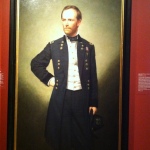 I also had an article published on the Smithsonian Civil War Studies page. A Christmas Gift for Abraham Lincoln takes a look at the second of two gifts given by General William Tecumseh Sherman to our 16th President in 1864. The first, in early September, was the driving force behind Lincoln’s reelection win. The second, received on Christmas day, was the driving force behind the Union’s winning of the Civil War.
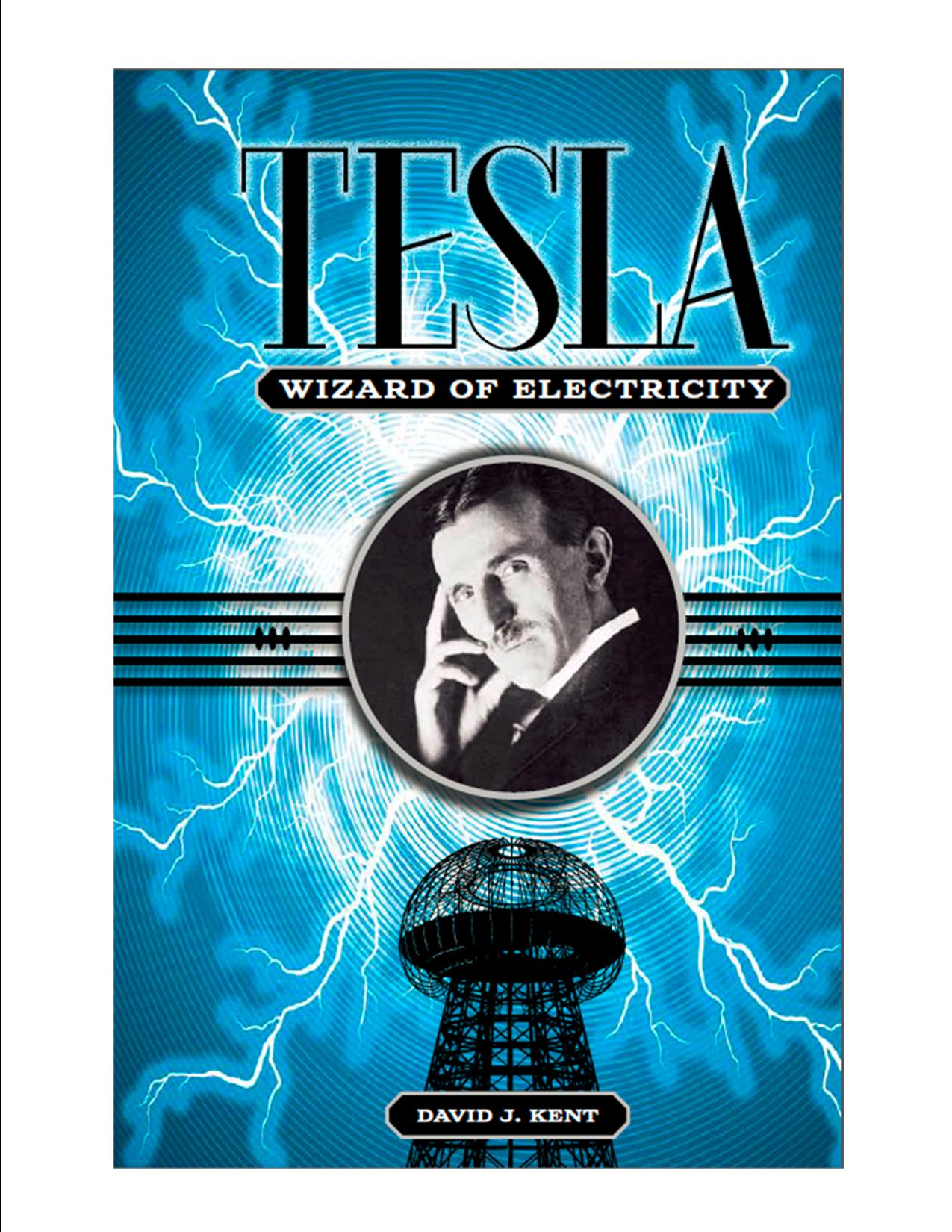
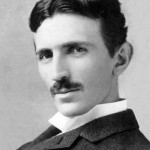 Nikola Tesla has been busy too. In just a few weeks is the 3rd Annual Tesla Memorial Conference and Gala at the New Yorker Hotel in New York City. I attended the first two conferences but unfortunately will miss it this year because of, well, the Everglades. But rumor has it my book, Tesla: The Wizard of Electricity, will be making an appearance in several important ways. Sign up here to attend!
While you’re thinking about Tesla, check out this amazing music video that uses Tesla’s principles of electricity and vibration.
Much more to come, including a lot more science traveling.
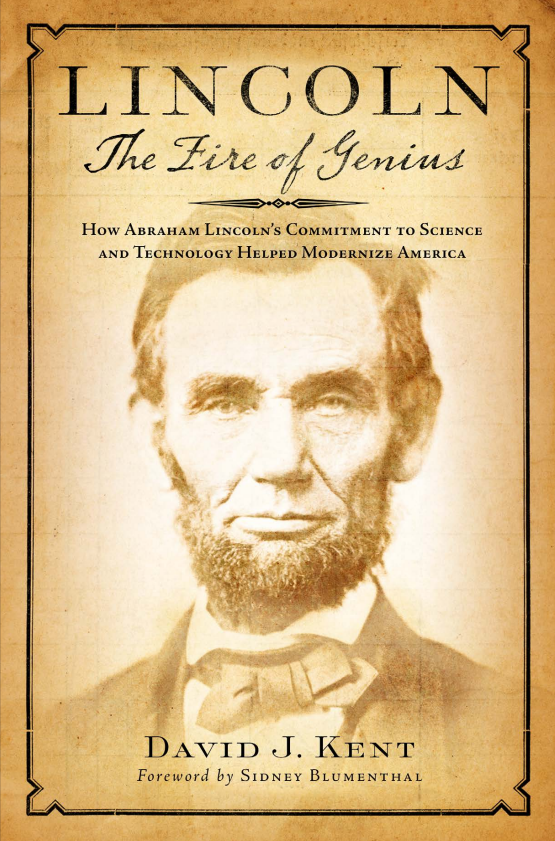
David J. Kent has been a scientist for over 30 years, is a lifelong Lincolnophile, and is currently working on a book about Abraham Lincoln’s interest in science and technology. He is also the author of Tesla: The Wizard of Electricity and an ebook Nikola Tesla: Renewable Energy Ahead of Its Time.
Follow me by subscribing by email on the home page. And feel free to “Like” my Facebook author’s page and connect on LinkedIn. Share with your friends using the buttons below.
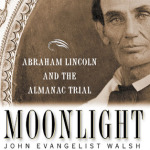 Most people only think of Abraham Lincoln as our 16th President, but prior to that Lincoln had a long career as a lawyer. Much of his legal work was mundane, but he did occasionally get involved in some high profile cases that showed his logic and guile.
 Nikola Tesla had a busy week as Amazon put my e-book
 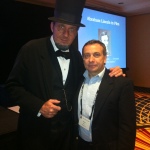 Not to be outdone, Abraham Lincoln was busy as well. First he was in Washington DC for the
  Thanksgiving also featured prominently in
  Finally, as the weather turned colder and the doorstep of winter approaches, The Dake Page took on two topics related to climate denial. The first offered some advice for
  We can thank none other than Abraham Lincoln for the great turkey-eating, pie-gulping, football-watching holiday of Thanksgiving. Yes, Abraham Lincoln.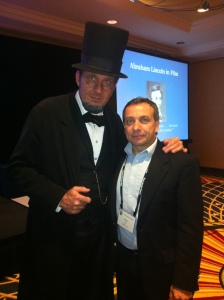

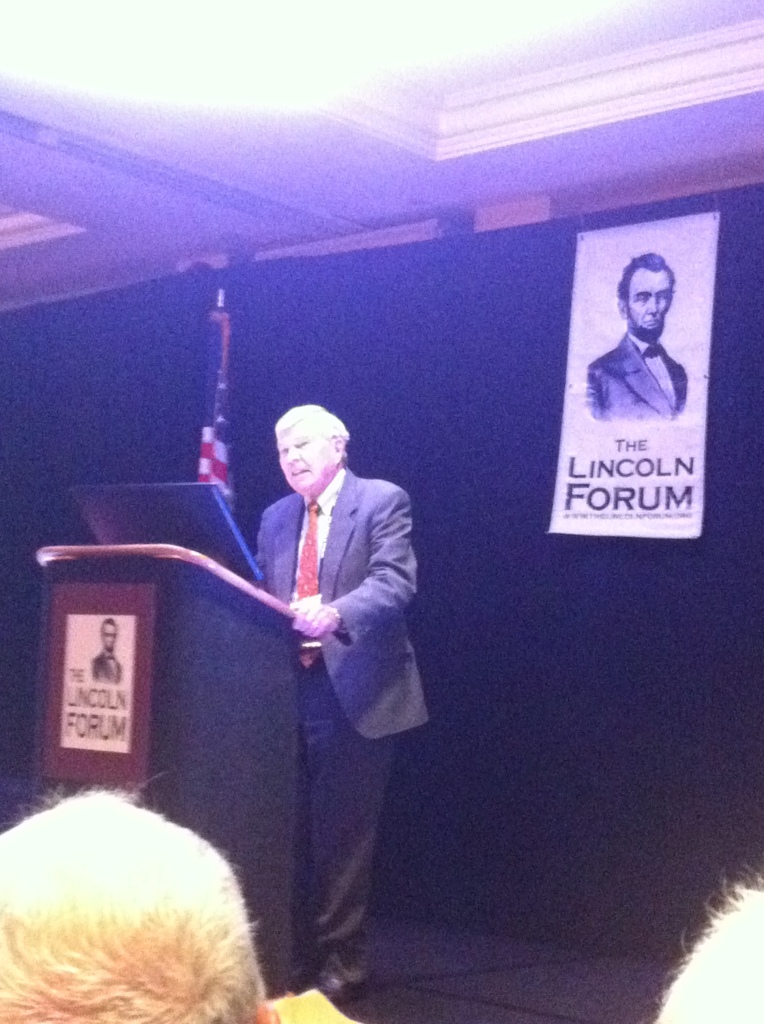
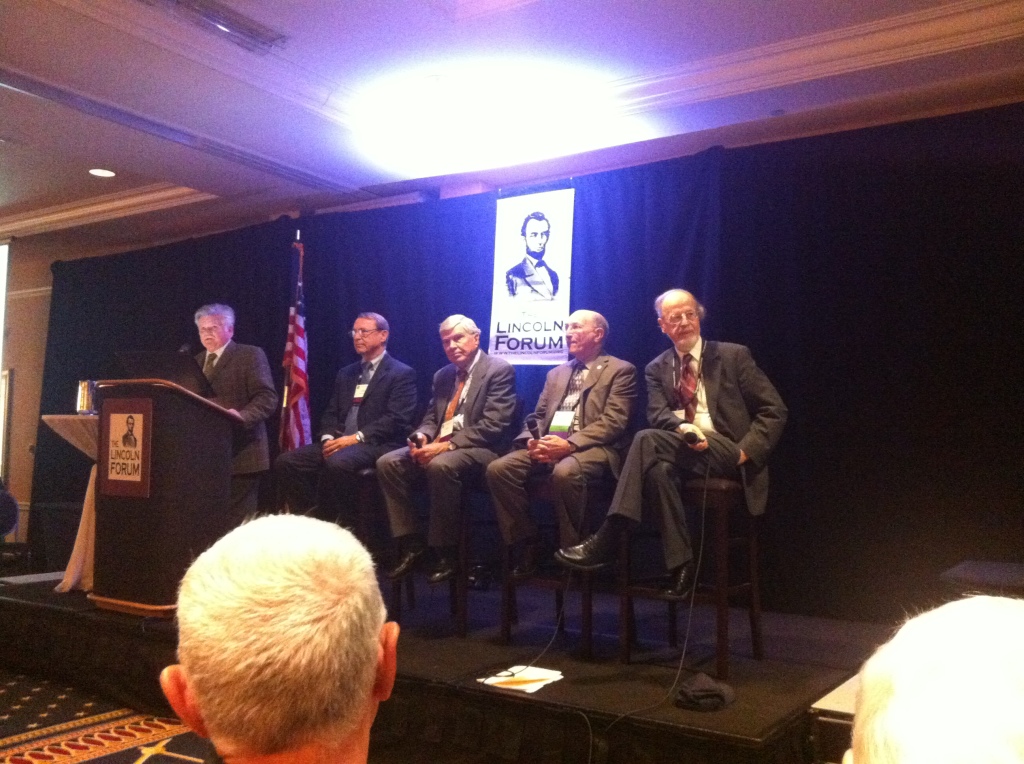
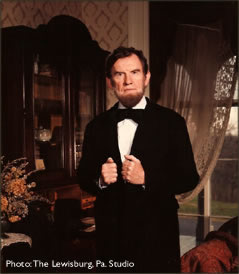
 That’s how I start off my most recent piece on Hot White Snow. It all started with a full-day conference on the Election of 1864 sponsored by the Lincoln Group of DC. The next day I flew to Vancouver for SETAC, and then after only a couple of days back took off for Gettysburg and the annual Lincoln Forum.
  Tired of scientists being too technical in describing climate science?
 Elizabeth Varon, Professor of History at the University of Virginia, then provided some insights on the election from the South in her talk “Catastrophe or Setback? The Election of 1864 in Confederate Eyes.”
 “The Summer of ’64” was a critical time period that significantly impacted the election, said University of Kansas Professor Jennifer Weber, author of Copperheads. Grant’s overland campaign had even die-hard Unionists war weary; Weber explored many reasons how military disasters turned into Union – and Lincoln’s – victories.
 Speaking of the military, the soldier vote was crucial to Lincoln’s electoral victory in November. Christopher Newport University Professor and historian Jonathan W. White examined voting dynamics that possibly changed the outcome of the election in “Emancipation and the Soldier Vote of 1864.”
 Following these great talks was our keynote speaker, noted historian Michael Burlingame, author and editor of numerous books on Abraham Lincoln. In a wide-ranging talk, Burlingame brought us into the opposition Lincoln faced in reelection, including many in his own party. His “Radicals, Abolitionists, and Lincoln’s Reelection” explored the fickleness not just of the public, but of the lawmakers and generals who worked for and against Lincoln.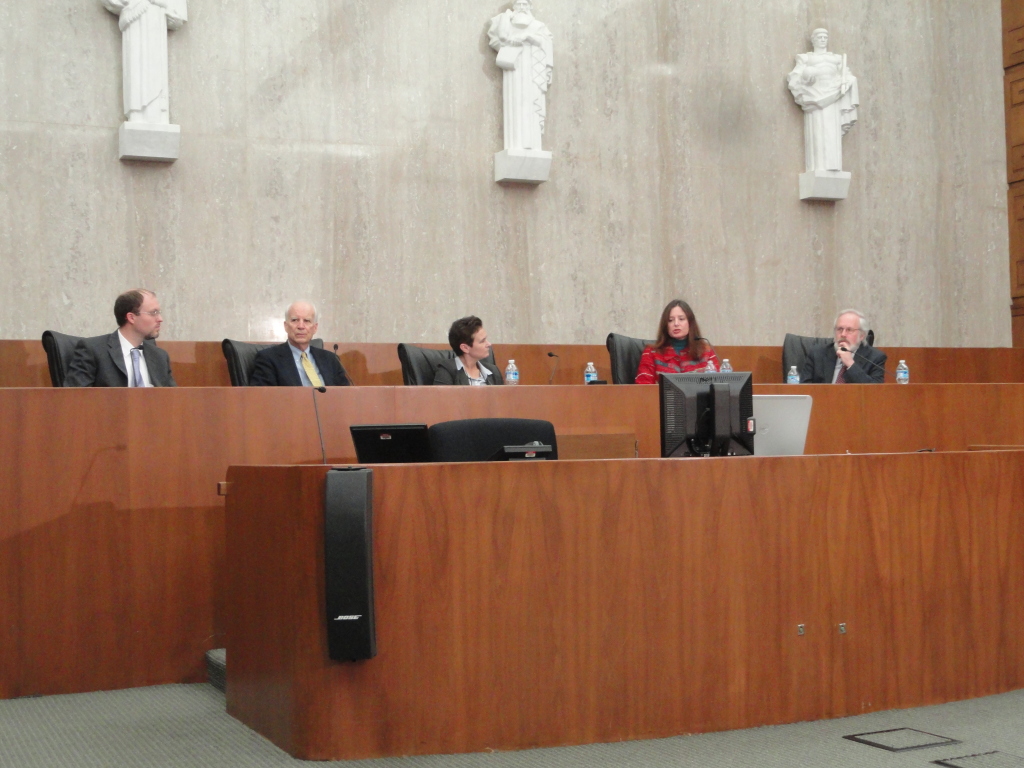
 What do Picasso’s “Guernica,” David’s “The Death of Marat,” and Wyeth’s “Christina’s World” have in common? They all were posters hanging on my bedroom wall as a teenager. Yes, I was not a normal child. Read more at “
 Two big events in climate science occurred this week. The most important one (IPCC’s Synthesis Report) was largely ignored while the least important one (Mid-Term Elections) will be talked about for the next two years. Check out why on
 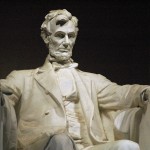 Speaking of elections,
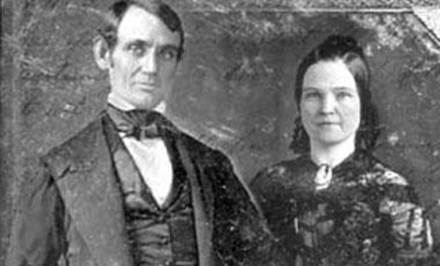
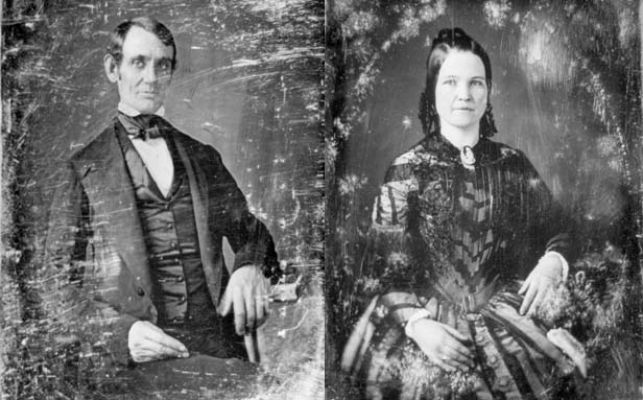
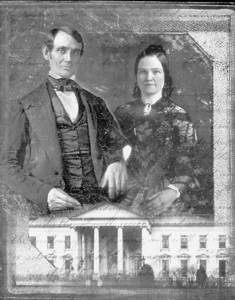
 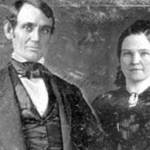 Meanwhile, this week also saw the anniversary of Lincoln’s tempestuous marriage to Mary Todd. The sudden wedding caught everyone by surprise; could have been because Mary had seduced old Abe? And why did Mary refuse to be photographed with her husband?
 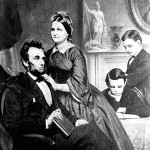 On November 4, 1842, Abraham Lincoln rushed around to his friends and invited them to his one-day’s notice wedding to Mary Todd. The sudden marriage came as a shock to their family and friends, many of whom weren’t aware the couple had resumed their courtship almost two years after the ignominious “fatal first” that ended their prior engagement.