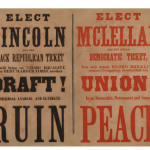
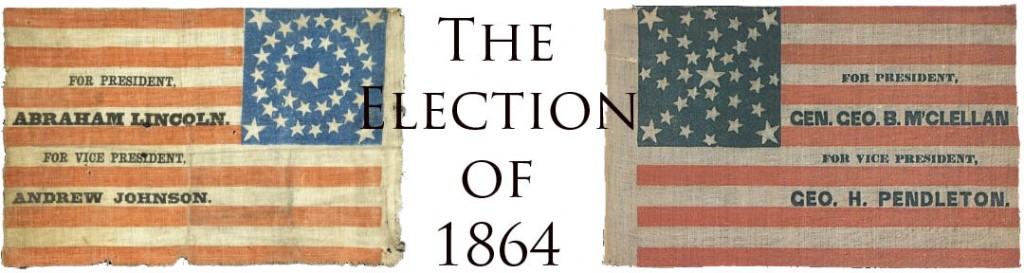
 Abraham Lincoln was reelected for a second term in 1864, which surprised everyone, including Lincoln. After three years of a brutal war pitting American against American, many people were ready for a change. But “changing horses in the middle of the stream,” as Lincoln once noted, would lead to the destruction of the United States.
Find out why the election was so critical during the Lincoln Group of DC’s full-day symposium on Saturday, November 8, 2014 at the E. Barrett Prettyman District Courthouse in downtown Washington, D.C. Some of the most prominent Lincoln scholars will be explaining just how critical this election was, and how it went from a surefire Lincoln loss to his victory. Featured presenters are:
Michael Burlingame: One of the most respected Lincoln experts in the world, Burlingame holds the Chancellor Naomi B. Lynn Distinguished Chair in Lincoln Studies at the University of Illinois at Springfield. Author and editor of many books on Lincoln, his topic for the symposium is “Radicals, Abolitionists, and Lincoln’s Reelection.”
Thomas Horrocks: Director of special collections and the John Hay Library at Brown University, Horrocks is the author/editor for multiple Lincoln books and will speak on “The Rail Splitter as Father Abraham: Lincoln’s 1864 Campaign Biographies.”
Elizabeth R. Varon is the Langbourne M. Williams Professor of History at the University of Virginia and author of several books, including her latest: Appomattox: Victory, Defeat, and Freedom at the End of the Civil War. Her topic for the symposium is “Catastrophe or Setback? The Election of 1864 in Confederate Eyes.”
Jennifer Weber is an Associate Professor of History at the University of Kansas and specializes in Civil War studies. Her book Copperheads was widely acclaimed. Dr. Weber will speak on “The Summer of ’64.”
Jonathan W. White: Assistant Professor of American Studies at Christopher Newport University and the author of Emancipation, the Union Army, and the Reelection of Abraham Lincoln. He will speak on “Emancipation and the Soldier Vote of 1864.”
Time is running out so go to the link above to register to attend. You can also register at the door. The symposium is Saturday, November 8, 2014 and runs from 9:00 am to 5:30 pm.
You don’t want to miss this event (or any of the other 150th anniversary events the Lincoln Group has coming up). Join us now!
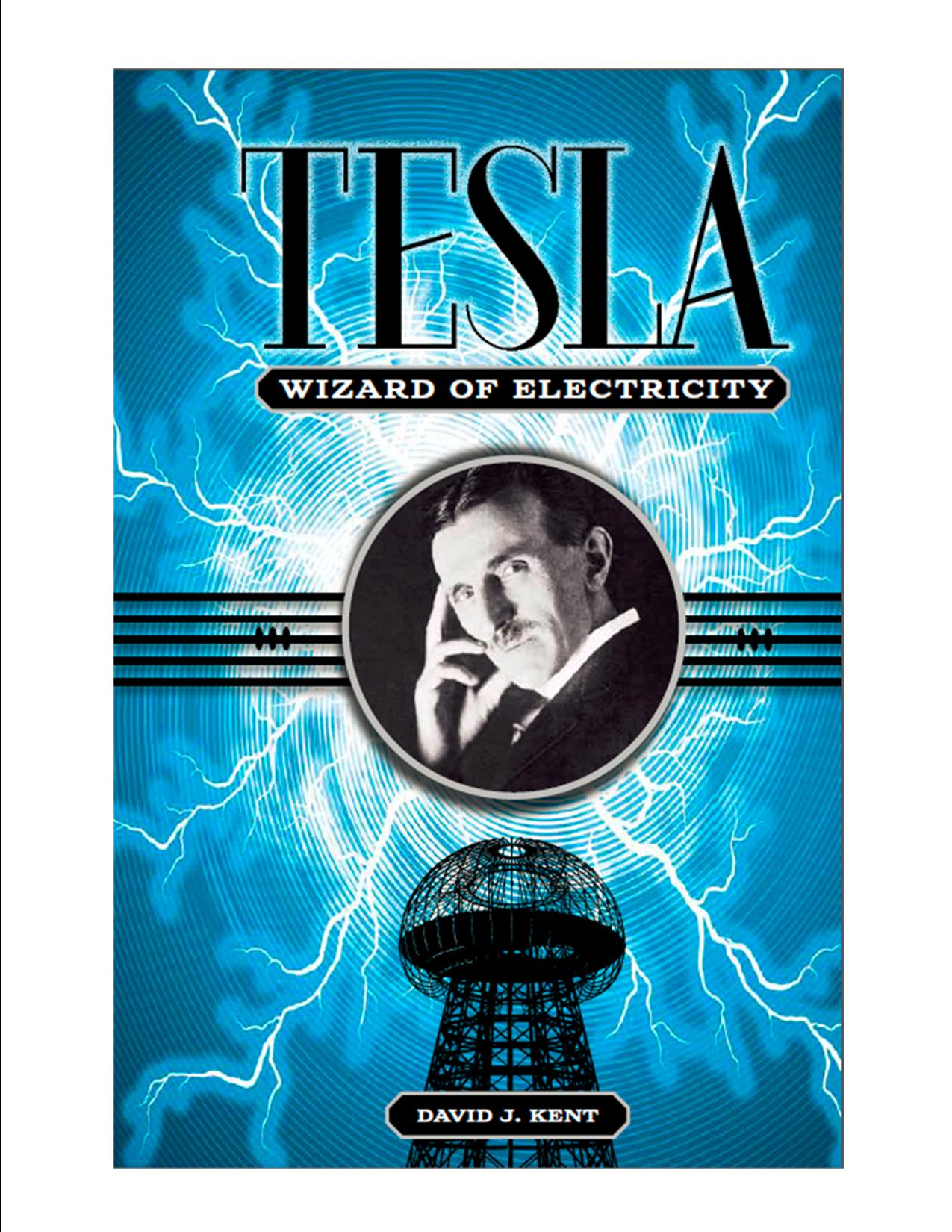
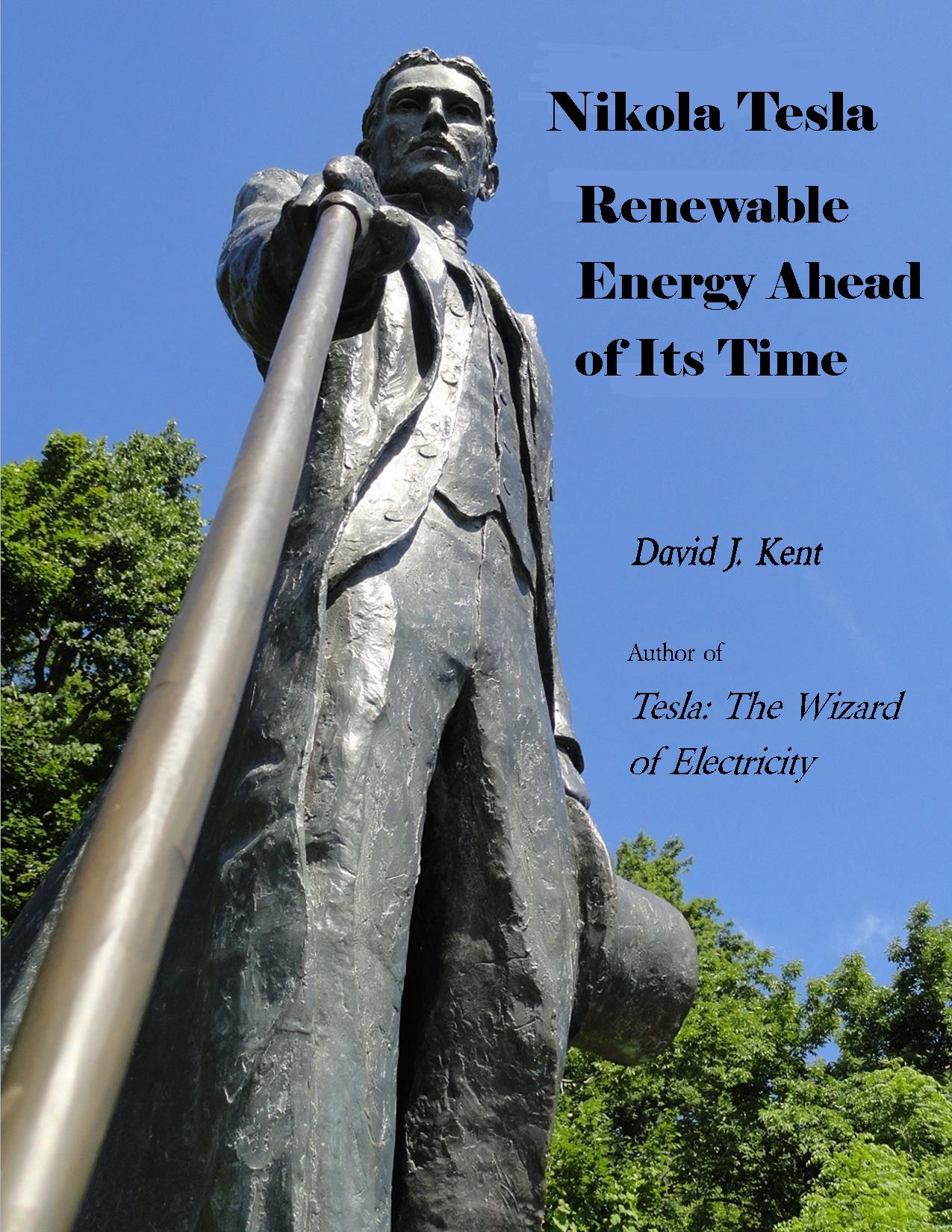
David J. Kent is a lifelong Lincolnophile and is currently working on a book about Abraham Lincoln’s interest in science and technology. His most recent article, “Lincoln and the Rule of Three,” was published in the September 2014 issue of The Lincolnian. He is also the author of Tesla: The Wizard of Electricity and an ebook Nikola Tesla: Renewable Energy Ahead of Its Time
Follow me by subscribing by email on the home page. And feel free to “Like” my Facebook author’s page and connect on LinkedIn. Share with your friends using the buttons below.
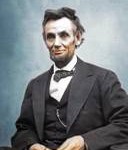 As the Civil War raged on, things weren’t looking so good for the reelection of Abraham Lincoln. In August 1864 Lincoln asked his entire cabinet to sign the back of what became the “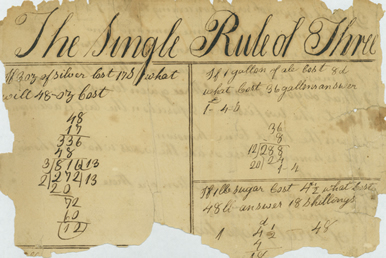
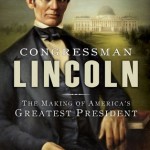 Author Chris DeRose takes a more detailed look at a period in Abraham Lincoln’s life that is normally glossed over in other biographies – his single term as a U.S. Congressman. The first few chapters highlight the political status of the time, as well as the political wrangling between different factions both within and external to the Whig party. The book goes into various aspects of the key question of the day, slavery. Doing so makes it clear that the post-Civil War reinvention of history to suggest the South wasn’t fighting to maintain and expand slavery is hogwash.
 The title comes from the controversy (assuming you knew there was a controversy) over whether Edwin Stanton, upon Lincoln taking his last breath, said “Now he belongs to the ages” or “Now he belongs to the angels.” With this contrivance as a starting point Gopnik presents what amounts to six essays.
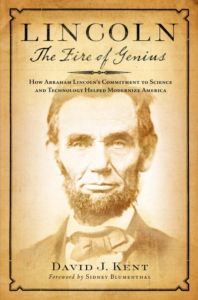
 Abraham Lincoln is the only president to ever get a patent, an ingenious, though impractical, method for lifting boats over shoals. This interest in technology served him well during the Civil War as battles increasingly relied on mechanization for transportation, communication, and weaponry.
 Abraham Lincoln’s Air Force – Balloons in the Civil War
 Abraham Lincoln and the Technology of War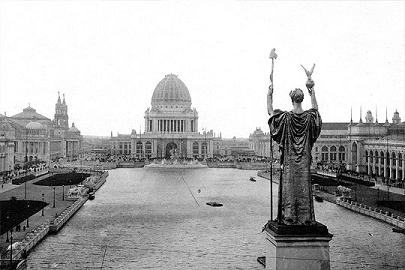
 The world woke up this morning to the news of the untimely death of actor, comedian, and humanitarian Robin Williams. Having been a fan of his since his first appearance as Mork on the sitcom Happy Days, before he spun the character off into his own show Mork and Mindy, his demise comes as a shock. The world mourns.
 Abraham Lincoln and Charles Darwin were born on the same day, February 12, 1809. Both became icons of change and are will be remembered throughout history for their contributions. The book is subtitled: Shared Visions of Race, Science and Religion. While their views were not so much shared as contrasted, author James Lander deftly flips back and forth between Darwin’s and Lincoln’s lives as they experience their separate travels, coming of age, development of ideas, and eventual breakthroughs into the public eye as they dramatically change history.