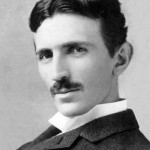
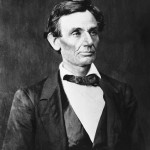
 Abraham Lincoln was born in Kentucky in 1809, lived in Indiana and Illinois, and was assassinated in Washington, DC in 1865 without ever having left the country. Nikola Tesla was born in 1856 of Serbian heritage in an Austro-Hungarian military outpost in land now part of Croatia. He moved to the United States decades after Lincoln’s assassination and lived for many years in New York City before dying in 1943. Their lives barely overlapped.
Or did they?
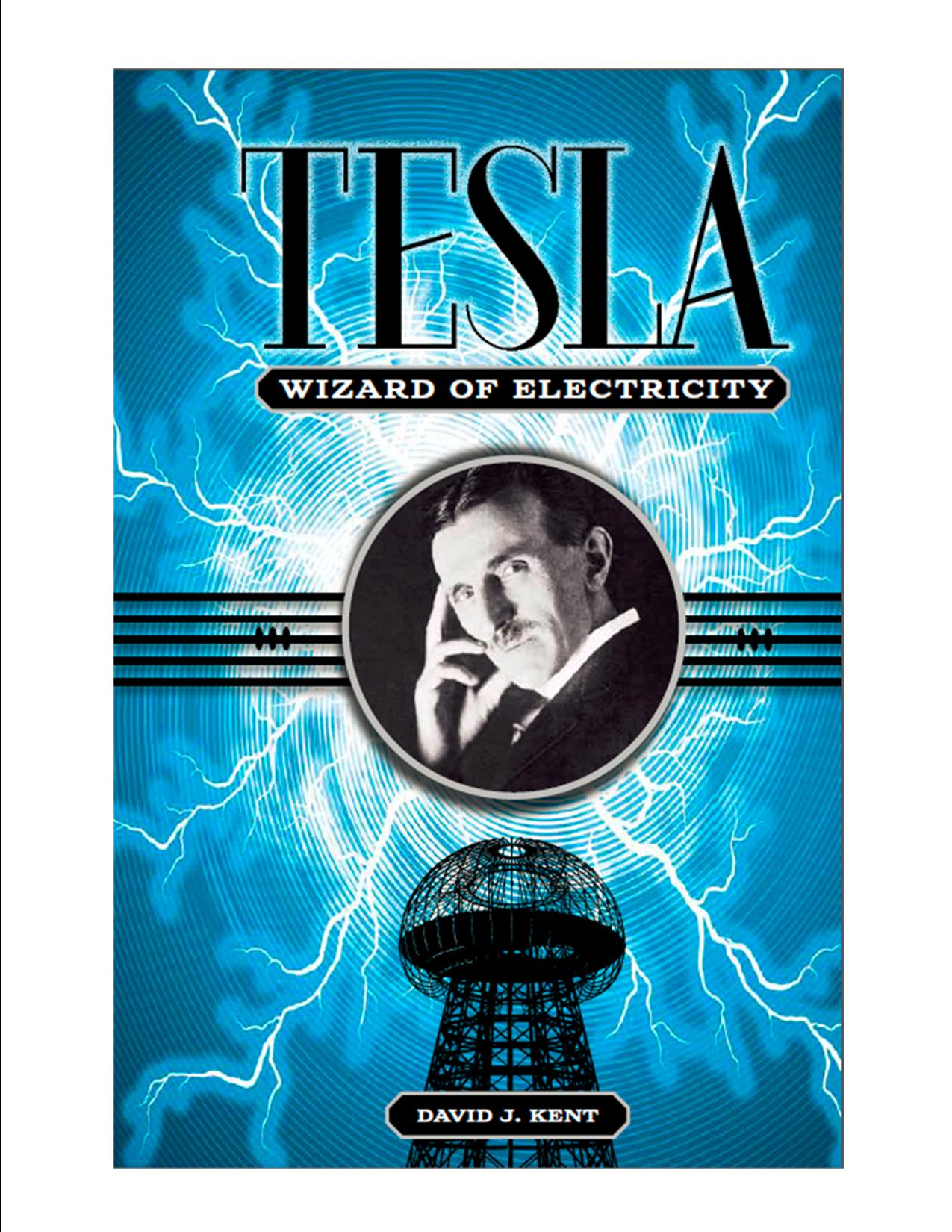
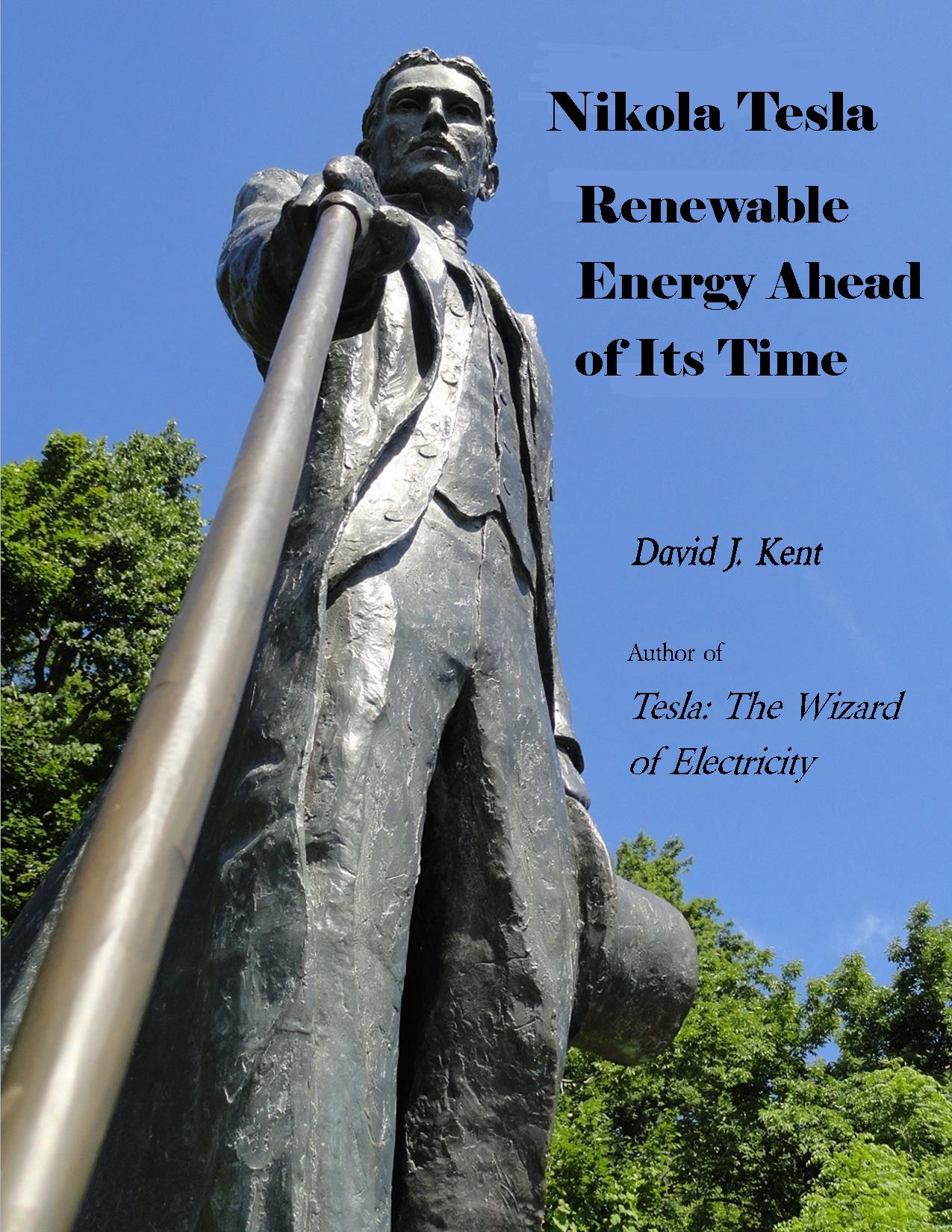
I’ve enjoyed a long career as a scientist, during which time I’ve also diligently studied Abraham Lincoln. In 2013 I wrote a book about Nikola Tesla that was published by Fall River Press, an imprint of Sterling Publishing in New York. Tesla: The Wizard of Electricity continues to be a great success, with multiple printings totaling 50,000 copies as of the publication of this e-book you’re reading now. This was followed in 2014 by an e-book, Nikola Tesla: Renewable Energy Ahead of Its Time, that explores in greater depth Tesla’s early interests and promotion of “energy from nature.” While researching both Tesla books I kept seeing unexpected connections between Tesla and Abraham Lincoln. Intrigued, I began a list of separate connections that kept growing beyond my expectations. How could this be?
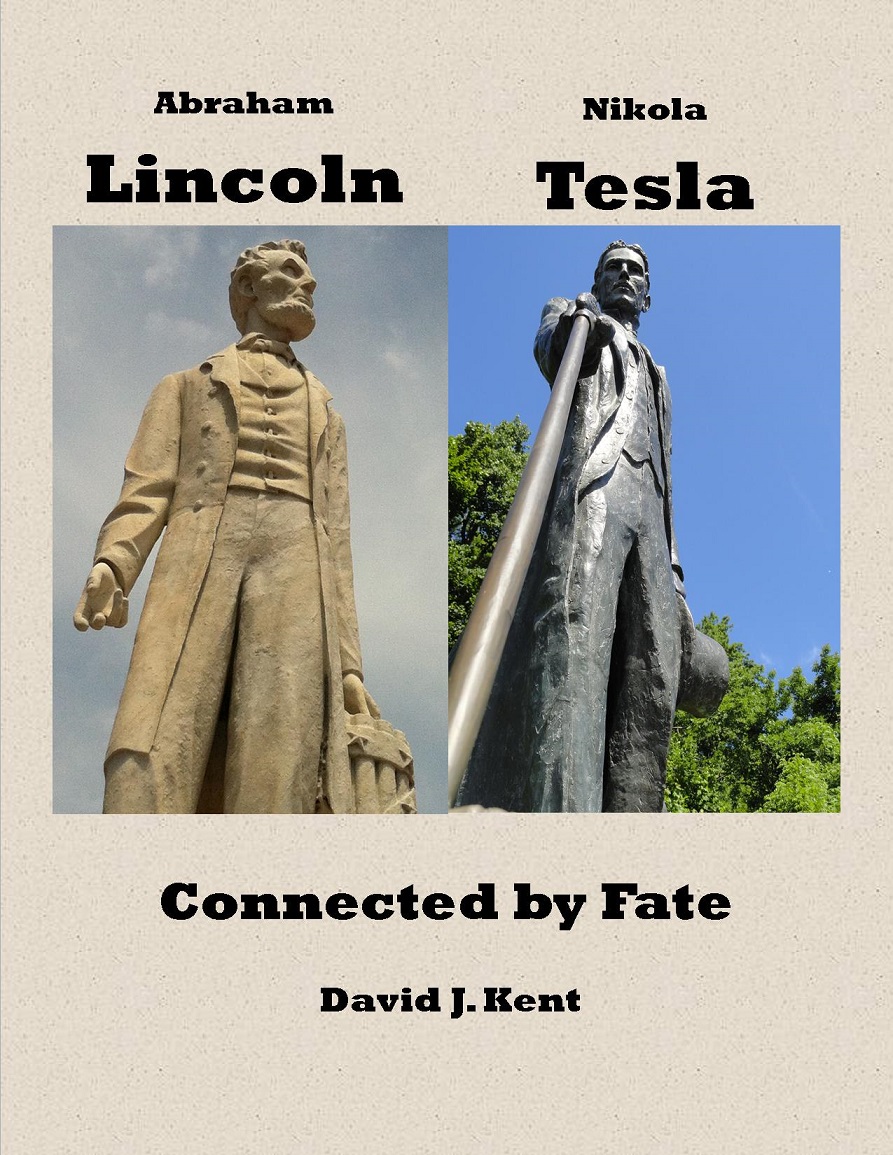
In fact, it turns out there are surprisingly many connections between these two men. While they understandably never met, their interests and circles of friends and colleagues greatly overlapped. The concept was so intriguing that I put together an e-book exploring many of these connections – friends, acquaintances, professions, and fate. The e-book will be available on Amazon by early summer. I hope you’ll find it as interesting to read as I did to write.
Given Lincoln’s interest in science and technology and Tesla’s life as an inventor, these connections begin with science. But they don’t stop there. Connections between Lincoln and Tesla also exist in the arts, the environment, a great World’s Fair, and yes, even in the assassination of one of our greatest presidents.
So check out Abraham Lincoln and Nikola Tesla – Connected by Fate. While you’re waiting, check out my previous e-book, Nikola Tesla: Renewable Energy Ahead of Its Time on Amazon.com. [If you’ve read it already, please leave a ranking on Goodreads and Amazon]
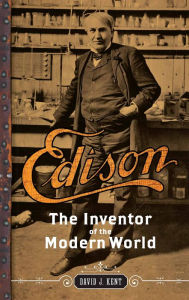
David J. Kent is the author of Tesla: The Wizard of Electricity (2013) and Edison: The Inventor of the Modern World (2016) (both Fall River Press). He has also written two e-books: Nikola Tesla: Renewable Energy Ahead of Its Time and Abraham Lincoln and Nikola Tesla: Connected by Fate. His next book, Lincoln: The Man Who Saved America, is scheduled for release in summer 2017.
Follow me by subscribing by email on the home page. And feel free to “Like” my Facebook author’s page and connect on LinkedIn. Share with your friends using the buttons below.
 While Thomas Edison slowly comes to life on the pages of my book in progress for Sterling Publishing, we’ve seen a “whole lotta writin’ goin on” (with apologies to
 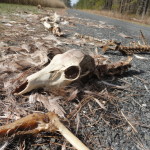 We’ve seen skeletons here on Science Traveler since the last update.
  Over on Hot White Snow were two creative writing pieces.
  On the serious side, The Dake Page offered a review of the Pulitzer Prize-winning book
  Now back to Thomas Edison. Did you know that as a child he was actually called “Little Al?” Or that he was a teenage “news butch” on a train (not quite a teenage werewolf in Paris)? Or that his deafness started at an early age? Stay tuned as Little Al grows up into “The Wizard of Menlo Park” (even though he wasn’t in Menlo Park very long).
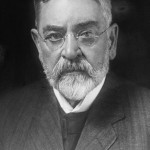 Yes, you read that right; a Booth saved a Lincoln’s life. In my e-book, Abraham Lincoln and Nikola Tesla: Connected by Fate, I’ve been amazed at how many interesting connections there are between the two men. There are two that relate Tesla to Lincoln through Robert Todd Lincoln.
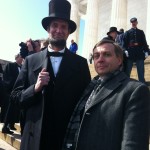 Here on Science Traveler the focus was on Abraham Lincoln, with several events commemorating his 2nd Inauguration and one of the finest speeches ever delivered.
  That wasn’t all Science Traveler was about. I also posted a photo retrospective of the
  On Hot White Snow I took a look at how we’ve moved
  The Dake Page posted a series of climate change-related pieces since the last update.
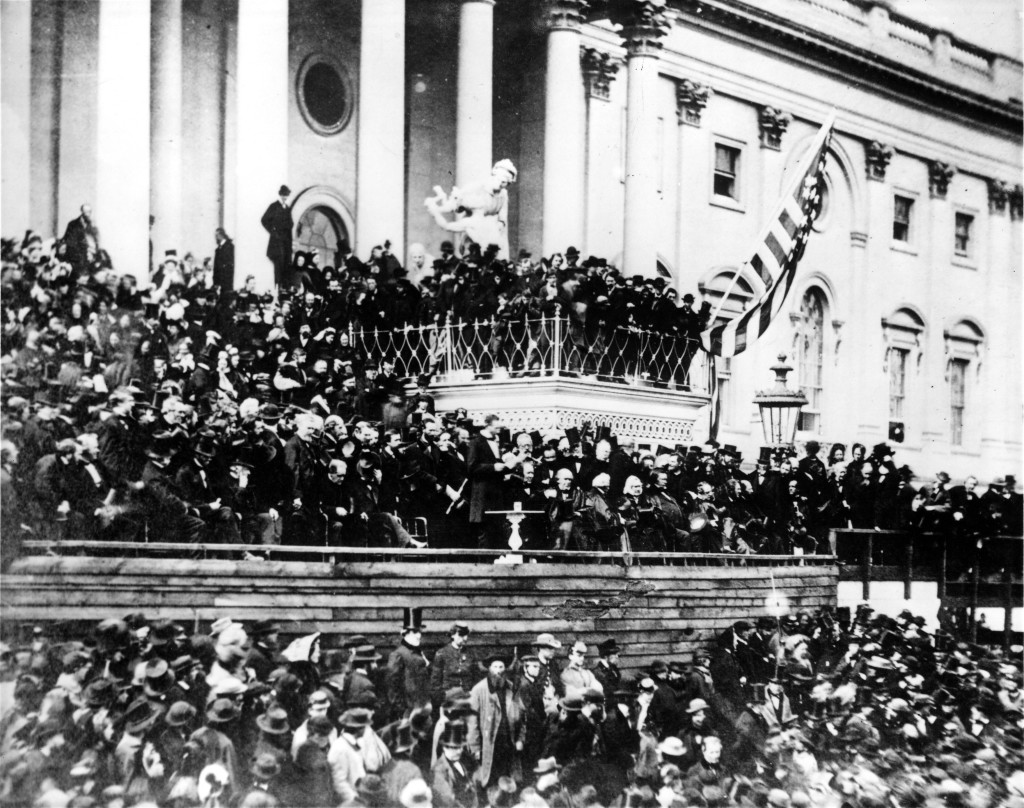
 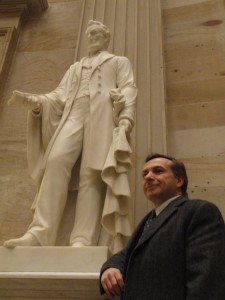 And what a week it was. March 4th marked the 150th anniversary of Abraham Lincoln’s second inauguration and there were several events in Washington DC and elsewhere to commemorate the occasion. And several cool opportunities to hang out with Lincoln scholars, famous actors, and distinguished members of the Supreme Court (not real) and the press (real).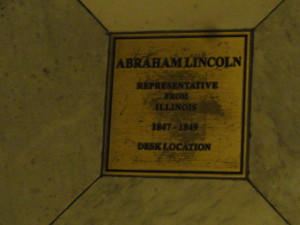
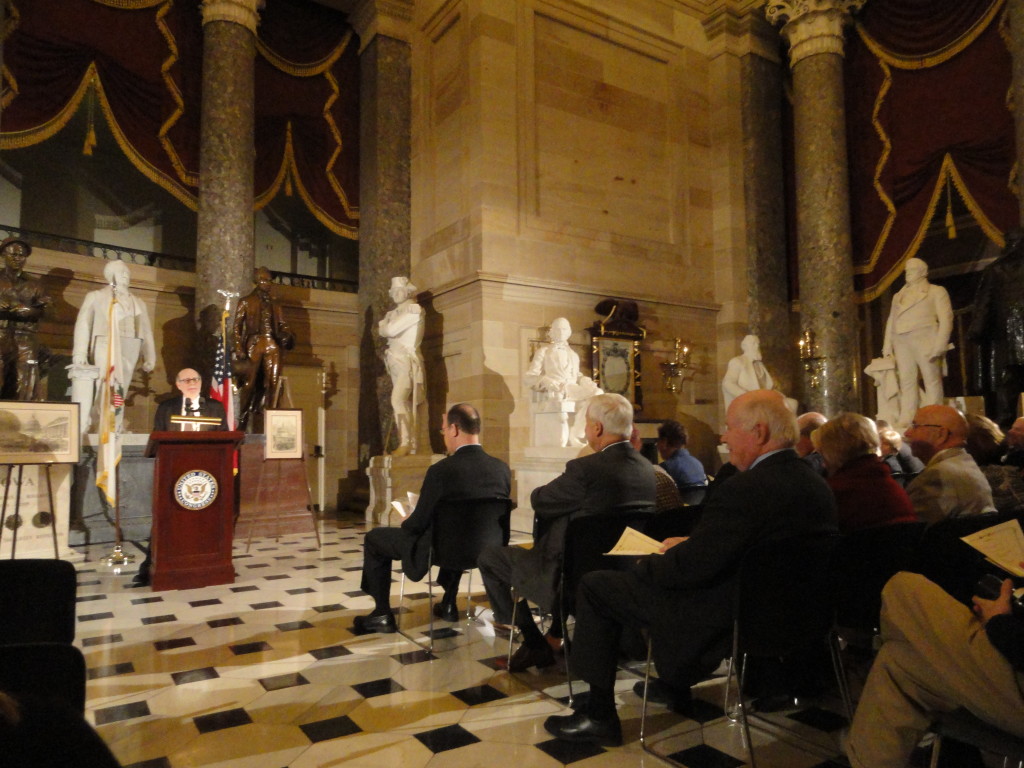
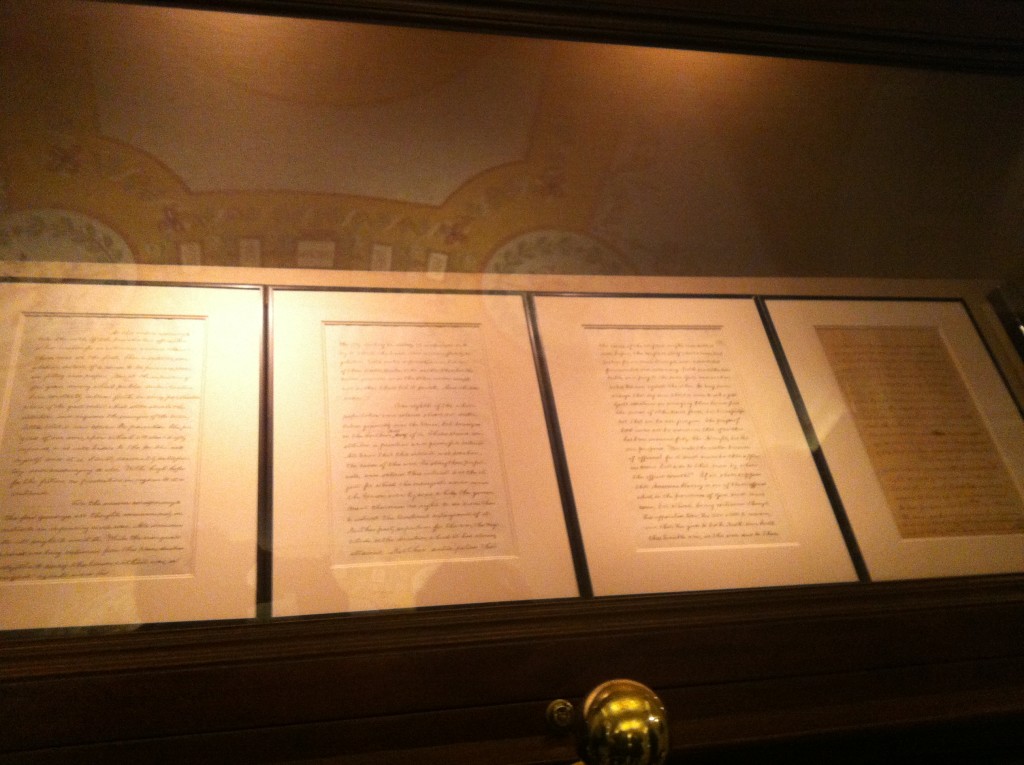
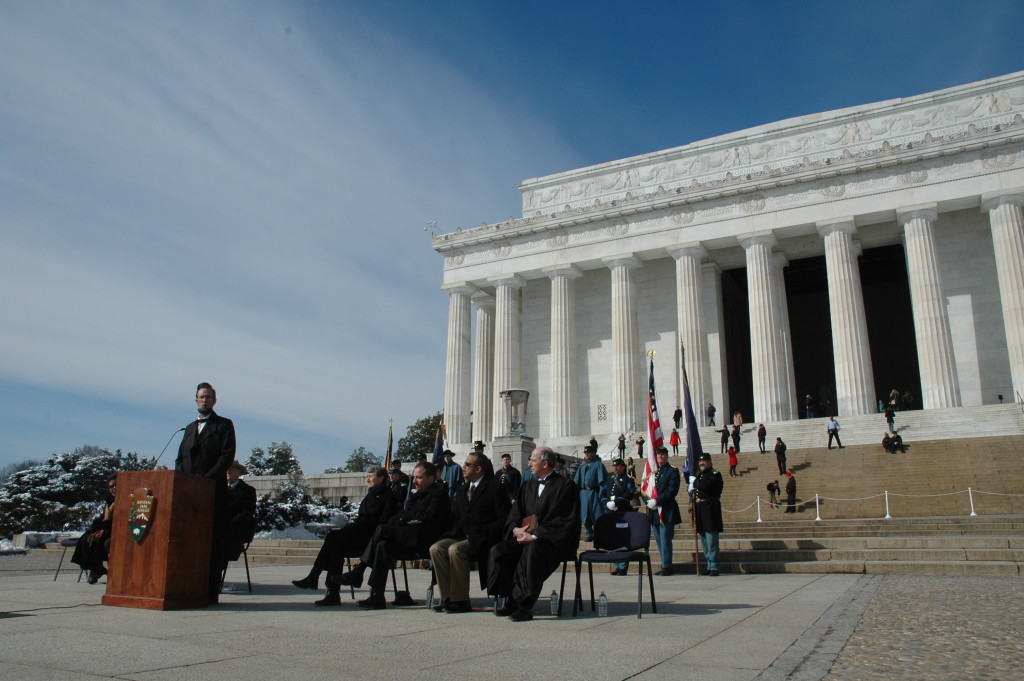
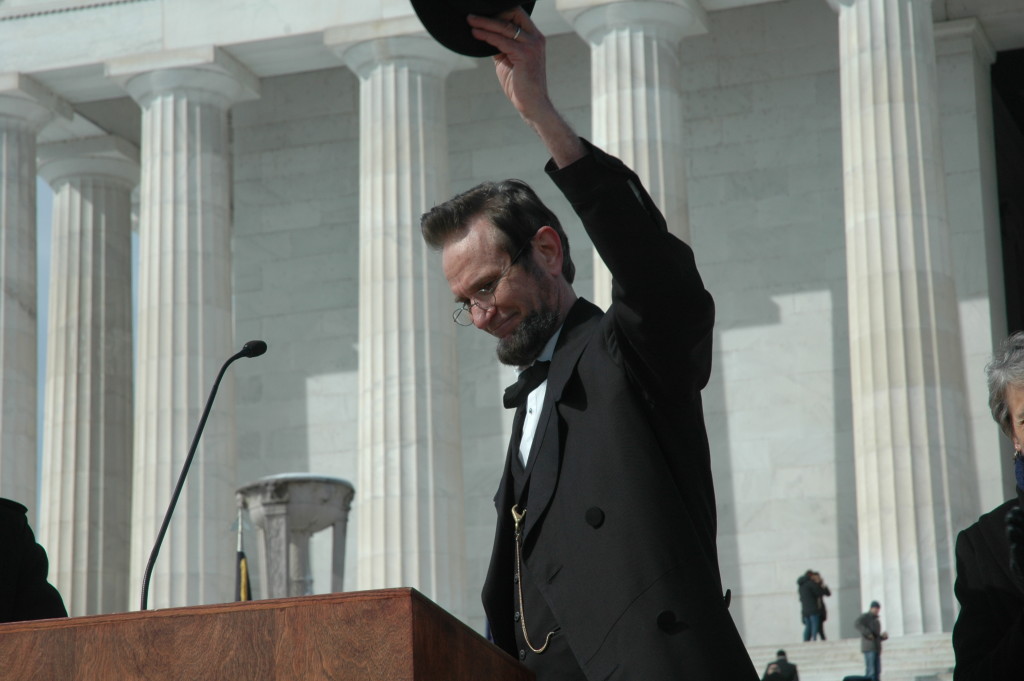
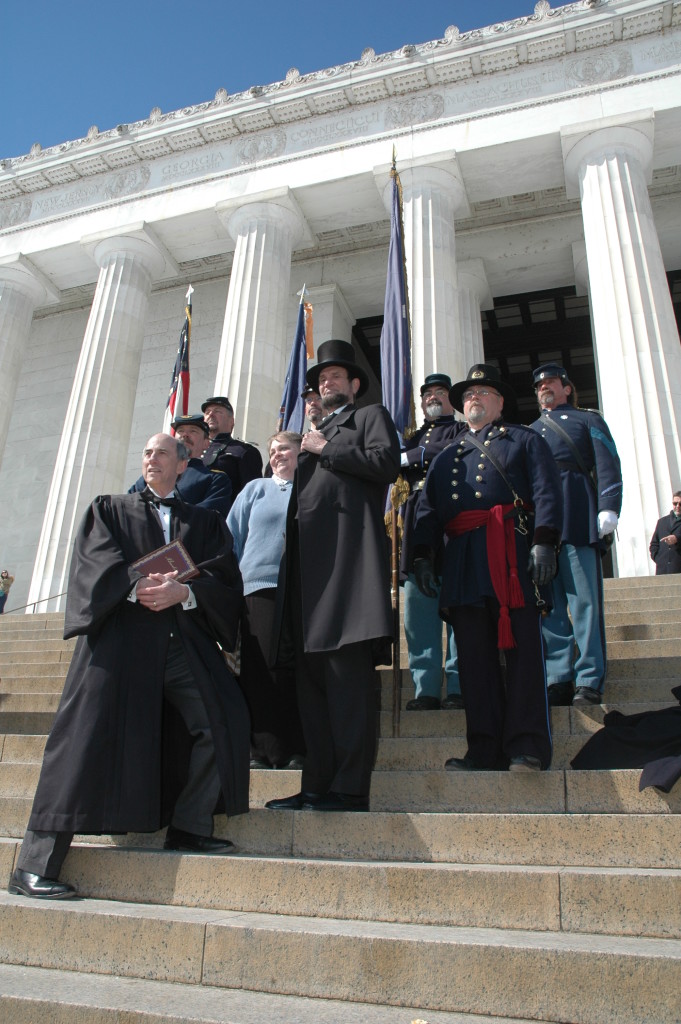
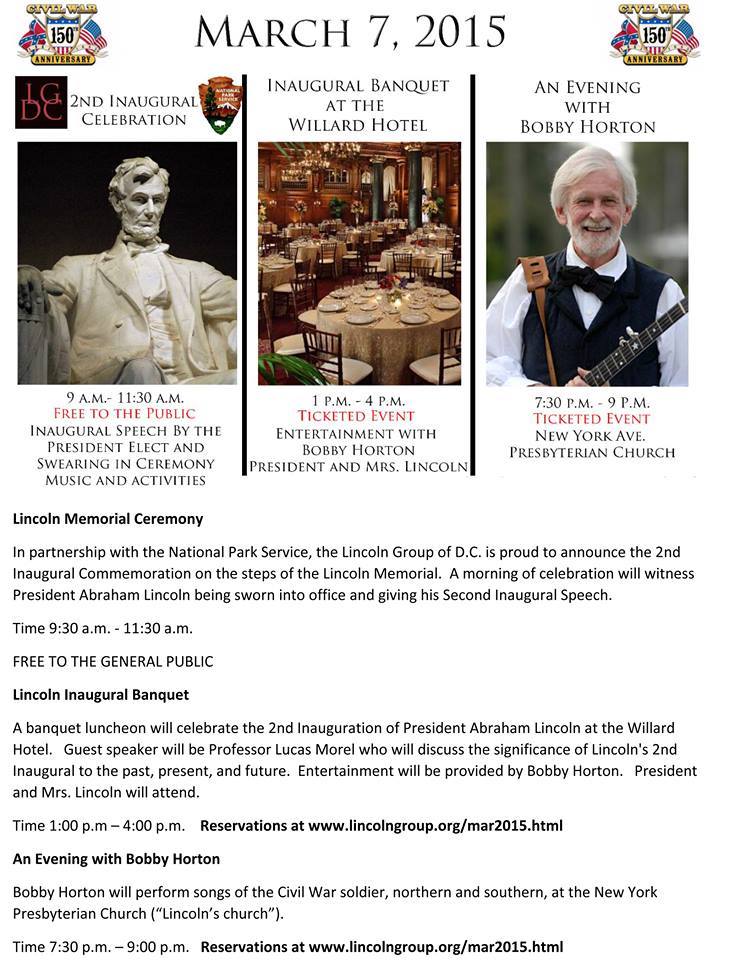
 In partnership with the National Park Service, the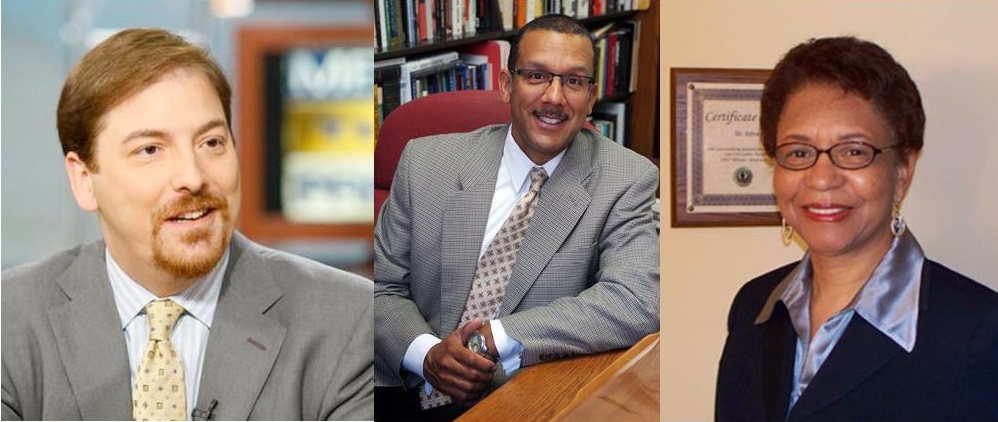
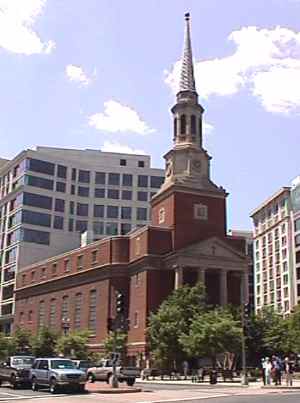
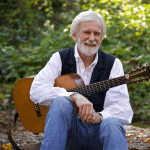 Cap off the day with an amazing concert at
 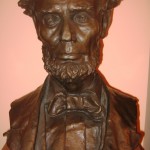 Today is the 206th birthday of Abraham Lincoln, our 16th and perhaps most well known President. And as usual, I’m chasing Abraham Lincoln.
 So what has life been up to lately? Here on Science Traveler I did some science traveling into the lands of sea grass, alligators and iconic writers. I found out that
  Science Traveler also delved into the science of Lincoln’s interest in, well, science. In particular his use of
  Hot White Snow reminisced about
  The Dake Page took on two serious topics to help communicate science to the public.