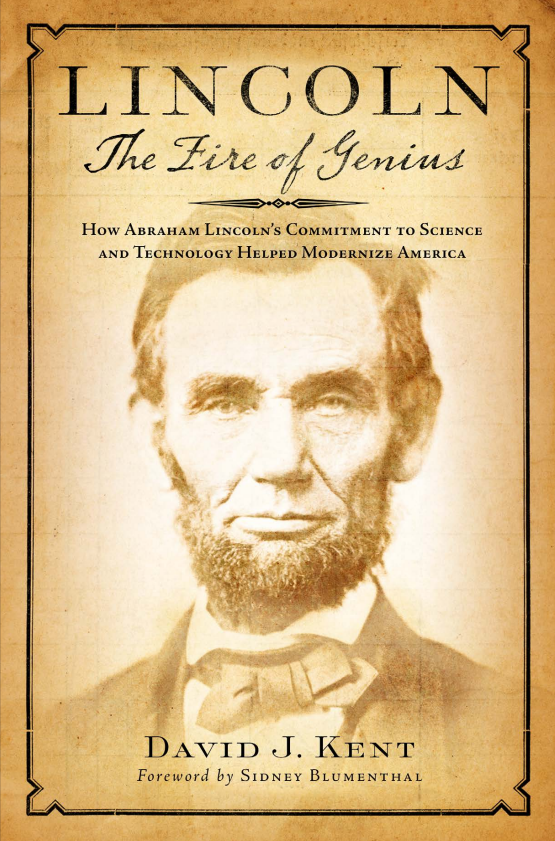
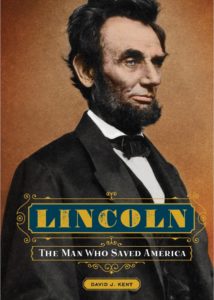
 The main thesis of this book is that Abraham Lincoln’s greatness came from his mastery of the “six-books of Euclid” geometry, and the subsequent application of the six elements of Euclid into his logic, reasoning, and speeches.
Hirsch (a lawyer) and Van Haften (and engineer) demarcate many of Lincoln’s speeches, letters, and lectures into Euclid’s six elements: Enunciation, Exposition, Specification, Construction, Proof, and Conclusion. They use voluminous quotes and passages from Lincoln’s writings and employ an equally voluminous and liberal system of endnotes.
Overall, the authors have done an excellent job of documenting Lincoln’s use of logic and reasoning, as well as how the elements of Euclid can be used to parse out his speeches and letters. In my view they were somewhat less successful in teasing out whether the structure of Lincoln’s writings is the result of his active employment of Euclidean principles or that his natural inclination toward logically oriented demonstration simply backfits well into demarcation according to those principles.
While the use of long passages gives us much context into the topics being discussed by Lincoln, the authors offered little analysis other than the demarcation. This is especially true in the many appendices in which entire Lincoln speeches and letters are categorized into the six elements but no additional analysis discusses how these elements were defined by Lincoln. In fairness, some of these (e.g., the Cooper Union speech) were discussed more in depth in the book’s chapters, but the discussion throughout could have used more analytical discussion.
I also found the book to be, in essence, two books. The first is the Euclidean influence on Lincoln as I’ve focused on in this review, but a significant part of the book is about the legal profession and how Euclid’s elements may help lawyers better themselves with respect to courtroom presentation and brief writing. In these chapters, which make up much of the book, Lincoln is brought in anecdotally but isn’t the main focus. Therefore, those interested in Lincoln may drift off during the non-Lincoln legal process discussions. Each chapter ends with a section called “From Lincoln to Now” in which the authors record changes in technology and legal procedures through the present. This section may or may not be of interest to Lincoln readers.
The Euclidean influence on Lincoln is fascinating and the authors often provided useful insights for my own research on Lincoln’s interest in science and technology. The text itself can be rather dry and technical, so this book is a better fit for serious Lincoln scholars than the general public. While readers may or may not agree that the authors have met the expectations set by their preamble, I personally liked the book.
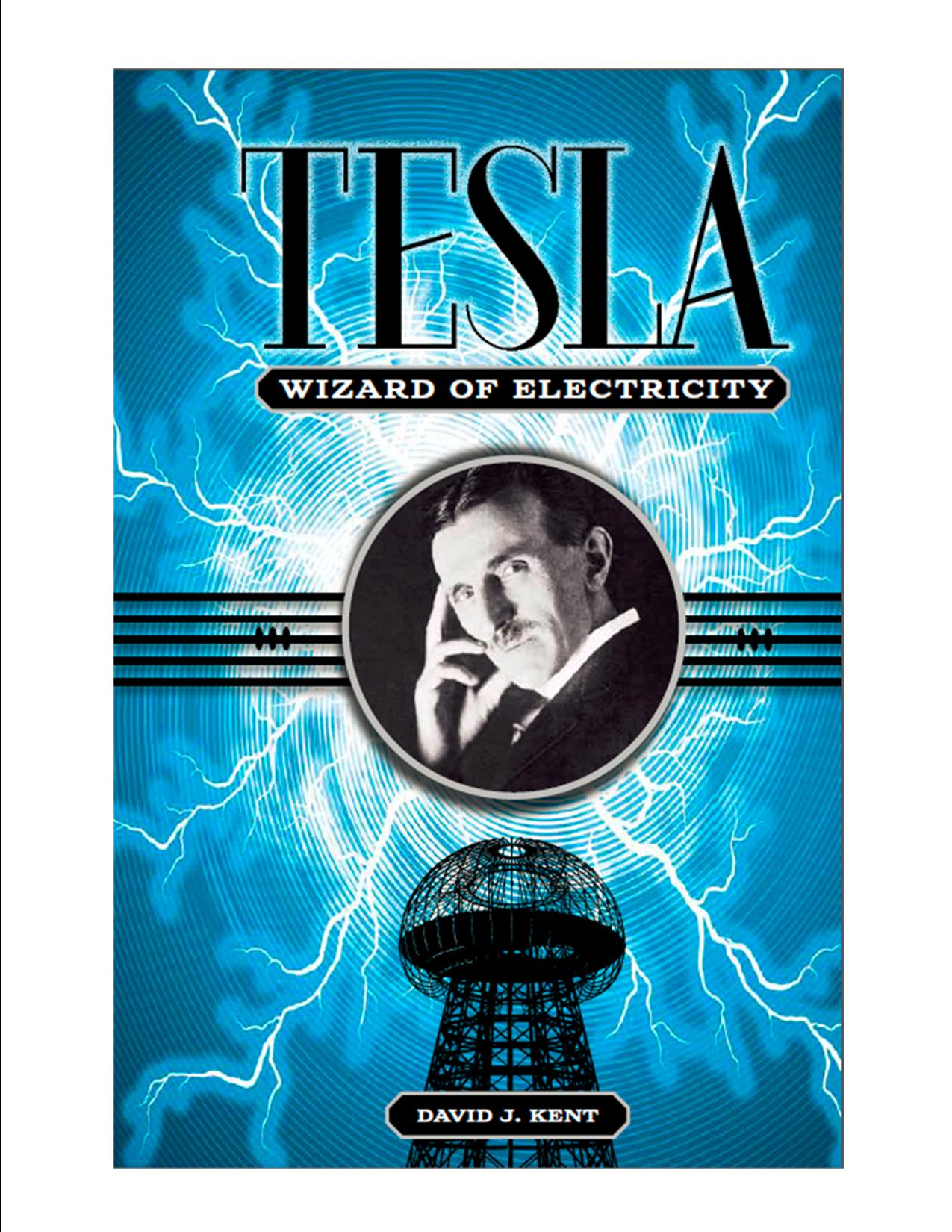
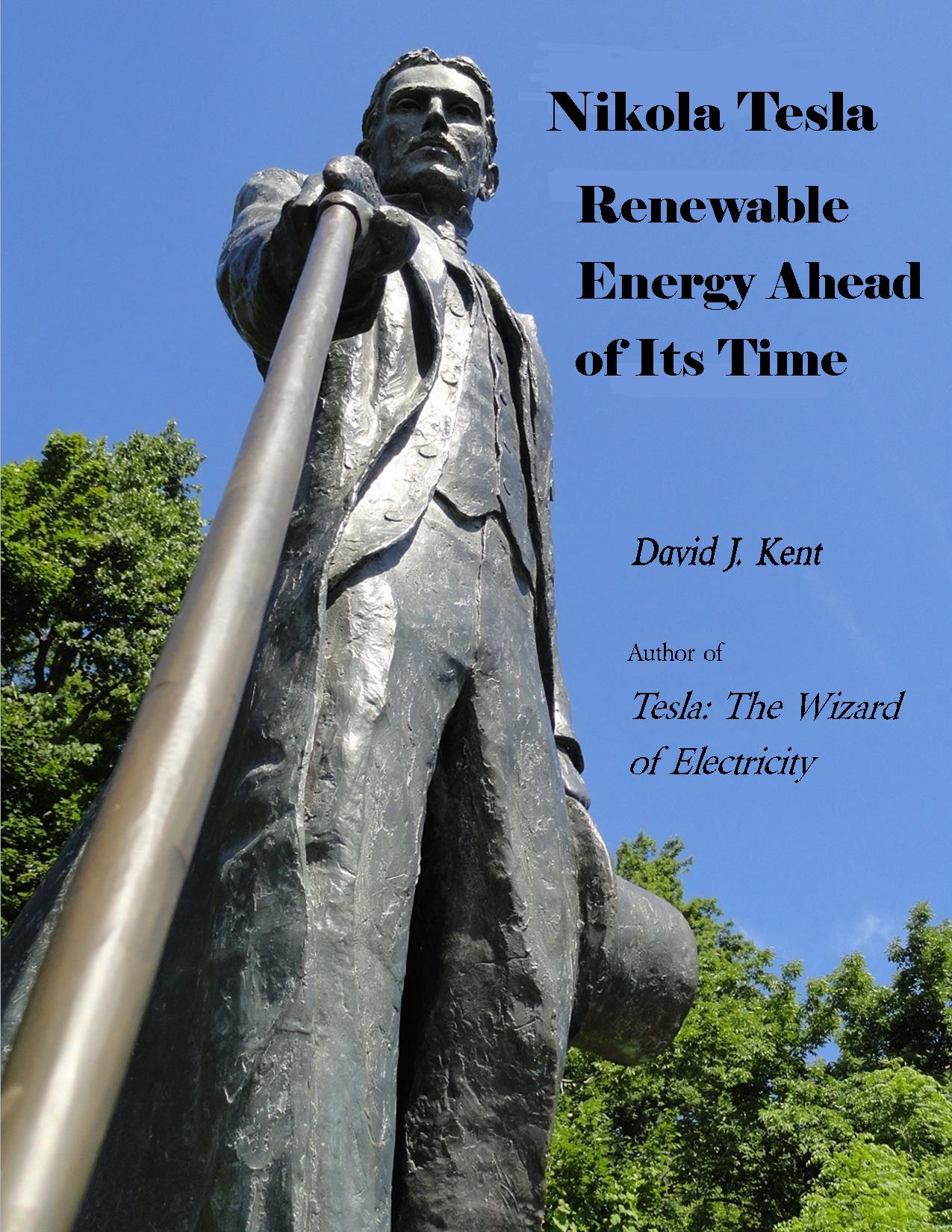
David J. Kent is a lifelong Lincolnophile and is currently working on a book about Abraham Lincoln’s interest in science and technology. He is also the author of Tesla: The Wizard of Electricity and an ebook Nikola Tesla: Renewable Energy Ahead of Its Time.
Follow me by subscribing by email on the home page. And feel free to “Like” my Facebook author’s page and connect on LinkedIn. Share with your friends using the buttons below.
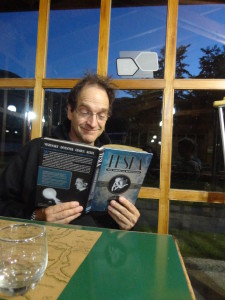
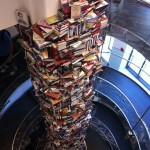 I’m lucky to have a growing collection of books about Abraham Lincoln. Nowhere near the 15,000 books reportedly written about our 16th President, but my sagging bookshelves now hold over 900 titles. The number of actual books is well over 1000 when one figures that some “titles” are 3 or 6 or 10-book sets.
 Hot White Snow featured two articles.
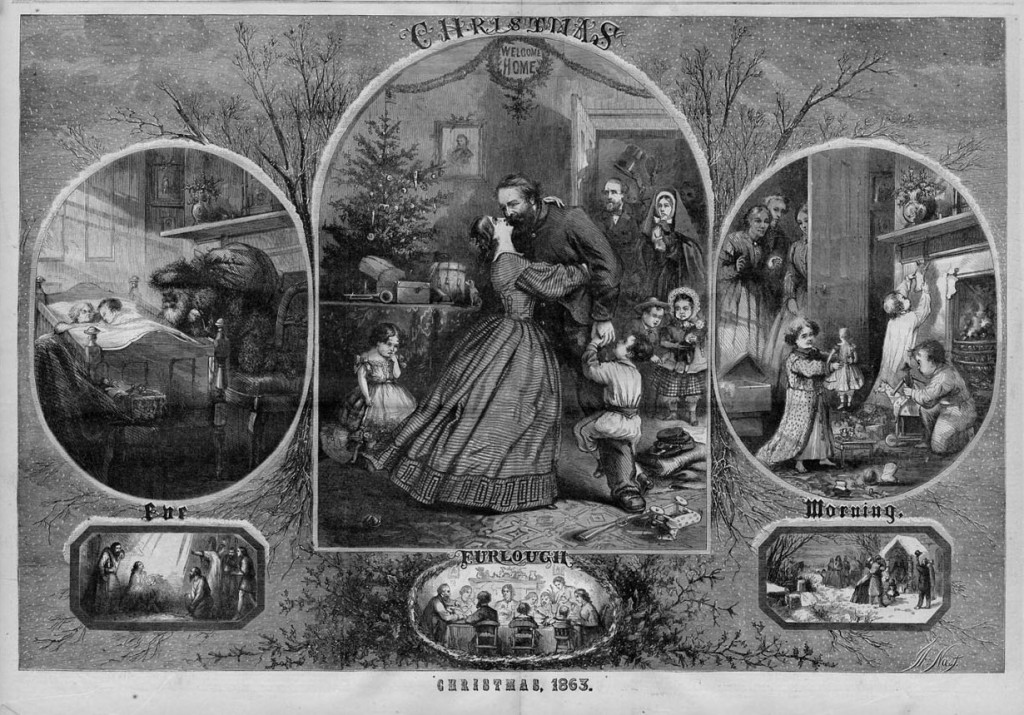
  Lincoln’s Christmas gif
 Which gets us to
  Climate Change got its own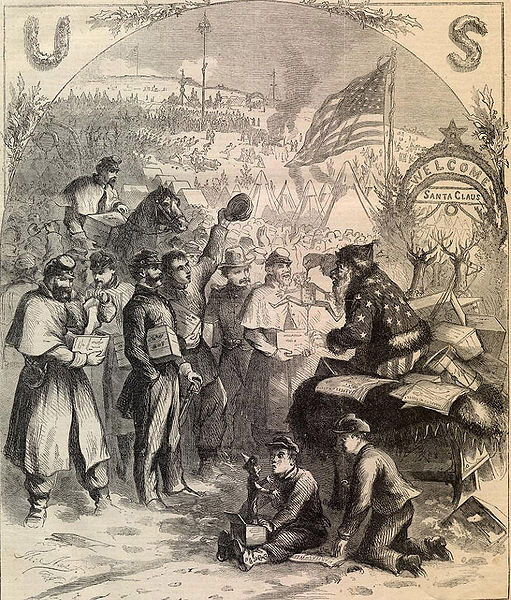
 Meanwhile, the writing biz continues to be busy. Two posts here on Science Traveler looked at
  A daily writing prompt inspired a slightly off-the-path look a twinkling light. Can you follow the transition (and wordplay) in
 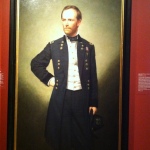 I also had an article published on the Smithsonian Civil War Studies page.
 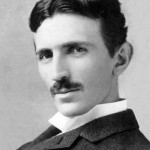 Nikola Tesla has been busy too. In just a few weeks is the
 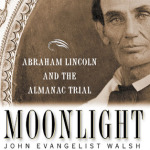 Most people only think of Abraham Lincoln as our 16th President, but prior to that Lincoln had a long career as a lawyer. Much of his legal work was mundane, but he did occasionally get involved in some high profile cases that showed his logic and guile.
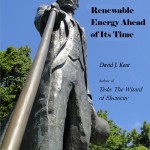 Nikola Tesla had a busy week as Amazon put my e-book
 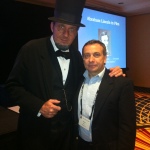 Not to be outdone, Abraham Lincoln was busy as well. First he was in Washington DC for the
  Thanksgiving also featured prominently in
  Finally, as the weather turned colder and the doorstep of winter approaches, The Dake Page took on two topics related to climate denial. The first offered some advice for
 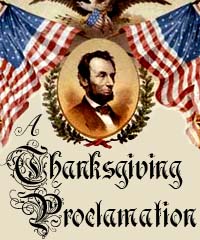 We can thank none other than Abraham Lincoln for the great turkey-eating, pie-gulping, football-watching holiday of Thanksgiving. Yes, Abraham Lincoln.