Two weeks, three conferences, and thousands of social interactions. It’s good to be home.
 That’s how I start off my most recent piece on Hot White Snow. It all started with a full-day conference on the Election of 1864 sponsored by the Lincoln Group of DC. The next day I flew to Vancouver for SETAC, and then after only a couple of days back took off for Gettysburg and the annual Lincoln Forum. Shaken, Yet Stirred relates my need for period recharging during these busy social occasions. Plug me in to an energy source for a while, and I’m all ready to go back into the game.
 Tired of scientists being too technical in describing climate science? The Dake Page reviews a book called The Climate Crisis that attempts to give the basics without all the math. They don’t entirely succeed – it’s still technical enough to not be suitable for non-technical folks – but it is full of color graphics, charts, tables, and photographs documenting every aspect of climate science. Think of it as IPCC-lite.
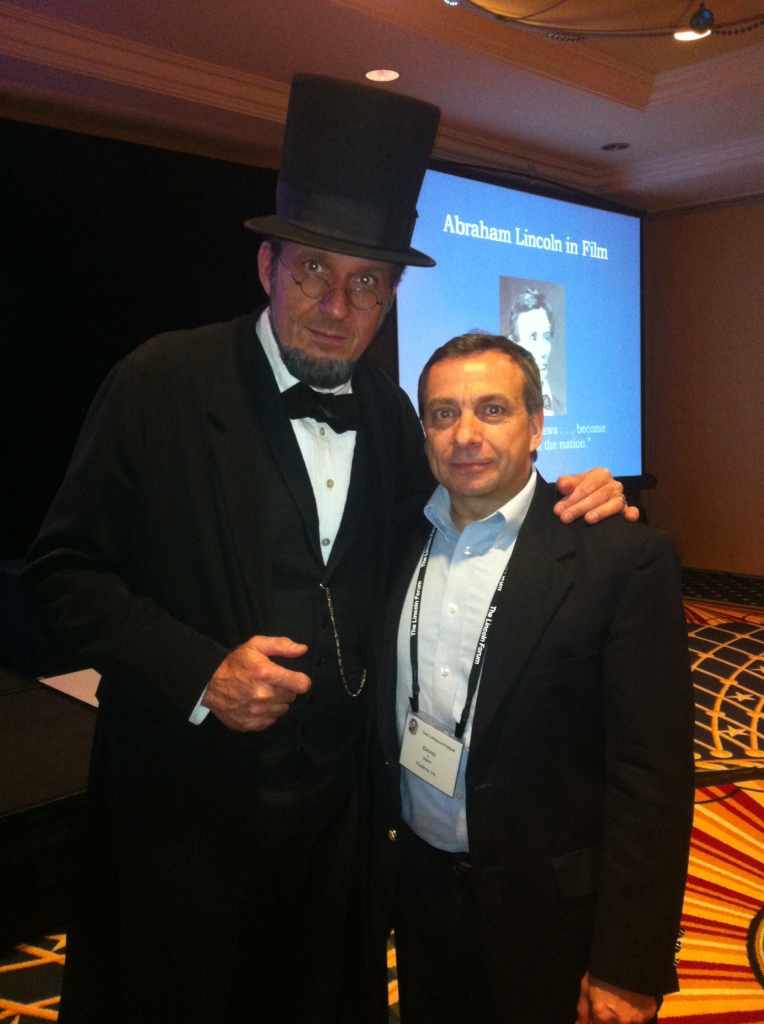
And then there is Lincoln. We had some great speakers at the Lincoln Group of DC symposium, and two of them also participated in another Lincoln event – the Lincoln Forum held in Gettysburg, PA. I’ll write more about this Forum shortly, but I can report already that I plan to attend next year, and the next, and the next. One cool feature of the Forum is that you’re sure to find more than one Abraham Lincoln wandering the halls. This is my first photo-op with a US President!
Speaking of the Lincoln Group of DC, please plan to join us on December 16th for a great dinner speaker – Gerard Magliocca. Check back soon for much more…including some upcoming overseas science traveling.
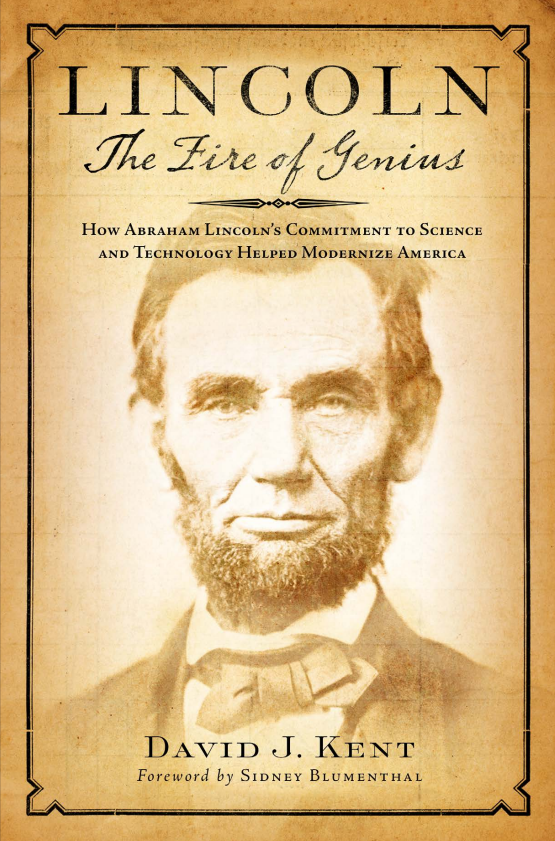
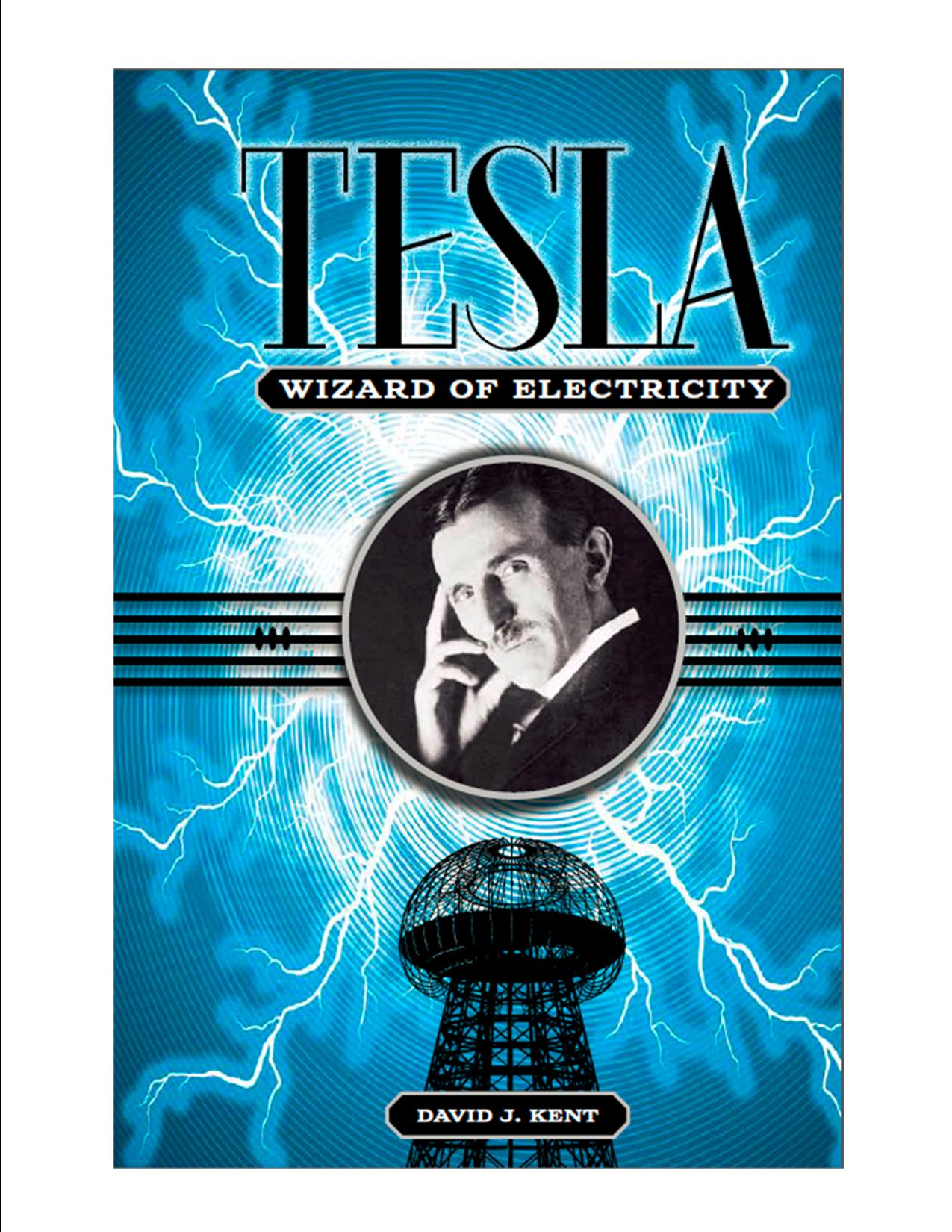
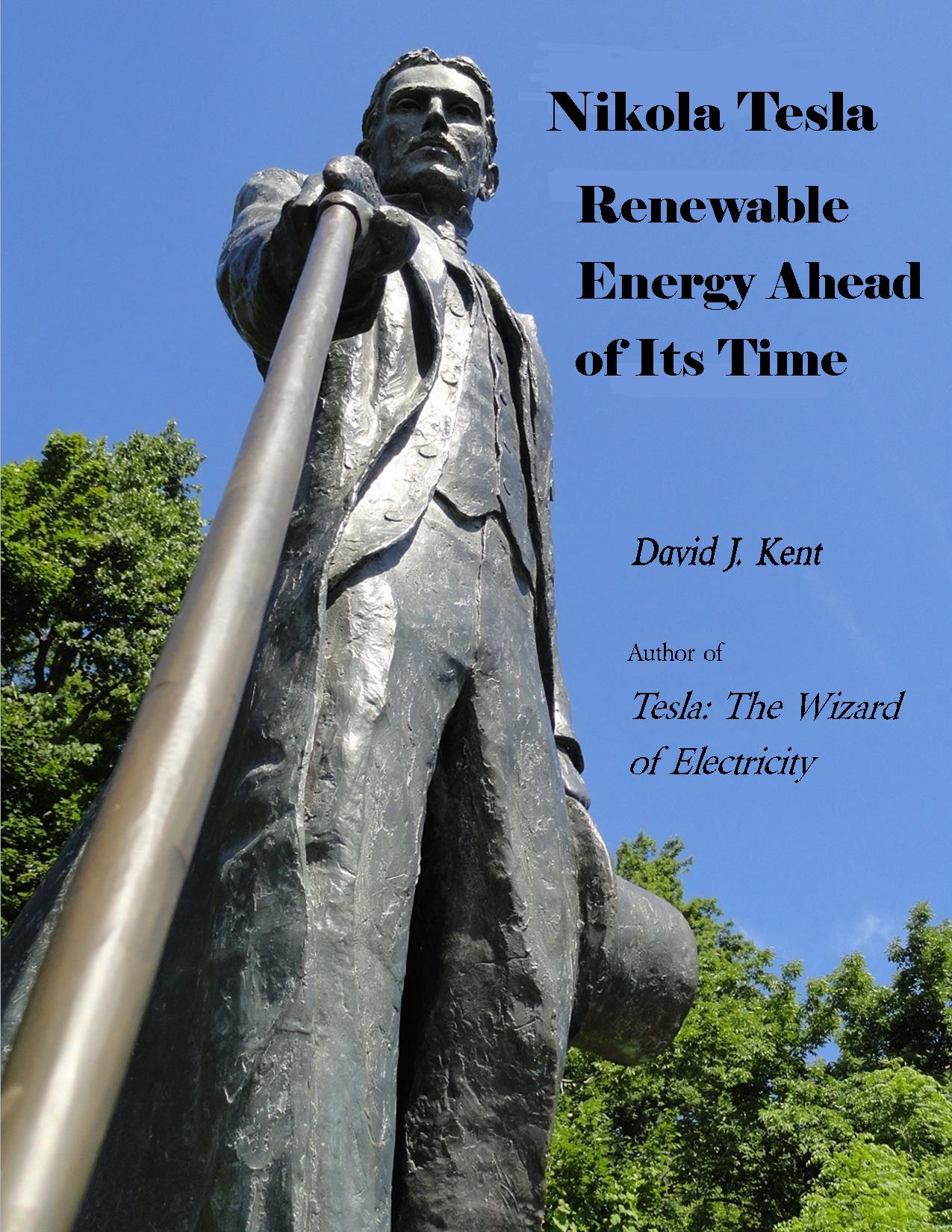
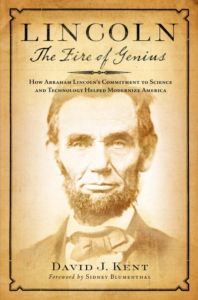
David J. Kent is a lifelong Lincolnophile and is currently working on a book about Abraham Lincoln’s interest in science and technology. He is also the author of Tesla: The Wizard of Electricity and an ebook Nikola Tesla: Renewable Energy Ahead of Its Time
Follow me by subscribing by email on the home page. And feel free to “Like” my Facebook author’s page and connect on LinkedIn. Share with your friends using the buttons below.
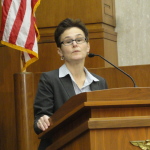 Elizabeth Varon, Professor of History at the University of Virginia, then provided some insights on the election from the South in her talk “Catastrophe or Setback? The Election of 1864 in Confederate Eyes.”
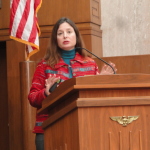 “The Summer of ’64” was a critical time period that significantly impacted the election, said University of Kansas Professor Jennifer Weber, author of Copperheads. Grant’s overland campaign had even die-hard Unionists war weary; Weber explored many reasons how military disasters turned into Union – and Lincoln’s – victories.
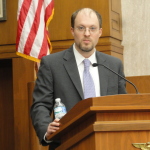 Speaking of the military, the soldier vote was crucial to Lincoln’s electoral victory in November. Christopher Newport University Professor and historian Jonathan W. White examined voting dynamics that possibly changed the outcome of the election in “Emancipation and the Soldier Vote of 1864.”
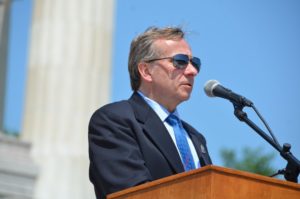
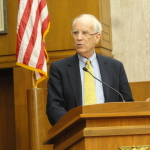 Following these great talks was our keynote speaker, noted historian Michael Burlingame, author and editor of numerous books on Abraham Lincoln. In a wide-ranging talk, Burlingame brought us into the opposition Lincoln faced in reelection, including many in his own party. His “Radicals, Abolitionists, and Lincoln’s Reelection” explored the fickleness not just of the public, but of the lawmakers and generals who worked for and against Lincoln.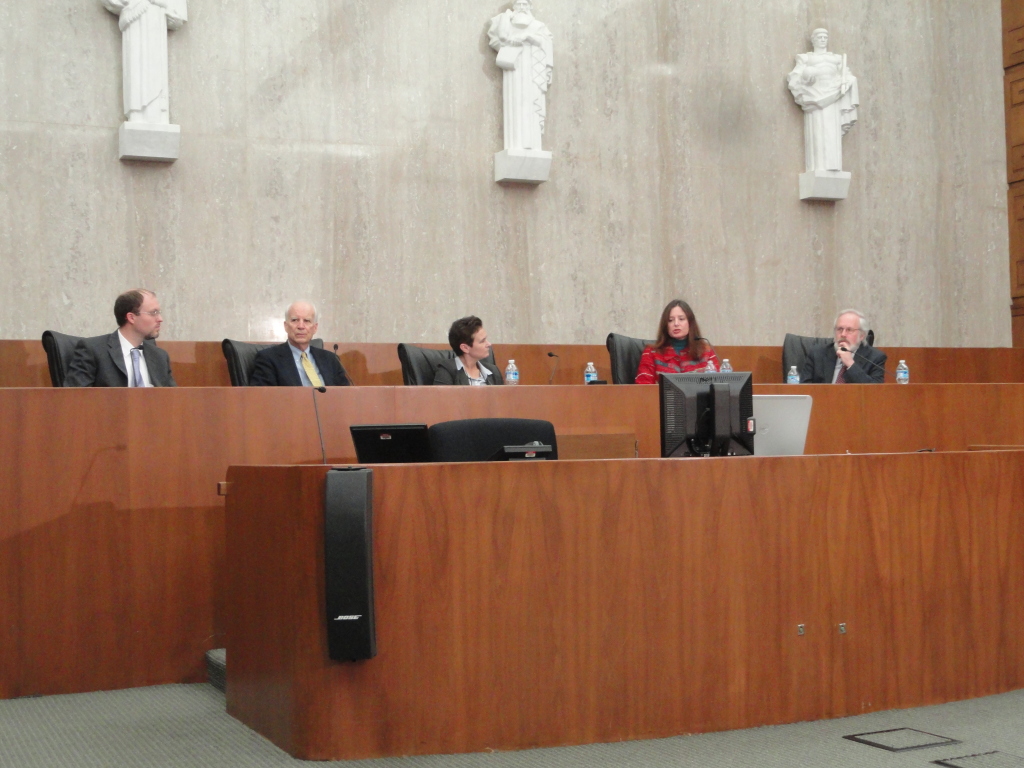
 What do Picasso’s “Guernica,” David’s “The Death of Marat,” and Wyeth’s “Christina’s World” have in common? They all were posters hanging on my bedroom wall as a teenager. Yes, I was not a normal child. Read more at “
 Two big events in climate science occurred this week. The most important one (IPCC’s Synthesis Report) was largely ignored while the least important one (Mid-Term Elections) will be talked about for the next two years. Check out why on
  Speaking of elections,
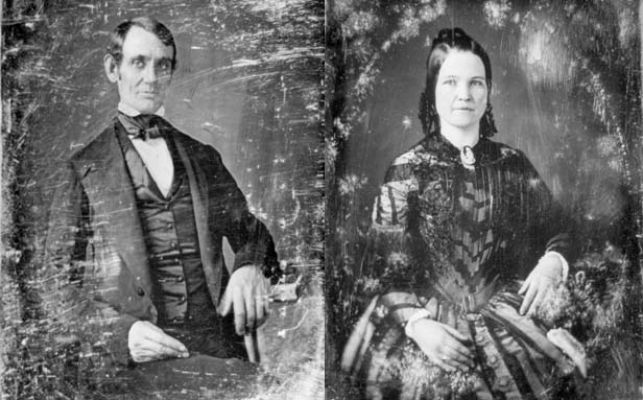
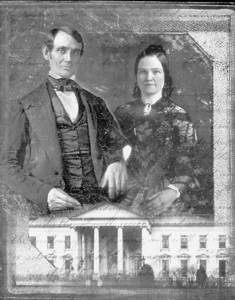
 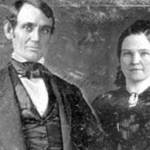 Meanwhile, this week also saw the anniversary of Lincoln’s tempestuous marriage to Mary Todd. The sudden wedding caught everyone by surprise; could have been because Mary had seduced old Abe? And why did Mary refuse to be photographed with her husband?
 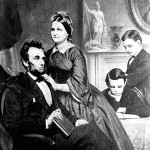 On November 4, 1842, Abraham Lincoln rushed around to his friends and invited them to his one-day’s notice wedding to Mary Todd. The sudden marriage came as a shock to their family and friends, many of whom weren’t aware the couple had resumed their courtship almost two years after the ignominious “fatal first” that ended their prior engagement.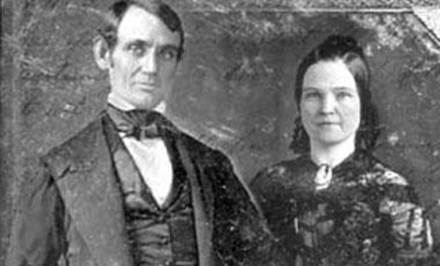
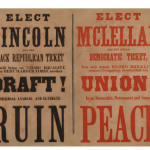 Abraham Lincoln was reelected for a second term in 1864, which surprised everyone,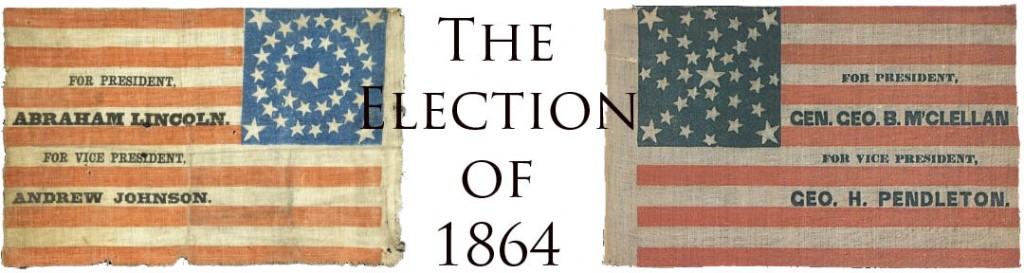
 As the Civil War raged on, things weren’t looking so good for the reelection of Abraham Lincoln. In August 1864 Lincoln asked his entire cabinet to sign the back of what became the “
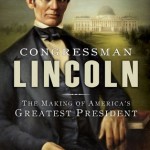 Author Chris DeRose takes a more detailed look at a period in Abraham Lincoln’s life that is normally glossed over in other biographies – his single term as a U.S. Congressman. The first few chapters highlight the political status of the time, as well as the political wrangling between different factions both within and external to the Whig party. The book goes into various aspects of the key question of the day, slavery. Doing so makes it clear that the post-Civil War reinvention of history to suggest the South wasn’t fighting to maintain and expand slavery is hogwash.
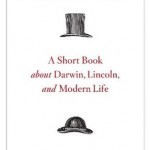 The title comes from the controversy (assuming you knew there was a controversy) over whether Edwin Stanton, upon Lincoln taking his last breath, said “Now he belongs to the ages” or “Now he belongs to the angels.” With this contrivance as a starting point Gopnik presents what amounts to six essays.