 Two books in one. The first works; the second doesn’t.
Rich Lowry is a conservative pundit and editor, and this is reflected in the last of the six chapters that comprise the book. If you are interested in Abraham Lincoln, read the first five chapters and don’t waste your time on the final chapter. If you are looking for far right wing talking points, go straight to the final chapter, which presents current day “conservative” principles vaguely wrapped in the authors’ view of Lincoln’s beliefs.
The odd thing is that the first book, i.e., chapters one through five, provides some valuable insight and interpretation of Lincoln’s upbringing, values, and views on the grand questions of the day. Lowry correctly identifies Lincoln’s remarkable ambition and desire to rise from meager beginnings and make something of himself in the world. Lowry discusses Lincoln’s belief in government-sponsored “improvements” in infrastructure, modernization, and industrialization. He also delves into Lincoln’s own inventiveness and appreciation of emerging technologies – railroads, canals, weapons during the Civil War, just to name a few.
The writing often rambles, but its unevenness shouldn’t significantly lessen the reader’s ability to garner the historical significance of Lincoln’s belief that hard work was a path toward advancement, both of individuals and the country. Lowry’s discussion of Lincoln’s views with respect to racism and slavery, as well as his debates with Stephen A. Douglas, are sometimes out of sync with more established historians, but are nevertheless important interpretations to consider, even if after doing so you don’t agree with him. Overall, Lowry has offered valuable insights not seen in more academic and scholarly biographies of our sixteenth president.
Which makes the final chapter so bizarre. Lowry makes valid points when he sticks to reporting Lincoln’s views from the perspective of Lincoln’s time period. But when he tries to force fit Lincoln into somehow approving of far right wing screed and surreality the author reveals his own biases. Here he often suggests Lincoln would disdain today’s government (as Lowry clearly does) but then provides information that would lead many to conclude the opposite. The creation of false premises to support a pre-defined conclusion is a common problem with pundits flying on the extreme wings of either party, and Lowry puts these on vivid display in this final chapter. While likely this was the main purpose of producing the book in the first place, the author would have been better to leave out this particular chapter. It cheapens an otherwise informative book.
So I highly recommend you read the first five chapters. Think about Abraham Lincoln and his times. Then learn your own lessons from Lincoln and ignore the disjointed, unsupported, polemic at the end.
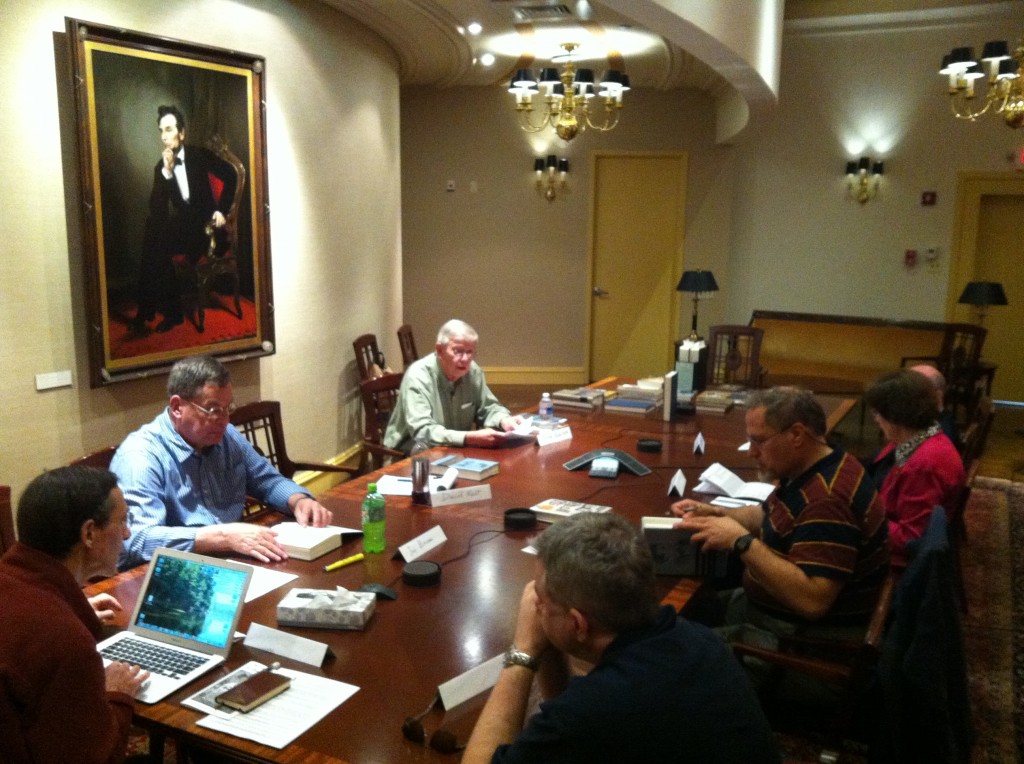
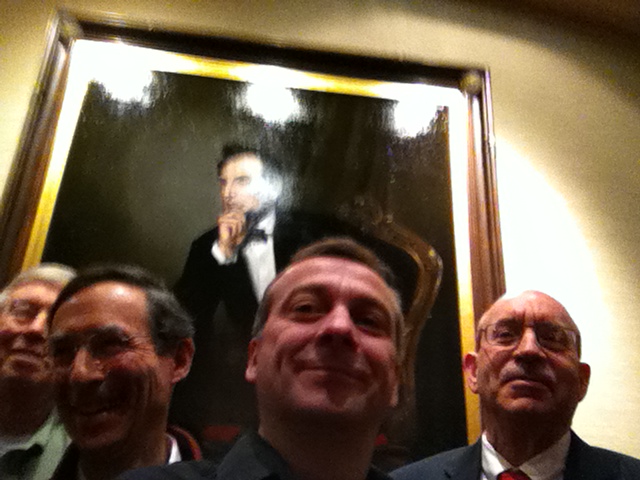
Additional Note: I read the book and wrote this review in September 2013. I subsequently met Rich Lowry when he was the guest speaker at the March 2014 Lincoln Group of DC meeting. I had the privilege of joining his table for dinner prior to his presentation. My impression was that he was genuinely nice. As we discussed his book and other Lincoln topics it became apparent his actual views were not as extreme as the views he appears to espouse in his sixth chapter. That said, based on that discussion and his presentation, he is unquestionably a strongly conservative and Republican partisan, which is certainly expected from the editor of the National Review. However, as my book review above notes, in my opinion the final chapter doesn’t reflect Lincoln and his times as much as it reflects Lowry’s current political leanings. Despite that negative, the first five chapters of the book are very much worth reading.
More Abraham Lincoln book reviews can be read here (scroll down for more).
David J. Kent is an avid Lincolnophile and is writing a book on Abraham Lincoln’s interests in technology. He is also the author of Tesla: The Wizard of Electricity, and a signed copy can be ordered directly from me. The second printing will be available in Barnes and Noble bookstores soon, or you can download the ebook at barnesandnoble.com.
Feel free to “Like” my Facebook author’s page and connect on LinkedIn. Share with your friends using the buttons below.
 An exceptionally well researched book recreating Abraham Lincoln’s flatboat trips to New Orleans. Campanella is an expert on New Orleans, and has expanded his expertise upstream to develop a detailed account of Lincoln’s two trips down the Mississippi River. No small feat given that the sum total of all the first person reminiscences of the trips by Lincoln and participants wouldn’t fill a page of text. Campanella’s recreation, like many efforts based on such scant direct information, is not however contrived in the least. On the contrary, the effort he has put into collecting and analyzing fragmented – and often contradictory or dubious – accounts is exemplary.
 The American Civil War was a crossroads between the old style of warfare and modern warfare. This modern warfare (if one can call the wholesale taking of lives “modern”) is explored in an exhibit in the Ford’s Theatre Center for Education and Leadership called “
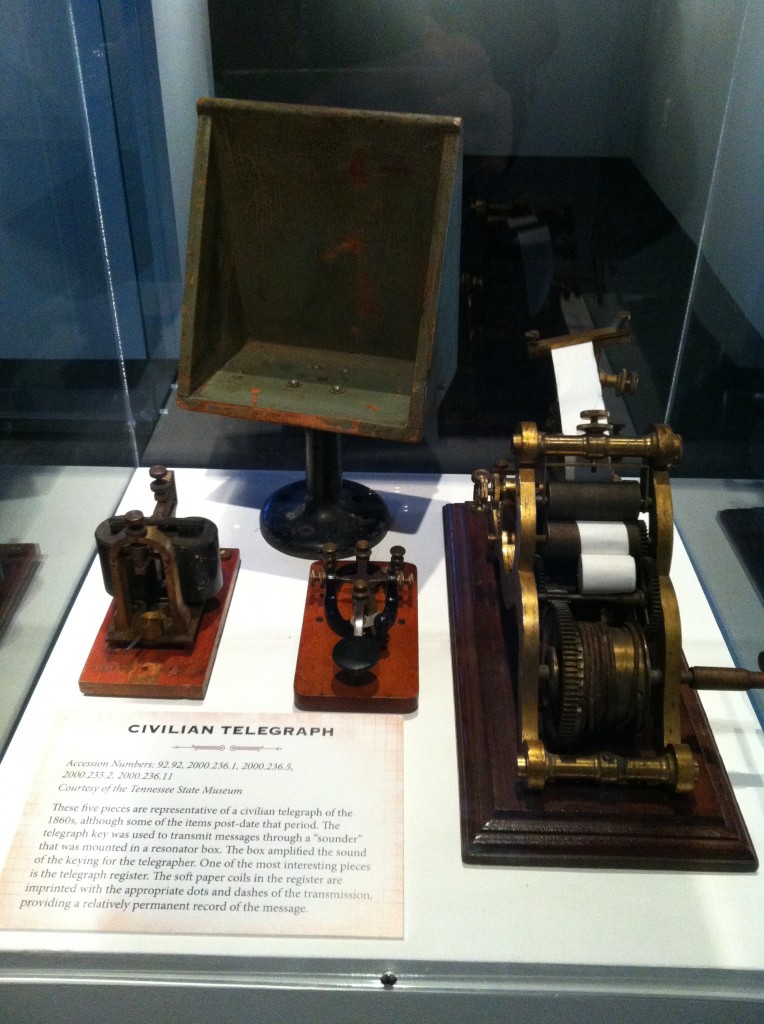
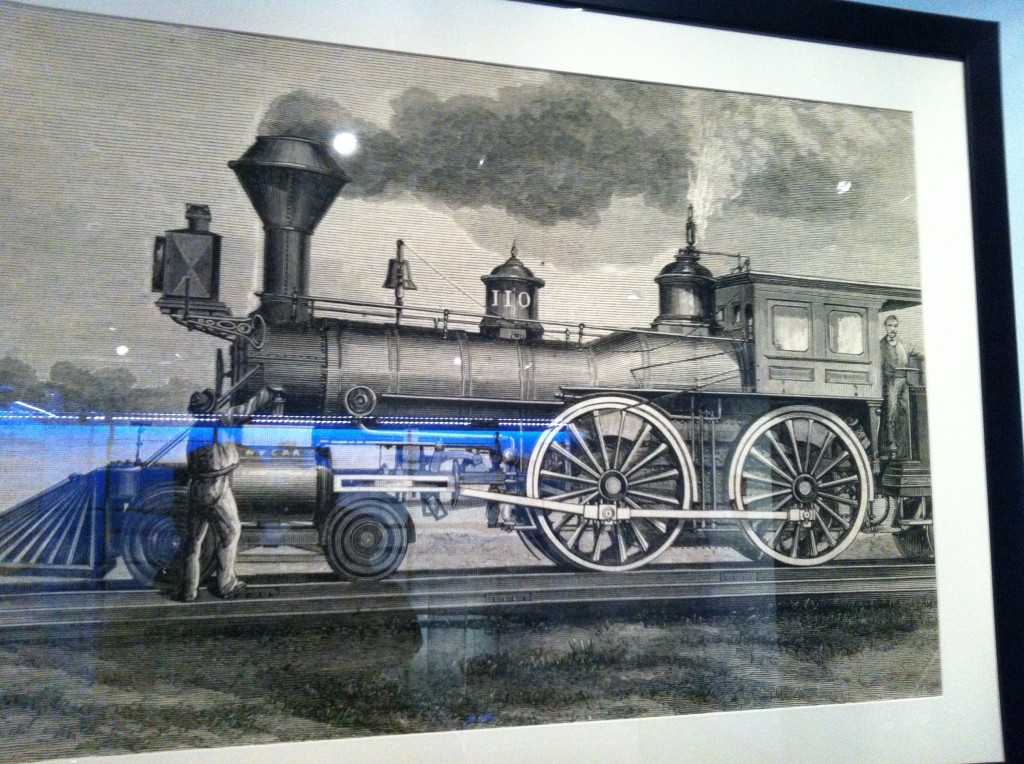 The advancements in railroads, manned balloons, and cannons moved warfare into the modern age. The evolution of basic weaponry – away from single-shot muskets and toward repeating rifles and pistols – increased both the distance and lethality of offense.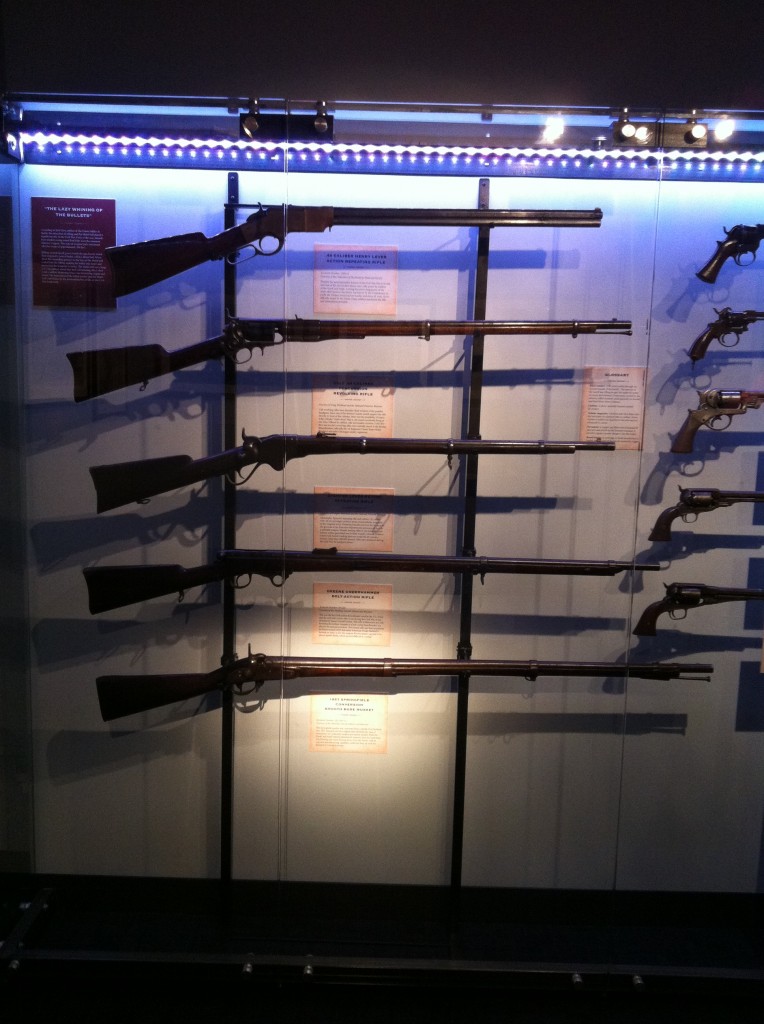
 The premise of the book is that Abraham Lincoln was a homosexual, or at least a bisexual. The problem with this premise is that it is purely conjecture and the author does not support it at all. Basically, he just made it up.
 This is an extraordinary book, for several reasons. First, William H. Herndon was Abraham Lincoln’s law partner for sixteen years prior to Lincoln becoming President. Second, because Herndon spent several years after Lincoln’s assassination writing to and interviewing scores of people who knew Lincoln during his life and career up to the presidency. Third, because editors
 Tesla world has been equally busy. I continue to work on the Tesla and Renewable Energy ebook I expect to release in June. The ebook format will keep the cost low and allow reaching out to the large number of people who haven’t yet discovered the great inventor. Meanwhile, the second printing of my
  I’ve been documenting on these pages some of the highlights of my February 2014 trip to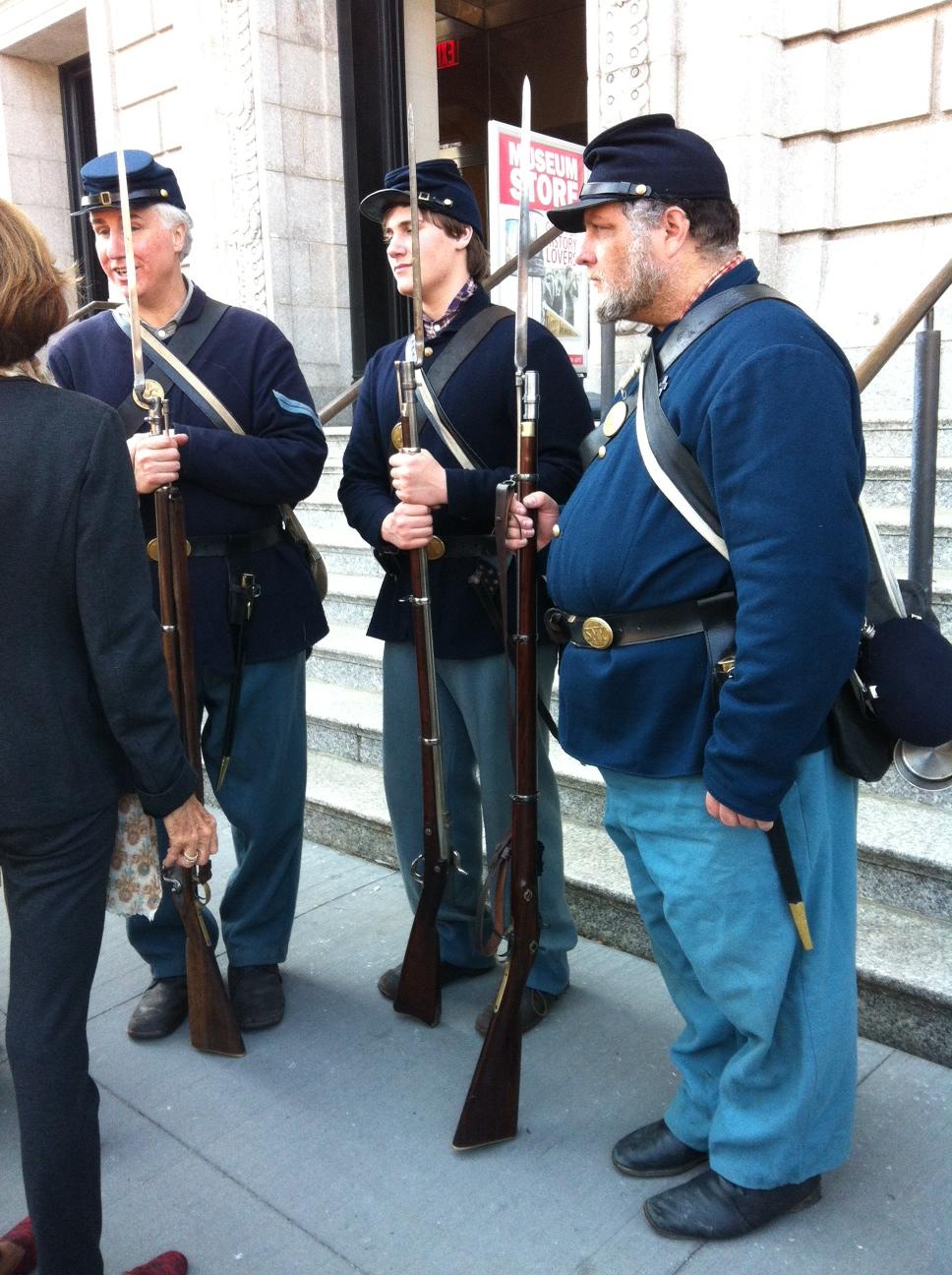
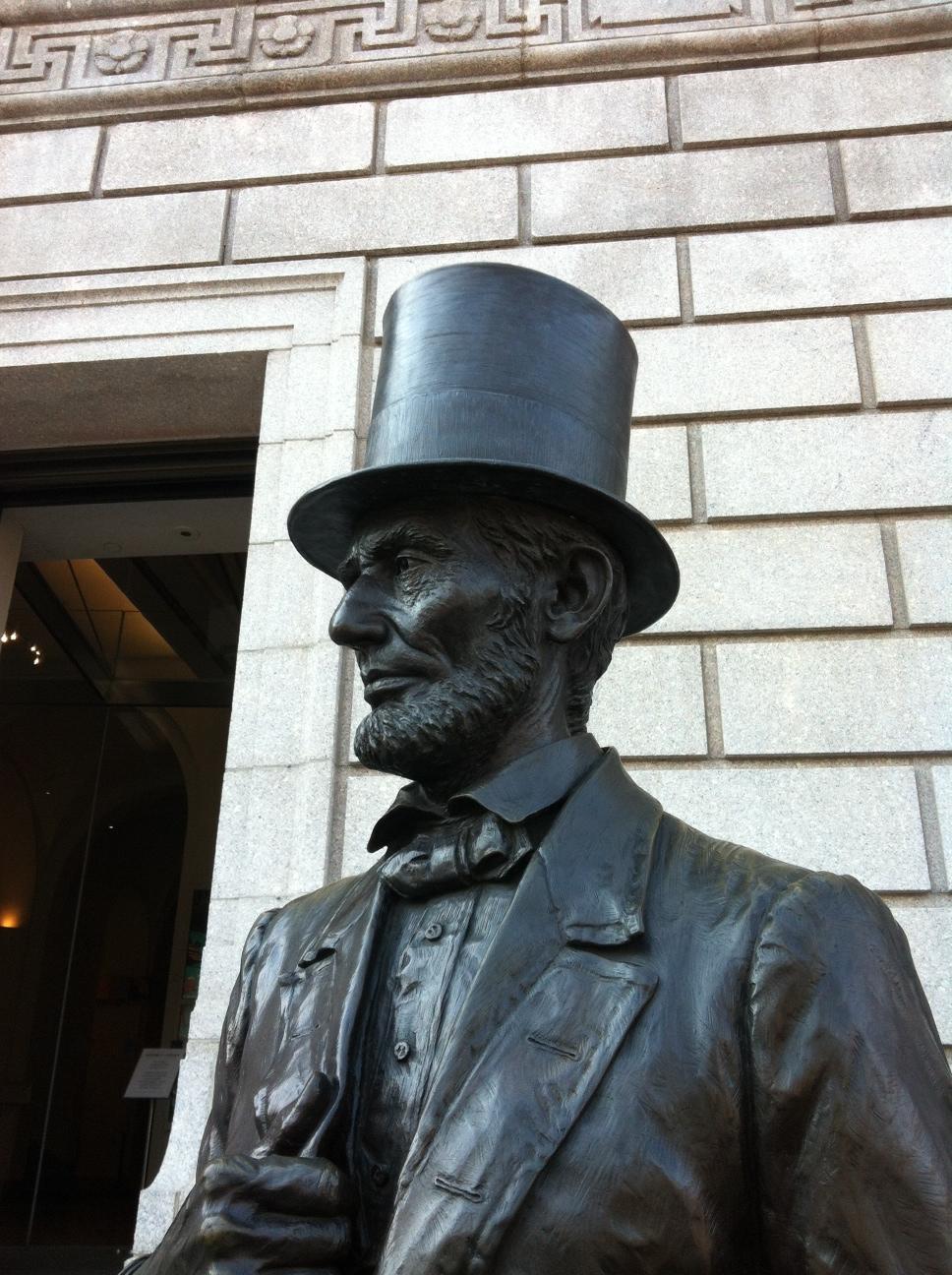
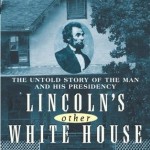 Abraham Lincoln lived in the White House from March 1861 until his assassination in April 1865. Or did he? In fact, he spent most of the summer months of 1862 through 1864 – about a quarter of his presidency – living in the Soldier’s Home. Author Elizabeth Smith Brownstein gives us a fascinating, as well as delightful, look at Lincoln’s Other White House.