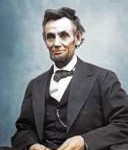
 Put two hundred Abraham Lincoln scholars and followers in a room and what do you get? On March 22, 2014 you get the 17th Abraham Lincoln Institute Annual Symposium highlighting the latest in Lincoln scholarship. The day-long symposium featured five speakers discussing their latest books, and the audience included some of the biggest names in the field.
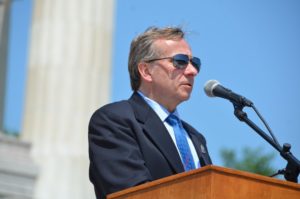
ALI President Allen Guelzo served as emcee for the program, while the equally eminent Lincoln scholar Michael Burlingame introduced the first speaker, Rich Lowry. This was the second time this week I had seen Lowry as he was the featured speaker on Tuesday night at our monthly Lincoln Group of DC dinner. He gave a spirited and informative look at “The Lincolnian Ethic and the American Dream.”
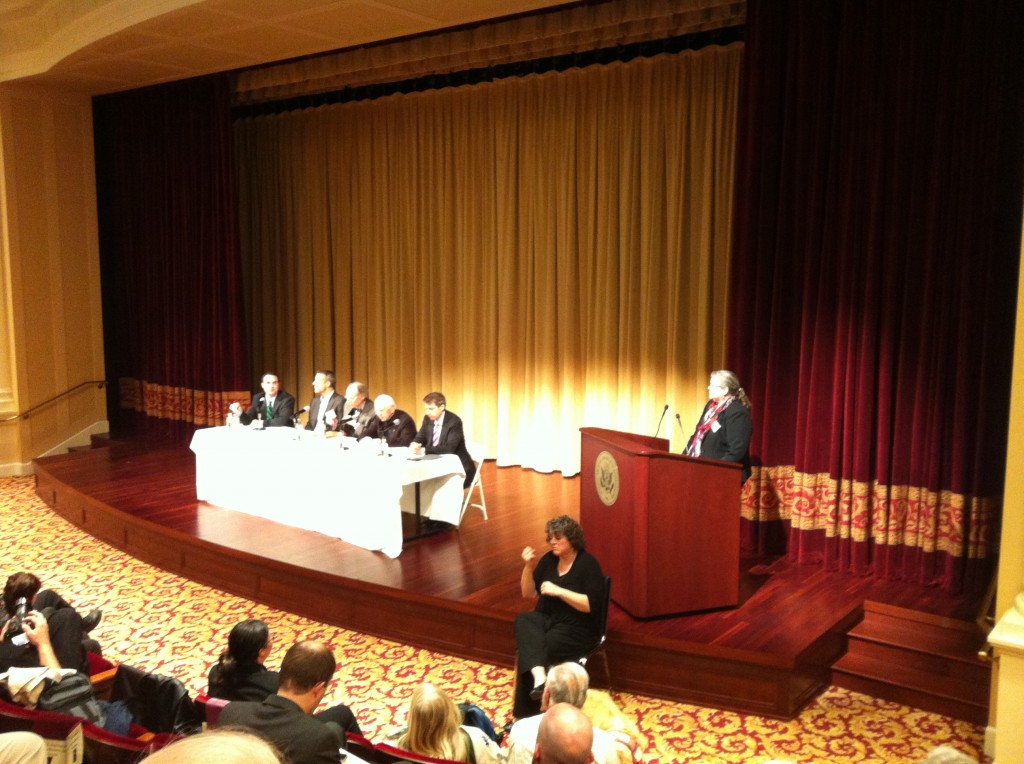
After a short break, former ALI President Fred J. Martin spoke about the long, and often in doubt, march to Lincoln’s reelection in 1864. Martin noted that Lincoln, while uncertain of his reelection chances during a long and unpopular war, had a clear understanding of the nation’s geography, issues, and political dynamics. He knew how important it was to hold the elections even as the nation fought to keep itself together.
But that was just the beginning. After lunch we were treated to more excellent presentations by a series of great speakers: John David Smith enlightened us on emancipation and the U.S. Colored Troops; John Fabian Witt explained the significance of Lincoln’s Code of war; and Joshua Zeitz led us into the world of “Lincoln’s Boys,” the title of his new book about Lincoln’s presidential secretaries, John Nicolay and John Hay. Following the presentations was an opportunity for the audience to pose additional questions for the panelists. Overall, this was an amazing event and the organizers should be congratulated on their efforts in putting together the program. More information can be found on the ALI website, including an archive of videos from past symposiums.
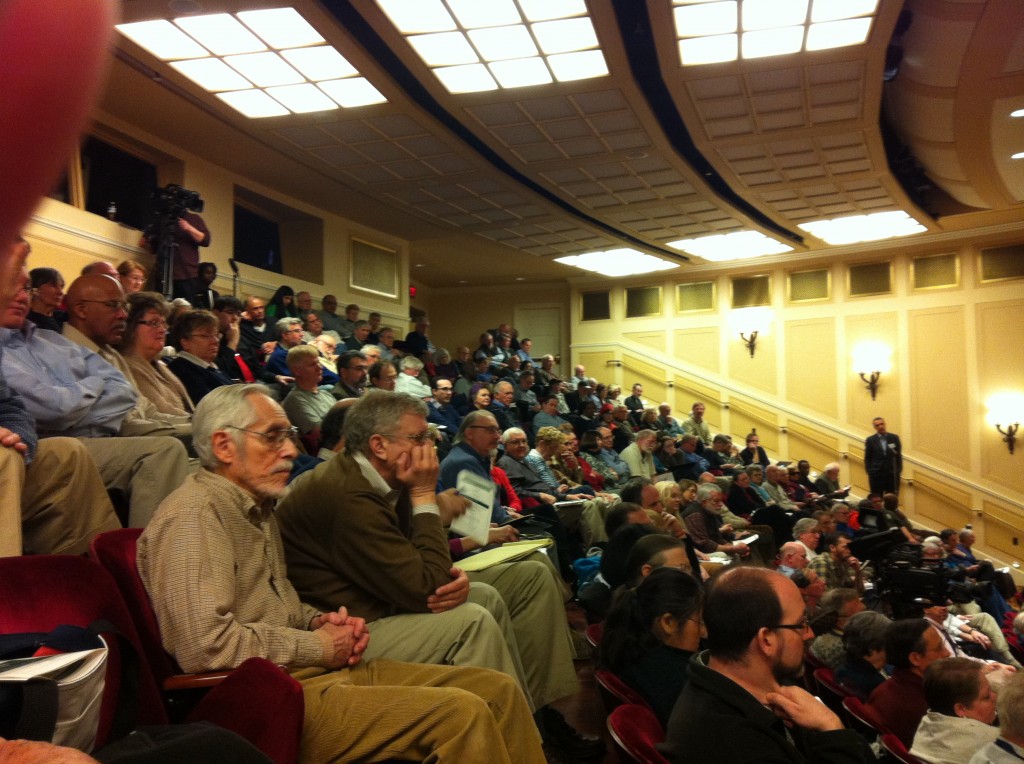
On a personal note, the symposium was a special occasion for me for several reasons. First, it was the first annual ALI symposium I have been able to attend. Normally it is held at Archives II, which is up in College Park, Maryland, but this year it was held in Archives I, the main Archives building right here in downtown Washington DC. Second, because it gave me the chance to introduce myself to Michael Burlingame, one of the most respect researchers in current Lincoln scholarship. Third, because in the nearly full 290-seat auditorium were some of the most erudite Lincoln experts in the country, including Jonathan W. White, Joan E. Cashin, Douglas L. Wilson, Michelle Krowl, and many others. Being in the presence of such Lincoln knowledge was both intimidating and exhilarating.
Also nicely represented at the symposium were members of the Lincoln Group of DC. Our own Rodney Ross provided a nice introduction to John Fabian Witt, current LGDC President Karen Needles asked some stimulating questions, and my lunch with Richard Margolies and John Elliff led to some fascinating discussions. In my brief conversation with Michael Burlingame I mentioned that the LGDC was beginning to expand our outreach and education activities and would be happy for any insights he may be able to provide. I’m looking forward to interacting with him and other Lincoln experts as I take on this important role for the group.
As an added bonus I had a rolling conversation throughout the day with George Kirschbaum, a retired history professor with an avid interest in both Abraham Lincoln and my other favorite historical personage – Nikola Tesla. [He even bought one of my books] While getting his address to send the Tesla book I realized that Elizabeth Brownstein was sitting right behind me. Elizabeth and I had been discussing her book, Lincoln’s Other White House, at the LGDC meeting earlier in the week. Luckily for me I had my copy with me (I had started reading it on the train into DC that morning), so she graciously agreed to sign and write the most amazing inscription in it.
All in all, a very good day. A very good day indeed.
David J. Kent is the author of Lincoln: The Man Who Saved America, in Barnes and Noble stores now. His previous books include Tesla: The Wizard of Electricity (2013) and Edison: The Inventor of the Modern World (2016) and two e-books: Nikola Tesla: Renewable Energy Ahead of Its Time and Abraham Lincoln and Nikola Tesla: Connected by Fate.
Check out my Goodreads author page. While you’re at it, “Like” my Facebook author page for more updates!
 This 1992 book is somewhat uneven and could have used some better editing, but it does provide some excellent insights into Abraham Lincoln’s rhetorical style. The author, Lois J. Einhorn, was an Associate Professor of Rhetoric at the State University of New York.
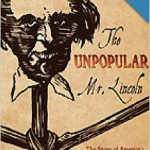 This book, The Unpopular Mr. Lincoln: The Story of America’s Most Reviled President, is a rather extraordinary look at Abraham Lincoln. And a remarkably pleasant surprise given the uncustomary view of Lincoln, as well as the providence of the author. Larry Tagg is not whom you might expect to be writing a biography of Abraham Lincoln. Some will recognize the name from the music world and Tagg’s band Bourgeois Tagg, or from his many years touring with Todd Rundgren, Hall & Oates, and opening for Robert Palmer, Belinda Carlisle and others. Now a high school English and drama teacher in California, Tagg surprises the reader with his deep understanding of Lincoln and his times. And he tackles an often overlooked and difficult facet of how Lincoln was viewed by contemporaries.
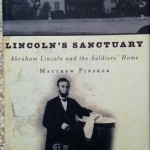 When most people think of Abraham Lincoln, they think of him toiling away in the White House, occasionally making his way to the adjoining War Department to check telegraph news from the front. Few know that Lincoln and his family actually spent much of the summers of 1862, 1863 and 1964 living at the “Soldier’s Home” and commuting daily to the White House.
 It seems like January 2013 was a blink away, but somehow an entire year has passed and that blink away is now January 2014. But oh what a year it was. A year of transitions, a year of excitement, and even a year with some major anxieties. But it is a year I will always remember – the year of Tesla.
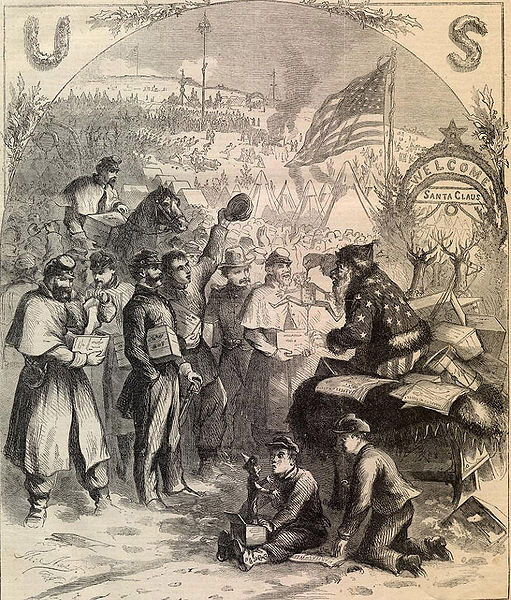
 There are over 15,000 books that have been written about Abraham Lincoln. At least that’s the number that is bandied about whenever someone talks about Lincoln books. Whether that number includes books about the Civil War or just books focused on Lincoln himself is also in question. In any case, I have over 800 titles, with more than 95% specific to the man, not the war.