 In this book from 2004, Michael Lind makes an effort to demystify the man he calls “America’s Greatest President.” Some readers will find What Lincoln Believed a well-researched analysis of Lincoln’s true beliefs, while others will be put off by apparent reinterpretation of historical knowledge. Lind clearly believes that Abraham Lincoln was a white supremacist and documents how he arrives at this conclusion. His documentation is not entirely persuasive, though he does provide enough research material to make those who have unrealistically idealized Lincoln more than a bit uncomfortable. Lind also calls Lincoln a liar based on decisions other people made years later and after Lincoln had been assassinated. Jumps in logic such as these do take away from the credibility of the book and could lead some readers to dismiss other, better supported, analyses.
The book is much more than those controversial suppositions, however, and the reader would miss out by making snap judgments. Lind generally does a good job describing how Lincoln emulated Henry Clay and other Whigs on a variety of topics, including his support for internal improvements, protective tariffs, and national banks. In “The Slave Power,” Lind carefully describes Lincoln’s abhorrence of slavery and conviction to sop the spread of it into the territories, but also his support of colonization. It is here that he asserts Lincoln wanted a “white America” and attributes this as the reason Lincoln wanted to stop slavery’s expansion. In “Lincoln and the Union” and elsewhere Lind discusses the dynamic between slavery and Lincoln’s ultimate goal, which was to save the Union; a goal that had both nationalistic and global repercussions should it not be attained.
Two of the more interesting chapters actually have little to do with Lincoln himself. Lincoln attributes to Lincoln a “Second Republic” and then describes how this industrialized capitalism evolved and dominated U.S. and world development from the Civil War right up until Franklin Delano Roosevelt’s New Deal. While the attribution to Lincoln (and Clay and others) seems a bit strained, Lind does make a solid case for the importance of this particular economic philosophy. Similarly, in “The Great Democrat,” Lind connects industrialized societies to democracy. Both of these final chapters stray from Lincoln per se, but offer significant insights that put Lincoln and his times in context.
Reception to this book has been mixed, and Lind in my view stretches beyond his material in attributing to Lincoln ingrained convictions that remain unsupported. That said, I found that the book challenges some of the more mythical perceptions of Lincoln and offers significant insights not found in other books. In that regard, I recommend the book to serious Lincoln scholars.
David J. Kent is the author of Tesla: The Wizard of Electricity. You can order a signed copy directly from me, at barnesandnoble.com, and exclusively at Barnes and Noble bookstores.
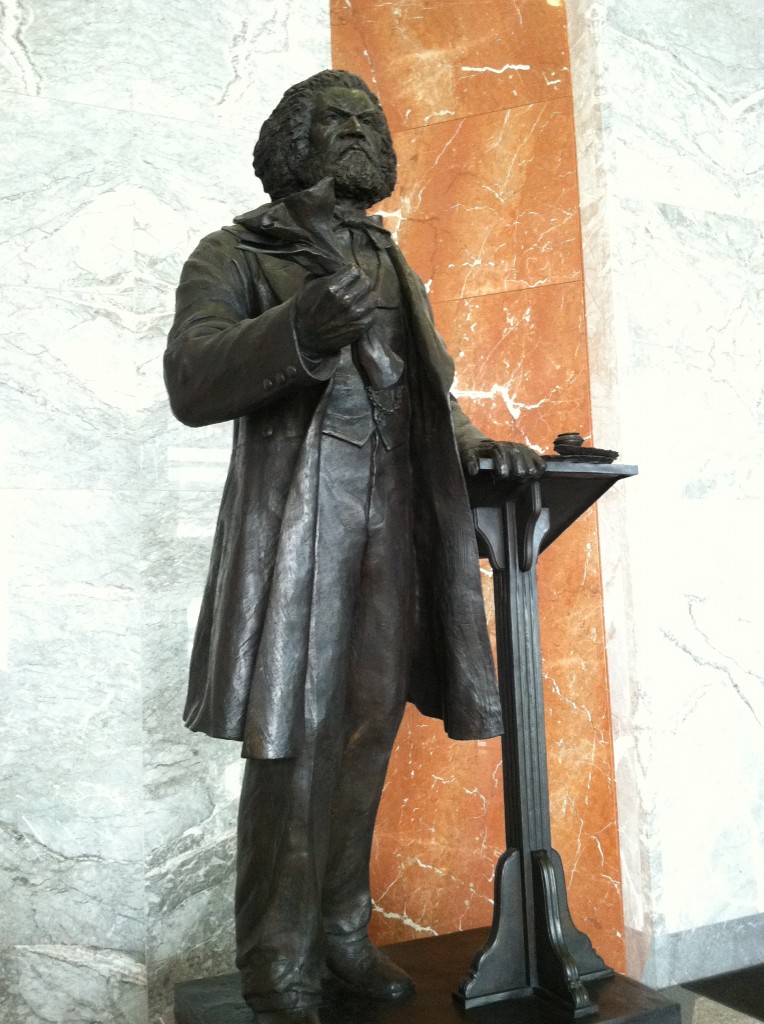
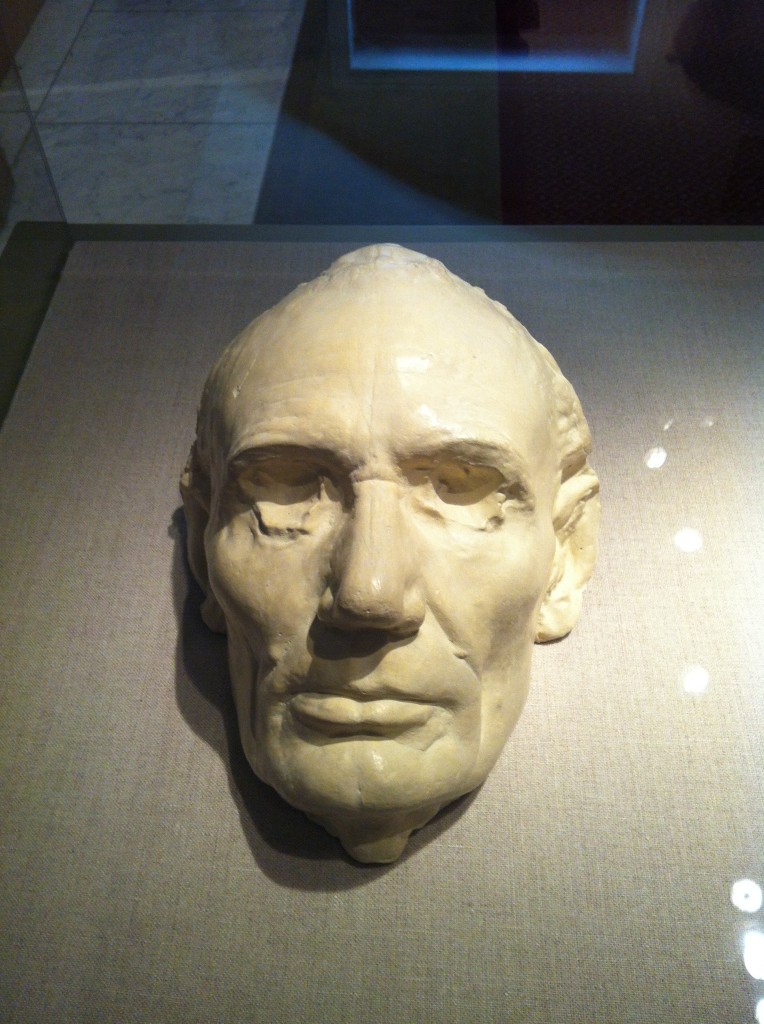
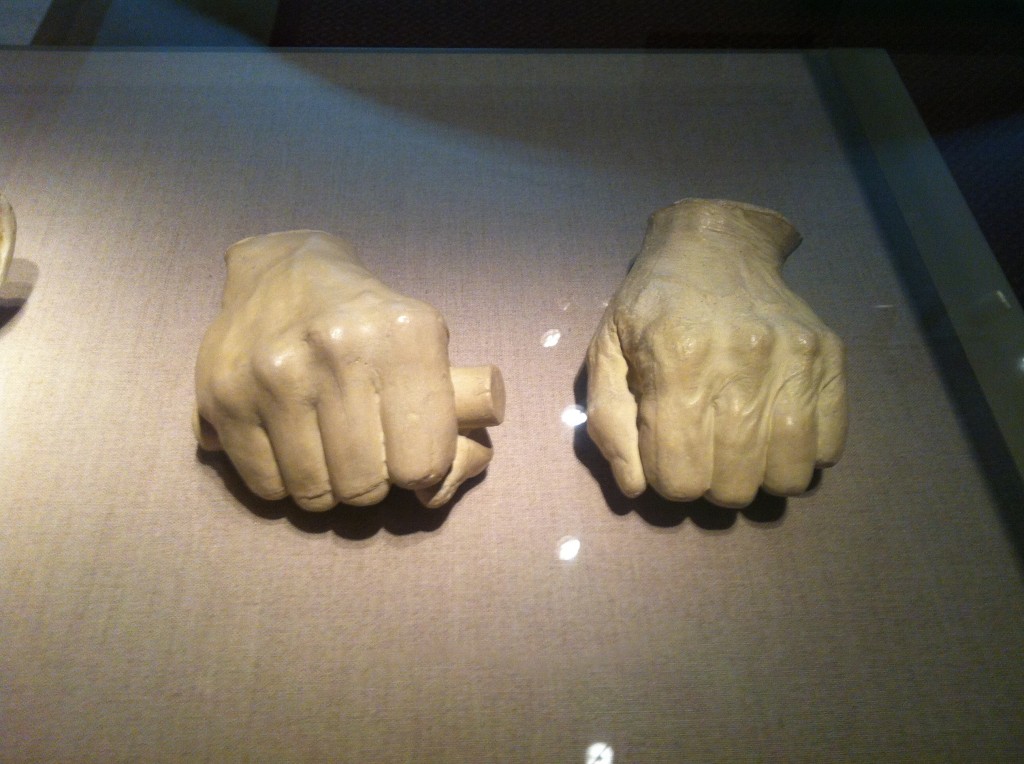
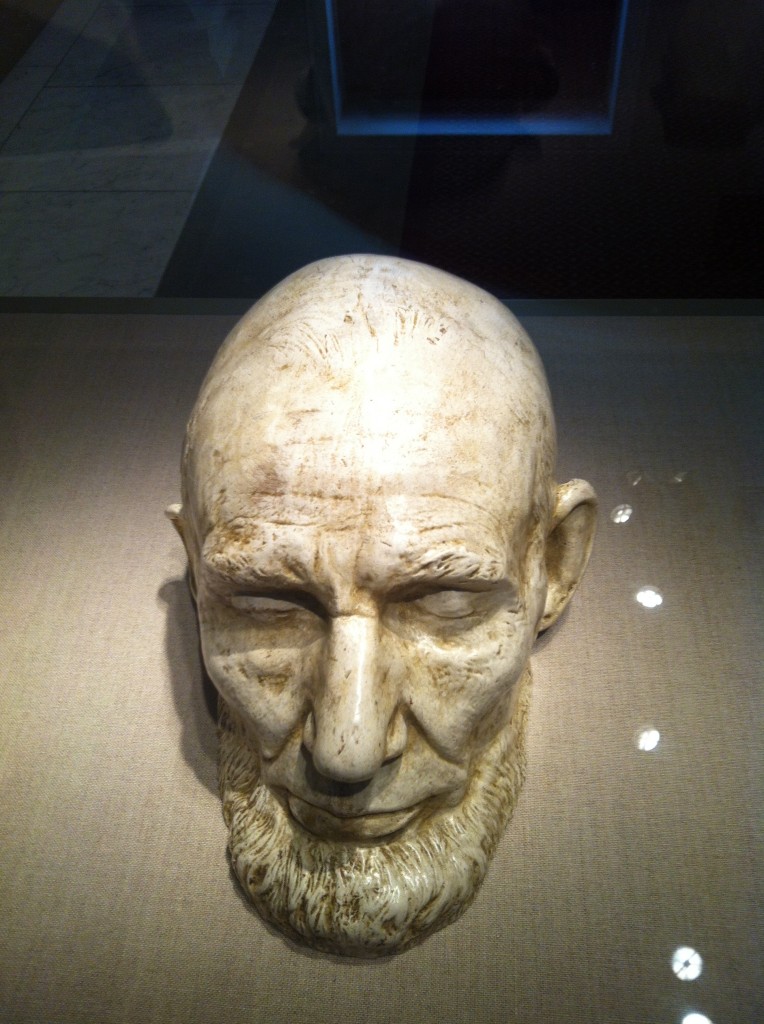
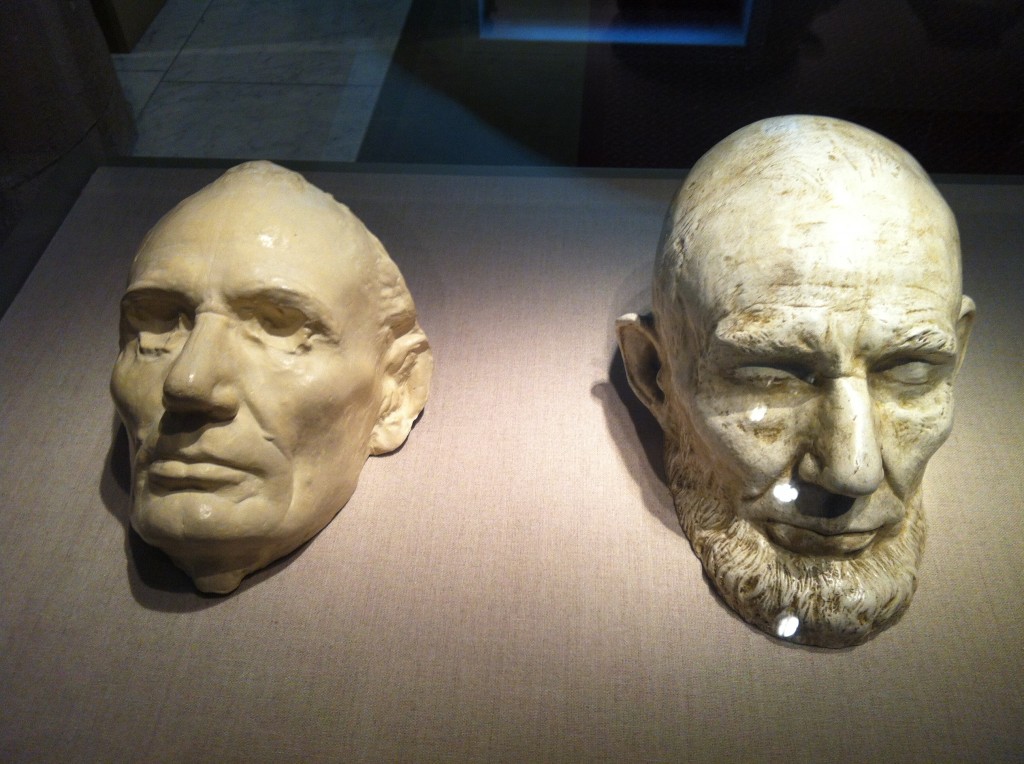
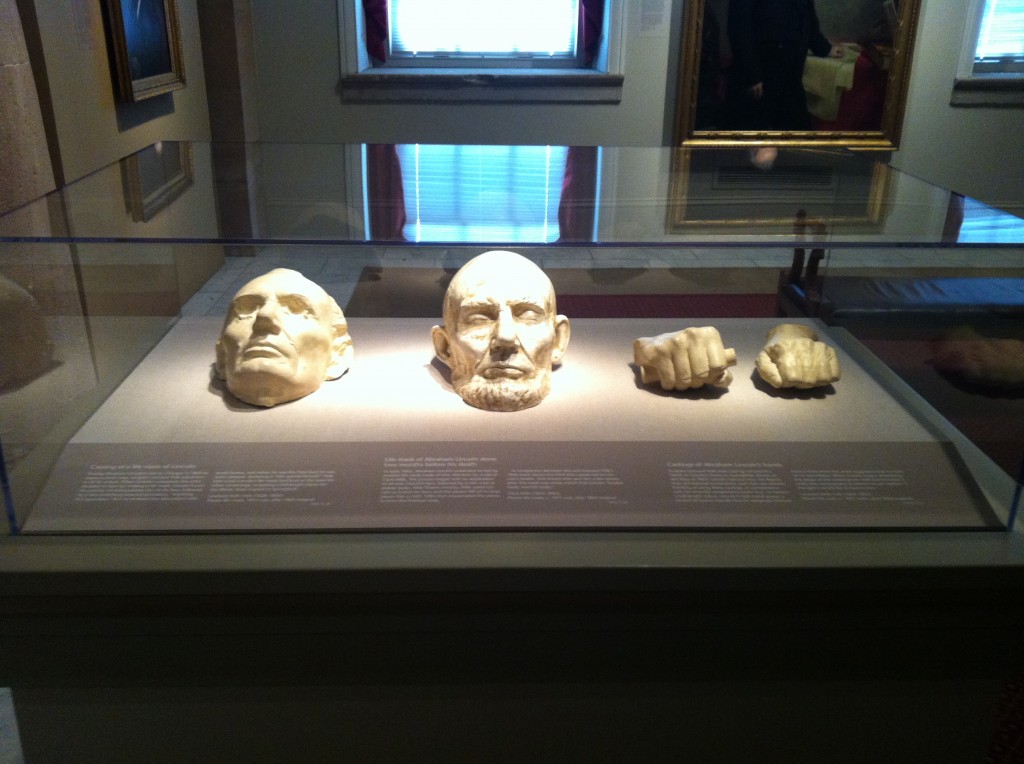
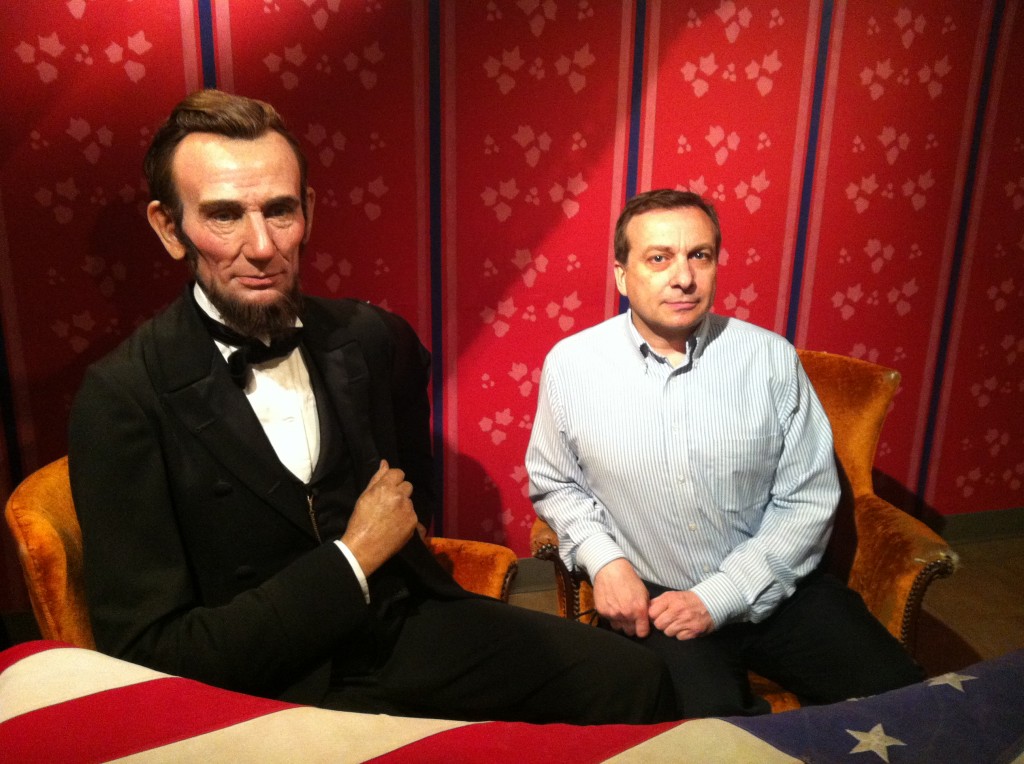
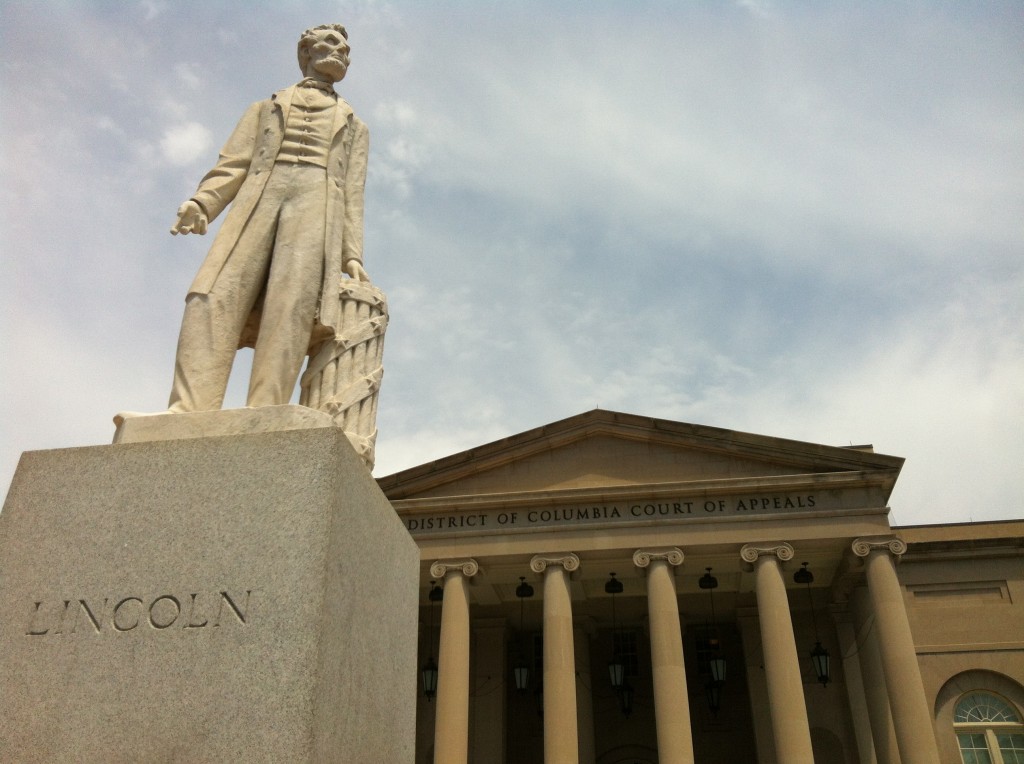
 Abraham Lincoln died today. Well,
 Each born on February 12, 1809 in very different parts of the world, Abraham Lincoln and Charles Darwin never met. Darwin spent five years traveling the world on The Beagle and eventually defined how we think about life. Lincoln spent four years staying pretty much in Washington DC and eventually came to define how we think of leadership.
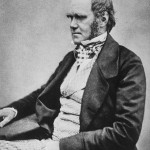 Still, the book toggles between Lincoln’s life and Darwin’s life, comparing the two at key junctures in their maturation as thinkers, family men, and leaders. Because they were the same age many of these life choices occurred at roughly the same period of time. Contosta notes that both put off making decisions as to their life’s work since neither really wanted to follow too closely in the footsteps of their fathers. Lincoln traveled down the Mississippi on a flat boat before settling for some years in New Salem, Illinois. Darwin traveled around the world by ship for five years doing the research that would eventually lead to his most famous works. Once this phase was completed they each “found their calling,” Lincoln in politics and the law, Darwin in development and experimentation on what would eventually be called evolution.
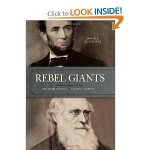 The book spends some time after the early death of Lincoln and the much later death of Darwin to assess their impact on the world. Clearly the emancipation of the slaves and the subsequent problems with reconstruction led to issues experienced for another century (and continuing). And clearly Darwin’s theory of natural selection challenged the conventional thinking of the day. History has shown that many would “adapt” the work of these two influential men to serve their own purposes (e.g., “social Darwinism,” which Darwin would have been aghast to see).
 Harold Holzer has a birthday.
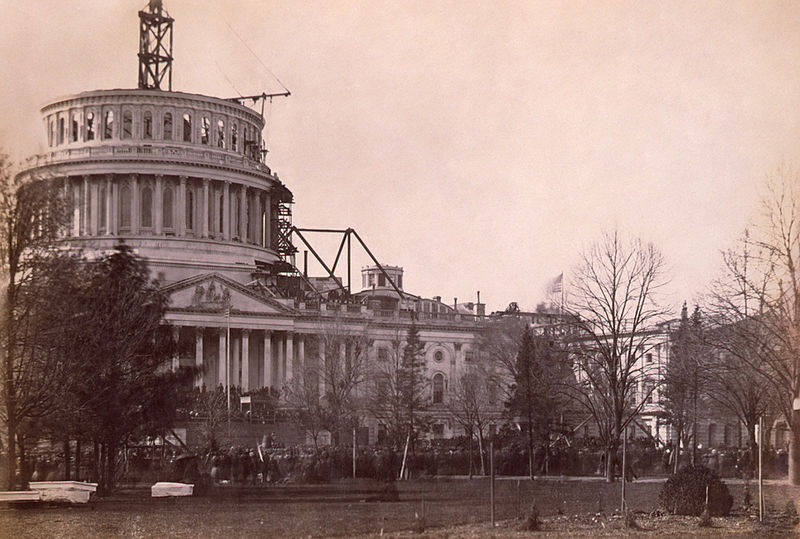 Obama did not mention Lincoln by name during his